Top 5 Natural Monuments around Bailo
Best natural monuments around Bailo feature a landscape shaped by unique geological formations and historical settlements. The region is characterized by impressive rock structures and the results of natural erosion. Visitors can explore areas where natural beauty converges with cultural heritage. This area offers a blend of geological interest and historical sites within its natural settings.
Best natural monuments around Bailo
- The most popular natural monuments is Mallos de Agüero and Agüero Village, a natural monument and settlement known…
Last updated: July 1, 2026
Mallos de Agüero
Highlight • Natural Monument
Translated by Google •
Tip by

Mallos de Agüero and Agüero Village
Highlight • Natural Monument
Translated by Google •
Tip by
Sign up now to discover places like this
Get recommendations on the best single tracks, peaks, & plenty of other exciting outdoor places.
Sign up for free
Gypsum ravine
Highlight • Gorge
Translated by Google •
Tip by

Biniés Gorge
Highlight (Segment) • Gorge
Translated by Google •
Tip by

Portillo de Longás or Santo Domingo
Highlight • Mountain Pass
Translated by Google •
Tip by
Start today with a free account
Your next adventure awaits.
Login or Signup
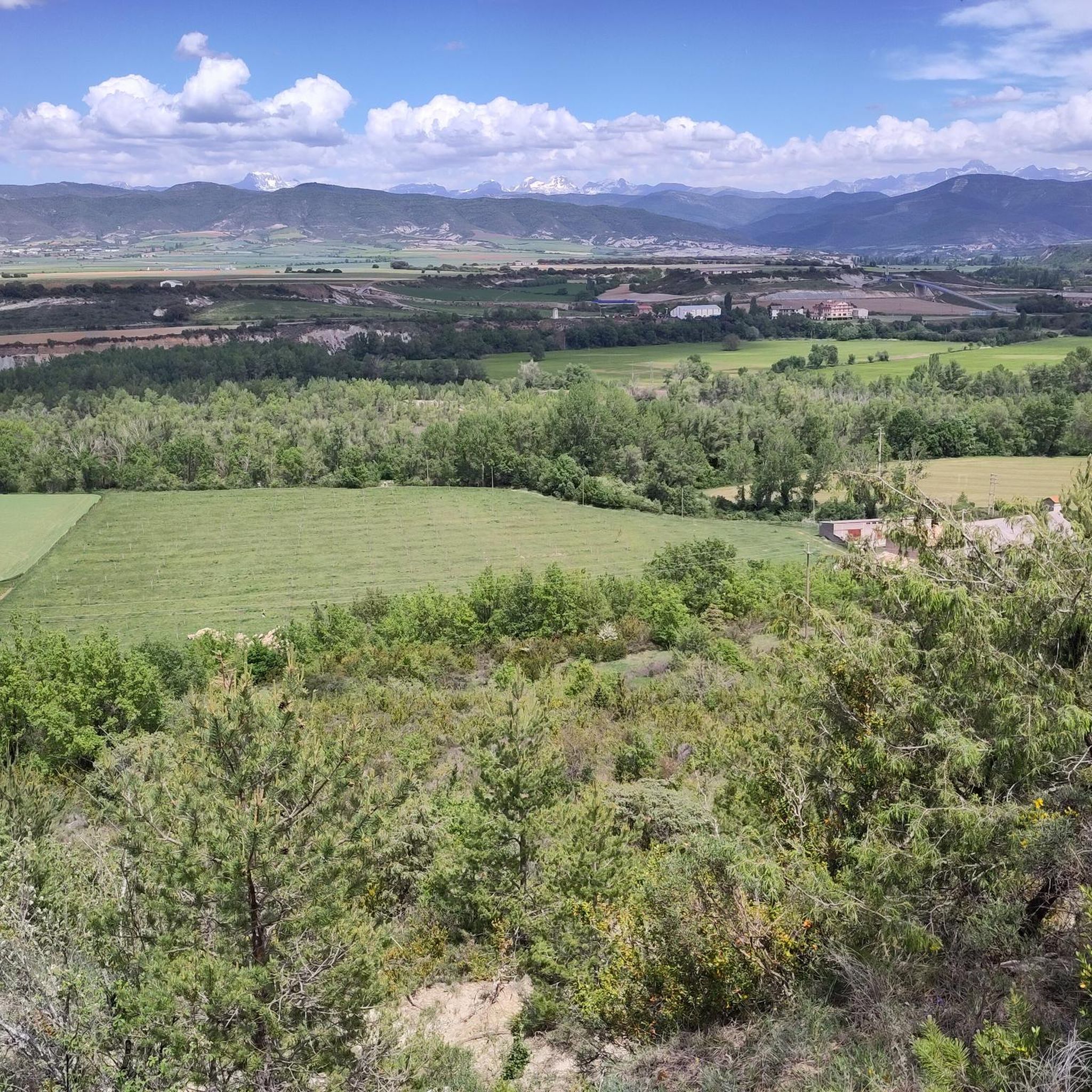
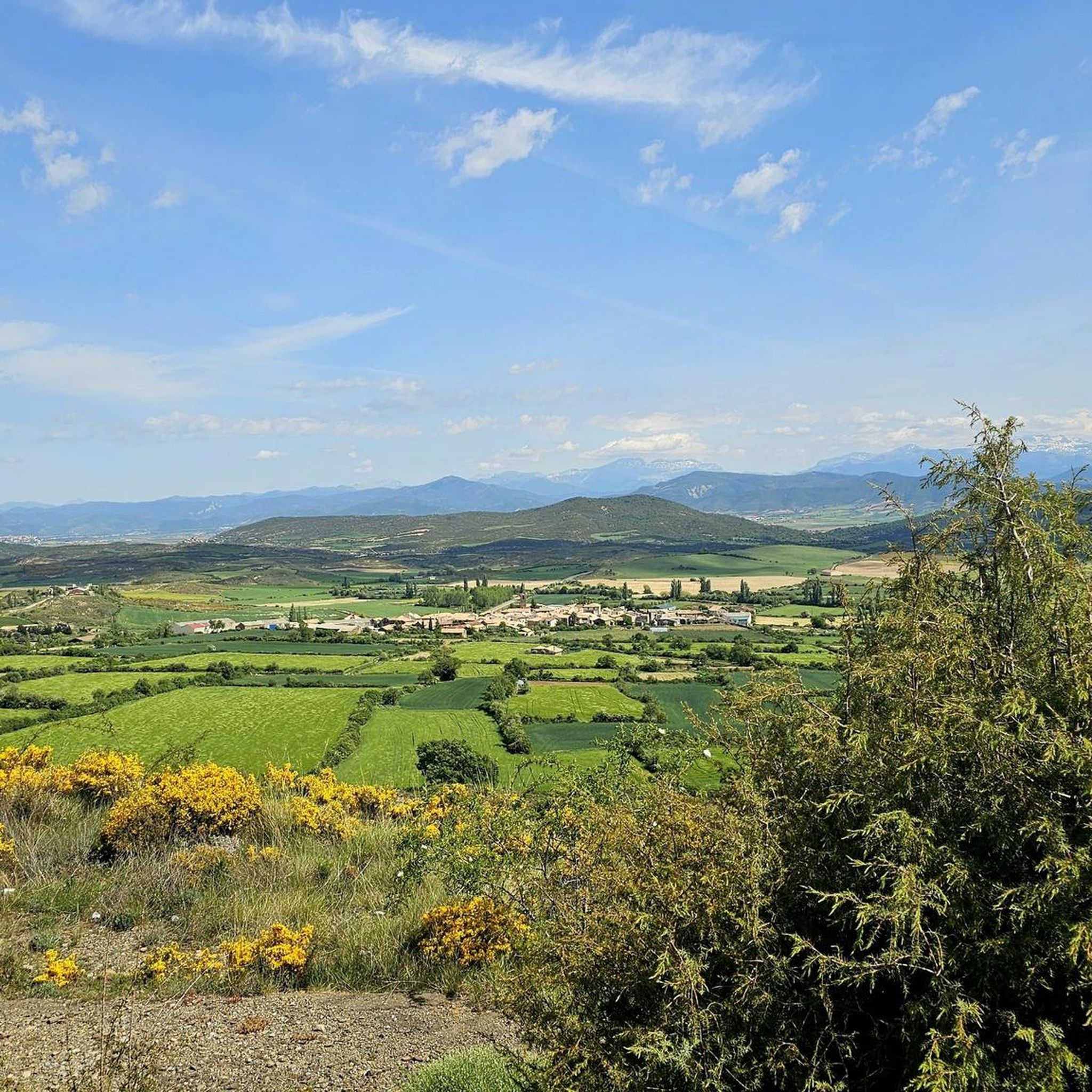
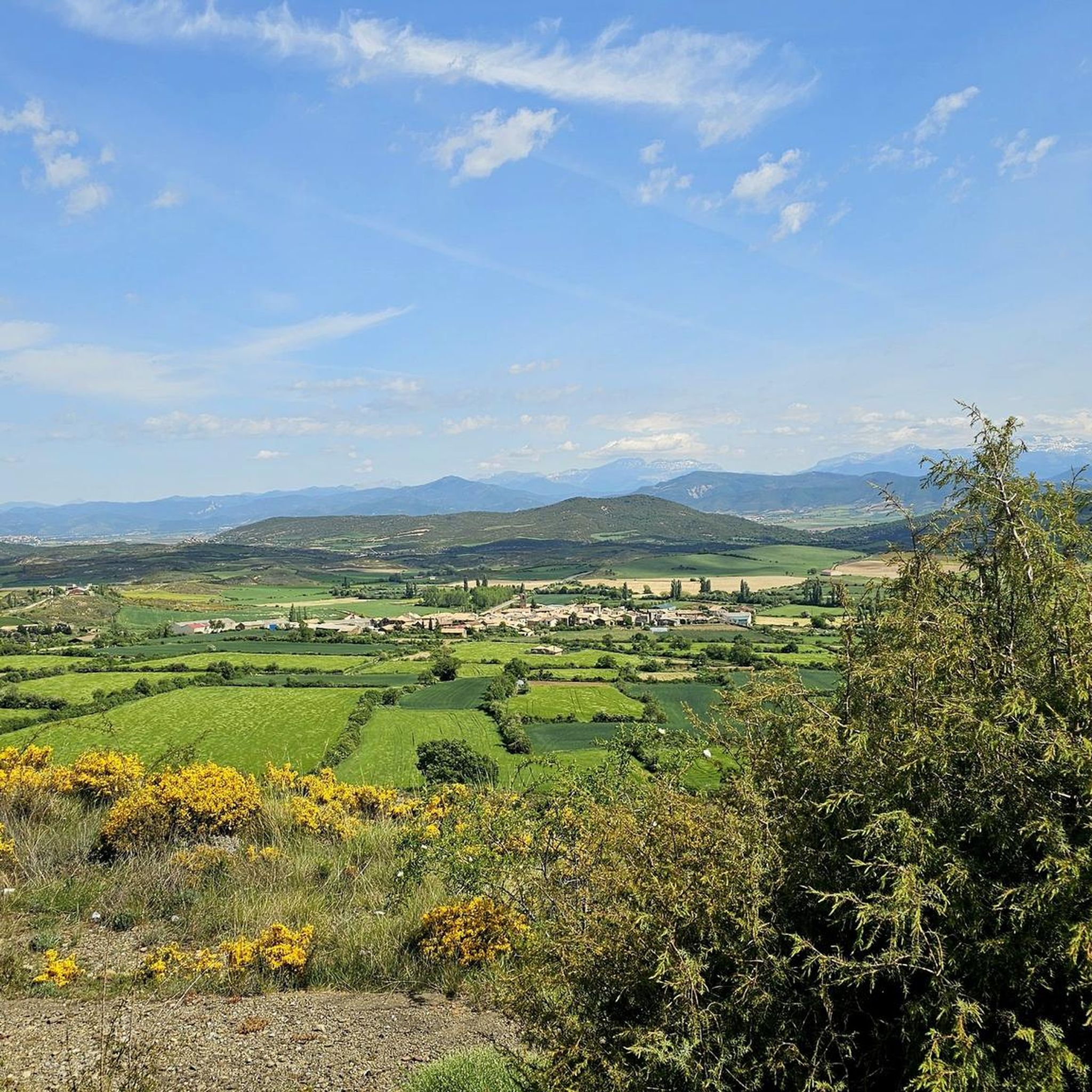
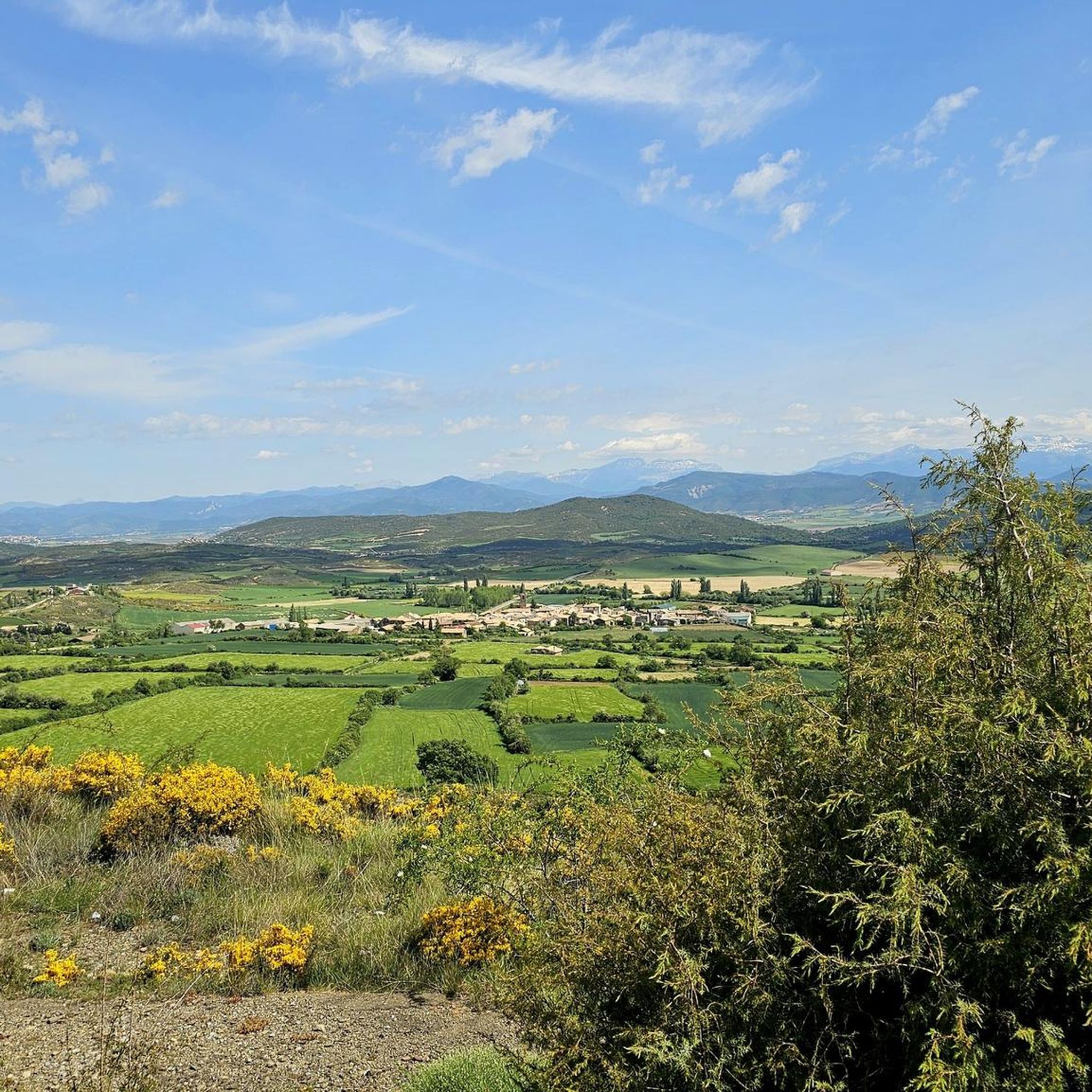
Tips from the Community

You must walk around the alleys of Agüero, and there is a magnificent view of the Mallos de Agüero.
0
0

Spectacular reddish colored rock formations.
2
0
The city is home to artistic treasures such as the Romanesque Church of El Salvador and the 12th-century Church of Santiago. The latter, located one kilometer from the city, has been declared a National Monument and is one of the most beautiful Romanesque temples in Aragon.
2
0

In a curve of this track you can see the result of the whims of erosion. A ditch that has been opened in the gypsum ground by the action of the speed of water on soft soil on a steep slope.
0
0
Agüero's mallos are a little less tall than those of Riglos, but even so, they are charming whims of erosion. Its contrast with the blue sky on a sunny day is simply spectacular.
1
0
El Portillo de Longás or Santo Domingo consists of a narrow path between two spectacular limestone masses that stand at both ends as a portal.
0
0

These mallos are formed by conglomerates, whose origin is in the accumulation of solid particles from the destruction of the Pyrenean reliefs, deposited at the foot of the mountain by the Gállego river, forming a large dejection cone. The current appearance of the mallos is due to erosion. Their shape and height make them an ideal place to practice climbing and other sports, as well as to observe colonies of birds of prey, which nest in this environment.
0
0

Nice section that runs through the Foz de Biniés ravine. The road passes through several stone tunnels and viewpoints, sandwiched between vertical rock walls.
0
0
Frequently Asked Questions
What kind of natural features can I expect to see around Bailo?
The Bailo region is characterized by impressive geological formations resulting from natural erosion. You'll encounter distinctive rock structures like the gigantic reddish stones of the Mallos de Agüero, and gorges such as the Gypsum ravine, which showcases the effects of water on soft ground. Mountain passes like Portillo de Longás or Santo Domingo also offer unique natural vistas.
Are there any unique geological features to observe in Bailo?
Absolutely. The Mallos de Agüero are a prime example, featuring spectacular reddish colored rock formations that are charming whims of erosion. These conglomerates were formed from the accumulation of solid particles from the Pyrenean reliefs. Another unique feature is the Gypsum ravine, a gorge carved by water action on soft gypsum ground, illustrating the powerful effects of natural processes.
What are some notable viewpoints for enjoying the natural scenery in Bailo?
For breathtaking views, the area around the Mallos de Agüero and Agüero Village offers magnificent panoramas of the gigantic reddish stones. The Portillo de Longás or Santo Domingo, a narrow path between two spectacular limestone masses, also provides stunning vistas, acting as a natural portal.
Are there hiking opportunities near the natural monuments in Bailo?
Yes, there are numerous hiking opportunities. You can explore trails like the 'Peak and Hermitage of Santo Domingo from Longas' (difficult, 20.7 km) or the 'Royal Monastery of San Juan de la Peña – Balcony of the Pyrenees loop' (easy, 5.5 km). For more options and detailed routes, check out the full Hiking around Bailo guide.
What other outdoor activities can I do around Bailo's natural monuments?
Beyond hiking, Bailo offers excellent opportunities for cycling and running. Cyclists can enjoy routes such as 'Through the Berdun channel' (moderate, 32.4 km) or the 'San Juan de la Peña Monastery – View of Monte Oroel loop' (difficult, 57.7 km). Runners might consider the 'Punta Cuculo loop from Santa Cruz de la Serós' (difficult, 17.3 km). You can find more details in the Cycling around Bailo and Running Trails around Bailo guides.
Are there family-friendly natural attractions in Bailo?
While specific 'family-friendly' categories aren't listed for all monuments, the general appeal of the Mallos de Agüero and Agüero Village, with its charming town and impressive rock formations, can be enjoyed by families. Shorter, easier hiking routes, such as the 'Balcony of the Pyrenees – Ermita de Santa Teresa loop' (easy, 5.2 km), are also suitable for families.
What cultural or historic sites are near the natural monuments?
The natural beauty of Bailo often intertwines with its rich history. Near the Mallos de Agüero and Agüero Village, you can explore artistic treasures like the Romanesque Church of El Salvador and the 12th-century Church of Santiago, which is a declared National Monument and one of Aragon's most beautiful Romanesque temples.
What is the best time of year to visit the natural monuments around Bailo?
The best time to visit the natural monuments around Bailo generally depends on your preferred activities. Spring and autumn offer pleasant temperatures for hiking and exploring the geological formations, with lush greenery or vibrant fall colors. Summer can be warm, ideal for enjoying the scenery, while winter might offer a different, quieter perspective, though some paths could be more challenging.
Are there opportunities for wildlife spotting near Bailo's natural monuments?
Yes, the natural environments around Bailo, particularly the Mallos de Agüero, are known habitats for birds of prey. Vultures and Egyptian vultures nest in these gigantic reddish stones, offering excellent opportunities for birdwatching and observing these magnificent creatures in their natural environment.
What do visitors enjoy most about the natural monuments in Bailo?
Visitors frequently highlight the spectacular reddish colored rock formations of the Mallos de Agüero and their striking contrast with the sky. The charming village of Agüero itself, nestled at the foot of these giants, is also highly appreciated. The unique geological whims of erosion and the opportunities for adventure and nature sports are consistently praised by the komoot community.
How long does a typical visit to a natural monument in Bailo take?
The duration of a visit varies depending on the monument and your activity. For instance, exploring the Mallos de Agüero and Agüero Village might involve a few hours to walk through the village and enjoy the views. If you plan to hike or cycle in the surrounding areas, a visit could extend to half a day or a full day, depending on the route's length and difficulty.
Are there cafes or restaurants near the natural monuments in Bailo?
The village of Agüero, located at the foot of the Mallos de Agüero, offers amenities including places to eat and drink. For other natural monuments that are more remote, it's advisable to check local services in nearby towns or bring your own provisions.
Most popular attractions around Bailo

Get inspired with the komoot mobile app


Explore more
Extend your search for the best caves by checking out these guides of the top ones around Bailo:
