Top 20 Natural Monuments around Agullana
Best natural monuments around Agullana are shaped by its location within the Sierra de la Albera and its proximity to the Salines-Bassegoda Nature Reserve. The region features a diverse natural heritage, including extensive forests of cork, holm oak, and chestnut trees. Ancient trees with trunks exceeding 7 meters in thickness stand as notable natural features. The landscape also integrates significant prehistoric megalithic monuments, such as dolmens and menhirs.
Best natural monuments around Agullana
- The most popular natural monuments is Ascent…
Last updated: July 1, 2026
Ascent to Coll de Banyuls from Espolla
Highlight (Segment) • Mountain Pass
Translated by Google •
Tip by

Pou de la Neu Pass
Highlight • Mountain Pass
Translated by Google •
Tip by

Sign up now to discover places like this
Get recommendations on the best single tracks, peaks, & plenty of other exciting outdoor places.
Sign up for free
Cork Oak Trees
Highlight • Forest
The cork oak is a tree found mainly in the western Mediterranean and is known for its bark, which …
Translated by Google •
Tip by

Menhir Quer Afumat I
Highlight • Monument
Translated by Google •
Tip by

Natural Area of National Interest of the Albera Massif
Highlight • Natural Monument
Translated by Google •
Tip by
Sign up for free to discover even more natural monuments around Agullana.
Sign up for free
Already have an account?
Start today with a free account
Your next adventure awaits.
Login or Signup
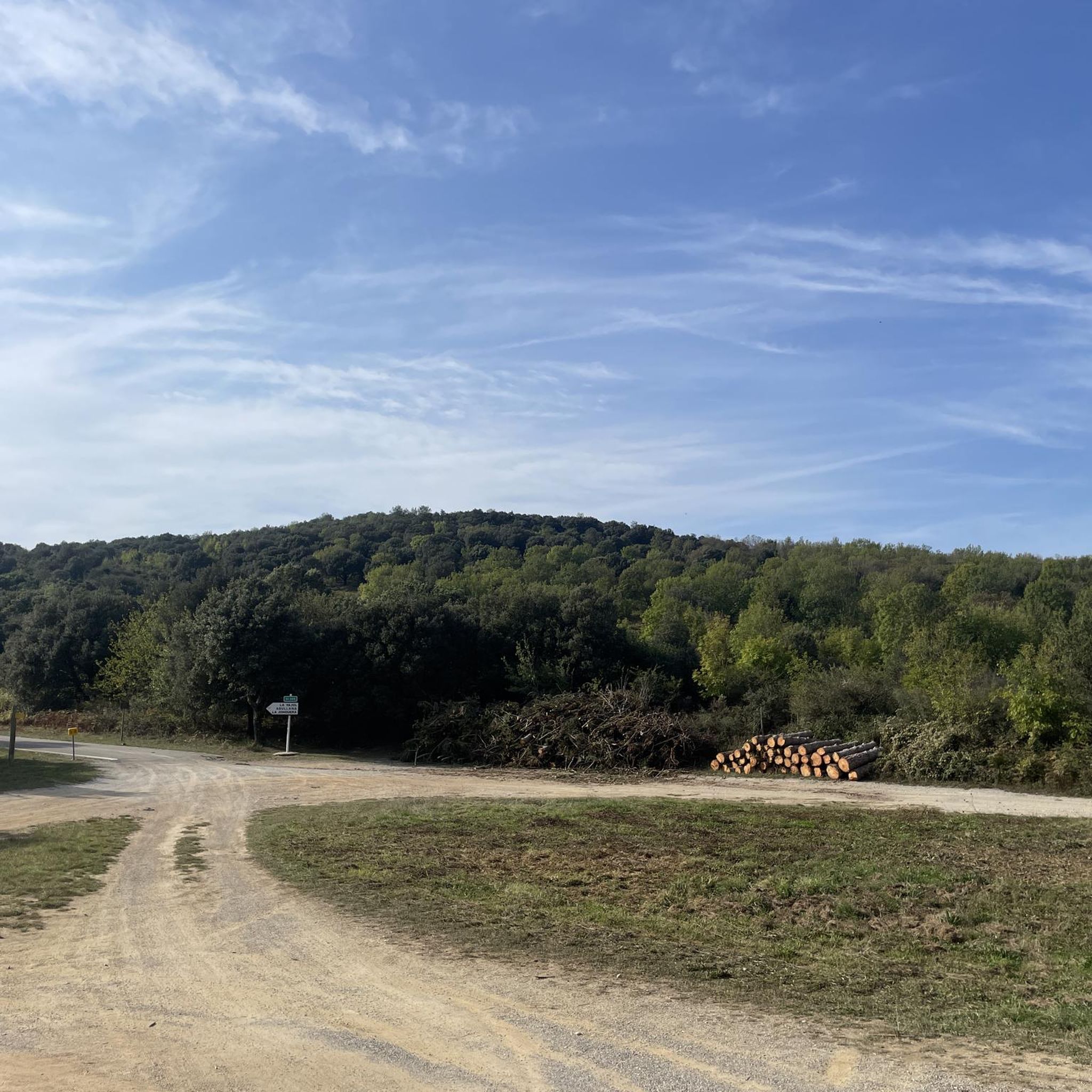
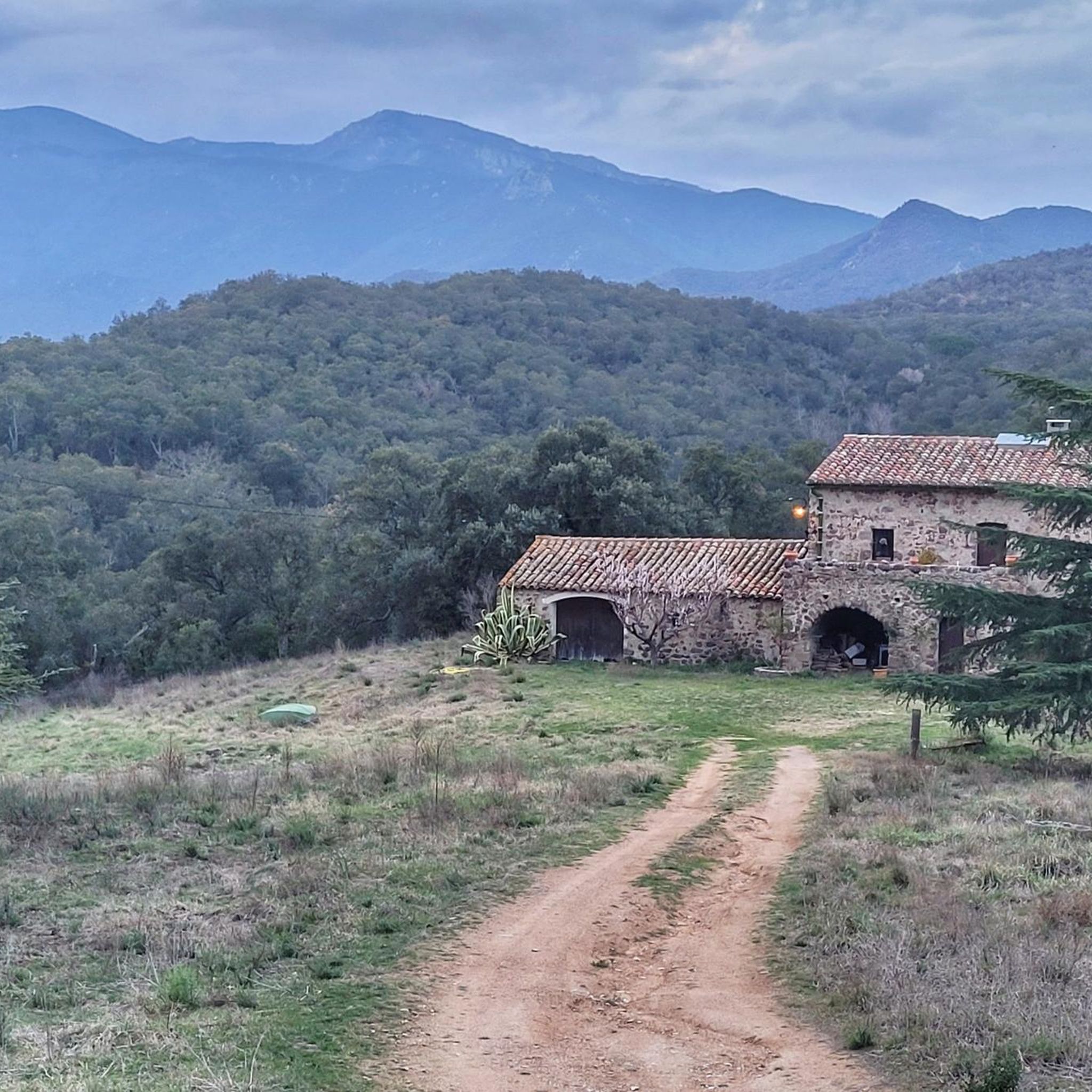
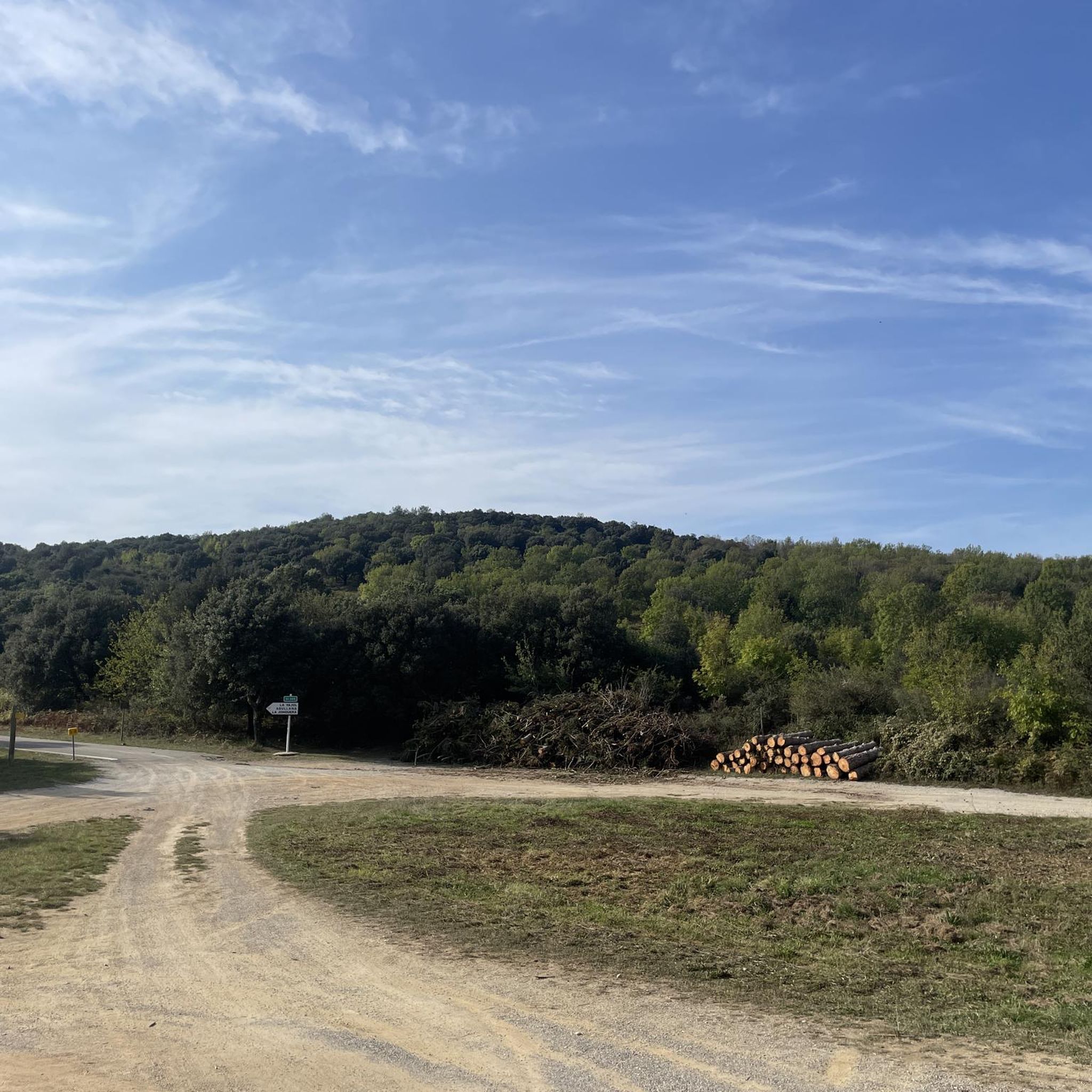
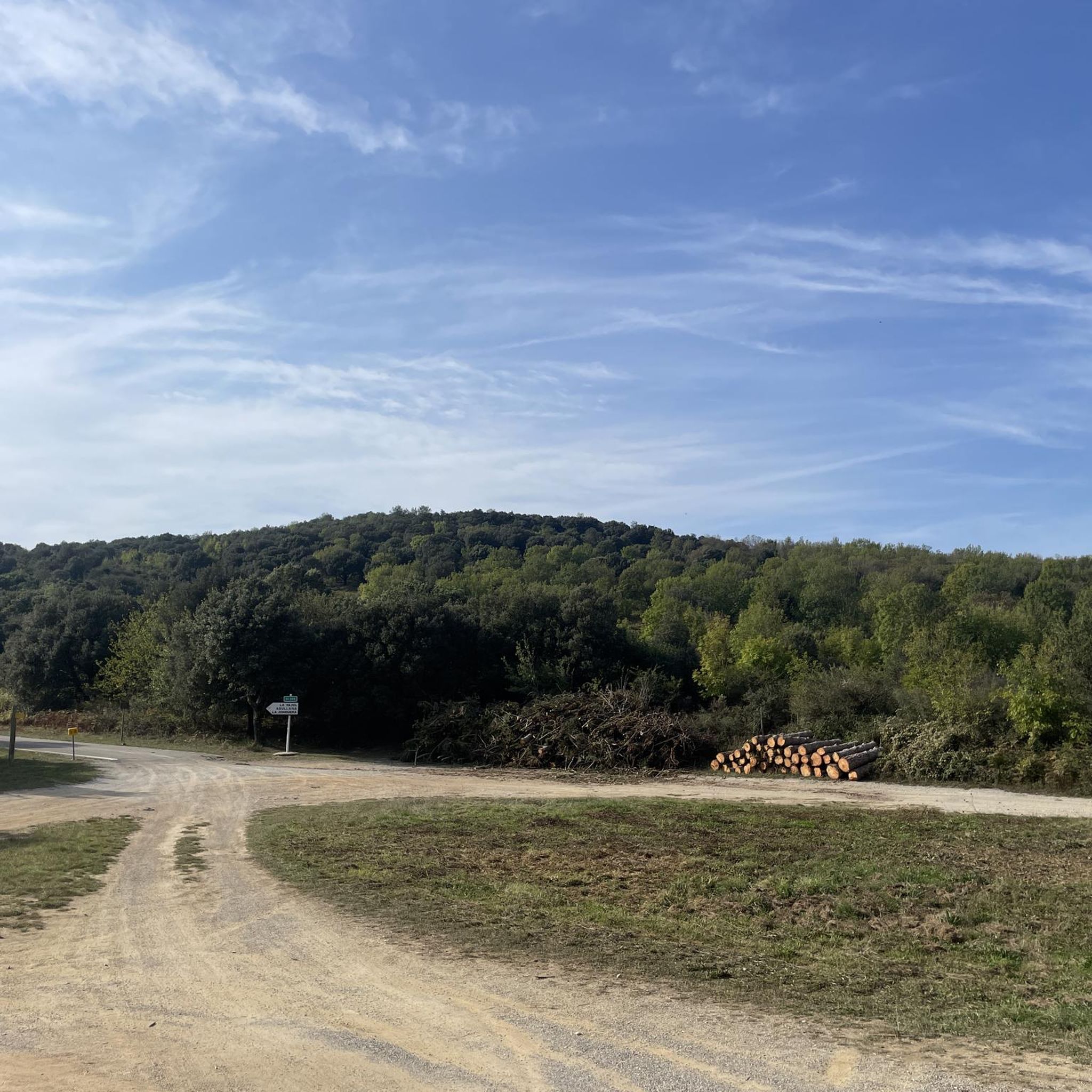

Tips from the Community

Beautiful route and a great view
0
0


We completed this route on August 29, 2025, and upon reaching the dolmen, we were unable to continue because the trail was closed. We had to return along the same path we had taken. The return trail was closed because it crossed private property.
0
0

This pass was important as a passage between regions, especially in activities such as transhumance or the transport of goods. The snow wells that give the place its name were also key elements in the economy of the mountainous areas. The term "Pou de la Neu" refers to the snow or ice wells that were traditionally used to store snow during the winter. These structures, dug into the ground or built with stones, served to preserve ice that was later transported to the lower areas for use in food, medicine or food preservation.
1
0
Very beautiful but better to visit on foot or with a MTB instead of a gravel bike :-)
2
0

very nice to drive with great views
1
0

There is still much for historians to discover here. The area is littered with stones, there is a good chance that many stones in the area were used in memory of the deceased. More research is needed to demonstrate the historical value of this area.
6
0
Three fields of menhirs have now been discovered.
19
0
Frequently Asked Questions
What are the most notable natural features to explore around Agullana?
Agullana is rich in natural heritage, primarily due to its location within the Sierra de la Albera and its proximity to the Salines-Bassegoda Nature Reserve. You can explore extensive forests of cork, holm oak, and chestnut trees, some featuring ancient specimens with trunks exceeding 7 meters in thickness. The region also boasts significant prehistoric megalithic monuments, such as dolmens and menhirs, integrated into the natural landscape.
Are there family-friendly natural monuments or activities in Agullana?
Yes, Agullana offers several family-friendly natural monuments. The Menhir Quer Afumat I is a historical site set within nature, suitable for families. Additionally, exploring the Cork Oak Trees provides an engaging experience for all ages, offering insights into the local ecosystem and the importance of these trees.
What kind of hiking trails can I find near Agullana's natural monuments?
The area around Agullana, particularly within the Sierra de la Albera, offers diverse hiking trails. You can find routes leading to mountain passes like Ascent to Coll de Banyuls from Espolla, which offers scenic views and is suitable for both cycling and hiking. Another option is the Pou de la Neu Pass, a hub for trails extending into both France and Spain, known for its magnificent views. For more options, explore the hiking routes around Agullana.
What is the best time of year to visit the natural monuments around Agullana?
The Sierra de la Albera, where many of Agullana's natural monuments are located, is ideal for outdoor activities during spring and autumn. The weather is generally mild, making it comfortable for hiking and exploring the forests and megalithic sites. Summer can be warm, but early mornings or late afternoons are still pleasant. Winter offers a different, quieter experience, though some higher elevation trails might be cooler.
Are there any historical or cultural sites integrated with the natural landscape?
Yes, Agullana's natural environment is deeply intertwined with its history. The region is home to significant prehistoric megalithic monuments, including several dolmens and menhirs, such as the Menhir Quer Afumat I. The Natural Area of National Interest of the Albera Massif is particularly noted for its abundance of megalithic monuments and Romanesque art, showcasing a rich cultural heritage within a stunning natural setting.
What outdoor activities, besides hiking, can I do near Agullana's natural monuments?
Beyond hiking, the area around Agullana is excellent for cycling. You can find numerous routes for road cycling, mountain biking (MTB), and gravel biking. For example, the Ascent to Coll de Banyuls from Espolla is suitable for cycling. You can discover various road cycling routes, MTB trails, and gravel biking routes that allow you to explore the natural beauty of the region.
Are dogs allowed on trails around Agullana's natural monuments?
Generally, dogs are welcome on many trails in the natural areas around Agullana, especially in the Sierra de la Albera. However, it's always advisable to keep them on a leash, particularly in areas with wildlife or near livestock, and to follow local regulations regarding pet access in protected areas. Always ensure to clean up after your pet to preserve the natural environment for everyone.
What kind of views can I expect from the mountain passes in Agullana?
The mountain passes around Agullana offer magnificent panoramic views. From the Ascent to Coll de Banyuls from Espolla, you can see towards Espolla and the Coll de Bañuls. The Pou de la Neu Pass is particularly renowned for its stunning vistas, serving as a viewpoint where you can appreciate the expansive landscapes stretching into both Spain and France.
Are there any specific natural areas known for their biodiversity near Agullana?
The Natural Area of National Interest of the Albera Massif is a prime example, known for its significant natural value and diverse ecosystems. It features lush, ancient, and varied vegetation, including cork, holm oak, and chestnut forests. This area is crucial for biodiversity, providing habitats for a wide array of plant and animal species, including the Albera Tortoise.
Where can I find ancient or monumental trees in Agullana?
Agullana is home to several ancient and impressive trees, particularly within its extensive forests. You can encounter monumental chestnut, cork oaks, and oaks, some with trunks exceeding 7 meters in thickness. The Cork Oak Trees highlight specifically points to an area where you can observe many of these remarkable specimens, which are living testaments to the region's long natural history.
Do I need permits for hiking or visiting natural monuments in Agullana?
Generally, for casual hiking and visiting the natural monuments around Agullana, specific permits are not required. However, if you plan to engage in organized activities, access certain restricted areas, or visit private properties, it's always best to check with local tourist information or park authorities for any specific requirements or regulations. Always respect private land and protected areas.
Most popular routes around Agullana
Most popular attractions around Agullana

Get inspired with the komoot mobile app


Explore more
Extend your search for the best caves by checking out these guides of the top ones around Agullana:
