Top 14 Natural Monuments around Salvaterra De Miño
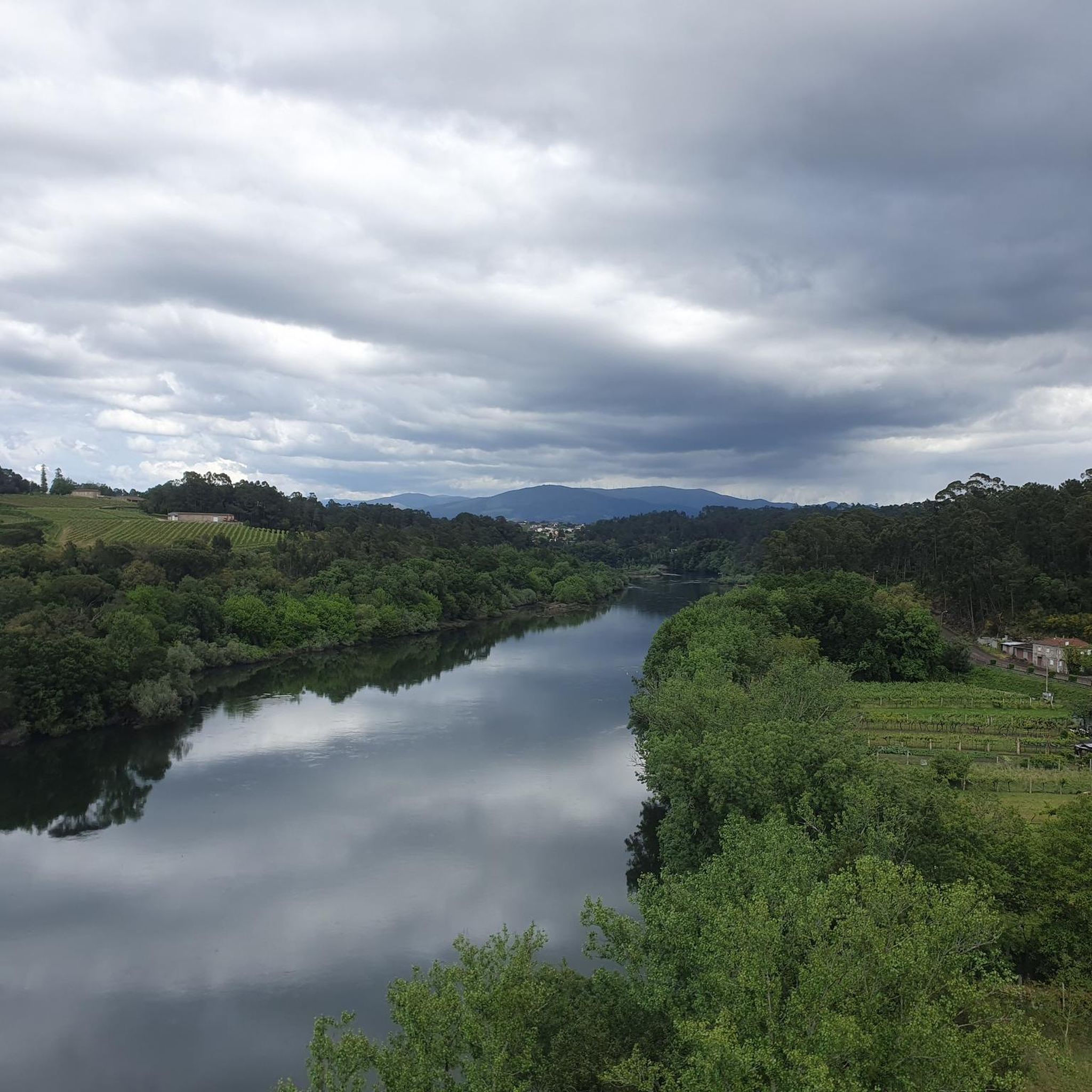
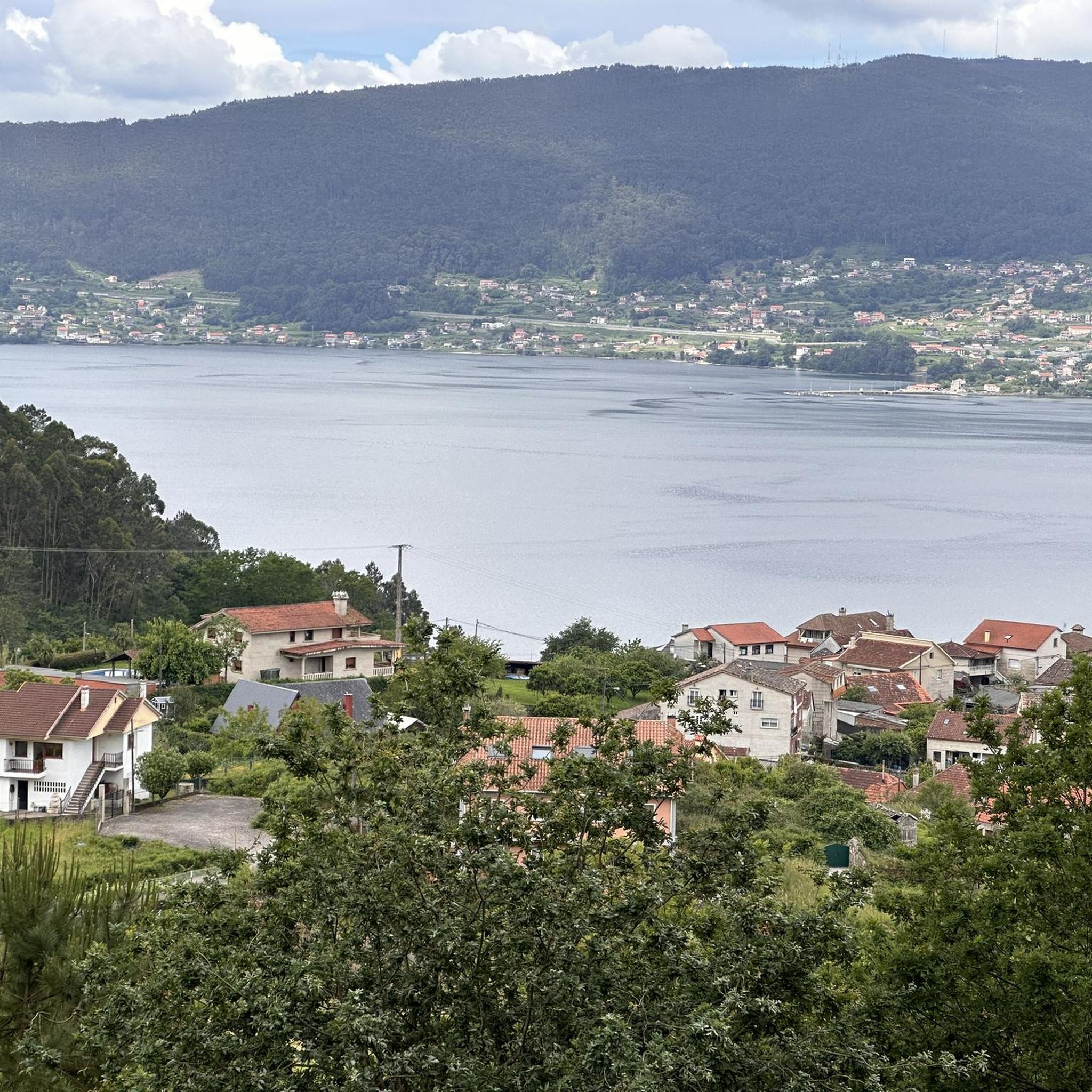
Best natural monuments around Salvaterra De Miño are found in the province of Pontevedra, Spain, an area characterized by its connection to the Miño River. The region offers a blend of natural beauty and opportunities for outdoor activities. Its landscape includes river islands, waterfalls, and elevated peaks. These natural features provide diverse environments for exploration.
Best natural monuments around Salvaterra De Miño
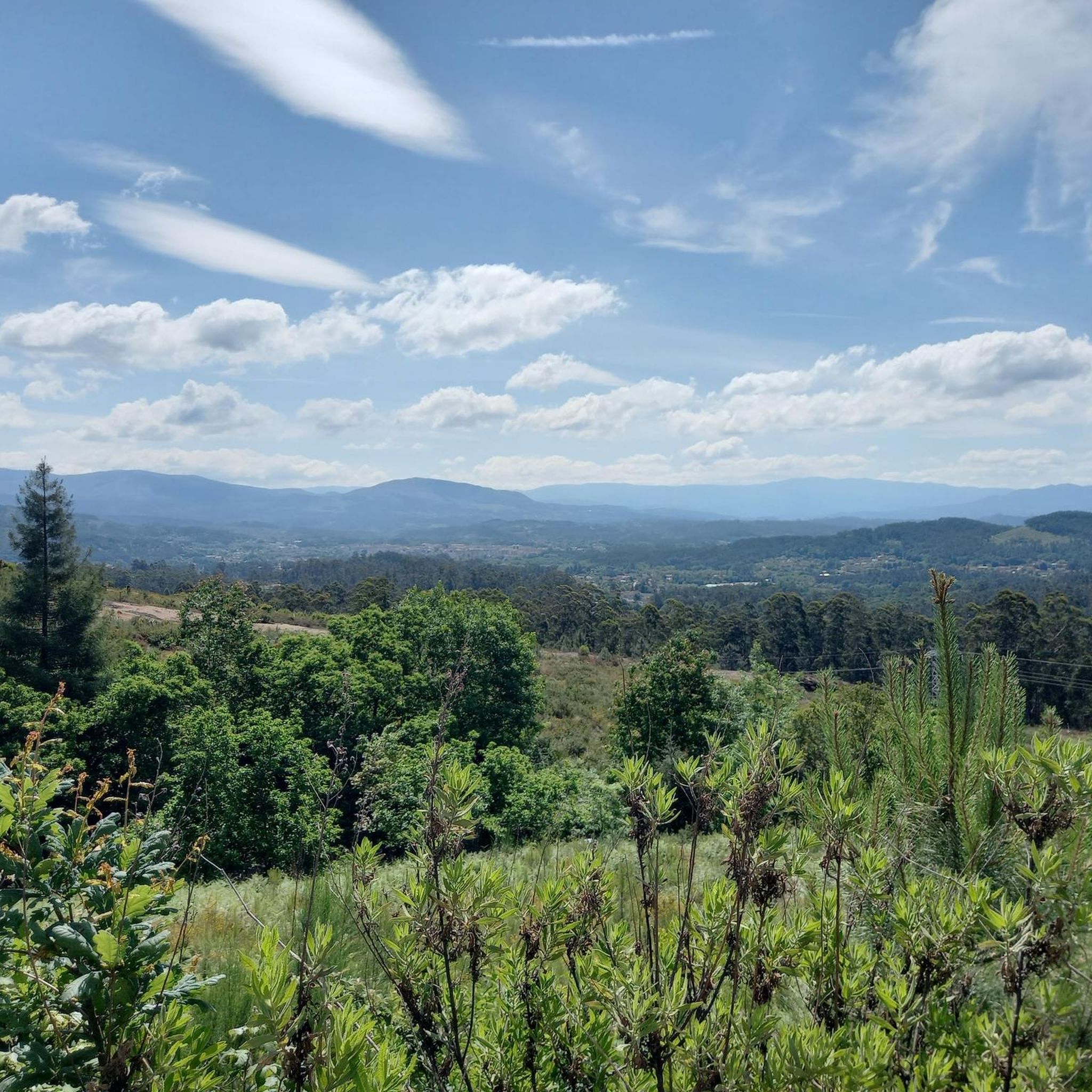
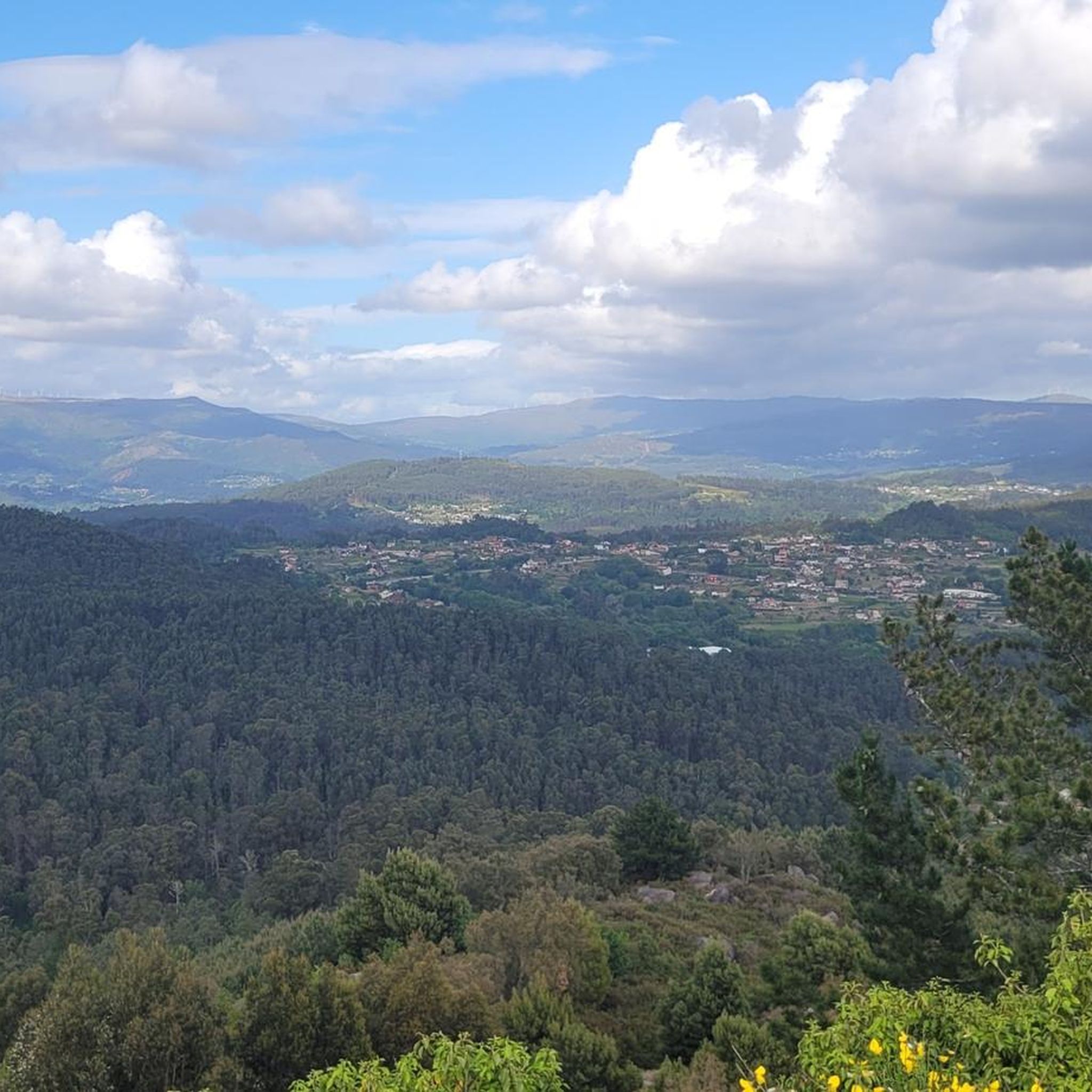
- The most popular natural monuments is Alto San Nomedio Summit and Hermitage, a summit that reaches an altitude of 690 meters. It offers panoramic views and includes a hermitage at its peak.
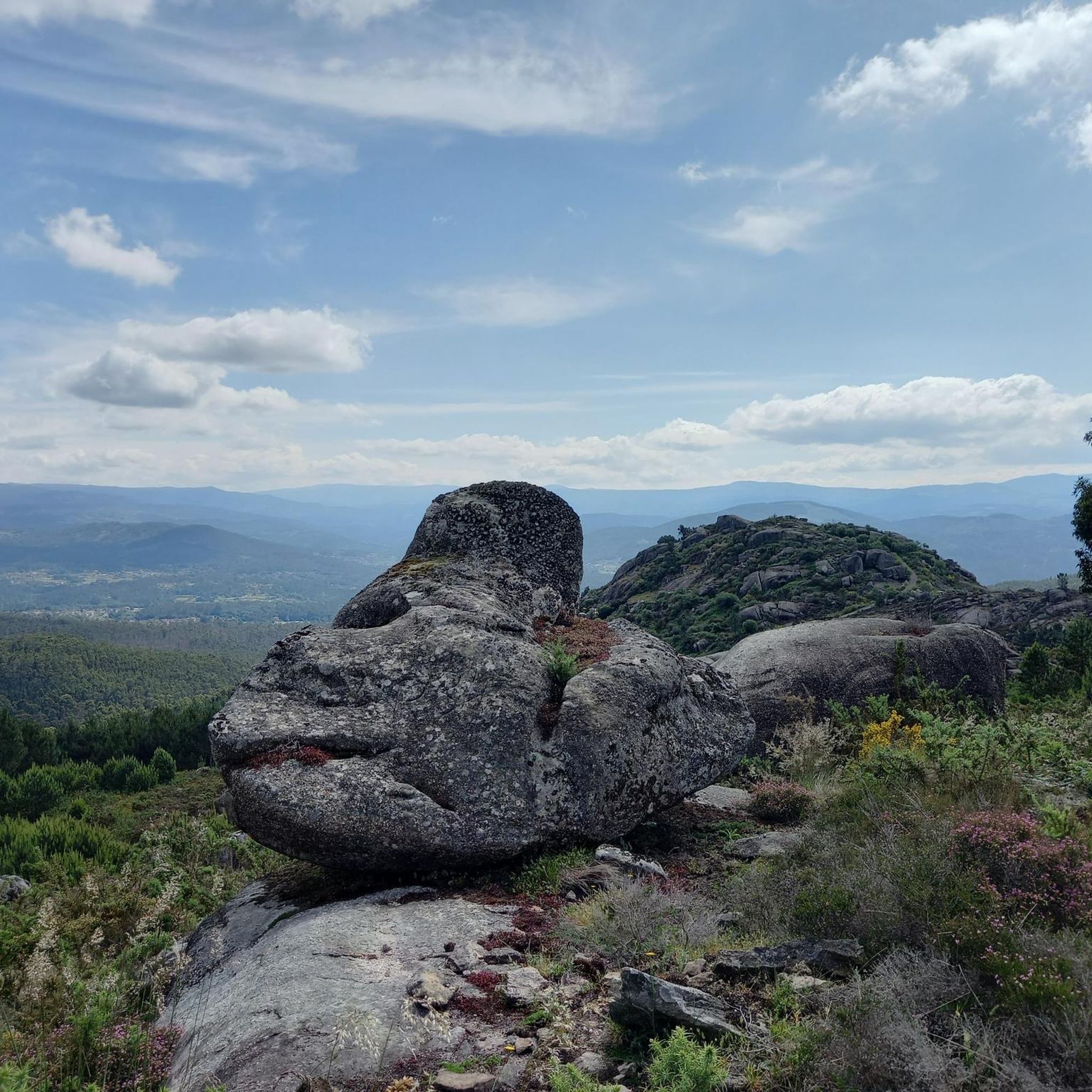
- Another must-see spot is Alto de San Cibrán, a summit with extensive views. This location provides various routes for climbing or skirting the mountain.
- Visitors also love Monte de A Picaraña, a mountain located between the municipalities of Puenteareas and Mondariz. This summit offers viewpoints and is recognized as a natural monument.
- Salvaterra De Miño is known for its summits, natural springs, and historical sites. The area offers a variety of natural monuments to see and explore, including the well-preserved Fonte da Vila.
- The natural monuments around Salvaterra De Miño are appreciated by the komoot community, with 19 upvotes and 16 photos shared across the highlights.
Last updated: August 11, 2026
Alto San Nomedio Summit and Hermitage
Highlight • Summit
Translated by Google •
Tip by

Alto de San Cibrán
Highlight • Summit
Translated by Google •
Tip by

Sign up now to discover places like this
Get recommendations on the best single tracks, peaks, & plenty of other exciting outdoor places.
Sign up for free
Fonte da Vila
Highlight • Natural Monument
Translated by Google •
Tip by

Monte de A Picaraña
Highlight • Summit
Translated by Google •
Tip by

Castro de Troña
Highlight • Historical Site
The remains of numerous houses, some excavated, and others still hidden by earth and vegetation are scatted over the hilltop. Most of them have a circular plan and in others an additional larger social room of the higher social classes. We will also find square and rectangular floor plans at this site typical of Romanized settlements. The indigenous inhabitants did not make corners in their homes, due to the belief that evil spirits hid there.
On a small rock, very close to the cistern, there is a famous snake-shaped petroglyph. The "Serpe de Troña" is on a sacrificial stone with a central channel. One theory is that the blood of the sacrificed victim was spilled into the engraving of the serpent. Other theories state that it is nothing more than a symbol that offered peace and tranquility for the settlement.
Further Reading: galiciamaxica.eu/galicia/pontevedra/comarca-do-condado/ponteareas/trona
Tip by

Sign up for free to discover even more natural monuments around Salvaterra De Miño.
Sign up for free
Already have an account?
Start today with a free account
Your next adventure awaits.
Login or Signup

Tips from the Community


There are many routes to climb or skirt Mount San Cibran, all of them highly recommended.
0
0


Fonte da Vila - Outside the inner city walls lies the drinking water spring with its pools. The path down through a long tunnel is impressive.
0
0

high with views and climb to pre iosa, stellar observatory and chapel
0
0

Only remains of buildings surrounded by stone remain from the Iron Age settlement of Castro de Troña. Like many that once were spread throughout this area of the Iberian Peninsula. The wooden roofs covered with grass and willows are long gone, but one can imagine everyday life in this village.
0
0
The top of Alto San Nomedio (Coto Grande) at 690m altitude. At the same top we will find the hermitage of San Nomedio and spectacular views
1
0

The Monte de la Picaraña (in Galician Monte de A Picaraña) is a mountain located between the municipalities of Puenteareas and Mondariz.
9
1
Frequently Asked Questions
What natural features can I expect to see among Salvaterra de Miño's natural monuments?
The natural monuments around Salvaterra de Miño offer a diverse range of features. You'll find majestic summits like Alto San Nomedio Summit and Hermitage and Alto de San Cibrán, providing panoramic views. The region is also shaped by the Miño River, featuring river islands like Illa de Fillaboa and the impressive Fervenza de Uma waterfall with its natural pool. Additionally, there are well-preserved natural springs such as Fonte da Vila.
Are there any historical or cultural sites integrated with the natural monuments in the area?
Yes, several natural monuments in Salvaterra de Miño also boast historical or cultural significance. For instance, Alto San Nomedio Summit and Hermitage features a hermitage at its peak. The Fervenza de Uma waterfall has the ruins of an old hydroelectric plant nearby, adding a historical touch. You can also explore A Coutada Petroglyphs, which are significant archaeological resources, and the well-preserved natural spring, Fonte da Vila, which has historical importance as a water source.
What outdoor activities can I do near Salvaterra de Miño's natural monuments?
The region around Salvaterra de Miño is excellent for outdoor activities. You can enjoy riverside walks and sport fishing around Illa de Fillaboa, or explore the extensive Parque de A Canuda which serves as a starting point for various hiking and cycling routes along the Miño and Tea rivers. For more structured routes, you can find numerous options for hiking, running, and road cycling in the surrounding area.
Are there family-friendly natural monuments or activities in Salvaterra de Miño?
Absolutely! Parque de A Canuda is particularly family-friendly, offering recreational facilities, a botanical garden, and a nature classroom where visitors can learn about local flora and fauna. It also features an accessible path parallel to the river with a bike lane, making it suitable for all ages. The tranquil setting of Illa de Fillaboa also provides pleasant riverside walks for families.
What is the best time of year to visit the natural monuments around Salvaterra de Miño?
The region's natural beauty can be enjoyed throughout the year, but spring and autumn generally offer the most pleasant weather for outdoor activities like hiking and cycling. During these seasons, the temperatures are mild, and the landscapes are particularly vibrant. Summer is also popular, especially for activities near the Miño River, though it can be warmer.
Are there any accessible natural monuments for visitors with mobility challenges?
Parque de A Canuda is noted for its accessibility, featuring a path parallel to the Miño River that is suitable for wheelchairs and includes a bike lane. This allows visitors with mobility challenges to enjoy the natural beauty and diverse plant life of the park.
Can I bring my dog to the natural monuments and trails in Salvaterra de Miño?
While specific regulations for each site may vary, many natural areas and trails in Spain, including those around Salvaterra de Miño, are generally dog-friendly, especially if dogs are kept on a leash. Parque de A Canuda and the various hiking routes along the Miño and Tea rivers are popular choices for walks with pets. Always ensure to clean up after your dog to preserve the natural environment.
Where can I find panoramic views of the region?
For spectacular panoramic views, head to the summits. Alto San Nomedio Summit and Hermitage, reaching 690 meters, offers extensive vistas. Similarly, Alto de San Cibrán and Monte de A Picaraña are known for their viewpoints, allowing you to take in the surrounding Galician scenery.
Are there any unique ecological areas or protected reserves nearby?
Yes, Salvaterra de Miño is influenced by the Terras do Miño Biosphere Reserve, which encompasses the upper basin of the Miño River. This significant protected area is renowned for its lush forests, river islands, and diverse aquatic flora and wildlife, including otters and river mussels, indicating healthy riparian ecosystems. Illa de Fillaboa itself is also part of the Natura 2000 network, highlighting its ecological importance.
What makes the Fervenza de Uma waterfall a unique natural monument?
The Fervenza de Uma is unique due to its multiple waterfalls and a natural pool, offering a raw and adventurous experience. Adding to its distinctiveness are the ruins of an old hydroelectric plant nearby, which blend historical elements with the natural landscape. While access can be challenging due to dense vegetation, its untouched beauty makes it a rewarding destination.
What do visitors enjoy most about the natural monuments in Salvaterra de Miño?
Visitors particularly appreciate the stunning views from summits like Alto San Nomedio Summit and Hermitage and Alto de San Cibrán. The well-preserved nature of sites like Fonte da Vila and the rich cultural heritage found at places like A Coutada Petroglyphs are also highly valued. The opportunity for diverse outdoor activities and the tranquility of the riverside areas are frequently mentioned highlights.
Are there opportunities for wild swimming near the natural monuments?
While specific designated wild swimming spots are not explicitly detailed for the natural monuments, the Miño River and its tributaries, such as the Uma River with the Fervenza de Uma's natural pool, offer potential areas for refreshing dips. Always exercise caution and check local regulations or safety advisories before entering any natural waters.
Most popular routes around Salvaterra De Miño
Most popular attractions around Salvaterra De Miño

Get inspired with the komoot mobile app


Explore more
Extend your search for the best caves by checking out these guides of the top ones around Salvaterra De Miño:
