Top 20 Natural Monuments around Bagà
Natural monuments around Bagà are primarily located within the extensive Parc Natural del Cadí-Moixeró, one of Catalonia's largest natural parks. This region features diverse landscapes, including lush forests, alpine meadows, and rugged mountain peaks, with altitudes ranging from approximately 900 meters to over 2,500 meters. Bagà itself is situated in the valley of the Bastareny River, providing access to these natural landmarks.
Best natural monuments around Bagà
- The most popular natural monuments is Penyes Altes del Moixeró, a summit…
Last updated: July 1, 2026
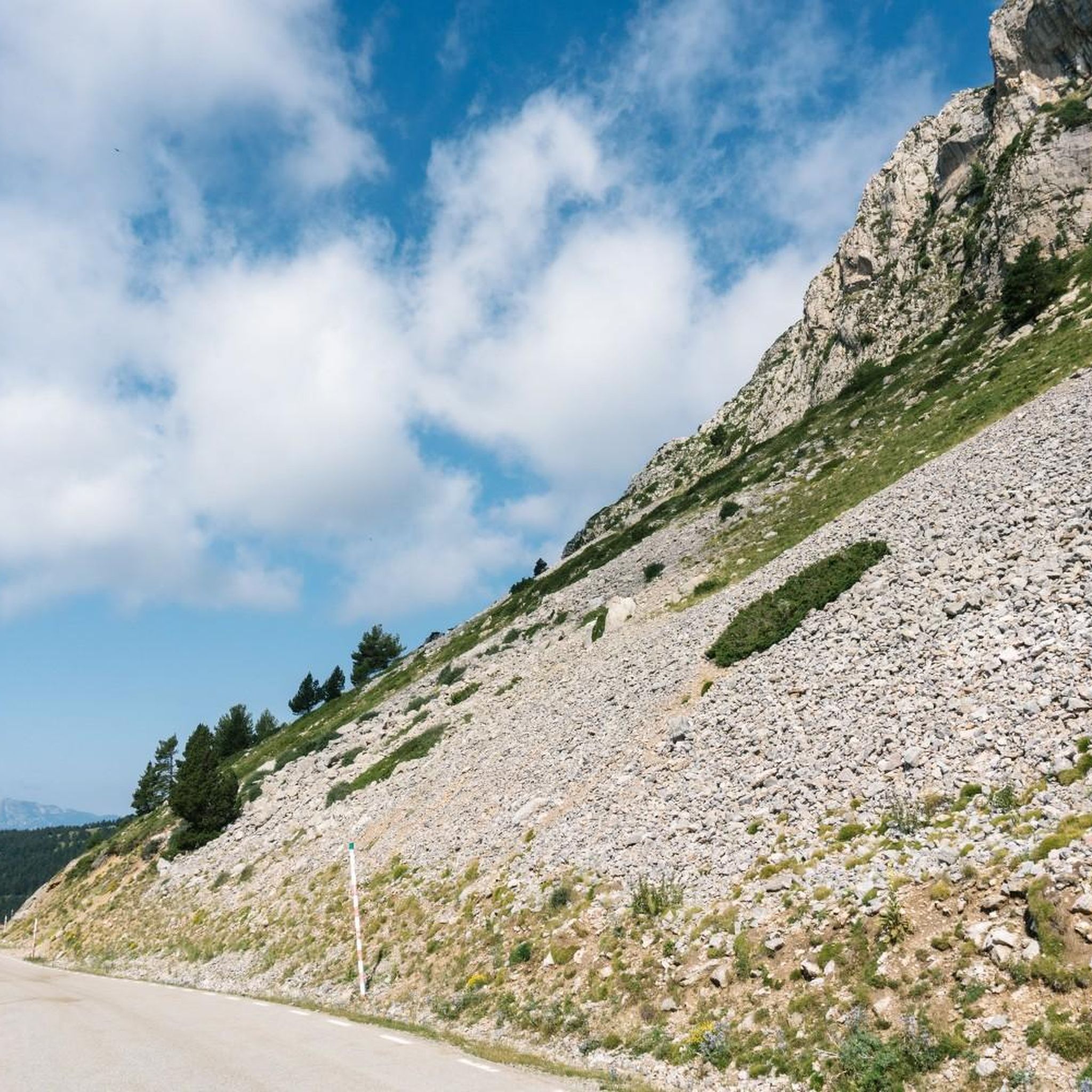
Views climbing the Coll de la Creueta
Highlight • Mountain Pass
Bordering peak between the Ripollés and Berguedá regions and dividing the waters between the Ter and Llobregat rivers.
The slope of the bergadá is included in the …
Translated by Google •
Tip by

Penyes Altes del Moixeró
Highlight • Summit
Translated by Google •
Tip by

Sign up now to discover places like this
Get recommendations on the best single tracks, peaks, & plenty of other exciting outdoor places.
Sign up for free
Bald Hen Peak
Highlight • Summit
Translated by Google •
Tip by

Gosolans Pass
Highlight • Mountain Pass
Translated by Google •
Tip by

Source of the Llobregat River
Highlight • River
Translated by Google •
Tip by

Sign up for free to discover even more natural monuments around Bagà.
Sign up for free
Already have an account?
Start today with a free account
Your next adventure awaits.
Login or Signup
Popular around Bagà
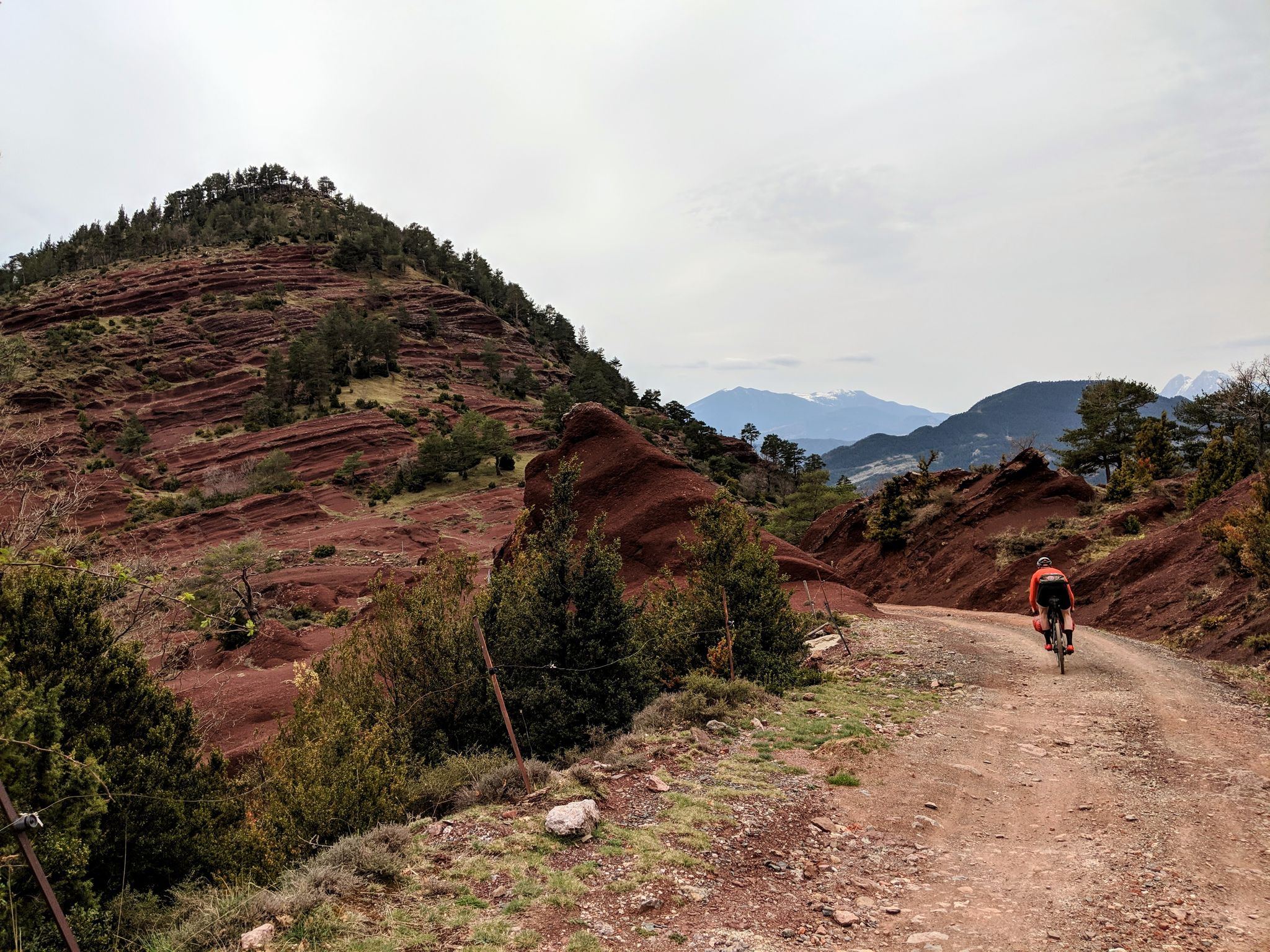
Catalunya Trail — Bikepacking in the Pyrenees
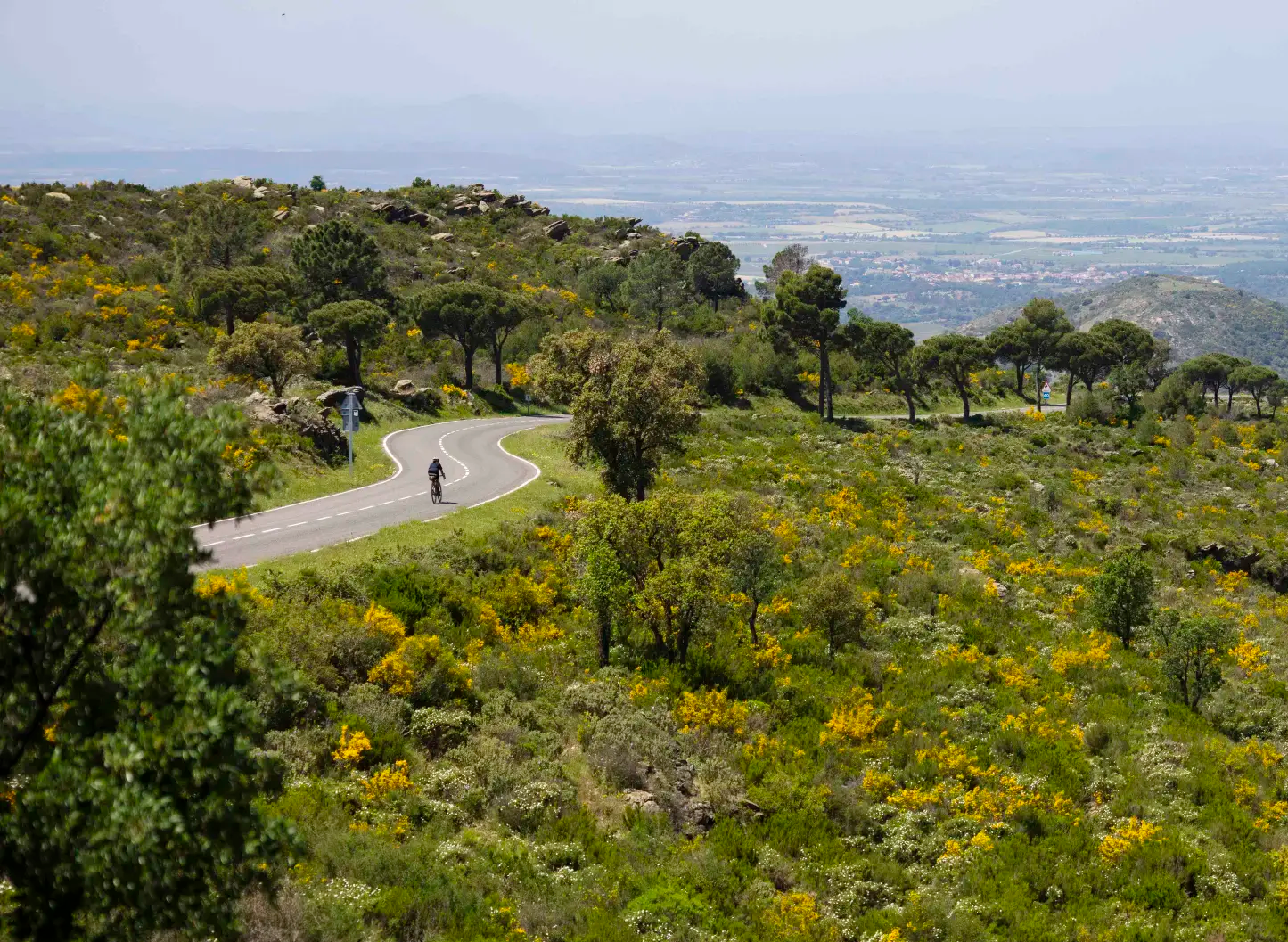
Ports and Roads — Catalonia on Wheels
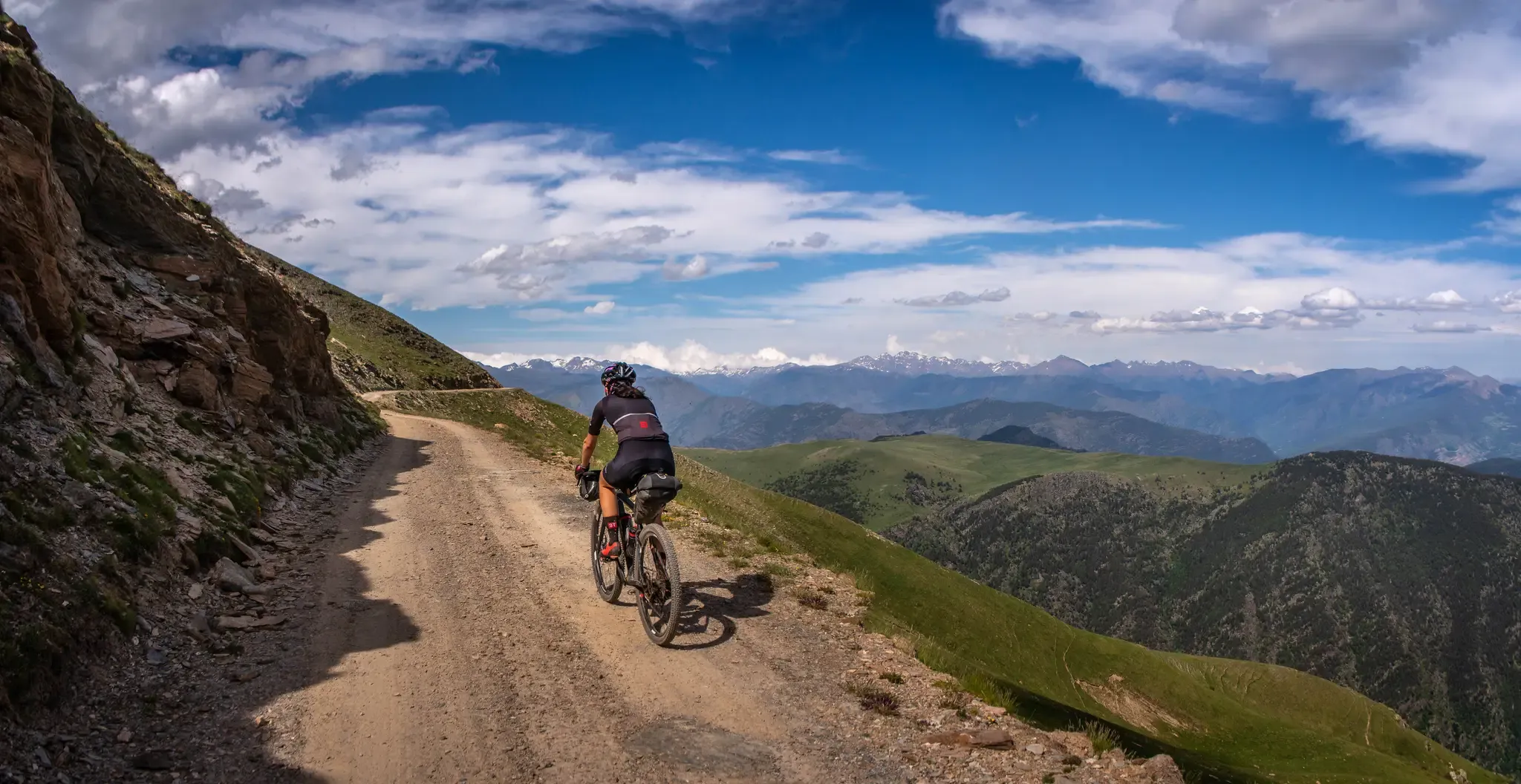
A high-altitude journey – Transpirenaica MTB
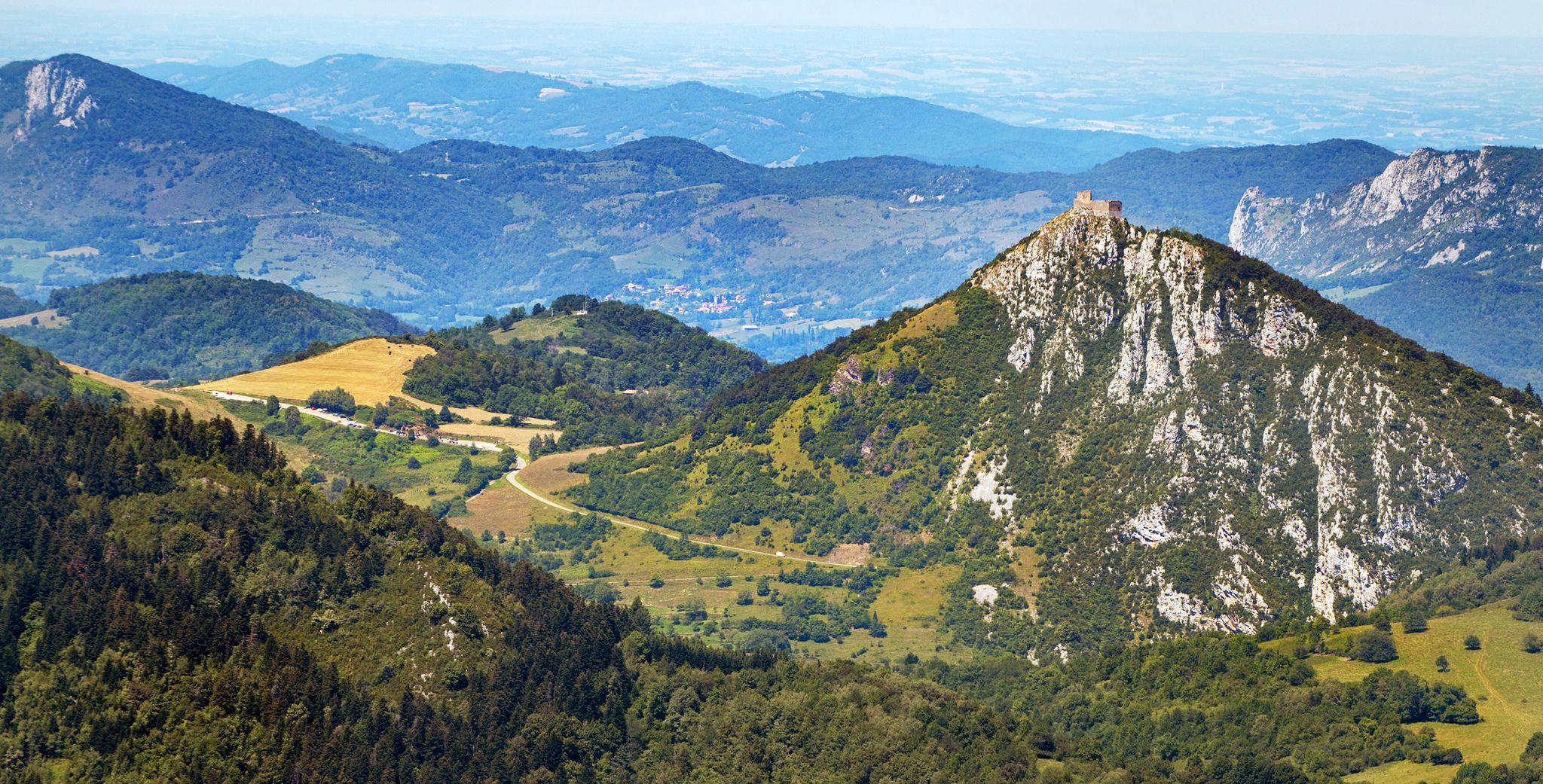
Cathar Route from Catalonia to France – Bons Homes Path (GR 107)
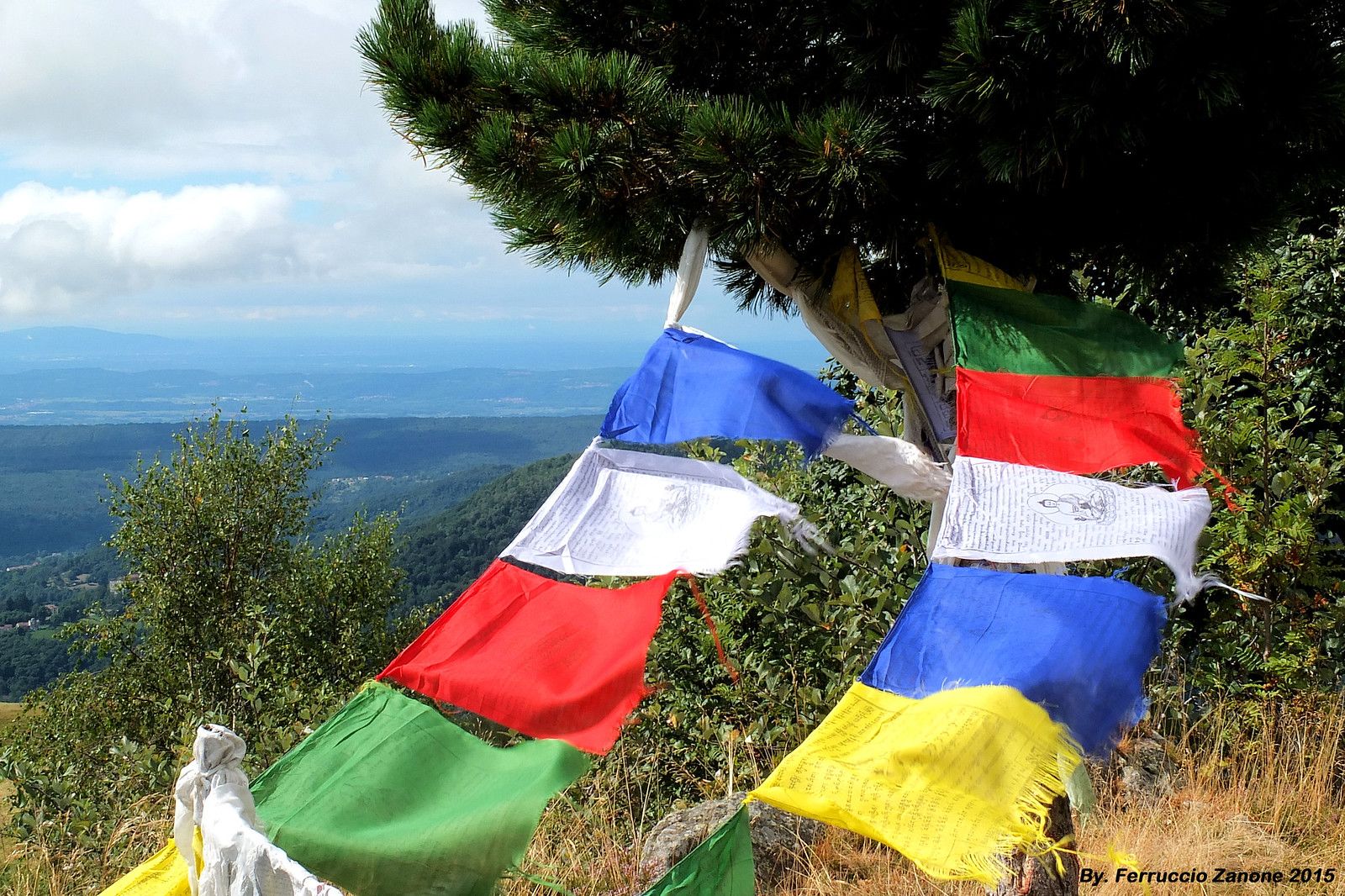
The symbol of Nepal in the Pyrenees – Cavalls del Vent
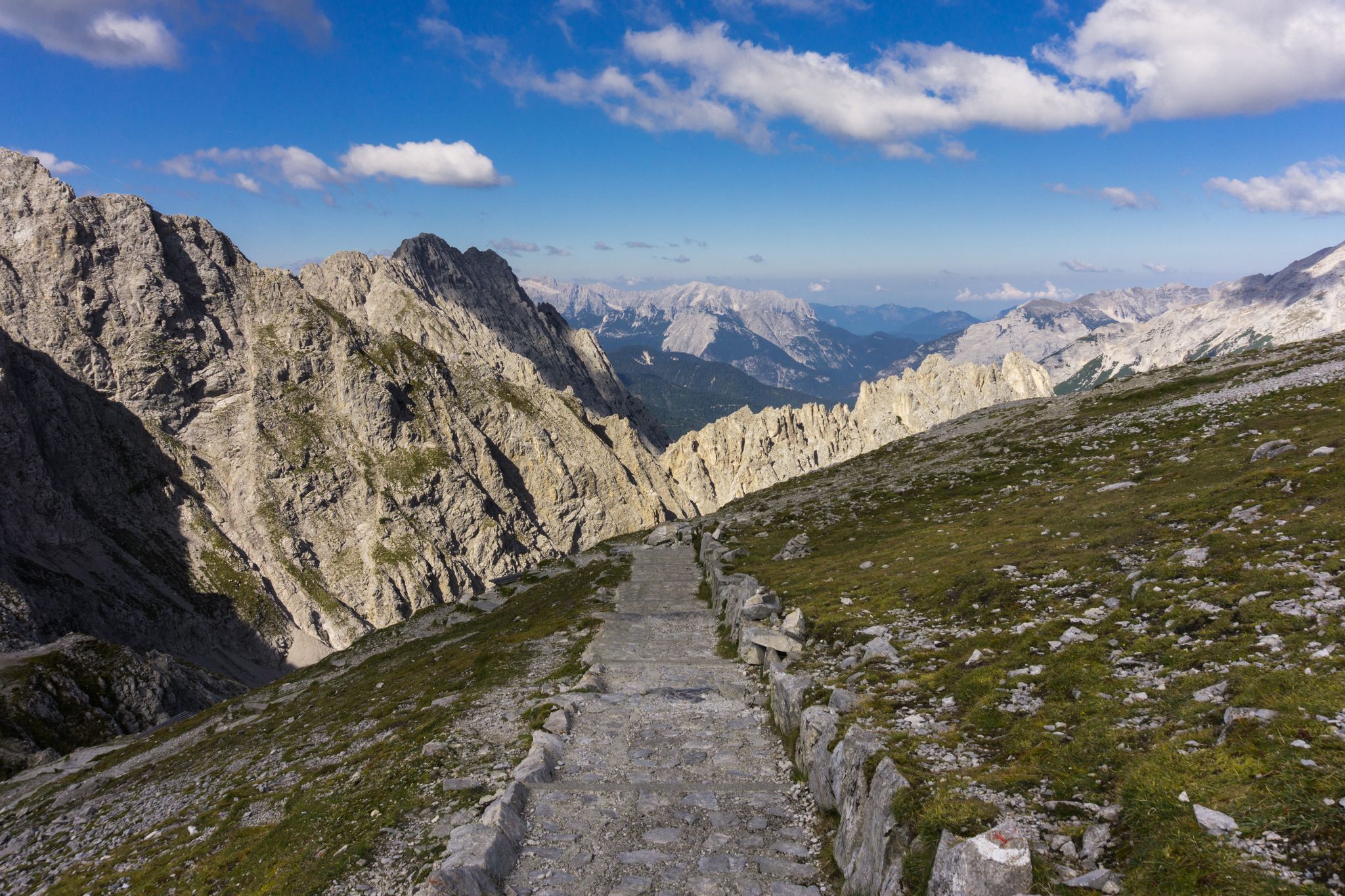
Las Cumbres Reinas de España — Spanish mountain trail races
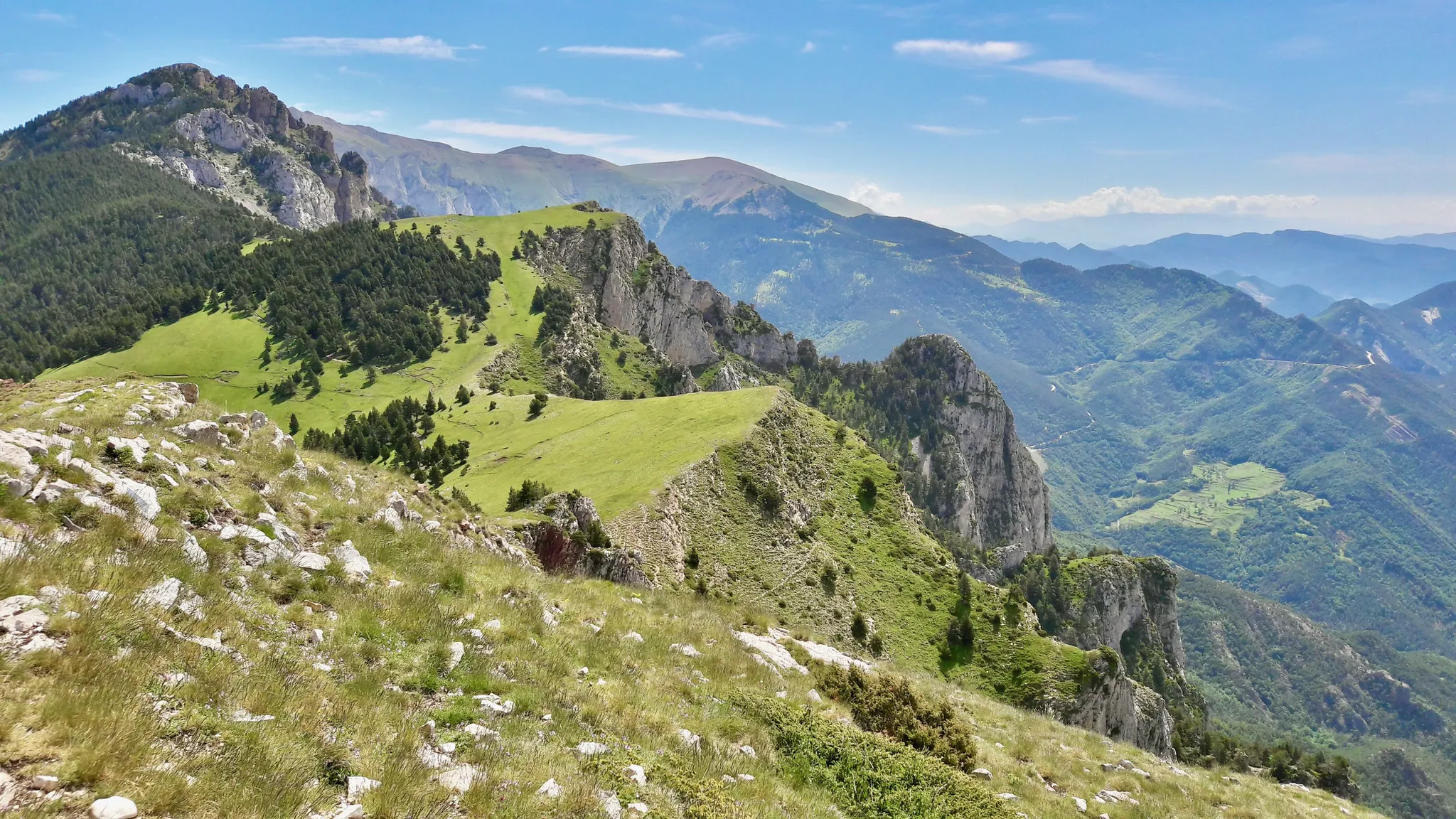
Hiking in Cavalls del Vent — Spain’s Parque Natural Cadí-Moixeró
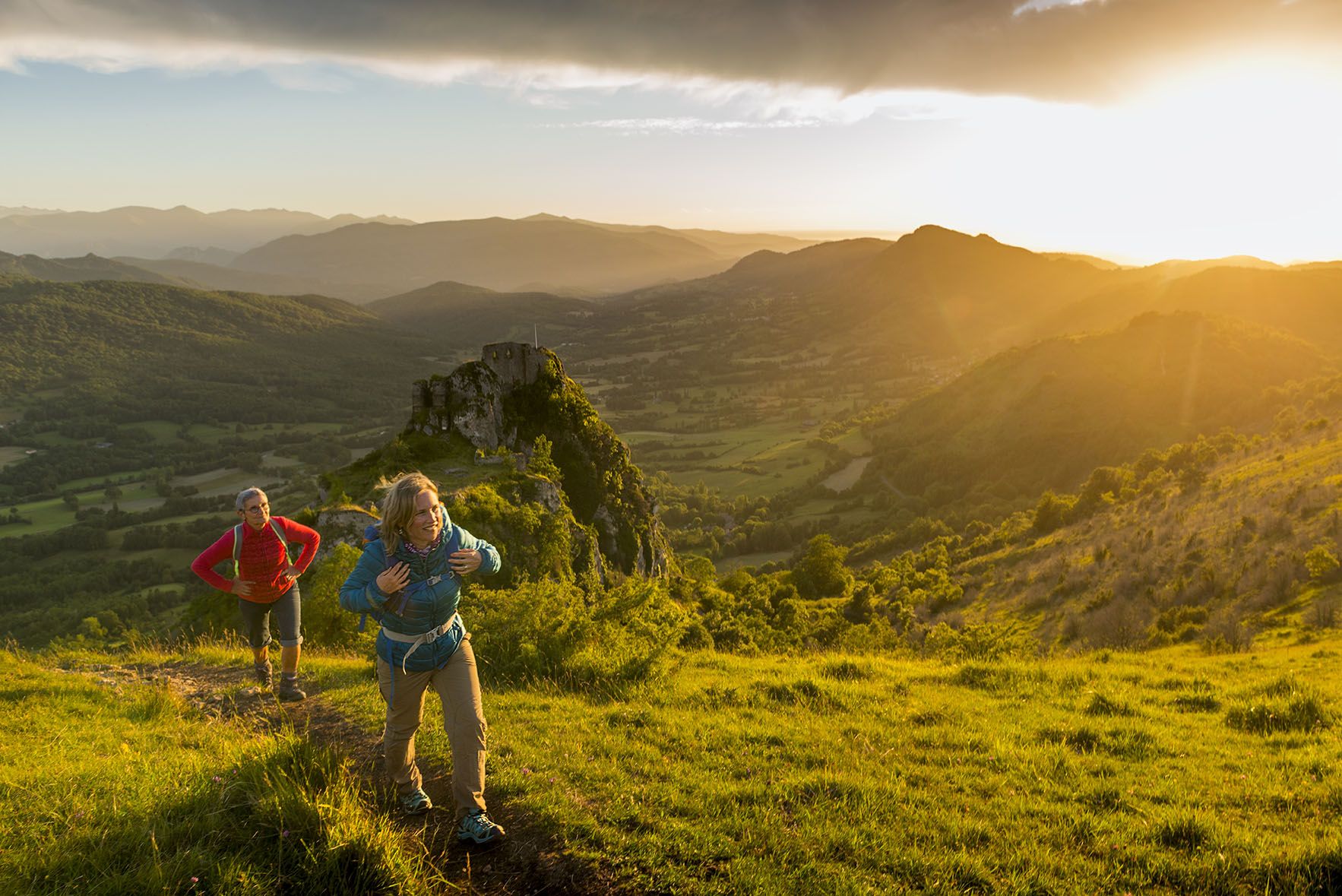
The chemin des Bonshommes — a journey between France and Spain
Running Trails around Bagà
Road Cycling Routes around Bagà
Other adventures around Bagà


Tips from the Community

very good summit, it is important to book in advance if you want to sleep in the refuge. Easy climb and beautiful place!
0
0

Hellish climb but with spectacular views, good asphalt too
0
0

views of Tossa d'Alp, Pedraforca, Cadi and Serra Ensija
0
0

360 Panoramic Views and Pedraforca
0
0

There are a couple of rope climbs just before the summit, but they are not difficult at all. My 20kg dog climbed them up and down without any problems.
0
0

Birth of the Llobregat river. Stairs and directions for a nice and easy walk (with some stairs!)
0
0

Puerto de Montaña with spectacular views, if you know it from the side of Castellar de Hug, you see Pedraforca and all the cadí, and going up through La Molina, views of Cerdanya and the French Western Pyrenees (Peric, Carlit...).
0
0

Spectacular panoramas over the alpine meadows of the Pyrenees.
0
0
Frequently Asked Questions
What are some of the most popular natural monuments to explore around Bagà?
Beyond the well-known highlights, visitors frequently enjoy exploring the Penyes Altes del Moixeró, a summit offering extensive 360º panoramic views within the Natural Park of Cadí-Moixeró. Another favorite is Bald Hen Peak, known for its spectacular views of the Pedraforca massif and diverse landscapes. The Els Empedrats Waterfall and Gorge is also highly regarded for its crystal-clear waters and refreshing experience along a well-marked footpath.
What kind of natural features can I expect to see in the Bagà region?
The region around Bagà, largely within the Parc Natural del Cadí-Moixeró, offers a rich variety of natural features. You'll find lush forests of oak, black pine, and beech, picturesque valleys, alpine meadows, and rugged mountain peaks reaching over 2,500 meters. Distinctive geological formations like the U-shaped Pedraforca Massif are prominent, along with impressive river sources and waterfalls such as the Source of the Llobregat River.
Are there family-friendly natural monuments or activities near Bagà?
Yes, several natural monuments are suitable for families. The path leading to Les Fonts del Llobregat from Castellar de n'Hug is an easy and short excursion, perfect for witnessing the river's powerful emergence. The Els Empedrats Waterfall and Gorge also offers an easily accessible and refreshing walk along the river, ideal for a family outing.
When is the best time to visit the natural monuments around Bagà?
The best time to visit largely depends on your preferred activities. Spring (April-June) offers spectacular views of waterfalls like Les Fonts del Llobregat due to high water flow from snowmelt, and lush greenery. Summer (July-August) is ideal for hiking in higher altitudes and enjoying cooler temperatures. Autumn (September-October) brings vibrant fall foliage, while winter (November-March) can offer opportunities for snow activities, though some higher passes and trails may be challenging or inaccessible due to snow.
What wildlife and flora can I observe in the natural monuments of Bagà?
The Parc Natural del Cadí-Moixeró is a biodiversity hotspot. You might spot rare and endangered species such as the Pyrenean chamois, golden eagles, roe deer, red deer, and bearded vultures. Birdwatchers can look for black woodpeckers, wood grouse, and wallcreepers. The flora includes diverse ecosystems ranging from lush forests of oak, black pine, and beech to alpine meadows.
Where can I find the best panoramic views of the region?
For breathtaking panoramic views, consider ascending Penyes Altes del Moixeró, which provides extensive 360º vistas. The Bald Hen Peak also offers spectacular views, particularly of the iconic Pedraforca massif. Additionally, viewpoints around the Pedraforca area, such as those accessible from Saldes, provide impressive perspectives of its unique U-shaped silhouette. The Niu de l'Àliga Refuge, at 2,500 meters, offers spectacular views of the Cerdanya, Ripollès, and Berguedà valleys.
What outdoor activities can I do near these natural monuments?
The region around Bagà is a haven for outdoor enthusiasts. The Parc Natural del Cadí-Moixeró offers over 200 kilometers of well-marked hiking trails for all experience levels. Pedraforca is a prime destination for hikers and rock climbers. Beyond hiking, you can find various cycling opportunities. For road cycling, routes like 'Coll de Merolla – Castellar de n'Hug loop from Guardiola de Berguedà' are available. Mountain biking enthusiasts can explore trails such as 'Ascent to Coll de Bena – Puig de Bagà loop from Bagà'. For more cycling options, refer to the Cycling around Bagà guide, the Road Cycling Routes around Bagà guide, or the MTB Trails around Bagà guide.
Are there mountain refuges available for overnight stays or breaks?
Yes, within the Cadí-Moixeró Natural Park, there are several mountain refuges that serve as excellent bases for exploring the natural surroundings. The Lluís Estasen Refuge, also known as the Pedraforca refuge, is a popular starting point for ascents of Pedraforca. Another notable refuge is Niu de l'Àliga, situated at an altitude of 2,500 meters at the top of Tosa d'Alp, offering stunning views and a place to rest.
What is the significance of Pedraforca Massif?
Pedraforca Massif is one of Catalonia's most iconic and emblematic mountains, recognized as a Natural Site of National Interest. It's famous for its distinctive U-shaped, forked silhouette, which gives it its name (Catalan for 'stone pitchfork'). The massif consists of two parallel peaks joined by a neck, a result of millions of years of erosion. It's a significant landmark for hikers and rock climbers, offering challenging ascents and impressive panoramic views. You can learn more about it on Wikipedia or Visit Pirineus.
Are there any easy walks or trails for those seeking a less strenuous experience?
Absolutely. The walk to Les Fonts del Llobregat from Castellar de n'Hug is considered an easy and short excursion. Similarly, the path to Els Empedrats Waterfall and Gorge is a well-marked footpath that offers a pleasant and refreshing experience along the river without significant difficulty.
What should I bring for a hike in the natural monuments around Bagà?
For hiking in the Bagà region, especially in the Cadí-Moixeró Natural Park, it's advisable to bring appropriate mountain shoes, layers of clothing suitable for changing weather conditions, water, snacks, and sun protection. Depending on the trail, trekking poles can be helpful. For longer or more challenging routes, a map, compass or GPS device, and a first-aid kit are also recommended.
Can I bring my dog to the natural monuments and trails?
While many outdoor areas in Catalonia are dog-friendly, it's always best to check specific park regulations for the Parc Natural del Cadí-Moixeró and individual natural monuments. Generally, dogs are permitted on trails if kept on a leash, especially to protect local wildlife and ensure the safety of other visitors. Always carry waste bags and ensure your dog is well-behaved.
Most popular routes around Bagà
Most popular attractions around Bagà

Get inspired with the komoot mobile app


Explore more
Extend your search for the best caves by checking out these guides of the top ones around Bagà:
