Top 11 Natural Monuments around Cendea de Olza/Oltza Zendea
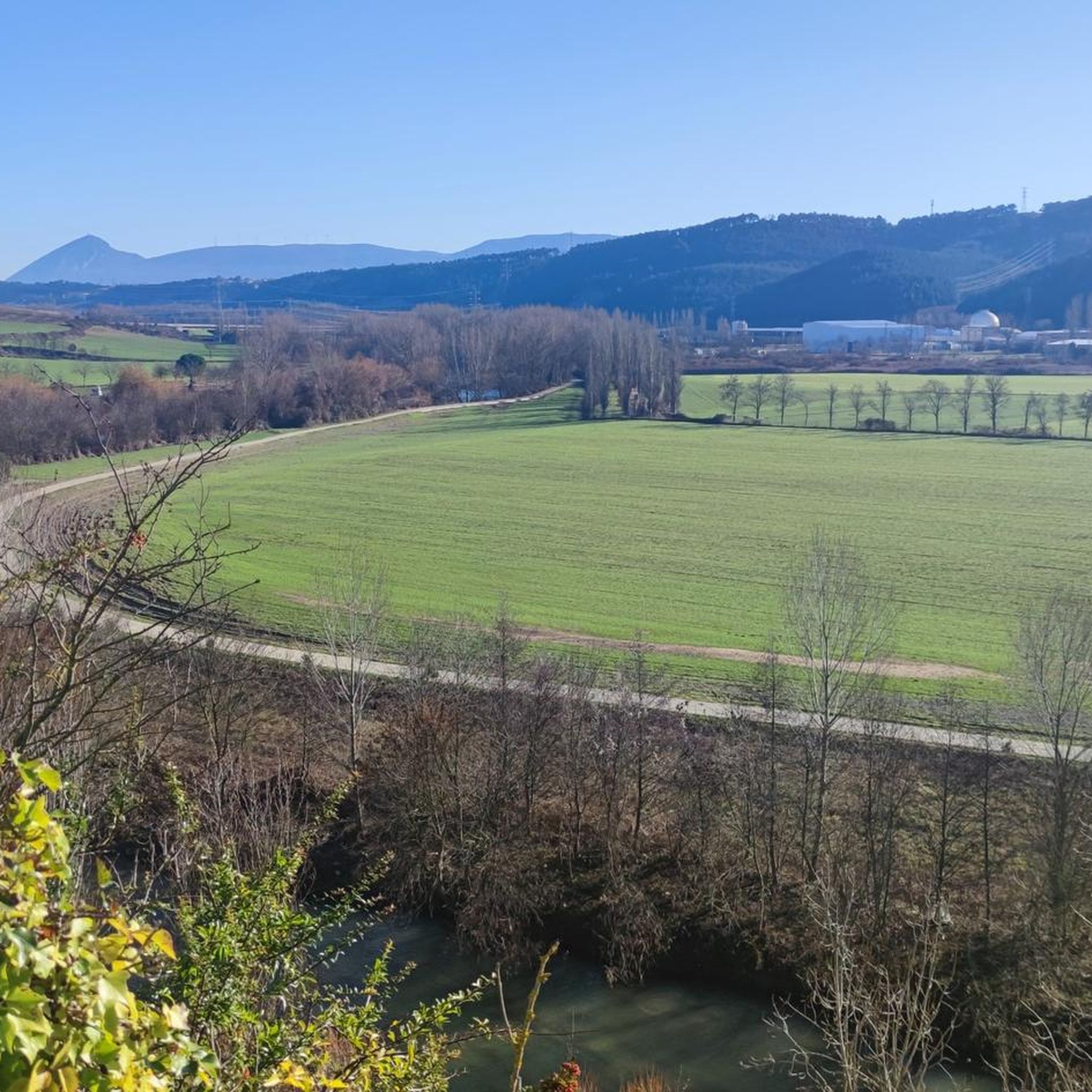
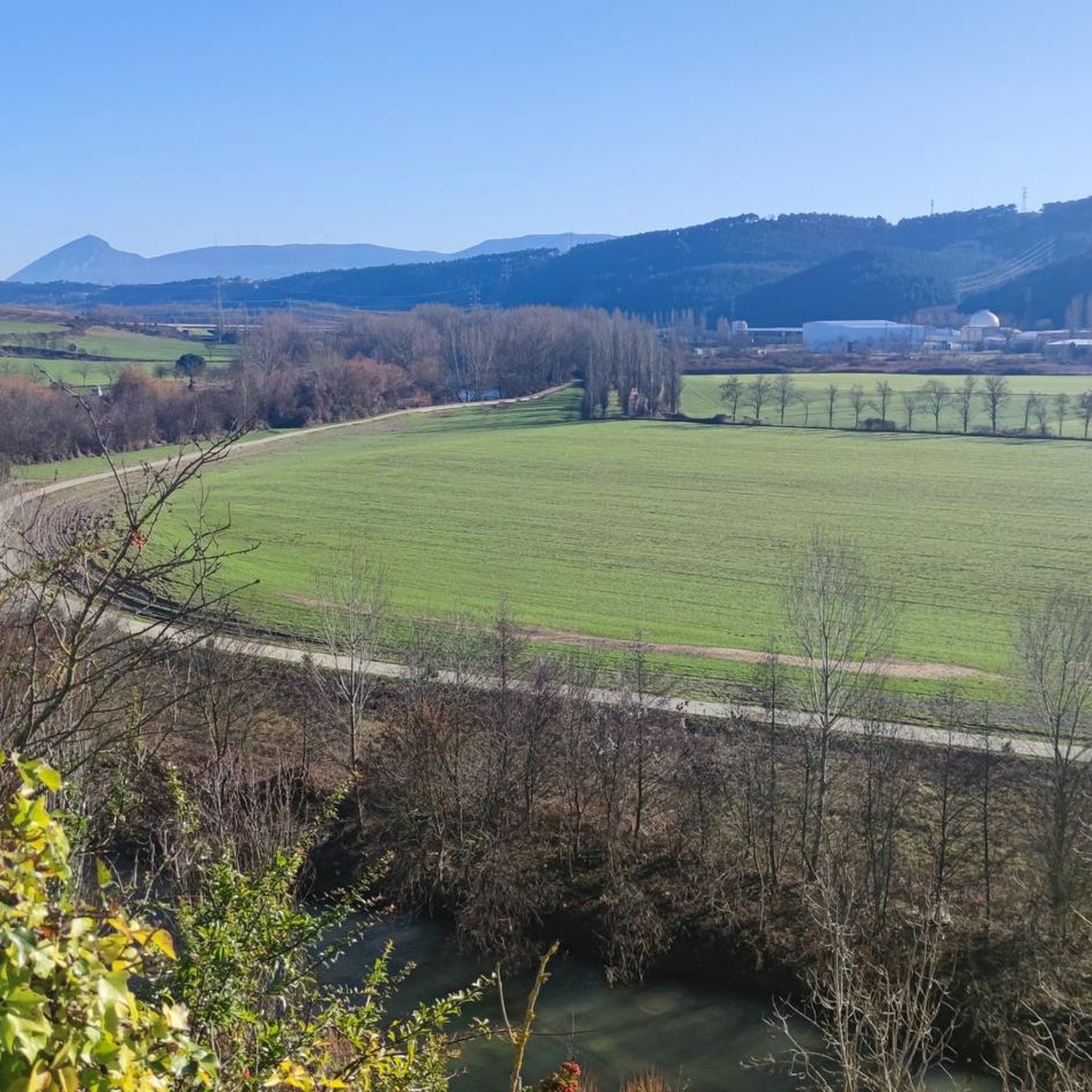
Best natural monuments around Cendea de Olza/Oltza Zendea include prominent mountains like Sarbil and Mortxe, which form part of the varied relief and offer diverse hiking routes. The landscape is also shaped by the Arga and Arakil rivers, which have created fertile agricultural lands and provide settings for leisurely walks. Geologically, the area features limestone rocks and marls, contributing to unique visual features and diverse ecosystems. These natural elements collectively represent the outstanding natural heritage of the region.
Best natural…
Last updated: July 1, 2026
Magdalena Bridge
Highlight • Bridge
Tip by

On the banks of the Arga River
Highlight (Segment) • River
Translated by Google •
Tip by
Sign up now to discover places like this
Get recommendations on the best single tracks, peaks, & plenty of other exciting outdoor places.
Sign up for free
Artazul Waterfall
Highlight • Waterfall
Path to the cascade can be flooded. If you want to go higher from the cascade, the terrain may be muddy and slippery!
Tip by

Zokorena Dam
Highlight • Waterfall
Translated by Google •
Tip by

Saleras de Arteta
Highlight • Structure
Translated by Google •
Tip by
Sign up for free to discover even more natural monuments around Cendea de Olza/Oltza Zendea.
Sign up for free
Already have an account?
Start today with a free account
Your next adventure awaits.
Login or Signup
Popular around Cendea de Olza/Oltza Zendea
Tips from the Community

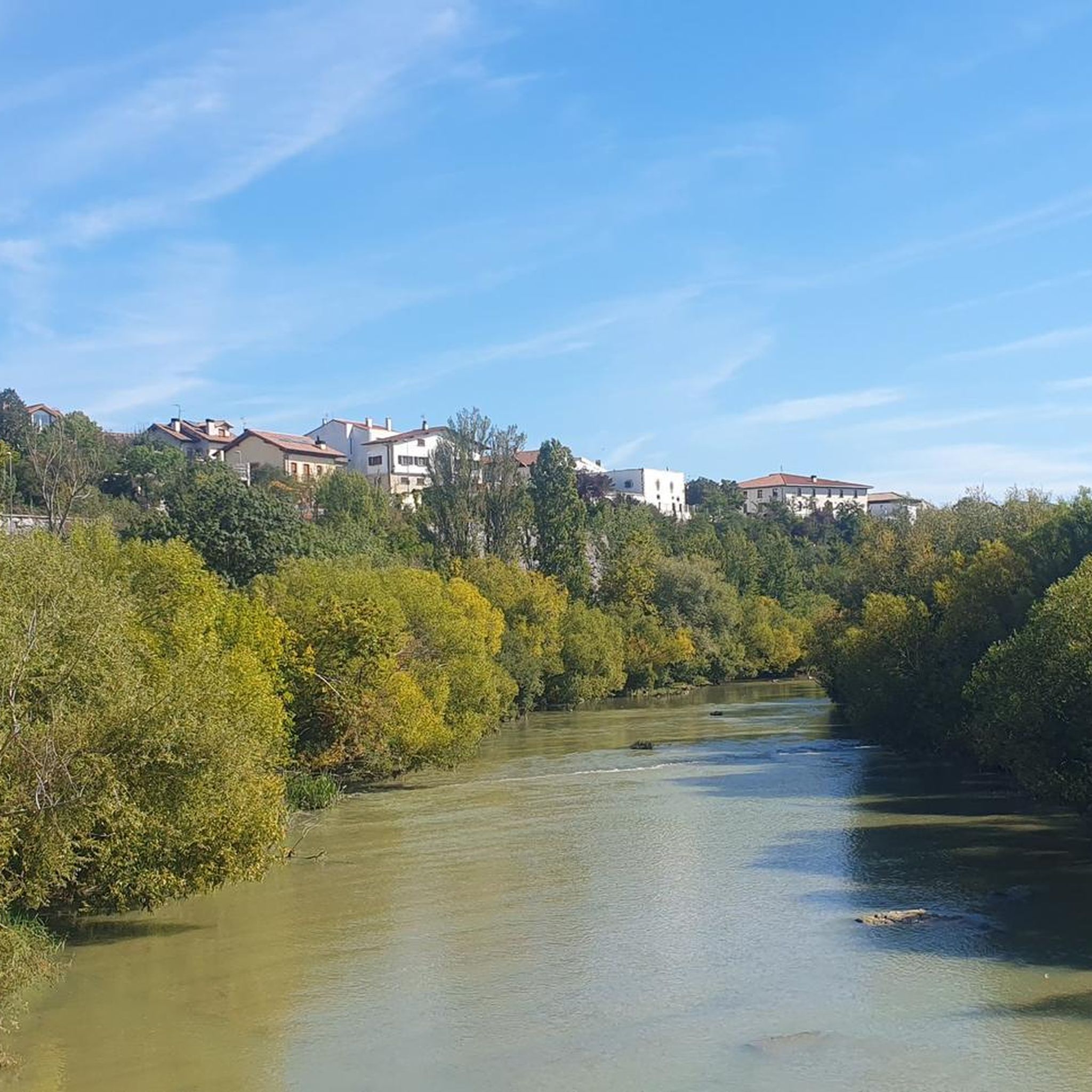
Beautiful charming and ancient bridge over which the Santiago de Compostela trail passes.
0
0

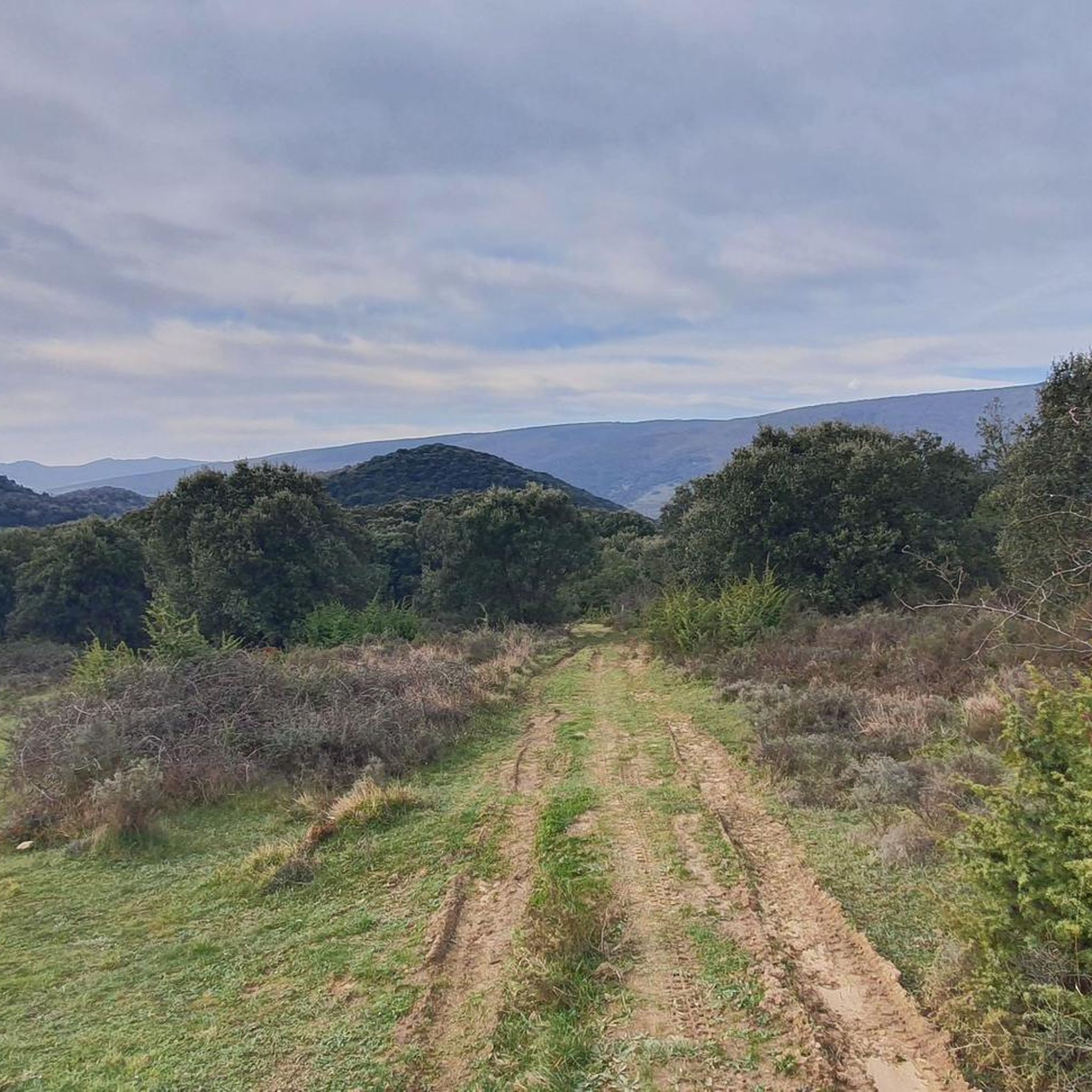
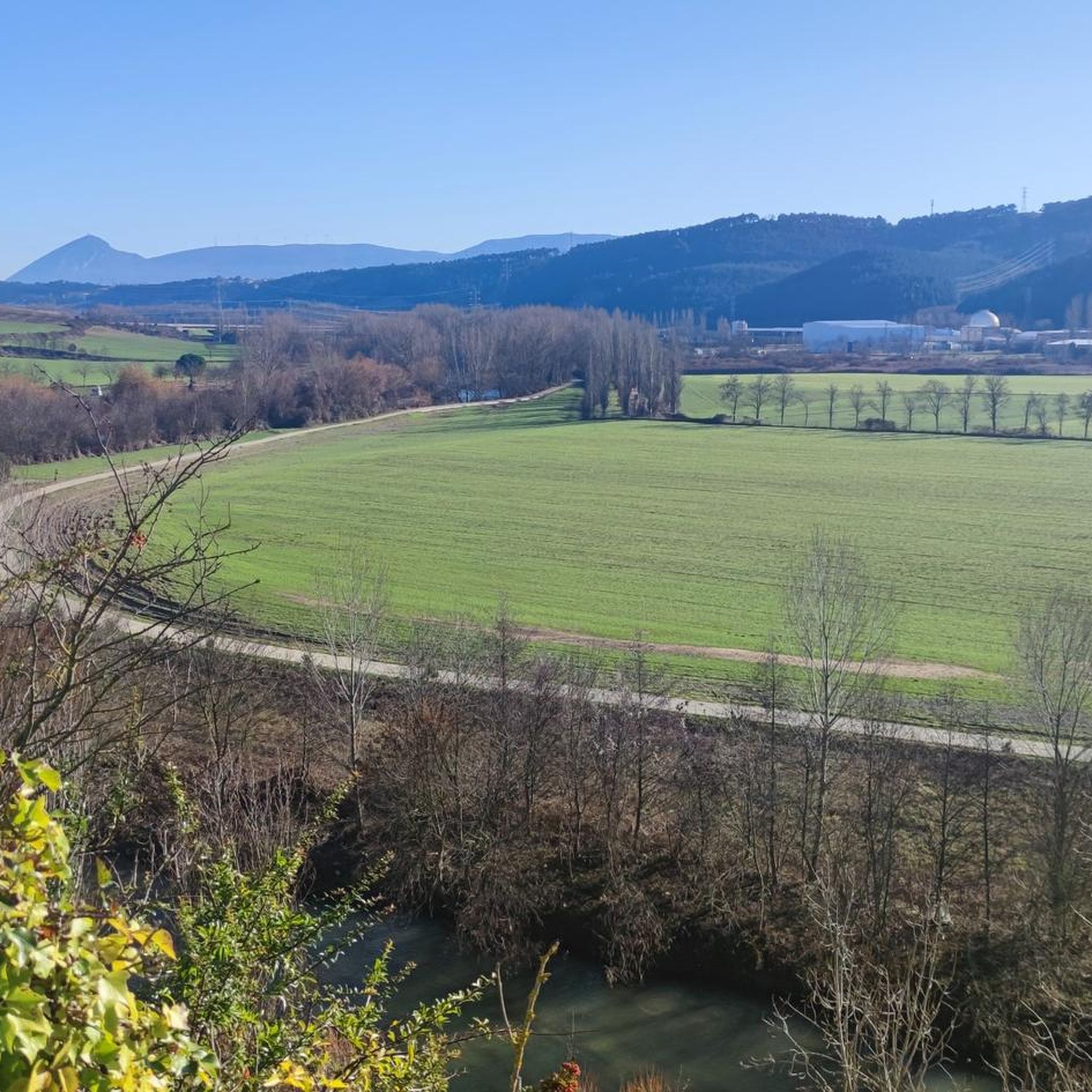
The route leads along the Arga to Pamplona and then on to Puente la Reina. In some places it is idyllic and accessible even for cyclists. The shade is a blessing...
1
0

Small in size, but of great beauty.
3
0
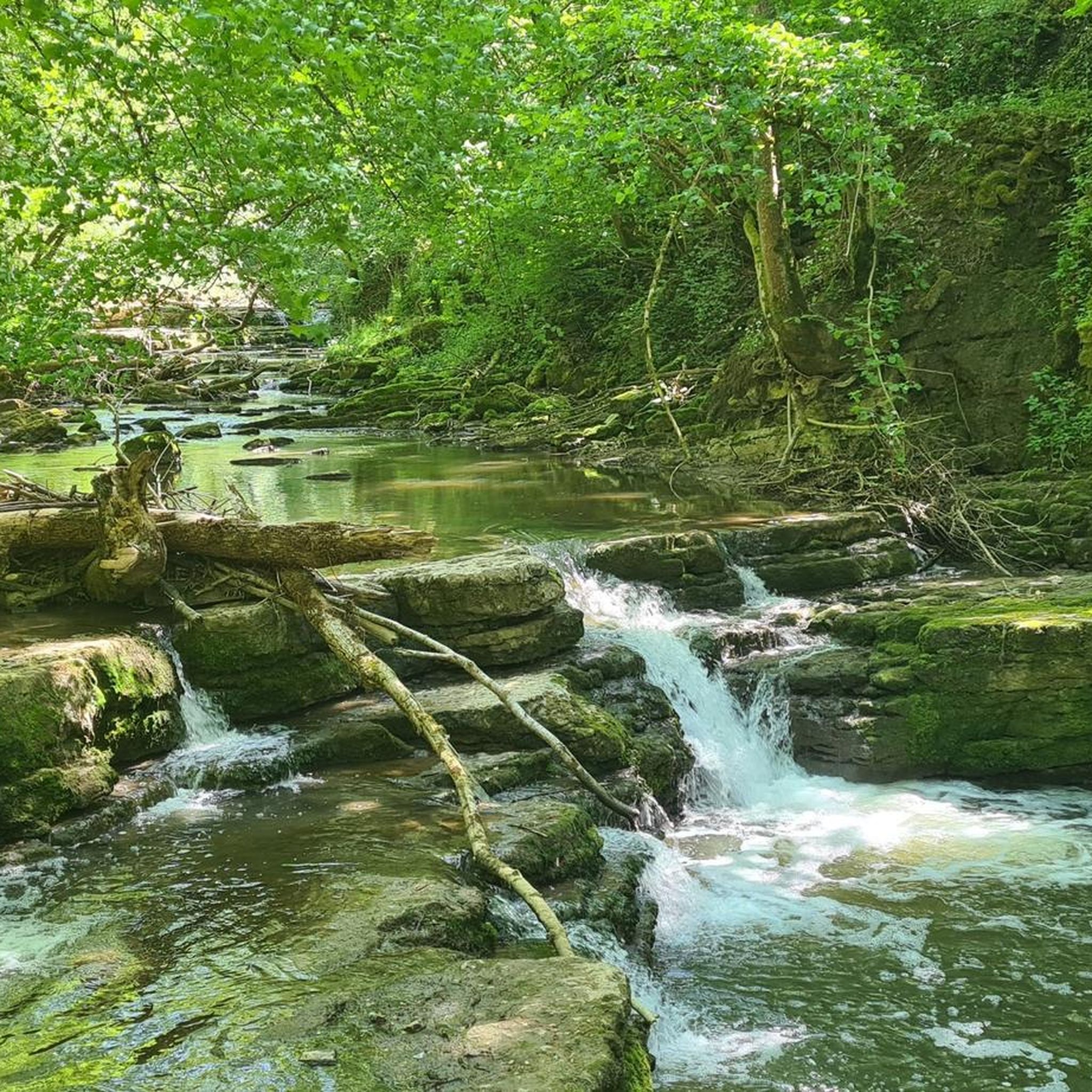
A paradisiacal place and a stone's throw from the parking lot. Of course, when the ground is wet, access will be very difficult.
4
1

Very charming bridge that connects the Magdalena area with Pamplona over the Arga River.
3
0

Beautiful place with waterfalls and a viewpoint from which to take pictures.
1
0

Perhaps the most important bridge in Pamplona since it is the main entrance to the city and it was built on the bed of the Arga river in the 11th century. Today it is part of the Camino de Santiago and is a characteristic point in it.
2
0
Beautiful place on the bed of the Arga river at its confluence with the Urbi river. On one side of it there is a recreational area that is usually a very crowded place in the summer months to take a refreshing bath and the jump from the dam is a natural slide that gives it a touch of entertainment.
3
0
Frequently Asked Questions
What are some of the most popular natural monuments to visit in Cendea de Olza/Oltza Zendea?
Visitors frequently enjoy the Magdalena Bridge, a historic medieval bridge that is part of the Camino de Santiago. Other popular spots include the beautiful Artazul Waterfall and the scenic Zokorena Dam, which offers a recreational area and natural slide.
What kind of natural features can I expect to see in Cendea de Olza/Oltza Zendea?
The region is characterized by prominent mountains like Sarbil and Mortxe, which offer varied relief and diverse hiking routes. The landscape is also shaped by the Arga and Arakil rivers, creating fertile agricultural lands and picturesque riverbanks. You'll also encounter distinct geological formations, including limestone rocks and marls.
Are there any notable waterfalls in the region?
Yes, Cendea de Olza/Oltza Zendea is home to the impressive Artazul Waterfall, which cascades about 40 meters and is a must-see for nature lovers. Another beautiful spot is the Zokorena Dam, which features waterfalls and a recreational area along the Arga River.
Where can I find panoramic views of Cendea de Olza/Oltza Zendea?
For stunning panoramic views, consider visiting the View from Alto del Perdón, which offers an exceptional vantage point towards Pamplona and the Pyrenees. The mountains of Sarbil and Mortxe also provide diverse hiking routes with opportunities for broad vistas of the surrounding Pamplona Basin.
What outdoor activities can I do near the natural monuments in Cendea de Olza/Oltza Zendea?
The region offers excellent opportunities for various outdoor activities. You can explore numerous hiking trails, enjoy cycling routes, or tackle mountain biking trails. The riverbanks of the Arga and Arakil are also ideal for leisurely walks.
Are there family-friendly natural monuments or activities in the area?
Yes, several natural monuments are suitable for families. The Magdalena Bridge and walks on the banks of the Arga River are great for all ages. The Zokorena Dam even has a recreational area where families can enjoy a refreshing bath and a natural slide during warmer months.
What are the geological highlights of Cendea de Olza/Oltza Zendea?
The Cendea de Olza is situated in the Pamplona Basin, featuring geologically modern materials from the Cenozoic era. You'll observe predominant limestone rocks, interspersed with calcarenites and marls. The well-known 'margas de Pamplona' (gray or blue marls) are visible in local formations called 'tufarros', offering interesting visual features and diverse ecosystems.
What do visitors enjoy most about the natural monuments in Cendea de Olza/Oltza Zendea?
Visitors appreciate the diverse natural beauty, from the challenging mountain trails of Sarbil and Mortxe to the serene river walks along the Arga and Arakil. The region's unique geological formations and picturesque viewpoints are also highly valued, with the community sharing over 70 photos and giving more than 300 upvotes to these natural attractions.
Are there any historical sites integrated with the natural landscape?
Yes, the region beautifully blends natural and historical elements. The Magdalena Bridge, a 12th-century medieval bridge and part of the Camino de Santiago, is a prime example. The slopes of Sarbil also feature ancient paths and megalithic monuments, indicating centuries of human presence within the natural environment.
Can I find information about hiking routes near these natural monuments?
Absolutely. You can find detailed information on various hiking routes, including those around the mountains and rivers, in the Hiking around Cendea de Olza/Oltza Zendea guide. Routes range from moderate, like the Santa Cruz Hermitage – Sarbil loop, to more challenging options.
What is the best time of year to visit the natural monuments?
The region offers beauty throughout the year. Spring and autumn are ideal for hiking and exploring the mountains and riverbanks, with pleasant temperatures and vibrant foliage. Summer is popular for water-related activities at spots like Zokorena Dam, while winter can offer unique, serene landscapes, though some paths might be muddy or slippery, especially near waterfalls.
Are there opportunities for climbing in Cendea de Olza/Oltza Zendea?
Yes, the mountainous areas, particularly the Sierra de Sarbil and its northern face known as Sierra de Saldise, offer climbing opportunities. The rugged ridge of Peñas de Saldise and the 'Escaleras de Ciriza' are known for their climbing appeal, providing a scenic ascent for adventure seekers.
Most popular routes around Cendea de Olza/Oltza Zendea
Most popular attractions around Cendea de Olza/Oltza Zendea

Get inspired with the komoot mobile app


Explore more
Extend your search for the best caves by checking out these guides of the top ones around Cendea de Olza/Oltza Zendea:
