Top 20 Natural Monuments around Sant Adrià De Besòs
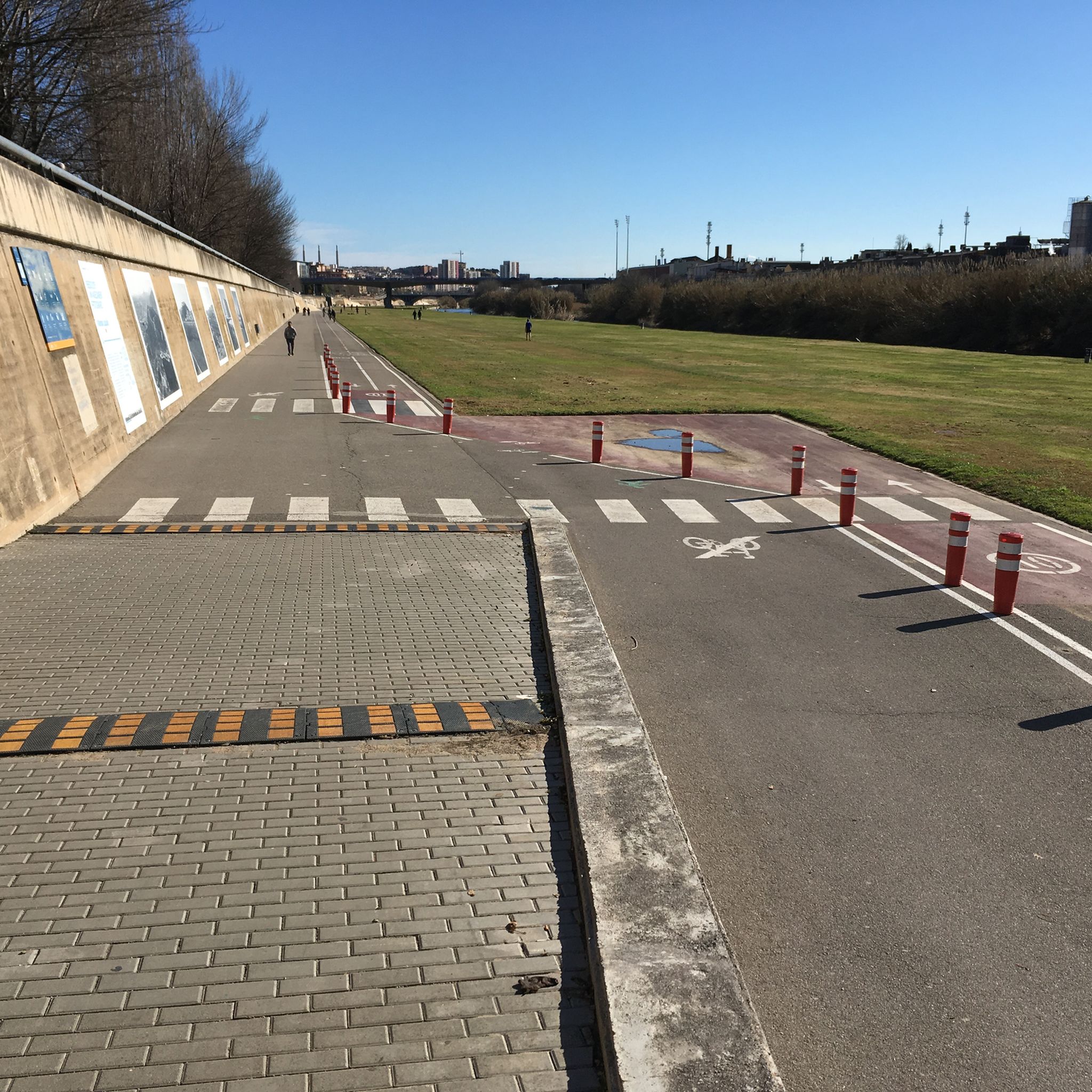
Best natural monuments around Sant Adrià De Besòs are characterized by urban regeneration and renaturalized green spaces along the Mediterranean coast and the Besòs River. The area features significant natural areas like the Parc Fluvial del Besòs and the Parc del Litoral. These sites offer ecological value and recreational opportunities within an urban setting. Visitors can explore diverse flora and fauna resulting from successful environmental rehabilitation efforts.
Best natural monuments around Sant Adrià De Besòs
- The most popular natural monuments is Miramar Gardens, a viewpoint and natural area located on Montjuïc mountain. These gardens offer panoramic views of the city and the port of Barcelona from 60 meters above sea level.
- Another must-see spot is Pi d'en Xandri, a natural monument and one of Catalonia's oldest pine trees. This monumental stone pine, estimated to be over 240 years old, stands 23 meters tall with a 3.20-meter trunk diameter, serving as an ecological and cultural symbol.
- Visitors also love Monumental Cascade, Parc de la Ciutadella, a man-made monument and natural monument featuring a waterfall and lake. This park provides a green oasis for relaxation, long walks, and activities like picnicking or rowing on the lake.
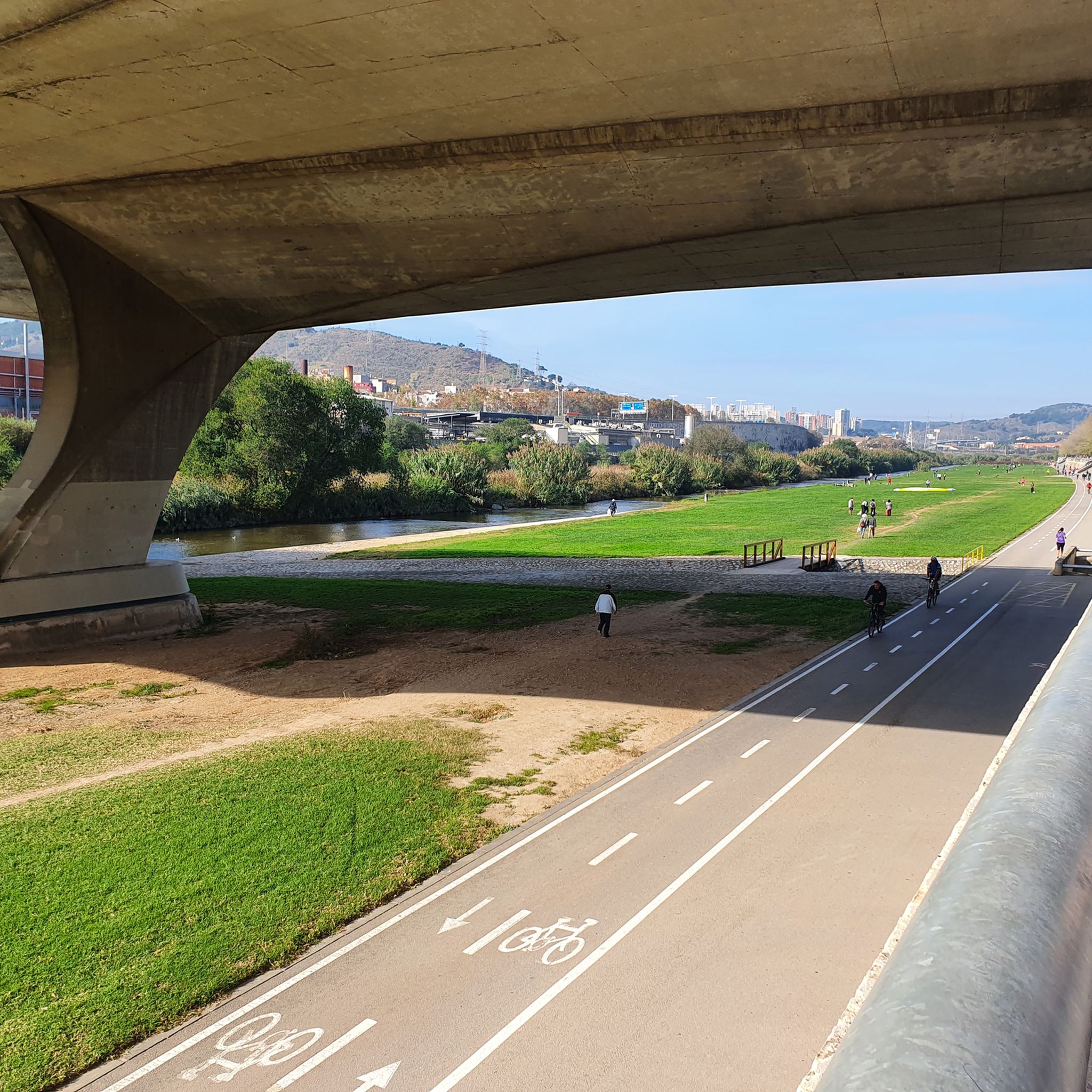
- Sant Adrià De Besòs is known for its renaturalized river parks, coastal areas, and significant individual trees. The region offers a variety of natural monuments, from urban green spaces to historic botanical features, providing diverse outdoor experiences.
- The natural monuments around Sant Adrià De Besòs are appreciated by the komoot community, with over 500 upvotes and 450 photos shared.
Last updated: July 1, 2026
Monumental Cascade, Parc de la Ciutadella
Highlight • Monument
Antoni Gaudí had a small, hidden task during construction. However, his lizards are visible next to the "Aquarium" entrance.
Translated by Google •
Tip by

Miramar Gardens
Highlight • Viewpoint
Translated by Google •
Tip by

Sign up now to discover places like this
Get recommendations on the best single tracks, peaks, & plenty of other exciting outdoor places.
Sign up for free
Pi d'en Xandri
Highlight • Natural Monument
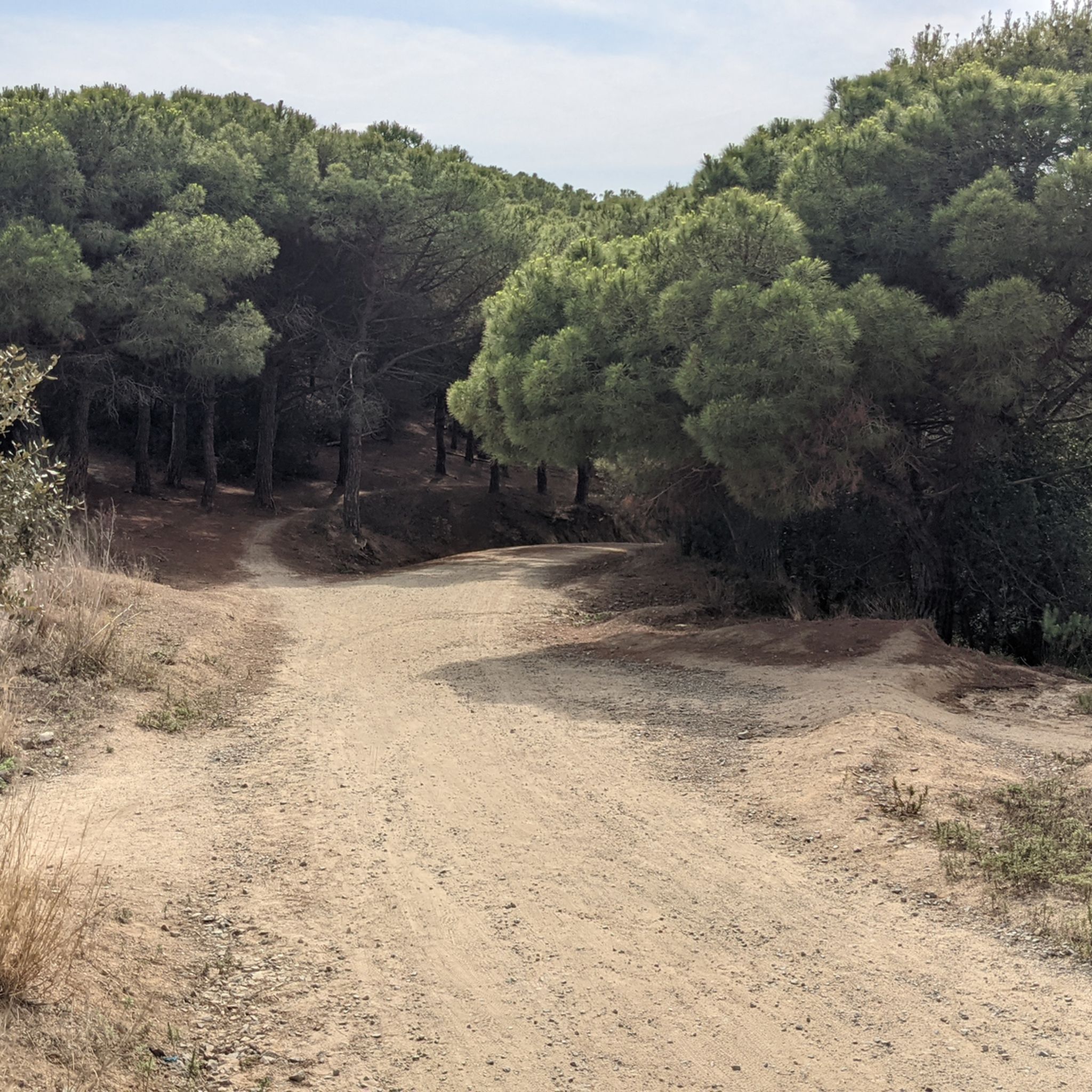
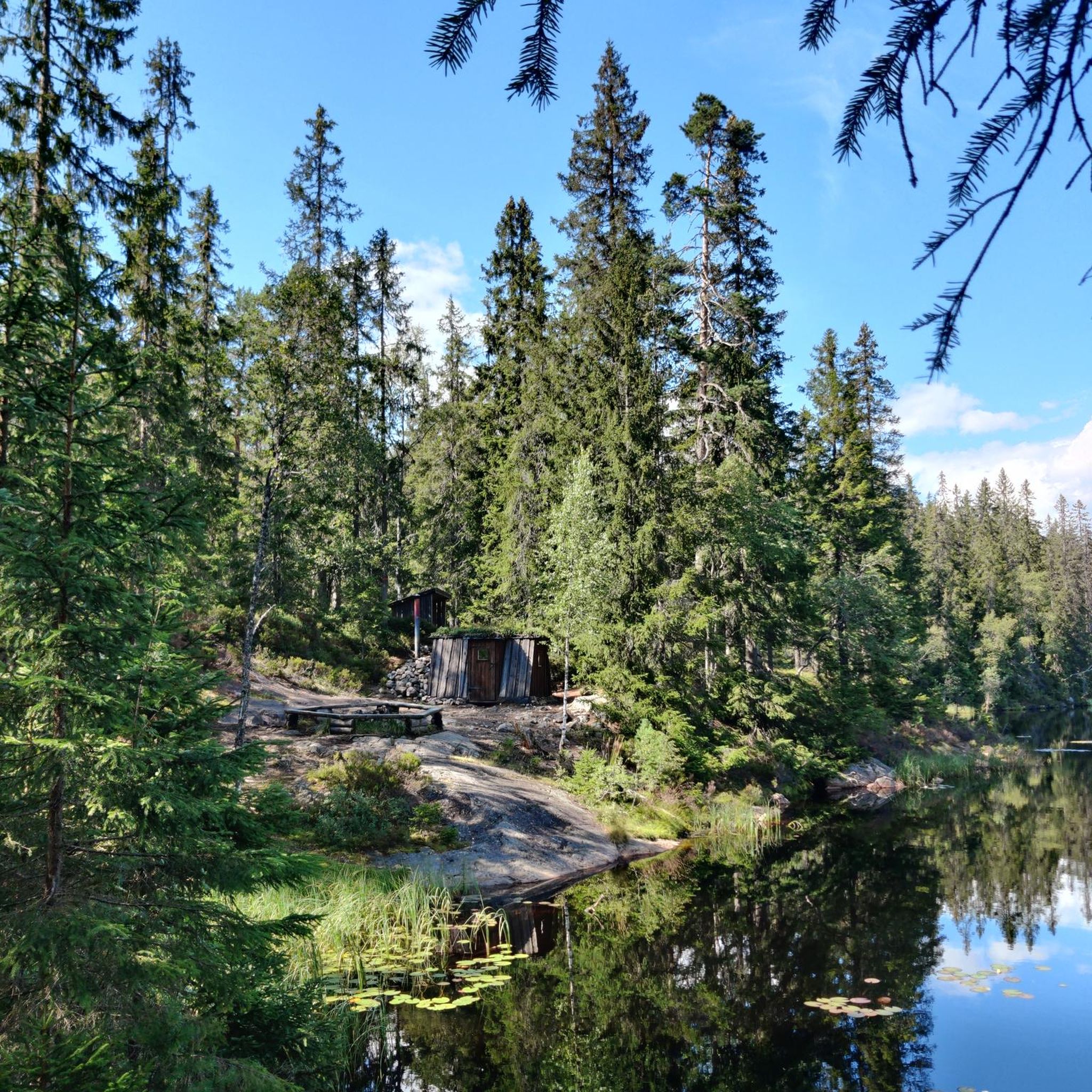
It is a stone pine (pinus pinea) and is located in the Torre Negra rural park. It has a considerable height -23 meters- and a trunk of 3.20 meters in diameter. Its crown is 21 meters wide and has a peculiar shape, like a parasol, with a wayward, half-naked branch. The Pi d'en Xandri lost part of its branches due to the snow that accumulated on Christmas night in the year 62, when a formidable snowfall covered Catalonia in white. In 1997 some vandals tried to saw it off and set it on fire. It was necessary to graft a piece of live trunk so that the sap could circulate again and it was held with the trunks that surround it today to facilitate its healing.
Translated by Google •
Tip by
Magic Fountain of Montjuïc
Highlight • Monument
Translated by Google •
Tip by
Magic Fountain of Montjuïc
Highlight • Monument
Translated by Google •
Tip by
Sign up for free to discover even more natural monuments around Sant Adrià De Besòs.
Sign up for free
Already have an account?
Start today with a free account
Your next adventure awaits.
Login or Signup
Tips from the Community

Antoni Gaudí had a small, hidden task during construction. However, his lizards are visible next to the 'Aquarium' entrance.
8
1

Currently only operating Thursday to Sunday (June 2025)
1
0

The Magic Fountain of Montjuïc in Barcelona, designed by Carles Buïgas, was constructed for the 1929 Barcelona International Exposition. Located at the head of Avinguda Maria Cristina, it features 3620 jets spraying 700 gallons of water per second, with the highest spout reaching 170 feet. Initially completed in 1929, the fountain was damaged during the Spanish Civil War and didn’t operate until 1955. In the 1980s, it was restored, and music was added to the light shows, becoming a popular attraction, especially during the summer.
1
0

All fountains in Barcelona are turned off, including the Fuente Mágica. The city wants to (symbolically) indicate that there is a water problem. So much so that even the fountains are not working. Too bad that this also affects the Fuente Mágica ....
1
0

Such a title could unintentionally attract users to search for the font source, distracting from the actual cultural or historical content of Montjuic. Use the font for free right on the website https://fontesdeletras.io/
0
1

A very beautiful area that is always worth exploring! What do you think?
1
0

Admission is actually free, but unfortunately closed at the moment due to water shortages (03/2024)
0
0

They are located on the mountain of Montjuïc, and were made between 1919 and 1923, on the occasion of the International Exhibition of 1929. They were the work of Jean-Claude Nicolas Forestier and Nicolau Maria Rubió i Tudurí, in parallel with the Gardens of Laribal and those of the Greek Theatre. The gardens are located on an esplanade at Mirador de Miramar, a balcony 60 m above sea level from where you can enjoy magnificent panoramic views of the city and the port of Barcelona. After this space is the Hotel Miramar, a building built as a restaurant for the International Exhibition and which, between 1959 and 1983, was the headquarters of TVE in Catalonia; in 2006 it was converted into a hotel. The garden consists of several flower beds bordered by low hedges, as well as trees of various species. In its central part there is a fountain, and three sculptures of female figures decorate this space: Fertility (1929) and Serenity (1929), by Josep Clarà, and La veremadora (or Pomona, 1927), by Pau Gargallo.
3
0
Frequently Asked Questions
What are the main natural areas to explore in Sant Adrià De Besòs?
Sant Adrià De Besòs is characterized by its urban regeneration and renaturalized green spaces. The most significant natural areas are the Parc Fluvial del Besòs (Besòs River Park) and the Parc del Litoral (Coastal Park), along with the ecologically important Besòs River Mouth. These areas offer ecological value and recreational opportunities within an urban setting.
Are there family-friendly natural monuments in Sant Adrià De Besòs?
Yes, several natural monuments and areas are great for families. The Monumental Cascade, Parc de la Ciutadella, offers a green oasis with a lake for rowing. Miramar Gardens provides beautiful views and open spaces. The Parc Fluvial del Besòs also has asphalted paths suitable for walks and cycling with children.
What kind of wildlife can I observe in the natural areas of Sant Adrià De Besòs?
The Parc Fluvial del Besòs is a prime spot for wildlife observation, especially birdwatching. Its wetlands and public areas are home to over 200 different bird species, making it a significant ecological corridor. The ongoing renaturalization efforts in the Parc del Litoral also aim to enhance biodiversity, attracting various local fauna.
Can I find accessible natural sites for wheelchairs in Sant Adrià De Besòs?
The Parc Fluvial del Besòs features asphalted paths that are generally suitable for wheelchairs, offering easy access to enjoy the river environment. The Parc del Litoral also provides a seafront promenade, which is typically accessible for those with mobility aids, allowing enjoyment of the coastline.
What outdoor activities can I do near the natural monuments in Sant Adrià De Besòs?
You can enjoy a variety of outdoor activities. The Parc Fluvial del Besòs is excellent for walking, cycling, and outdoor sports. The Parc del Litoral offers seafront promenades and access to beaches. For more structured routes, you can find options for cycling and hiking around Sant Adrià De Besòs.
Are there hiking trails near these natural monuments?
Yes, there are several hiking opportunities. You can explore routes like the 'Barceloneta Beach – Sant Sebastià Beach loop' or the 'Pont d'Eduard Maristany – Lake of Can Zam loop.' These trails allow you to experience the coastal and riverine landscapes. Find more details on hiking routes around Sant Adrià De Besòs.
What are some popular viewpoints or scenic spots among the natural monuments?
The Miramar Gardens on Montjuïc mountain offer magnificent panoramic views of Barcelona city and its port from 60 meters above sea level. The Parc Fluvial del Besòs also features viewing points for observing the river and its birdlife.
Is there a significant historical natural monument in the area?
Yes, Pi d'en Xandri is a monumental stone pine, estimated to be over 240 years old. It stands 23 meters tall with a 3.20-meter trunk diameter and serves as an ecological and cultural symbol, representing the community's efforts to protect the natural environment.
What is the best time to visit the natural areas of Sant Adrià De Besòs?
The natural areas, particularly the parks and coastal promenades, are enjoyable year-round. Spring and autumn offer pleasant temperatures for walking and cycling. Summer is ideal for enjoying the beaches and coastal park, while winter provides a quieter experience for birdwatching in the Parc Fluvial del Besòs.
Are the natural areas in Sant Adrià De Besòs dog-friendly?
Many of the public green spaces and promenades in Sant Adrià De Besòs, including parts of the Parc Fluvial del Besòs and Parc del Litoral, are dog-friendly. It is generally expected that dogs are kept on a leash and owners clean up after their pets to maintain the cleanliness and enjoyment for all visitors.
How can I reach the natural monuments using public transport?
Sant Adrià De Besòs is well-connected by public transport. The Parc Fluvial del Besòs and Parc del Litoral are accessible via local bus lines and tram services. Specific routes and stops vary, so checking local transport maps or apps for the most direct connection to your desired entry point is recommended.
Where can I find a green oasis for relaxation in the city?
The Monumental Cascade, Parc de la Ciutadella, offers a beautiful green oasis perfect for relaxation, long walks, and activities like picnicking. The Parc Fluvial del Besòs also provides extensive green spaces along the river, ideal for unwinding amidst nature within an urban setting.
What makes the Parc Fluvial del Besòs unique?
The Parc Fluvial del Besòs is a remarkable example of urban environmental regeneration. It transformed a heavily polluted river into a vibrant ecological corridor with diverse flora and fauna. It features both protected wetlands and a public area with paths and a bike track, offering a unique blend of ecological recovery and recreational space.
Can I enjoy the coastline and beaches near the natural monuments?
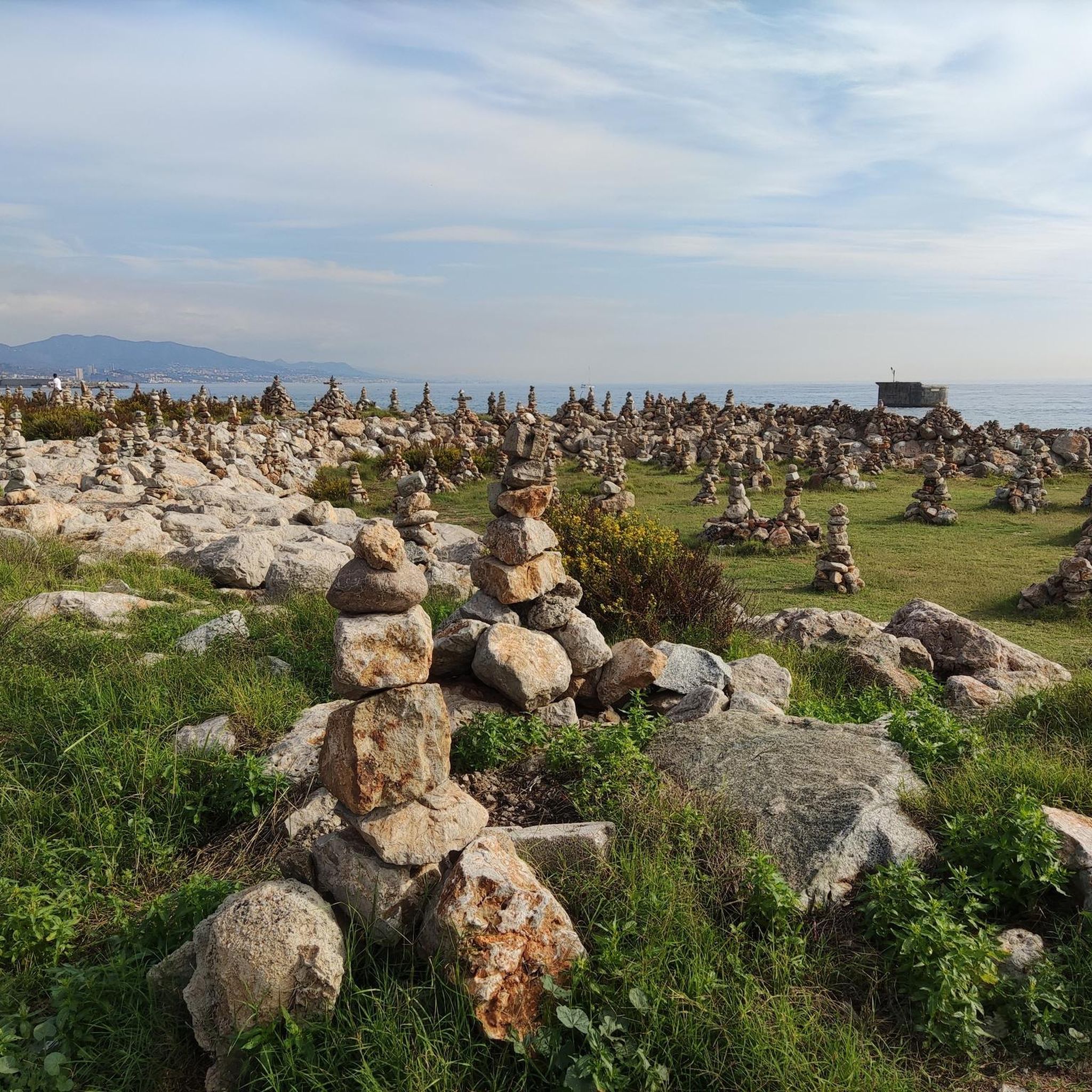
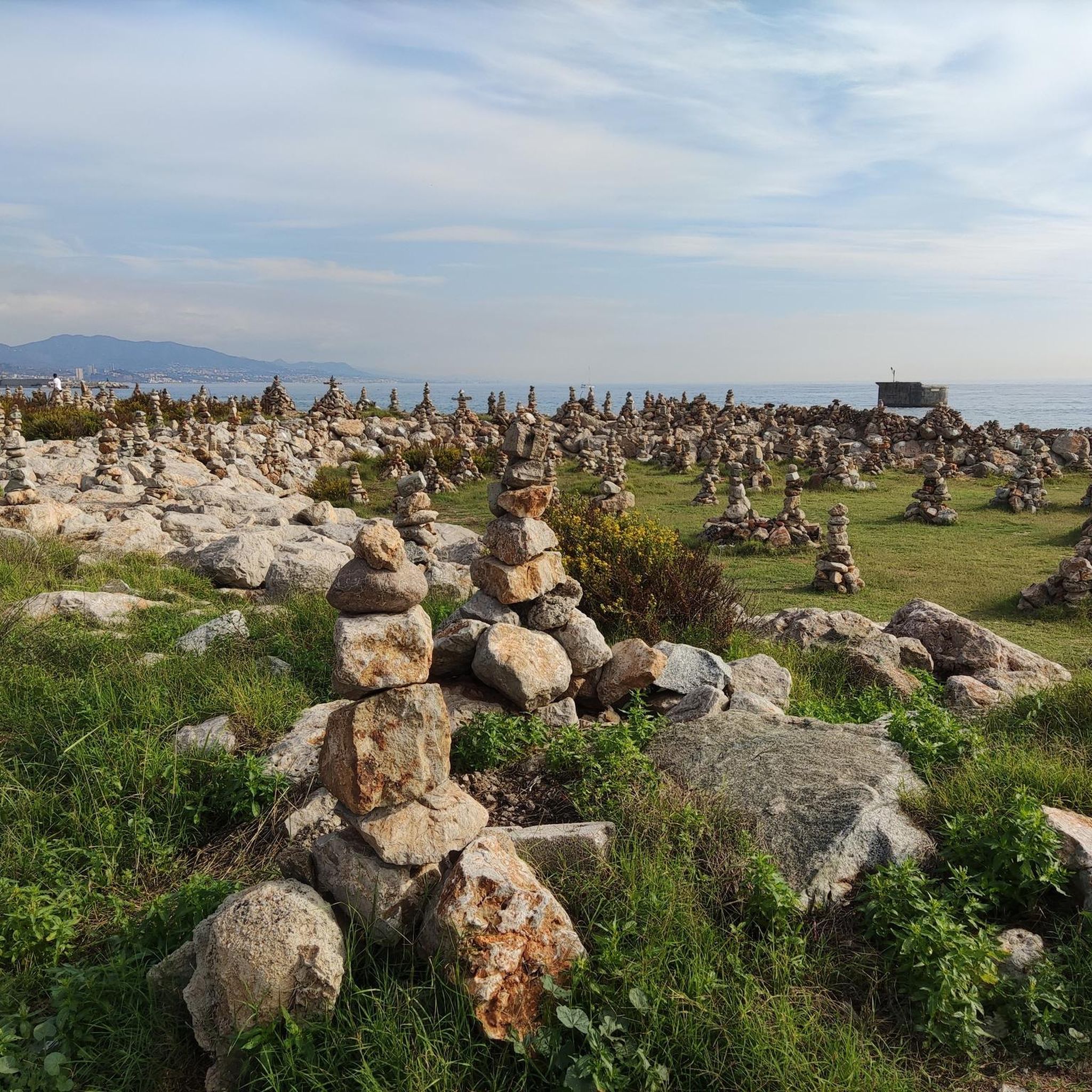
Yes, the Parc del Litoral provides direct access to the Mediterranean coastline and beaches like Playa Parc del Litoral. This area is undergoing renaturalization to enhance biodiversity and offers a pleasant environment for walks along the promenade and enjoying the sea.
Most popular routes around Sant Adrià De Besòs
Most popular attractions around Sant Adrià De Besòs

Get inspired with the komoot mobile app


Explore more
Extend your search for the best caves by checking out these guides of the top ones around Sant Adrià De Besòs:
