Top 20 Natural Monuments around Sant Martí De Llémena
Best natural monuments around Sant Martí De Llémena are found within a municipality characterized by rugged terrain, ancient volcanoes, and abundant water sources in the Llémena Valley of Girona, Catalonia. This region offers a variety of compelling natural monuments worth exploring. These natural features are integral to the landscape and provide opportunities for outdoor activities. The area's geological history includes volcanic formations and impressive cliffs with archaeological significance.
Best natural monuments around Sant Martí De Llémena
- The most popular natural…
Last updated: July 1, 2026
Lake Banyoles
Highlight • Lake
Translated by Google •
Tip by

Rector's Spring
Highlight • Natural Monument
Translated by Google •
Tip by

Sign up now to discover places like this
Get recommendations on the best single tracks, peaks, & plenty of other exciting outdoor places.
Sign up for free
Travertine Formations at Les Estunes
Highlight • Natural Monument
Translated by Google •
Tip by

Church of Sant Martí de Llémena
Highlight • Religious Site
Translated by Google •
Tip by

Lake Banyoles
Highlight • Lake
Tip by

Sign up for free to discover even more natural monuments around Sant Martí De Llémena.
Sign up for free
Already have an account?
Start today with a free account
Your next adventure awaits.
Login or Signup
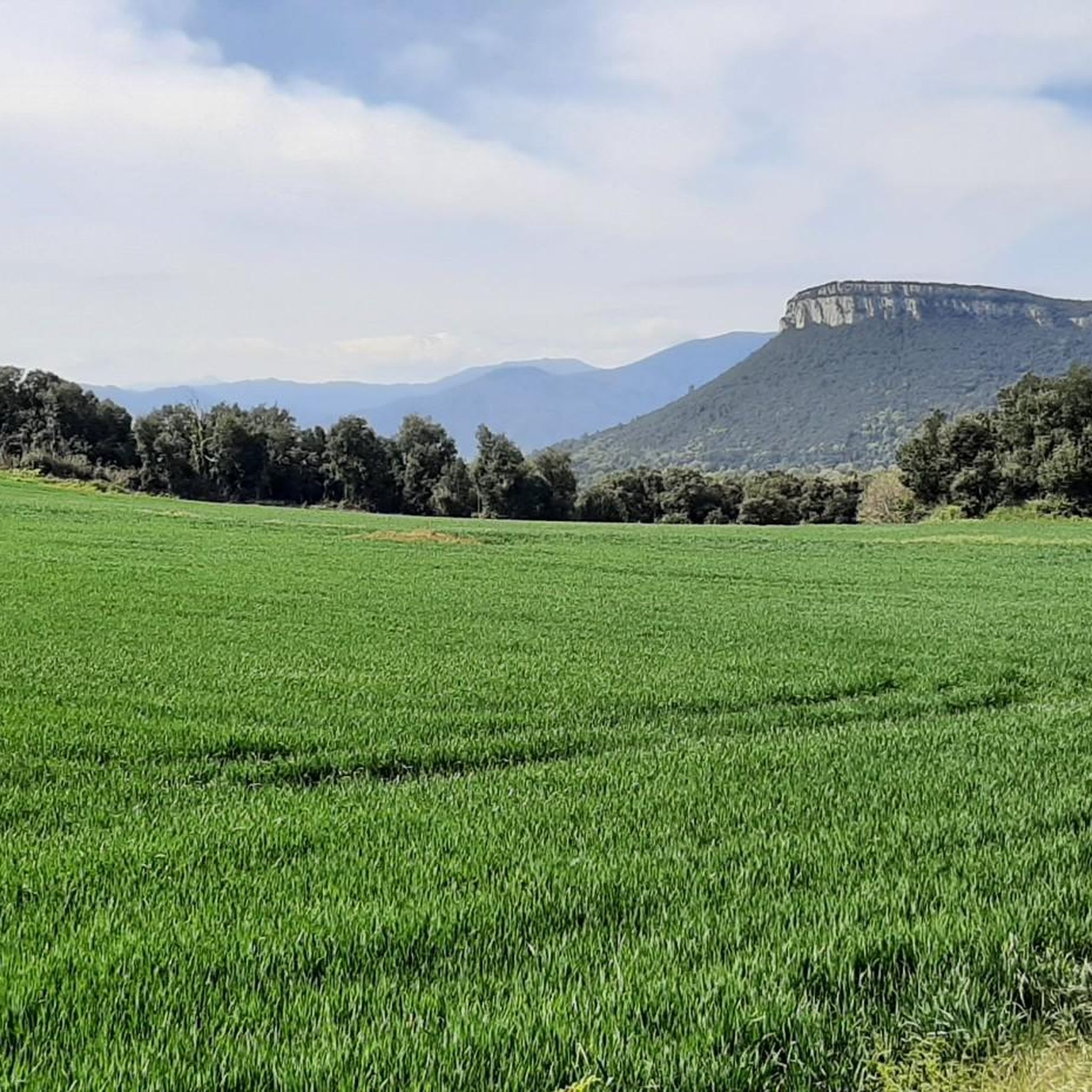
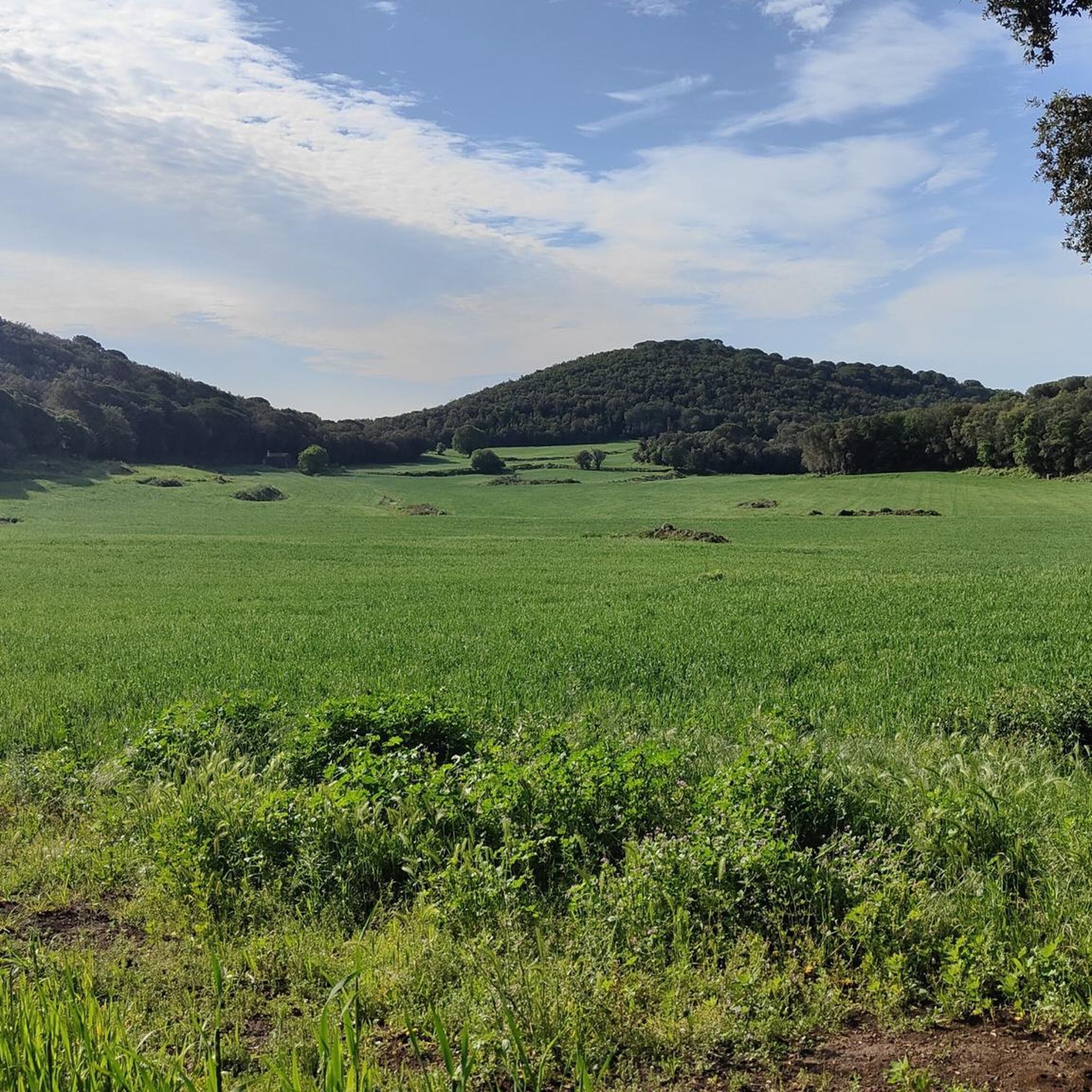
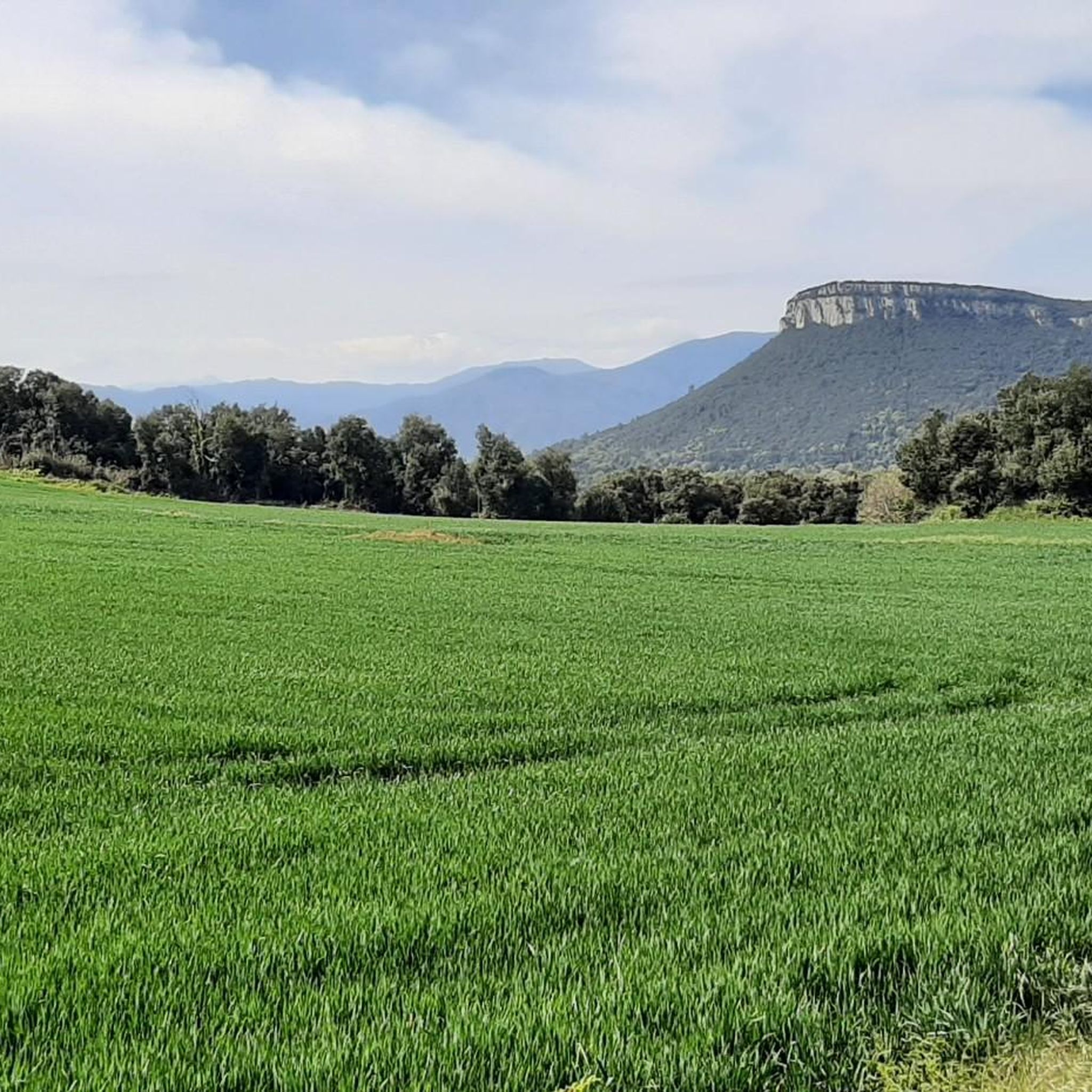
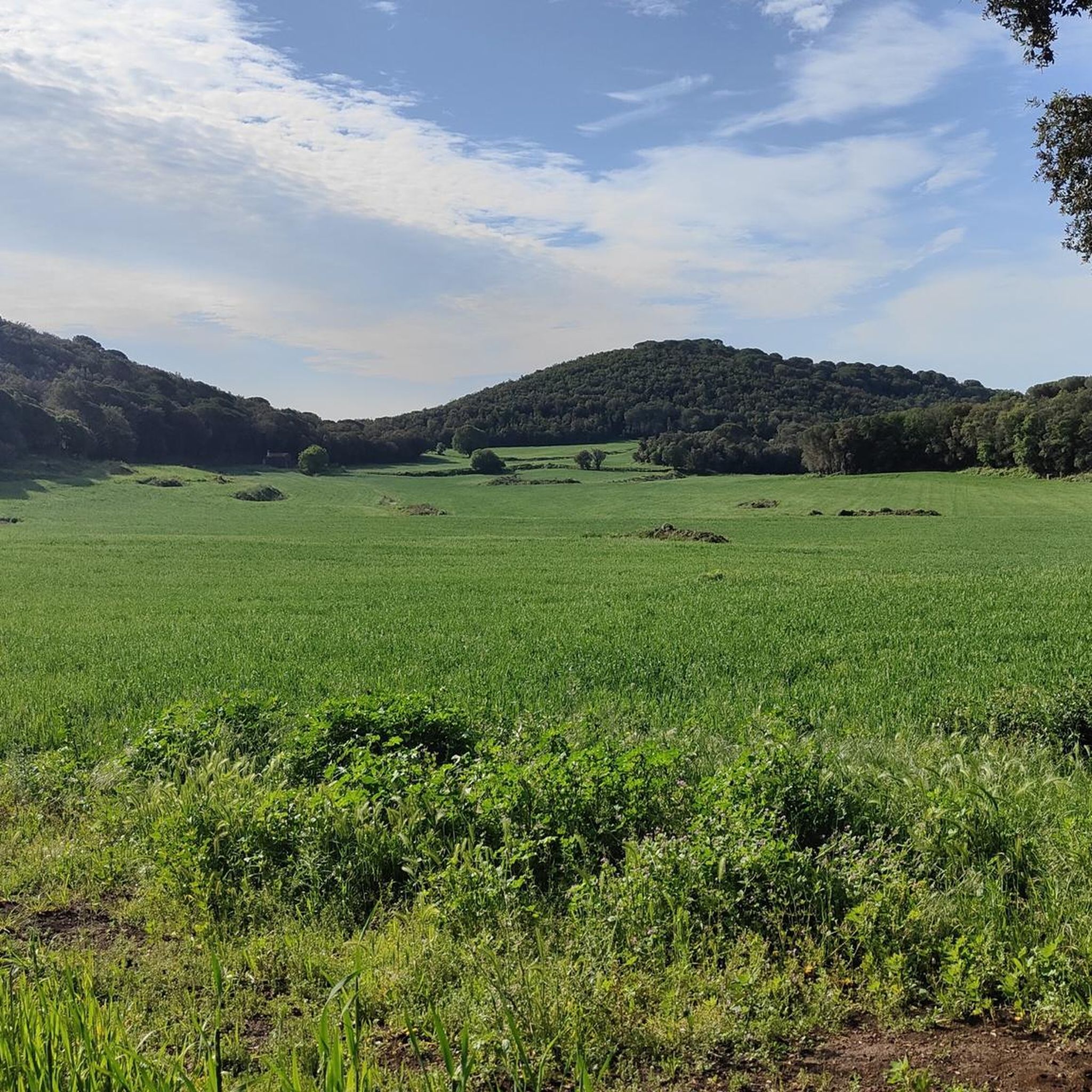

Tips from the Community

Lake of Banyoles is located in northeastern Catalonia, Spain and is the region's largest natural lake, covering approximately 1.575 square kilometers. Formed over 250,000 years ago due to tectonic activity, it is fed by subterranean channels with natural in/outflow. Surrounded by green hills the lake is a popular destination for rowing. The lake hosted the rowing competitions during the 1992 Barcelona Olympics. Its clear waters and scenic surroundings make it a favored spot for swimming, boating, and hiking.
0
1

Drinking water source that flows all year round
1
0

The number of the main church in Sant Martí de Llémena is "Iglesia de San Martín" (in Catalan: Church of Sant Martí). This church, dedicated to San Martín de Tours, the patron saint of the town, is an important focal point in the religious and cultural life of the community.
2
0
The town takes its name from its patron saint, Saint Martin of Tours (Sant Martí in Catalan), a figure widely revered in Christian tradition. Over the centuries, Sant Martí de Llémena would have experienced various influences, including the Roman, Visigoth and Moorish presence, common in many areas of Catalonia.
2
0


Lots of cafes to choose from but I recommend Aquarium!
3
0
Water continues to flow from the fountain, which is appreciated, since most fountains are closed by the sack. The bar restaurant seems to be closed.
2
0
Frequently Asked Questions
What unique geological features can I explore around Sant Martí de Llémena?
The region is rich in geological wonders, including ancient volcanic landscapes and impressive cliffs. You can explore the Crosa Volcano, which boasts the largest crater on the Iberian Peninsula. The area also features the Lake Banyoles, Catalonia's largest natural lake and a significant karstic complex, and the imposing Rocafesa Cliffs, which virtually encircle Sant Martí de Llémena.
Are there any significant water features or streams to visit in the area?
Yes, the Llémena Valley is known for its abundant water sources. The Llémena Stream, which gives the valley its name, is a protected natural space with well-preserved riparian vegetation. You can also visit the picturesque Waterfalls of Gorga de les Bruixes and Buch, visible after rainfall from the main road. Another highlight is the beautiful Molí dels Murris Pool, a waterfall and natural pool formed by the Cogolls stream.
What kind of wildlife can I expect to see near the natural monuments?
The Llémena Stream area is a protected natural space and an important biological corridor, supporting diverse flora and fauna. You might spot otters, mountain barbels, and various bird species. Near the Rector's Spring, a protected fern (Thelypteris palustris) grows, making it a special botanical spot.
Are there family-friendly natural monuments around Sant Martí de Llémena?
Absolutely! Many natural monuments in the area are suitable for families. The Lake Banyoles offers a bike lane around its perimeter, perfect for a family outing. The Crosa Volcano also has trails that are fun for kids to explore. The Rector's Spring, located near Lake Banyoles, is another accessible spot for families.
What historical or archaeological sites are associated with the natural monuments?
The Rocafesa Cliffs are particularly significant, as their caves bear testament to prehistoric human habitation during the Neolithic, Copper, and Bronze Ages (3500-700 BC). Notable caves like Boratuna, Roc del Mirador, Pla d'en Tallada, and Fontsaveu offer a glimpse into ancient past. Additionally, Iberian remains have been found near the Rector's Spring, indicating human presence between the 5th and 2nd centuries BC.
What outdoor activities can I do near these natural monuments?
The region offers a variety of outdoor activities. You can enjoy hiking on numerous marked trails, especially along the Llémena Stream, or explore the trails around the Crosa Volcano. Cycling is also popular, with a dedicated bike lane around Lake Banyoles. For more detailed route information, you can check out the hiking guide or the cycling guide for Sant Martí de Llémena.
Are there hiking trails near the natural monuments?
Yes, there are several hiking trails. You can find routes that explore the Llémena Valley, including paths along the Llémena Stream and around the Volcano of Banya de Boc. A popular moderate hike is the "Hermitage of Sant Roc and Gorg de les Bruixes - Circular through the cliffs of Sant Roc." For more options, consult the hiking guide for Sant Martí de Llémena.
What is the best time of year to visit the natural monuments?
Spring and autumn are generally ideal for visiting, as the weather is pleasant for outdoor activities like hiking and cycling. In spring, the vegetation is lush, and waterfalls like Gorga de les Bruixes and Buch are more likely to be flowing after rainfall. Autumn offers comfortable temperatures and beautiful foliage. During summer, some surface aquifers, like the one feeding the Rector's Spring, may dry up.
Can I go cycling around the natural monuments?
Yes, cycling is a popular activity. Lake Banyoles is a classic cycling destination with a dedicated bike lane around its perimeter. There are also various road cycling and touring bicycle routes in the wider region. You can find detailed routes in the road cycling guide or the general cycling guide for Sant Martí de Llémena.
What do visitors enjoy most about the natural monuments in Sant Martí de Llémena?
Visitors appreciate the diverse natural beauty, from the unique volcanic landscapes to the serene waterways. The Lake Banyoles is loved for its cycling opportunities and natural springs. The Crosa Volcano is praised for its impressive crater and trails. The Molí dels Murris Pool is often described as an amazing and quiet place, perfect for enjoying nature.
Are there any hidden gems among the natural monuments?
While not entirely hidden, the Rector's Spring near Lake Banyoles is a charming spot. It's a simple fountain with fresh, slightly iron-tasting water, surrounded by a recovered riparian forest and a protected fern species. The Rocafesa Caves, with their prehistoric significance, also offer a fascinating, less-traveled exploration for those interested in history and geology.
Most popular routes around Sant Martí De Llémena
Most popular attractions around Sant Martí De Llémena

Get inspired with the komoot mobile app


Explore more
Extend your search for the best caves by checking out these guides of the top ones around Sant Martí De Llémena:
