Valencia De Alcántara
Valencia De Alcántara
Top 10 Natural Monuments around Valencia De Alcántara
Best natural monuments near Valencia De Alcántara feature a landscape characterized by ancient geological formations and significant archaeological sites. The region includes impressive granite outcrops, some dating back almost 300 million years, and is traversed by the Tagus River, forming a natural border. This area is also known for its rich biodiversity, including diverse ecosystems like cork oak forests and habitats for various bird species. The natural monuments here offer insights into both geological history and prehistoric human settlement.
Best…
Last updated: July 1, 2026
Marvão Castle
Highlight • Castle
Translated by Google •
Tip by

Dolmen del Mellizo-Anta de la Marquesa
Highlight • Historical Site
Translated by Google •
Tip by

Sign up now to discover places like this
Get recommendations on the best single tracks, peaks, & plenty of other exciting outdoor places.
Sign up for free
Cabroeira Waterfall
Highlight • Waterfall
Translated by Google •
Tip by

Alto de São Mamede Summit (1,025 m)
Highlight • Summit
Translated by Google •
Tip by
Menhir of Meada
Highlight • Monument
Translated by Google •
Tip by

Sign up for free to discover even more natural monuments around Valencia De Alcántara.
Sign up for free
Already have an account?
Start today with a free account
Your next adventure awaits.
Login or Signup
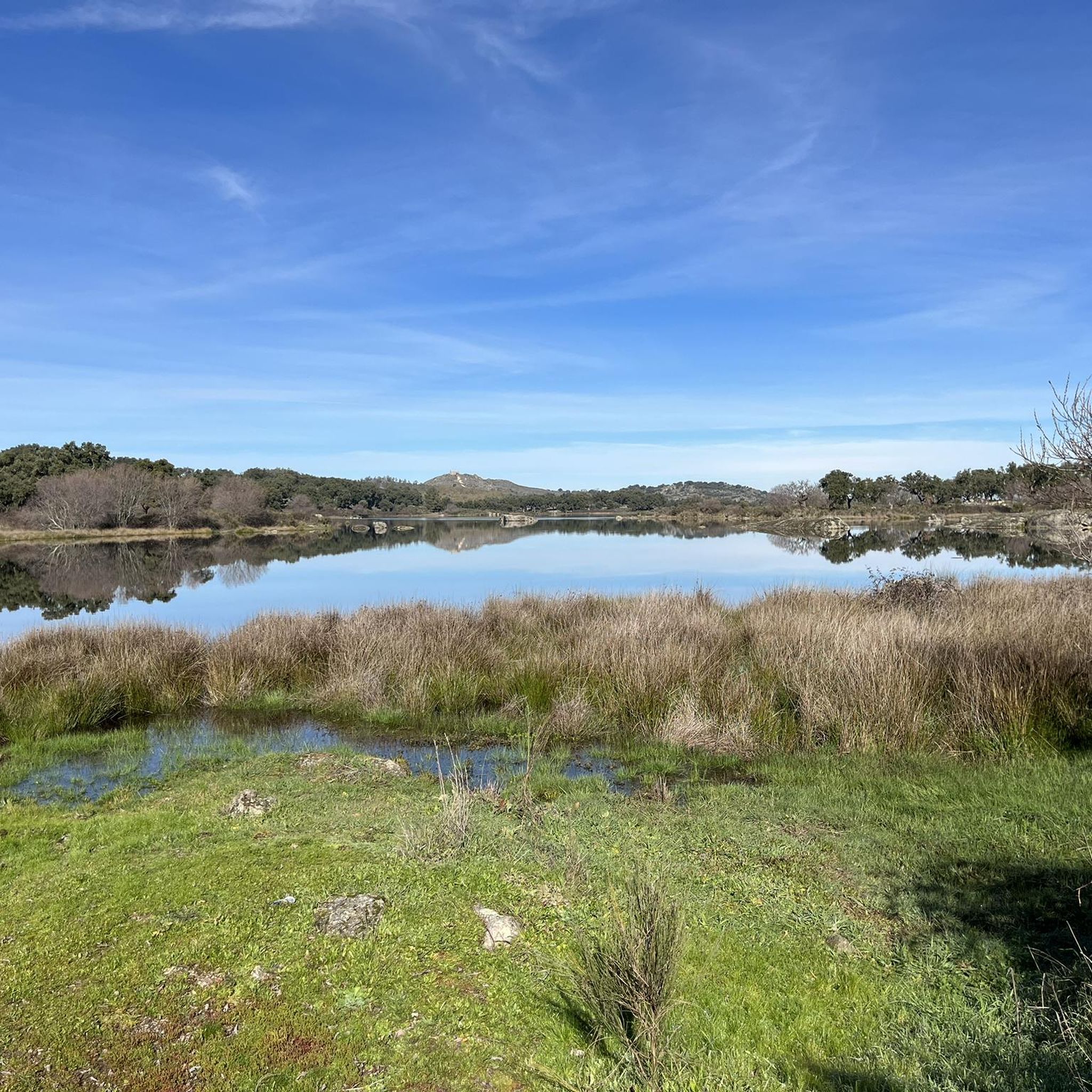
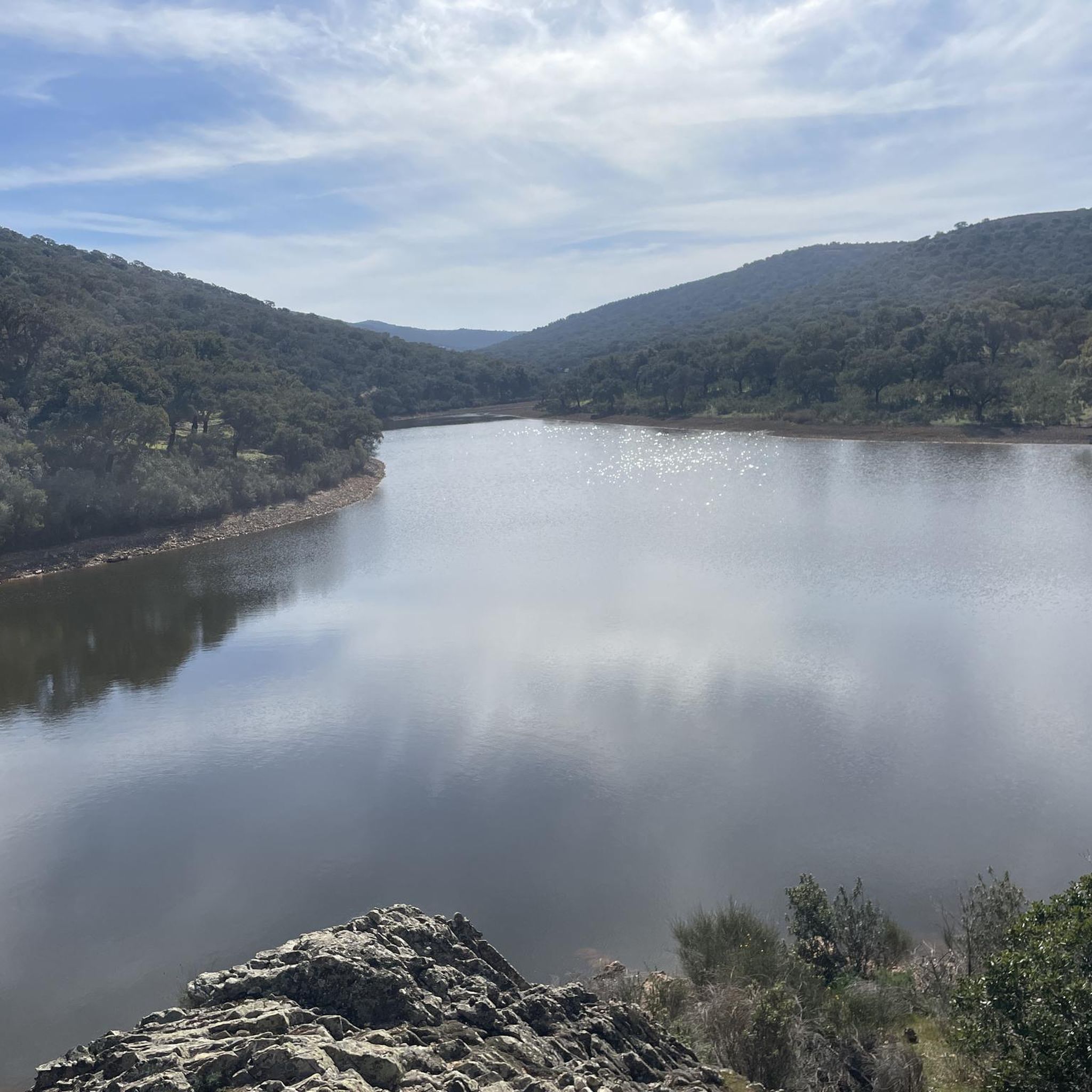
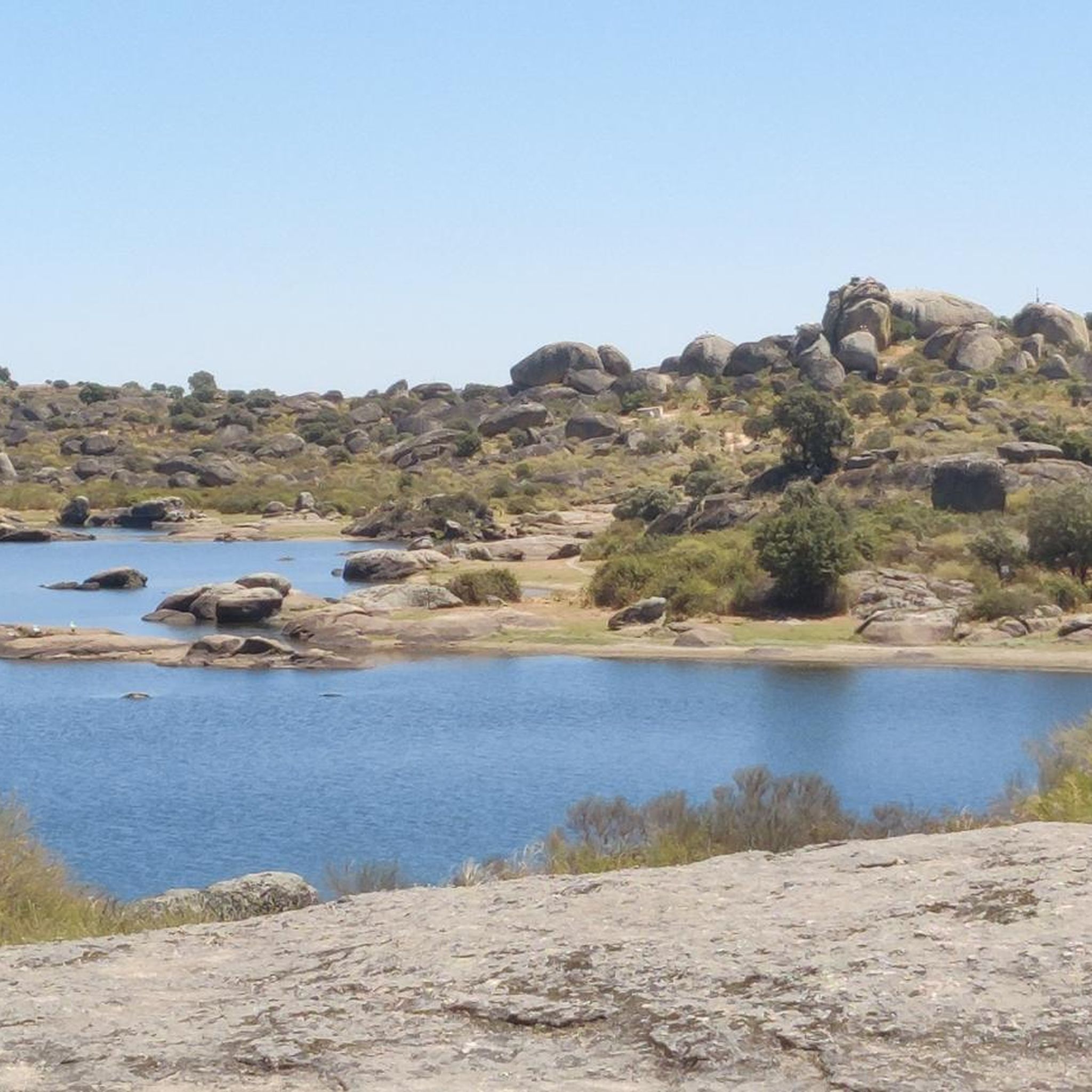
Tips from the Community

The Menhir of Meada is the most imposing megalithic construction along the entire geological contact line between granites and schists of the Serra de São Mamede. It was discovered in 1965. I highly recommend going, good road 🚴
0
0

A place to visit every month. It's wonderful.
2
0

Marvão is dominated by its imposing and well-preserved medieval castle. The fortified walls embrace the entire village, enclosing a maze of narrow cobbled streets, white houses with red roofs and small flower-filled squares. The views from the walls are breathtaking, taking in a vast panorama of hills, valleys and, on a clear day, all the way to the Serra da Estrela mountain range. Marvão is a true open-air museum, preserving the atmosphere and architecture of centuries past. It is on the UNESCO tentative list of potential World Heritage Sites, and is an ideal destination for those seeking history, tranquility and spectacular scenery.
1
0

Cruz do Cume is a small crossroads located in the Serra de São Mamede, in the district of Portalegre, in the northeast of Alentejo, near the city of Portalegre. It is located about 1 km downhill from Alto de São Mamede, which is the highest point in the mountain range at 1025 metres above sea level. This location is known as a good birdwatching spot, especially for species such as the crested tit and the linnet, and is surrounded by pine forests that are home to other birds such as the crested tit and the coal tit. Cruz do Cume also serves as a support and access point for outdoor activities, such as hiking and trail running, and is a stopover point for important races such as the Ultra Trail São Mamede (UTSM). In short, Cruz do Cume is an emblematic location in the Serra de São Mamede, valued for its nature, birdlife and relevance for mountain sports.
2
0

The Dolmen del Mellizo, also known as Aceña Borrega or Anta de la Marquesa, has a thousand-year history. Although its exact origin is lost in time, it is believed that it was built between the 4th and 3rd millennia BC. This megalith follows the megalithic model known as “anta” in neighboring Portugal. The dolmen chamber is covered by a horizontal slab that protrudes from the roof, and although it is quite worn, the corridor and access to the chamber are still well preserved. In an archaeological excavation carried out in 1985, remains of funerary goods, such as ceramic fragments and arrowheads, were found. The Dolmen del Mellizo is a fascinating place that connects us with the people who built it thousands of years ago. 🌟
7
0
The main waterfall in the São Mamede mountain range. Difficult access. As of April 2024, it will have a viewpoint with an exceptional view of the waterfall.
1
0

One of the most important specimens of the megalithic park, this dolmen is in perfect condition and surprises with its size.
3
0

Great view from the castle of Mavão and the surrounding area.
2
0
Frequently Asked Questions
What unique geological features can I find among the natural monuments around Valencia De Alcántara?
The region is renowned for its impressive granite formations, some dating back almost 300 million years. Notably, El Berrocal de La Data features enormous, partially eroded boulders with striking shapes, offering a unique geological landscape. The Tagus River also carves a significant riverine landscape, forming a natural border and creating areas of exceptional natural beauty.
Are there any significant historical or archaeological sites within these natural monuments?
Yes, the area is rich in prehistoric archaeology. You can explore several megalithic funerary monuments, known as dolmens, such as Dolmen del Mellizo-Anta de la Marquesa and Dolmen Datas 1 and 2. Additionally, Menir da Meada stands as one of the tallest menhirs in the Iberian Peninsula, connecting visitors to over 7,000 years of history. El Berrocal de La Data also contains ancient cave paintings.
What kind of wildlife and birdwatching opportunities are available?
The natural monuments, particularly within the Tajo Internacional Natural Park and El Berrocal de La Data, are home to diverse fauna. Birdwatching is excellent, with species like griffon vultures, black storks, imperial eagles, and eagle owls. Mammals such as genets, badgers, wild boars, and foxes can also be spotted.
Are there family-friendly natural monuments or activities in the area?
Yes, several natural monuments are suitable for families. Menir da Meada is considered family-friendly, offering a peaceful and historical experience. El Berrocal de La Data also has well-marked circular hiking trails that are accessible for most visitors, including families with children, on foot or by bicycle.
What outdoor activities can I do near the natural monuments around Valencia De Alcántara?
The region offers a variety of outdoor activities. You can enjoy extensive running trails, including the 'Aceña de la Borrega Dolmens Trail'. There are also numerous cycling routes and road cycling routes that explore the natural beauty and historical sites, such as routes to Marvão and Castelo de Vide.
Can I go stargazing or astrotourism in this area?
Yes, the Tajo Internacional Biosphere Reserve, which includes parts of Valencia de Alcántara, is known for its low light pollution. This makes it an ideal spot for stargazing and astrotourism, offering clear night skies for celestial observation.
What do visitors enjoy most about the natural monuments in Valencia De Alcántara?
Visitors frequently praise the stunning panoramic views, especially from places like Marvão Castle and Alto de São Mamede Summit. The well-preserved megalithic structures, such as the Dolmen del Mellizo, are also highly appreciated for their historical significance and the connection they provide to ancient civilizations.
Are there accessible trails or paths for visitors with limited mobility?
El Berrocal de La Data Natural Monument offers well-marked hiking trails, some of which are circular and designed to be accessible for most visitors, including those on foot or by bicycle. An interpretation center in Valencia de Alcántara can provide further details on specific accessible routes.
What is the best time of year to visit the natural monuments around Valencia De Alcántara?
While specific 'best times' can vary by activity, spring and autumn generally offer pleasant temperatures for hiking, cycling, and exploring the outdoor sites. These seasons also provide lush landscapes and active wildlife. For astrotourism, clear nights are essential, which can be found throughout the year, but are often more consistent outside of the cloudier winter months.
What is the significance of the Tajo Internacional Natural Park in this region?
The Tajo Internacional Natural Park is a transboundary park shared with Portugal and is also a Biosphere Reserve. It encompasses parts of Valencia de Alcántara and is vital for its exceptional natural beauty, diverse ecosystems (including cork and holm oak forests), and its role as a Special Protection Area for Birds (ZEPA), making it crucial for biodiversity conservation and birdwatching.
Can I find viewpoints with scenic vistas among the natural monuments?
Absolutely. Marvão Castle offers picturesque views from its location at just under 900 meters, providing extensive vistas of the surrounding area. The Alto de São Mamede Summit, the highest point in the Serra de São Mamede, also provides excellent panoramic views.
Most popular routes around Valencia De Alcántara
Most popular attractions around Valencia De Alcántara

Get inspired with the komoot mobile app


