Top 20 Natural Monuments around Sant Fruitós De Bages
Best natural monuments around Sant Fruitós De Bages include diverse natural spaces within the Bages region of Catalonia. The area features a mix of restored wetlands, prominent summits, and riverine landscapes. These sites provide opportunities for outdoor activities and observation of local ecosystems. The region's geology and water features contribute to its varied natural character.
Best natural monuments around Sant Fruitós De Bages
- The most popular natural monuments is Parque de l'Agulla, a lake that serves as a crucial…
Last updated: July 1, 2026
Puig de la Balma
Highlight • Historical Site
Translated by Google •
Tip by

Collbaix Summit
Highlight • Summit
Translated by Google •
Tip by

Sign up now to discover places like this
Get recommendations on the best single tracks, peaks, & plenty of other exciting outdoor places.
Sign up for free
Talamanca Fountain and Boxelder (Acer negundo)
Highlight • Natural Monument
Translated by Google •
Tip by

Parque de l'Agulla
Highlight • Lake
Translated by Google •
Tip by

La Botjosa salt dump
Highlight • Structure
The La Botjosa salt dump measures 775 meters long by an average width of 150 meters, occupies 13.5 Ha …
Translated by Google •
Tip by

Sign up for free to discover even more natural monuments around Sant Fruitós De Bages.
Sign up for free
Already have an account?
Start today with a free account
Your next adventure awaits.
Login or Signup

Tips from the Community

Fountain built in 1683, which was one of the main meeting points of the village, where its inhabitants went to wash their clothes and fetch water until the 70s. The boys of the village came to this fountain, morning and afternoon , to look for water to see from the houses, and it was at this moment that battles were often fought between the boys from the upper part of town and those from the Raval. Where the fountain is now, there was the cattle trough, and next to it were the washrooms. We highlight the presence of a specimen of maple, a tree planted during a tree festival at the beginning of the 20th century. Next to the source, coming out of a crack we will observe the red falzia, a small fern and also some liverwort plants.
0
0

Space to relax and look towards Montserrat
0
0

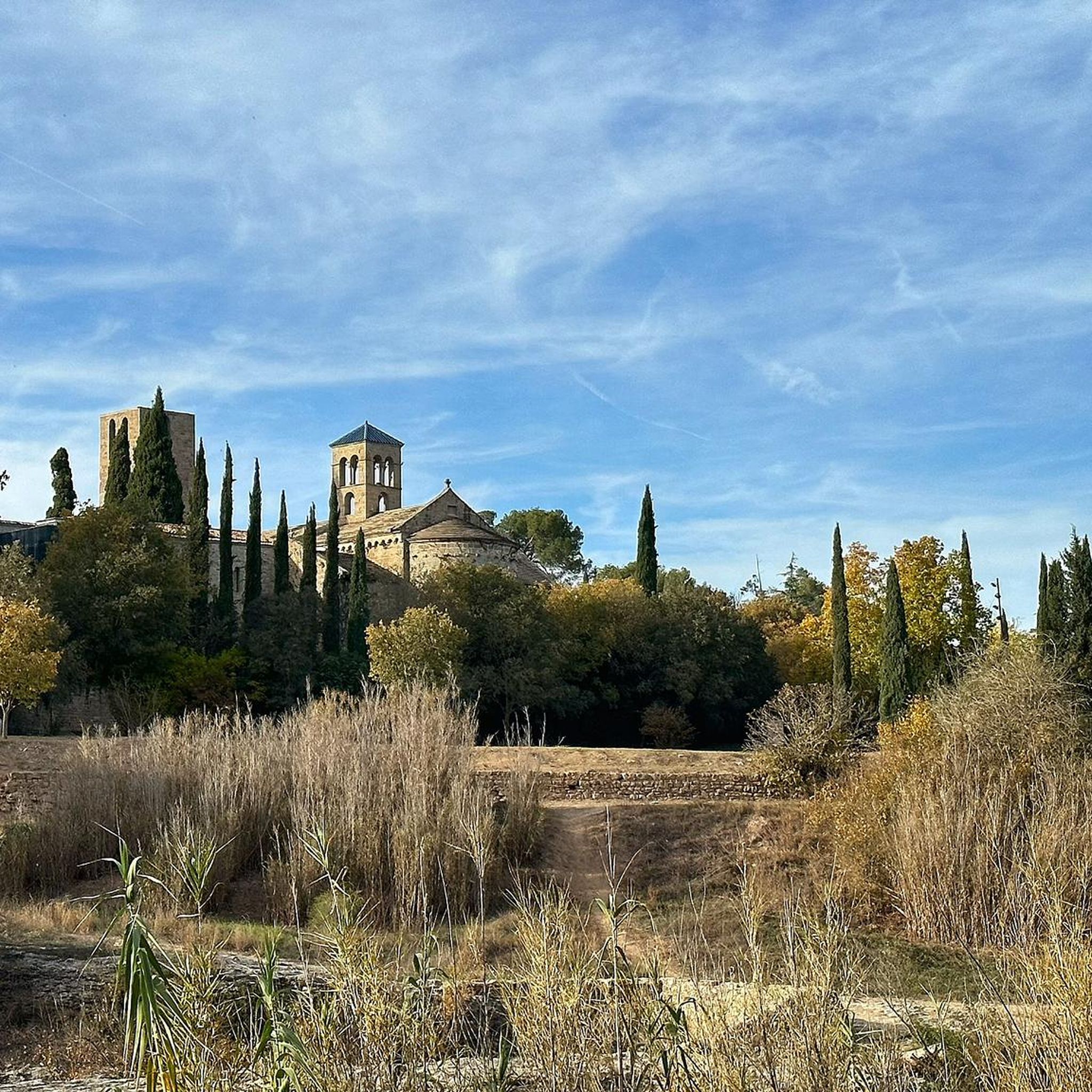
Collbaix is a 543 meter peak, located in Sant Joan de Vilatorrada. It is the highest in the district of Manresa, to the west of Pla de Bages, which has an excellent observation point. It is listed as a large park by the Planning Plan of Manresa. The mountain is located between the streams of Rajadell and Fonollosa. The south side belongs to Manresa, the east to Sant Joan de Vilatorrada, where the town's expansion area is located. Rajadell has the area of Punta Sabata and Fonollosa with most of the summit, the west and the obac slope. Collbaix originated from the erosion of the surrounding land. A resistant layer of conglomerates protects the flat top from erosion, forming a plateau. The summit is made up of large blocks of stone separated from each other. At the top we can find a geodesic vertex (reference 280109001) A metal table with an engraved map of the region. This peak is included in the list of the 100 peaks of the FEEC.
1
0

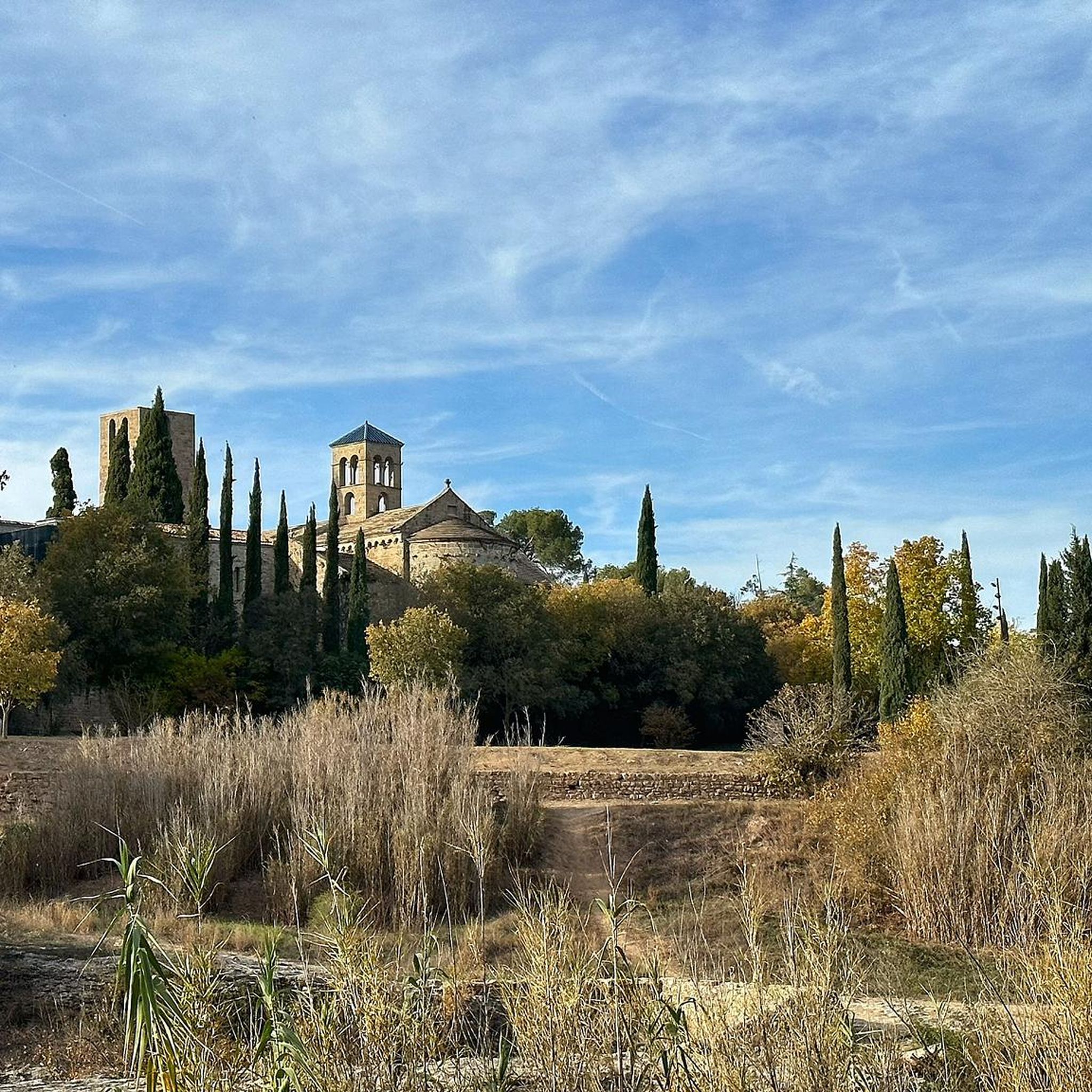
Balma where a hostel and restaurant have been built with brutal charm
2
0

Mountain of saline and other waste created between 1945 and 1977. The La Botjosa salt dump measures 775 meters long by an average width of 150 meters, occupies 13.5 Ha and its content is estimated at around 4 million tons of salty waste. Since the start of the new Cogulló dump in 1977, the potash mining of Sallent and Balsareny stopped dumping saline waste in La Botjosa. Since then, a considerable portion of the saline residues dumped in the La Botjosa dump has disappeared by dissolution in rainwater and air humidity, as evidenced by the geomorphologies in lapiaz on the slopes and dame coiffée where an object acting as an umbrella has protected the salt below
1
0
Building located in the municipality of Mura (Bages) included in the Inventory of the Architectural Heritage of Catalonia. The walls of this farmhouse are headed and hung on the steep landings of a cliff, taking advantage of the natural cornices. The oldest part could be considered from the pre-Romanesque period, but additions have been made over the centuries. The house is quite irregular in every way: in height, width and depth
0
0

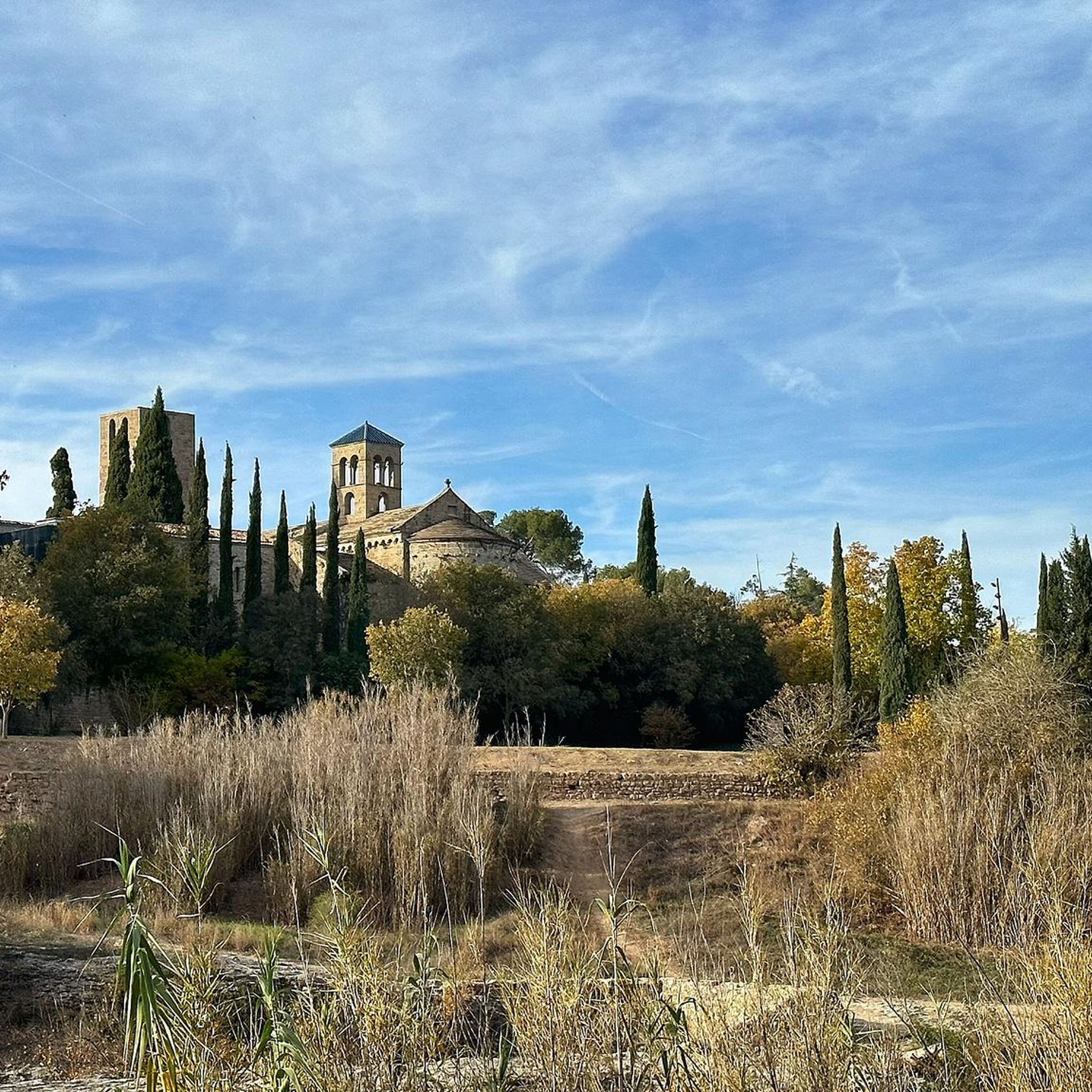
The Font de Talamanca was built in 1683 and remodeled in 1707. Until 1968 it was the place where the residents of the municipality went to get water for daily consumption and it had a communal laundry room that was used to wash clothes, which turned the fountain into one of the main meeting points in the municipality. It is a space surrounded by nature, next to the town and, right next to a centenary tree that has been declared a Cultural Asset of Local Interest. It is a negundo steel, an American species, which in the years it was planted, at the beginning of the 20th century, was very rare to find outside its original habitat.
2
0
The Puig de la Balma is a “Historical-Cultural Complex of Agrotourism”. This conglomerate of buildings (which has been growing since the original 12th century building completely built on the rock), has become an important testimony to Catalan rural life and to the different episodes in the country's history. Various chroniclers and documentary filmmakers have been interested in its heritage interest, as well as several filmmakers who have shot scenes from historical films such as "Bruc" or "Pa negre". There is a small museum with endless agricultural tools and household items and it seems that time has not passed. Visitors also have various lodging possibilities.
1
0
Frequently Asked Questions
What are some unique natural monuments around Sant Fruitós De Bages?
The region offers diverse natural sites. You can visit the Talamanca Fountain and Boxelder (Acer negundo), a historic fountain with a rare centenary tree that was once a central meeting point. Another unique site is La Botjosa salt dump, a mountain of saline waste from potash mining, which has developed unique geomorphologies over time.
Where can I find panoramic views of the Bages region?
For breathtaking panoramic views, head to Collbaix Summit. This 543-meter peak is the highest point in the Manresa district and offers an excellent observation point of the surrounding landscape. You can also get fantastic views of the Montserrat mountain range from Parque de l'Agulla.
Are there family-friendly natural monuments in the area?
Yes, several natural monuments are suitable for families. Parque de l'Agulla features lush green areas, a large reservoir with a trail for walking and biking, and picnic spots. The Talamanca Fountain and Boxelder (Acer negundo) is also considered family-friendly, offering a peaceful space surrounded by nature.
What outdoor activities can I do near these natural monuments?
The area around Sant Fruitós De Bages is excellent for various outdoor activities. You can find numerous hiking trails, such as the 'Camí de Sant Benet loop from Sant Fruitós de Bages' or 'Ermita de Sant Francesc loop from Aparcaments Posteriors del Parc de l'Agulla'. For more options, explore the hiking guide for Sant Fruitós De Bages. There are also running and mountain biking routes available.
Are there hiking trails near the natural monuments?
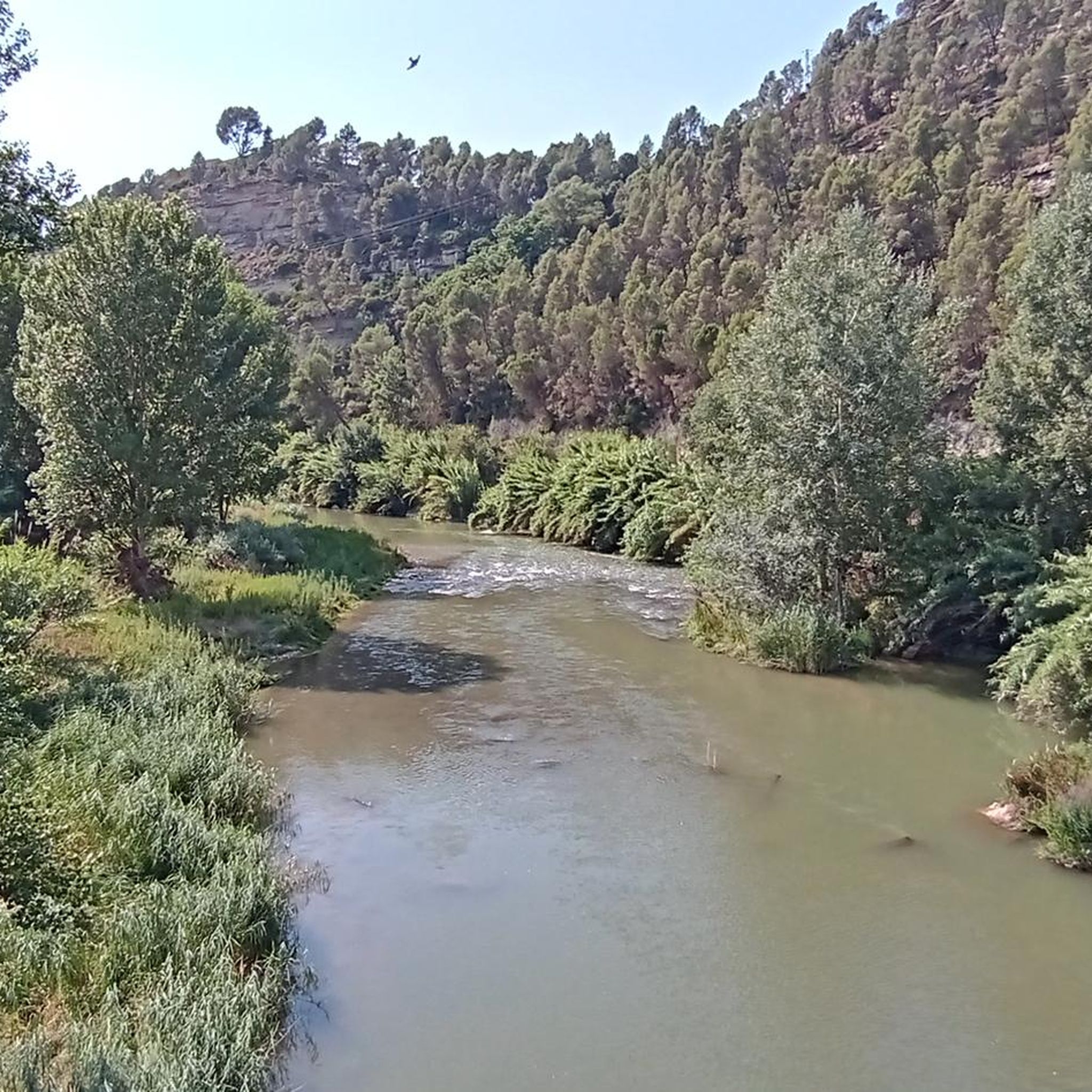
Absolutely. Many natural monuments are integrated into or close to hiking routes. For instance, the banks of the Llobregat River offer picturesque paths, including a scenic route connecting Sant Fruitós to the Monestir de Sant Benet. You can discover a variety of trails, from easy to moderate, in the hiking guide for Sant Fruitós De Bages.
What about cycling or mountain biking opportunities?
The region provides excellent opportunities for cycling and mountain biking. You can explore routes like the 'Manresa Green Ring Loop' or the 'Corbatera Riverside Area – La Séquia Canal Trail loop from Sant Fruitós de Bages'. For a comprehensive list of trails, check out the MTB trails guide for Sant Fruitós De Bages.
Can I observe wildlife at any of these natural sites?
Yes, the Humedal de la Bóbila, a restored wetland area near Santpedor, is particularly renowned for birdwatching. It attracts a diverse range of avian species, especially during migration periods. The wetland is equipped with paths, informative panels, and a bird observation tower, providing an excellent opportunity for tranquil walks and wildlife observation.
What historical sites are integrated with the natural monuments?
The Talamanca Fountain and Boxelder (Acer negundo) is a significant historical site, built in 1683, which served as a community meeting point and laundry area. Additionally, Puig de la Balma is a 12th-century masia built into the rock, offering a unique testimony to Catalan rural life and history, complete with a small museum.
What is the best time to visit the natural monuments around Sant Fruitós De Bages?
The natural monuments around Sant Fruitós De Bages can be enjoyed throughout the year. Spring and autumn generally offer pleasant temperatures for outdoor activities like hiking and cycling. During these seasons, the landscapes are vibrant, and the weather is typically mild. Summer can be warm, making early mornings or late afternoons ideal for exploration, while winter provides a quieter, often crisp experience.
Are there any natural parks easily accessible from Sant Fruitós De Bages?
Sant Fruitós De Bages serves as an excellent base for exploring larger, officially designated natural parks. The Parc Natural de la Muntanya de Montserrat, famous for its unique geological formations, and the Parc Natural de Sant Llorenç del Munt i l'Obac, known for its reddish monoliths and forests, are both easily accessible and offer extensive opportunities for outdoor activities.
What kind of natural features define the region around Sant Fruitós De Bages?
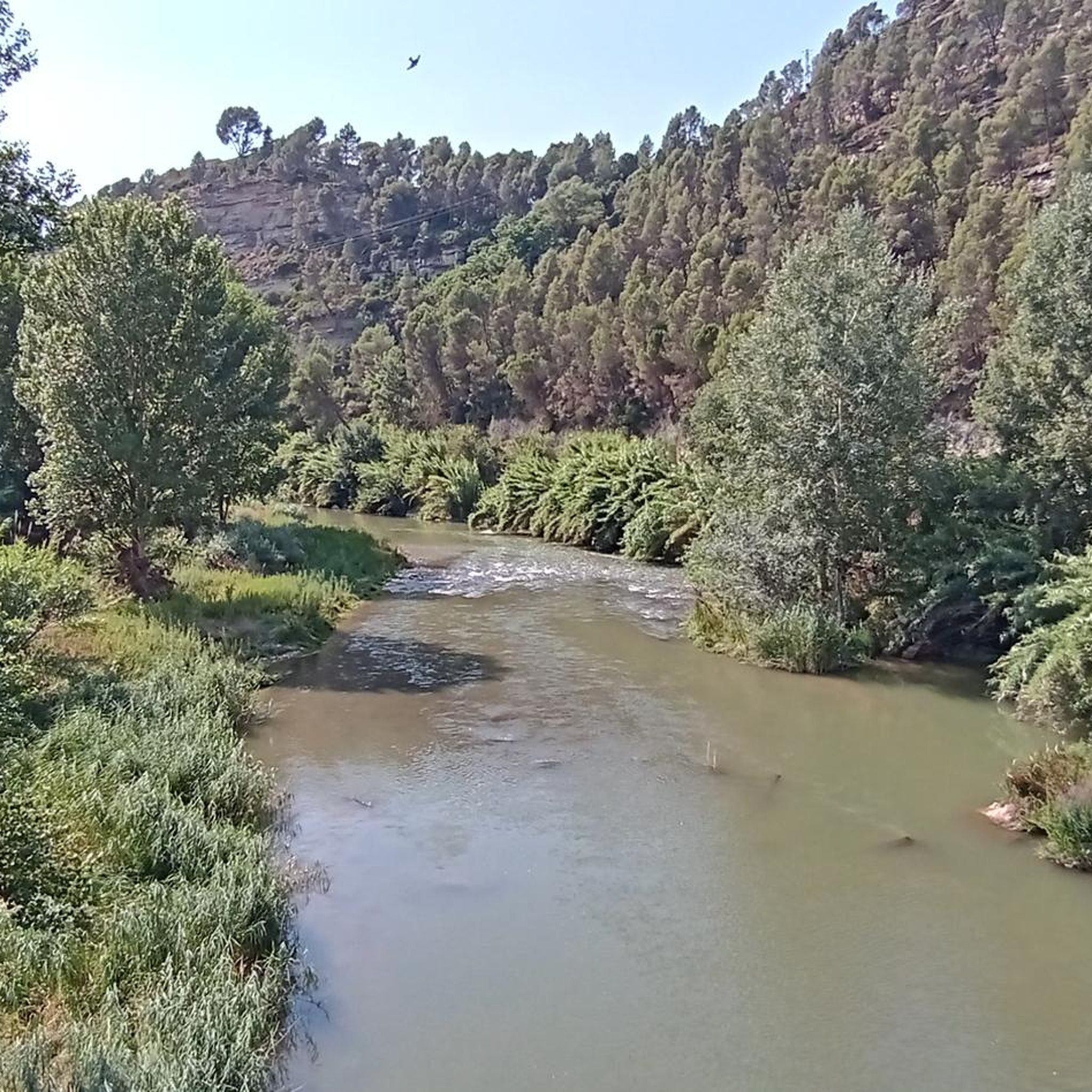
The region is characterized by a mix of natural features. You'll find prominent summits like Collbaix Summit, which originated from erosion, and tranquil water bodies such as the artificial lake at Parque de l'Agulla. The Llobregat River and its banks also contribute significantly to the landscape, offering picturesque routes and ecological value. Restored wetlands like Humedal de la Bóbila add to the biodiversity.
What do visitors enjoy most about the natural monuments here?
Visitors particularly enjoy the diverse outdoor experiences, from tranquil walks around the lake at Parque de l'Agulla to the rewarding panoramic views from Collbaix Summit. The historical significance of sites like the Talamanca Fountain and the unique geological formations also captivate many, offering a blend of nature, history, and recreation.
Most popular routes around Sant Fruitós De Bages
Most popular attractions around Sant Fruitós De Bages

Get inspired with the komoot mobile app


Explore more
Extend your search for the best caves by checking out these guides of the top ones around Sant Fruitós De Bages:
