Top 11 Mountain Passes around Ondara
Best mountain passes around Ondara offer diverse terrain and elevated access points within the Alicante region of Spain. The area is characterized by mountainous ranges like the Sierra de Segària, providing numerous opportunities for exploration. These passes often serve as starting points for trails leading to panoramic viewpoints. The landscape features a mix of winding roads, pine forests, and open views towards the coast and valleys.
Best mountain passes around Ondara
- The most popular mountain pass is Vall d'Ebo Pass…
Last updated: July 1, 2026
Vall d'Ebo Pass
Highlight • Mountain Pass
Tip by

Puerto de Sorell
Highlight • Mountain Pass
Tip by

Sign up now to discover places like this
Get recommendations on the best single tracks, peaks, & plenty of other exciting outdoor places.
Sign up for free
Pego–Sagra Road
Highlight (Segment) • Mountain Pass
Translated by Google •
Tip by

Val de Ebo Descent
Highlight (Segment) • Trail
Tip by

Lemon Pass (Llosa de Camacho Road)
Highlight (Segment) • Mountain Pass
Tip by
Sign up for free to discover even more mountain passes around Ondara.
Sign up for free
Already have an account?
Start today with a free account
Your next adventure awaits.
Login or Signup

Tips from the Community

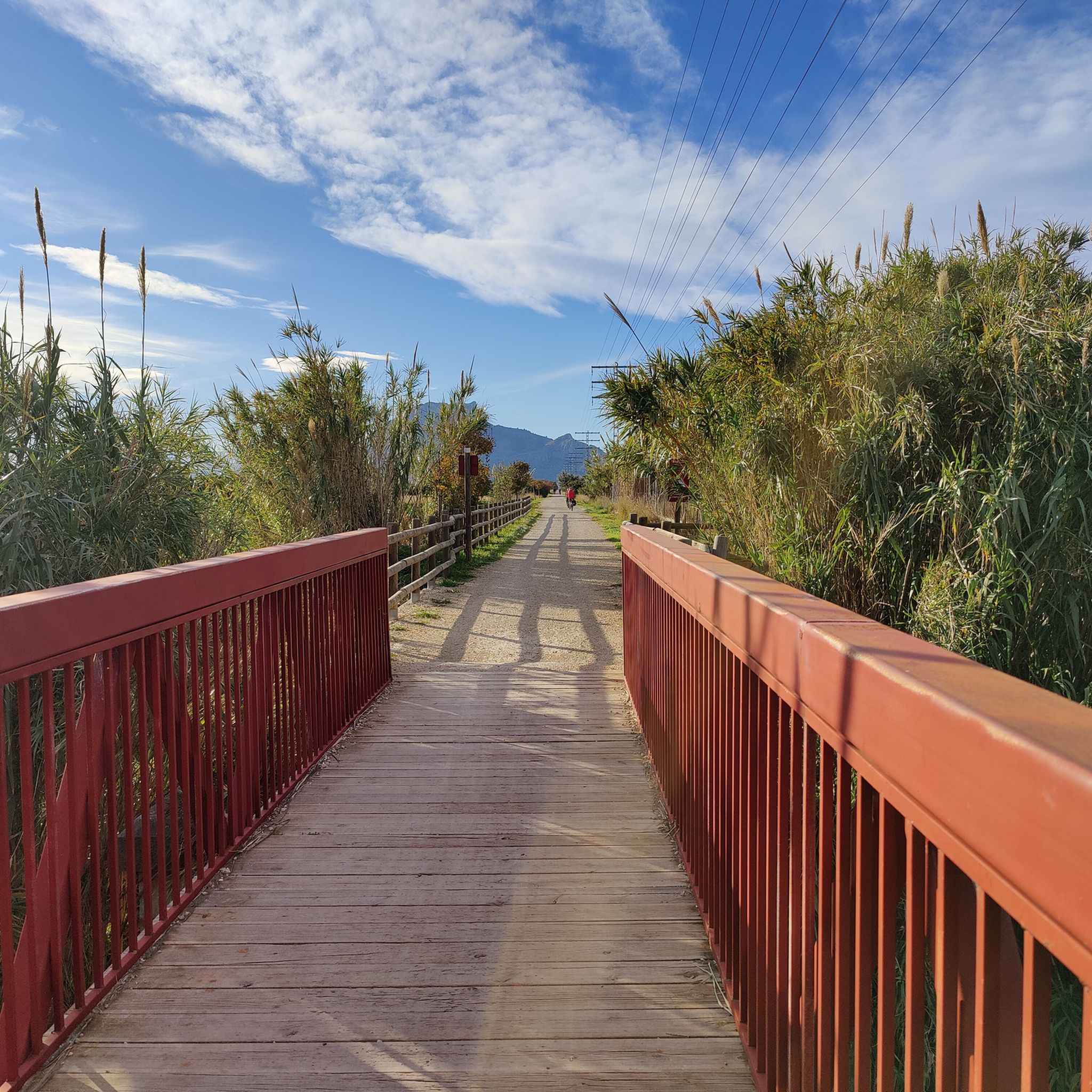
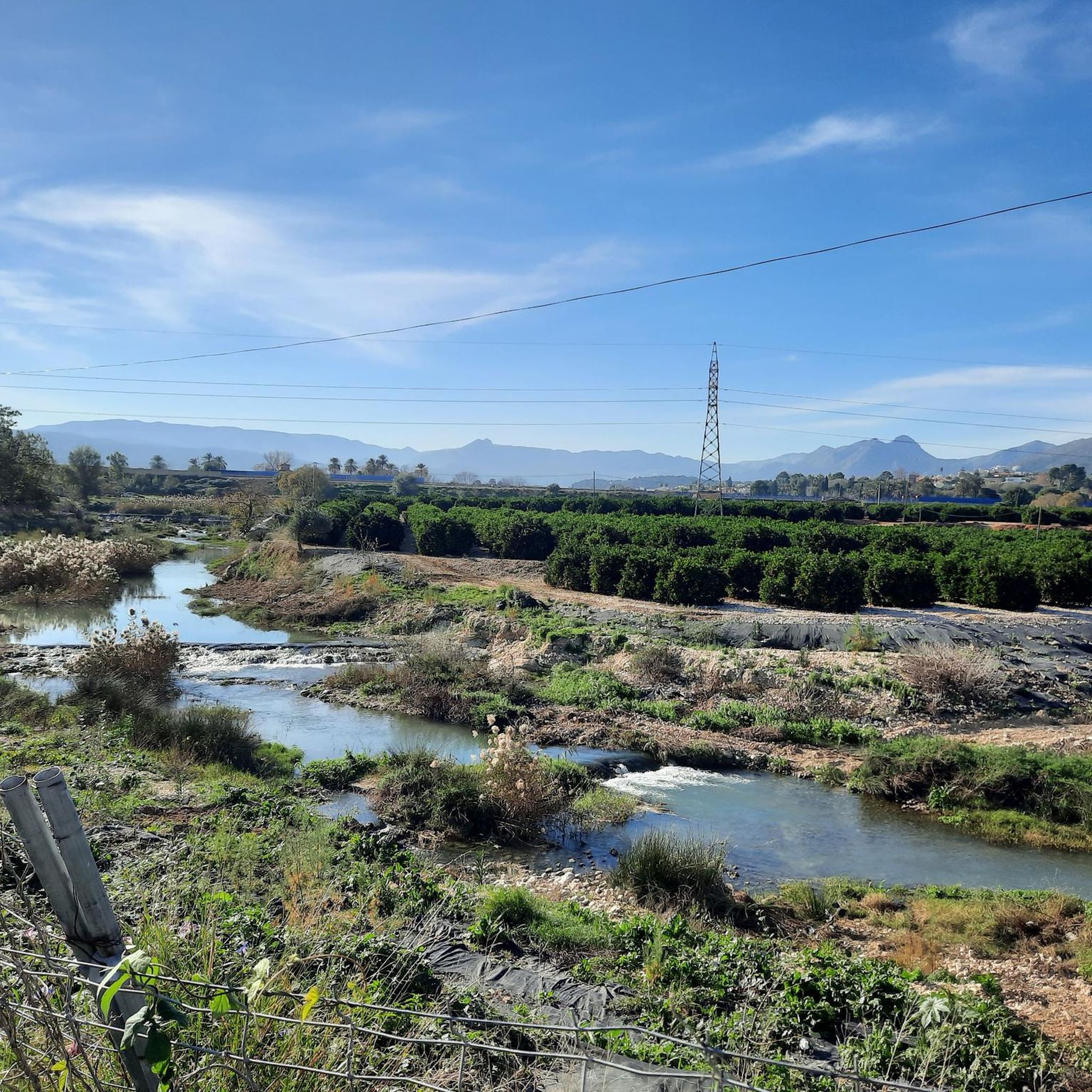
The Puerto de Sorell is a quiet and under-the-radar ridge climb in the northern Costa Blanca, linking Pego and Ràfol d’Almúnia via the CV‑728. It’s not long, not high — but it’s a perfect connector on a peaceful inland loop. From Ràfol d’Almúnia, the climb is 2.7 km long at an average gradient of 3.1%. It’s a smooth, steady ascent through olive groves and farmland, ideal for keeping a light rhythm and soaking up the rural scenery. The road surface is good and traffic is almost nonexistent. From the Pego side, the climb is roughly the same length but considerably steeper, with sections reaching 6 to 8%. It’s a short but honest effort, and a nice little test when coming up from the coastal plain. The views are wide and open — toward the Segària range, the valley below, and even the sea in the distance. At the summit, you'll spot the blue "Puerto de Sorell – 170 m" sign, a modest but official col marker that makes the climb feel just a bit more special. From here, you can descend either way or continue inland toward Vall de Gallinera, Vall d’Ebo, or Coll de Rates. Puerto de Sorell is a local favourite: short, scenic, quiet — and perfect for linking bigger climbs on a longer ride.
2
1
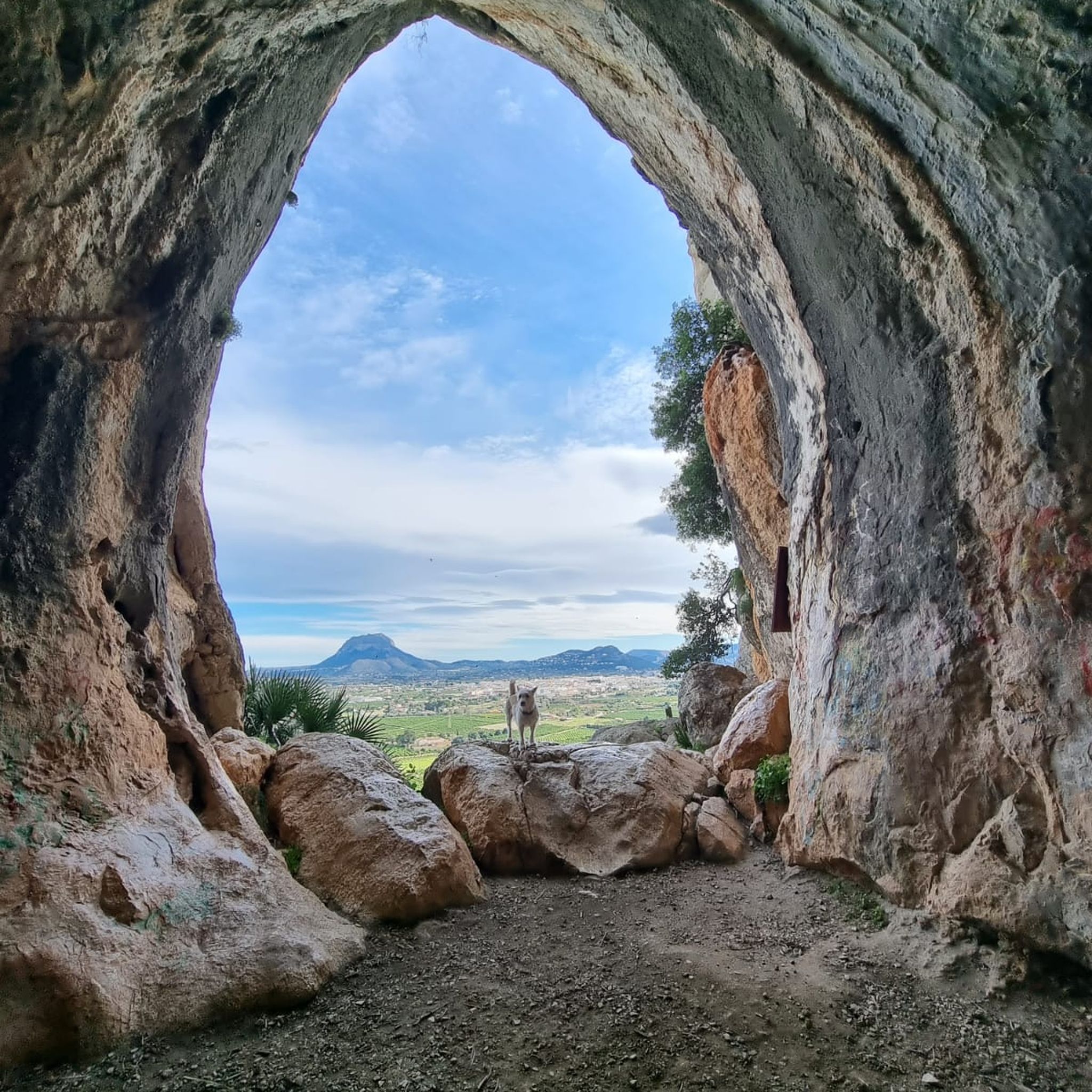
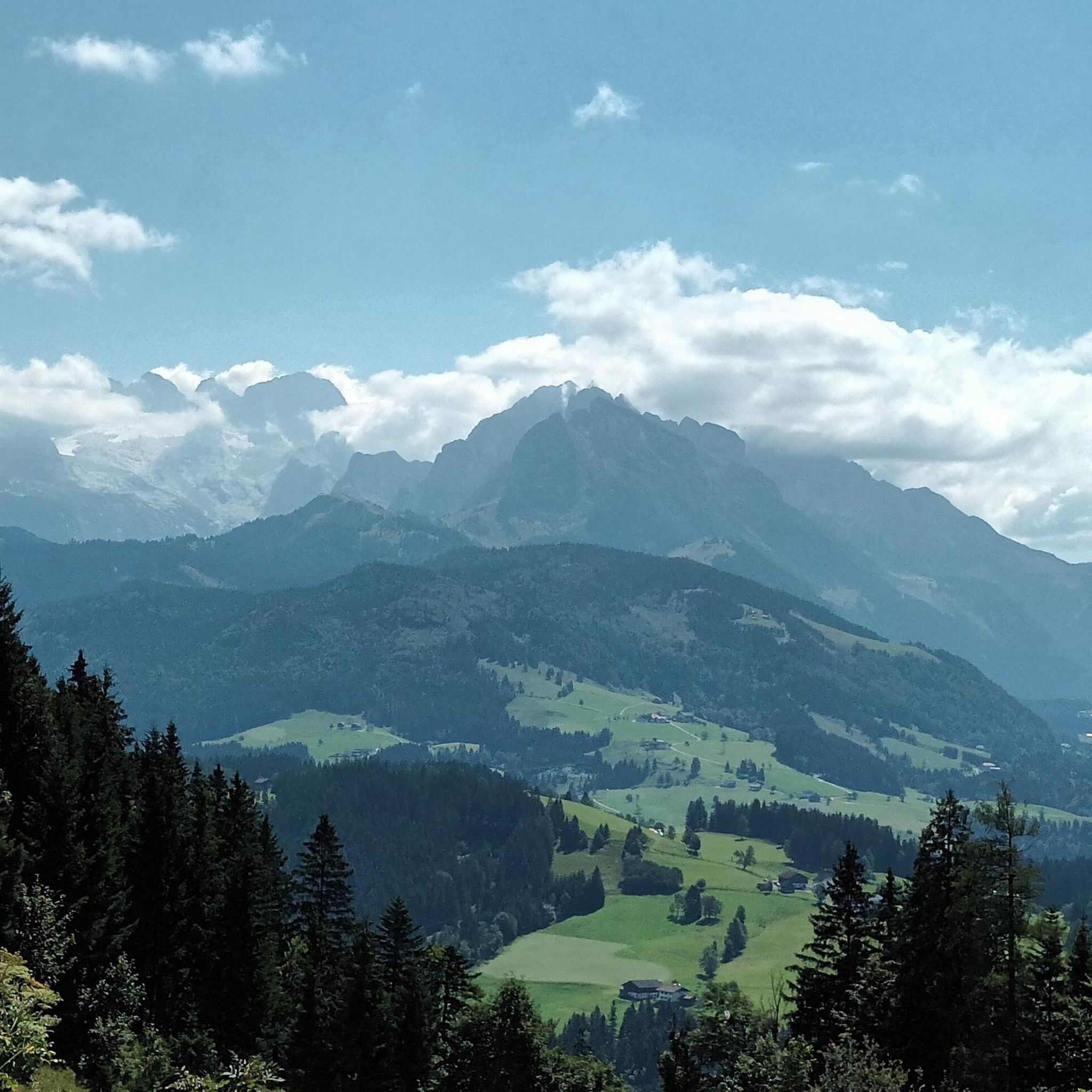
Just off the road between Sagra and Pego, the small turnoff toward Vall d’Ebo leads into one of the most beautiful and tranquil climbs in the Costa Blanca mountains. It may not be famous outside of cycling circles — but pros know it well: Tadej Pogačar holds the Strava KOM on this climb. From the Pego side, the ascent runs for about 8 km, gaining 400 metres at a steady average of 5%. The road is smooth, quiet, and beautifully engineered — with a flowing rhythm and wide, elegant curves. The landscape is peaceful and wild, with cliffs, pines, and far-reaching views. At the top, just before you descend into Vall d’Ebo, you’re rewarded with a spectacular view in both directions: looking back, the coastline and the Mediterranean Sea; looking ahead, the lush green valley of Vall d’Ebo, framed by rugged ridges and rocky outcrops. It’s a rare and stunning double panorama. If you continue past the village, you can create a magnificent loop via Pla de Petracos, riding through remote canyons and ancient rock formations before descending into Benigembla and back to the Vall de Pop. If you're riding from Vall d’Ebo toward Pego, the climb is shorter — about 3 km at 6% — but still very scenic, especially as you rise above the valley with dramatic views behind you. Vall d’Ebo may be quiet, but it’s world-class: pure road, total calm, and the kind of climb you’ll want to ride again and again.
3
1
The road from Pego to Sagra is a hidden gem for cyclists. With almost no traffic, it winds gently upward through shaded sections and rolling gradients — never too steep, but always engaging. Perfect for finding rhythm after the descent from Port de Sorell, this stretch offers a rare mix of quiet, flow, and relief from the sun on hot days.
0
2
This descent is a dream for cyclists: technically engaging, beautifully scenic, and remarkably quiet. As you begin your ride down towards Pego, a stunning panorama opens up—sweeping views over the valley with the Mediterranean Sea shimmering in the distance. The asphalt is excellent, and the well-shaped corners make for a smooth and safe descent. The road winds through rugged rock formations and Mediterranean vegetation, and thanks to the minimal traffic, you can truly enjoy the peace and space. Still, stay focused—some bends are tight, and your speed can build quickly. Take a moment to stop at one of the scenic viewpoints, as the landscape is nothing short of spectacular. And a fun fact for cycling fans: none other than Tadej Pogačar holds the fastest time on the climb here—a testament to the sporting character of this iconic route.
0
1


Fantastic view, easy road to drive.
1
0

long climb harder first half great views from middle oneards
1
0

Frequently Asked Questions
What are some popular mountain passes for cycling around Ondara?
The region around Ondara is a cyclist's paradise. Highly recommended passes include Vall d'Ebo Pass, known for its challenging 8 km climb from Pego with an average gradient of 5-6% through pine trees and open views. Another favorite is Bèrnia Pass, offering zigzagging roads around the Sierra de Bernia with stunning views of the mountains and the Alicante coast, sometimes reaching gradients over 12%. Cyclists also appreciate the scenic Pego–Sagra Road, a quiet route bordering mountains between pine forests.
Are there any easy mountain passes or routes suitable for beginners near Ondara?
For those seeking a less strenuous experience, Puerto de Sorell offers a quiet and steady climb. From Ràfol d’Almúnia, it's a 2.7 km ascent at an average gradient of 3.1% through olive groves and farmland, making it ideal for a light rhythm. The road surface is good, and traffic is minimal, providing a peaceful inland loop.
What kind of views can I expect from the mountain passes in the Ondara region?
The mountain passes around Ondara offer diverse and spectacular views. From Vall d'Ebo Pass, you'll find expansive vistas towards the top after winding through pine trees. Bèrnia Pass provides panoramic views of the mountains and the Alicante coast. Further afield, Coll de Rates is renowned for its jaw-dropping vistas over the Vall de Pop, extending to the Mediterranean Sea at Jávea (Xàbia), and up the coast to Dénia and Gandia, with picturesque white-painted villages below.
Are there hiking opportunities near the mountain passes around Ondara?
Yes, the mountainous areas near Ondara, such as the Sierra de Segària, offer excellent hiking opportunities. The Port of Ondara, for example, serves as a starting point for trails leading to the highest parts of the Sierra de Segària, providing access to panoramic views. For more dedicated hiking routes, you can explore the Mountain Hikes around Ondara guide, which includes routes like the challenging Montgó Scramble Section.
What natural features are prominent around the mountain passes in Ondara?
The region is characterized by mountainous ranges like the Sierra de Segària, offering a mix of winding roads, pine forests, and open views towards the coast and valleys. You'll encounter diverse vegetation, from shady pine groves to more sparse areas with wide-open vistas. The Aitana Ridge Circuit, for instance, features unique 'Neveras' (ice pits) and exciting scrambles along its narrow passes.
What do visitors enjoy most about the mountain passes around Ondara?
Visitors frequently praise the stunning panoramic views, especially from elevated points like the Sierra de Segària and Coll de Rates. Cyclists particularly enjoy the challenging climbs and quiet, well-maintained roads, often highlighting the diverse scenery and the rewarding descents. The sense of being on top of the highest mountain ranges in the Costa Blanca, with extensive views, is a common highlight.
Can I find routes for running near the mountain passes in Ondara?
Absolutely. The area provides various running trails that often incorporate or pass near mountainous terrain. For specific running routes, you can check the Running Trails around Ondara guide, which features options like the Segària Peak – Cova Fosca loop or the Dénia to Gandía Greenway loop.
Are there any challenging mountain passes for experienced cyclists or hikers?
Yes, for experienced adventurers, passes like Bèrnia Pass offer sections with gradients exceeding 12%, providing a significant challenge. The Aitana Ridge Circuit also includes an exciting scramble that requires agility, rewarding those who tackle it with extensive views from the highest mountain range in the Costa Blanca.
What is the terrain like on the mountain passes around Ondara?
The terrain varies, featuring winding roads that ascend through pine forests, open sections with sparse vegetation, and sometimes narrow paths. Some passes involve steep slopes and can include rocky scrambles, while others offer smooth, steady ascents through olive groves and farmland. The roads are generally in good condition, though some may have patches on the asphalt, especially on the edges.
Are there any specific cycling routes that combine multiple mountain passes near Ondara?
Yes, the region is excellent for longer cycling tours that link multiple passes. For example, the Cycling around Ondara guide includes routes like the Pego–Sagra Road – Vall d'Ebo Pass loop, which combines popular passes for a challenging and scenic ride.
What is the 'Port of Ondara' and what does it offer?
The Port of Ondara is an elevated section within the Sierra de Segària, very close to Ondara. While not a traditional road pass, it signifies a point of access to higher parts of the mountain range. It serves as a starting point for trails leading to the highest part of the Sierra de Segària, where a triangulation point is located at 507.89 meters above sea level, offering panoramic views after a steep climb.
Most popular attractions around Ondara

Get inspired with the komoot mobile app


Explore more
See even more epic mountain passes by checking out these guides around Ondara:
