Top 5 Mountain Passes around Sant Quirze Del Vallès
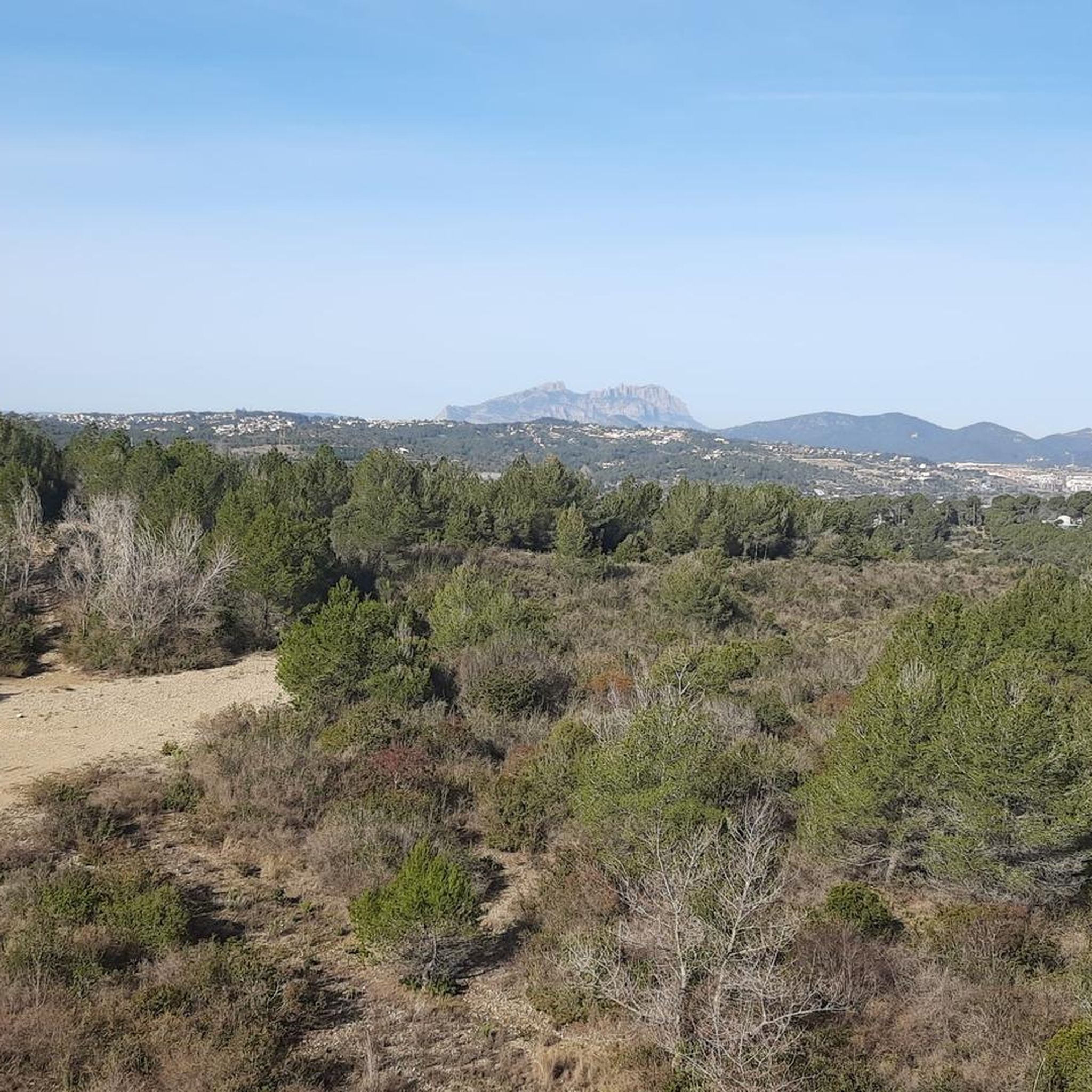
Best mountain passes around Sant Quirze Del Vallès are found within the broader Catalan Pre-Coastal Range, offering elevated points for exploration. The region features diverse terrain, from the foothills of the Sant Llorenç del Munt massif to the Collserola mountain range. These areas provide a variety of routes for cycling and hiking. The landscape includes forest and gravel tracks, with many paths offering panoramic views of the surrounding valleys and distant mountains.
Best mountain passes around Sant Quirze Del Vallès
…Last updated: July 1, 2026
Coll de l'Obac
Highlight (Segment) • Mountain Pass
Translated by Google •
Tip by

Forat del Vent
Highlight • Mountain Pass
Translated by Google •
Tip by

Sign up now to discover places like this
Get recommendations on the best single tracks, peaks, & plenty of other exciting outdoor places.
Sign up for free
Carretera de la Mata to Coll d’Estenalles
Highlight (Segment) • Mountain Pass
Translated by Google •
Tip by

Vallvidrera Pass - Tibidabo
Highlight • Summit
Translated by Google •
Tip by
Cabrafiga Pass
Highlight • Mountain Pass
Translated by Google •
Tip by
Start today with a free account
Your next adventure awaits.
Login or Signup

Tips from the Community

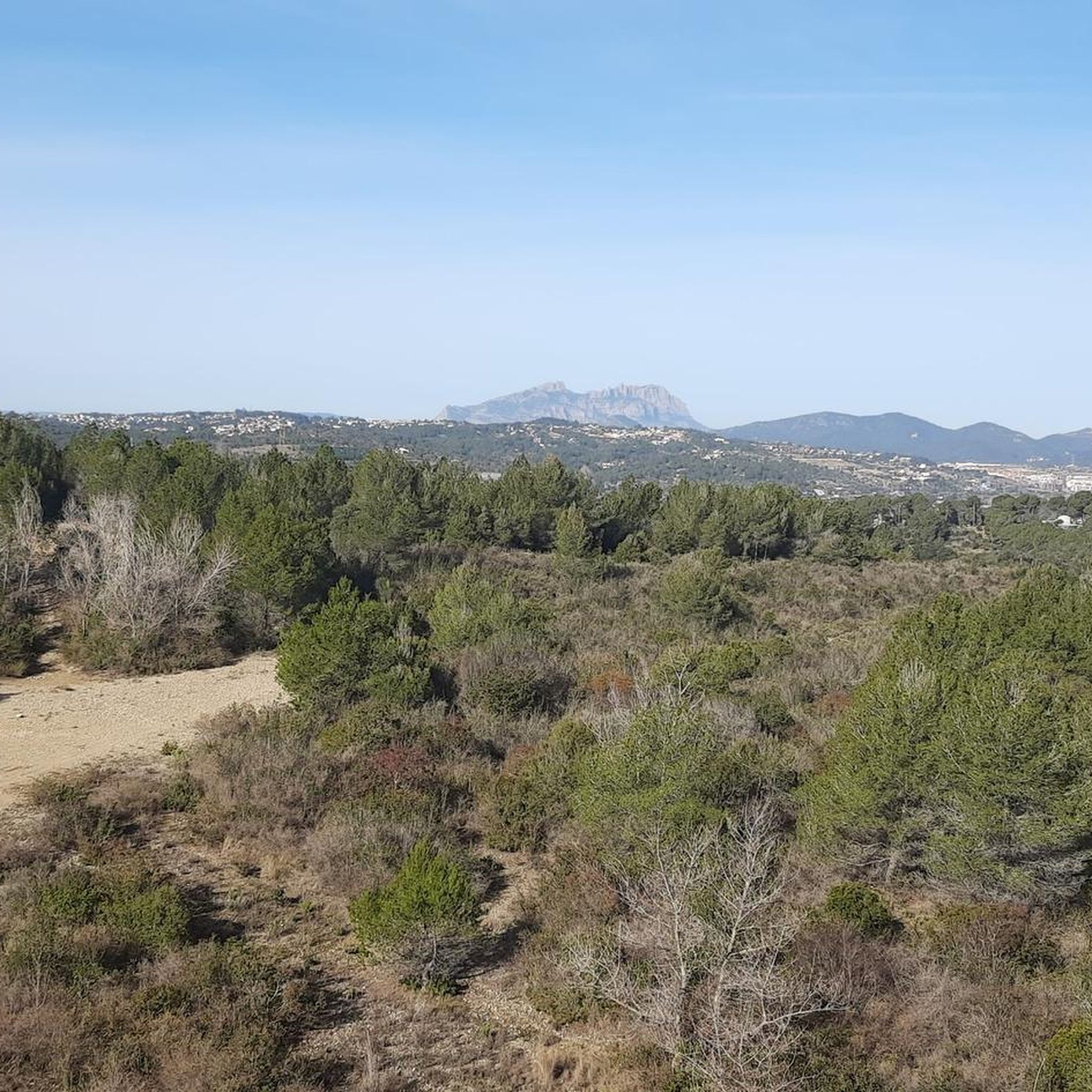
Pass between Mont-rodon, Sant Feliu del Racó and La Mola, through which the Mill Path passes towards Les Arenes (GR 173).
0
0

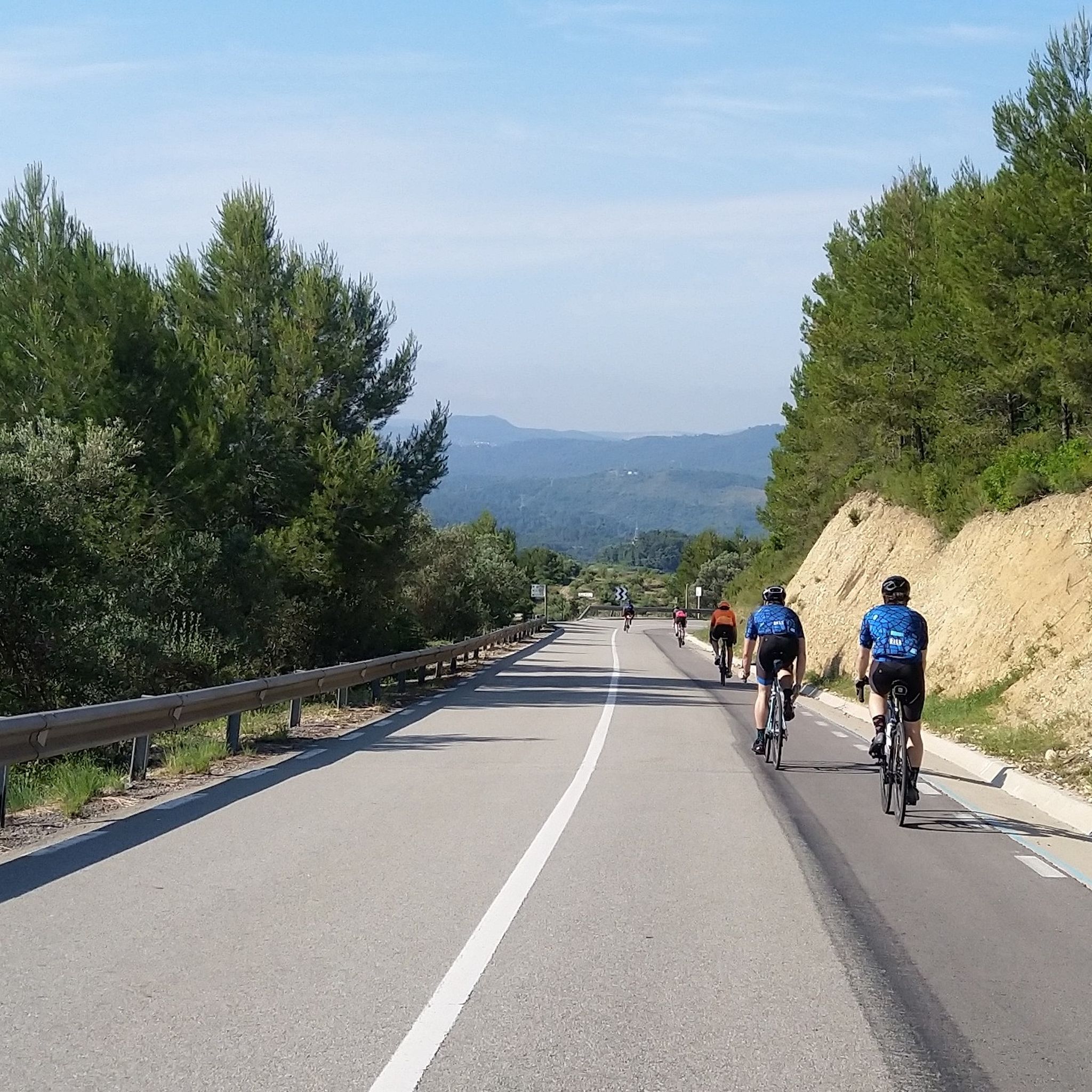
A very pleasant climb. Few cars, a cool, shady area. There are some rest areas that make the 8km climb manageable.
0
0
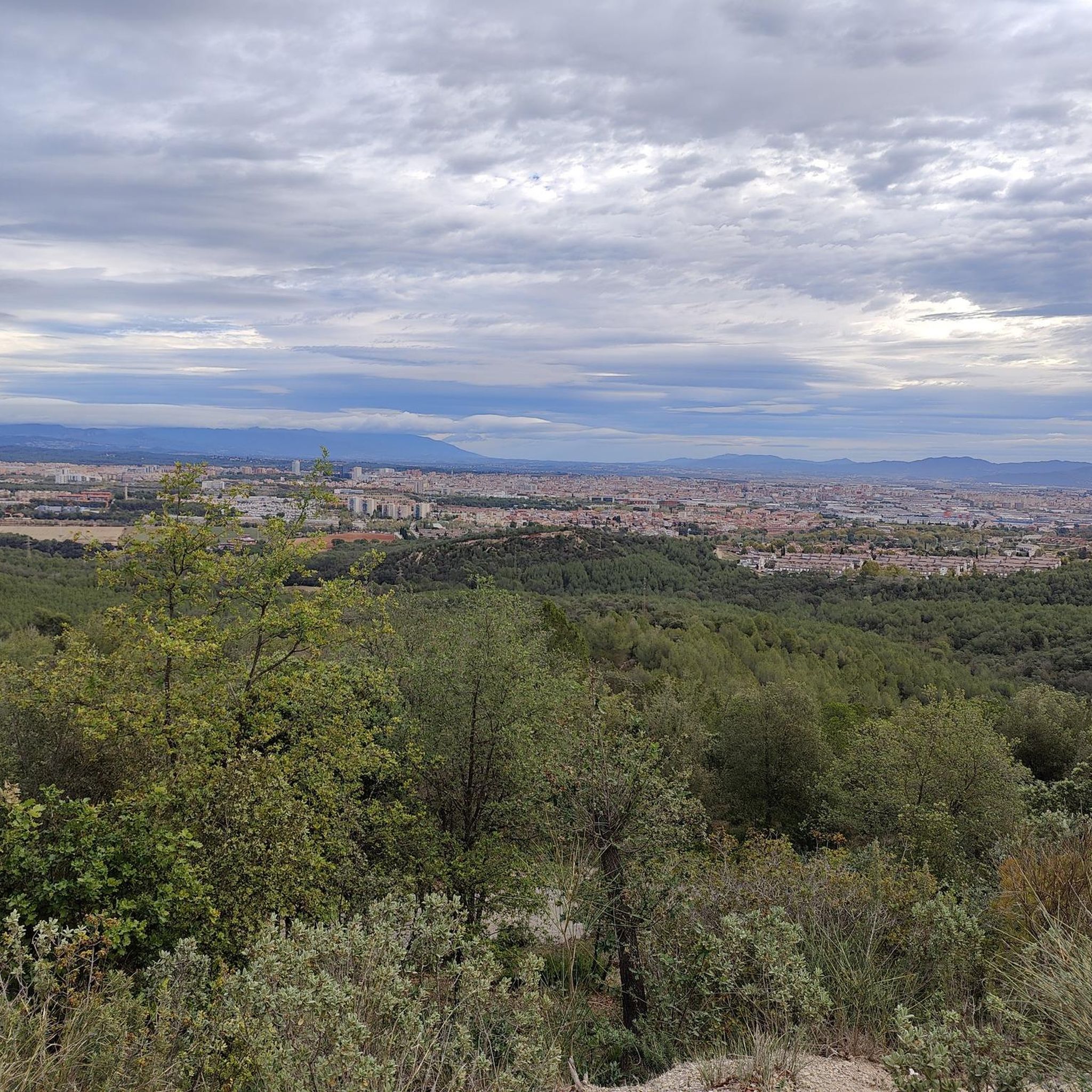
The road from Horta to Cerdanyola del Vallès connects the Vallès with the capital through a port with two different slopes, short and intense from Barcelona, and long and continuous from Cerdanyola. A good panoramic view from the Coll, where it crosses the Passeig de les aigues through a footbridge.
1
0

One of the most beautiful climbs through the Collserola Park. The views of the Vallés, with the surrounding mountains of La Mola, Tagamanent, Montseny and Montserrat are well worth it. It is a road in perfect condition without a hard shoulder and with some traffic, although not a lot. It is a classic among cycle tourists in Barcelona. The south side, the one in Barcelona, is very sunny and warm. The Cerdanyola del Vallés side is shaded and very humid, especially on cool winter days.
0
0
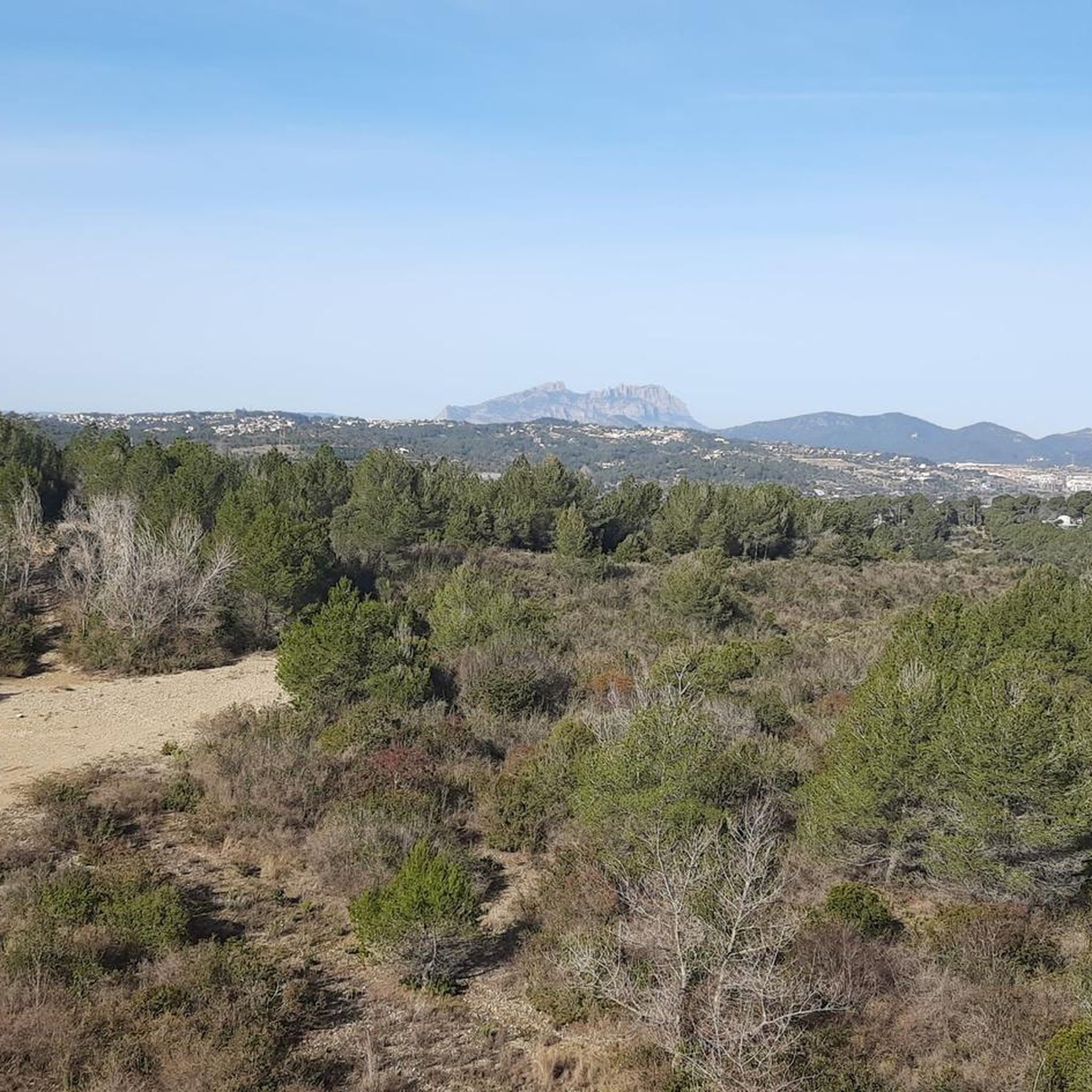
One of the two climbs that leave Terrassa and cross the Parc Natural de Sant Llorenç de Munt i l'Obac, thus connecting the Vallés Occidental region with the Bages region. Like the climb to Coll d'Estanalles, Coll de l'Obac is a very gentle climb, on a narrow, rough road, without a hard shoulder, very busy with cars on Sundays and public holidays, so you have to be careful, especially on the descent. The final stretch of the climb, the last 2 km, is by far the hardest, especially a very long straight that exceeds 7%. It is very pleasant to ride there first thing in the morning, with shade and the freshness of the forest. The views of Montserrat, the Bages plain and the Pyrenees line are well worth it... and a good photo.
0
0
This is the southern slope of the Coll d'Estanalles. It is a 14 km slope with several rest sections and only 2 km at 6%. It is a climb with a pleasant road, in good condition and with some traffic during the weekend. There are hardly any views along the entire climb.
0
0

Good port from Terrassa. Smooth and continuous climb, between woods and with little traffic.
0
0
The Coll de l'Obac is a beautiful climb that connects the city of Terrassa with Castellbell and Vilar, very close to Monistrol de Montserrat, at the foot of the mountain. It is one of the 3 alternatives to reach the foot of Montserrat from Vallès Occidental, in addition to Vacarisses and the main road that takes us from Martorell and Olesa de Montserrat. It is a port that has 4 aspects: - South slope, which starts from Terrassa. It is a long and difficult climb, especially in its initial part, getting tougher in the last 4 - 5 km, without ever exceeding 6 - 7%. Very twisted road, without shoulder, with rough asphalt and with a lot of motorcycle and car traffic (as well as cyclists) during the weekend and holidays. We must be careful. It is a mostly shady road. - Southwestern slope (BV-1211 road), which crosses the town of Vacarisses and deviates to the left through the "Els Caus" urbanization. The initial part is very laid out; However, the section that crosses the "Els Caus" urbanization has very hard ramps, with the road narrow and concreted in some sections. - North Slope, which starts from Castellbell and Vilar. It is a climb very similar to the South slope due to its length and type of port. It differs from the previous one in that it has a considerable ramp when crossing the town of Rellinars and the road has hardly any shadows. - Northwest Slope (BV-1212 road), which starts from the C-58 road, goes up to the town of Vacarisses and takes the section to the right of the "Els Caus" urbanization, previously described. The first stretch to Vacarisses is straight and very beautiful, with a very quiet and winding road, paved to perfection.
0
0
Frequently Asked Questions
What are some popular mountain passes for cycling near Sant Quirze Del Vallès?
Cyclists frequently enjoy Vallvidrera Pass - Tibidabo, known as one of the most iconic and accessible climbs near Barcelona. Another favorite is Forat del Vent, which connects the Vallès with Barcelona and offers diverse scenery. Additionally, Coll de Parpers, located north of Barcelona, is popular due to its old road being converted into a traffic-free route, ideal for cycling.
Which mountain passes offer the best panoramic views?
For breathtaking views, Forat del Vent provides panoramic vistas of the Vallés, including La Mola, Tagamanent, Montseny, and Montserrat. Puig de la Creu, a significant peak in the vicinity, also offers unparalleled 360-degree views across the Vallès, the Sant Llorenç del Munt massif, the Montseny mountains, and the Collserola range.
Are there any mountain passes with historical significance in the area?
Yes, Puig de la Creu is notable for its historical elements. At its summit, you can find a restored 16th to 17th-century castle and the ancient Romanesque church of Santa Maria del Puig de la Creu, adding a layer of cultural discovery to your visit. Cabrafiga Pass is also part of the historic Mill Path towards Les Arenes.
What is the best time of year to visit the mountain passes around Sant Quirze Del Vallès?
Spring and autumn generally offer the most pleasant temperatures for exploring the mountain passes and peaks in the region, making them ideal seasons for hiking and cycling. While accessible year-round, these seasons provide comfortable conditions for outdoor activities.
Are there family-friendly options for exploring mountain passes?
Many routes around the mountain passes, especially those on Puig de la Creu, are suitable for various fitness levels, including families. The terrain often consists of forest and gravel tracks, with some paths being well-trodden. It's advisable to check specific route details for difficulty and length to ensure they are appropriate for all family members.
What kind of terrain can I expect on the mountain passes?
The terrain around the mountain passes primarily consists of forest and gravel tracks through a hilly landscape. While many paths are well-trodden, some final ascents, like on Puig de la Creu, might require good navigation due to less clearly signposted trails. For cyclists, roads like the one over Coll de Parpers are well-maintained.
Are there hiking trails near these mountain passes?
Yes, the region offers numerous hiking opportunities. You can find a variety of running trails around Sant Quirze Del Vallès, including routes like the 'Alternative trail – Monks' Path loop from Sant Quirze del Vallès' which is of moderate difficulty. For more options, explore the Running Trails around Sant Quirze Del Vallès guide.
Can I find routes suitable for gravel biking around Sant Quirze Del Vallès?
Absolutely. The area is well-suited for gravel biking, with routes like the 'Can Magí Spring – Ripoll River loop from Can Feu | Gràcia' offering a moderate challenge. For a comprehensive list of routes, refer to the Gravel biking around Sant Quirze Del Vallès guide.
Are dogs allowed on the trails around the mountain passes?
Many trails in the natural areas surrounding Sant Quirze Del Vallès are dog-friendly. However, it's always recommended to keep dogs on a leash, especially in protected areas or near wildlife, and to check for any specific local regulations or signage regarding pets on trails.
What outdoor activities can I do near these mountain passes?
Beyond exploring the passes themselves, the region offers a wide range of outdoor activities. You can enjoy cycling, gravel biking, and running on various trails. For example, there are numerous cycling routes, including the 'Viewpoint to La Mola – View of the Fields loop from Sant Quirze'. Discover more options in the Cycling around Sant Quirze Del Vallès guide.
Where can I find amenities like cafes or accommodation near the mountain passes?
While specific amenities directly at the passes might be limited, the nearby towns and villages, such as Castellar del Vallès for Puig de la Creu, offer cafes, restaurants, and accommodation options. It's advisable to plan your route and check for services in the closest settlements before your trip.
How difficult are the climbs on mountain passes like Coll de Parpers?
Coll de Parpers is generally considered a gentle to moderate climb, making it accessible for many cyclists. From Argentona, it's a 4-kilometer climb with an average gradient of 4.4%. From La Roca del Vallès, it's also 4 kilometers with an average gradient of 3.7%. These gradients are manageable for most recreational riders.
Most popular routes around Sant Quirze Del Vallès
Most popular attractions around Sant Quirze Del Vallès

Get inspired with the komoot mobile app


Explore more
See even more epic mountain passes by checking out these guides around Sant Quirze Del Vallès:
