Top 20 Natural Monuments around Arona
Best natural monuments around Arona showcase a diverse landscape shaped by volcanic activity and coastal features. This region in Tenerife, Canary Islands, features protected natural spaces with unique geological formations and distinctive flora. Visitors can explore rugged coastlines, volcanic peaks, and deep ravines. The area offers a variety of natural attractions, from ancient trees to extensive lava fields.
Best natural monuments around Arona
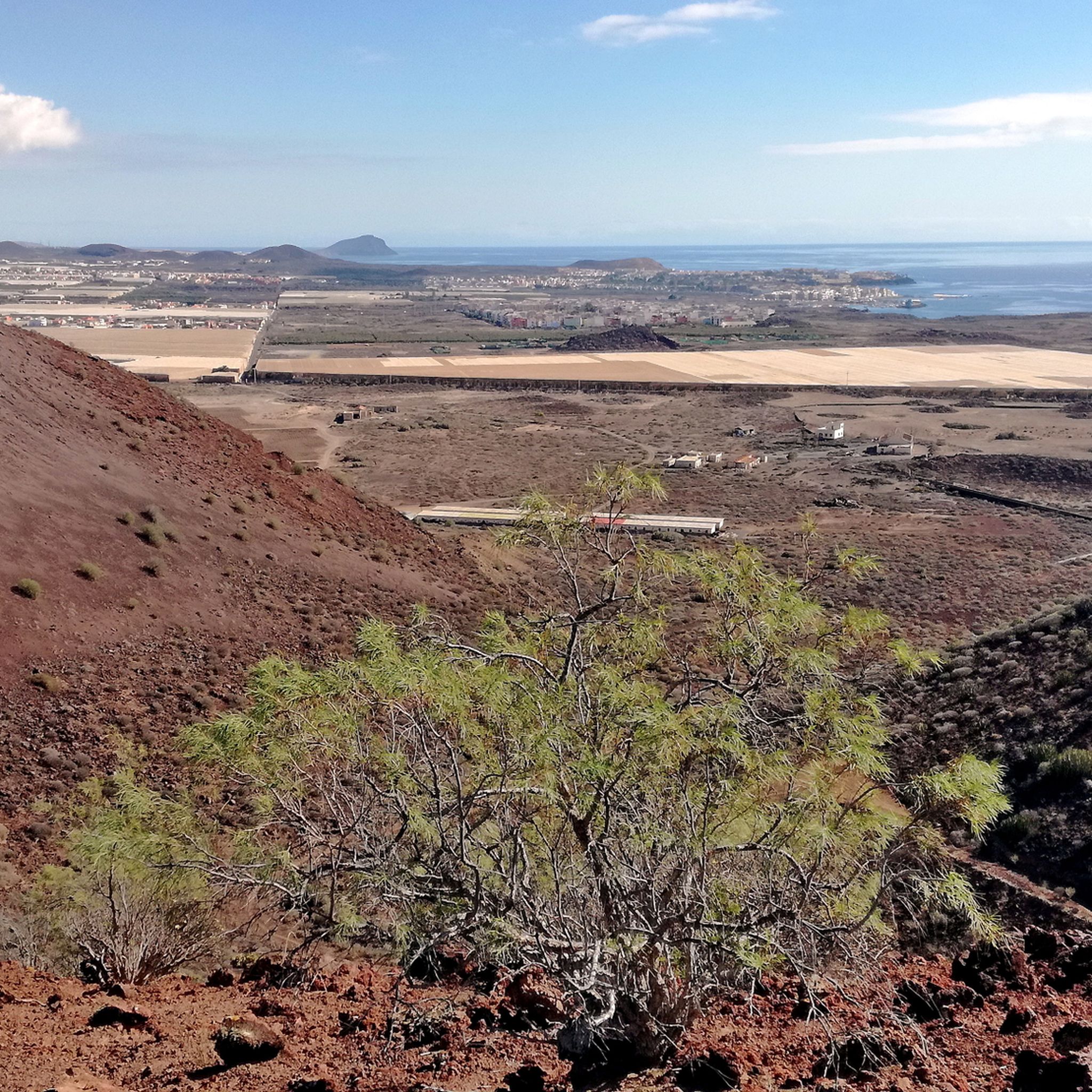
- The most popular natural monuments is Red Mountain, a volcano that offers panoramic views after a short hike. It provides clear views of the beaches and Teide.
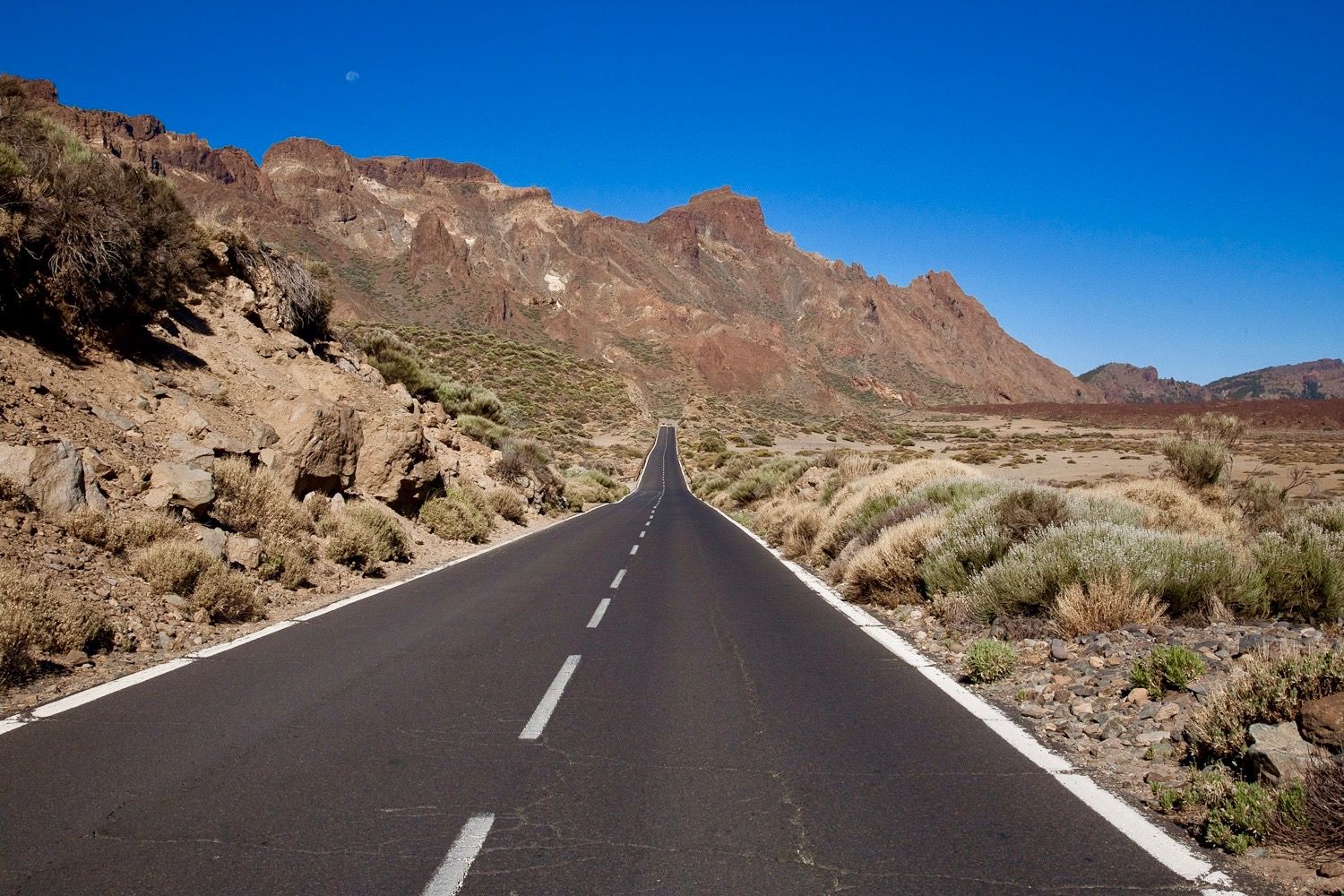
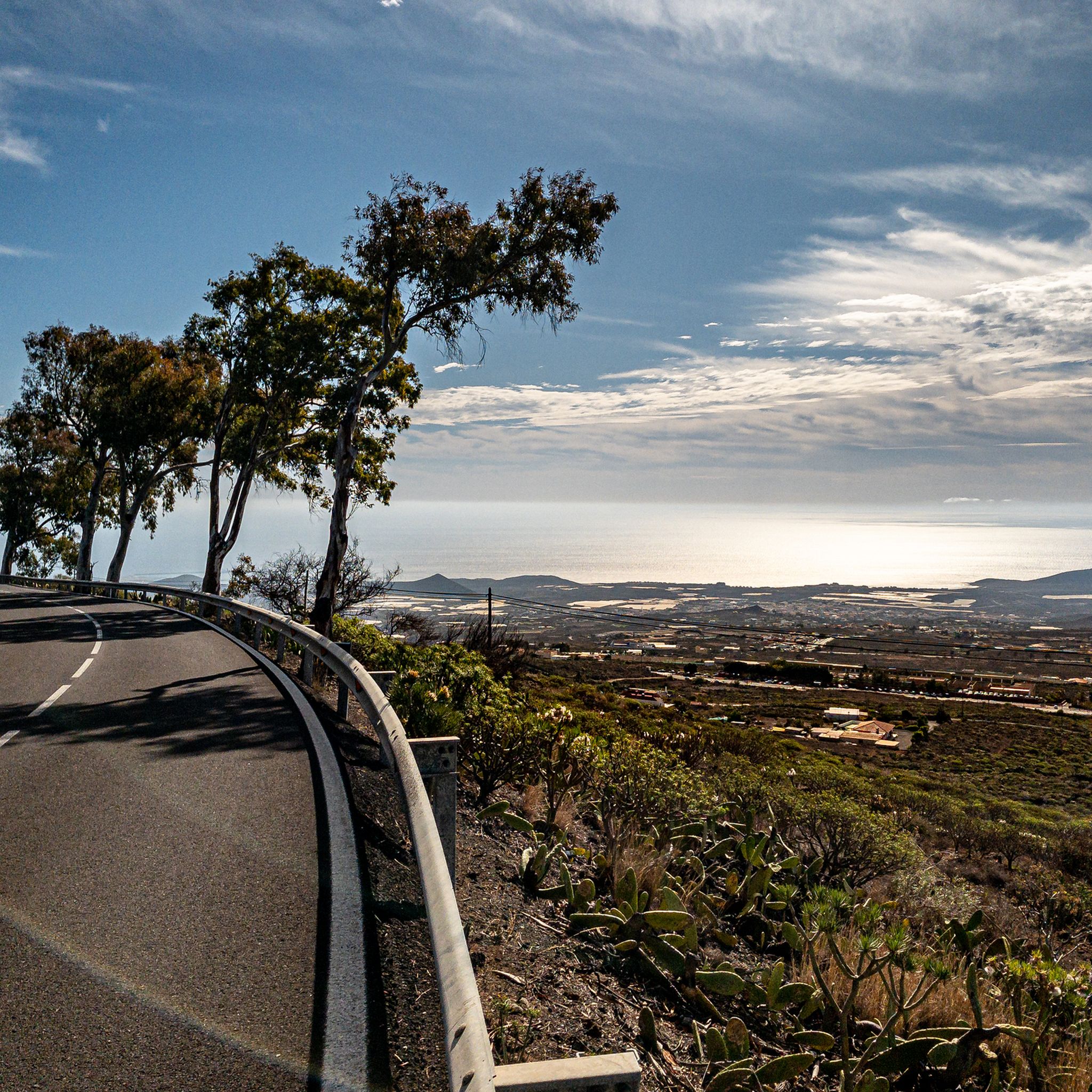
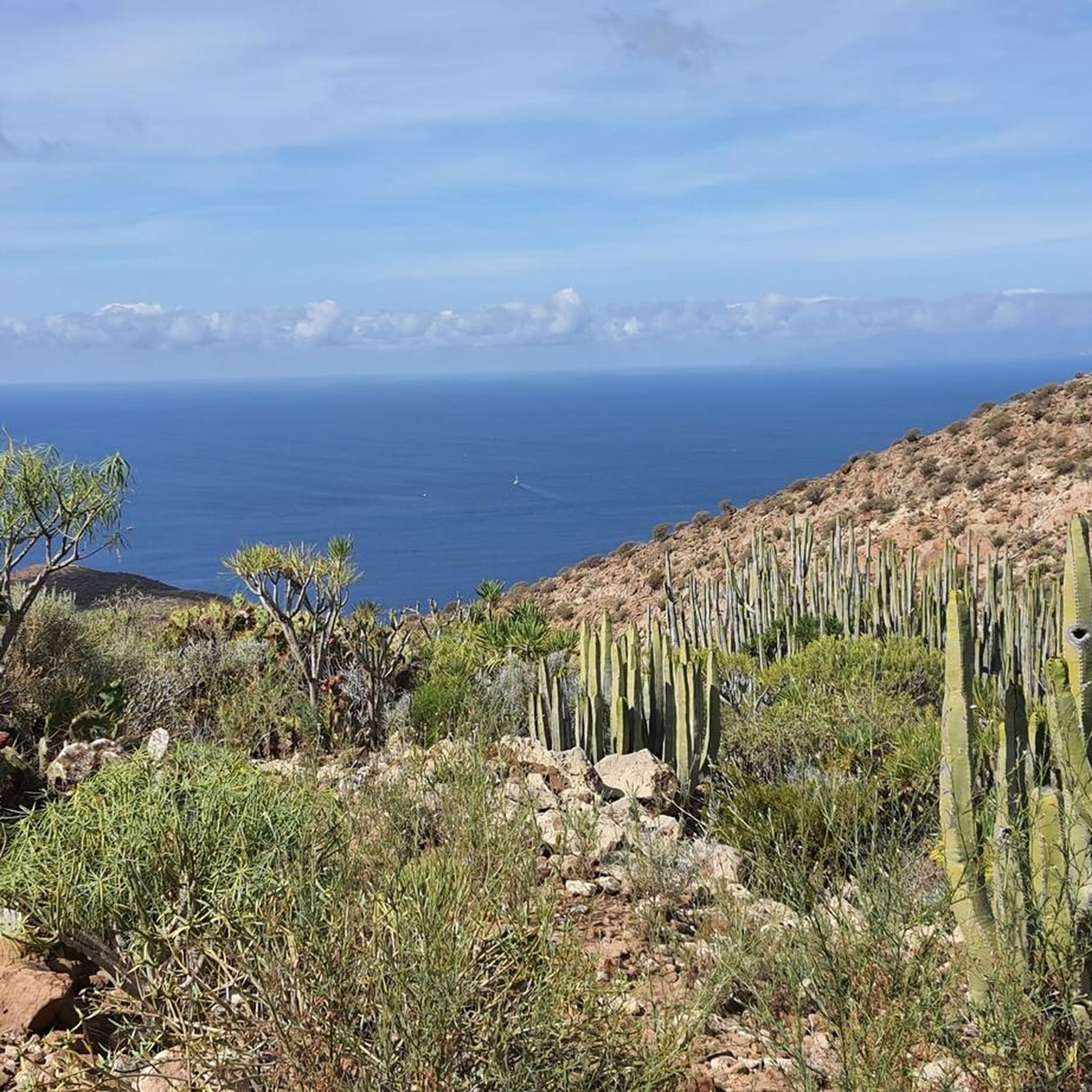
- Another must-see spot is Cactus Landscape in Southern Tenerife, an other natural monument. This area features a large selection of cacti and succulents within a rugged landscape formed by lava flows.
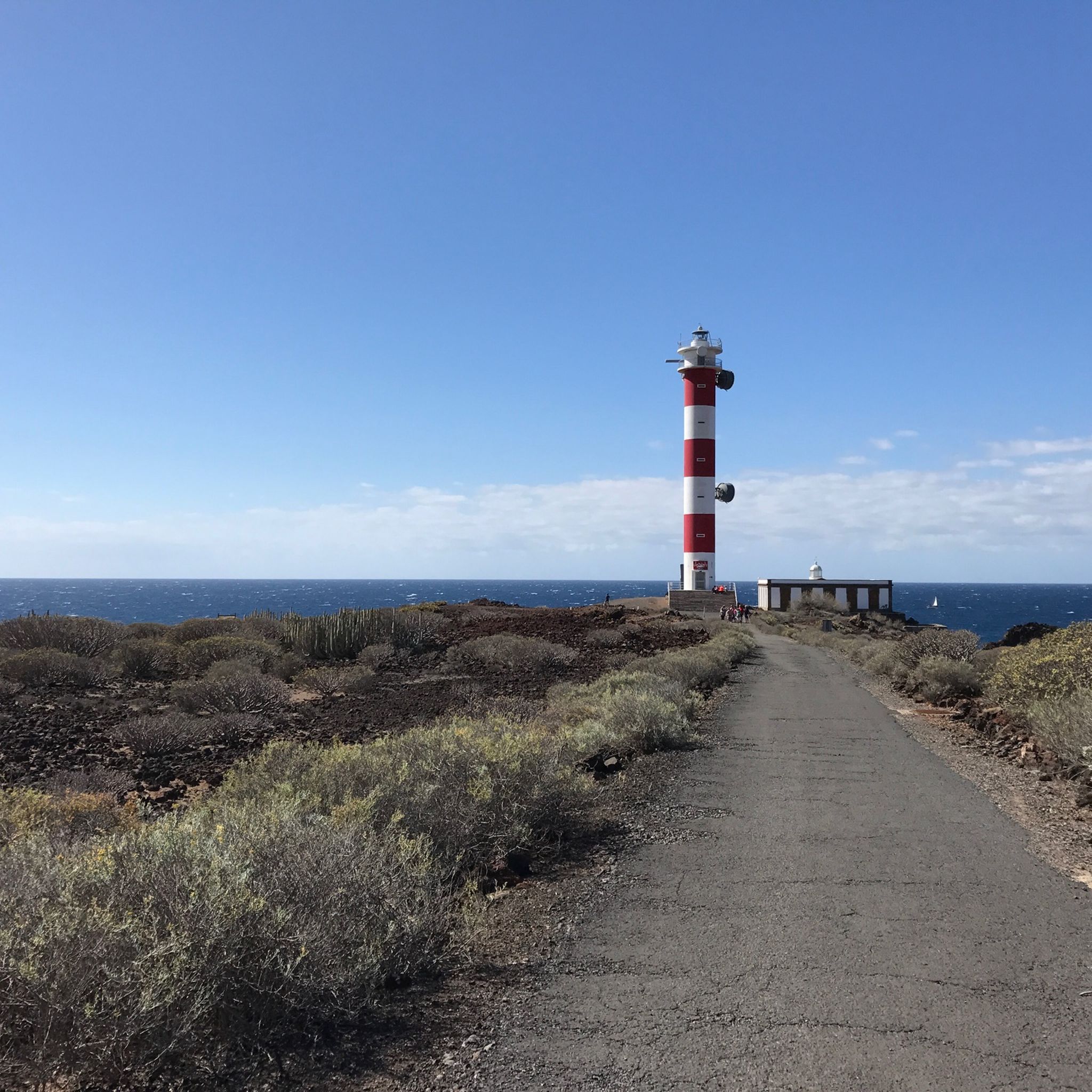
- Visitors also love Punta de Rasca Lighthouse, a man-made monument located in a protected nature reserve. It is a highly visible red and white striped lighthouse that is still in operation today.
- Arona is known for its volcanoes, unique geological formations, and coastal landscapes. The region offers a variety of natural monuments to see and explore, including summits, gorges, and distinctive flora.
- The natural monuments around Arona are appreciated by the komoot community. There are more than 400 photos and over 600 upvotes for the highlights in this guide.
Last updated: May 20, 2026
Punta de Rasca Lighthouse
Highlight • Monument
Translated by Google •
Tip by

Red Mountain
Highlight • Volcano
Translated by Google •
Tip by

Sign up now to discover places like this
Get recommendations on the best single tracks, peaks, & plenty of other exciting outdoor places.
Sign up for free
Barranco del Infierno Trailhead
Highlight • Trail
Translated by Google •
Tip by

Cactus Landscape in Southern Tenerife
Highlight • Natural
Translated by Google •
Tip by

Roque del Conde
Highlight • Summit
Translated by Google •
Tip by

Sign up for free to discover even more natural monuments around Arona.
Sign up for free
Already have an account?
Start today with a free account
Your next adventure awaits.
Login or Signup
Popular around Arona
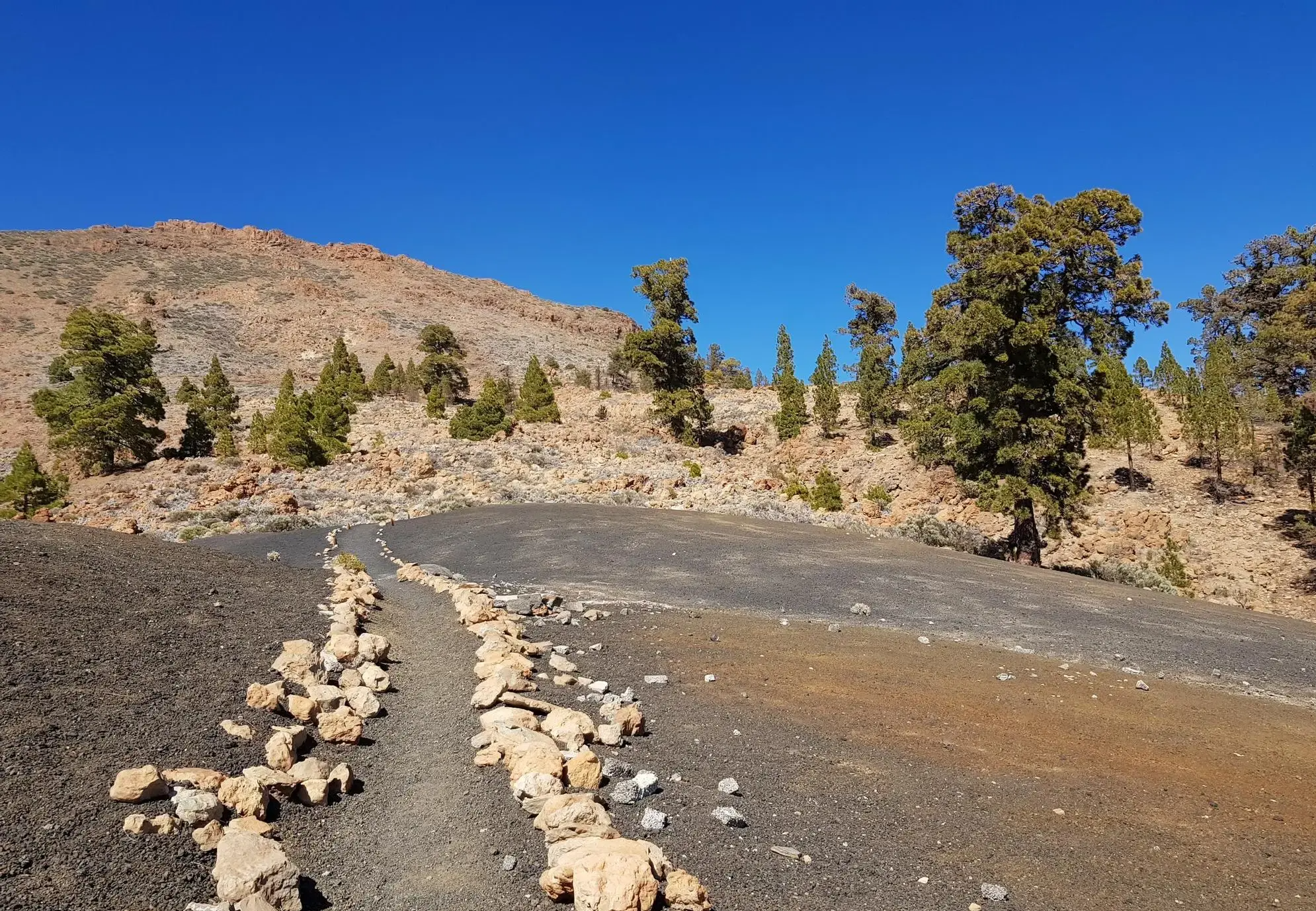
From the coast to the Teide - Tenerife Bluetrail by UTMB
GranGuanche Audax Trail – my first ultra race on the Canary Islands
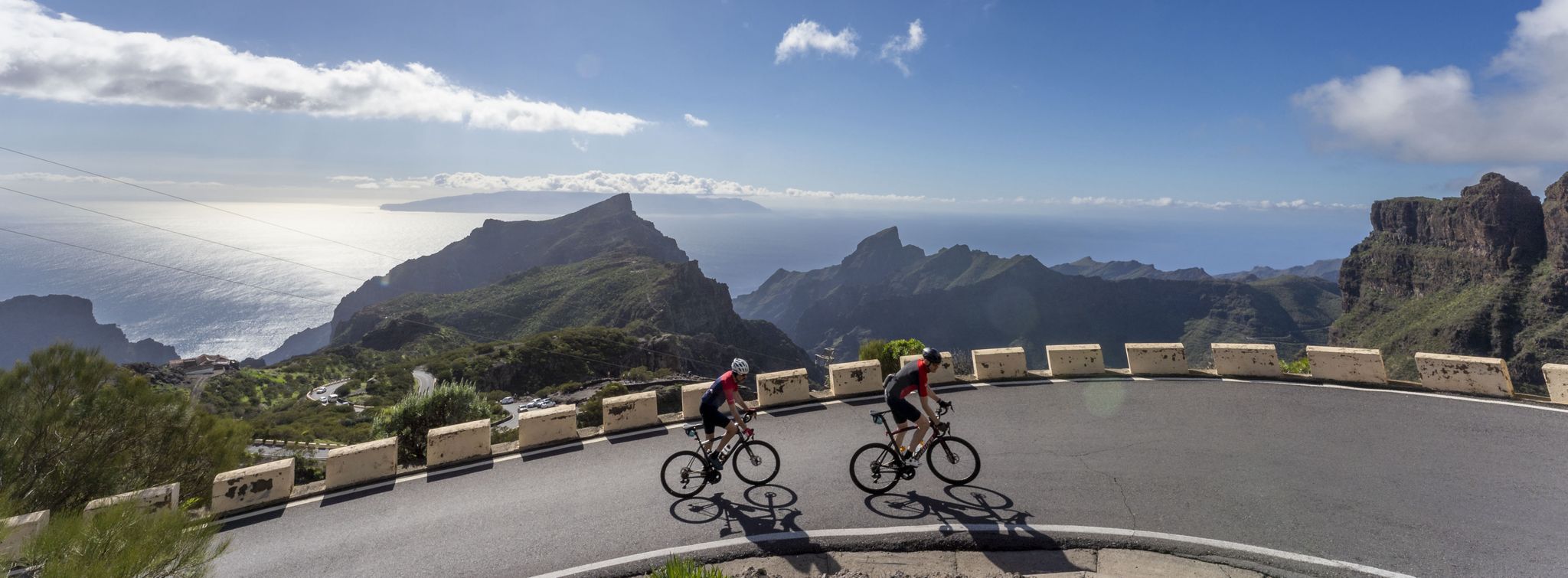
Canary Islands: With TOUR on Tenerife
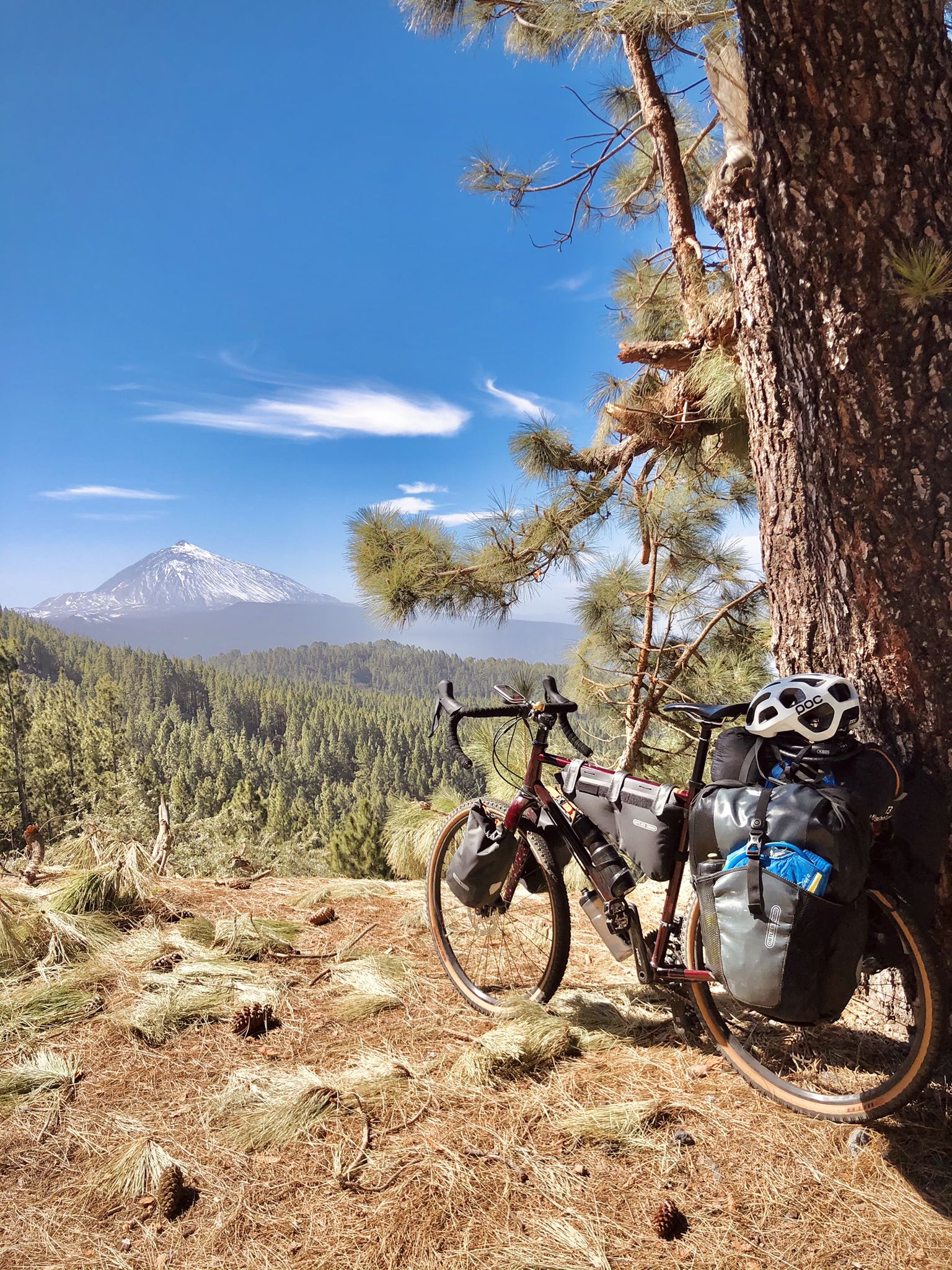
Gravel biking on Tenerife and La Gomera
Tenerife by race bike — sunny rides on a volcanic island
Hiking around Arona
Road Cycling Routes around Arona
Running Trails around Arona
Cycling around Arona
MTB Trails around Arona
Other adventures around Arona


Tips from the Community

A breathtakingly spectacular coastal hike amidst stunning, rugged scenery. On one side, the roaring Atlantic Ocean with its small bathing coves and the Palm-Mais lighthouse is simply breathtaking. And then there's the surrounding landscape with its rugged trails and cacti – simply beautiful. On a clear day, you can see La Gomera and, on the other side, Mount Teide. This hike is highly recommended and incredibly interesting.
1
1

An area that showcases the diversity of this island.
1
0
Palm Mar is located near the promenade or the Bahia Beach Club. The route follows a flat path along the rocky coastline through cacti and tabaiba landscapes. The old and new lighthouses of Punta de Rasca are the main points of interest. Other sights include the remains of salt production facilities, an old jetty suitable for a break, and views of the Montaña Grande volcanic cone. The hike is easy to moderate, very sunny with little shade. Sturdy footwear, sun protection, and plenty of water are essential.
2
0
Beautiful cottage landscape amidst beautiful nature 💚 beautiful to look at and highly recommended 👍🏻.
4
1
A great hike along the coast amidst beautiful nature 💚 beautiful to look at and highly recommended 👍🏻.
6
1

The Malpaís ("wasteland") of Rasca is a rugged landscape formed by lava flows, seemingly from another planet. Among other things, it boasts many succulents, some of them quite large. Absolutely beautiful! 🤩
7
0
A highly visible red and white striped lighthouse in the southern part of the Malpais. The lighthouse was built in the 1970s and is still in operation today.
7
0

The starting point for an absolutely worthwhile hike
2
0
Frequently Asked Questions
What unique natural features can I expect to see around Arona?
Arona, located in Tenerife, offers a landscape shaped by volcanic activity and coastal processes. You can explore rugged coastlines, volcanic peaks, and deep ravines. Notable features include the unique geological formations of Red Mountain, which was formed by a marine eruption, and the lava-flow-formed terrain of the Cactus Landscape in Southern Tenerife. The region also boasts distinctive flora, such as the Tabaiba and candelabra/Cardon plants found near the Punta de Rasca Lighthouse.
Are there any family-friendly natural monuments to visit in Arona?
Yes, several natural monuments around Arona are suitable for families. The area around the Punta de Rasca Lighthouse offers an easy, flat coastal walk through a protected nature reserve, which is enjoyable for all ages. The short hike to Red Mountain also provides great panoramic views without being overly strenuous, making it a good option for families.
What kind of hiking trails are available near Arona's natural monuments?
Arona offers a variety of hiking trails near its natural monuments. For example, the path to the Punta de Rasca Lighthouse is an easy, approximately 11 km coastal walk. The Barranco del Infierno Trailhead leads to a popular gorge hike, though it requires advance booking. For more challenging options, the north route to Roque del Conde is steep and requires mountain experience and surefootedness. You can find more detailed hiking routes in the Hiking around Arona guide.
What is the best time to visit the natural monuments in Arona?
The natural monuments in Arona, Tenerife, can be enjoyed year-round due to the island's mild climate. However, visiting during the cooler months from autumn to spring (October to May) is often preferred for hiking and exploring, as summer temperatures can be quite high. Early mornings or late afternoons are ideal for avoiding the midday sun and enjoying the best light for photography, especially for viewpoints like Red Mountain.
Are there any specific booking requirements or permits needed for certain natural monuments?
Yes, for some natural monuments, specific arrangements are necessary. For instance, visiting the Barranco del Infierno Trailhead requires booking an appointment in advance, as access is limited to a maximum of 300 people per day. It's always advisable to check the official websites for any protected areas before your visit to confirm current regulations, entry fees, or permit requirements.
What do visitors enjoy most about the natural monuments around Arona?
Visitors frequently praise the stunning panoramic views, especially from summits like Red Mountain, which offers clear vistas of the beaches and Teide. The unique geological formations, such as the rugged lava flows of the Cactus Landscape in Southern Tenerife, are also highly appreciated. Many enjoy the peaceful escape offered by protected areas like the Malpaís de la Rasca, where the Punta de Rasca Lighthouse is located, and the opportunity for easy coastal walks.
Can I find other outdoor activities like running or cycling near Arona's natural monuments?
Absolutely. The Arona region offers various outdoor activities. You can find numerous running trails, including coastal loops and routes with views of Costa Adeje, detailed in the Running Trails around Arona guide. For cyclists, there are diverse routes ranging from moderate to difficult, exploring areas like the Corona Forestal, as highlighted in the Cycling around Arona guide.
Are there any natural monuments in Arona that are significant for their cultural or historical value?
While many natural monuments are valued for their geology and ecology, the Almácigo de Arona, a centennial mastic tree located in Arona's historic center, holds significant cultural heritage. This nine-meter-tall tree is included in Tenerife's Book of Monumental Trees and is even featured on the municipality's heraldic shield, blending natural wonder with local history and identity.
What is the Montaña Amarilla and why is it worth visiting?
Montaña Amarilla (Yellow Mountain) is a protected natural monument located in the coastal area of Costa del Silencio. It's renowned for its striking rugged volcanic rock formations and a shifting sand dune. Formed by a marine eruption, the mountain itself consists of perfectly aligned volcanoes. Visitors come to witness these unique geological formations, including petrified lava flows, pitons, and domes, and to enjoy impressive views of Teide and the scenic coastline.
What is the significance of the Malpaís de la Rasca Special Natural Reserve?
The Malpaís de la Rasca Special Natural Reserve is a unique natural environment characterized by a rugged landscape formed by ancient lava flows. It provides a glimpse into the region's untouched natural heritage and is home to diverse flora, including many succulents. The Punta de Rasca Lighthouse is situated within this reserve, offering an easy coastal walk through this distinctive landscape.
Is Montaña de Guaza accessible for visitors?
Montaña de Guaza is a Natural Monument that remains relatively untouched despite nearby urban development. It offers a peaceful escape and a chance to experience the region's natural heritage. While specific accessibility details for trails vary, it is generally open for exploration, providing a tranquil environment for those seeking a natural retreat.
Are there any viewpoints offering panoramic vistas of the Arona region?
Yes, Arona is rich in viewpoints. Red Mountain offers excellent panoramic views of the beaches and Teide after a short hike. Roque del Conde provides great views to the south and north, though it requires surefootedness. Even the Cactus Landscape in Southern Tenerife offers scenic vistas of the rugged, lava-formed terrain.
Most popular attractions around Arona

Get inspired with the komoot mobile app


Explore more
Extend your search for the best caves by checking out these guides of the top ones around Arona:
