Top 13 Natural Monuments around A Estrada
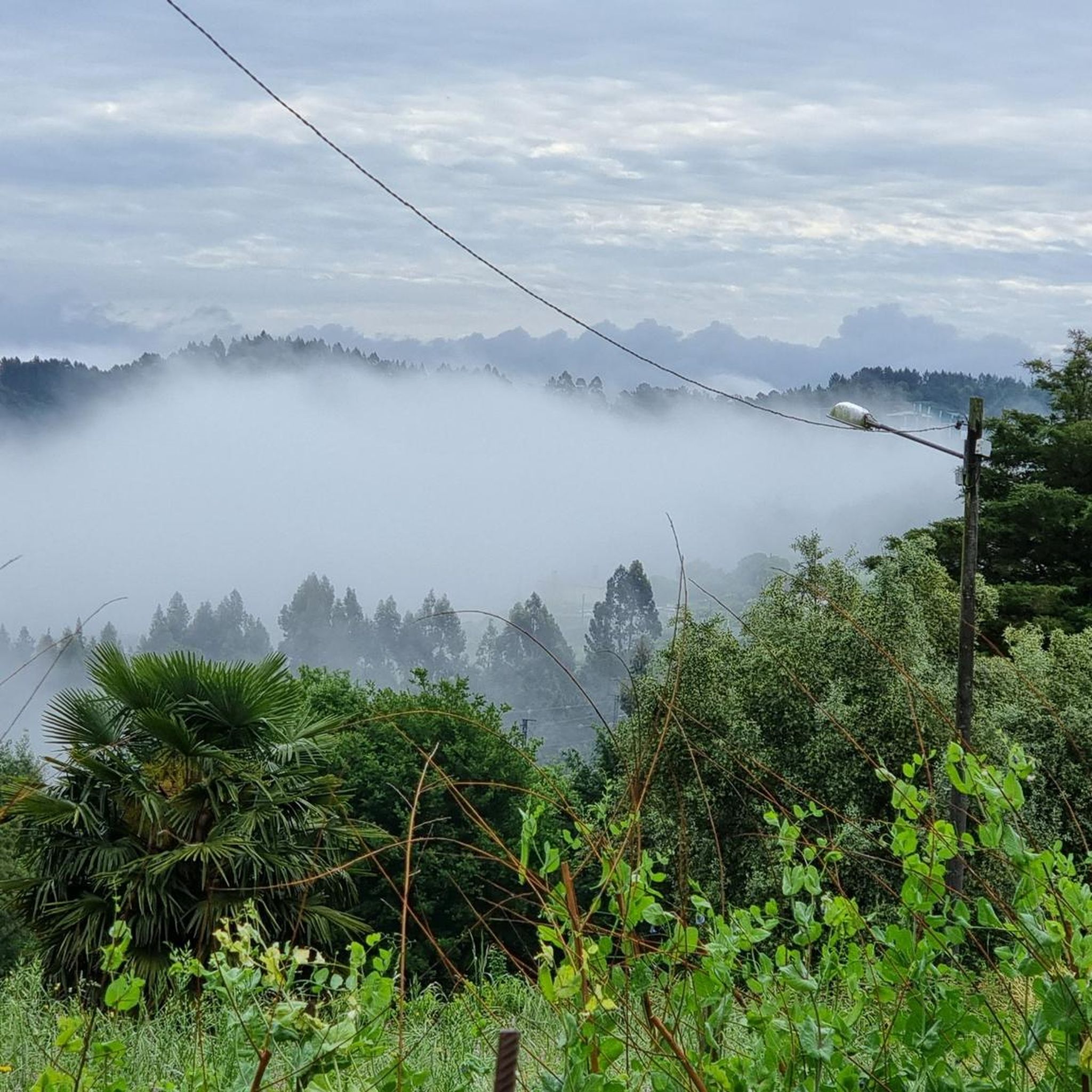
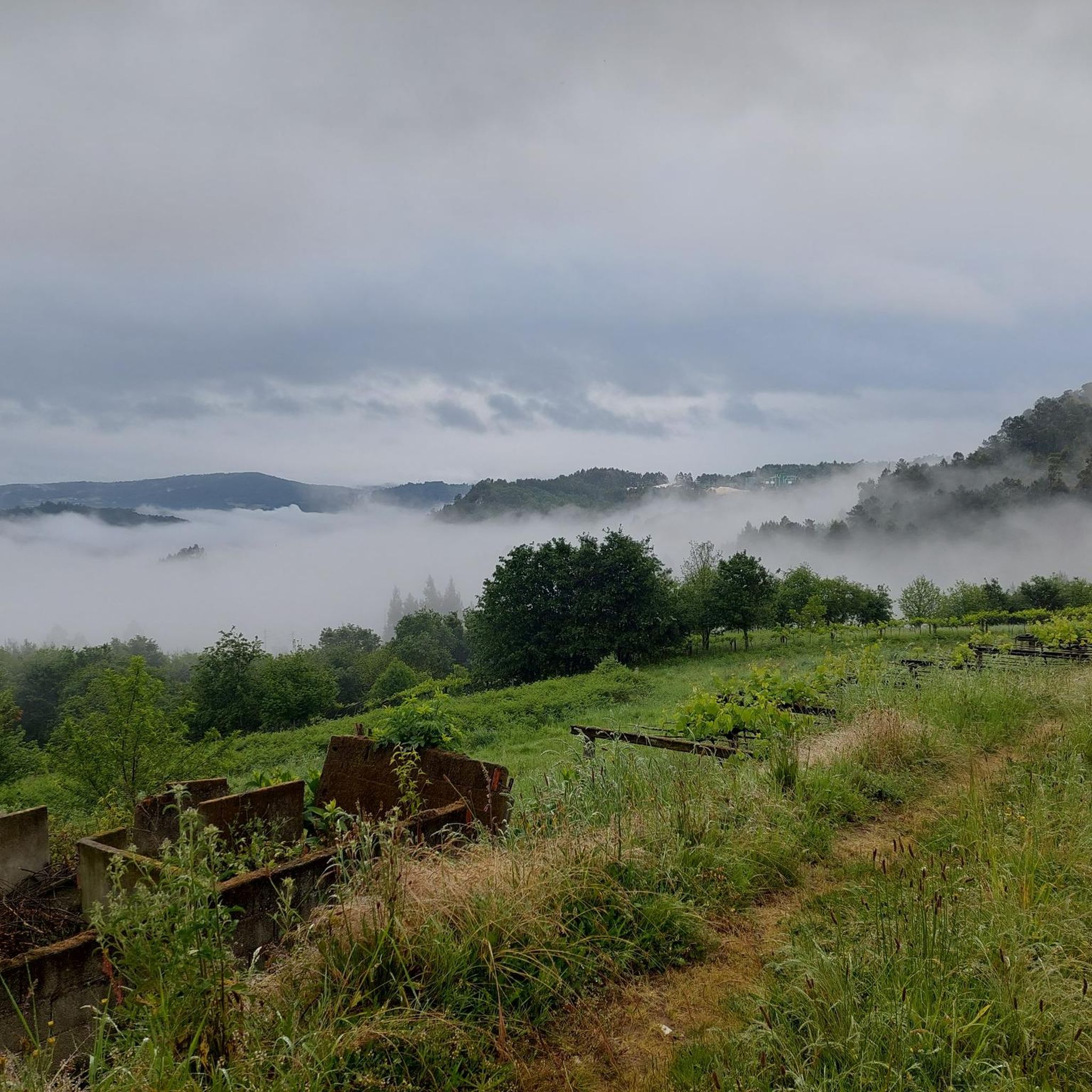
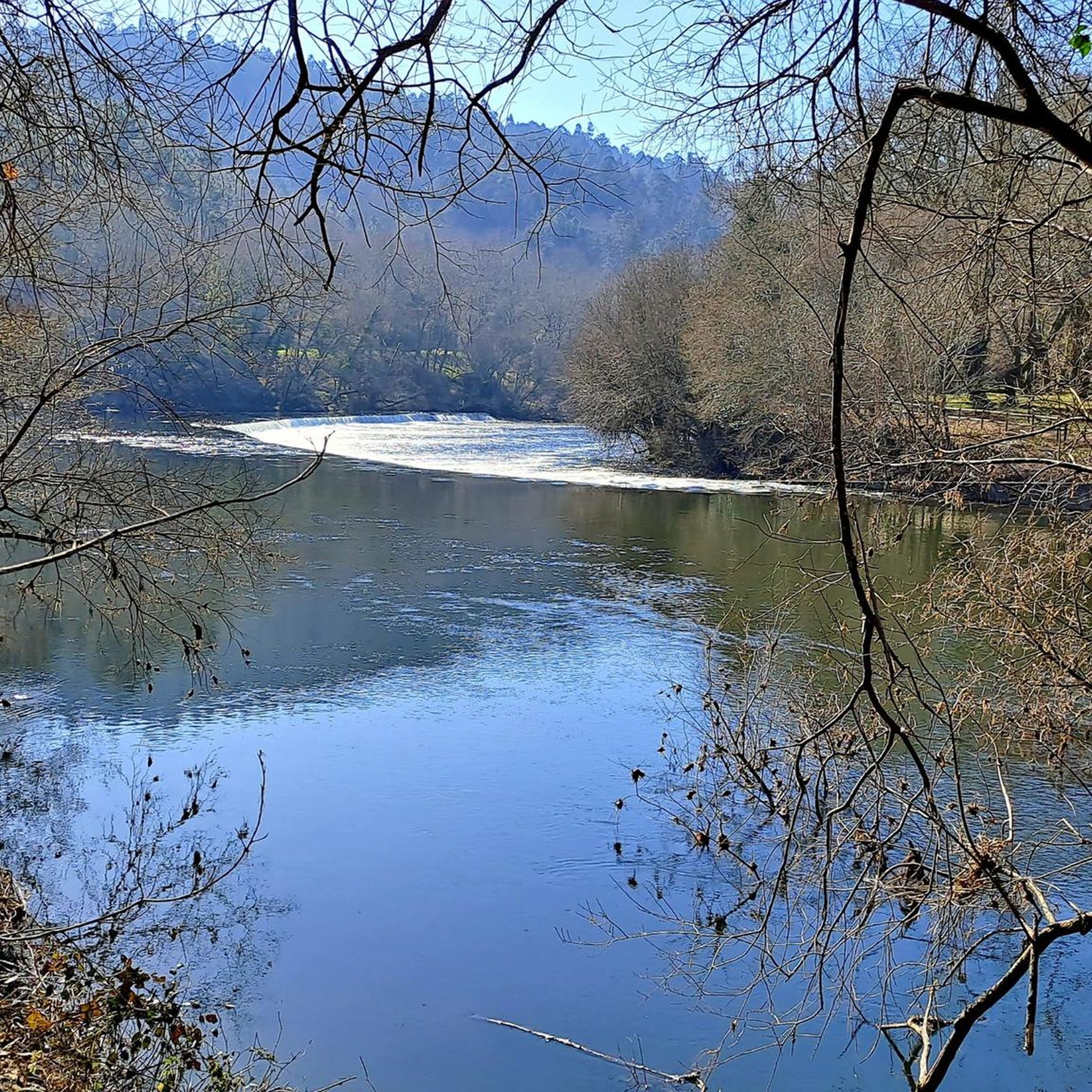
Best natural monuments around A Estrada are found in the heart of Galicia, an area recognized for its diverse landscapes and ecological significance. The region is home to several natural sites, including parts of the European Union's Natura 2000 network, which are important for biodiversity conservation. Visitors can explore river systems, wetlands, and unique geological formations that contribute to the area's natural heritage. These sites offer opportunities for nature appreciation and experiencing the rich natural features of Galicia.
Best natural…
Last updated: August 11, 2026
Fervenza do Toxa Waterfall
Highlight • Waterfall
Translated by Google •
Tip by

Pico Sacro
Highlight • Summit
Translated by Google •
Tip by

Sign up now to discover places like this
Get recommendations on the best single tracks, peaks, & plenty of other exciting outdoor places.
Sign up for free
As Burgas Hot Spring Fountain
Highlight • Natural Monument
Translated by Google •
Tip by

Artistic Botanical Garden of Padrón
Highlight • Natural
Translated by Google •
Tip by
Chapel of Santiaguiño do Monte
Highlight • Religious Site
The site is characterized by the chapel and some rocks. The chapel dates back …
Translated by Google •
Tip by

Sign up for free to discover even more natural monuments around A Estrada.
Sign up for free
Already have an account?
Start today with a free account
Your next adventure awaits.
Login or Signup
Tips from the Community

The Toxa Waterfall is one of the tallest and most emblematic waterfalls in Galicia. It is located in Pazos, within the municipality of Silleda, in the heart of the Deza region. It has a free fall of over 30 meters, considered one of the tallest in Galicia and of great scenic beauty. The water cascades down a granite wall surrounded by native forest, creating a breathtaking visual environment.
3
0

This fountain was built in 1881.
1
0

Historic pilgrimage site on the Way of St. James, which however goes unnoticed by many pilgrims. The site is characterized by the chapel and some rocks. The chapel dates back to the Middle Ages, but nothing is known about its origin. On July 25th it is the destination of an important pilgrimage.
4
0

Rising 600m, Pico Sacro south of Santiago de Compostela has been guiding travelers since the beginning of time. The peak offers spectacular views of the surrounding valleys
1
0
The Padrón Artistic Botanical Garden, dating from 1896, is considered the first botanical garden in Spain. Covering approximately 1 hectare, the garden is home to approximately 300 species
1
0
An isolated mountain peak, giving it a unique point of reference in the surrounding landscape. The top of Pico Sacro is the first place from where you can see the towers of the church of Santiago de Compostela
2
1
Padrón Artistic Botanical Garden, dating from 1896, is considered the first botanical garden in Spain. Covering approximately 1 hectare, the garden is home to approximately 300 species
0
0

This fountain was built in 1881 and the water that comes out of it is at about 50º C. Due to its temperature and composition, it is considered that these waters are mineral-medicinal and therefore very beneficial for respiratory and rheumatic diseases.
3
0
Frequently Asked Questions
What are the most notable natural monuments to visit in the A Estrada region?
The A Estrada region offers several significant natural monuments. Among them, the Fervenza do Toxa Waterfall stands out as the highest in Galicia in free fall, providing a beautiful and magical experience. Another must-see is Pico Sacro, an isolated mountain peak offering spectacular views of the surrounding valleys. You can also explore the As Burgas Hot Spring Fountain, known for its mineral-medicinal waters.
Are there family-friendly natural monuments in A Estrada?
Yes, several natural monuments in A Estrada are suitable for families. The Fervenza do Toxa Waterfall is easily accessible with a simple path after parking. The As Burgas Hot Spring Fountain is also considered family-friendly. Additionally, the Artistic Botanical Garden of Padrón, with its diverse species, offers a pleasant and educational outing for all ages.
What kind of natural features can I expect to see in the A Estrada region?
A Estrada is rich in diverse natural features. You can explore significant river systems like the Ulla River and its tributaries, including the scenic 'Areal of Berres'. The region also features important wetland areas such as Lagoa Sacra and Brañas de Xestoso, which are vital for biodiversity. Additionally, you'll find impressive waterfalls like Fervenza do Toxa, prominent summits like Pico Sacro, and natural hot springs.
Are there historical or cultural sites integrated with the natural monuments?
Yes, some natural monuments in the A Estrada region also hold historical or cultural significance. Pico Sacro, for instance, has guided travelers for centuries and is a historical site. The Artistic Botanical Garden of Padrón, dating from 1896, is considered the first botanical garden in Spain and is a historical landmark. The Chapel of Santiaguiño do Monte is a historic pilgrimage site with medieval origins, set amidst natural rock formations.
What outdoor activities can I do near the natural monuments in A Estrada?
The A Estrada region offers various outdoor activities. You can enjoy hiking on trails like the 'Río Ulla – Xirimbao trail' or the 'San Xoán da Cova Trail'. For cycling enthusiasts, there are routes such as the 'Liñares River – Bicycle Rest Spot loop' or the 'Padrón Bridge – Fuente del Carmen loop'. Running trails are also available, including the 'Pontecesures — circular of the Rio Ulla Rio Sar and Padrón'. Find more details on these activities in the Hiking around A Estrada, Cycling around A Estrada, and Running Trails around A Estrada guides.
Are there specific hiking trails near the natural monuments?
Yes, there are several hiking trails that allow you to explore the natural beauty of the region. You can hike the 'Río Ulla – Xirimbao trail' or the more challenging 'San Xoán da Cova Trail'. Another option is the 'Pico Sacro and Ulla River Loop Trail', which combines a summit experience with river views. For more hiking options and details, refer to the Hiking around A Estrada guide.
What do visitors enjoy most about the natural monuments in A Estrada?
Visitors particularly appreciate the serene beauty and unique characteristics of A Estrada's natural monuments. The Fervenza do Toxa Waterfall is often described as a 'beautiful show of water, light and sound' and a 'magical' experience. Many enjoy taking a break there to 'listen to the waterfall'. The spectacular views from Pico Sacro are also highly praised.
Can I find wetlands or bogs in the A Estrada area?
Yes, A Estrada is home to significant wetland areas. The Lagoa Sacra is an important ecological site contributing to the region's biodiversity. Additionally, the Brañas de Xestoso are vital wetland areas, offering unique ecosystems with specialized flora and fauna for observation and study.
Are there any natural hot springs in the region?
Yes, the A Estrada region features natural hot springs. The As Burgas Hot Spring Fountain, built in 1881, is a notable natural monument where water emerges at approximately 50º C. These mineral-medicinal waters are considered beneficial for respiratory and rheumatic conditions.
What is the best time to visit the natural monuments in A Estrada?
While specific seasonal recommendations for all sites are not provided, the region's lush greenery and riverine landscapes suggest that spring and autumn would be ideal for comfortable exploration, enjoying the mild weather and vibrant nature. Summer offers opportunities for enjoying fluvial beaches, while winter might provide a different, more tranquil perspective, especially at sites like the Fervenza do Toxa Waterfall.
Are there any natural monuments that offer panoramic views?
Absolutely. Pico Sacro, rising 600m, is a prominent summit and viewpoint that offers spectacular panoramic views of the surrounding valleys. It's also historically significant as the first place from where you can see the towers of the church of Santiago de Compostela.
Are there any natural monuments that are part of a conservation network?
Yes, several natural sites in A Estrada are part of the European Union's Natura 2000 network. This ecological network is dedicated to the conservation of biodiversity, highlighting the importance of areas like the Fluvial System of the Ulla River and its tributaries, Lagoa Sacra, and Brañas de Xestoso for their ecological value.
Most popular routes around A Estrada
Most popular attractions around A Estrada

Get inspired with the komoot mobile app


Explore more
Extend your search for the best caves by checking out these guides of the top ones around A Estrada:
