Top 8 Natural Monuments around Rota
Natural monuments around Rota, Spain, offer diverse natural beauty, from historic gardens to impressive trees. The region features a blend of coastal promenades and lush parklands, providing opportunities for exploration and relaxation. Visitors can discover significant natural landmarks that showcase the area's unique flora and landscape. These sites contribute to the natural tapestry of the Rota and Cádiz area.
Best natural monuments around Rota
- The most popular natural monuments is Paseo de Carlos III Gardens, a natural monument that runs parallel to the promenade next to the Bay. This landscaped complex is located almost directly at the sea.
- Another must-see spot is Ficus del Mora, a natural monument. This hundred-year-old ficus tree is very old and impressive, providing a beautiful place to end the day with benches in a nice park.
- Visitors also love Ficus Trees in Cádiz, a natural monument. These centuries-old trees have witnessed the transformation of the city, and their longevity and majesty make them natural treasures.
- Rota is known for its natural monuments, including historic gardens, impressive ficus trees, and scenic promenades. The area offers a variety of natural monuments to see and explore, often integrated within urban landscapes.
- The natural monuments around Rota are appreciated by the komoot community, with more than 220 upvotes and 89 photos shared by visitors.
Last updated: July 1, 2026
Alameda de Apodaca Promenade
Highlight • Viewpoint
Translated by Google •
Tip by

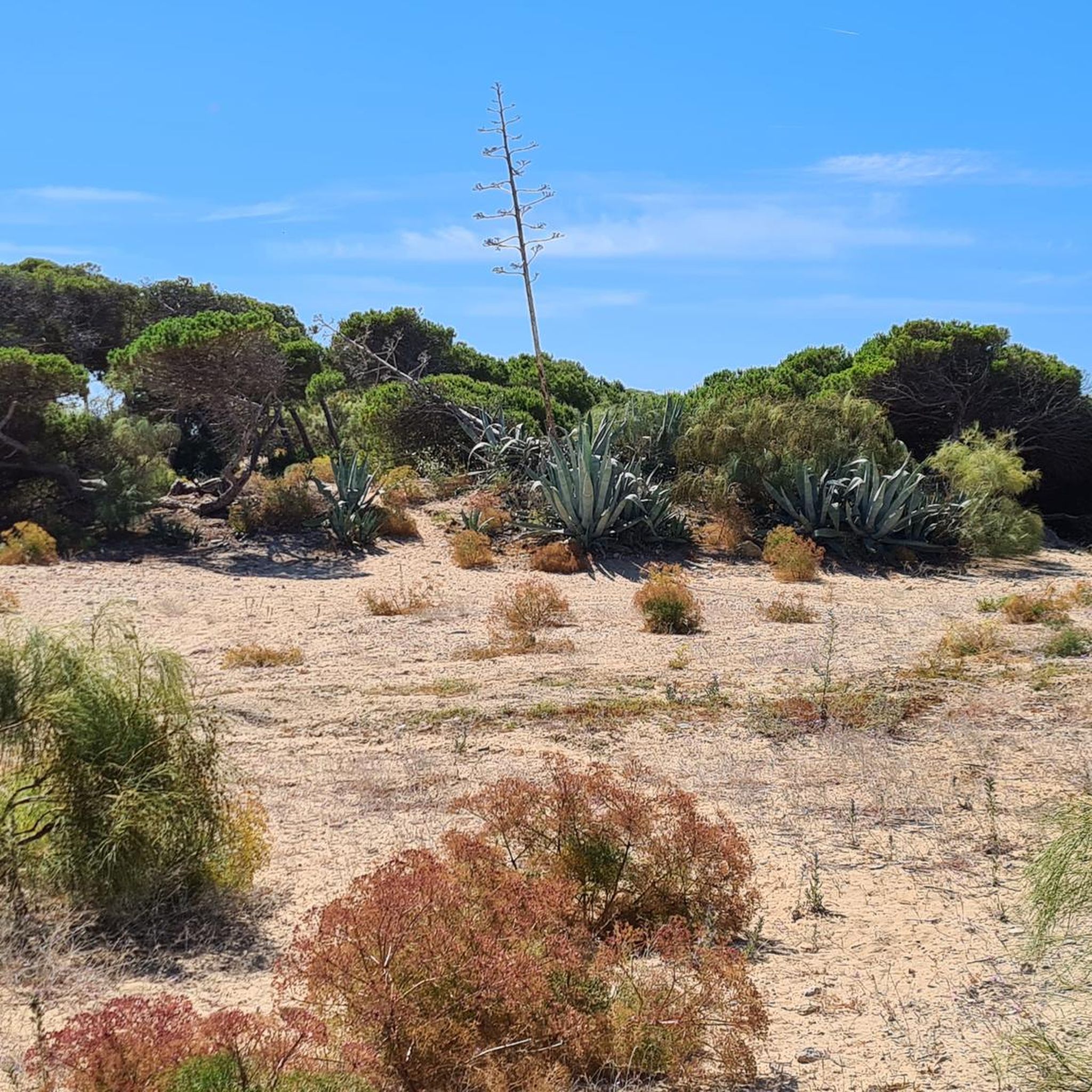
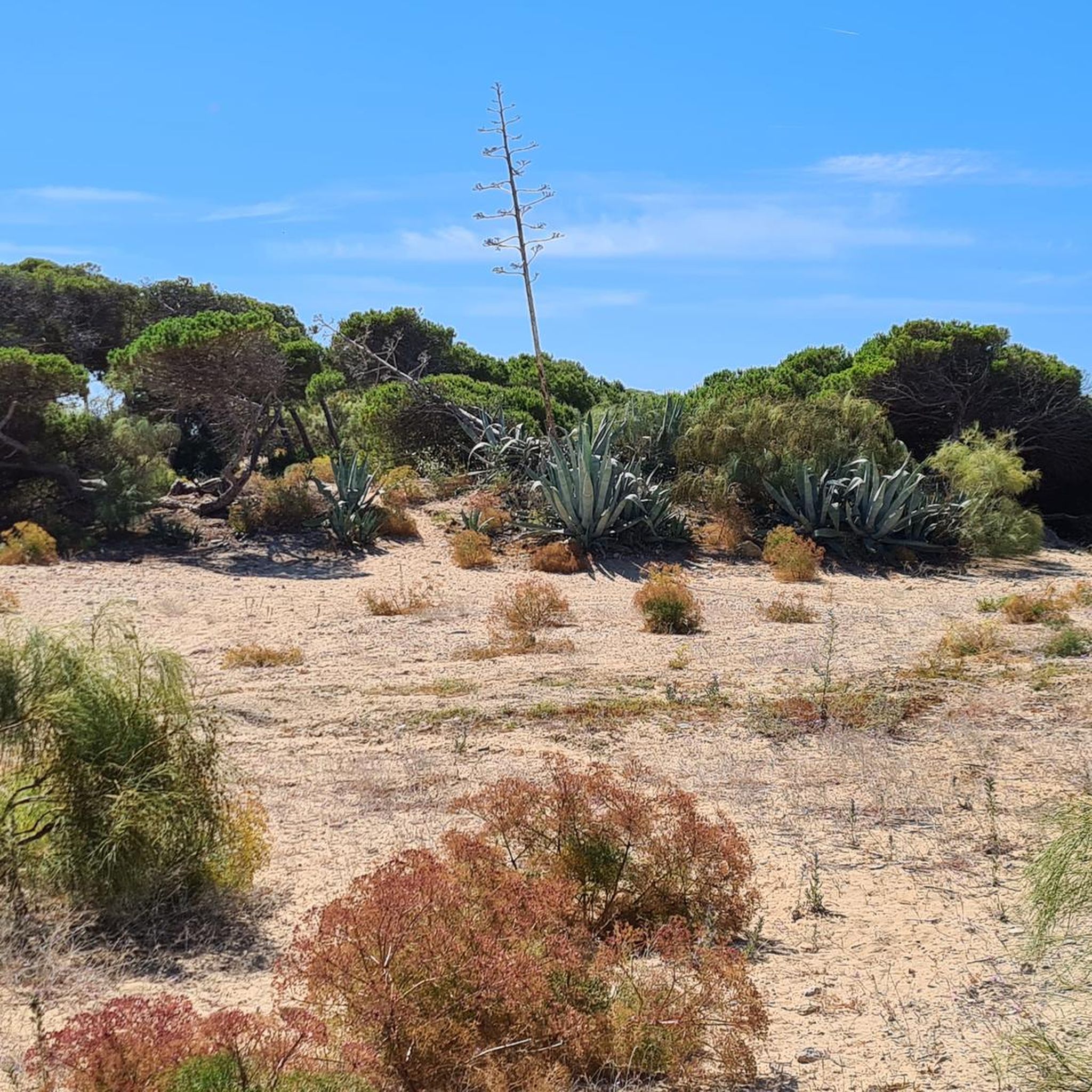
Genovés Park
Highlight • Natural
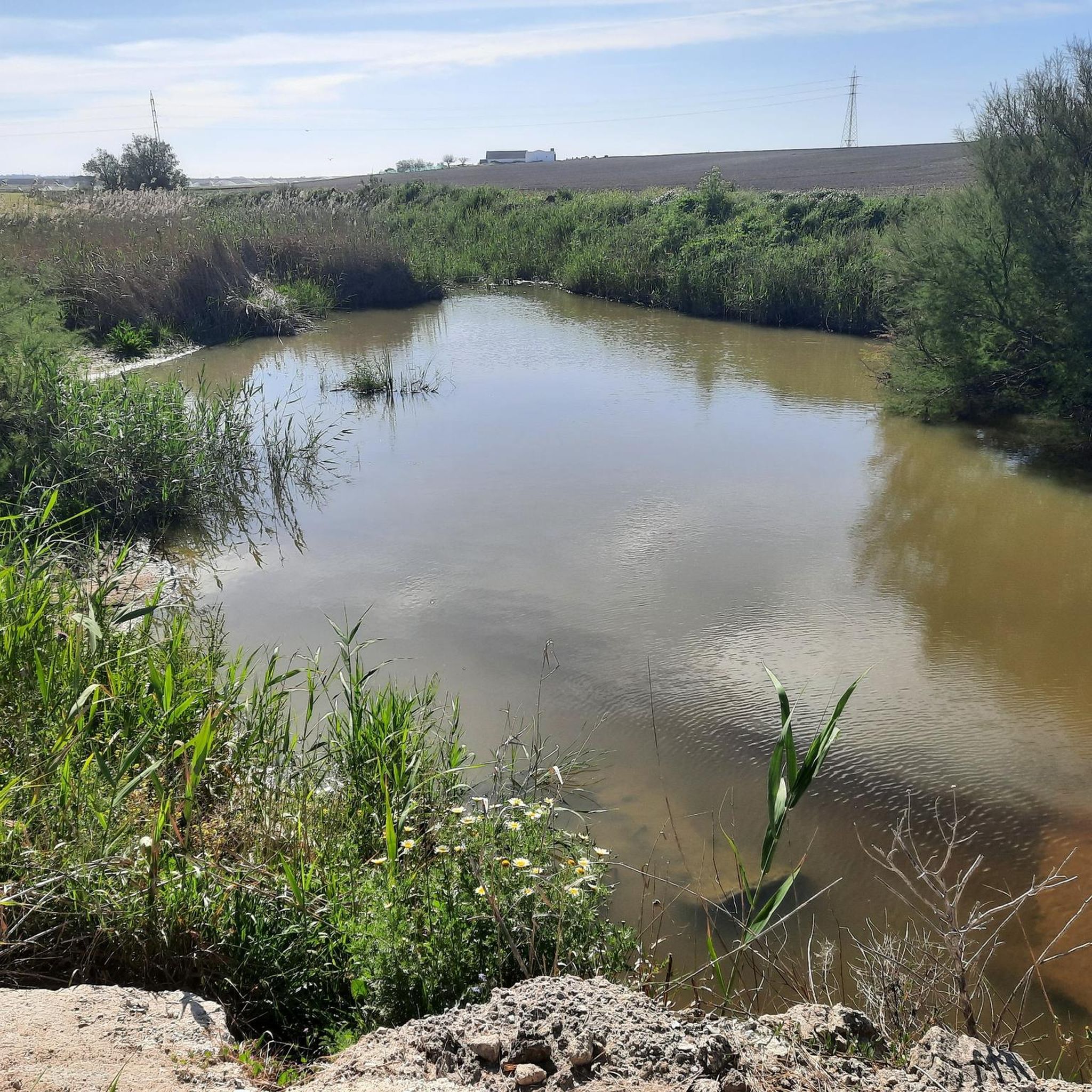
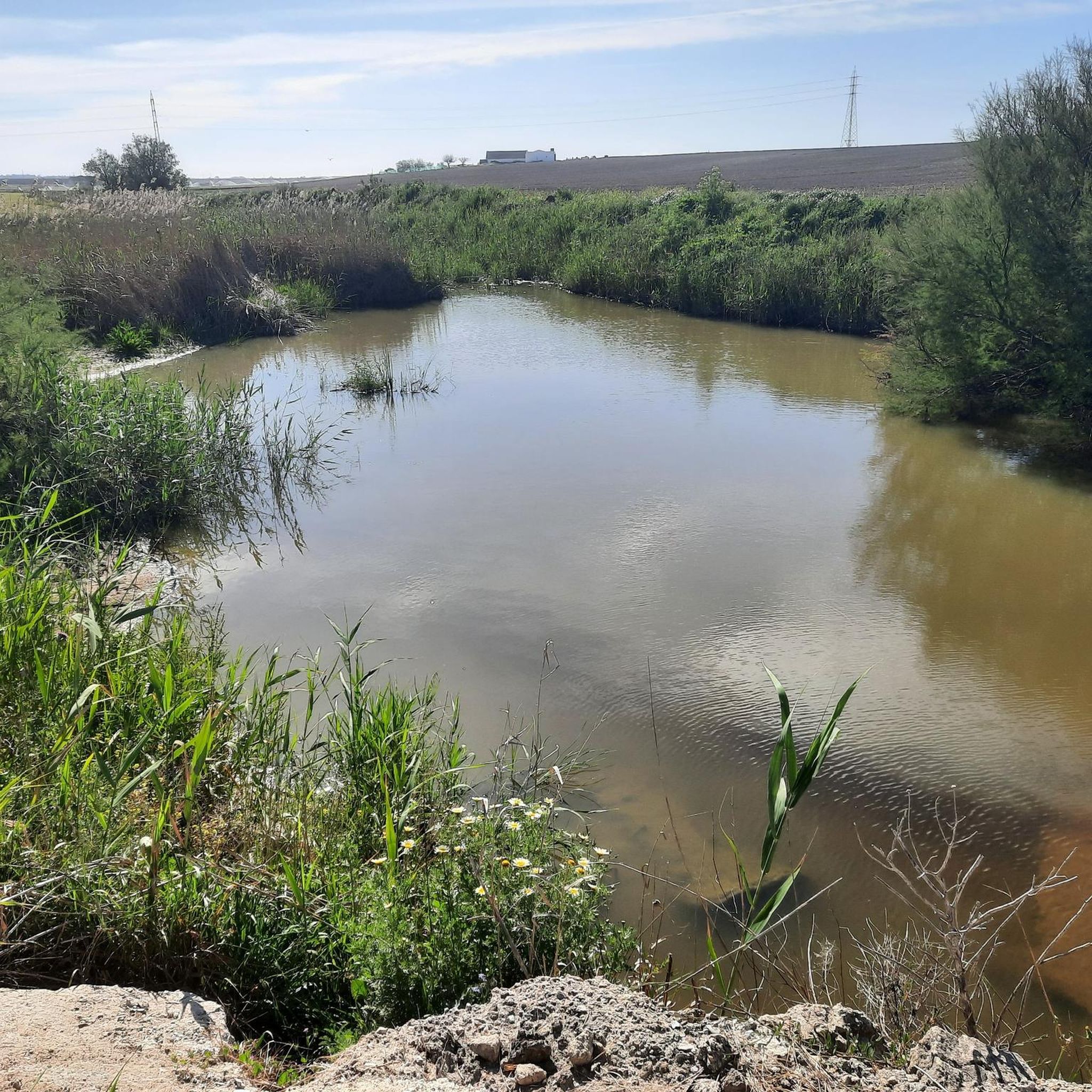
One of the most important places in the park is La Gruta, a lake with a waterfall where different species of birds coexist.
Translated by Google •
Tip by
Sign up now to discover places like this
Get recommendations on the best single tracks, peaks, & plenty of other exciting outdoor places.
Sign up for free
Ficus del Mora
Highlight • Natural Monument
Translated by Google •
Tip by
Paseo de Carlos III Gardens
Highlight • Natural Monument
Translated by Google •
Tip by
Plaza de las Tortugas — Gardens and Fountain
Highlight • Natural Monument
Translated by Google •
Tip by
Sign up for free to discover even more natural monuments around Rota.
Sign up for free
Already have an account?
Start today with a free account
Your next adventure awaits.
Login or Signup

Tips from the Community

Market hall
0
0

Wonderful old Ficus.. with very wide-reaching branches and roots.
1
0
Beautiful green strip with particularly beautiful plants. Very interesting how some bushes and trees have been cut.
1
0

A wonderful sight of this tax office.
0
0

Beautiful park right by the sea
5
0
Very nice Lots of huge old trees
5
0
Very nice big rubber tree Very easy and quick to reach from the port
4
0
Beautiful garden with exceptional trees
4
0
Frequently Asked Questions
What kind of natural features can I expect to see around Rota?
Rota, often called "Nature's Treasure Island," offers a diverse range of natural features. You'll find pristine beaches with crystal-clear waters, lush rainforests with endemic plant species, and dramatic volcanic peaks. The surrounding waters are rich in marine life, vibrant coral reefs, and even underwater caves. The area also boasts scenic trails and parks, providing a harmonious blend of natural elements.
Are there family-friendly natural monuments to visit in Rota?
Yes, several natural monuments around Rota are great for families. For instance, Genovés Park is a botanical garden with interesting species and small monuments, including the famous Umbrella Children fountain. The Paseo de Carlos III Gardens and Alameda de Apodaca Promenade are also considered family-friendly, offering pleasant walks by the sea.
What are some unique natural monuments in Rota?
Rota is home to several unique natural monuments. The Ficus del Mora is a very old and impressive hundred-year-old ficus tree, offering a beautiful place to relax. Similarly, the Ficus Trees in Cádiz are centuries-old natural treasures that have witnessed the city's transformation, known for their longevity and majesty.
What outdoor activities can I do near Rota's natural monuments?
The area around Rota's natural monuments is excellent for various outdoor activities. You can enjoy running on trails like the "Faro de Rota – Castillo de Luna loop" or "Walk Among Palms – Río de Albero Park Pathway loop." For cycling enthusiasts, there are road cycling routes such as "Parque Ballena – Playa de Sanlúcar de Barrameda loop," and gravel biking options like the "Pine Forest Trail – Castellana Gate loop." You can find more details on these activities in the Running Trails around Rota, Road Cycling Routes around Rota, and Gravel biking around Rota guides.
Are there good places for birdwatching or spotting wildlife?
Yes, Rota is a great spot for wildlife observation. While not explicitly listed as a natural monument in the guide, the l'Chenchon Park (Bird Sanctuary) is a significant birdwatcher's paradise, home to diverse avian populations, including the endangered Rota White-eye. The island's lush rainforests also host indigenous animals like the Marianas Fruit Bat, Marianas Crow, Marianas Fruit Dove, and Coconut Crab.
What do visitors enjoy most about the natural monuments around Rota?
Visitors frequently appreciate the serene and unspoiled nature of Rota's natural monuments. They enjoy the tranquility and the deep connection to the environment. Specific highlights like the Ficus del Mora are praised as a "beautiful place to end the day" with "lots of benches and nice park." The Alameda de Apodaca Promenade is seen as "a little oasis to relax."
Can I find natural monuments with sea views or coastal access?
Absolutely. The Paseo de Carlos III Gardens run parallel to the promenade next to the Bay, offering beautiful sea views and being located almost directly at the sea. The Alameda de Apodaca Promenade is also situated on the wall near the bay, providing coastal access and scenic walks.
What is the best time of year to visit Rota's natural monuments?
Rota's tropical climate makes it enjoyable year-round. However, for outdoor activities like hiking and exploring, the cooler, drier months typically offer the most comfortable conditions. The island also boasts minimal light pollution, making clear nights ideal for stargazing.
Are there any natural monuments that are good for a leisurely stroll?
Yes, several natural monuments are perfect for leisurely strolls. The Paseo de Carlos III Gardens and Alameda de Apodaca Promenade offer pleasant, flat paths along the coast. Genovés Park also provides a tranquil setting for a relaxing walk amidst diverse plant species.
What kind of flora and fauna can be observed in Rota's natural areas?
Rota's natural areas are rich in biodiversity. The island's tropical climate supports lush rainforests with a variety of endemic plant species. You can also find indigenous animals such as the Marianas Fruit Bat (Fanihi), Marianas Crow (Aga), Marianas Fruit Dove (Totot), and Coconut Crab (Ayuyu). The marine environment is equally vibrant, with colorful fish, unique coral reefs, and sea turtles.
Are there any natural monuments that offer panoramic views?
While specific viewpoints are not detailed for all natural monuments, Rota's topography features dramatic volcanic peaks and rolling hills. Hiking trails often lead to panoramic vistas that reveal the island's splendor, offering expansive views of the diverse terrain and coastline.
Most popular attractions around Rota

Get inspired with the komoot mobile app


Explore more
Extend your search for the best caves by checking out these guides of the top ones around Rota:
