Top 20 Natural Monuments around Santanyí
Natural monuments around Santanyí, located on Mallorca's southeastern coast, offer a diverse range of natural features. The region is characterized by its coastal cliffs, pristine coves, and protected natural parks. These areas provide opportunities to observe unique geological formations and varied ecosystems. The landscape combines Mediterranean forests with coastal environments, making it a notable destination for outdoor exploration.
Best natural monuments around Santanyí
- The most popular natural monuments is Es Pontàs Natural Arch, a natural monument that is a…
Last updated: July 1, 2026
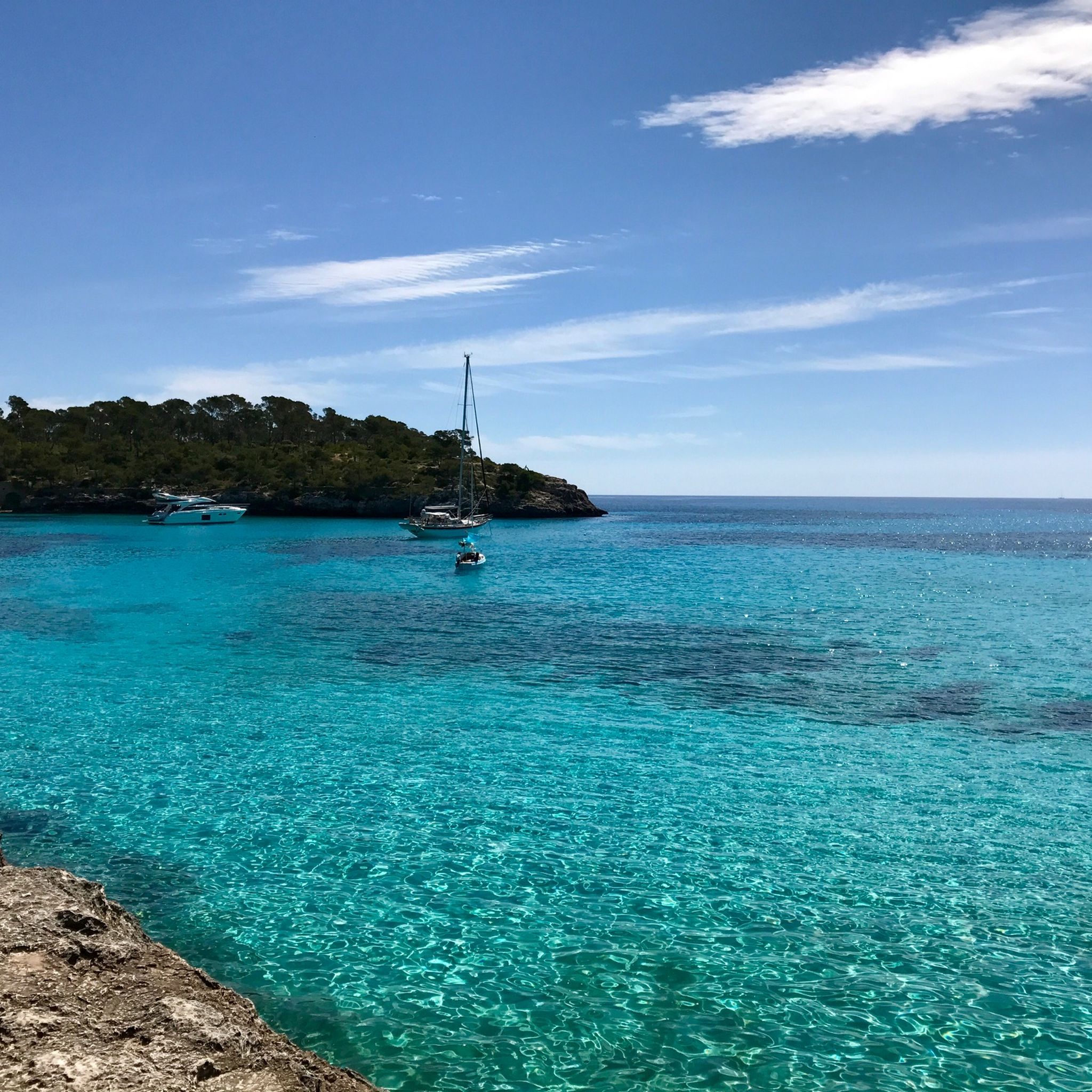
Cala Mondragó Beach
Highlight • Beach
Songbirds, including the rare stonechat, are …
Translated by Google •
Tip by

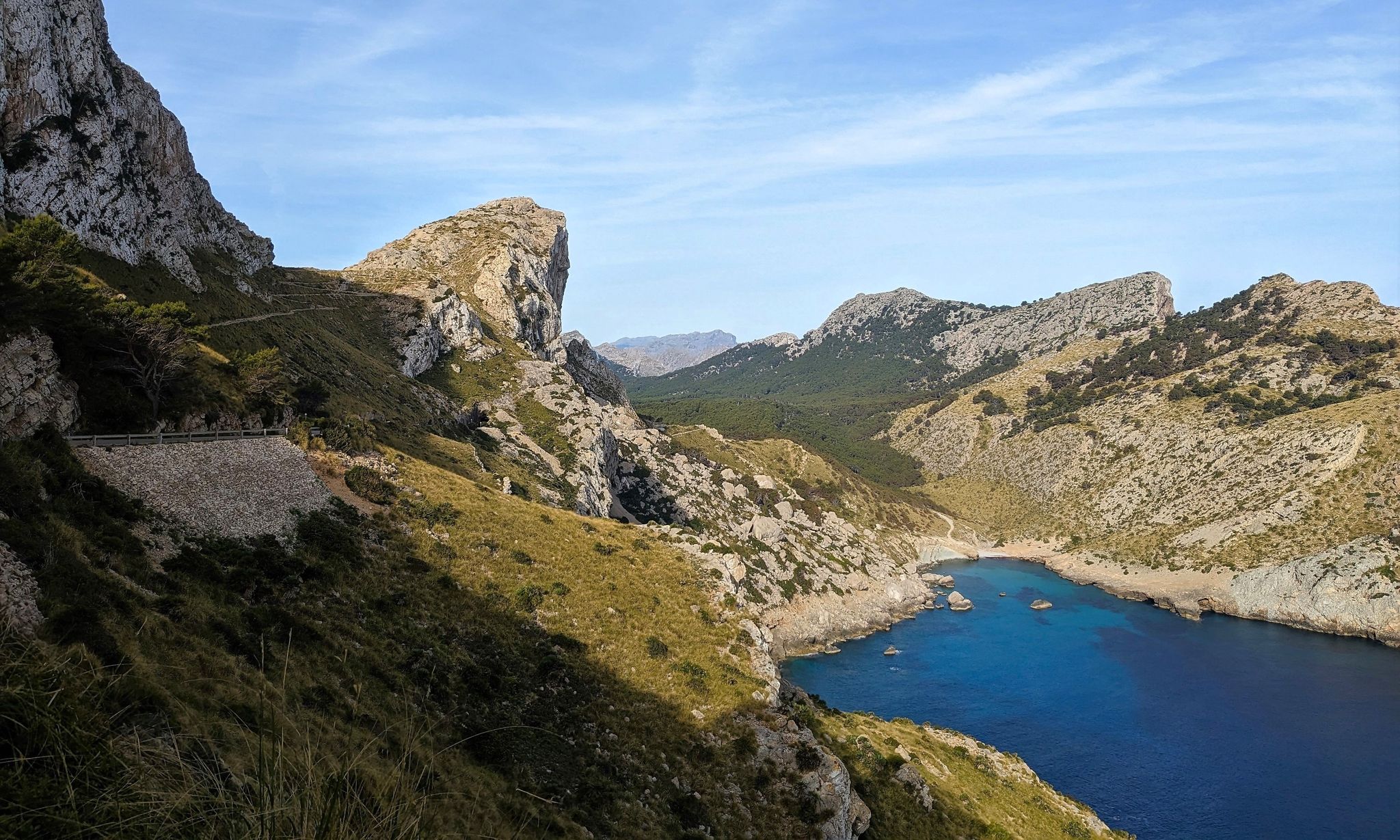
Christ the King Statue – Sant Salvador
Highlight • Monument
The spacious car park offers plenty of parking.
Translated by Google •
Tip by
Sign up now to discover places like this
Get recommendations on the best single tracks, peaks, & plenty of other exciting outdoor places.
Sign up for free
S'Amarador Beach
Highlight • Beach
Translated by Google •
Tip by

Es Pontàs Natural Arch
Highlight • Natural Monument
Translated by Google •
Tip by

View of Cala Mondragó
Highlight • Viewpoint
Translated by Google •
Tip by

Sign up for free to discover even more natural monuments around Santanyí.
Sign up for free
Already have an account?
Start today with a free account
Your next adventure awaits.
Login or Signup
Other adventures around Santanyí

Tips from the Community

This beautiful natural beach is located in the Mondrago Bay, a bay of the same name, in the Mondrago Nature Park. It is four years prettier than the local beach coves in Cala d'Or.
1
0

"For many, it is not only the most beautiful beach in Spain, but in all of Europe. Located in the middle of a national park, s'Amarador is a fine sandy bay in the southeast of Mallorca and a small paradise for bathers, holidaymakers, and locals. As one of two beaches in Cala Mondragó, it is sheltered in the southern part of the bay. Bathers experience a special feeling due to the lack of development. Barely surrounded by hotels, it offers a small oasis of peace and relaxation. Instead, the bay is framed by rocky cliffs and pine groves. The beach slopes gently into the water and is a natural beauty. Turquoise water that sparkles in the sun and many lush green Mallorcan plants surround it. The beach is just 150 meters long and 50 meters wide. Along the cliffs, you reach the neighboring beach in the bay of Mondragó. It is called Cala de ses Fonts de n'Alís and is separated from the bay only by a rock. s'Amarador is separated. The stunning location in the Mondragó Natural Park and its child-friendly conditions make s'Amarador particularly attractive for families. https://www.holamallorca.com/de/mallorca/reisefuehrer/straende/strand-s-amarador.htm
2
0
The declaration of the bay and its surrounding area as a nature reserve in 1992 contributed significantly to the positive development of the area, as the new status protected it from development and mass tourism.
2
0

Hiking or trail shoes are recommended.
2
0

From the beach to the view of the rock arch you first have to climb 130 steps. Then you walk a few meters along the road to get to a footpath that takes you directly to the photo spot.
1
0

Es Santos "The Gate to the Sea" is located on the coastline of Santanyi between Cala Santanyi and Cala Llombards. The bridge (Es Pontas) is made of natural stone and has been washed away by weather, sea and waves over the centuries. The sea around the stone gate is an Eldorado for divers and snorkelers. It can also be integrated into a boat trip.
1
0

Here, with a bit of luck, you may see the Greek tortoise 🐢. It is a species that was introduced to the Balearic Islands many centuries ago when man arrived in the archipelago. It has acclimatised perfectly and is now part of the native fauna. It lives among bushes where it finds shelter from the high summer temperatures and the cold in winter. Adult tortoises can grow up to 20 cm long and females are usually larger than males. A population of tortoises that inhabits the natural park has been monitored for many years and specimens from wildlife rescue centres or bred in captivity are often released into the wild here.
3
1

Very beautiful area, now heavily fenced off with ropes, but still very enjoyable
5
1
Frequently Asked Questions
What are some unique natural features and viewpoints to explore around Santanyí?
Santanyí offers several unique natural features. You can visit Es Pontàs Natural Arch, a dramatic rock arch rising from the sea, particularly stunning at sunrise or sunset. Another impressive spot is Cala Marmols, a secluded cove with fine white sand and turquoise waters, protected by 20-meter high marble cliffs. For panoramic views, the coastal path leading to the Mirador Es Pontas offers spectacular sea vistas.
Are there family-friendly natural monuments or activities in the Santanyí area?
Yes, the Parc Natural de Mondragó is an excellent choice for families. It features pristine coves like Cala Mondragó Beach and S'Amarador Beach, both known for their white sand and clear waters, perfect for swimming. The park also has four main nature trails that are suitable for exploring with children, offering opportunities for easy walks and wildlife observation.
When is the best time to visit the natural monuments around Santanyí for outdoor activities?
The best time to visit the natural monuments for hiking and other outdoor activities is typically during the spring (April-May) and autumn (September-October). During these months, the weather is pleasantly mild, making it ideal for exploring trails and enjoying the natural beauty without the intense heat of summer or the cooler, potentially wetter conditions of winter. This also helps avoid the peak tourist crowds.
What kind of wildlife can be observed in the natural areas of Santanyí?
The Parc Natural de Mondragó is a designated Special Protection Area for Birds (SPA), making it a prime location for birdwatching, including species like the rare stonechat. The park's diverse ecosystems, including forests and wetlands, also support various mammals such as Algerian hedgehogs, pine martens, hares, and genets. The coastal areas offer opportunities to see marine life while snorkeling in the clear waters.
How can I access the Parc Natural de Mondragó, and are there any specific regulations?
The Parc Natural de Mondragó is accessible by car, with parking available. From the parking areas, you can access the various trails and beaches within the park. As a protected natural park, it's important to respect the environment by staying on marked trails, not disturbing wildlife, and taking all rubbish with you. While there are no specific permit requirements for general access, visitors should be aware that some areas, like Caló des Moro, are on private property managed by a foundation dedicated to preservation, so respectful behavior is paramount.
Are there hiking trails near the natural monuments around Santanyí?
Yes, there are numerous hiking opportunities. For example, within the Parc Natural de Mondragó, you can find trails connecting its beautiful coves. You can also explore the Mondragó Natural Park Loop, a moderate 7 km hike. Another option is the Cliffs at Cala Figuera – Es Pontàs Natural Arch loop, which is about 8.8 km and offers stunning coastal views.
What other outdoor activities can I do near these natural monuments?
Beyond hiking, the region offers various outdoor activities. The clear waters of coves like Cala Marmols, Cala Mondragó Beach, and Caló des Moro are perfect for swimming, snorkeling, and diving. For those interested in cycling, there are MTB trails such as the Santanyí and Mondragó Park Loop. Running enthusiasts can also find suitable routes, including the Itineraries of the Mondrago Natural Park.
What makes Caló des Moro a popular natural monument?
Caló des Moro is highly sought after for its breathtaking natural beauty. It's a small, incredibly picturesque beach nestled deep within a bay, featuring fine-grained, bright sand and strikingly turquoise, crystal-clear waters. The surrounding sheer cliffs and pine trees add to its wild and unspoiled character, making it an excellent spot for swimming and snorkeling in its shallow, calm waters.
Are there any challenging activities for experienced adventurers among the natural monuments?
Yes, Es Pontàs Natural Arch is renowned as a deep-water soloing (DWS) climbing area. It's famous for its challenging routes, including one established by Chris Sharma, considered one of the most difficult DWS routes in the world. This makes it a significant draw for experienced climbers seeking a unique adventure.
What do visitors enjoy most about the natural monuments around Santanyí?
Visitors frequently praise the pristine beauty and tranquility of the natural monuments. Many appreciate the clear, turquoise waters perfect for swimming and snorkeling, especially in bays like S'Amarador Beach. The opportunity for scenic walks through diverse landscapes, from coastal paths to pine forests, and the stunning viewpoints, such as those overlooking Es Pontàs, are also highly valued.
Are there any hidden or less-known natural monuments worth discovering?
Cala Marmols, also known as Caló des Marmols, is a more secluded and idyllic cove. Its difficult accessibility, often requiring a 5.5 km hike from Cap de ses Salines or arrival by boat, has helped preserve it as a tranquil and unspoiled spot. It's ideal for those seeking peace away from crowds, offering a natural pool-like experience and unique views, including the island of Cabrera on clear days.
What should I bring when visiting the natural monuments, especially for hiking or beach days?
When visiting, especially for hiking or beach days, it's advisable to bring plenty of water, sun protection (sunscreen, hat, sunglasses), and comfortable footwear suitable for walking on varied terrain. For beach visits, towels and swimwear are essential. If you plan to visit Caló des Moro, be aware that it has no facilities, so bring your own snacks and drinks. Always remember to take all your rubbish with you to help preserve these natural areas.
Most popular routes around Santanyí
Most popular attractions around Santanyí

Get inspired with the komoot mobile app


Explore more
Extend your search for the best caves by checking out these guides of the top ones around Santanyí:
