Top 11 Natural Monuments around Polaciones
Best natural monuments around Polaciones are found in a region characterized by high mountains, deep valleys, and extensive forests. This area, located in southwestern Cantabria, is part of the Saja National Reserve, highlighting its significant ecological value. The landscape features elevations exceeding 2,000 meters, offering diverse natural attractions. Visitors can explore a variety of natural formations, from unique hydrological divides to impressive viewpoints.
Best natural monuments around Polaciones
- The most popular natural monuments is Piedrasluengas Viewpoint, a viewpoint located…
Last updated: July 1, 2026
Piedrasluengas Viewpoint
Highlight • Viewpoint
Translated by Google •
Tip by

Peña Labra
Highlight • Summit
Translated by Google •
Tip by

Sign up now to discover places like this
Get recommendations on the best single tracks, peaks, & plenty of other exciting outdoor places.
Sign up for free
Pisuerga River Source (Cueva del Cobre)
Highlight • Cave
Translated by Google •
Tip by

Tres Mares Peak
Highlight • Summit
Translated by Google •
Tip by
Pico Valdecebollas (2,139 m)
Highlight • Summit
The views from here are spectacular!
Translated by Google •
Tip by

Sign up for free to discover even more natural monuments around Polaciones.
Sign up for free
Already have an account?
Start today with a free account
Your next adventure awaits.
Login or Signup
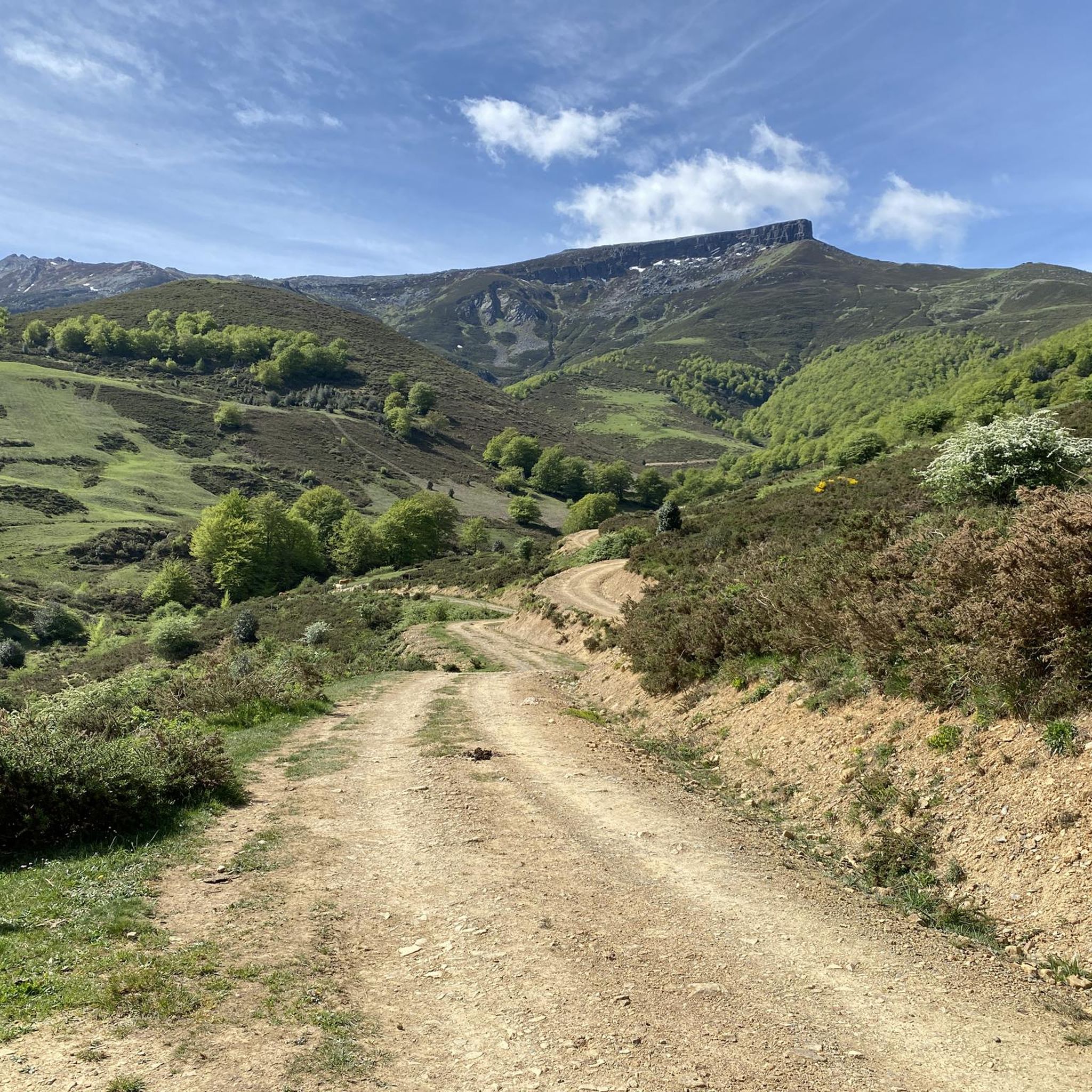
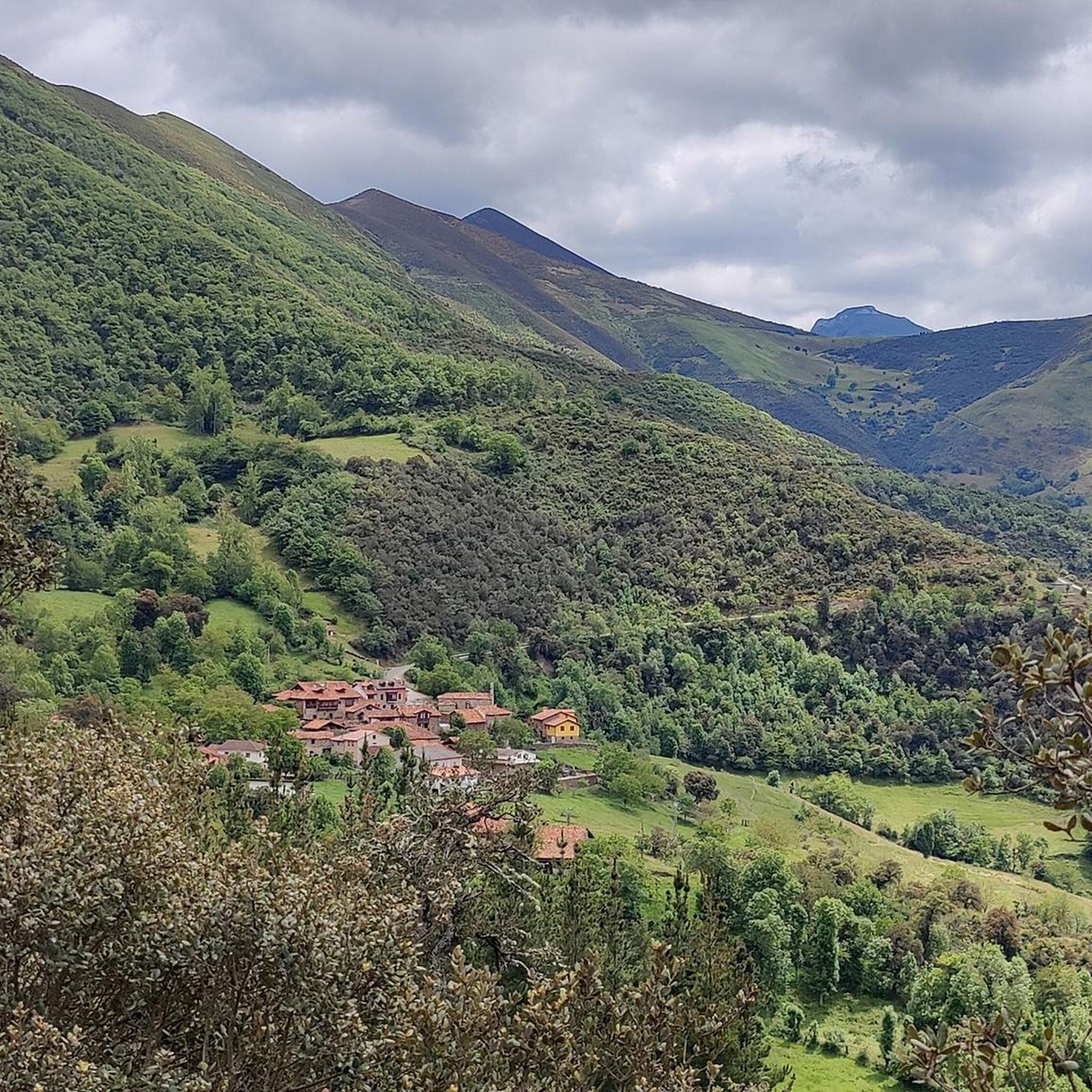
Other adventures around Polaciones

Tips from the Community

Spectacular views of the eastern massif of Picos de Europa
0
0

The Pisuerga River rises in the province of Palencia, in the region of Castile and León, Spain. Its source is in the Covarrés glacial basin, between the Valdecebollas peak and the Sierra de Híjar, in a place known as Sel de la Fuente.
3
0

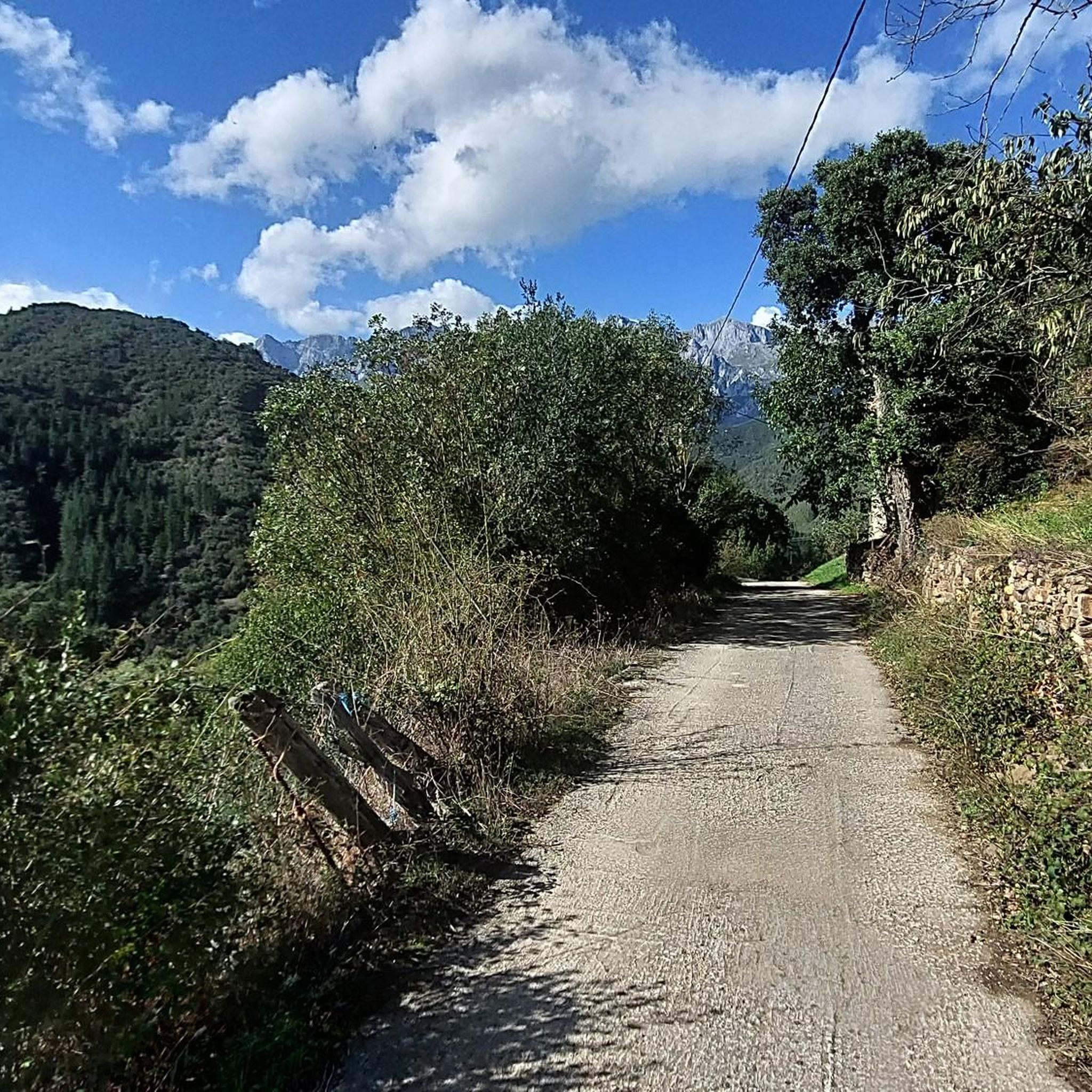
Beautiful road from Puetenansa up to there for road bikes, less traffic
1
0

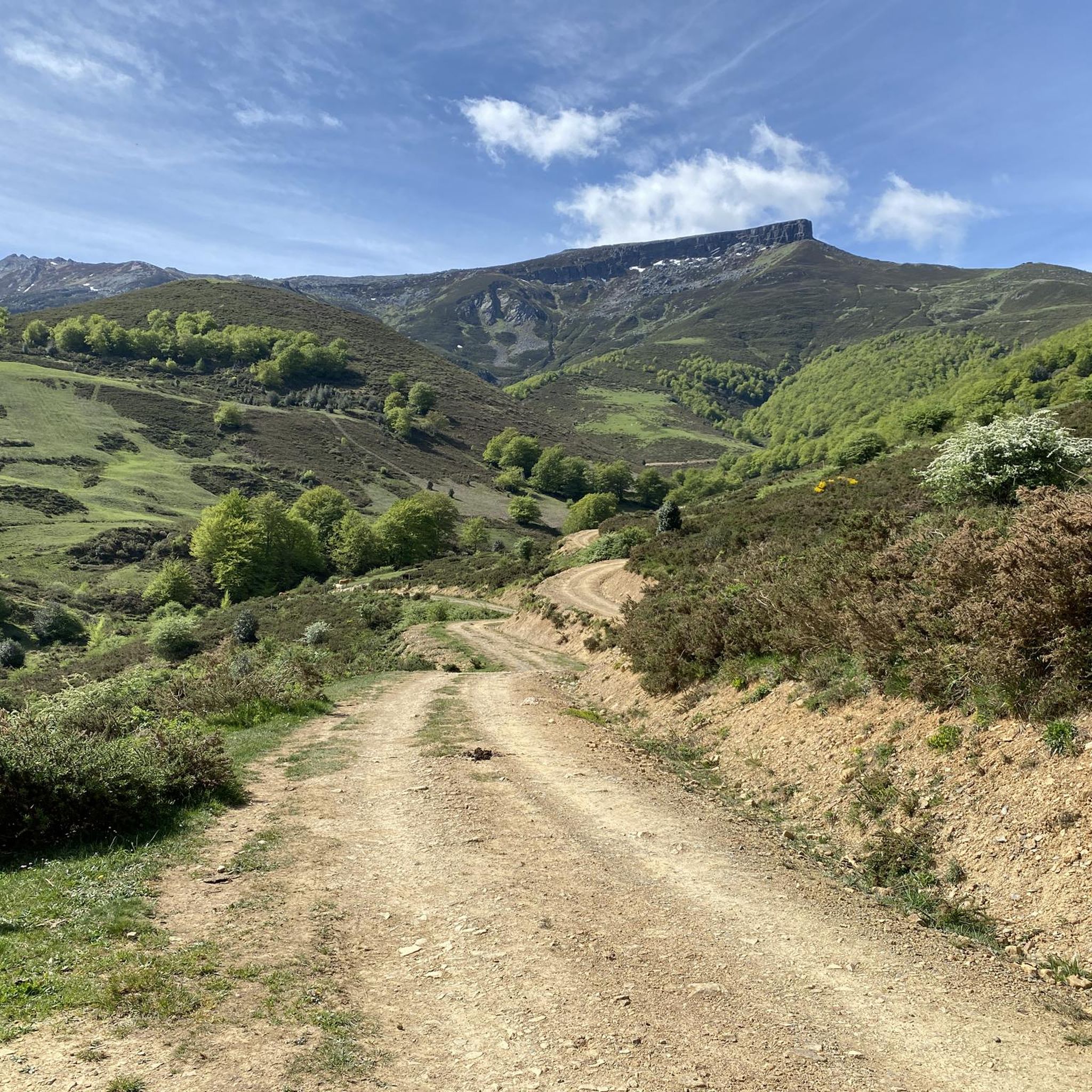
Summit of the Natural Park of the Palencia Mountain. At the top we find the Torreón, a small stone tower with a vertex and a cross at its highest point. The views from here are spectacular!
2
0
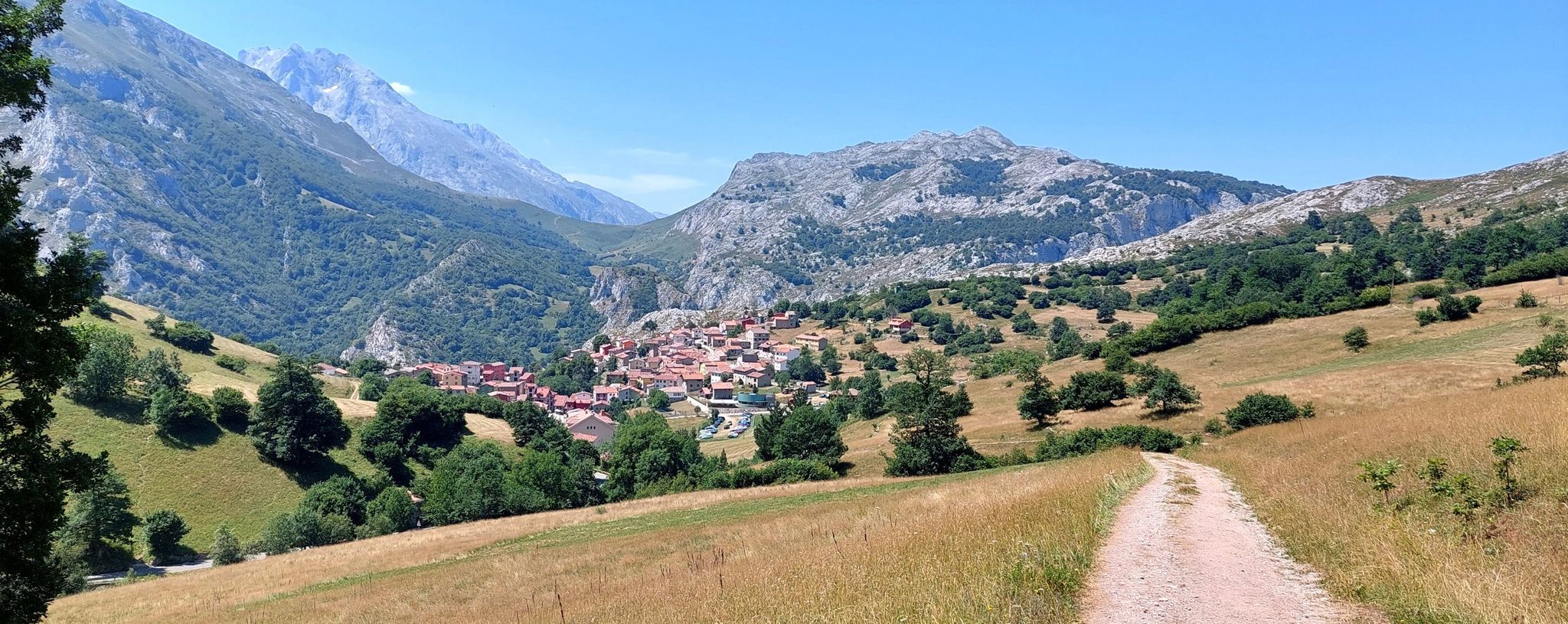
Viewpoint located in the homonymous hill at more than 1300 meters. From there you can see the Picos de Europa, Peña Labra, the Tres Mares peak, the Cuchillón peak and much more.
2
0
The Pisuerga River is born in the Cueva del Cobre, a rocky cavity 8.5km long through which you can walk inside without any problem.
2
0

The Piedrasluengas viewpoint is a perfect place to reach by bike. Located in the heart of the Cantabrian Mountains, in the Fuentes Carrionas and Fuente Cobre-Montaña de Palencia Natural Park, it rises to over 1,300 meters above sea level. The views will leave you speechless. You'll see the Picos de Europa, Peña Labra, Tres Mares, Cuchillón, the Liébana Valley, and the Valdeprado Valley.
2
0

At 2029 meters above sea level, the top of Peña Labra is located in a privileged place. It represents the border between the Community of Cantabria and Castilla y León, so to the north you will have impressive views of the Cantabrian interior and the mountains of the Picos de Europa National Park, while to the south you will be able to appreciate another wonderful landscape such as the of the Montaña Palencia Natural Park. Crowning its peak is for the most daring, very technical sectors and not suitable for those who suffer from vertigo, but it has a great reward.
1
0
Frequently Asked Questions
What unique natural features can I explore in the Polaciones region?
The Polaciones region, part of the Saja National Reserve, is characterized by high mountains, deep valleys, and extensive forests. You can explore unique hydrological divides like Tres Mares Peak, where waters flow into three different seas, or visit impressive viewpoints such as Piedrasluengas Viewpoint, offering panoramic vistas of the Picos de Europa. The area also features significant geological formations, including the Bejo gorge near the Embalse de la Cohilla.
Are there any family-friendly natural monuments in Polaciones?
Yes, several natural monuments in Polaciones are suitable for families. The Piedrasluengas Viewpoint is considered family-friendly, offering breathtaking views accessible to many. The hike to Tres Mares Peak is generally straightforward with moderate elevation gain, making it accessible for families with some hiking experience.
What kind of wildlife can I expect to see in the Polaciones Valley?
The Polaciones Valley, being part of the Saja National Reserve, is a haven for wildlife. Visitors may spot deer, wild boars, chamois, and wolves. Occasionally, the elusive Cantabrian brown bear can also be sighted, making it an exciting destination for nature enthusiasts and wildlife spotting.
What are the best viewpoints for panoramic scenery in Polaciones?
For breathtaking panoramic scenery, consider visiting the Piedrasluengas Viewpoint, which offers views of the Picos de Europa, Peña Labra, and the valleys of Liébana and Valdeprado. Another excellent spot is the Mirador de la Fuente del Chivo, providing extraordinary views of the Polaciones Valley, Peña Sagra, and the Picos de Europa, with the Cantabrian Sea visible on clear days.
Are there hiking opportunities near the natural monuments in Polaciones?
Absolutely. The Polaciones region offers numerous hiking opportunities. For example, you can find routes like 'Peña Labra and Pico Tres Mares from the collado de Fuente del Chivo' or 'Pico Tres Mares y Peña Labra desde collado de Piedrasluengas'. You can explore more hiking trails and plan your adventure by visiting the Hiking around Polaciones guide.
What is the significance of <a href="https://www.komoot.com/highlight/2839708" target="_blank" rel="noopener">Peña Labra</a>?
Peña Labra, at 2029 meters above sea level, marks the border between Cantabria and Castilla y León. From its summit, you can enjoy impressive views of the Cantabrian interior and the Picos de Europa National Park to the north, and the Montaña Palentina Natural Park to the south. While challenging to reach the very peak, the reward is a spectacular landscape.
Can I find any unique geological formations in the area?
Yes, the region is rich in geological interest. The Bejo gorge, where the Embalse de la Cohilla is located, reveals significant geological formations from the Triassic period. Additionally, the rocky crest of Tres Mares Peak is formed by Triassic quartzite conglomerates, showcasing ancient geological processes.
What is the best time of year to visit the natural monuments in Polaciones?
The natural monuments in Polaciones offer dynamic scenery throughout the year. Spring brings blossoms, autumn showcases vibrant colors in the beech forests, and winter provides opportunities for snow sports near areas like Pico Tres Mares. Clear days in any season offer expansive views, but the landscape changes dramatically, providing unique experiences depending on your visit.
Are there any cycling routes near the natural monuments?
Yes, the Polaciones area is popular for cycling. You can find routes such as 'Brañavieja – Source of the Ebro River loop' or 'Balcón de la Cardosa Viewpoint – Puertos de Sejos loop'. For more options and detailed routes, refer to the Cycling around Polaciones guide.
What is the <a href="https://www.komoot.com/highlight/3837834" target="_blank" rel="noopener">Pisuerga River Source (Cueva del Cobre)</a>?
The Pisuerga River Source (Cueva del Cobre) is a fascinating natural monument where the Pisuerga River emerges from a rocky cavity. This cave extends for several kilometers, offering a unique opportunity to explore the birthplace of a significant river. It's located in the Covarrés glacial basin, between the Valdecebollas peak and the Sierra de Híjar.
Can I find challenging trails for experienced hikers?
Yes, for experienced hikers seeking a challenge, the region offers demanding trails. For instance, ascending Peña Labra involves very technical sectors not suitable for those with vertigo, but it rewards with incredible views. Similarly, Pico Valdecebollas (2,139 m) also presents a challenging ascent with spectacular views from its summit.
What is the Embalse de la Cohilla?
The Embalse de la Cohilla is a reservoir created by an impressive arched dam, which was once the highest in Spain. It's strategically located in the narrow Bejo gorge, carved by the Nansa River. The dam's crest offers an excellent viewpoint to observe the gorge and its unique Triassic geological features, blending human engineering with spectacular natural scenery.
Most popular routes around Polaciones
Most popular attractions around Polaciones

Get inspired with the komoot mobile app


Explore more
Extend your search for the best caves by checking out these guides of the top ones around Polaciones:
