Top 11 Mountain Passes around Vega De Liébana
Best mountain passes around Vega De Liébana are situated within the mountainous terrain of Cantabria, Spain, offering routes through the Liébana region. These passes connect provinces and provide access to natural areas like the Picos de Europa National Park. The landscape features diverse flora and fauna, with elevations reaching over 1,600 meters. The area is characterized by its natural features and serves as a gateway to various mountain routes.
Best mountain passes around Vega De Liébana
- The most popular mountain…
Last updated: July 1, 2026
Trail from Fuente Dé to Portilla de la Reina
Highlight (Segment) • Trail
Translated by Google •
Tip by

Portilla del Boquejón
Highlight • Mountain Pass
Translated by Google •
Tip by

Sign up now to discover places like this
Get recommendations on the best single tracks, peaks, & plenty of other exciting outdoor places.
Sign up for free
San Glorio Pass
Highlight • Mountain Pass
Translated by Google •
Tip by

Horcada de Valcavao and Caben de Remoña
Highlight • Mountain Pass
Translated by Google •
Tip by
Climb to Puerto de San Glorio from Potes
Highlight (Segment) • Mountain Pass
Smooth, with good pavement and spectacular views.
Translated by Google •
Tip by

Sign up for free to discover even more mountain passes around Vega De Liébana.
Sign up for free
Already have an account?
Start today with a free account
Your next adventure awaits.
Login or Signup
Tips from the Community

After rain the downhill (opposite dierction) can be somewhat challenging with steep rocky and muddy sections. I rode it on a gravel bike with 50 mm tires. Not too technical, but you need to watch out.
0
0

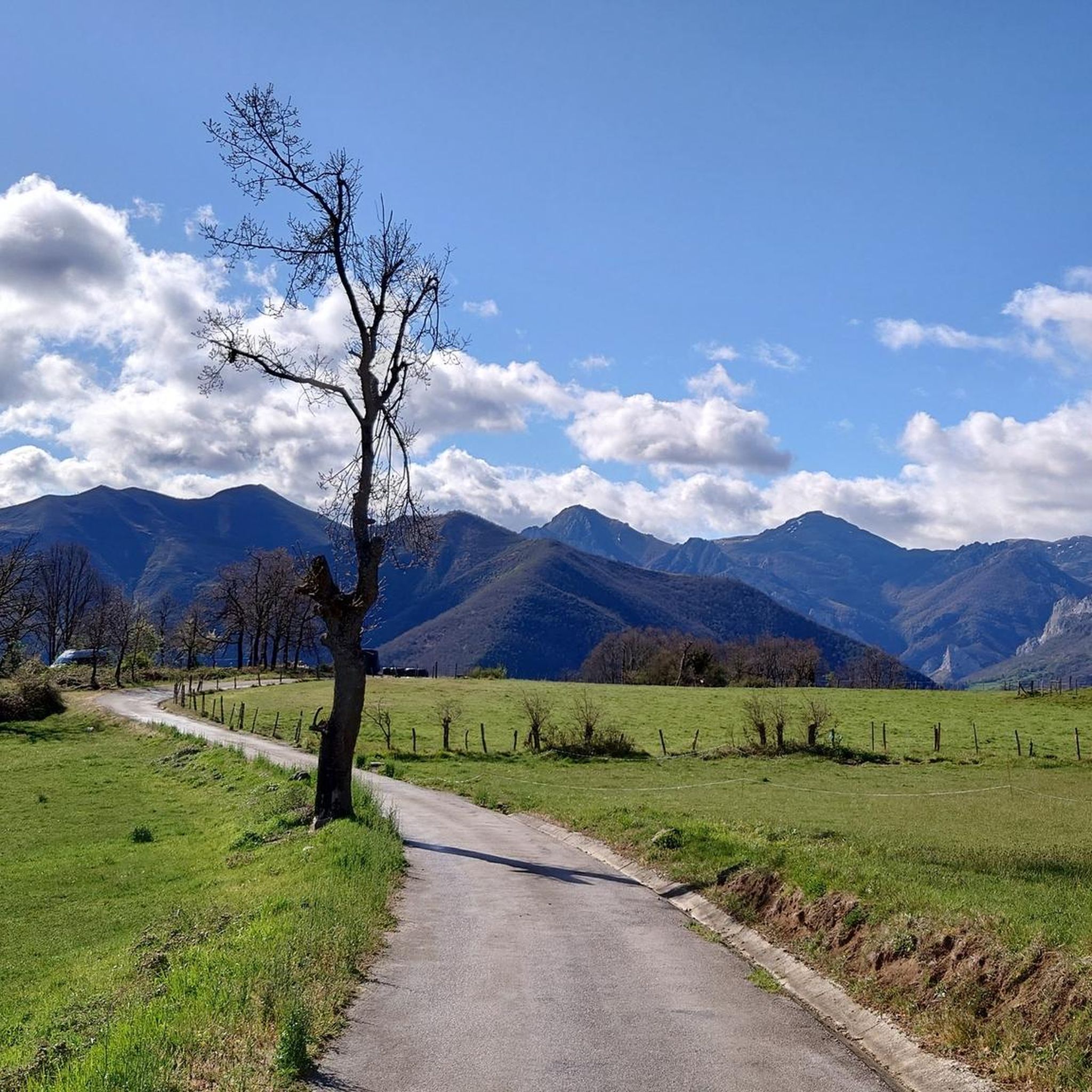
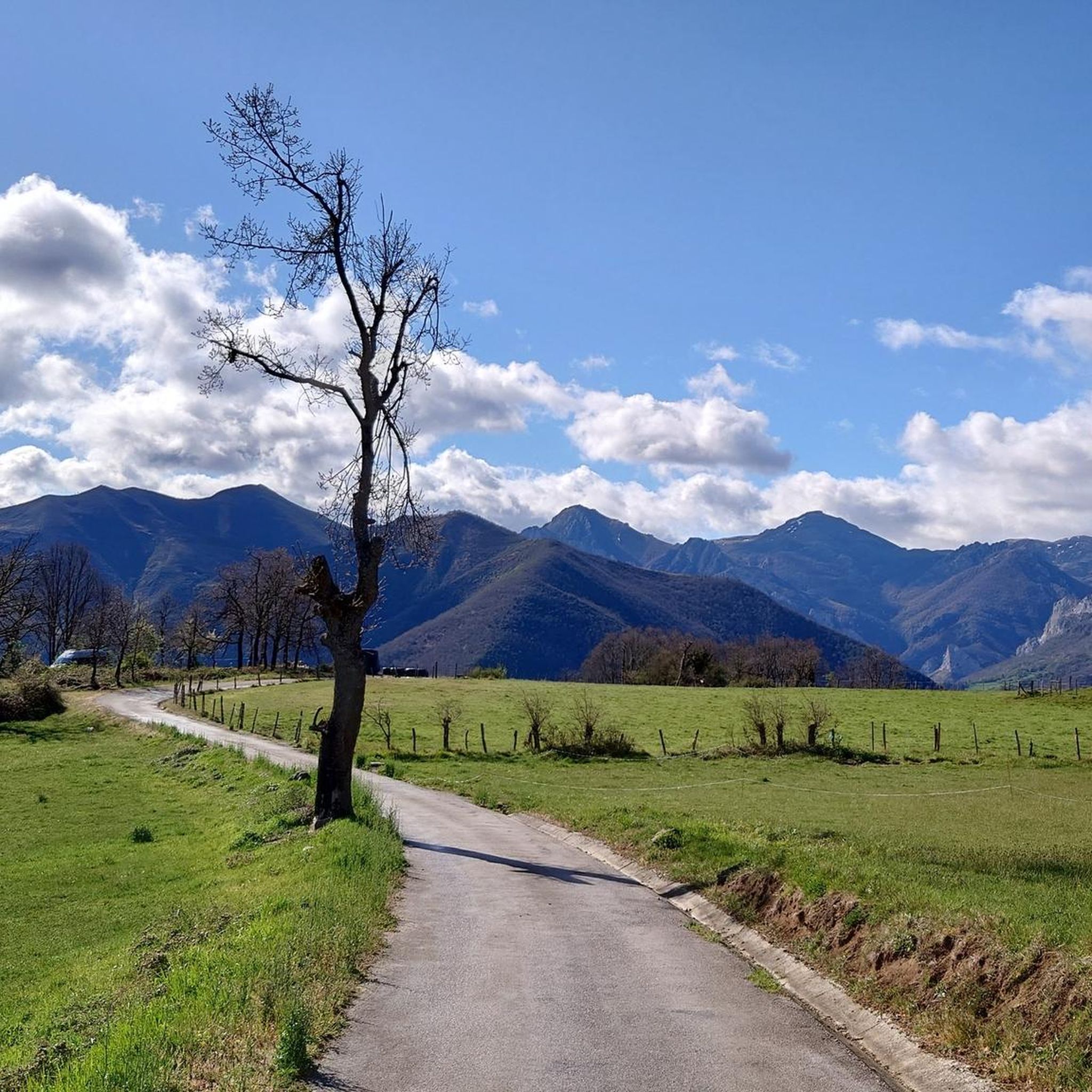
This is one of the most beautiful climbs in the area. 26.5 kilometers at an average gradient of 5%, with a total of 1,300 meters of elevation gain. Smooth, with good pavement and spectacular views.
0
0

Nice and quiet port for cycling. Be careful with the fog at altitude.
0
0

With the gravel bike and/or luggage go slowly. Take your time to walk your bike on the steepest sections (15% +), views are amazing. Because of the loose rocks your wheel will slip sometimes.
2
1

A crossing point between different valleys and mountain routes in the Picos de Europa.
1
0
The road is in perfect condition, with little shade and relatively little traffic. It has an altitude of 1,602 meters, a gradient of 1,304 meters, and an average gradient of 4.88%. This section is 26.7 kilometers long. The scenery at the Lliesba Viewpoint is magnificent.
1
0

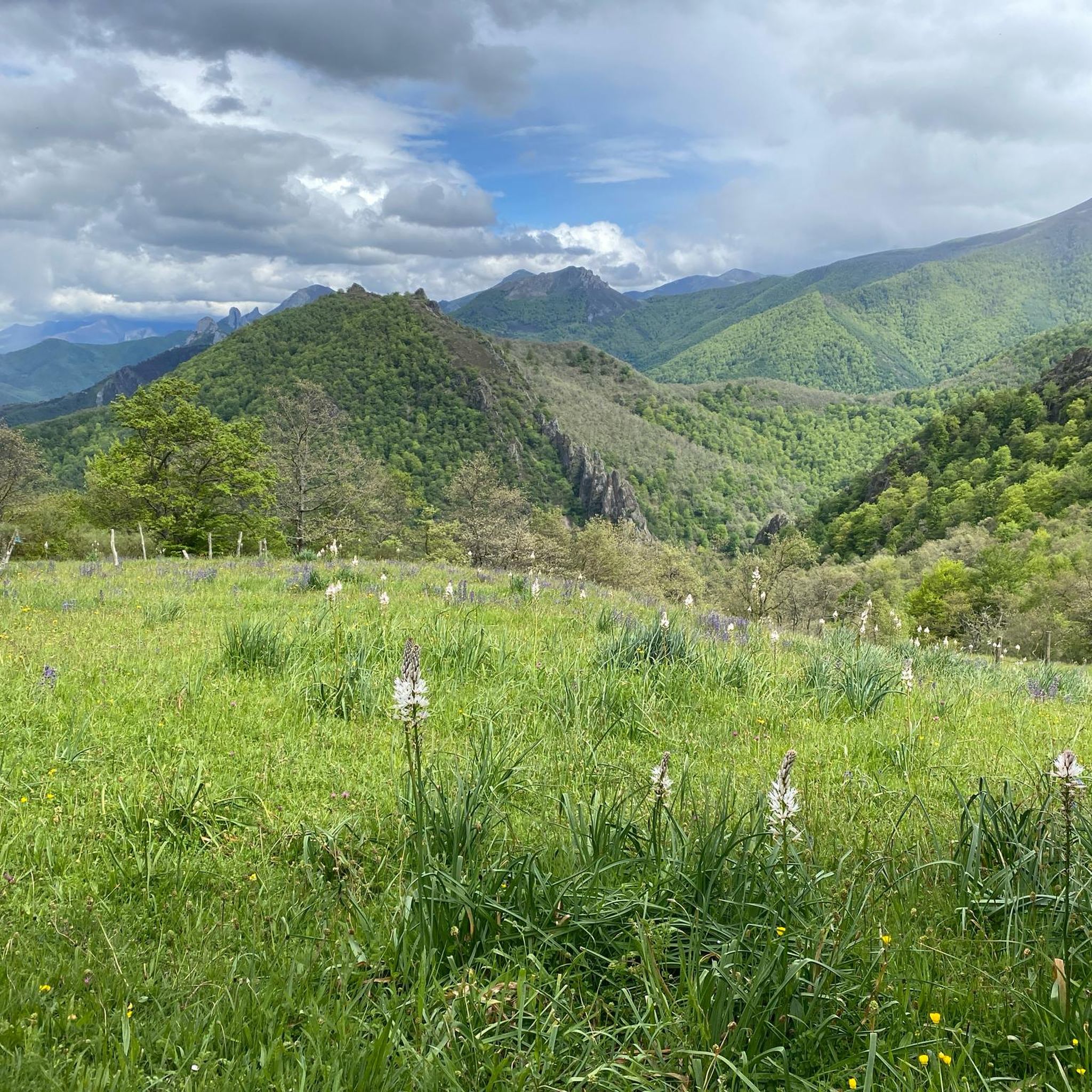
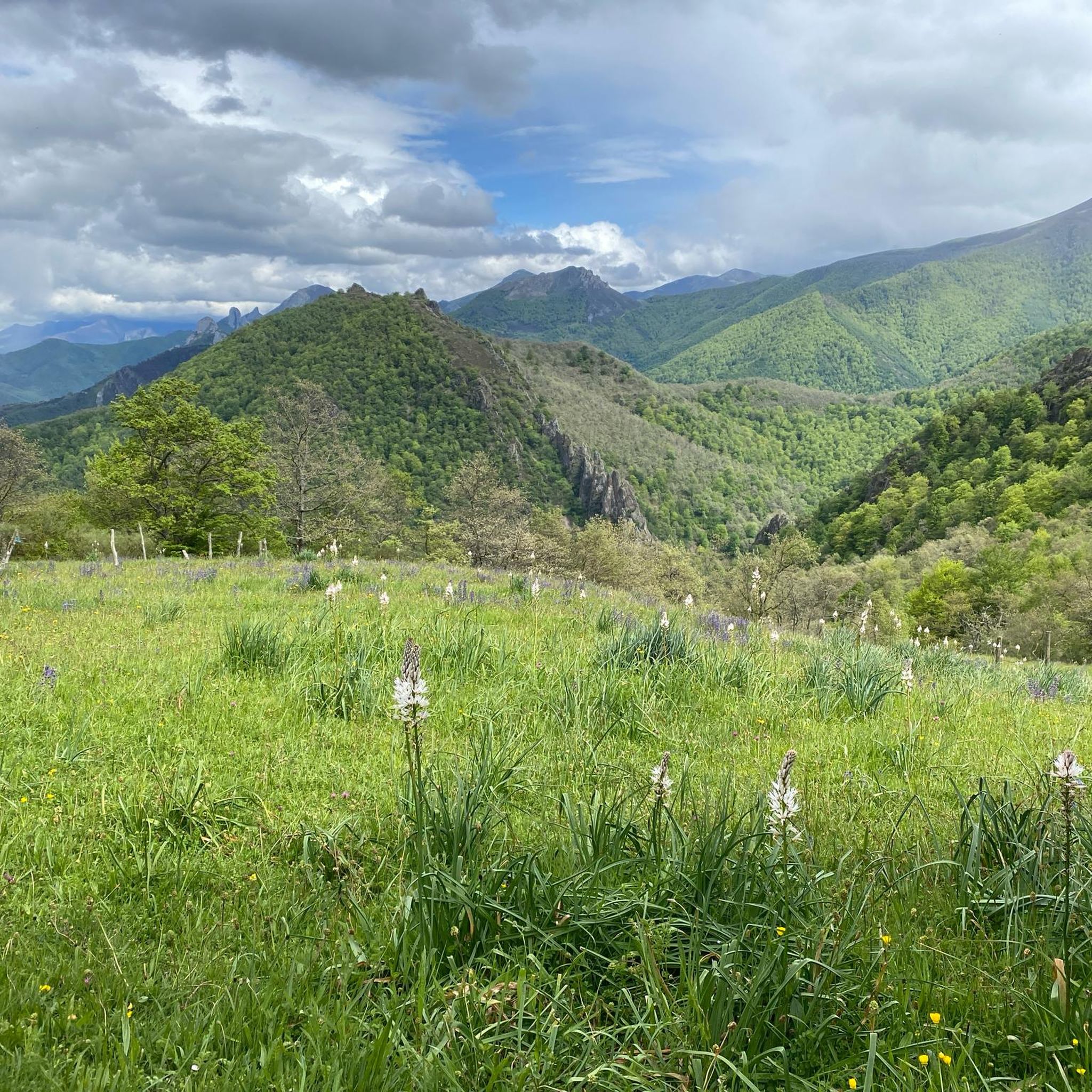
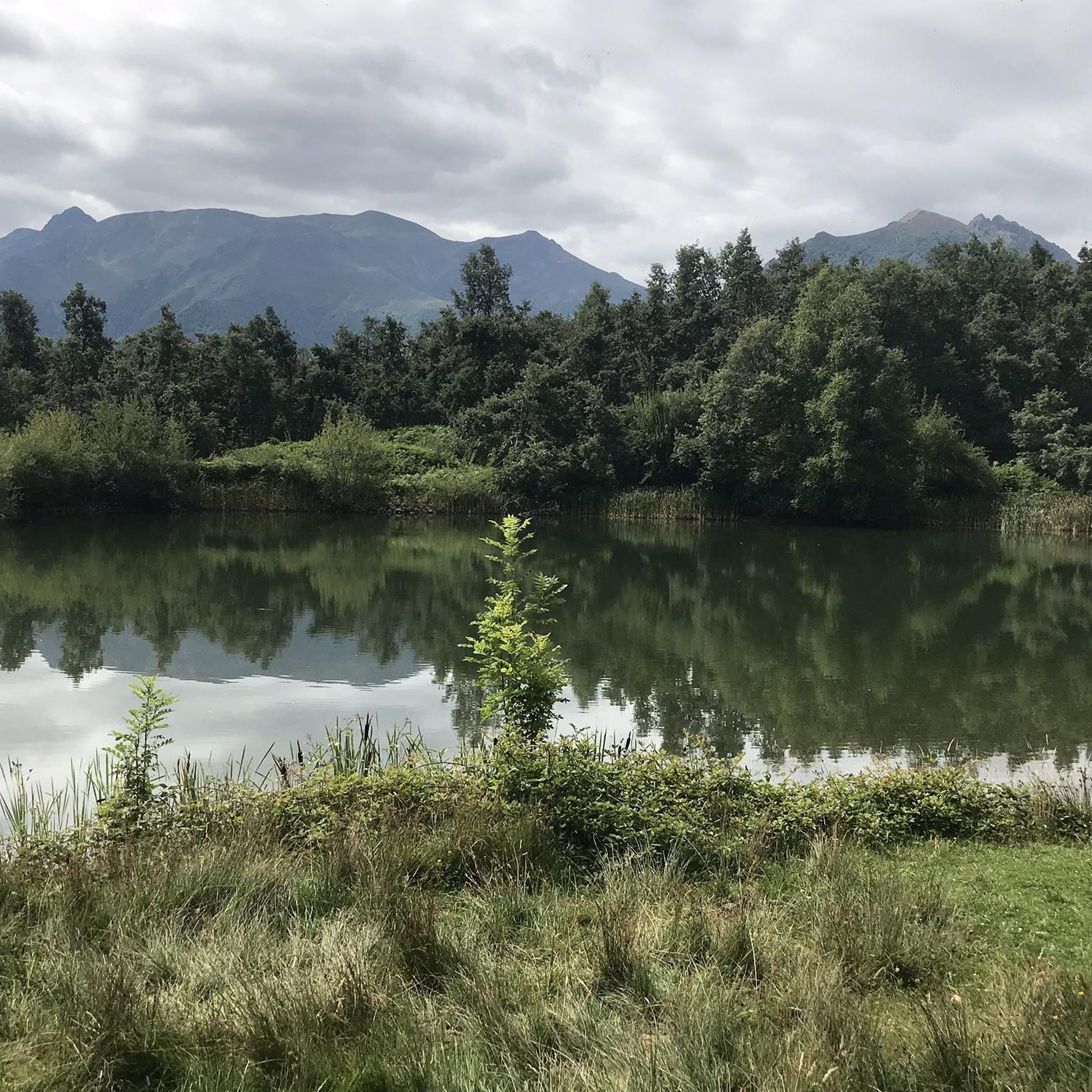
The Portilla del Boquejón is a narrow passage that separates the barren high mountain landscape in the north from the much more lush vegetation in the south - and also delimits the previously seemingly endless cattle pasture in the north.
2
0

A classic of the MTB routes in the Picos de Europa. Through this track we can access from Fuente De, in Cantabria, to the port of Pandetrave in León
0
0
Frequently Asked Questions
What are some of the most scenic mountain passes around Vega de Liébana?
The region offers several passes with breathtaking views. The San Glorio Pass is renowned for its scenic route, especially from the Collado de Llesba viewpoint, offering spectacular panoramas of the Picos de Europa National Park. Piedrasluengas Pass provides impressive vistas of the Liébana valley, the Picos de Europa, and Peña Sagra. Horcadina de Covarrobres also offers expansive views over the Liébana valley and prominent peaks like Pico Coriscao.
Are there mountain passes suitable for cycling near Vega de Liébana?
Yes, the San Glorio Pass is particularly popular among cyclists due to its good pavement and relatively low traffic. It's a 26.7-kilometer section with an average gradient of 4.88%. Another notable climb is the Climb to Puerto de San Glorio from Potes, offering 26.5 kilometers at an average gradient of 5% with spectacular views.
What kind of outdoor activities can I do near these mountain passes?
The mountain passes around Vega de Liébana are excellent starting points for various outdoor activities. You can find numerous hiking trails, including routes like 'Pico Coriscáu from Puerto de San Glorio' or 'Hike from Collado de Llesba'. For more challenging adventures, there are mountain hikes, and for cyclists, there are dedicated MTB trails.
What is the best time of year to visit the mountain passes around Vega de Liébana?
The best time to visit generally depends on your activity. For hiking and cycling, late spring, summer, and early autumn (May to October) offer the most favorable weather conditions. During winter, higher passes like Alto del Cubil del Can can have snow and ice, requiring specialized equipment like crampons and ice axes for mountaineering.
Are there any historical or cultural points of interest related to these passes?
Yes, some passes have historical significance. The San Glorio Pass is believed to have been utilized by Roman legions. The Piedrasluengas Pass is part of the Camino Lebaniego, a historical pilgrimage route. Additionally, archaeological interest exists near Alto del Cubil del Can, with Roman camps discovered in the vicinity.
What are the difficulty levels of mountain passes in the Vega de Liébana region?
The region offers a range of difficulty levels. Passes like San Glorio Pass and Portilla del Boquejón are generally considered intermediate. However, ascents to peaks like Alto del Cubil del Can present challenging routes for experienced mountaineers, especially with snow and ice in winter. There are also challenging trails and scenic cycle ways catering to different activity levels.
What natural features or wildlife can I expect to see around the mountain passes?
The passes are situated within a rich natural environment, bordering areas like the Picos de Europa National Park and the Fuentes Carrionas and Fuente Cobre-Montaña Palentina Natural Park. You can expect diverse flora and fauna. A notable feature at Collado de Llesba (near San Glorio Pass) is a monument dedicated to the brown bear, a protected species in the region. The Portilla del Boquejón also marks a distinct transition from barren high-mountain landscapes to lush vegetation.
Are there any family-friendly options for exploring the mountain passes?
While many passes involve intermediate to challenging terrain, some areas offer more accessible viewpoints or shorter walks. For instance, the Collado de Llesba viewpoint near San Glorio Pass provides spectacular views without strenuous climbing. When planning, look for routes described as 'moderate' or 'easy' within the broader hiking guides for the region, such as those found in Hiking around Vega De Liébana.
What do visitors enjoy most about the mountain passes around Vega de Liébana?
Visitors frequently praise the magnificent scenery and the sense of immersion in nature. The San Glorio Pass is loved for its 'magnificent scenery' and 'open views of the Valley'. The Portilla del Boquejón is described as an 'authentic passage' where it's 'like entering another world'. The region's appeal is evident from the 17 upvotes and 52 photos contributed by the komoot community.
Is public transport available to reach the mountain passes?
While specific public transport routes directly to all pass trailheads might be limited, the N-621 highway, which traverses the San Glorio Pass, is a key access point to the Liébana region. For more remote passes, personal vehicles or local taxi services might be necessary. It's advisable to check local transport options from towns like Potes for specific routes.
What is the significance of Horcada de Valcavao and Caben de Remoña?
Horcada de Valcavao and Caben de Remoña is a significant mountain pass that serves as a crucial crossing point between different valleys and mountain routes within the Picos de Europa. It's a mythical place, accessible via a track from Puerto de Pandetrave or Fuente Dé (for authorized vehicles or bicycles), and is a starting point for ascents to Vega de Liordes and the Collado Jermoso Refuge.
Most popular routes around Vega De Liébana
Most popular attractions around Vega De Liébana

Get inspired with the komoot mobile app


Explore more
See even more epic mountain passes by checking out these guides around Vega De Liébana:
