Top 6 Natural Monuments around Candín
Best natural monuments around Candín are located within the Espacio Natural de Los Ancares Leoneses y Alto Sil, a UNESCO Biosphere Reserve in Castilla y León, Spain. Candín functions as a gateway to this protected area, which features diverse and rugged natural beauty. The landscape includes deep valleys, cirques, and glacial lakes, alongside extensive heaths and ancient forests of oak, holly, and yew. This region supports wildlife such as the Iberian wolf and Cantabrian brown bear.
Best natural monuments around…
Last updated: July 1, 2026
Pico dos Tres Bispos
Highlight • Summit
Translated by Google •
Tip by

Pico Mostallar
Highlight • Summit
Translated by Google •
Tip by
Sign up now to discover places like this
Get recommendations on the best single tracks, peaks, & plenty of other exciting outdoor places.
Sign up for free
Ancares Mountains
Highlight (Segment) • Natural Monument
Translated by Google •
Tip by

Puerto de Ancares
Highlight • Mountain Pass
Translated by Google •
Tip by

Mountain views
Highlight • Viewpoint
Translated by Google •
Tip by

Start today with a free account
Your next adventure awaits.
Login or Signup
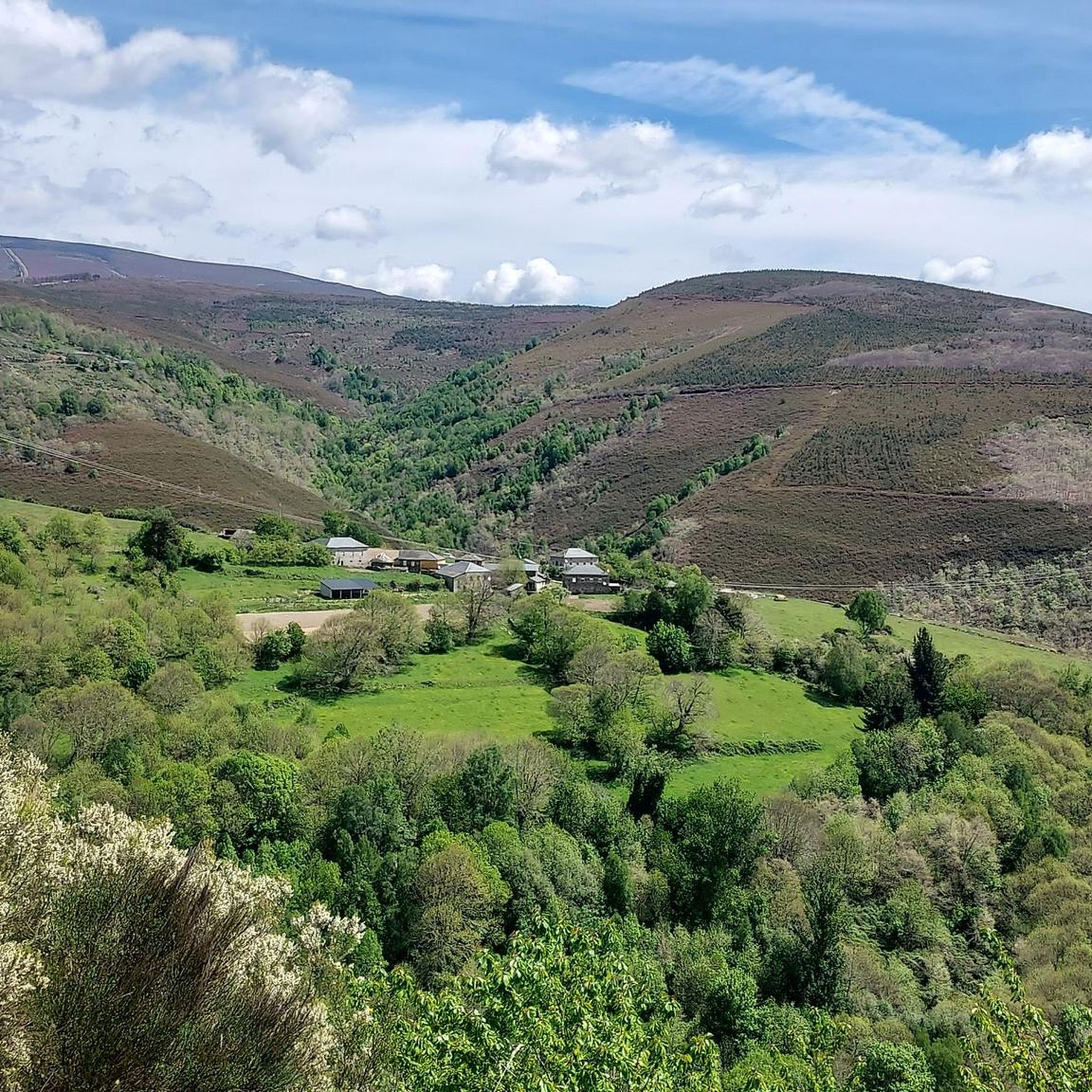
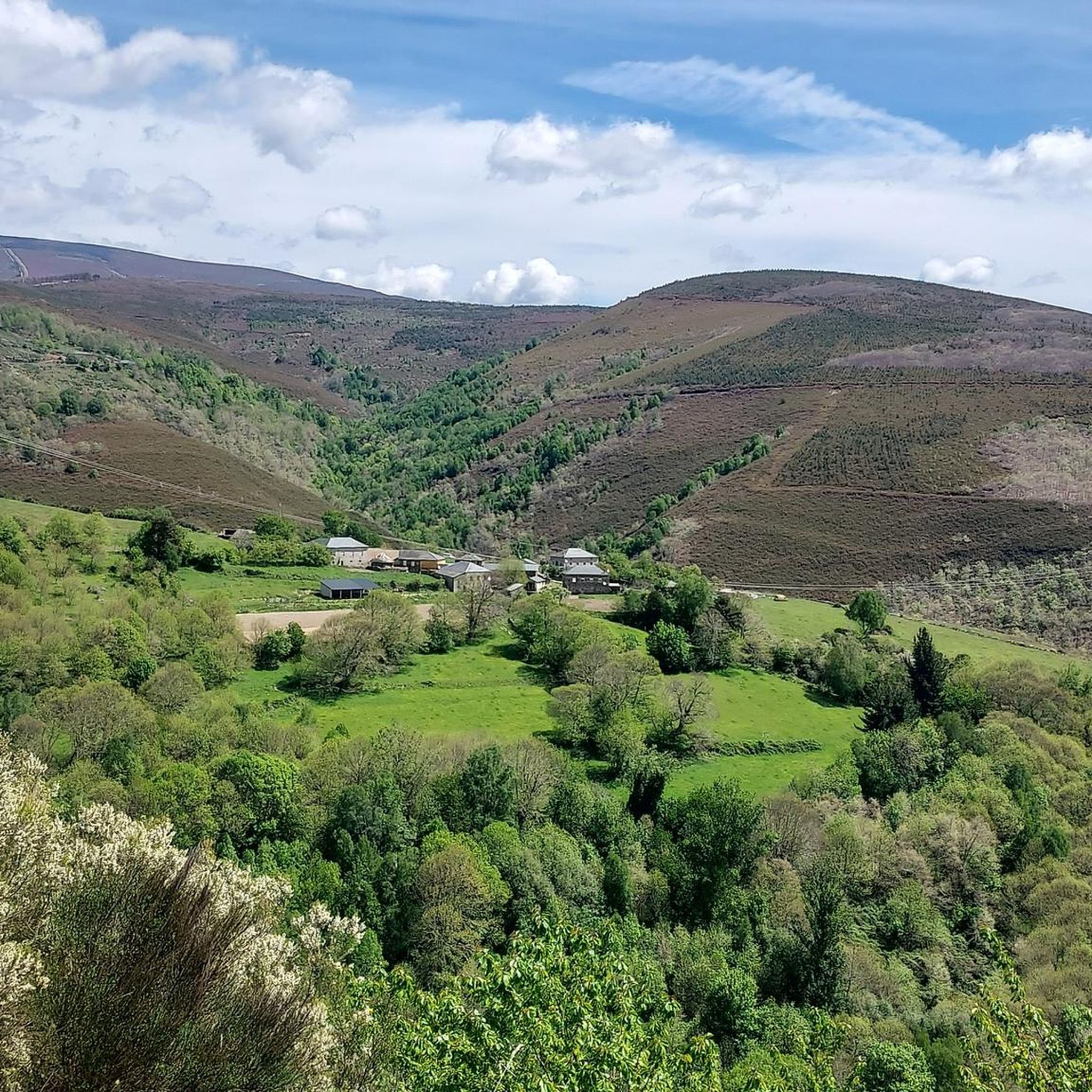
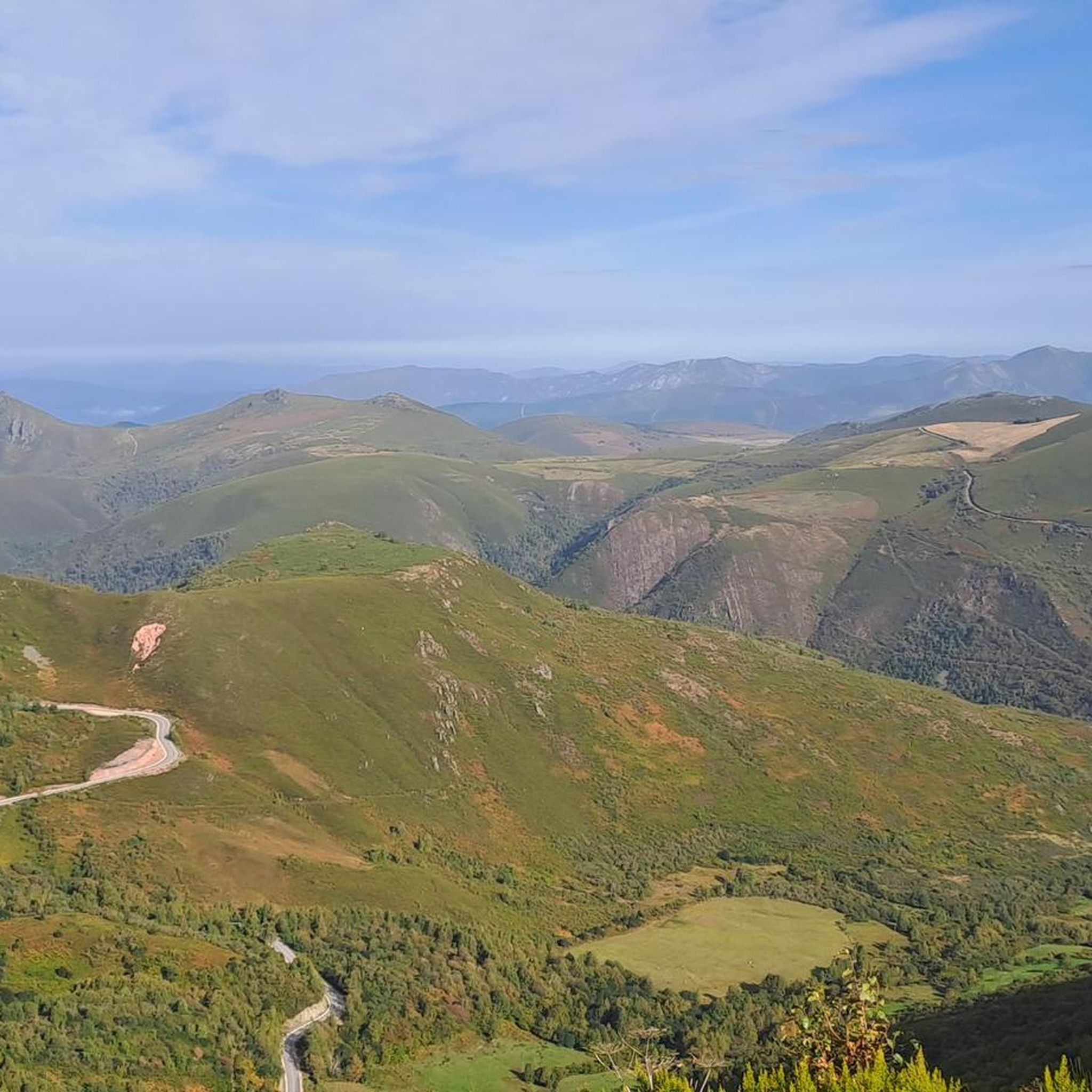


Tips from the Community

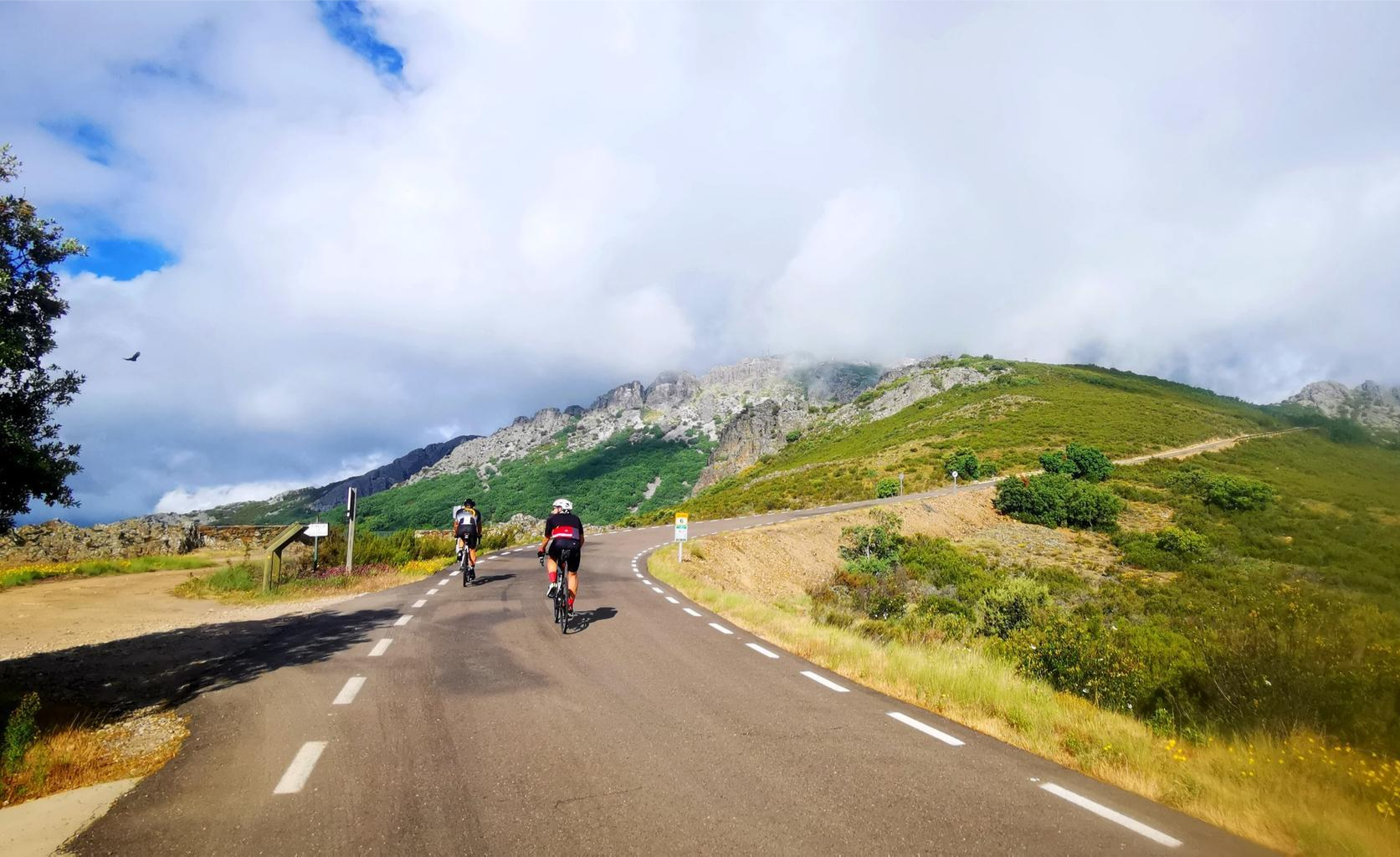
The Ancares Pass from Pereda de Ancares is one of the toughest and most spectacular climbs in the Cantabrian Mountains. It's a pass that has become legendary thanks to La Vuelta.
1
0

This section of trail through the Fuentes del Narcea Natural Park has incredible views of the surrounding mountains.
0
0

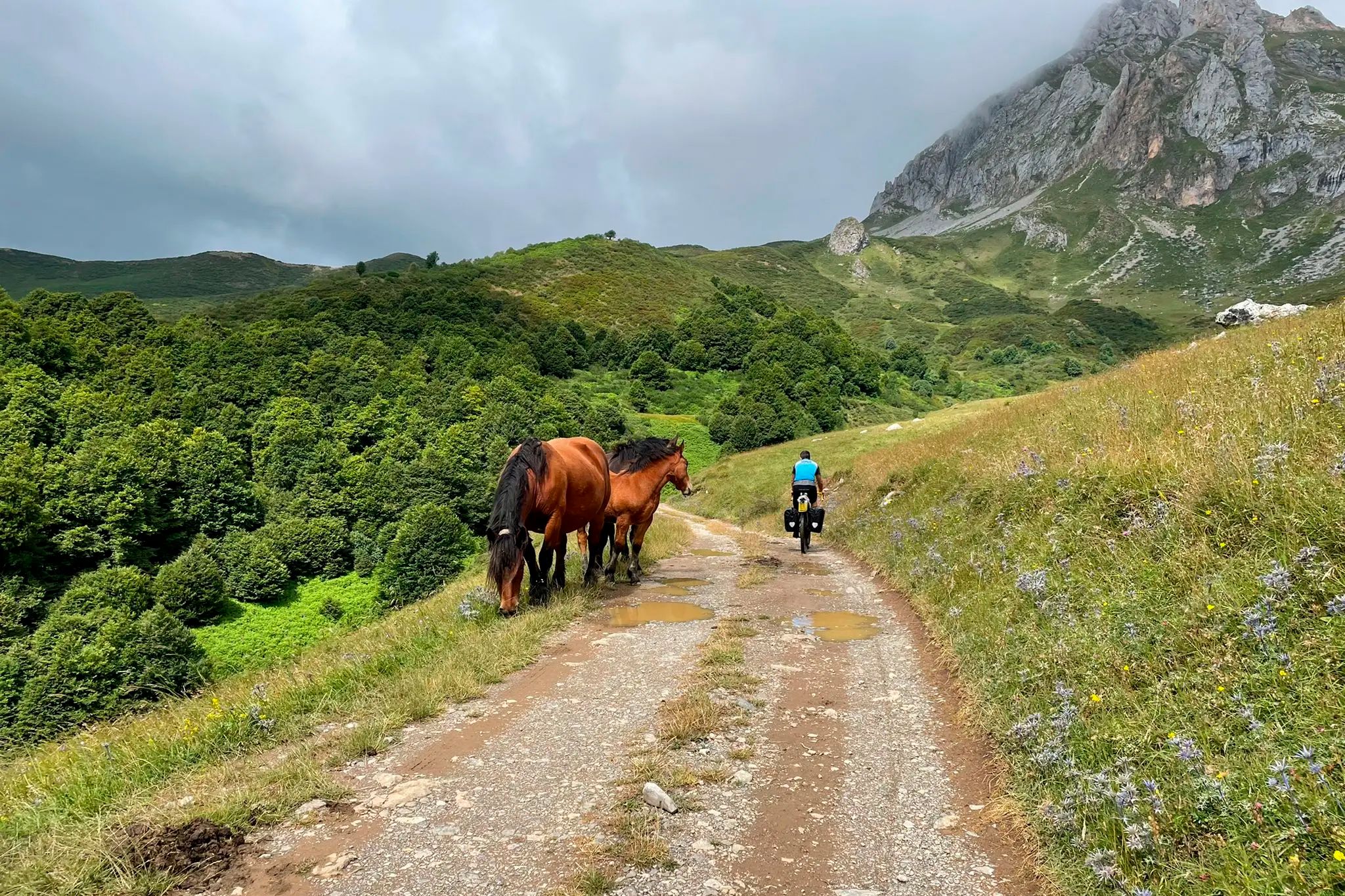
An incredible high mountain gravel route through the Sierra de Los Ancares passing the Campa de Tres Bispos before descending into the valley below. The views are spectacular.
1
0

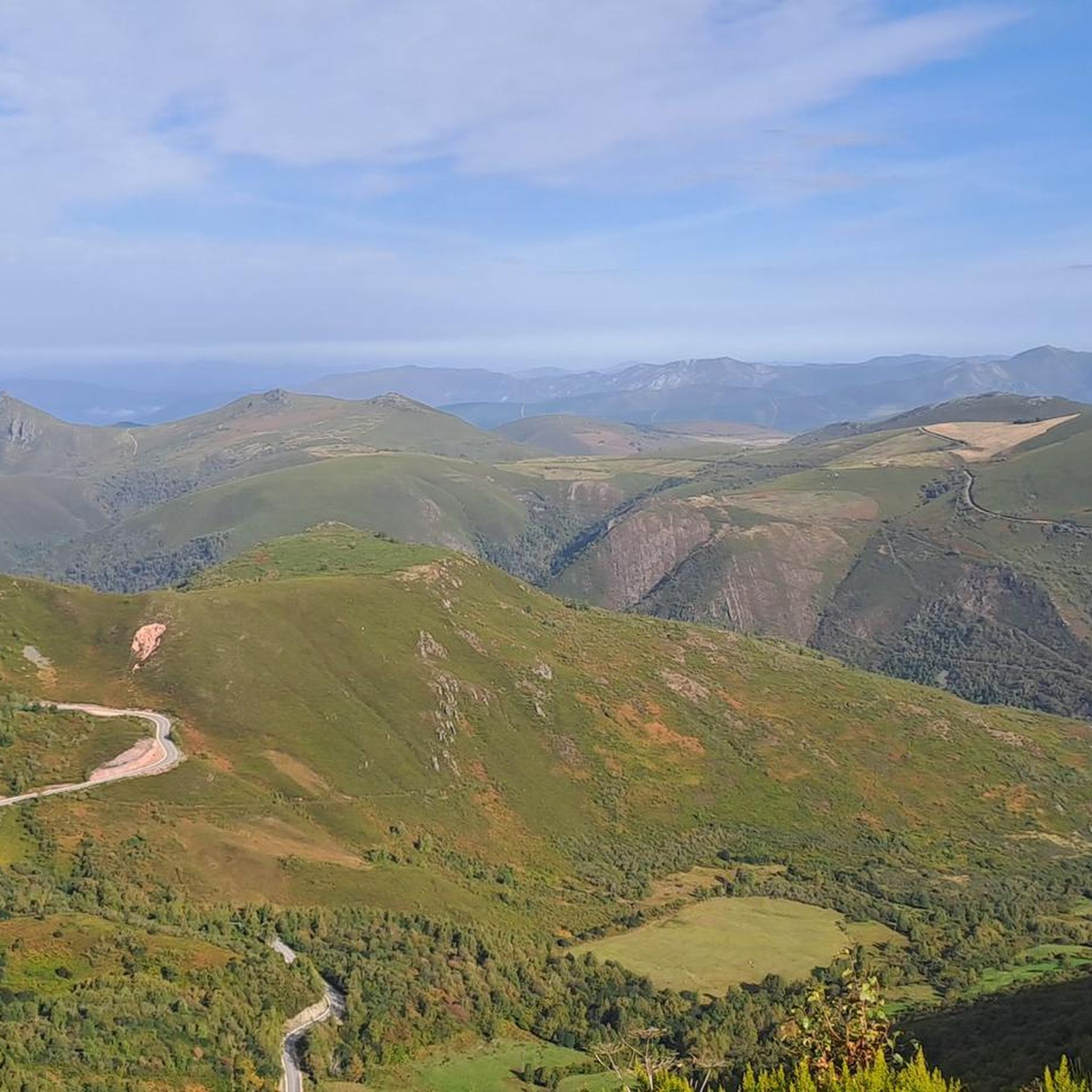
At an altitude of 1,794 meters, at the point where Galicia delimits Castilla and León, the top of Pico dos Tres Bispos offers beautiful views over the Serra dos Ancares.
4
1
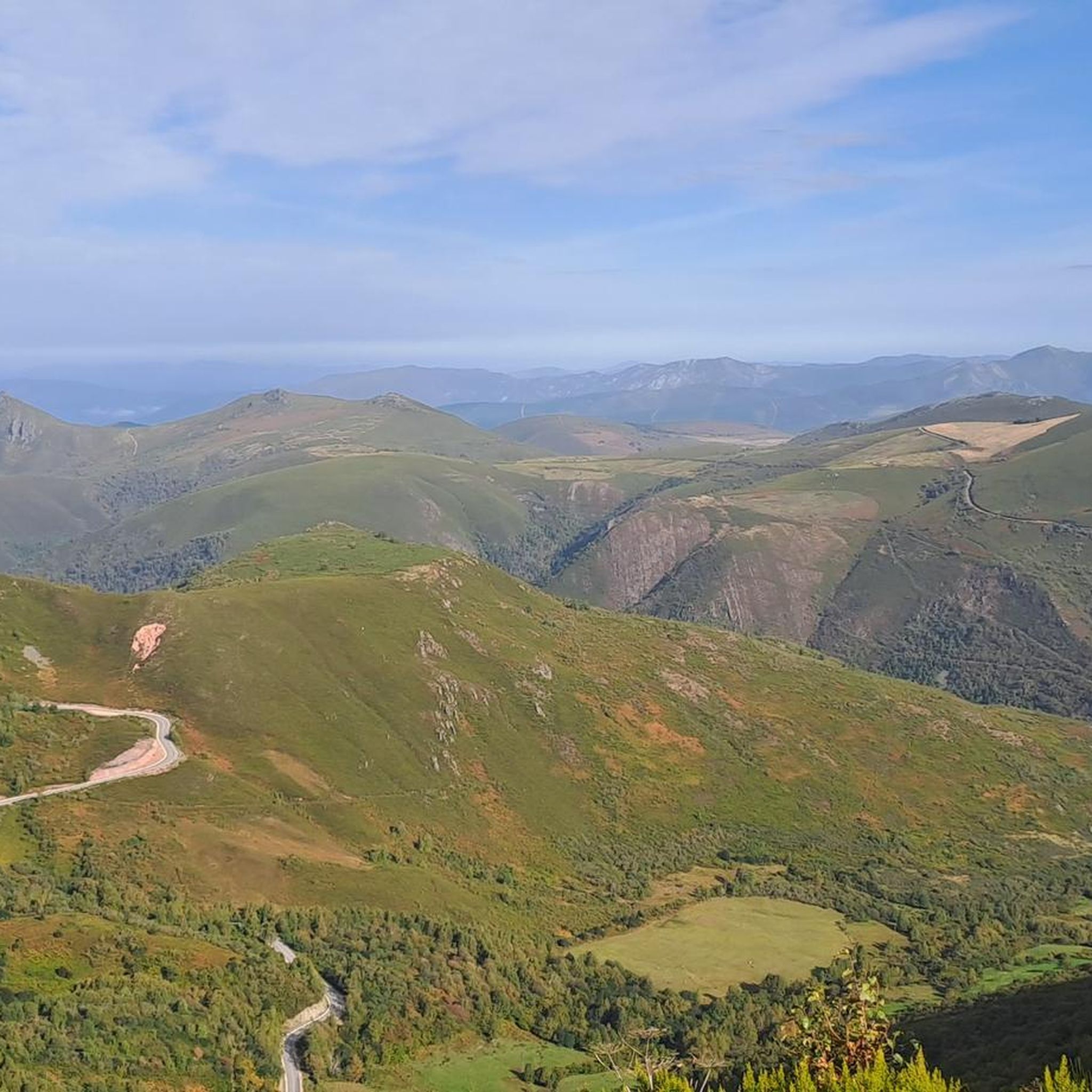
Located at an altitude of 1,935 meters, Pico del Mostallar or Mustallar is the highest and most emblematic peak in Los Ancares and in the entire province of Lugo.
4
0
Frequently Asked Questions
What kind of natural features can I expect to see around Candín?
The area around Candín is part of the Espacio Natural de Los Ancares Leoneses y Alto Sil, a UNESCO Biosphere Reserve. You'll find diverse and rugged natural beauty, including deep valleys, cirques, and glacial lakes. The landscape is rich with extensive heaths and ancient forests of oak, holly, yew, and strawberry trees. Prominent features include challenging summits like Pico dos Tres Bispos and Pico Mostallar, offering panoramic views.
Are there challenging hiking trails near Candín's natural monuments?
Yes, the region offers several challenging routes. For instance, the ascent to Pico Cornón, a significant natural landmark, often begins from Candín. You can also find demanding trails to summits like Pico Mostallar, the highest peak in Los Ancares. For more options, explore the running trails around Candín, which include difficult routes like the Pico dos Tres Bispos Loop, detailed in the Running Trails around Candín guide.
What wildlife might I encounter in the Los Ancares Leoneses Biosphere Reserve?
The Los Ancares Leoneses Biosphere Reserve is known for its rich biodiversity. You might spot iconic wildlife such as the Iberian wolf and the Cantabrian brown bear. Other animals in the area include chamois, roe deer, and various bird species like eagles, making it a rewarding destination for nature observation.
What are some of the best viewpoints for scenic photography around Candín?
The natural monuments around Candín offer spectacular vistas. Pico dos Tres Bispos, at 1,794 meters, provides beautiful views over the Serra dos Ancares. Similarly, Pico Mostallar offers expansive views as the highest peak in Los Ancares. The Ancares Mountains also feature high mountain gravel routes with spectacular views, particularly passing the Campa de Tres Bispos.
Are there family-friendly natural monuments or activities near Candín?
While many of the prominent summits are challenging, the broader Espacio Natural de Los Ancares Leoneses y Alto Sil offers a range of difficulty levels for hiking. Look for trails with moderate difficulty, especially those that explore the ancient forests and valleys, which can be suitable for families. The integration of traditional culture with the natural environment in villages like Candín also offers a unique experience.
What is the best time of year to visit the natural monuments around Candín for hiking?
The best time to visit for hiking is generally during the spring, summer, and early autumn months (May to October) when the weather is milder and trails are more accessible. During these periods, you can fully appreciate the diverse flora and fauna. Winter conditions can be harsh, with snow and ice making many high-altitude trails challenging or impassable.
Can I find cycling routes near the natural monuments around Candín?
Yes, there are several cycling opportunities. The Ancares Mountains feature high mountain gravel routes that are popular with cyclists. For more detailed cycling options, you can explore the Cycling around Candín guide, which includes routes like the challenging La Mirada Circular Nature Trail and various loops around Pereda de Ancares.
Are there any mountain biking trails in the vicinity of Candín's natural monuments?
Absolutely. The rugged terrain of Los Ancares is well-suited for mountain biking. You can find routes such as the challenging Puerta de Ancares Loop. For a comprehensive list of trails, refer to the MTB Trails around Candín guide, which also features moderate routes like the Natural Spring on the Trail – Cúa River in Cacabelos loop.
What is the significance of the Los Ancares Leoneses Biosphere Reserve?
The Los Ancares Leoneses Biosphere Reserve is a UNESCO-designated protected area, encompassing nearly 57,000 hectares. It's significant for its diverse and rugged natural beauty, shaped by glacial and fluvial processes. It's also crucial for its rich biodiversity, supporting rare wildlife like the Iberian wolf and Cantabrian brown bear, and for preserving traditional culture integrated with the natural environment.
Are there any specific mountain passes worth visiting for their natural beauty?
Yes, the Puerto de Ancares is a notable mountain pass. It's known as one of the toughest and most spectacular climbs in the Cantabrian Mountains, offering incredible views and a challenging experience for those who traverse it.
What kind of forests can be found in the natural monuments area?
The natural monuments around Candín are situated within a region characterized by dense and ancient forests. You'll find extensive heaths, ancient chestnut groves, and forests featuring oak, holly, yew, and strawberry trees. These diverse woodlands contribute significantly to the area's ecological richness and scenic beauty.
Most popular attractions around Candín

Get inspired with the komoot mobile app


Explore more
Extend your search for the best caves by checking out these guides of the top ones around Candín:
