Top 20 Natural Monuments around Fornalutx
Best natural monuments around Fornalutx are found within the Serra de Tramuntana mountains of Mallorca, a UNESCO World Heritage Site. This region features rugged peaks, deep gorges, and ancient terraced landscapes. Fornalutx serves as a base for exploring the area's natural wonders, including historic trails and significant geological formations. The landscape is characterized by olive and citrus groves, providing a rich agricultural and natural environment.
Best natural monuments around Fornalutx
- The most popular natural monuments is Camí de s'Arxiduc (Archduke's…
Last updated: August 25, 2026
Old Olive Tree
Highlight • Natural Monument
Translated by Google •
Tip by

Camí de s'Arxiduc (Archduke's Trail)
Highlight • Trail
Translated by Google •
Tip by

Sign up now to discover places like this
Get recommendations on the best single tracks, peaks, & plenty of other exciting outdoor places.
Sign up for free
Cúber Reservoir
Highlight • Lake
Translated by Google •
Tip by

Barranc de Biniaraix Stone Path
Highlight (Segment) • Trail
Translated by Google •
Tip by

Rock Gateway on Sa Calobra Road
Highlight • Gorge
Translated by Google •
Tip by

Sign up for free to discover even more natural monuments around Fornalutx.
Sign up for free
Already have an account?
Start today with a free account
Your next adventure awaits.
Login or Signup
Popular around Fornalutx
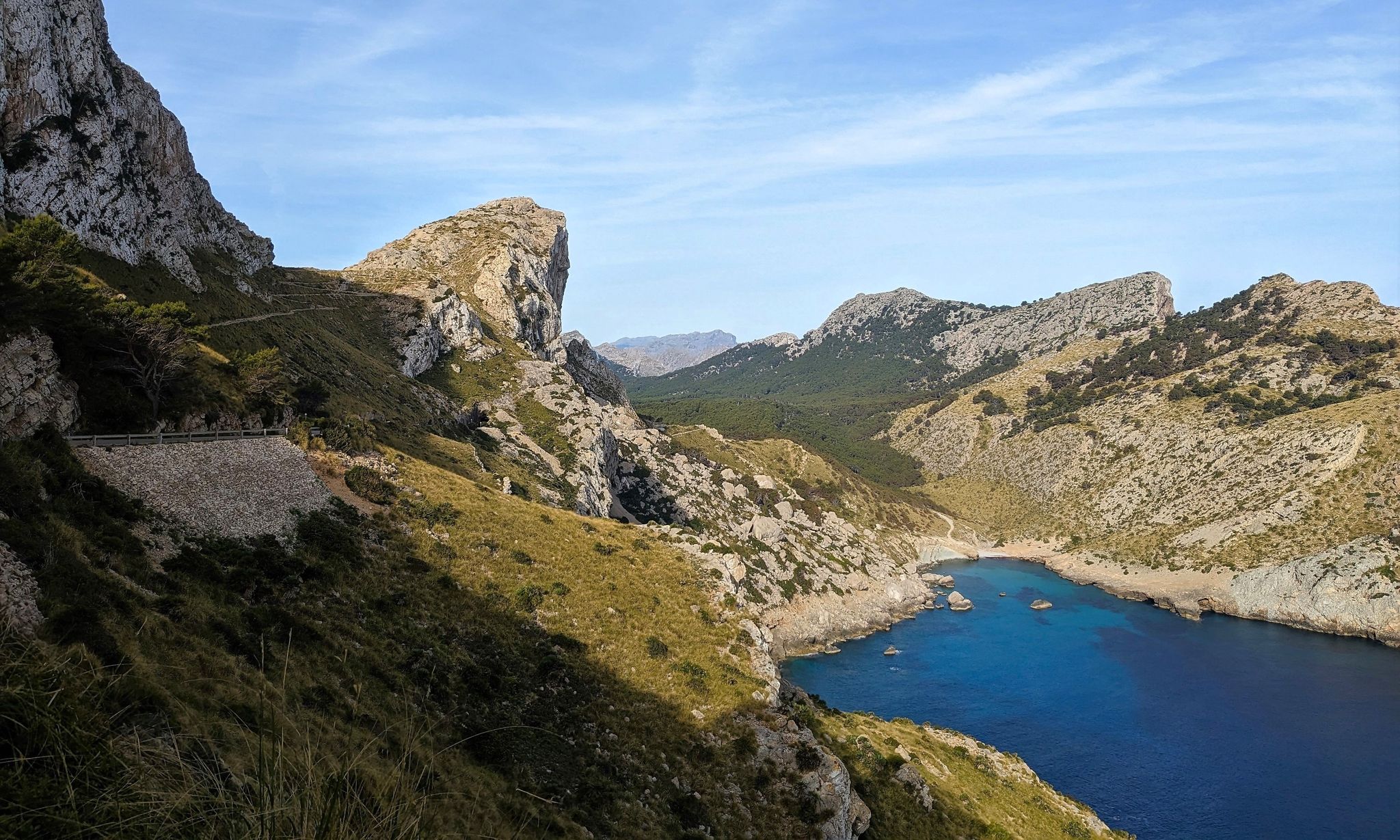
The island of calm – a week in Majorca
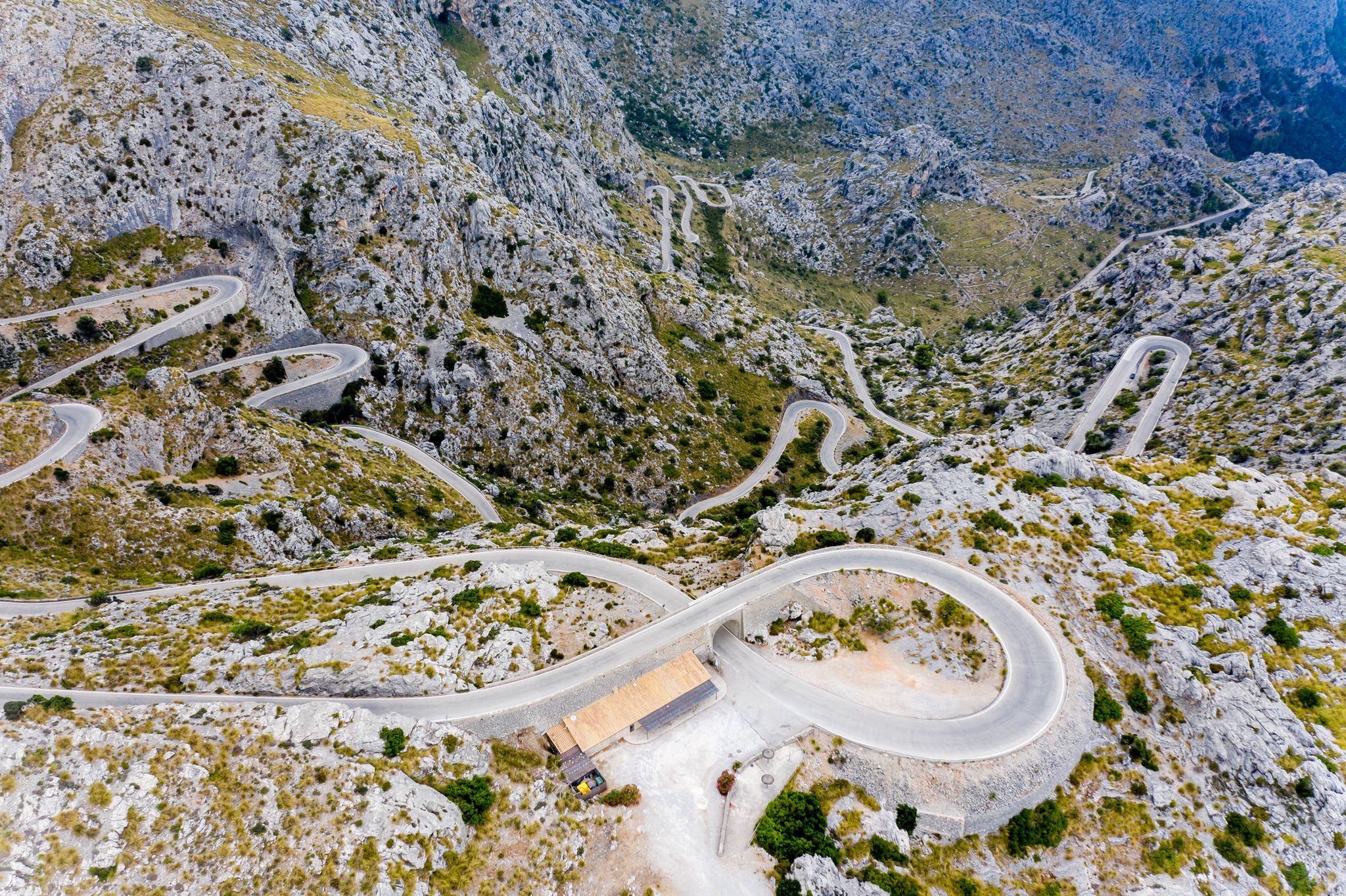
The island from above – the best climbs in Majorca
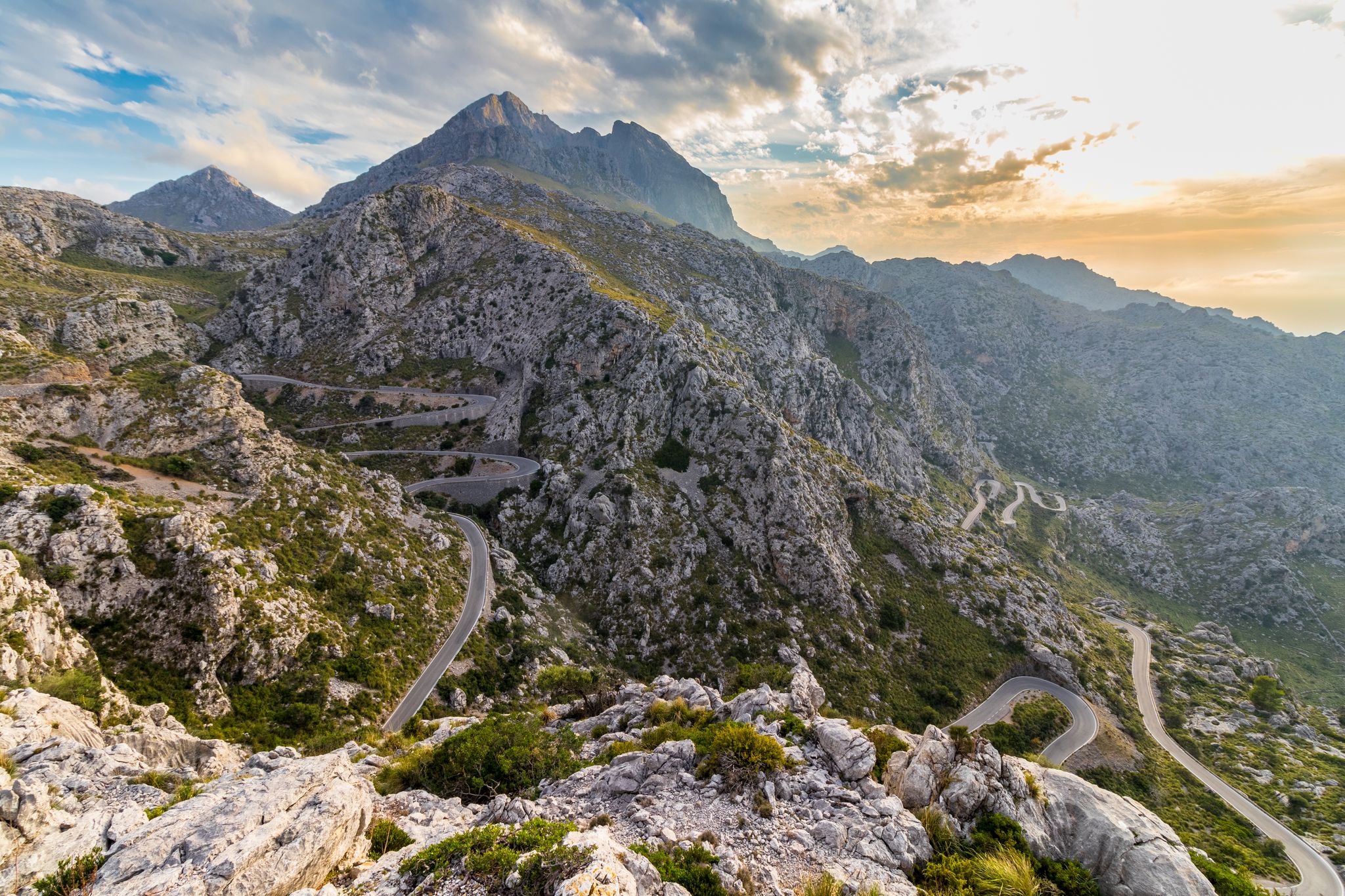
Mallorca's most beautiful passes
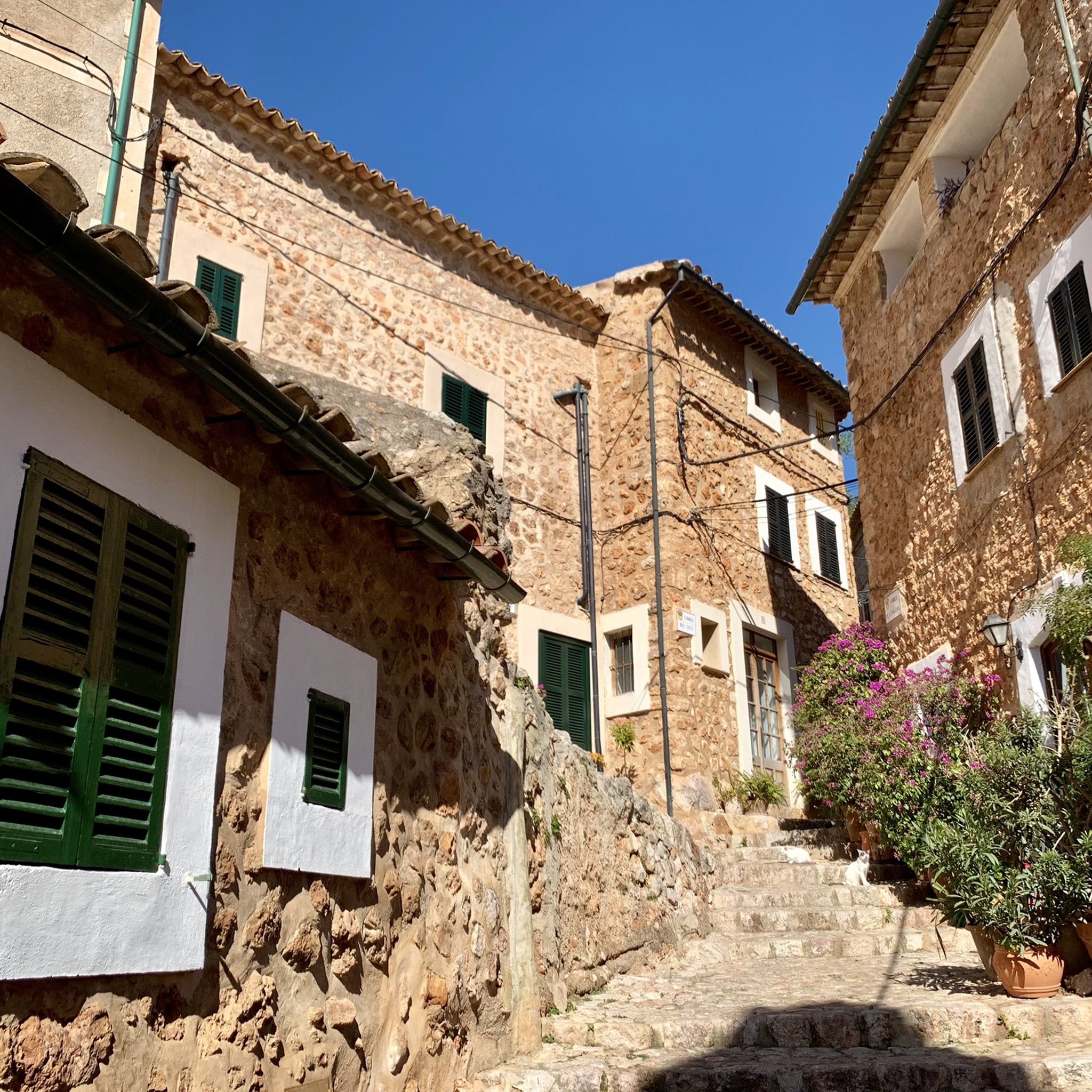
Hiking around Fornalutx
Road Cycling Routes around Fornalutx
Cycling around Fornalutx
MTB Trails around Fornalutx

Mountain Hikes around Fornalutx
Running Trails around Fornalutx

Gravel biking around Fornalutx


Tips from the Community

Very beautiful area
5
0
The journey between the rocks is spectacular
6
0

The path from Biniaraix up to the Cuber reservoir takes you through countless serpentines through a sometimes very narrow gorge... The ascent is mostly paved and the steps are not too high and therefore pleasant to walk on
3
0

The area around the Cúber is a fenced nature reserve. You can park your car right at the beginning of the reservoir. There is another parking lot 200 meters up the road. Sheep, cows and donkeys live near the water and Mallorca's wild goats crawl on the mountain slopes. The view over the lake and the walls of the Tramuntana giants is uniquely beautiful.
5
1

It is located very picturesquely and idyllically. Walked at a leisurely pace, the circuit was completed in just under an hour. https://de.wikipedia.org/wiki/C%C3%BAber
4
0

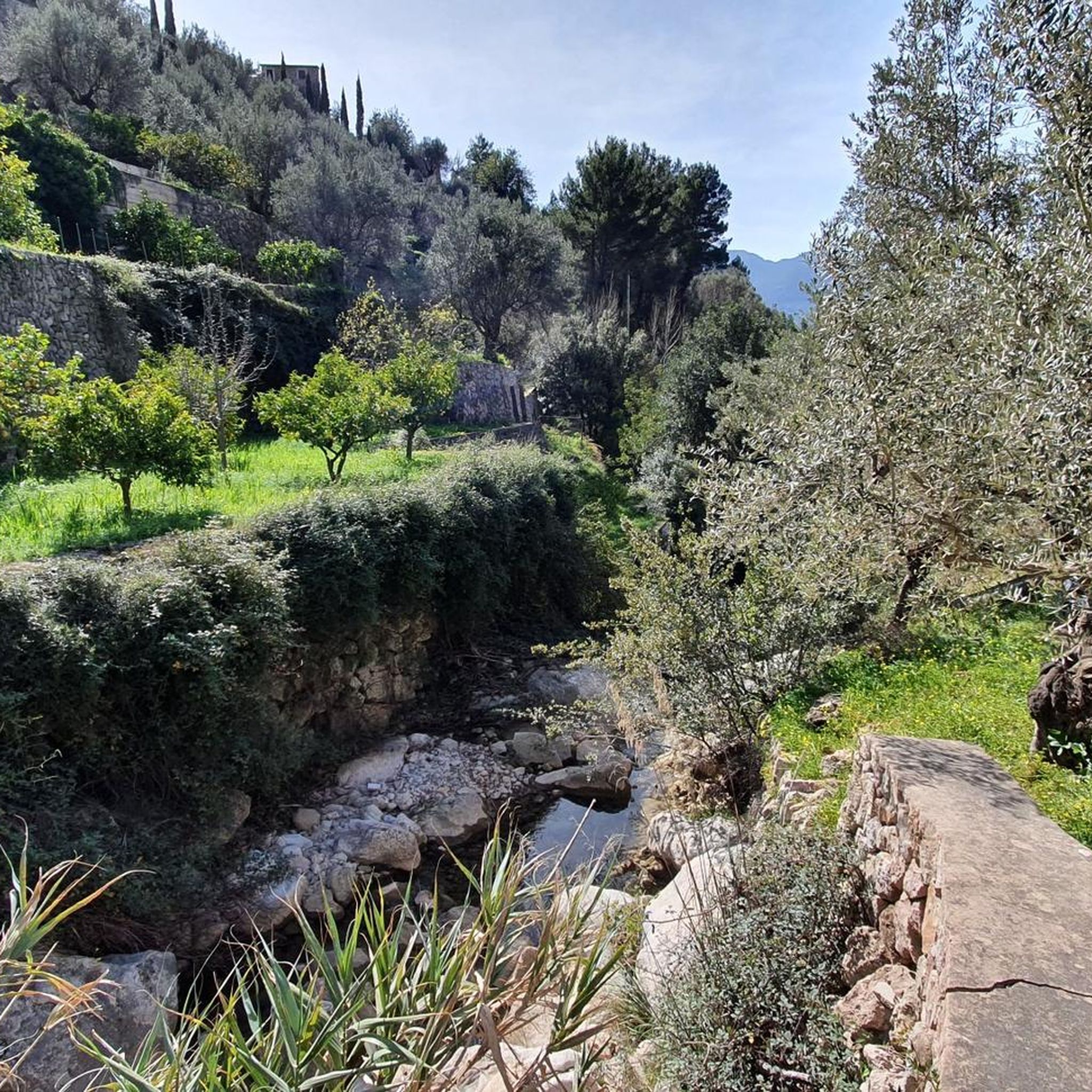
The centuries-old olive trees in Mallorca, especially in the Tramuntana, were introduced by the Phoenicians a thousand years ago. The Romans expanded cultivation, and the Arabs later developed oil extraction. For a long time, the farmers in the Tramuntana lived off the "gold of the Sierra". Even the steepest slopes were terraced in order to use them for olive cultivation. The olive tree ensures its longevity through the bizarre shapes it assumes over time and is one of the longest-lived trees of all. Even at the age of several 100 years, it still bears fruit.
12
1

Get the camera ready! ☺️ #cyclitsapproved
9
1

If you want to reach/leave the reservoir by bus, you should do some research beforehand, the buses only run 1/2 times a day in each direction in the summer months. Stops are called Cúber 1 and Cúber 2 depending on the direction. It is a super nice place to hike or stay!!!
5
1
Frequently Asked Questions
What are some of the most popular natural monuments to explore around Fornalutx?
Visitors frequently enjoy the Camí de s'Arxiduc (Archduke's Trail), known for its magnificent views of the coast and the Tramuntana mountains. Another favorite is the Ancient Olive Groves of the Serra de Tramuntana, where you can witness centuries-old olive trees with unique shapes, reflecting the region's rich agricultural heritage. The Barranc de Biniaraix Stone Path is also highly recommended for its historical significance and stunning mountain panorama.
Are there any family-friendly natural monuments near Fornalutx?
Yes, the Cúber Reservoir is a great family-friendly option. You can walk around the lake on a comfortable path, enjoying the serene water views amidst the mountainous landscape. It's a protected area where you might even spot sheep, donkeys, and cows. The surrounding olive groves also offer gentle, picturesque walks suitable for families.
What kind of hiking trails can I find near these natural monuments?
The region around Fornalutx offers a variety of hiking trails, from moderate strolls to more challenging ascents. You can explore routes like the 'Fornalutx Village – Biniaraix loop' or the 'Fornalutx Village – Ancient Olive Groves loop'. Many trails, including sections of the GR221, traverse the Serra de Tramuntana, offering diverse landscapes from cobbled paths to rugged peaks. For more detailed options, check out the Hiking around Fornalutx guide.
What is the best time of year to visit the natural monuments around Fornalutx?
The spring (March to May) and autumn (September to November) months are generally considered the best times to visit. During these periods, the weather is pleasantly mild, ideal for hiking and exploring without the intense heat of summer. The landscapes are also particularly beautiful, with spring bringing wildflowers and autumn showcasing vibrant foliage.
What unique natural features can I expect to see in the Fornalutx area?
Beyond the ancient olive groves and historic trails, you'll encounter the dramatic landscapes of the Serra de Tramuntana, a UNESCO World Heritage Site, characterized by rugged peaks, deep gorges, and lush forests. The Cúber Reservoir offers tranquil water views surrounded by mountains. You can also find unique geological formations like the Rock Gateway on Sa Calobra Road, which provides a natural arch within the dramatic mountain scenery.
Are there any challenging routes for experienced hikers among the natural monuments?
Yes, for experienced hikers, routes incorporating the higher elevations of the Serra de Tramuntana offer significant challenges. The Camí de s'Arxiduc (Archduke's Trail), while offering magnificent views, requires surefootedness and good shoes. Longer loops that extend towards the Cúber Reservoir from the Barranc de Biniaraix also provide more extensive and strenuous treks. The 'Penya de Migdia loop from Embassament de Cúber' is another difficult option listed in the area.
What is the significance of the ancient olive trees in the region?
The ancient olive trees, such as the Old Olive Tree and those in the Ancient Olive Groves of the Serra de Tramuntana, are integral to Mallorca's agricultural heritage. Introduced by the Phoenicians and expanded by the Romans, these trees, some over a thousand years old, showcase bizarre, gnarled shapes and represent centuries of cultivation. They were vital to the local economy, with farmers living off the 'gold of the Sierra,' even terracing steep slopes for olive cultivation.
Can I find any cycling or mountain biking routes near the natural monuments?
Absolutely. The mountainous terrain and scenic roads around Fornalutx are popular for both gravel biking and mountain biking. You can find routes like the 'View of Puig Major Observatory – Top of Puig Major loop' for gravel biking or the 'Sóller, Muleta, and Cap Gros Lighthouse Loop' for mountain biking. These routes often pass by or offer views of the natural monuments. Explore options in the Gravel biking around Fornalutx guide and the MTB Trails around Fornalutx guide.
What do visitors enjoy most about the natural monuments around Fornalutx?
Visitors consistently praise the breathtaking panoramic views, especially from trails like the Camí de s'Arxiduc. The unique, ancient olive trees with their bizarre shapes are also a highlight, offering a glimpse into the island's history. The tranquility of places like the Cúber Reservoir and the historical charm of the Barranc de Biniaraix Stone Path are also frequently mentioned as beloved aspects of the region.
Are there any specific viewpoints or landmarks to look out for?
Yes, many natural monuments double as excellent viewpoints. The Camí de s'Arxiduc offers magnificent coastal and mountain views. The Barranc de Biniaraix Stone Path provides stunning vistas of Sóller and the sea as you ascend. Additionally, the Rock Gateway on Sa Calobra Road is a distinctive geological formation that serves as a memorable scenic highlight and photo opportunity.
How long do typical hikes to natural monuments near Fornalutx take?
Hike durations vary significantly depending on the chosen route and your pace. Shorter, easy walks through olive groves or around the Cúber Reservoir might take 1-2 hours. Moderate trails like the 'Fornalutx Village – Biniaraix loop' can take 2-3 hours, covering about 7.5 km. More challenging routes, especially those involving higher ascents or longer loops, can extend to 4-6 hours or more. It's always best to check specific route details for estimated times.
Most popular routes around Fornalutx
Most popular attractions around Fornalutx

Get inspired with the komoot mobile app


Explore more
Extend your search for the best caves by checking out these guides of the top ones around Fornalutx:
