Top 20 Natural Monuments around Valldemossa
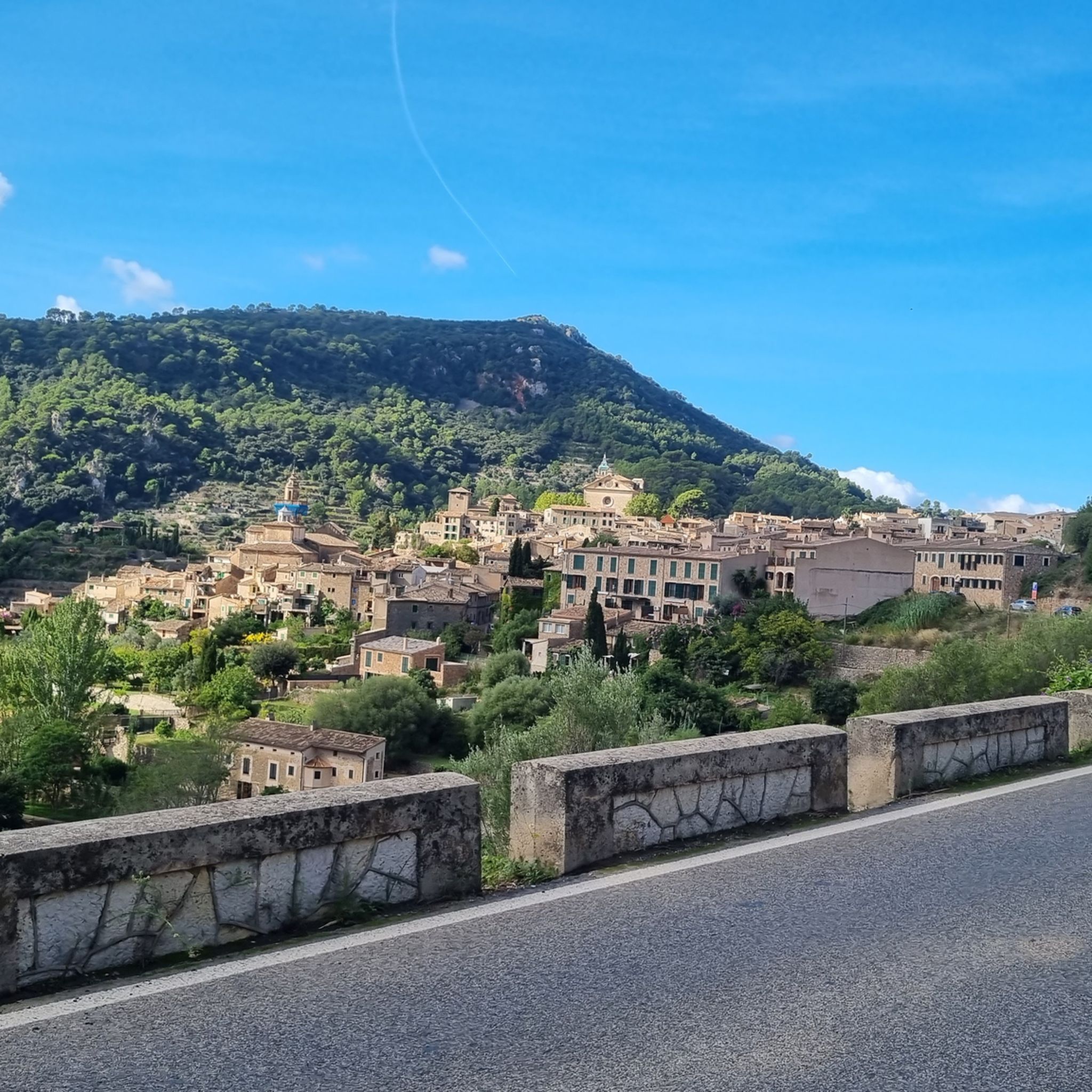
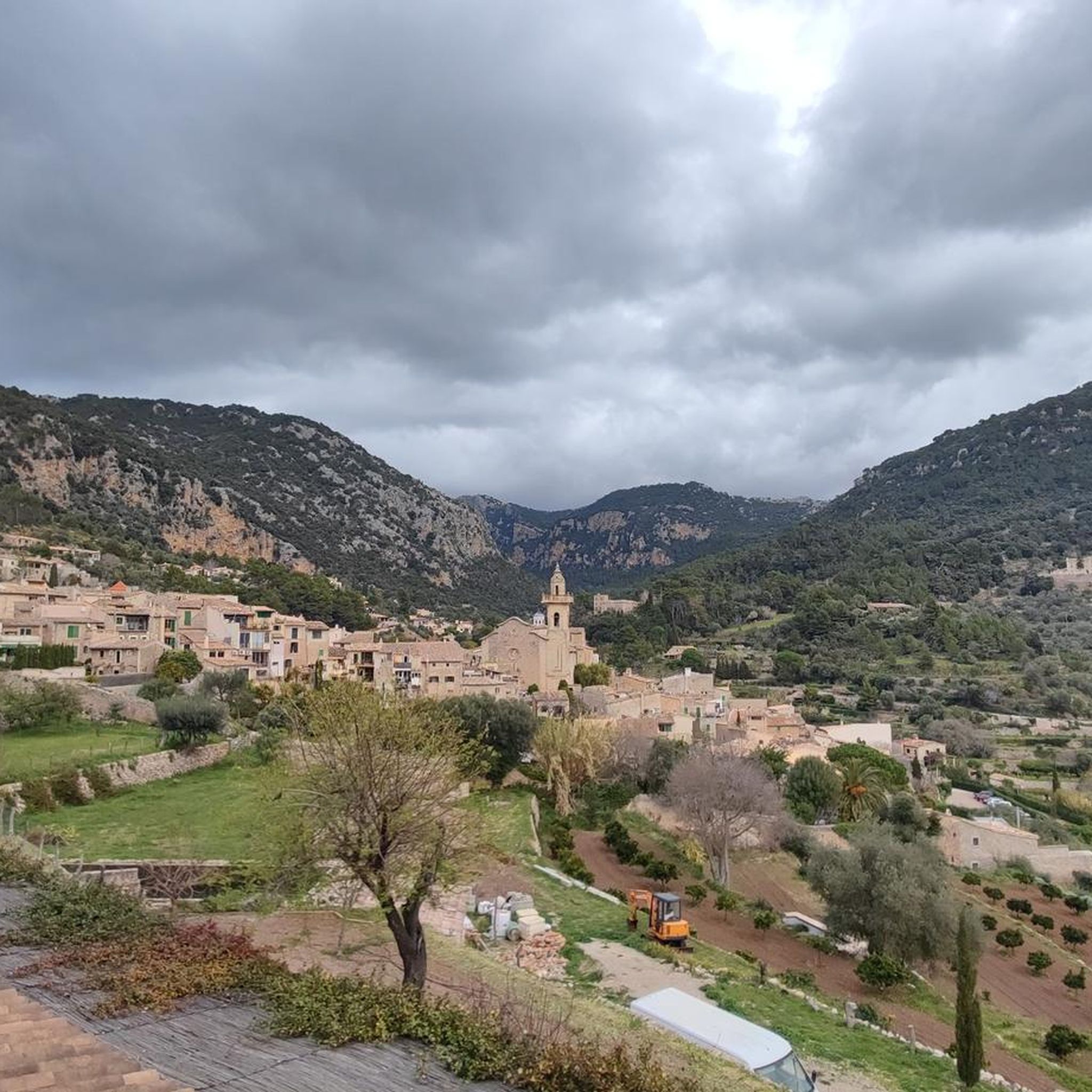
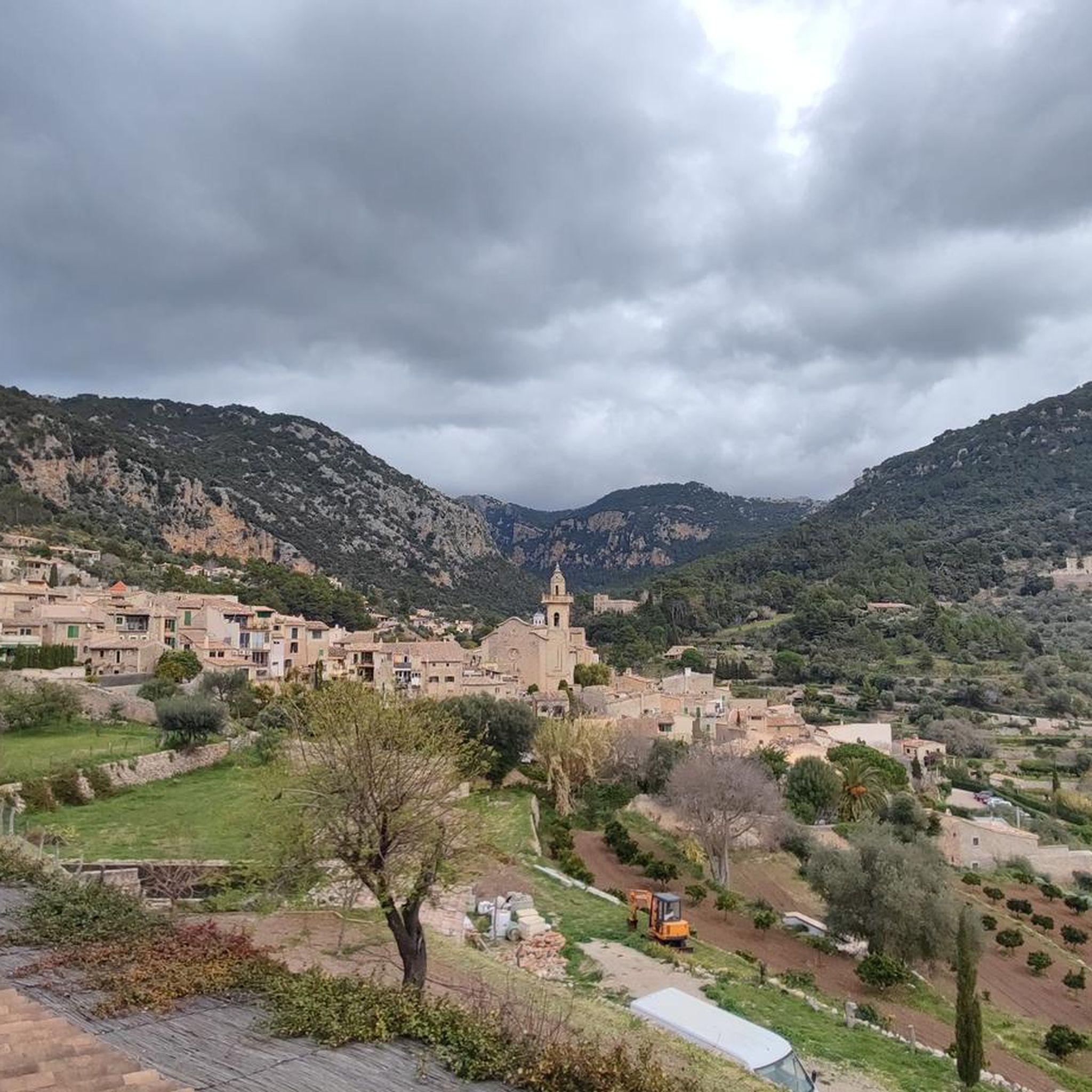
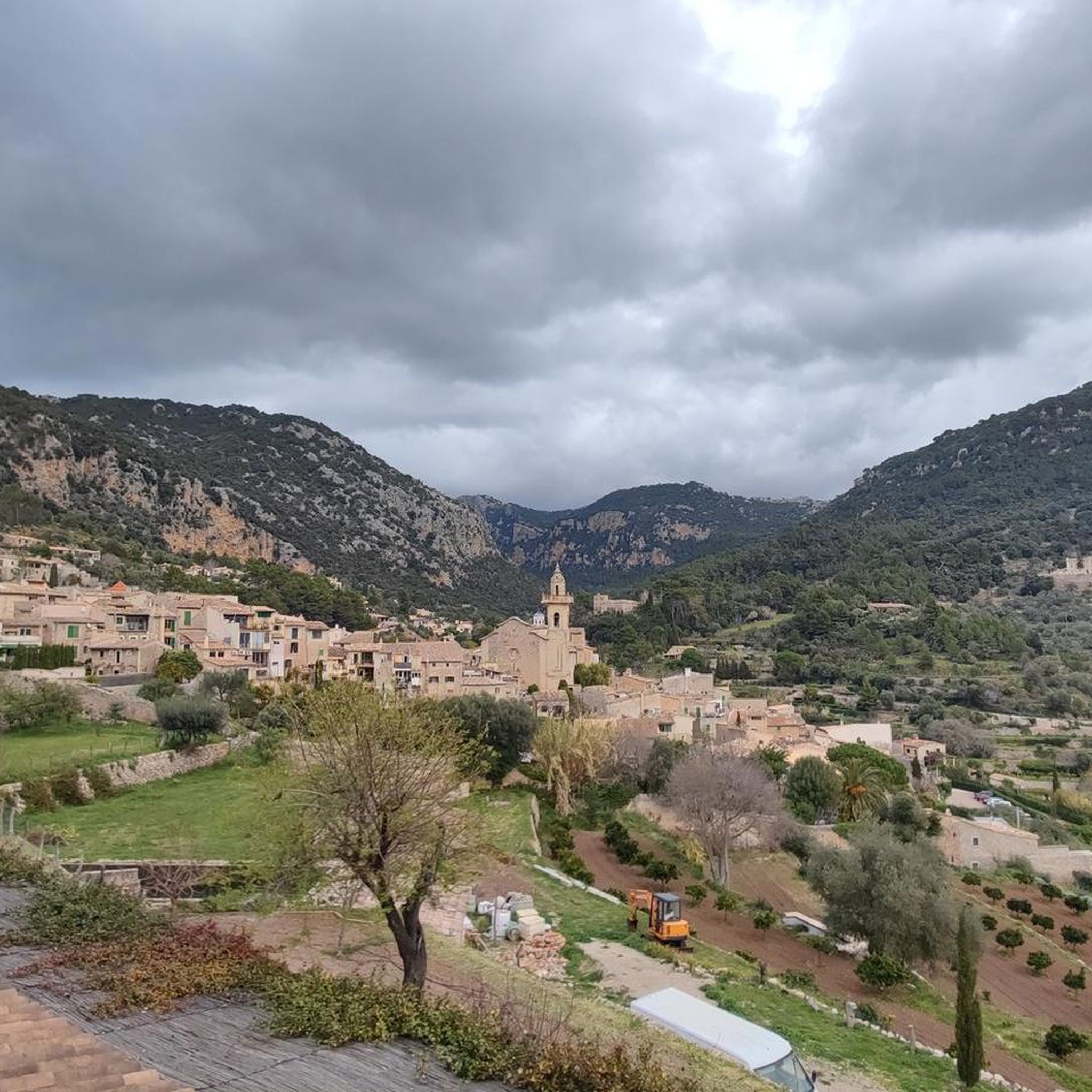
Best natural monuments around Valldemossa are situated within the Serra de Tramuntana mountain range on Mallorca, a UNESCO World Heritage site. This region is characterized by dramatic limestone peaks, lush forests, and historic agricultural terraces. The landscape features peaks exceeding 1,000 meters and ancient dry stone constructions. It offers a blend of natural beauty and cultural heritage for exploration.
Best natural monuments around Valldemossa
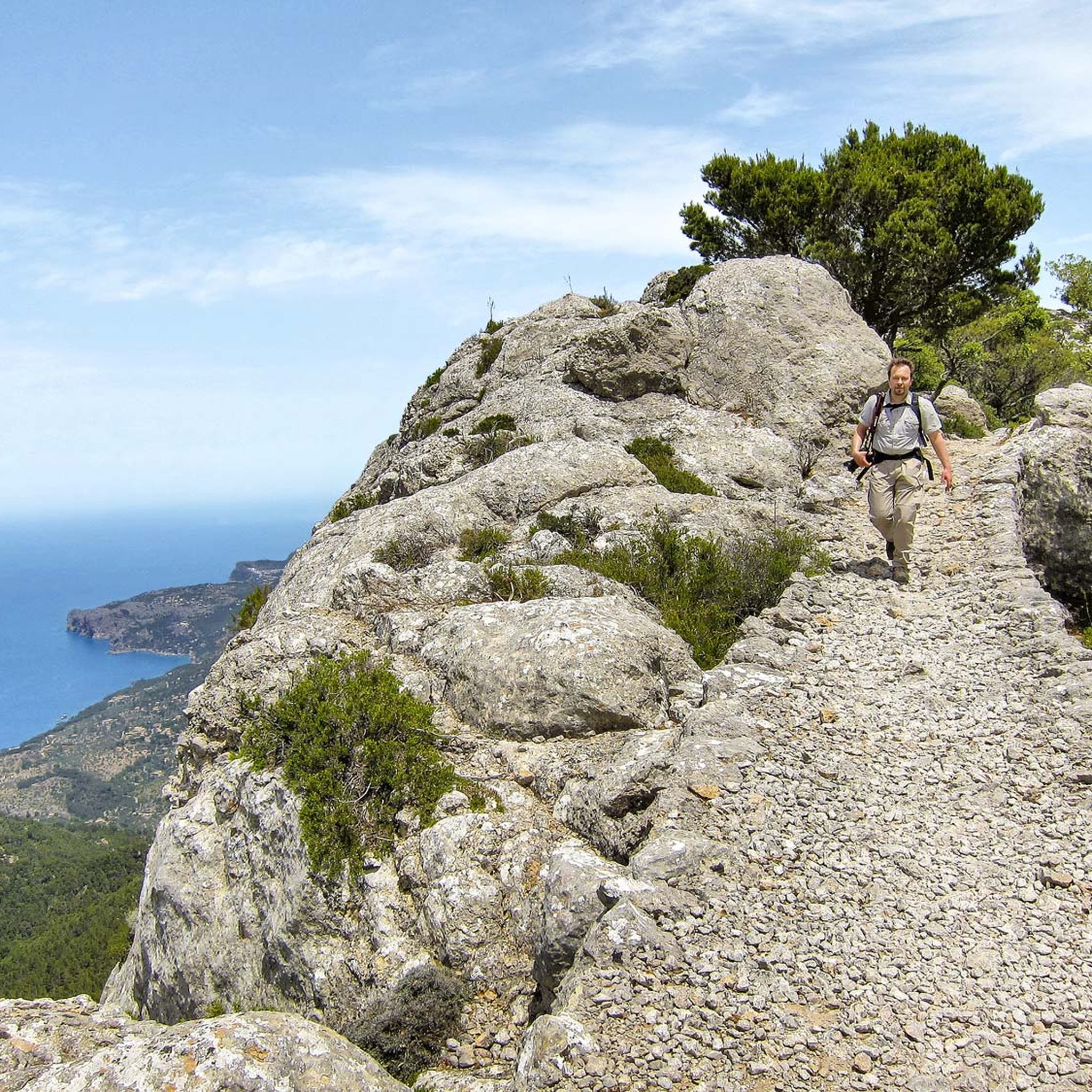
- The most popular natural monuments is Camí de s'Arxiduc (Archduke's Trail), a trail that was…
Last updated: May 4, 2026
Old Olive Tree
Highlight • Natural Monument
Translated by Google •
Tip by

Camí de s'Arxiduc (Archduke's Trail)
Highlight • Trail
Translated by Google •
Tip by

Sign up now to discover places like this
Get recommendations on the best single tracks, peaks, & plenty of other exciting outdoor places.
Sign up for free
Ancient Olive Groves of the Serra de Tramuntana
Highlight • Natural
Translated by Google •
Tip by
Barranc de Biniaraix Stone Path
Highlight (Segment) • Trail
Translated by Google •
Tip by

King Juan Carlos I Gardens, Valldemossa
Highlight • Natural
Translated by Google •
Tip by

Sign up for free to discover even more natural monuments around Valldemossa.
Sign up for free
Already have an account?
Start today with a free account
Your next adventure awaits.
Login or Signup

Tips from the Community

The path through the old olive groves is simply wonderful to walk... but it gets very hot here in summer...
3
1

Just follow the sign for Orange Juice and go up the stairs. There is fresh juice and you will be rewarded with a wonderful view
5
1

Great hike wonderful in September
1
1

Really a great place, although a bit hot in July
1
1

The garden, located right next to the Charterhouse in 1983, was named after King Juan Carlos and opened to the public in 1993. Between the large, old cypresses, palm trees and oleander plants there is also a bust of Chopin, who spent the winter here with George Sand in 1838/39. The garden is not too big, but invites you to linger.
6
2

Nice little garden with some seating
5
5
The centuries-old olive trees in Mallorca, especially in the Tramuntana, were introduced by the Phoenicians a thousand years ago. The Romans expanded cultivation, and the Arabs later developed oil extraction. For a long time, the farmers in the Tramuntana lived off the "gold of the Sierra". Even the steepest slopes were terraced in order to use them for olive cultivation. The olive tree ensures its longevity through the bizarre shapes it assumes over time and is one of the longest-lived trees of all. Even at the age of several 100 years, it still bears fruit.
12
1
The centuries-old olive trees in Mallorca, especially in the Tramuntana, were introduced by the Phoenicians a thousand years ago. The Romans expanded cultivation, and the Arabs later developed oil extraction. For a long time, the farmers in the Tramuntana lived off the "gold of the Sierra". Even the steepest slopes were terraced in order to use them for olive cultivation. The olive tree ensures its longevity through the bizarre shapes it assumes over time and is one of the longest-lived trees of all. Even at the age of several 100 years, it still bears fruit.
11
3
Frequently Asked Questions
What are some popular hiking trails among the natural monuments in Valldemossa?
The Camí de s'Arxiduc (Archduke's Trail) is a highly popular choice, known for its historical significance and magnificent views across the Tramuntana high plateaus. For those seeking a more challenging experience, the trek to Barranc de Biniaraix Stone Path offers varied landscapes and stunning views of Sóller and the sea. The broader Serra de Tramuntana also features sections of the GR 221 'Dry Stone Route', providing extensive scenic paths.
What unique natural features can I explore in the Valldemossa area?
The region is rich in natural wonders. You can witness the distinctive rock formation with a hole at Sa Foradada Peninsula, explore the dramatic cliffs and lush forests of the Serra de Tramuntana, or marvel at the ancient Ancient Olive Groves and oak groves, some of which are thousands of years old.
Are there natural monuments in Valldemossa with historical significance?
Yes, many. The Camí de s'Arxiduc was laid out in the 19th century by Archduke Ludwig Salvator. The Ancient Olive Groves of the Serra de Tramuntana showcase centuries of agricultural history, with trees introduced by Phoenicians and cultivated by Romans and Arabs. The entire Serra de Tramuntana, a UNESCO World Heritage site, is also notable for its historic dry stone constructions and agricultural terraces.
Are there family-friendly natural monuments around Valldemossa?
The King Juan Carlos I Gardens in Valldemossa offer a beautifully landscaped park that is suitable for families. Its serene environment and proximity to the Carthusian monastery make it a pleasant spot for a leisurely visit. Many of the viewpoints around Valldemossa also provide easy access and stunning vistas for all ages.
What kind of hiking routes can I find near Valldemossa's natural monuments?
Valldemossa offers a variety of hiking routes, from moderate to difficult. You can explore trails like the Barranc de Biniaraix Gorge, which features a stone staircase and magnificent views. For more options, check out the Mountain Hikes around Valldemossa guide, which includes routes like the challenging ascent to the Summit of Es Cornador Gran.
Can I go cycling near the natural monuments in Valldemossa?
Absolutely. The region provides excellent opportunities for both road cycling and mountain biking. You can find scenic road cycling routes like the 'Port de Valldemossa – View of Port de Valldemossa loop' or explore challenging MTB trails such as the 'Valldemossa, Deià, and Coll de Sóller Loop'. For detailed routes, refer to the Road Cycling Routes around Valldemossa and MTB Trails around Valldemossa guides.
Where can I find the best panoramic views of Valldemossa and its surroundings?
Valldemossa is dotted with numerous viewpoints, or 'miradors', offering breathtaking vistas. Popular spots include Miranda des Lledoners and Mirador Valldemossa, which provide panoramic views of the village, the valley, surrounding mountains, and even Palma in the distance. The Camí de s'Arxiduc and the summit of Puig des Teix also offer awe-inspiring mountain and coastal views.
Is there a secluded beach or coastal natural monument near Valldemossa?
Yes, the Port de Valldemossa (Cala Sa Marina) is a tranquil fishing port with a picturesque pebble beach. It offers crystal-clear turquoise waters and scenic mountain views, making it a perfect spot for those seeking a secluded coastal experience, despite the winding road to access it.
What is the best time of year to visit Valldemossa's natural monuments?
The spring and autumn months are generally ideal for visiting Valldemossa's natural monuments. The weather is pleasant for hiking and exploring, and the landscapes are particularly vibrant. Summer can be hot, especially for longer hikes, so early mornings are recommended if visiting during this season.
Are there any unique geological features to observe?
The Serra de Tramuntana mountain range itself is a significant geological feature, characterized by its dramatic limestone cliffs and karst canyons. The distinctive rock formation at Sa Foradada Peninsula, with its natural hole created by the sea, is another prominent geological marvel.
What do visitors enjoy most about the natural monuments in Valldemossa?
Visitors frequently praise the stunning panoramic views, especially from trails like the Camí de s'Arxiduc. The ancient olive trees, with their bizarre and long-lived shapes, are also a highlight, offering a glimpse into Mallorca's rich agricultural history. The blend of natural beauty with historical elements, such as dry stone constructions, is also highly appreciated.
Are there any natural monuments that are particularly good for sunset views?
The Sa Foradada Peninsula is renowned as one of the best viewpoints for watching the sunset. The distinctive rock formation against the shimmering sea creates a spectacular backdrop, making it a popular spot to enjoy the evening light.
Most popular routes around Valldemossa
Most popular attractions around Valldemossa

Get inspired with the komoot mobile app


Explore more
Extend your search for the best caves by checking out these guides of the top ones around Valldemossa:
