Top 6 Natural Monuments around María
Best natural monuments around María are characterized by mountainous landscapes, diverse ecosystems, and significant cultural heritage. The region, part of the Sierra María-Los Vélez Natural Park, features arid terrain, rocky peaks, and forested areas. It is home to a variety of flora and fauna, including endemic plant species and diverse wildlife. The area also contains important archaeological sites with prehistoric cave paintings.
Best natural monuments around María
- The most popular natural monuments is View of Sierra de María, a…
Last updated: July 1, 2026
Caños de Caravaca Fountain
Highlight • Monument
Translated by Google •
Tip by

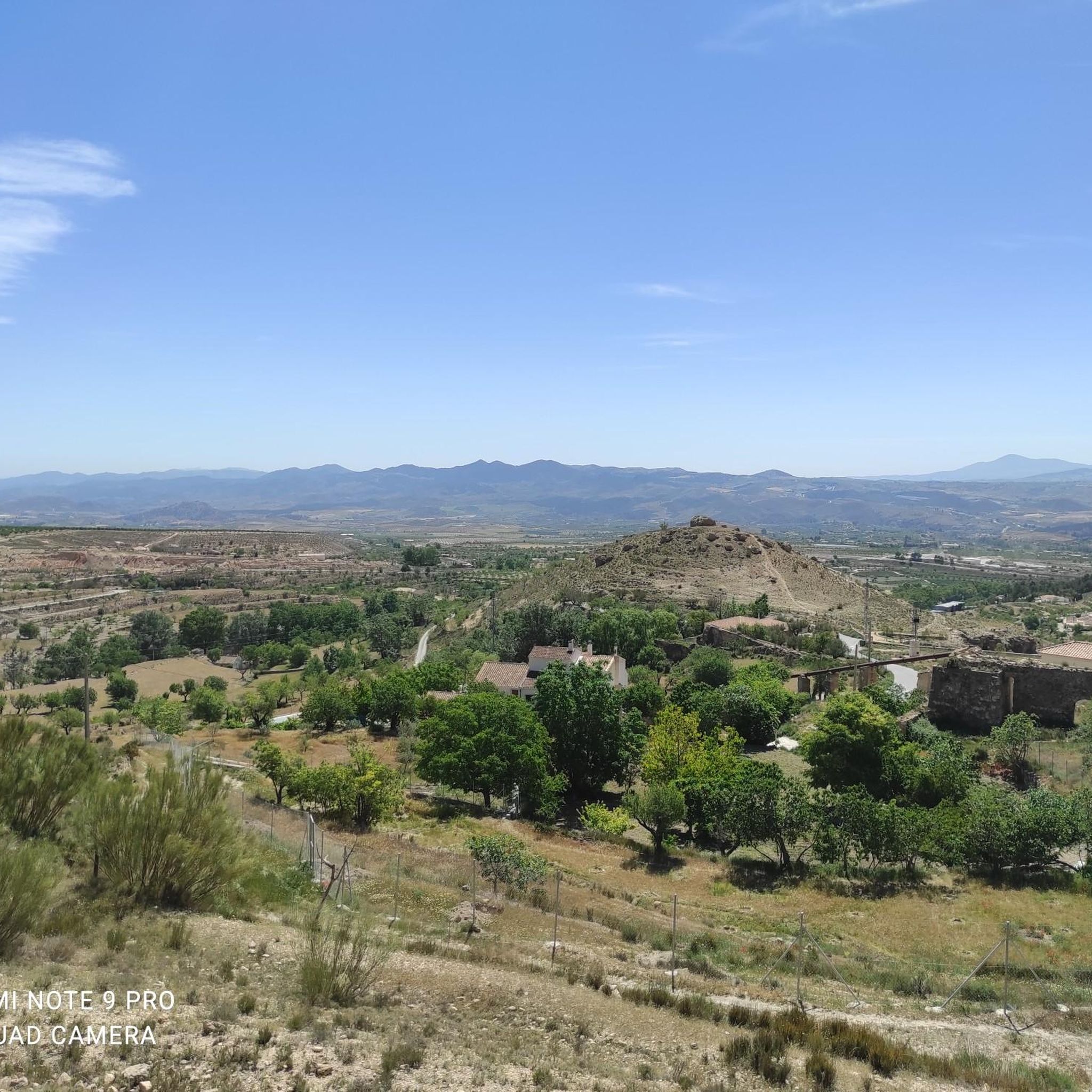
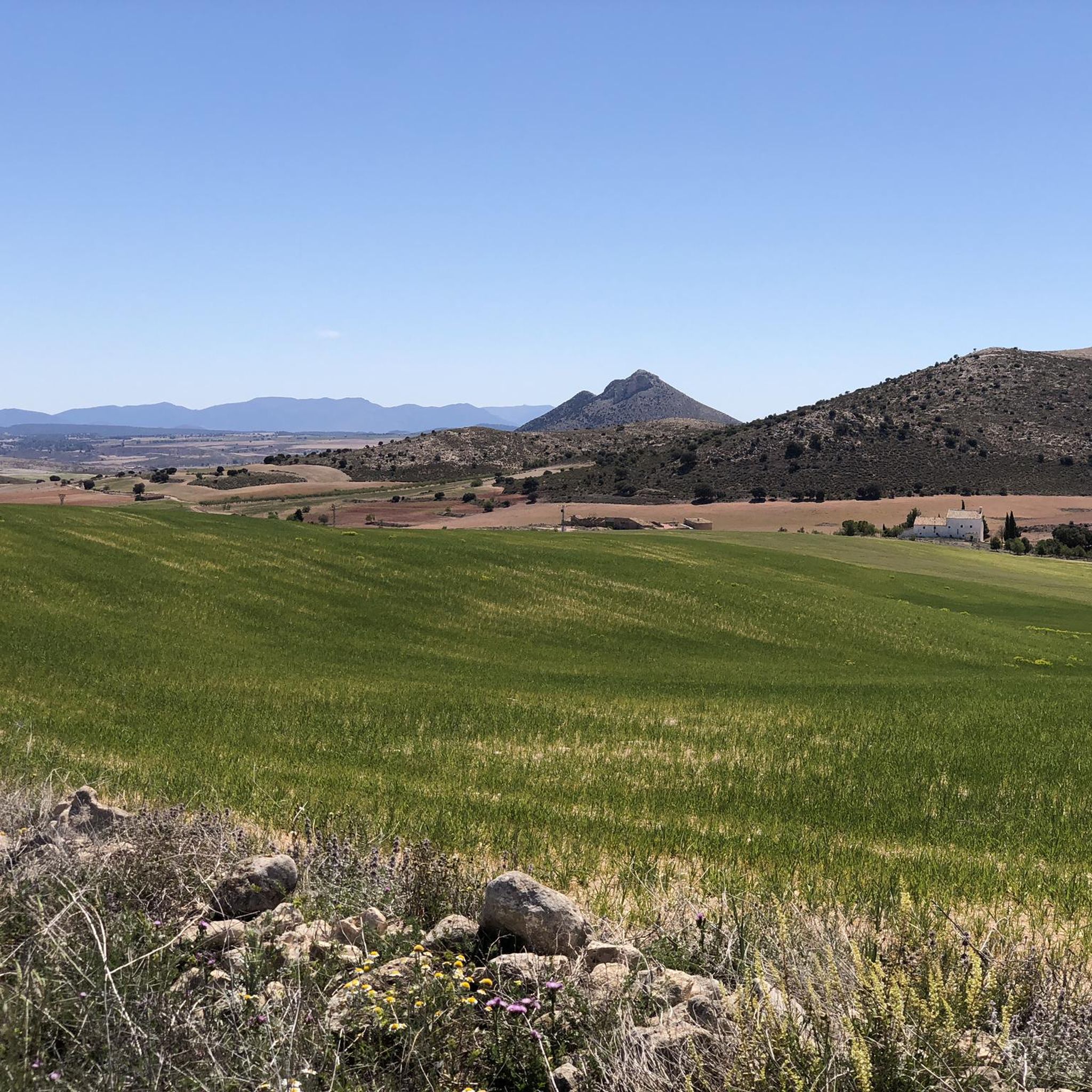
View of Sierra de María
Highlight • Viewpoint
Translated by Google •
Tip by

Sign up now to discover places like this
Get recommendations on the best single tracks, peaks, & plenty of other exciting outdoor places.
Sign up for free
Cave of the Inscriptions
Highlight • Cave
Translated by Google •
Tip by

Collado de Portalchico
Highlight • Mountain Pass
Translated by Google •
Tip by
Puntal del Morral Viewpoint
Highlight • Viewpoint
Translated by Google •
Tip by
Sign up for free to discover even more natural monuments around María.
Sign up for free
Already have an account?
Start today with a free account
Your next adventure awaits.
Login or Signup

Tips from the Community

The Sierra de María is located within the María-Los Vélez Natural Park, a protected natural area located near Vélez Rubio, Vélez Blanco, María, and Chirivel. It was officially recognized as such in 1987. It covers an area of more than 22,500 hectares and has a visitor information office in the town of Vélez Blanco. Its unique variety of interior microclimates also contributes to the proliferation of many different plant species. The abundant forest cover gives rise to the development of native Black and Corsican pine forests, which coexist with Aleppo pine as a result of various reforestation projects.
0
0

The Caños de Caravaca Fountain is located on San Francisco Street in the town centre of Vélez-Blanco. This fountain stands out for its unique decoration, with tiles in striking orange and green colours, which include motifs from Don Quixote and the Vélez-Blanco coat of arms. The fountain is supplied by springs from the Barranco de las Fuentes and its flow is low but constant. In addition to its architectural value, the fountain is used for irrigation and is a point of tourist and recreational interest in the town.
1
0
Collado de Portalchico is located in the Sierra de María, within the Sierra María-Los Vélez Natural Park, in the province of Almería. This hill is located at an altitude of 1880 meters and offers impressive panoramic views both to the north and south of the mountain range. To reach Collado de Portalchico, you can follow a hiking route that starts from the Ermita de la Virgen de la Cabeza and passes through the Umbría de la Virgen Botanical Garden. The route is challenging but rewarding, and will allow you to enjoy the natural beauty of the region.
6
0

The fountain spouts fresh, crystal-clear drinking water of the highest quality. Its construction was commissioned by the first Marquis of Los Vélez at the beginning of the 16th century. With four spouts, it has a very unique, rich ornamentation based on tiles in striking orange and green tones, made in 1944. It depicts three scenes, two from Goya's "La Vendimia" and one from Don Quixote. Next to it you can also see the coat of arms of Vélez Blanco.
0
0

Something to quench your thirst and refill your bottles! Fresh, drinkable water all year round.
0
0
The Cueva de los Letreros, located in the municipality of Vélez Blanco, is an archaeological treasure that houses cave paintings related to the activities of the first settlers of the southeast of the peninsula. This site is part of the Mediterranean Arc Rock Art Complex, declared World Heritage by UNESCO.
2
0

It is advisable to book a tour of the caves in advance.
1
0

Los Caños de Caravaca is a public fountain located in Vélez-Blanco. It was commissioned by the Marquis of Los Vélez in the 16th century. It has four water pipes and an ornamentation that dates back to 1944, in which orange and green tiles were placed, and two pictorial scenes: one inspired by a scene from Don Quixote and another from "La Vendimia" by Francisco de Goya, in addition of the shield of the population that presides over the fountain.
1
0
Frequently Asked Questions
What are the most popular natural monuments to visit around María?
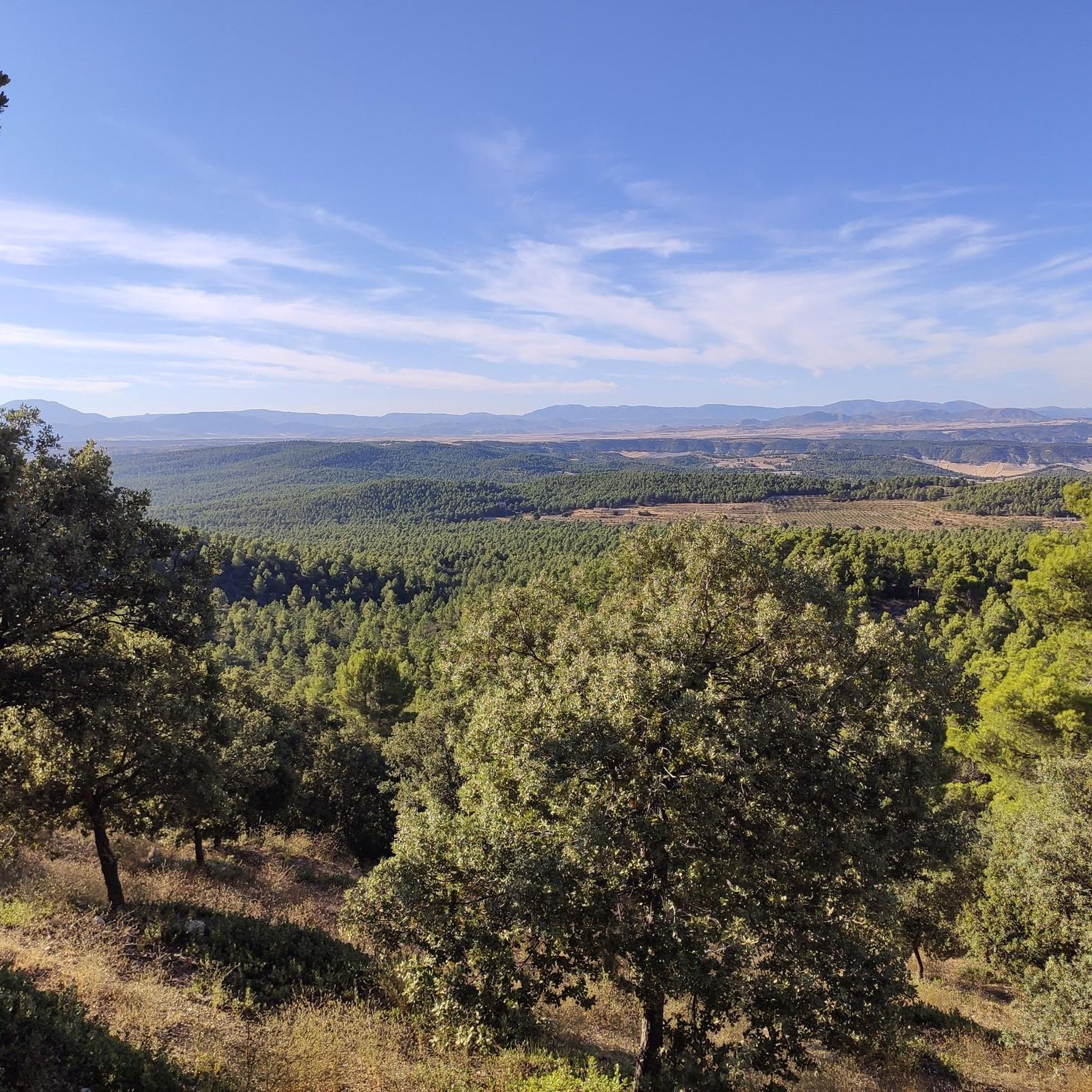
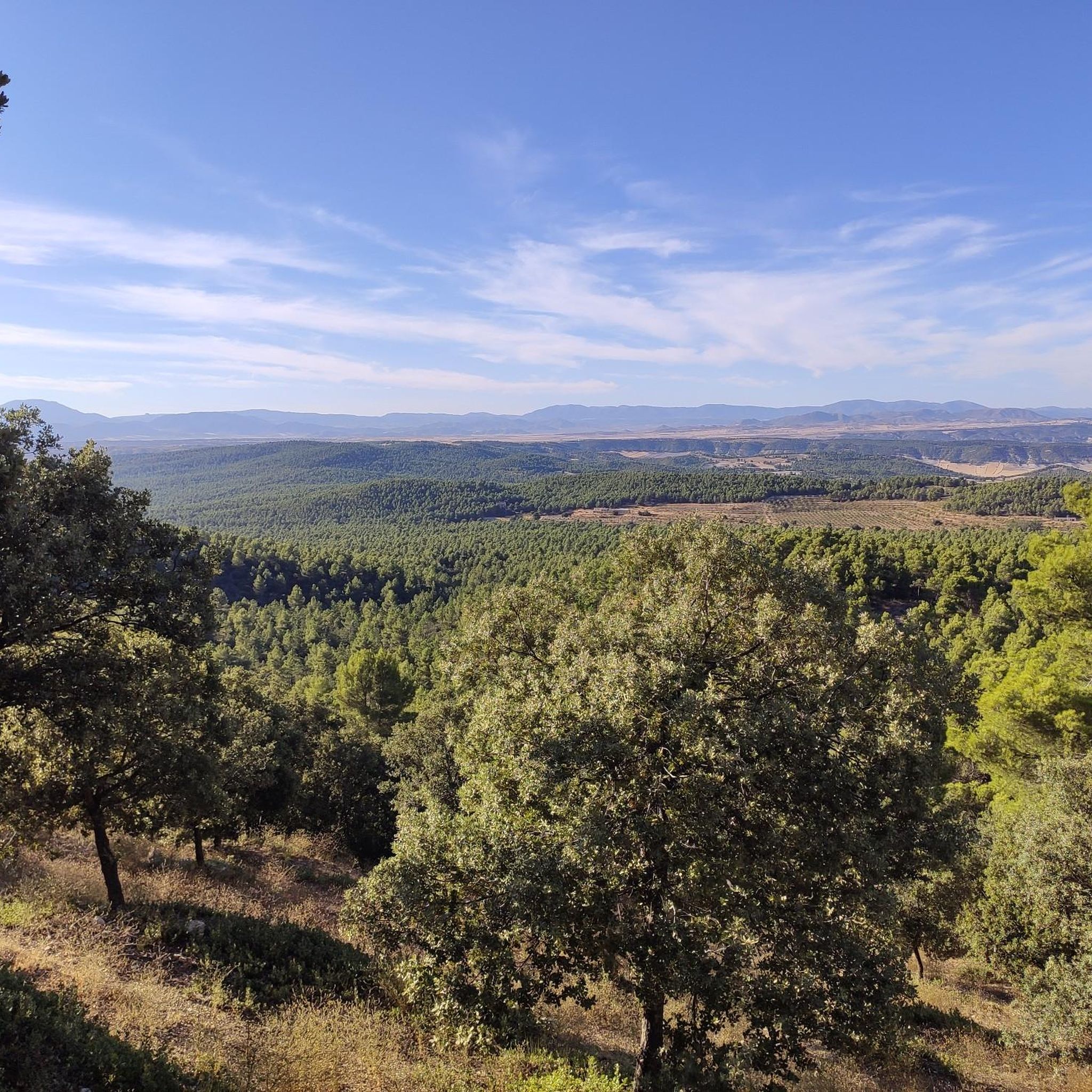
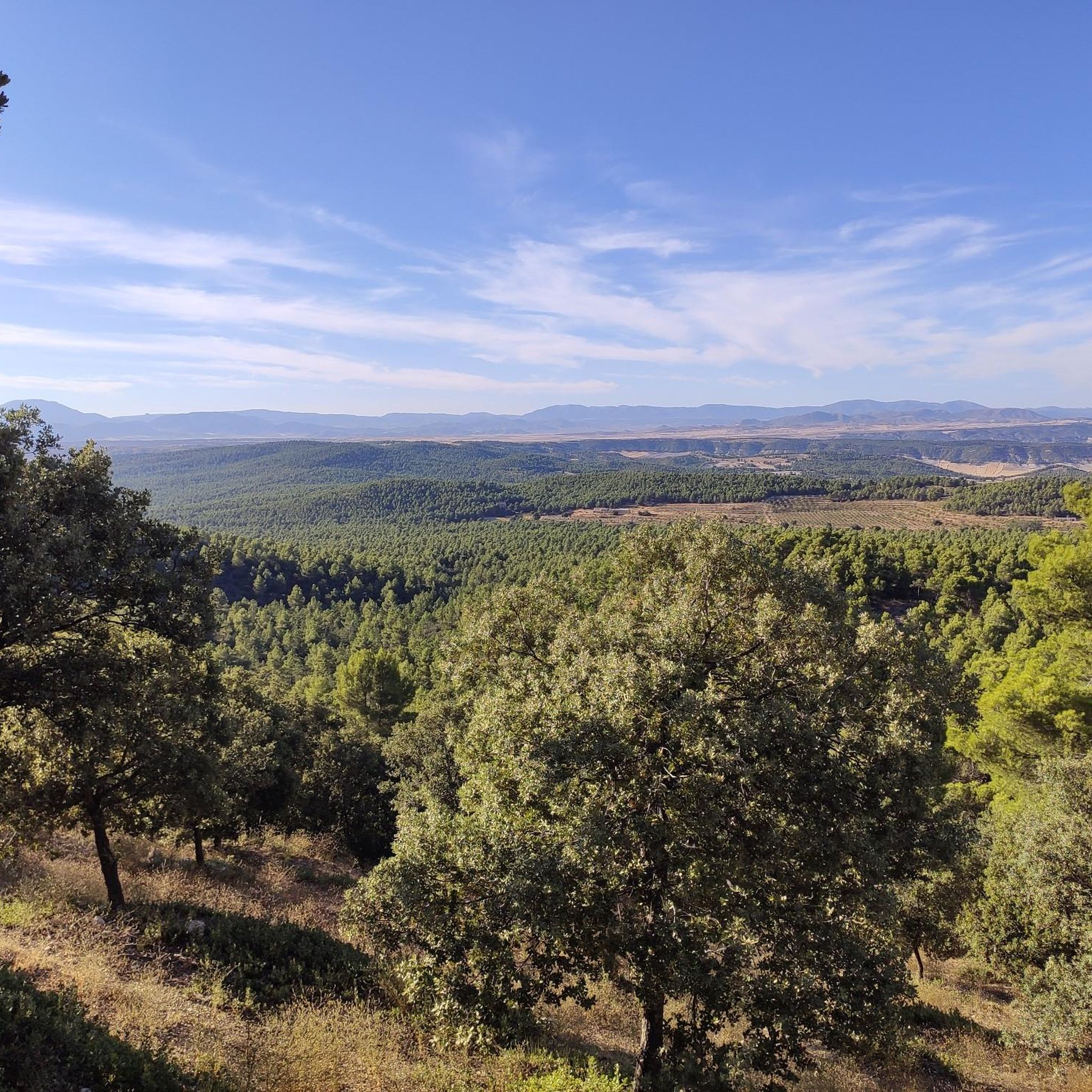
Visitors frequently enjoy the stunning vistas from View of Sierra de María, which offers excellent views of La Muela and the castle of Vélez-Blanco. Another favorite is the Puntal del Morral Viewpoint, providing spectacular panoramic views of the pine forest, the plain below, and the Sierra de María.
Are there any historical or archaeological natural monuments in the María region?
Yes, the region is rich in history. The Cave of the Inscriptions (Cueva de los Letreros) is an archaeological treasure, housing prehistoric cave paintings from the Neolithic or Copper Age, including the famous Indalo symbol. It's part of a UNESCO World Heritage site. Additionally, the Caños de Caravaca Fountain is a 16th-century man-made monument with historical significance and unique ornamentation.
What kind of wildlife can I expect to see in the natural monuments around María?
The Sierra María-Los Vélez Natural Park is home to diverse wildlife. You might spot Barbary sheep, common genets, beech martens, and Cabrera voles. Birdwatchers can look out for golden eagles, eagle owls, peregrine falcons, and griffon vultures. The park's protected status helps preserve these unique species.
Are there family-friendly natural monuments or activities in María?
Yes, the Caños de Caravaca Fountain is considered family-friendly and is easily accessible. The region also offers recreational areas within its forests, such as Los Alamicos and La Piza, which are great for families to enjoy nature.
What are the best times to visit the natural monuments in María?
The Sierra María-Los Vélez Natural Park is enjoyable year-round. For hiking and outdoor activities, spring and autumn offer pleasant temperatures. The dry season generally runs from December to April, which can be ideal for avoiding muddy trails, especially in higher elevations. Even rainy weather can reveal a different charm to the park's landscapes.
What outdoor activities can I do near the natural monuments in María?
The region around María is excellent for various outdoor activities. You can find numerous trails for mountain biking, gravel biking, and road cycling. For example, explore the area with routes from the MTB Trails around María guide, or try the Gravel biking around María guide. Road cyclists can find routes in the Road Cycling Routes around María guide.
Are there challenging hikes or mountain passes in the natural monuments of María?
Yes, for those seeking a challenge, Collado de Portalchico is a mountain pass located at 1880 meters in the Sierra de María. It offers impressive panoramic views and can be reached via a challenging hiking route that starts from the Ermita de la Virgen de la Cabeza and passes through the Umbría de la Virgen Botanical Garden.
What unique plant life can be found in the natural monuments around María?
The Sierra María-Los Vélez Natural Park is a botanical hotspot, harboring nearly half of all plant species found in Almería. You can find endemic vegetation like the Sierra María knapweed, well-preserved forests of black and Aleppo pines, and Mediterranean scrubland. The 'Umbría de la Virgen' Botanical Garden specifically showcases unique local flora.
Are there any natural monuments that offer extensive views of the surrounding landscape?
Absolutely. Both the View of Sierra de María and the Puntal del Morral Viewpoint are renowned for their spectacular vistas. From these points, you can observe the agricultural valleys, lush pine forests, and distant mountain ranges like the Sierras de las Estancias and Filabres.
What should I know before visiting the Cave of the Inscriptions?
The Cave of the Inscriptions (Cueva de los Letreros) is a significant archaeological site. It is advisable to book a tour of the caves in advance to ensure access and to learn about the prehistoric cave paintings and their cultural importance.
Are there any natural monuments that are wheelchair accessible?
Yes, the Caños de Caravaca Fountain is listed as wheelchair accessible, making it a suitable option for visitors with mobility needs.
Most popular attractions around María

Get inspired with the komoot mobile app


Explore more
Extend your search for the best caves by checking out these guides of the top ones around María:
