Top 4 Mountain Passes around Sant Vicenç De Montalt
Best mountain passes around Sant Vicenç De Montalt offer a landscape that transitions from the coastline to the foothills of the El Corredor mountain range. The area features significant climbs and routes for outdoor enthusiasts, rather than traditional mountain passes. Its more mountainous interior provides popular ascents for hiking and cycling, often culminating in scenic viewpoints. The region is known for diverse terrain, including Mediterranean forests of pines and oaks.
Top mountain passes around Sant Vicenç De Montalt
- The most…
Last updated: July 1, 2026
Orrius Pass - Sant Bartomeu Pass
Highlight (Segment) • Mountain Pass
Translated by Google •
Tip by

Collsacreu Pass from Vallgorguina
Highlight (Segment) • Mountain Pass
Translated by Google •
Tip by

Sign up now to discover places like this
Get recommendations on the best single tracks, peaks, & plenty of other exciting outdoor places.
Sign up for free
Can Bordoi Pass
Highlight (Segment) • Mountain Pass
Translated by Google •
Tip by

Collsacreu
Highlight • Mountain Pass
Showing Translation
Tip by

Ferradura Pass (512 m)
Highlight • Mountain Pass
horseshoe
Translated by Google •
Tip by

Start today with a free account
Your next adventure awaits.
Login or Signup

Tips from the Community


Coll de Orrius is also known as Coll de Sant Bertomeu.
1
0
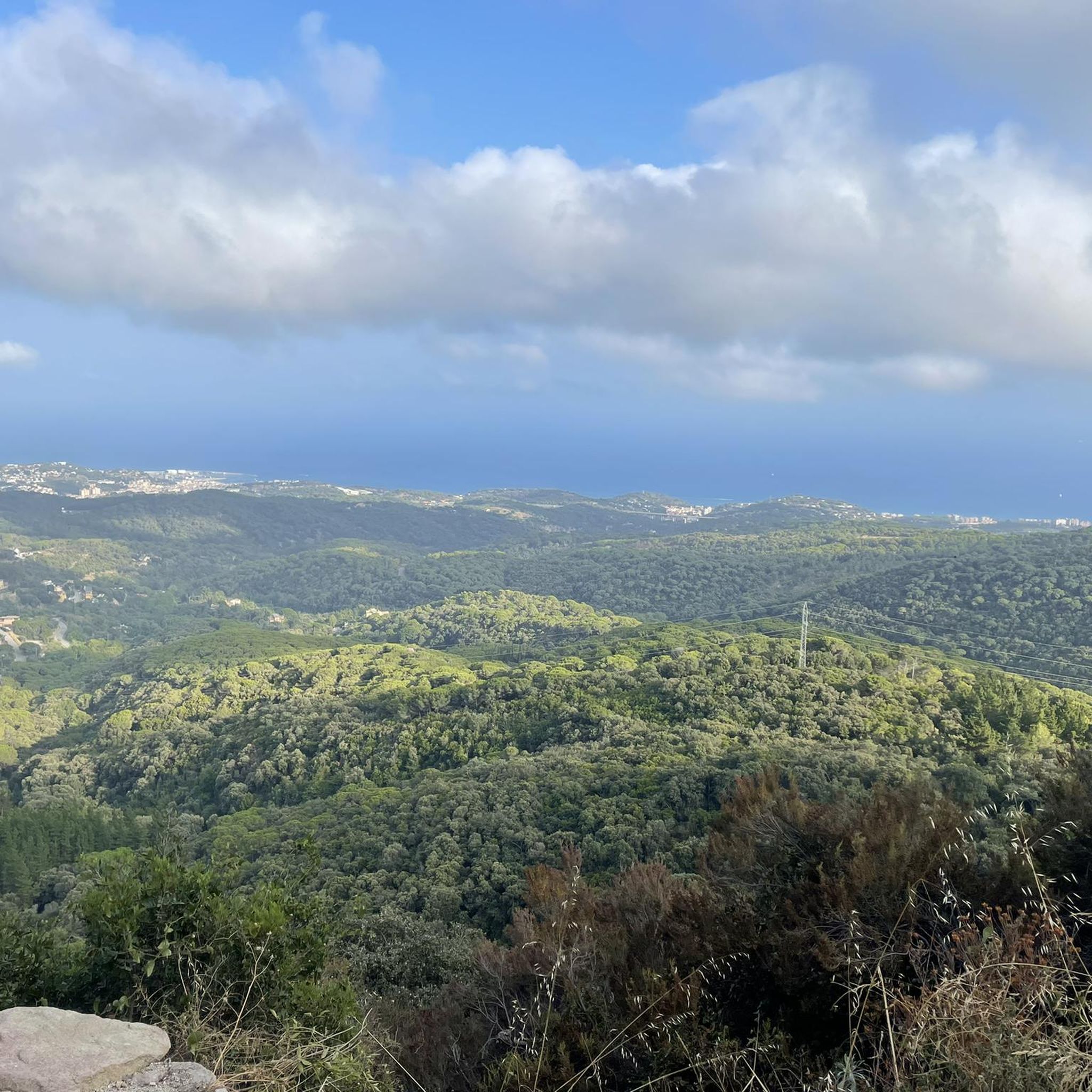
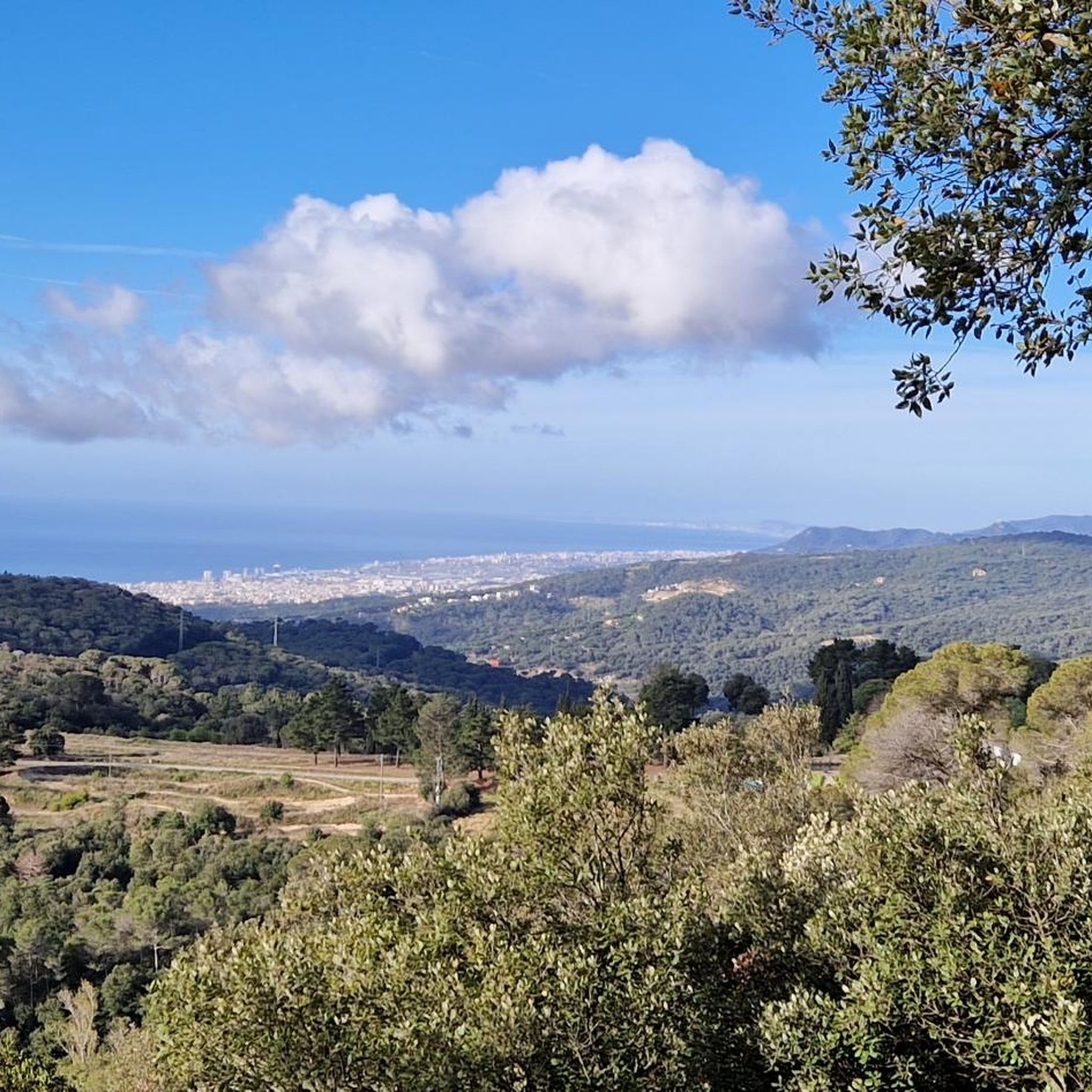
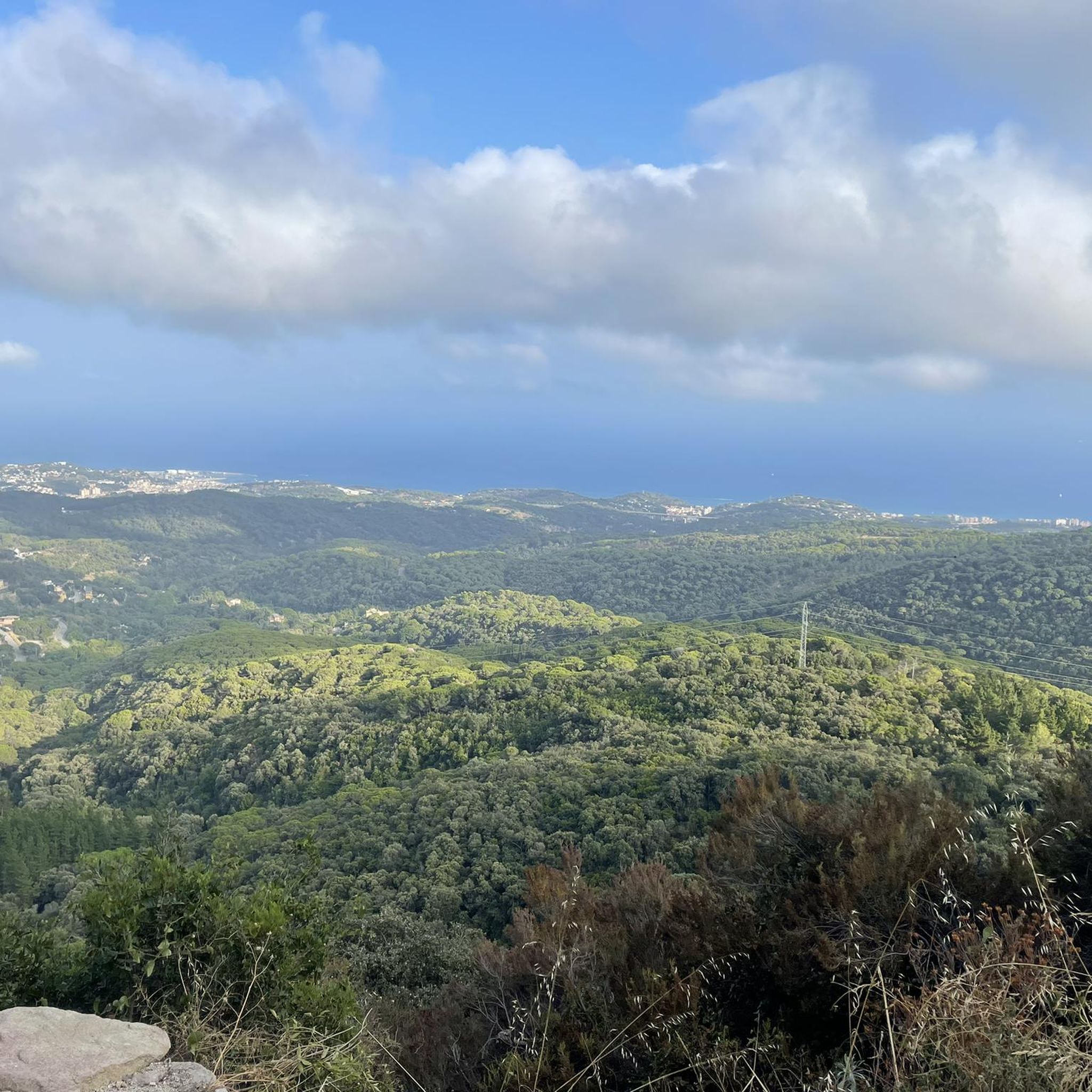
It is one of the many climbs that cross the coastal mountain range of the province of Barcelona, connecting in this case the towns of Argentona with Roca del Vallés. It is a port parallel to Coll de Papers, although this is much harder. The Argentona side is longer and with less slope than the Roca del Vallés. The Argentona side is 6.5 km with an average gradient of 4.5%. There is a rest with a descent in the middle area of the port, the second section being harder than the first. The Roca del Vallés side is barely 4 km with a very constant average gradient of 7%. The views of the valleys, the coast and Montseny from the top of the port are very cool and well worth it.
1
0
Collsacreu is a small port that allows you to travel from the interior to the coast. On this side, the real difficulty is in the last 2 km, where there is some 8% ramp. Road with a lot of traffic, but wide and with very good asphalt. It is worth being very attentive.
0
0

In my experience, it gets harder if you start from La Roca del Vallés. It does not have particularly complicated slopes, but the ascent can become somewhat tedious. I advise going slowly and taking a steady pace to the top, where you can pull over to the side of the road and enjoy the beautiful views. The descent from the top of Coll to Òrrius (I recommend extending it to Mataró / Vilassar de Mar) translates into a few minutes of adrenaline and speed. Of course, be careful with some curves, which are somewhat closed and force you to slow down. If you finally continue descending, via Argentona, you will end up on the Costa del Maresme, very close to the train tracks and the CostaMar apartment complex. In short, a good challenge for cyclists of any level, with the reward of a dizzying descent and a varied and attractive landscape. Recommended.
1
0

This pass connects Arenys de Mar with the slopes of Montseny. It is located in the Montnegre and Corredor natural park, in the Sierra Litoral, between the regions of Maresme and Vallés Oriental.
2
0

9% section Located between the exit roundabout of the C-35 - Llinars and approx 300m up the road towards dosrius. Then the climb continues calm and the descent is the same.
2
0
Road that connects the municipalities of Dosrius and LLinars, from different regions. In one section there is a slope of more than 9%
1
0
Frequently Asked Questions
What makes the mountain passes around Sant Vicenç De Montalt unique?
The area around Sant Vicenç De Montalt features significant climbs and routes that serve as recreational mountain passes, rather than traditional high-altitude crossings. These ascents are popular for hiking and cycling, often leading to scenic viewpoints and traversing diverse Mediterranean forests of pines and oaks. The region transitions from the coastline inland to the foothills of the El Corredor mountain range, offering varied terrain.
Which mountain passes offer the best views in Sant Vicenç De Montalt?
Many of the ascents in the region culminate in scenic viewpoints. For example, Òrrius Pass provides extensive views of the entire Vallés region. The ascent to Cim del Montalt, a significant peak nearby, also rewards visitors with stunning panoramic vistas of the Mediterranean coast and the broader mountainous landscape.
Are there mountain passes suitable for cycling in Sant Vicenç De Montalt?
Yes, the region is very popular with cyclists. Òrrius Pass is a well-known crossing point for MTB, gravel, and road cyclists. Can Bordoi Pass features a section with a slope of up to 9%, offering a challenge for road cyclists. Collsacreu Pass from Vallgorguina also has a moderate incline and good asphalt, making it suitable for cycling.
What kind of terrain can I expect on the mountain passes?
The routes often wind through varied Mediterranean forests of pines, holm oaks, and cork oaks. You can expect diverse terrain with significant climbs and descents, ranging from smooth, newly paved roads to challenging singletrack sections, especially for mountain biking.
Are there any challenging mountain passes for experienced cyclists?
Absolutely. Can Bordoi Pass includes a section with a slope of up to 9%, providing a good test. The region is also known for mountain biking routes like 'Sant Vicençs Flow' and 'Montaltbike 2024', which feature significant climbs and challenging sections for experienced riders.
What outdoor activities can I do near these mountain passes?
Beyond exploring the passes themselves, the area offers excellent opportunities for hiking and mountain biking. You can find numerous routes, such as those listed in the MTB Trails around Sant Vicenç De Montalt guide, or explore Cycling around Sant Vicenç De Montalt for road and touring options. There are also Gravel biking around Sant Vicenç De Montalt routes available.
Are there any less crowded mountain passes or quiet spots?
While specific crowd levels can vary, the tips for Òrrius Pass mention reaching the hermitage of Sant Bartomeu via a track on the right, which is described as 'very quiet'. Generally, exploring the less-trafficked side routes or trails off the main cycling paths can lead to quieter experiences.
What should I know about the difficulty of these mountain passes?
The mountain passes and ascents in Sant Vicenç De Montalt vary in difficulty. Some, like Collsacreu Pass from Vallgorguina, have a moderate incline, while others, such as sections of Can Bordoi Pass, feature steeper gradients of up to 9%. Hiking routes to peaks like Cim del Montalt are typically of medium difficulty.
Can I find shade on the mountain passes during hot weather?
Yes, many routes, particularly Collsacreu Pass from Vallgorguina, are noted for abundant vegetation providing significant shade. The region's Mediterranean forests of pines, holm oaks, and cork oaks offer natural cover, which can be beneficial during warmer periods.
What is the significance of Ferradura Pass?
Ferradura Pass (512 m) is notable for a large rock with a distinctive horseshoe-shaped drawing on its left margin, giving the pass its name. It offers a unique natural landmark for visitors to discover.
What do visitors enjoy most about the mountain passes around Sant Vicenç De Montalt?
Visitors appreciate the diverse terrain, the challenging climbs for cyclists, and the rewarding panoramic views from various points. The natural beauty of the Mediterranean forests and the opportunity to connect the interior with the coast are also highly valued. The komoot community has contributed over 90 upvotes and 20 photos, highlighting the area's appeal.
Are there any specific tips for navigating the mountain passes?
When descending, especially on passes like Òrrius Pass, be cautious on curves with low visibility, particularly in wet conditions during winter. For Collsacreu Pass from Vallgorguina, be attentive on the road due to traffic, despite its width and good asphalt.
Most popular routes around Sant Vicenç De Montalt
Most popular attractions around Sant Vicenç De Montalt

Get inspired with the komoot mobile app


Explore more
See even more epic mountain passes by checking out these guides around Sant Vicenç De Montalt:
