Top 9 Natural Monuments around Zafrilla
Best natural monuments around Zafrilla are primarily located within the Serranía de Cuenca Natural Park and the Sierra de Albarracín region. This area is characterized by diverse landscapes, shaped by karst geology, unique rock formations, and rich flora and fauna. The region offers a variety of natural features, including waterfalls, river sources, and geological formations.
Best natural monuments around Zafrilla
- The most popular natural monuments is Herrería Waterfall, a waterfall that features an approximately 8-meter drop over the Cabriel…
Last updated: May 20, 2026
San Pedro Mill Waterfall
Highlight • Waterfall
Translated by Google •
Tip by

Herrería Waterfall
Highlight • Waterfall
Translated by Google •
Tip by

Sign up now to discover places like this
Get recommendations on the best single tracks, peaks, & plenty of other exciting outdoor places.
Sign up for free
Ojos del Cabriel
Highlight • River
Translated by Google •
Tip by
Source of the River Tagus
Highlight • River
Translated by Google •
Tip by

View of the Serranía de Cuenca
Highlight • Viewpoint
Translated by Google •
Tip by
Sign up for free to discover even more natural monuments around Zafrilla.
Sign up for free
Already have an account?
Start today with a free account
Your next adventure awaits.
Login or Signup
Tips from the Community

The official source of water is located at Fuente de García, in the Montes Universales, within the municipality of Frías de Albarracín (Teruel). It is located at an altitude of approximately 1,590 meters, surrounded by pine forests and high mountain meadows. Access is very easy and well signposted. Take the A-1704 highway, which connects Frías de Albarracín with Huélamo (Cuenca). From the highway, a paved detour of approximately 2 km takes you directly to the recreational area and the monument. There is free parking next to the monument.
10
0
Access is very easy and well signposted. Take the A-1704 highway, which connects Frías de Albarracín with Huélamo (Cuenca). From the highway, a paved detour of approximately 2 km takes you directly to the recreational area and the monument. There is free parking next to the monument.
5
0
The official source is located at Fuente de García, in the Montes Universales, within the municipality of Frías de Albarracín (Teruel). It is located at an altitude of approximately 1,590 meters, surrounded by pine forests and high mountain meadows.
5
0

It is a reference to the place where the longest river in Spain originates, stretching over 1,000 km and flowing into neighboring Portugal. These statues symbolize this point in the Albarracín mountain range.
8
0

Perfectly natural in a beautiful location.
4
0
The Cascada de la Herrería is a natural gem located in the Sierra de Albarracín, near the town of El Vallecillo. This beautiful waterfall, also known as the “Hidden Waterfall,” has a drop of approximately 8 meters over the Cabriel River. To reach the waterfall, you can follow a hiking route that begins in El Vallecillo. The route is short, just half a kilometer, and takes you through a varied and picturesque landscape. During the walk, you will also be able to see the natural springs known as the Ojos del Cabriel, which feed the river and the waterfall.
6
0
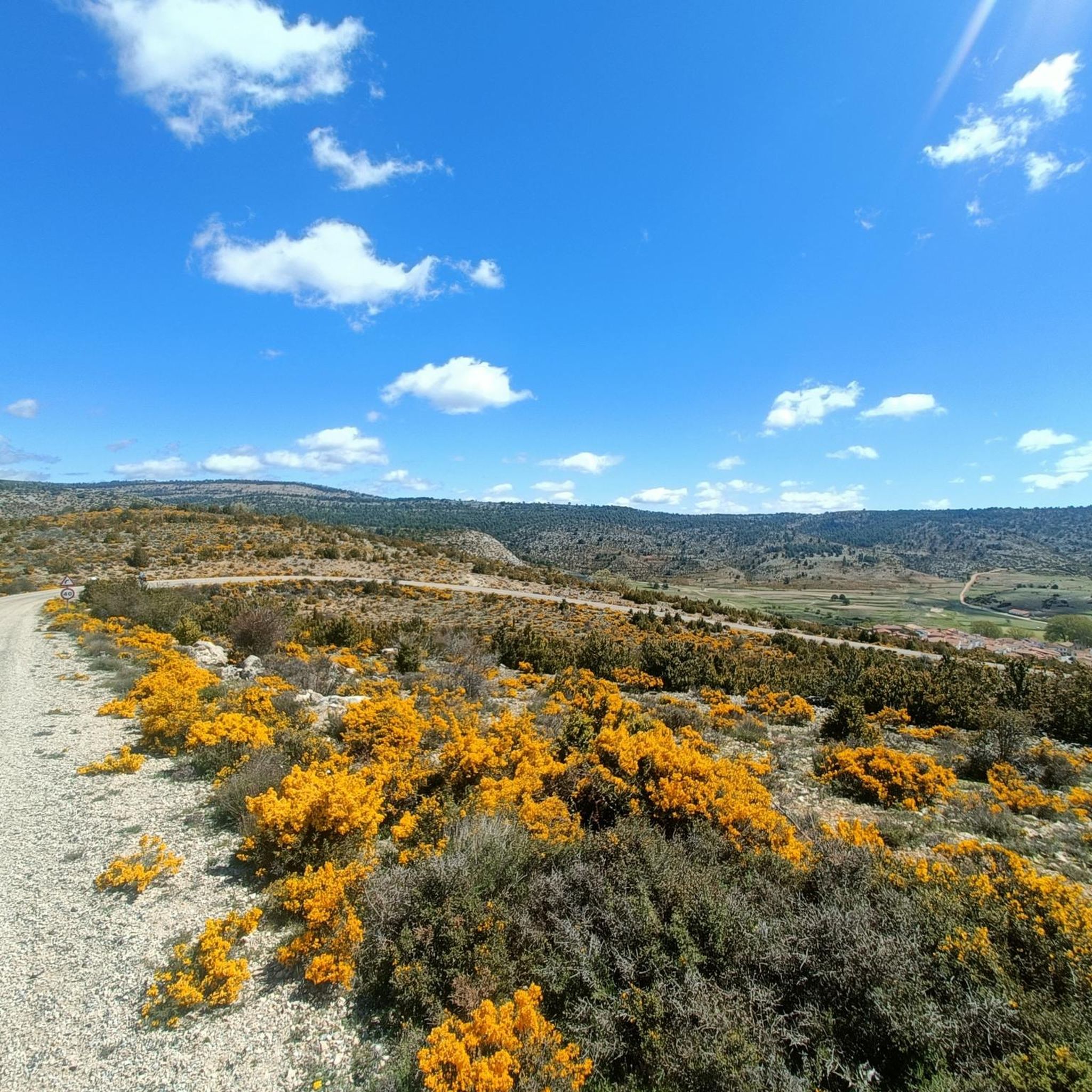
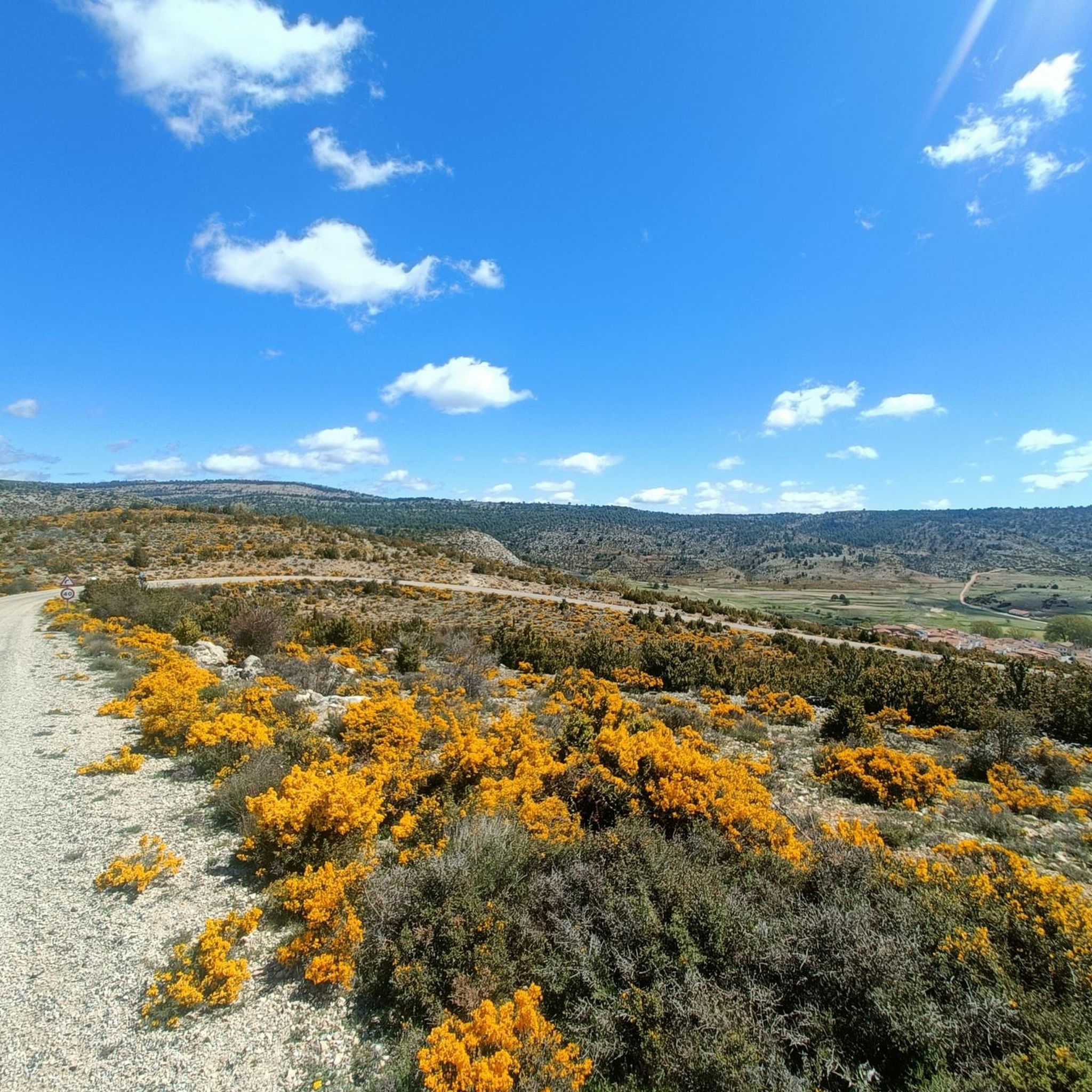
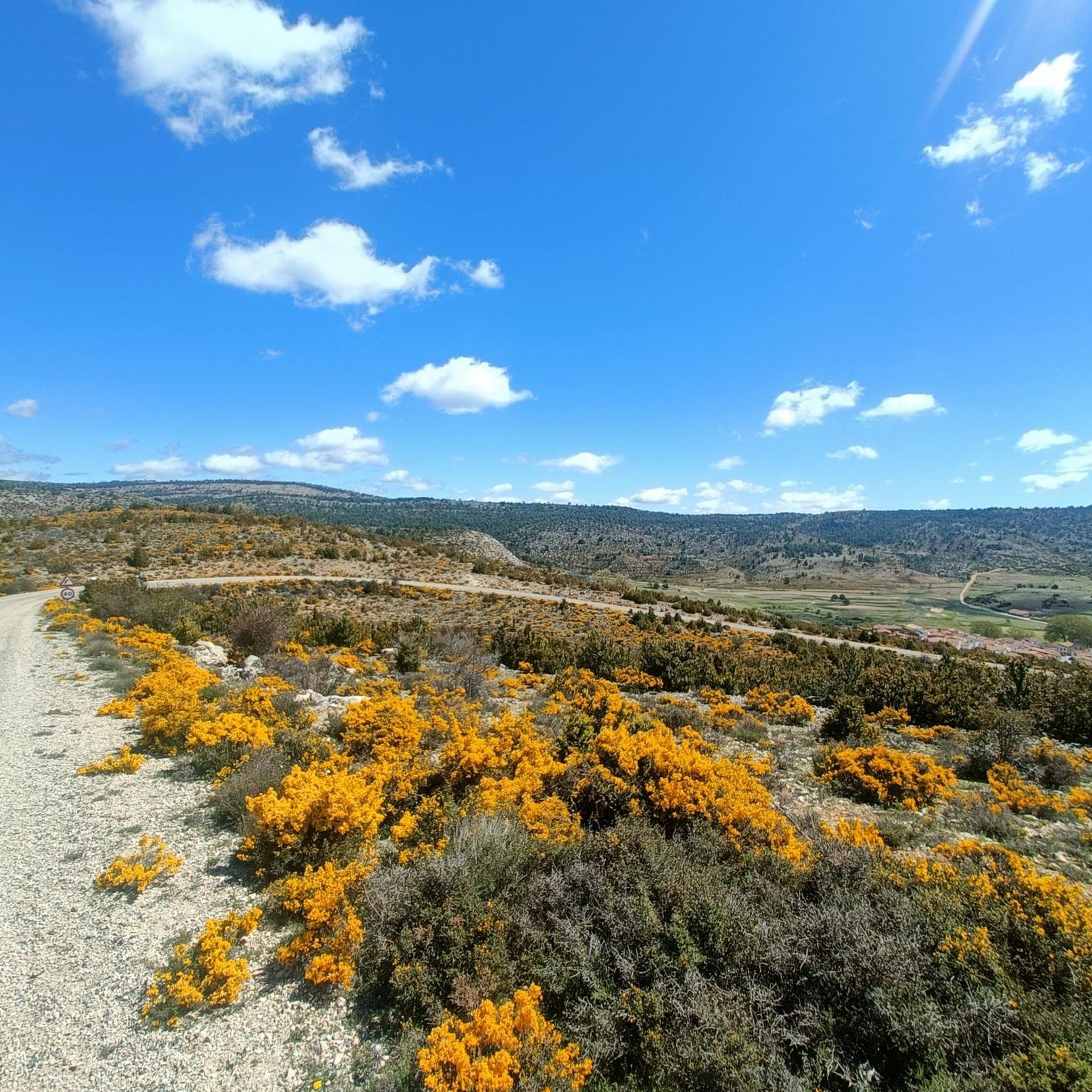
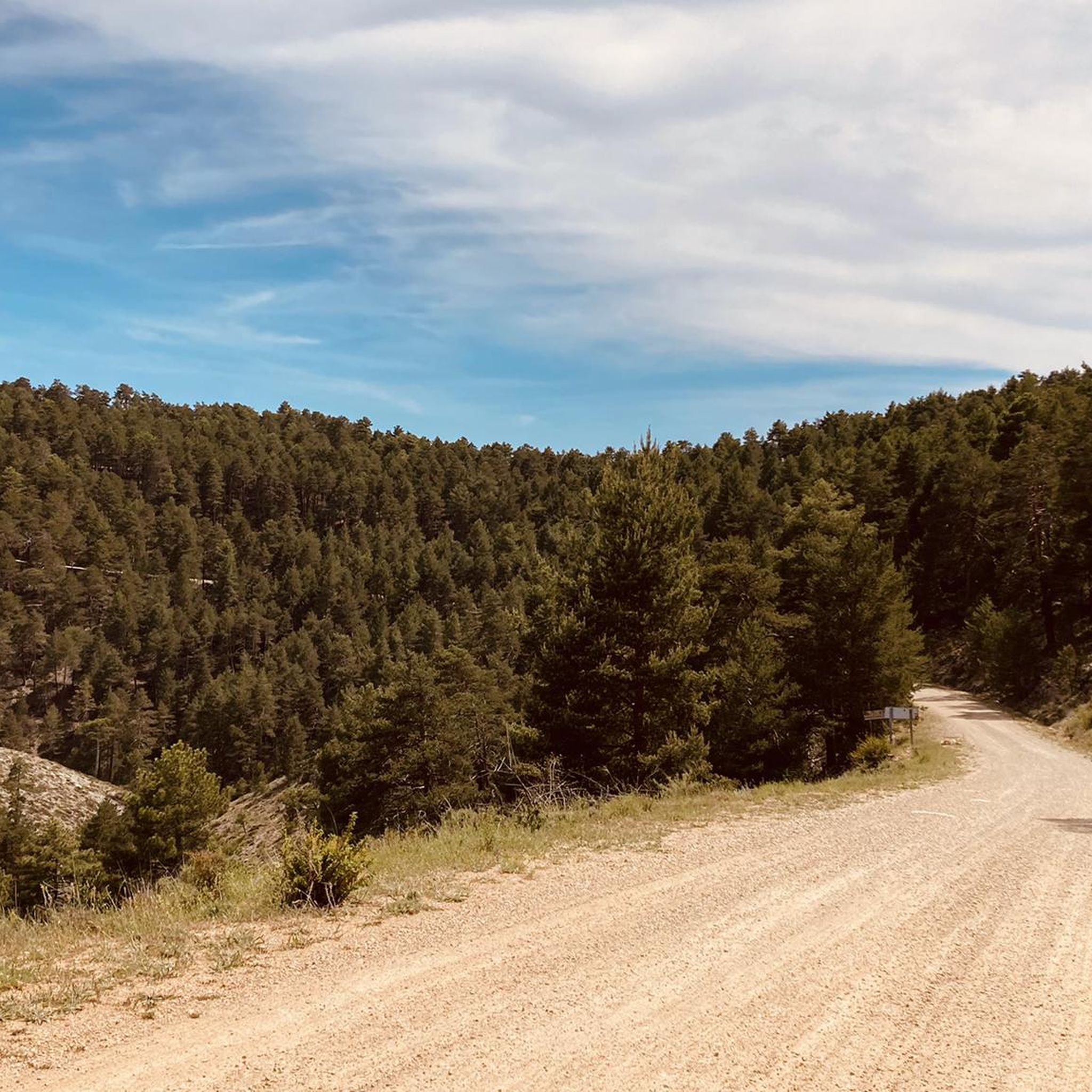
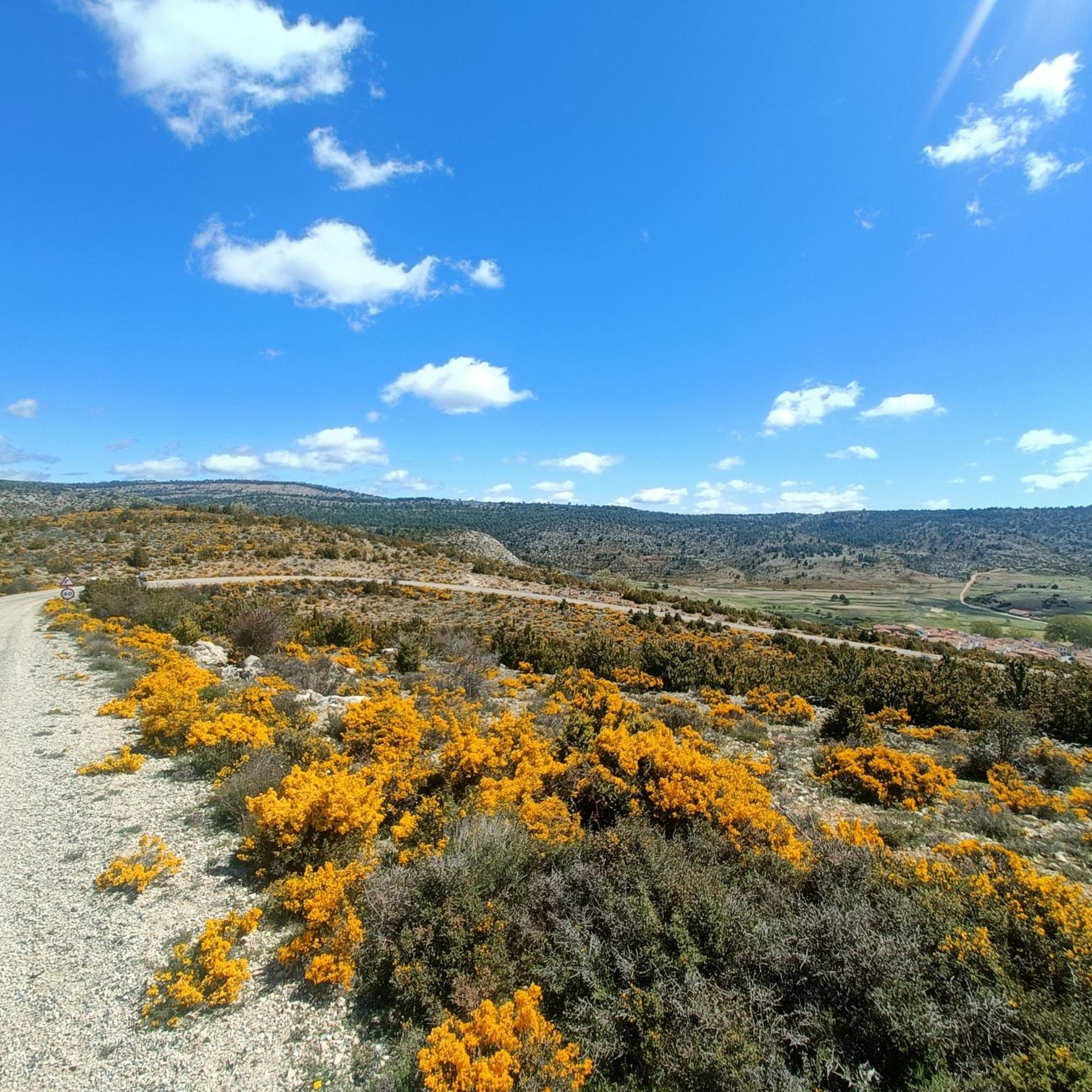
The CM-2119 road offers stunning views of the Serranía de Cuenca. This landscape is known for its unique rock formations, deep ravines and extensive pine forests. When travelling along this road, you can enjoy views towards the Sierra de Valdemeca and the Sierra de la Madera, especially in a southwesterly direction.🚴🚵🌄😎
11
0

Beautiful waterfall that can be reached as the end point of the route that begins in El Vallecillo and passes through the eyes of Cabriel. However, due to its proximity to the road, it is common to see many people who come exclusively to visit it.
2
1
Frequently Asked Questions
What unique geological features can I explore around Zafrilla?
The region around Zafrilla, particularly within the Serranía de Cuenca Natural Park, is rich in unique geological formations. You can explore the Ciudad Encantada, known for its incredible natural rock formations sculpted by water and wind erosion over millions of years, resembling a city. Another fascinating site is the Las Torcas de los Palancares y Tierra Muerta Natural Monument, characterized by large circular sinkholes formed by limestone dissolution. In the Sierra de Albarracín, the Pinares de Rodeno Natural Park features distinctive red sandstone formations.
Are there any impressive waterfalls or river sources to visit near Zafrilla?
Yes, the area boasts several beautiful waterfalls and significant river sources. The Herrería Waterfall, also known as the 'Hidden Waterfall,' offers an 8-meter drop over the Cabriel River. Nearby, you'll find the San Pedro Mill Waterfall, which features a beautiful pool. The Ojos del Cabriel are natural springs that feed the Cabriel River. Further afield, the Nacimiento del Río Cuervo is celebrated for its stunning travertine spring formations and impressive waterfalls.
What kind of outdoor activities can I do near the natural monuments around Zafrilla?
The natural monuments around Zafrilla offer excellent opportunities for various outdoor activities. You can enjoy hiking, cycling, and exploring the diverse landscapes. For hiking, consider routes like the 'Ojos del Cabriel and Molino de San Pedro Waterfall Trail' or the 'Ojos del Cabriel – Herrería Waterfall loop from El Vallecillo'. Cyclists can find routes such as 'Puente de las Tres Provincias' for gravel biking or 'Cañete – Río de la Laguna loop from Zafrilla' for road cycling. You can find more details on these and other routes in the hiking and cycling guides for Zafrilla.
Are there family-friendly natural monuments or trails around Zafrilla?
Many natural monuments in the area are suitable for families. The Herrería Waterfall and Ojos del Cabriel are accessible via short, picturesque paths, making them great for families. The Ciudad Encantada offers an imaginative experience for children as they explore the unique rock formations. The Laguna de Uña also has a path around the lagoon, perfect for a leisurely family stroll. The Source of the River Tagus is another family-friendly spot with easy access and a recreational area.
Where can I find panoramic views of the Serranía de Cuenca?
For breathtaking panoramic views of the Serranía de Cuenca, the Ventano del Diablo is an excellent choice. This natural viewpoint, carved into the rock, offers spectacular vistas of the Júcar River canyon. It's also a prime spot for observing griffon vultures. Additionally, the View of the Serranía de Cuenca from the CM-2119 road provides stunning perspectives towards the Sierra de Valdemeca and Sierra de la Madera.
What is the best time of year to visit the natural monuments around Zafrilla?
The best time to visit the natural monuments around Zafrilla largely depends on your preferred activities. Spring and autumn generally offer pleasant temperatures for hiking and exploring, with lush greenery in spring and vibrant colors in autumn, especially around sites like the Nacimiento del Río Cuervo. Some areas, like Las Torcas de los Palancares, are particularly striking in autumn when they can fill with water. Summer is ideal for enjoying waterfalls with pools, like the San Pedro Mill Waterfall, though it can be busier.
Are there any natural monuments with unique colored lagoons or lakes?
Yes, the Lagunas de Cañada del Hoyo Natural Monument is famous for its perfectly round lagoons with striking and varied colors. These colors change with the seasons due to microorganisms and calcium carbonate in the water, as well as light and temperature. Some lagoons can even appear pink at certain times, offering a truly unique visual spectacle. The Laguna de Uña is another beautiful lagoon, excellent for observing diverse flora and fauna.
Can I find ancient art or historical sites within the natural parks near Zafrilla?
Yes, the Pinares de Rodeno Natural Park, bordering the Sierra de Albarracín region, is not only known for its unique red sandstone formations but also for its ancient cave paintings. These prehistoric artworks are a UNESCO World Heritage site and among the first rock art recognized in Spain, offering a fascinating glimpse into the region's past.
What are the Callejones de Las Majadas?
The Callejones de Las Majadas is a natural area similar in formation to the Ciudad Encantada. Located in Las Majadas, it features curious rock formations, including passages, arches, monoliths, and bridges, all sculpted by the erosion of Cretaceous limestone. These large rocks create a natural labyrinth, offering an engaging experience for visitors.
Are there opportunities for birdwatching near Zafrilla's natural monuments?
Yes, the diverse ecosystems around Zafrilla provide excellent opportunities for birdwatching. The Ventano del Diablo is a known spot for observing griffon vultures soaring through the Júcar River canyon. The Laguna de Uña is also an excellent place to appreciate nature and observe various bird species, making it a good destination for ornithology enthusiasts.
What is the Source of the River Tagus and how can I visit it?
The Source of the River Tagus is the official origin of Spain's longest river, located at Fuente de García in the Montes Universales. It's situated at approximately 1,590 meters altitude, surrounded by pine forests. Access is very easy and well signposted: take the A-1704 highway, and a paved detour of about 2 km leads directly to a recreational area and the monument, with free parking available.
Most popular attractions around Zafrilla

Get inspired with the komoot mobile app


Explore more
Extend your search for the best caves by checking out these guides of the top ones around Zafrilla:
