Top 4 Natural Monuments around Vinaròs
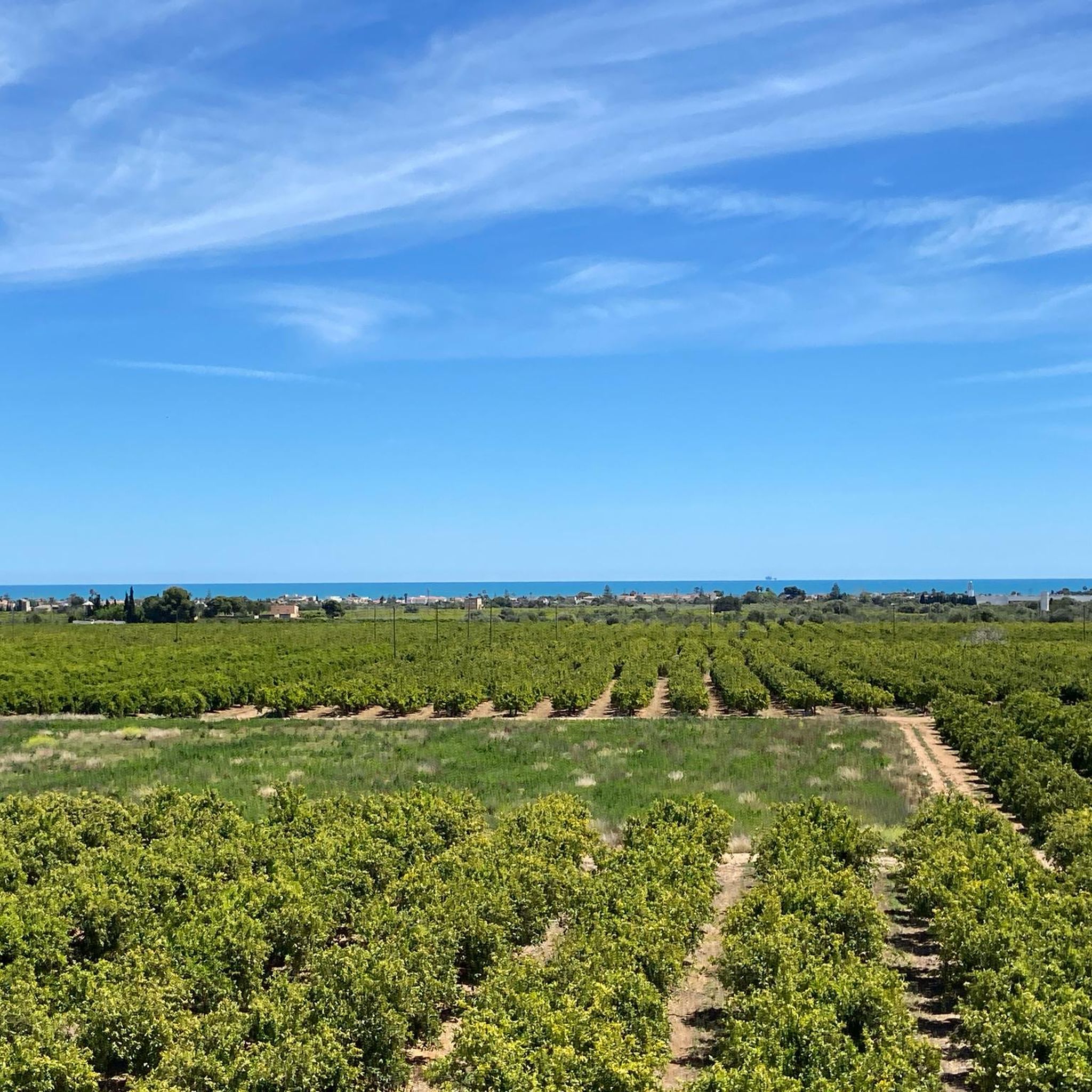
Best natural monuments around Vinaròs offer a diverse landscape characterized by its Mediterranean coastline, ancient olive groves, and significant geological formations. The region provides opportunities to explore natural reserves, historical sites, and unique coastal features. Vinaròs is situated in a coastal area with nearby mountains and river deltas, contributing to its varied natural attractions.
Best natural monuments around Vinaròs
- The most popular natural monuments is Chapel and Fountain of Sant Vicent, a religious building that commemorates a saint's blessing ensuring the fountain never lacks water. The 17th-century chapel and its adjacent fountain have historical significance and were restored in the 19th century.
- Another must-see spot is Serolla Stone Well, an other man-made structure. This old well is noted for its historical presence in the landscape.
- Visitors also love Millenary Olive Tree of La Llacuna, an impressive natural monument. This olive tree is over 1000 years old and has been declared a monumental tree of Spain.
- Vinaròs is known for its ancient trees, historical sites, and geological formations. The area offers a variety of natural monuments, including wells, chapels, and ancient olive trees, providing diverse points of interest for exploration.
- The natural monuments around Vinaròs are appreciated by the komoot community, with 15 upvotes and 6 photos shared by visitors.
Last updated: August 25, 2026
Chapel and Fountain of Sant Vicent
Highlight • Religious Site
The chapel was built in the 17th century, includes an altar and a small image of the saint, and was restored in the 19th century.
Translated by Google •
Tip by

Serolla Stone Well
Highlight • Structure
Translated by Google •
Tip by

Sign up now to discover places like this
Get recommendations on the best single tracks, peaks, & plenty of other exciting outdoor places.
Sign up for free
Millenary Olive Tree of La Llacuna
Highlight • Natural Monument
Translated by Google •
Tip by

Abrics d'Ermites
Highlight • Cave
Translated by Google •
Tip by

Torreta del Montsià
Highlight • Summit
Translated by Google •
Tip by
Sign up for free to discover even more natural monuments around Vinaròs.
Sign up for free
Already have an account?
Start today with a free account
Your next adventure awaits.
Login or Signup
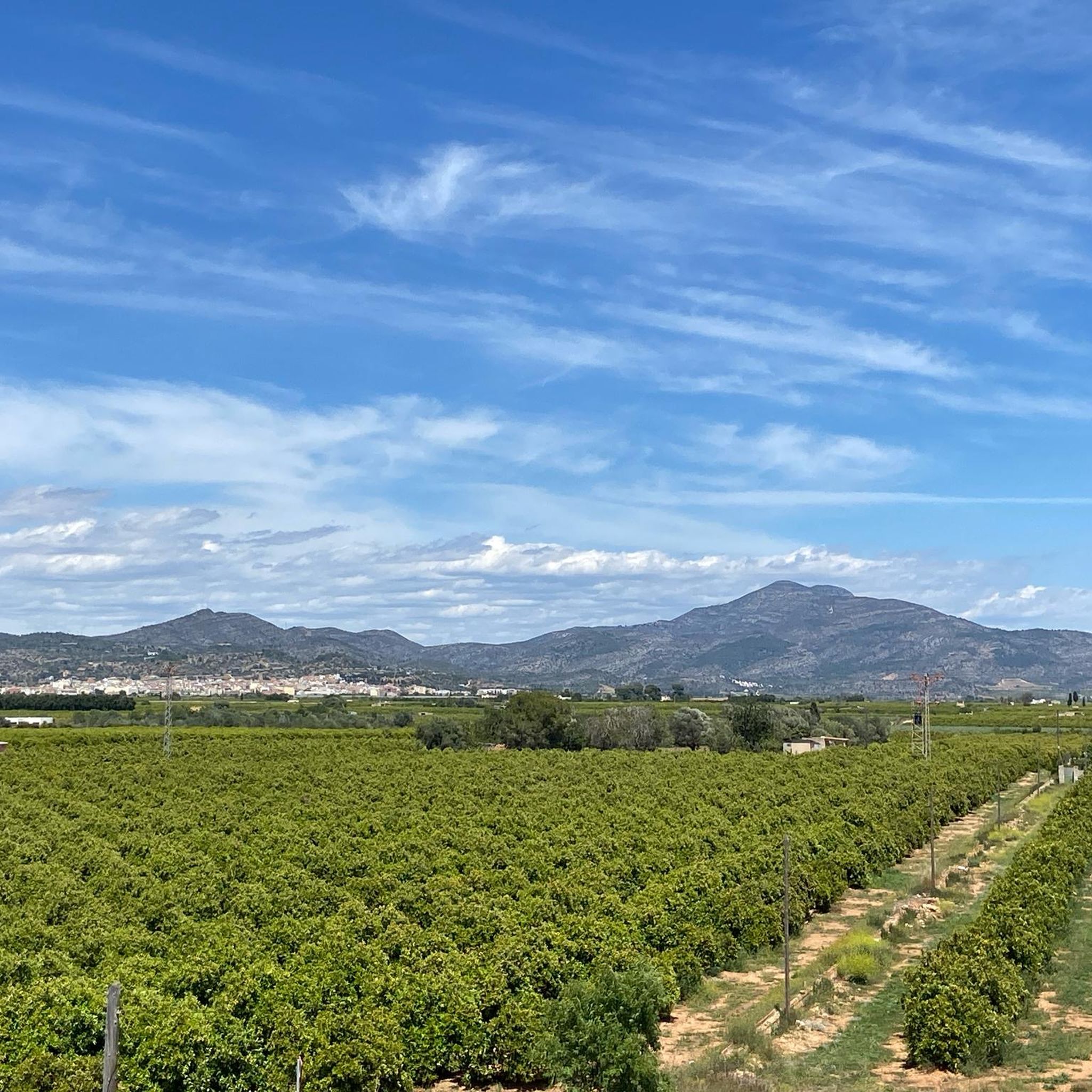
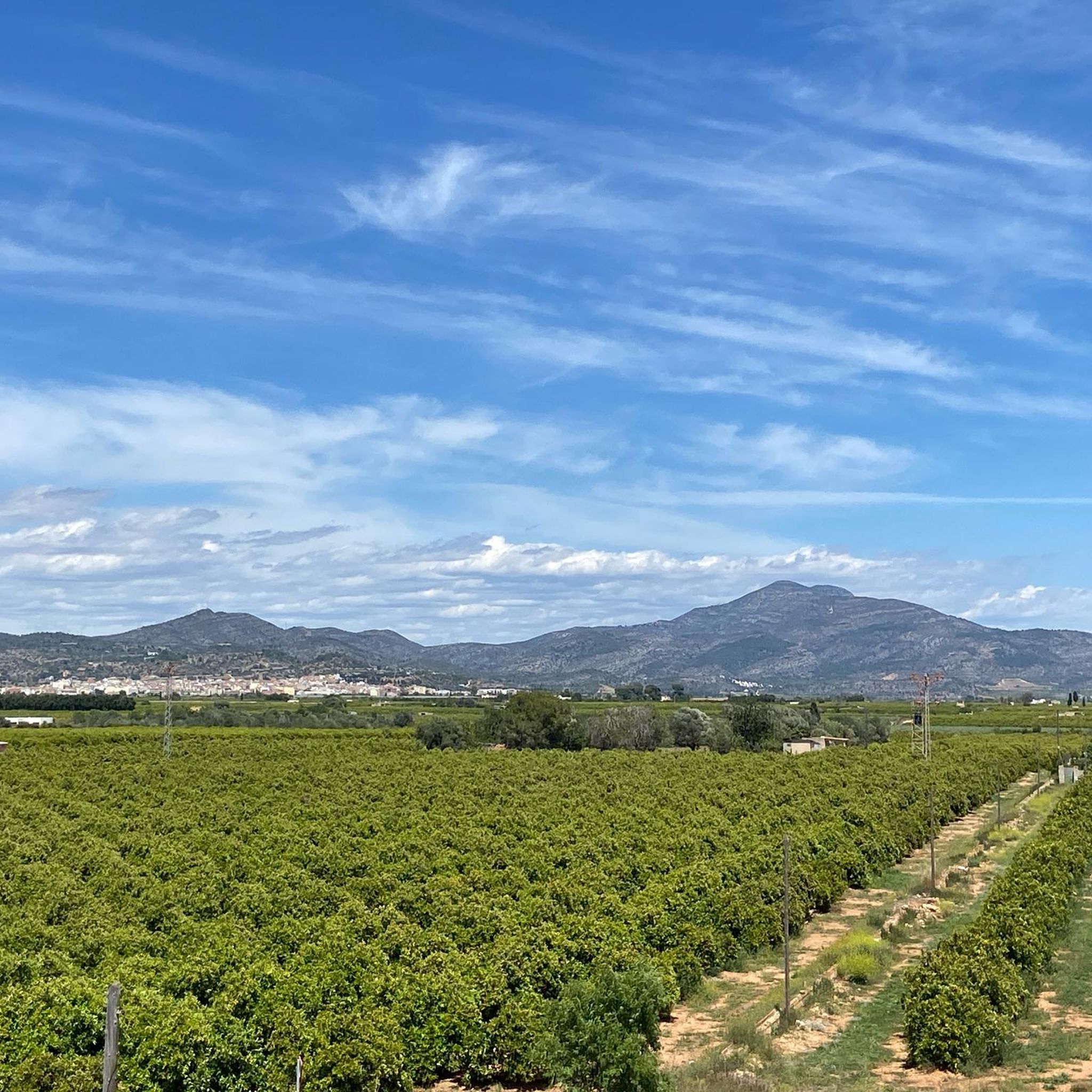
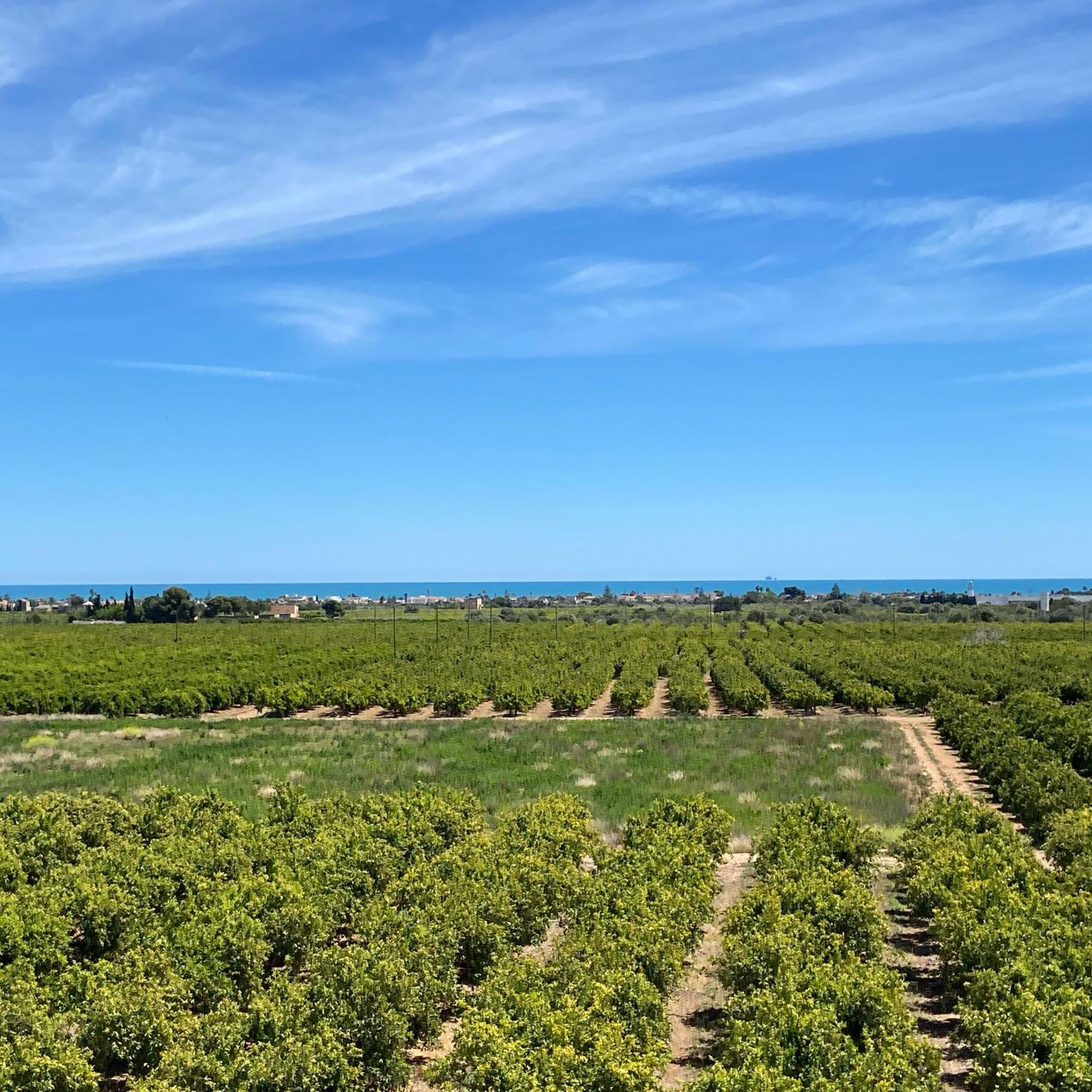
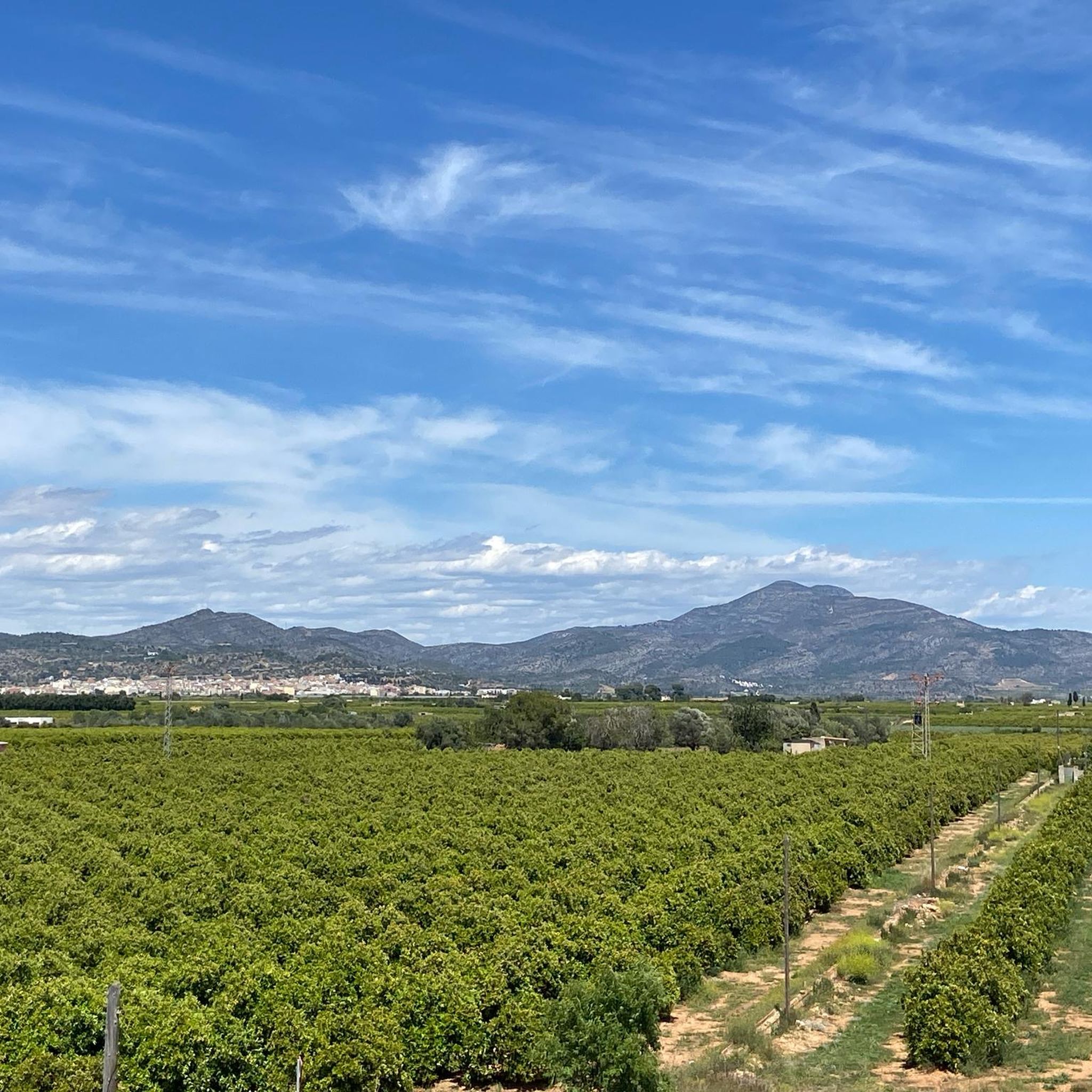

Tips from the Community

Well-preserved area of old wash houses.
0
0

It has recently been declared a monumental tree of Spain 2024. It is between 1100 and 1200 years old.
0
0

The impressive olive tree is over 1000 years old.
0
0

Your visit was interesting, it is worth stopping to take a photo
1
0

The chapel dedicated to Sant Vicent Ferrer was built in memory of the blessing of the saint, who on his way through Traiguera in 1413 asked that the fountain that is right next to it never lack water. The chapel was built in the 17th century, includes an altar and a small image of the saint, and was restored in the 19th century.
1
0

The Abrics d'Ermites, or Coves de l'Ermita, are a set of ten rocky shelters in the municipality of Ulldecona (Montsià) with representations of cave paintings protected as World Heritage
0
0
La Torreta del Montsià a mountain of 763 meters, the highest point of the Montsià massif.
0
0

In Traiguera you can find this old fountain on the Via Augusta.
0
0
Frequently Asked Questions
Are there family-friendly natural monuments to visit around Vinaròs?
Yes, several natural monuments around Vinaròs are suitable for families. The Chapel and Fountain of Sant Vicent is a pleasant historical site with facilities. The Millenary Olive Tree of La Llacuna, an impressive tree over 1000 years old, is also a great family-friendly spot. Additionally, the Serra del Puig Nature Reserve offers short hiking routes and panoramic views that families can enjoy.
What can I expect to see at the Serra del Puig Nature Reserve?
The Serra del Puig Nature Reserve, also known as Puig de la Misericordia, offers spectacular panoramic views of the coast and surrounding landscape. You'll find ancient olive trees, some over a thousand years old, and the 18th-century Santuari de la Misericordia, which combines natural beauty with historical heritage. It's an excellent spot for short hikes.
What hiking opportunities are available near Vinaròs' natural monuments?
Near Vinaròs' natural monuments, you can find various hiking opportunities. The Barranc d'Aiguadoliva ravine offers routes through Mediterranean vegetation and connects to the Redona de l'Ermita trail in the Serra del Puig Nature Reserve for longer walks. For more extensive options, consider exploring the Running Trails around Vinaròs guide, which includes routes like the Mouth of the Sénia River loop.
When is the best time of year to visit the natural monuments and areas around Vinaròs?
The best time to visit the natural monuments and areas around Vinaròs is generally during spring (April-May) and autumn (September-October). During these seasons, the weather is mild and pleasant, ideal for hiking and exploring without the intense heat of summer. The landscapes are also particularly vibrant in spring.
What activities can I enjoy at Vinaròs' natural monuments during the summer?
During the summer, the coastal natural monuments offer refreshing activities. The Coves of Vinaròs, especially La Foradada, are perfect for disconnecting, enjoying calm waters for kayaking, paddleboarding, and snorkeling. You can also visit the Ulldecona reservoir in the nearby Tinença de Benifassà Natural Park for kayaking.
What unique geological features can be found among Vinaròs' natural monuments?
Vinaròs and its surroundings feature several unique geological formations. The Jardí de Sòl de Riu is known for its peculiar cliff formations and the distinct ecosystems found at the mouth of the Sénia River. Along the northern coast, beyond the Cérvol river, you'll find picturesque red cliffs and a string of small coves, such as La Foradada.
Are there any historical sites among the natural monuments near Vinaròs?
Yes, several natural monuments also hold historical significance. The Chapel and Fountain of Sant Vicent is a 17th-century religious building. The Serolla Stone Well is an old man-made structure with historical presence. Additionally, the Abrics d'Ermites are rocky shelters with World Heritage-protected cave paintings.
Where can I find panoramic views of the Vinaròs region?
For spectacular panoramic views, head to the Serra del Puig Nature Reserve (Puig de la Misericordia). This elevated area offers sweeping vistas of the coast and the surrounding landscape. Another excellent viewpoint is Torreta del Montsià, the highest point of the Montsià mountain range, at 764 meters above sea level.
What are some less crowded natural spots to explore near Vinaròs?
For less crowded natural spots, consider exploring the Barranc d'Aiguadoliva ravine, which retains natural Mediterranean vegetation and offers quieter hiking routes. The Jardí de Sòl de Riu, with its unique cliff formations and marshlands near the Sénia River mouth, also provides a distinct and often less frequented natural environment.
Are there opportunities for cycling near the natural monuments?
Yes, there are cycling opportunities near the natural monuments. You can explore various routes, including those for gravel biking and road cycling. For detailed routes, refer to the Gravel biking around Vinaròs guide or the Road Cycling Routes around Vinaròs guide, which feature routes like the Tour of Baix Maestrat.
What is the significance of the Millenary Olive Tree of La Llacuna?
The Millenary Olive Tree of La Llacuna is an impressive natural monument, notable for being over 1000 years old. It has recently been declared a monumental tree of Spain, highlighting its exceptional age and cultural importance in the region.
What are the nearby natural parks worth visiting from Vinaròs?
Within a short distance from Vinaròs, you can visit several natural parks. The Sierra d'Irta Natural Park (20 km) offers untouched Mediterranean nature and beautiful coves. The Tinença de Benifassà Natural Park (40 km) features spectacular mountain landscapes and dense forests. The Ebro Delta Natural Park (50 km) is a unique wetland paradise known for birdwatching and extensive rice fields.
Most popular routes around Vinaròs
Most popular attractions around Vinaròs

Get inspired with the komoot mobile app


Explore more
Extend your search for the best caves by checking out these guides of the top ones around Vinaròs:
