Top 20 Natural Monuments around Haría
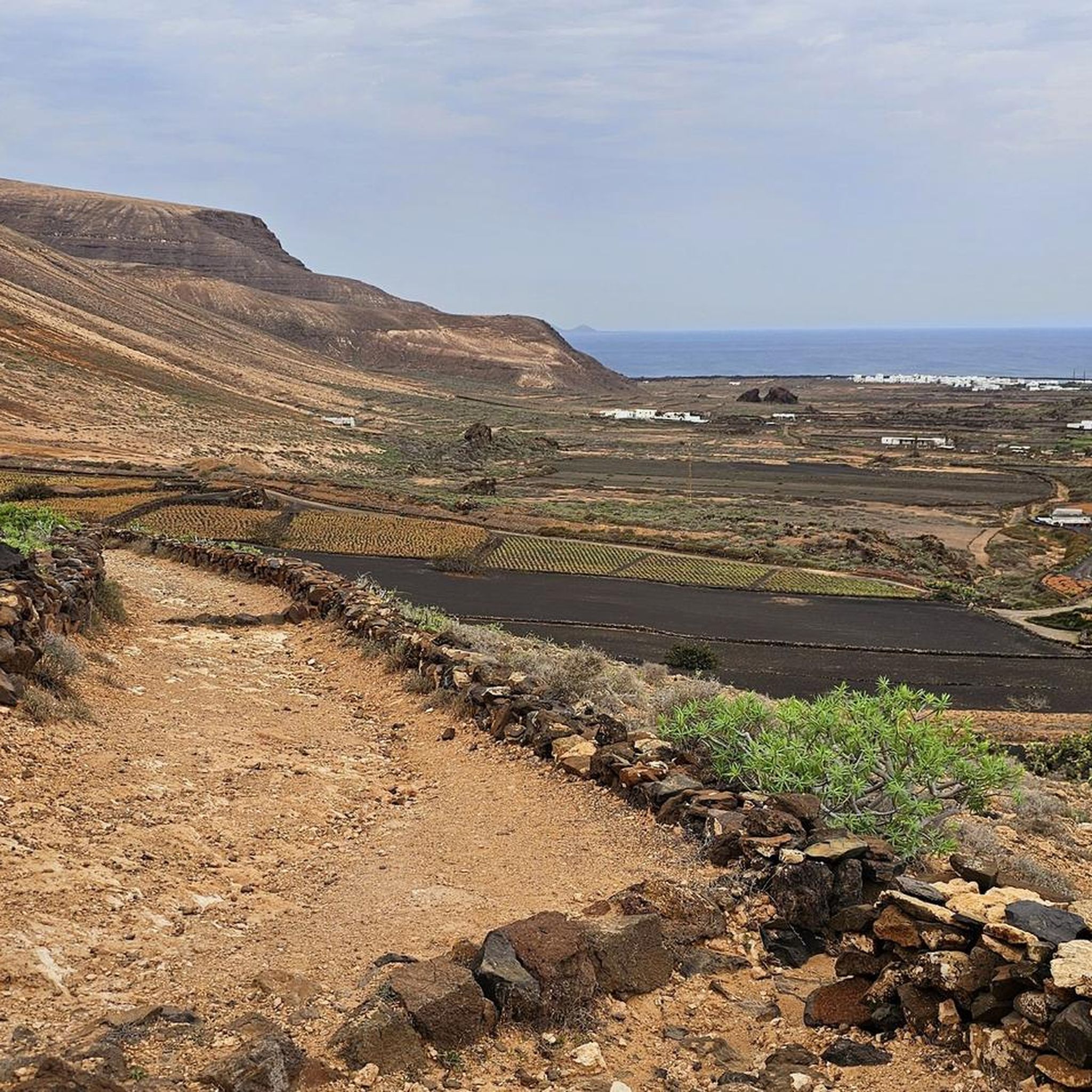
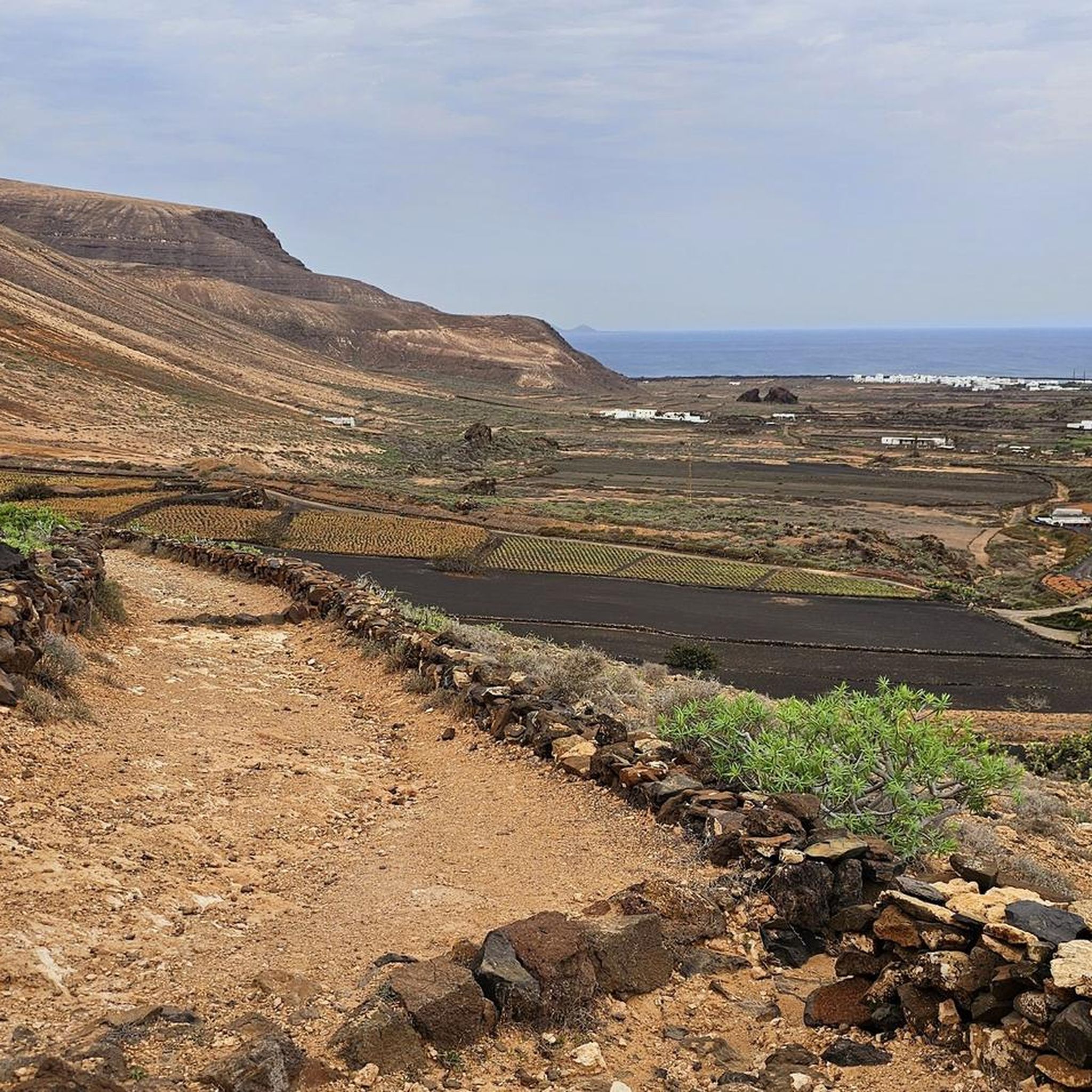
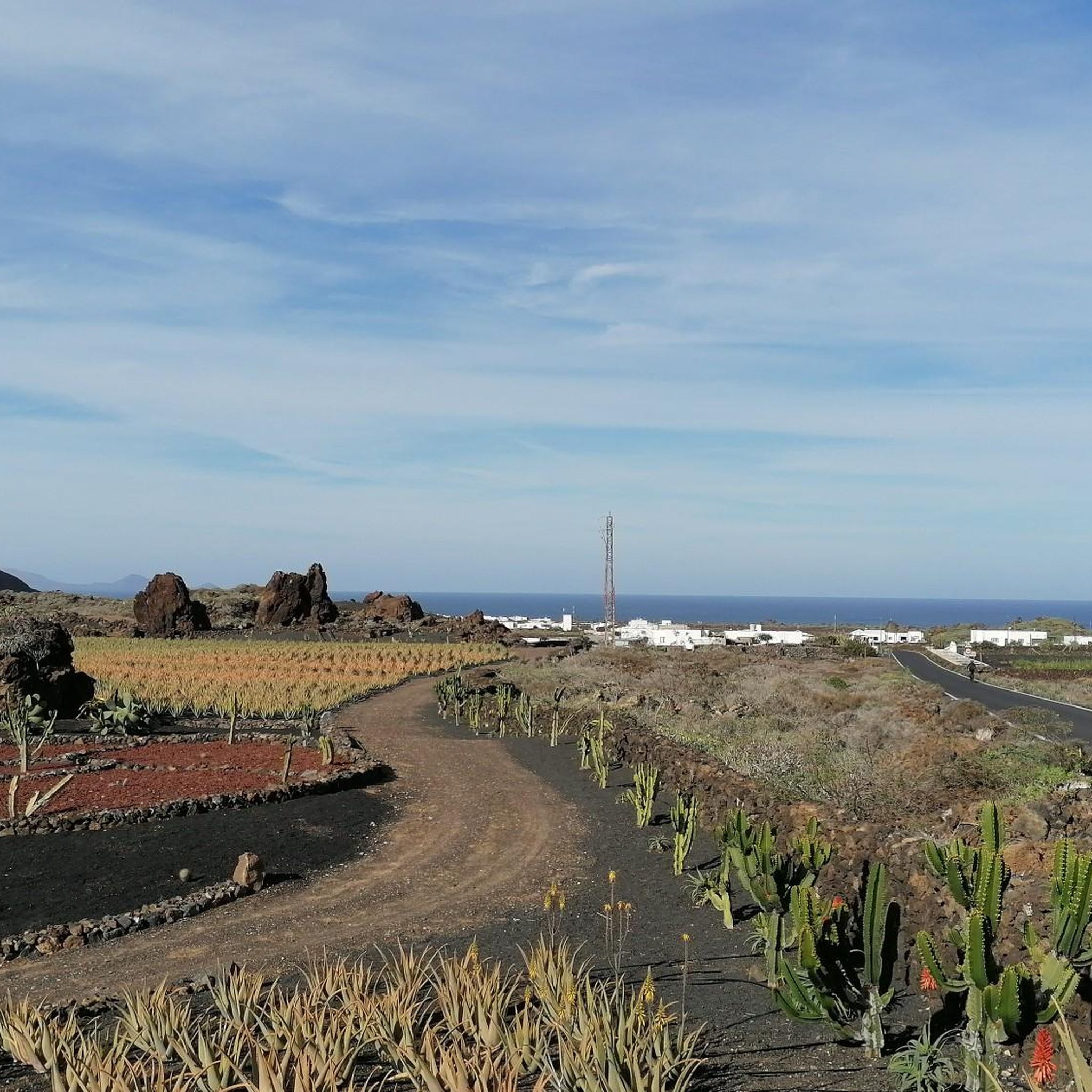
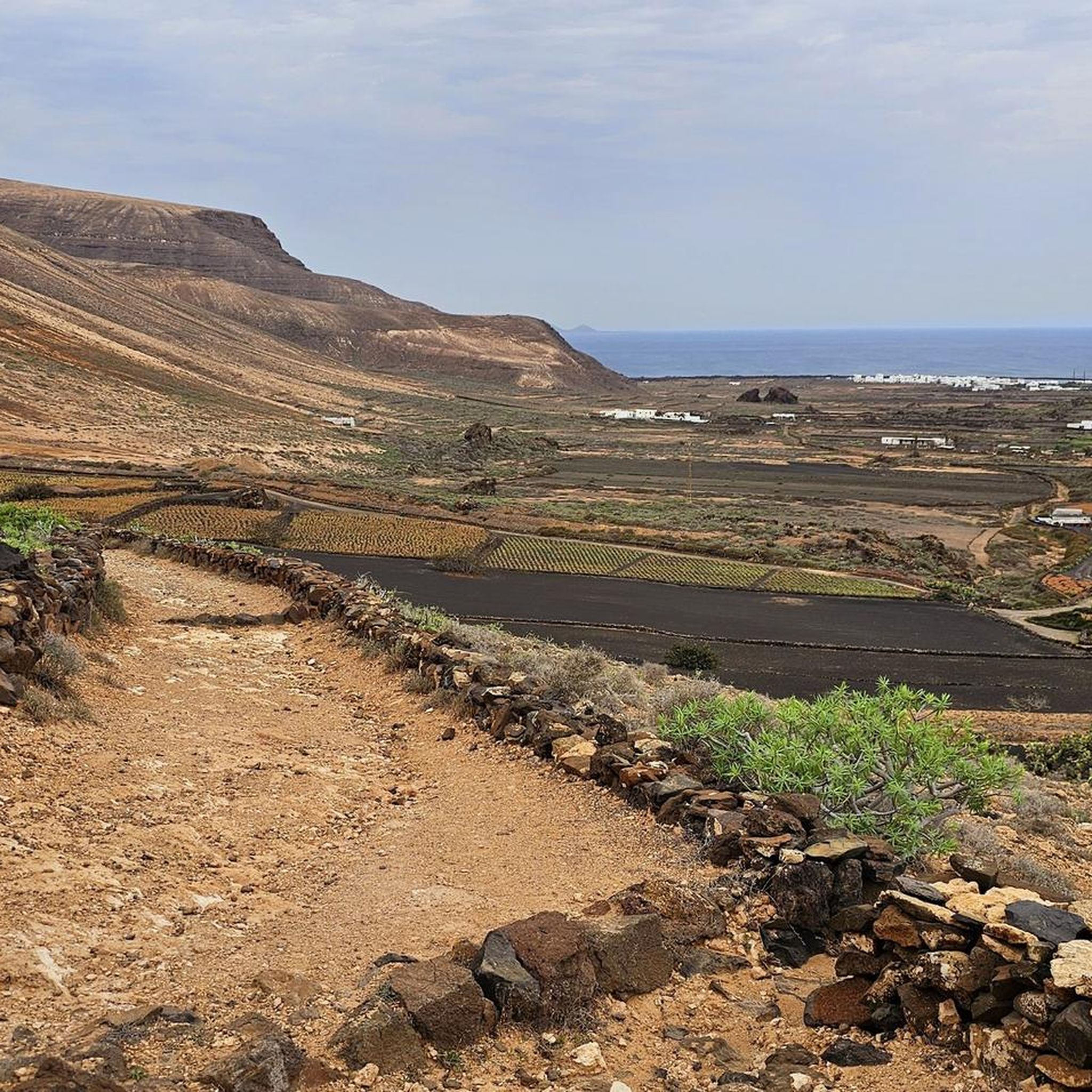
Best natural monuments around Haría are predominantly shaped by the volcanic activity of the Corona Volcano. This municipality in northern Lanzarote features unique geological formations, including extensive lava fields and volcanic craters. The landscape offers a blend of natural features and sites integrated with human design. These areas provide opportunities to explore diverse ecosystems and geological origins.
Best natural monuments around Haría
- The most popular natural monuments is Stratified City (Ciudad Estratificada) of Lanzarote, a natural monument that features…
Last updated: July 1, 2026
Famara Cove Beach
Highlight • Beach
Translated by Google •
Tip by

Stratified City (Ciudad Estratificada) of Lanzarote
Highlight • Natural Monument
Translated by Google •
Tip by

Sign up now to discover places like this
Get recommendations on the best single tracks, peaks, & plenty of other exciting outdoor places.
Sign up for free
Ascent to the Crater of Monte Corona
Highlight • Volcano
Translated by Google •
Tip by

Playa de las Conchas
Highlight • Beach
Translated by Google •
Tip by

The Gracioseros Trail
Highlight • Trail
Translated by Google •
Tip by
Sign up for free to discover even more natural monuments around Haría.
Sign up for free
Already have an account?
Start today with a free account
Your next adventure awaits.
Login or Signup
Popular around Haría
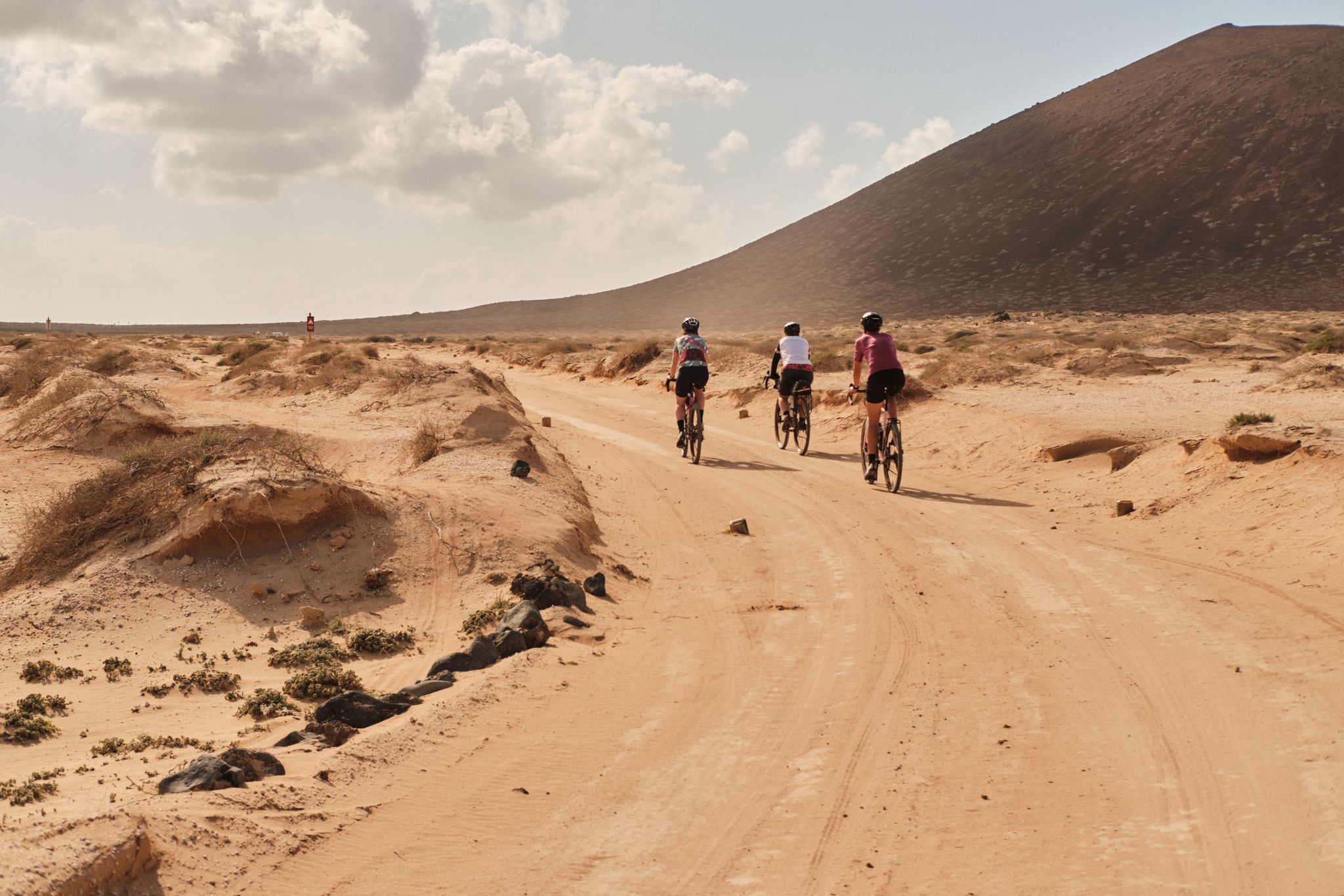
GranGuanche gravel – Komoot women's rally 2023

GranGuanche Audax Trail – my first ultra race on the Canary Islands
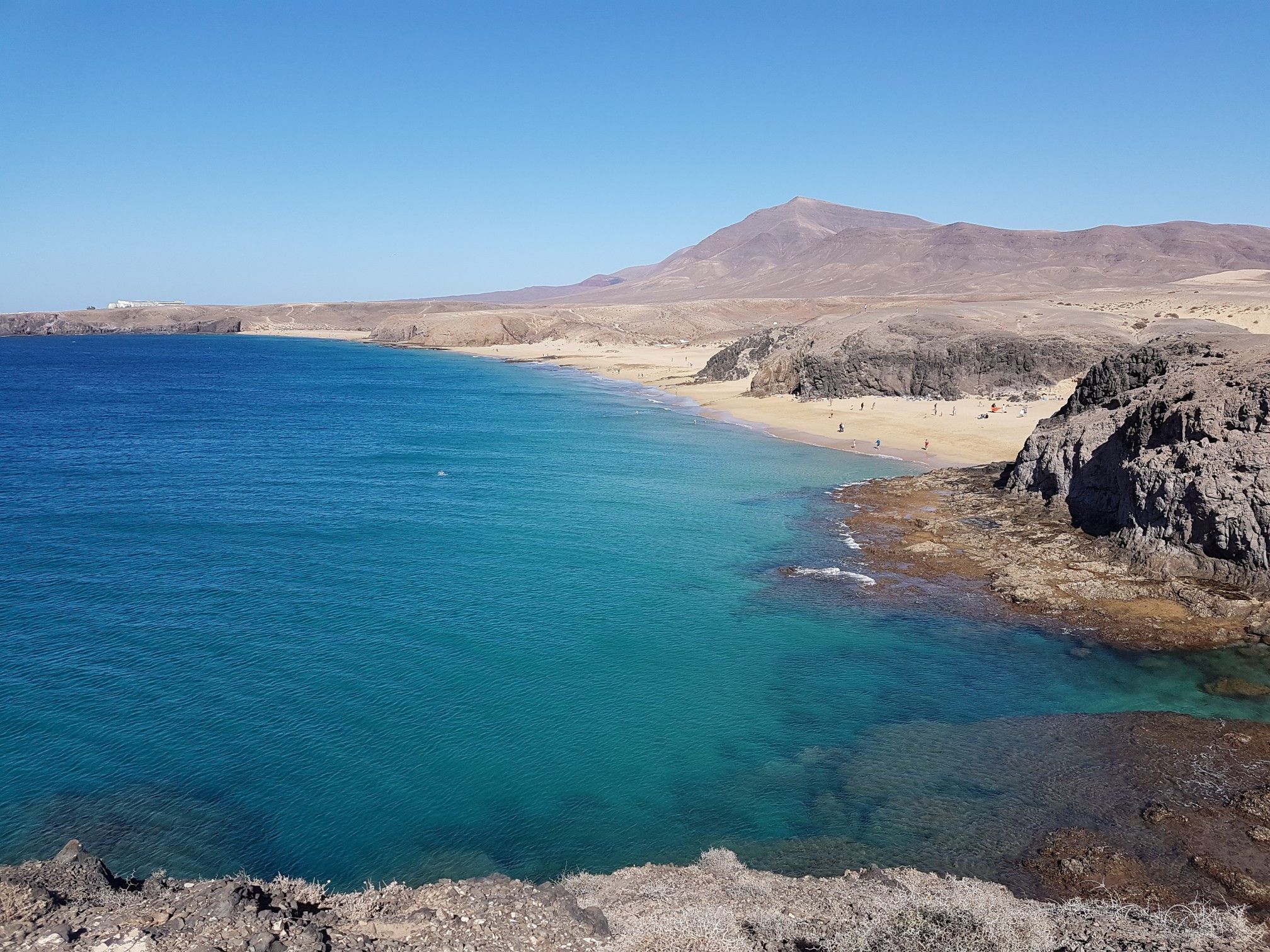
Volcanic and coastal hikes in Lanzarote
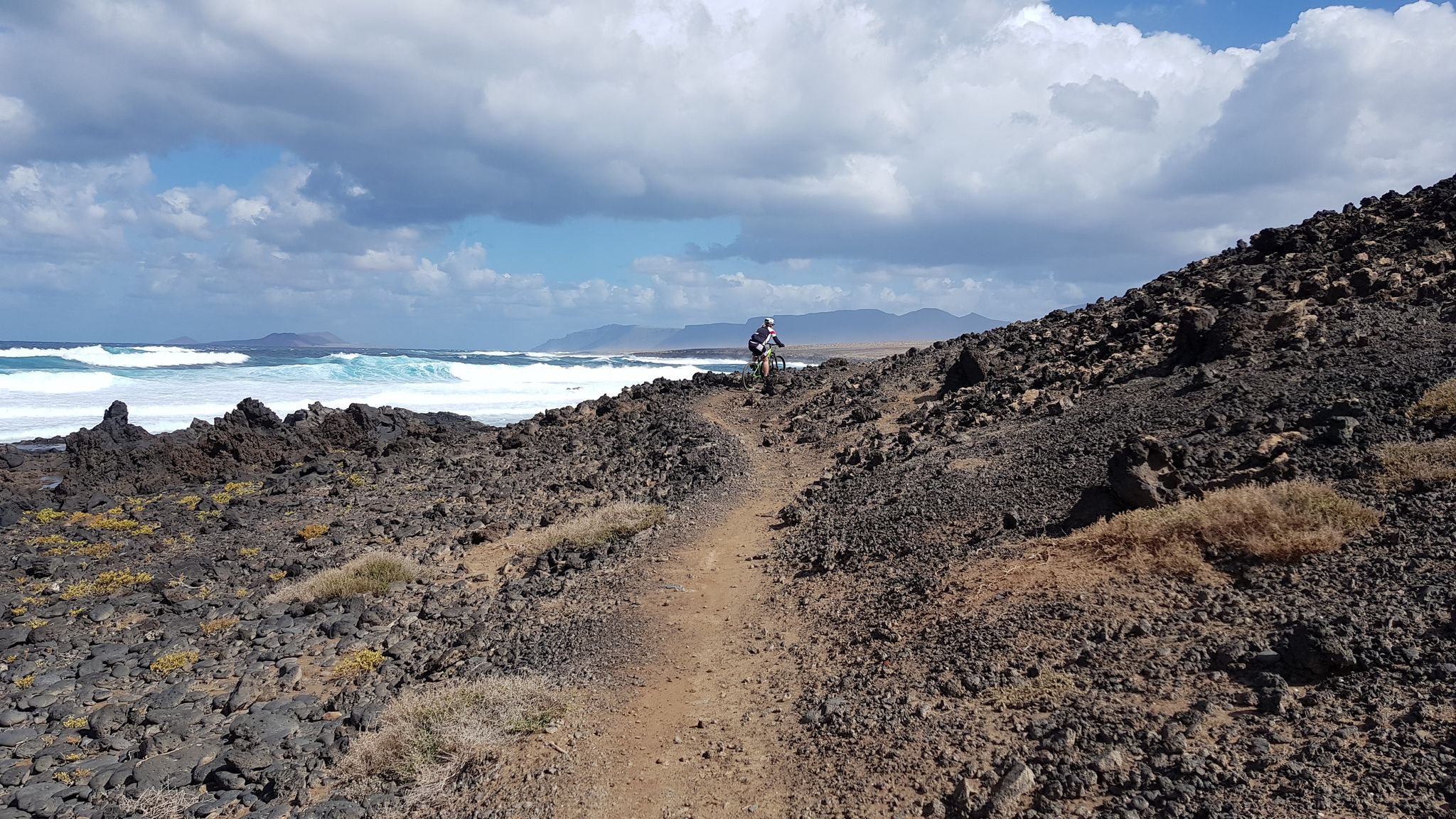
MTB on the island of volcanoes – Pedales de Lava

GranGuanche Audax Gravel — five islands in two and a half days
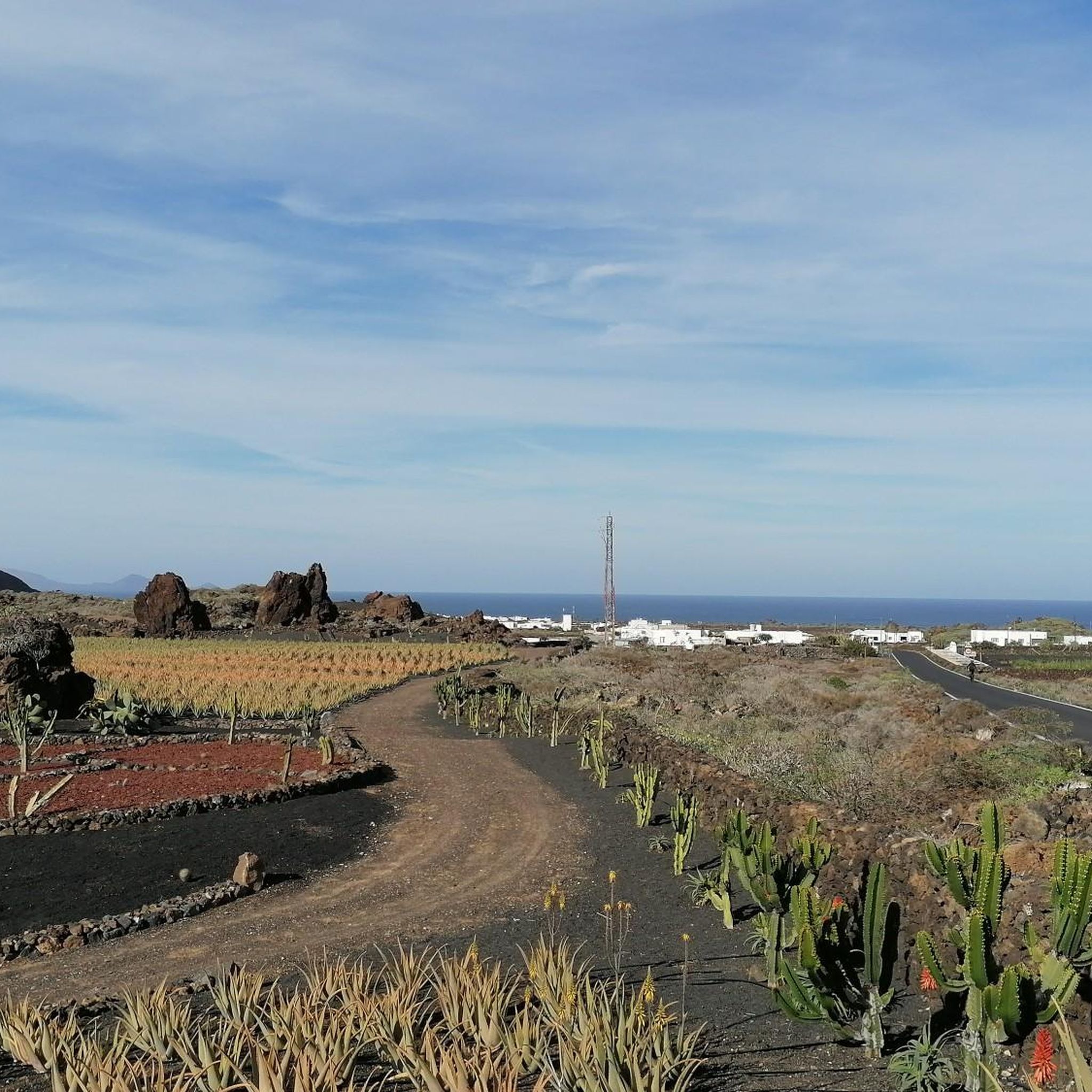
Hiking around Haría
Road Cycling Routes around Haría
Cycling around Haría
Running Trails around Haría
MTB Trails around Haría
Other adventures around Haría


Tips from the Community

absolute dream beach and little visited
0
0

The listed route, Volcán de la Corona from the Iglesia de Ye' stamps through a **protected area where hiking is not allowed**. It's very dangerous, but the main concerns are the impact of hikers on the natural environment and wildlife. This route should not be included here as part of responsible and respectful hiking culture.
1
0

Some things make you wonder how nature created them?
6
0
Interesting rock formations that withstand the wind.
7
0

Because the weather is always great year-round, this is my 14th trip and I love it, and Playa de las Conchas on La Graciosa is the most beautiful and popular beach in the Canary Islands. That's true, but the walk there from the port is quite strenuous. However, once you know what awaits you, it's all forgotten. My tip if you want to try it: take the first ferry from Orzola (Lanzarote) to La Graciosa at 8:00 AM. You'll arrive there at 8:30 AM. Then go to one of the small supermarkets and get drinks, filled baguettes, etc., put them in your backpack, and off you go, always along the coast. You'll be surprised how peaceful the world can be because, apart from the waves and the wind, you hear nothing else. If that isn't relaxation, I don't know what is. If you also take a towel, you can lie down in one of the numerous bays on the way to Playa de las Conchas and linger for a while, enjoying the scenery, and then continue your walk. You won't be disappointed.
0
0

Avoid this loop. The section crosses private land and is almost impassable. A large part of the final section ends on the road, with the risk of being hit by cars! The beginning is very difficult and borderline dangerous. (Nov 2025)
2
0

The circuit is closed. Please include us. We were disappointed
1
0

It's crazy what nature creates. You should definitely stroll through it and take in the sights!
0
0
Frequently Asked Questions
What are some of the most popular natural monuments to visit around Haría?
Haría is home to several remarkable natural monuments. Among the most appreciated by the komoot community are the unique rock formations of the Stratified City (Ciudad Estratificada) of Lanzarote, the beautiful Playa de las Conchas at the foot of Montaña Bermeja, and Famara Cove Beach, known for its long sandy stretches.
What unique geological features can I expect to see in Haría's natural monuments?
The natural monuments around Haría are predominantly shaped by the volcanic activity of the Corona Volcano. You can explore extensive lava fields, volcanic craters like the Ascent to the Crater of Monte Corona, and fascinating lava tube systems such as Cueva de los Verdes and Jameos del Agua. These sites showcase intricate rock formations and the raw power of natural forces.
Are there family-friendly natural attractions in Haría?
Yes, several natural monuments around Haría are suitable for families. Famara Cove Beach is a great option for long walks, though swimming might be challenging due to strong waves. While Cueva de los Verdes and Jameos del Agua offer captivating experiences for all ages, it's always good to check specific accessibility for very young children or strollers.
What is the best time of year to visit the natural monuments in Haría?
Lanzarote generally enjoys a mild climate year-round. To avoid the peak heat and crowds, visiting during the shoulder seasons (spring and autumn) is often ideal. This allows for comfortable exploration of volcanic landscapes and beaches, and pleasant conditions for hiking.
What kind of hiking trails can I find near Haría's natural monuments?
Haría offers a variety of hiking trails, ranging from moderate to challenging. You can explore paths like the historic The Gracioseros Trail, which leads to the secluded Playa del Risco, or undertake the challenging Ascent to the Crater of Monte Corona. For more hiking options, you can explore the Hiking around Haría guide.
Are there opportunities for cycling near the natural monuments?
Absolutely! The area around Haría is popular for cycling. You can find routes like the 'La Corona Volcano Loop' or explore various road cycling options. For detailed routes and difficulties, check out the Cycling around Haría guide and the Road Cycling Routes around Haría guide.
Can I visit historical or cultural sites related to the natural monuments?
Yes, some natural monuments in Haría have significant historical and cultural connections. Cueva de los Verdes, for instance, historically served as a refuge during pirate raids. Jameos del Agua, part of the same volcanic tunnel system, was transformed by local artist César Manrique into an art, culture, and tourism center, blending nature with artistic creation.
What should I wear when hiking or exploring the natural monuments?
Given the volcanic terrain and potential for wind, especially near coastal areas or higher elevations, it's advisable to wear sturdy hiking shoes. Layers of clothing are recommended to adapt to changing temperatures, and sun protection (hat, sunscreen) is essential due to Lanzarote's strong sun.
Are there any natural monuments that are less crowded or considered 'hidden gems'?
While popular sites like Cueva de los Verdes and Jameos del Agua can attract crowds, exploring areas like the Stratified City (Ciudad Estratificada) of Lanzarote or undertaking the challenging hike to Playa del Risco via The Gracioseros Trail might offer a more secluded experience. These spots provide unique natural beauty away from the main tourist hubs.
What kind of wildlife can be found in Haría's natural monuments?
The volcanic landscapes, particularly the *malpaís* (volcanic badlands) around the Corona Volcano, host unique plant life such as lichens, sweet tabaiba, and verode, along with various bird species. Jameos del Agua is famously home to the unique and endemic blind albino crab (*Munidopsis polymorpha*), which is highly sensitive to environmental changes.
Are dogs allowed on trails or at natural monuments in Haría?
While specific regulations can vary by site, many natural outdoor areas and trails in Haría are generally dog-friendly. However, protected natural monuments or specific attractions like Cueva de los Verdes or Jameos del Agua may have restrictions. It's always best to check local signage or specific site rules before visiting with your dog.
Most popular attractions around Haría

Get inspired with the komoot mobile app


Explore more
Extend your search for the best caves by checking out these guides of the top ones around Haría:
