Top 7 Natural Monuments around Laxe
Natural monuments around Laxe showcase the rugged beauty of Galicia's Costa da Morte. This coastal town is situated within the Ría de Corme and Laxe, an estuary characterized by dramatic cliffs and granite rock formations. The area offers diverse natural attractions, from unique beaches to impressive geological features. These natural features highlight the region's untamed Atlantic coastline and its distinctive landscape.
Best natural monuments around Laxe
- The most popular natural monument is Monte Branco Dune (Duna de Monte Branco),…
Last updated: August 11, 2026
Pedra da Serpe Monument
Highlight • Monument
Translated by Google •
Tip by

Monte Branco Dune (Duna de Monte Branco)
Highlight • Natural Monument
Translated by Google •
Tip by
Sign up now to discover places like this
Get recommendations on the best single tracks, peaks, & plenty of other exciting outdoor places.
Sign up for free
Glass Beach (Praia dos Cristais)
Highlight • Beach
Translated by Google •
Tip by

View of Punta da Area
Highlight • Natural Monument
Tip by

Peña Maior
Highlight • Viewpoint
Translated by Google •
Tip by

Sign up for free to discover even more natural monuments around Laxe.
Sign up for free
Already have an account?
Start today with a free account
Your next adventure awaits.
Login or Signup

Tips from the Community

The Serpent Stone is of unknown date, but certainly older than the cross on the top, which represents a (repeated) attempt to Catholicize the pagan symbol. Apparently, a feathered serpent is originally depicted.
0
0

The Pedra da Serpe, also known as the Serpent Stone, is an exceptional monument located near Corme, in the province of A Coruña, Galicia, Spain. This remarkable relief, sculpted from granite, occupies a unique place in the Western world. Its origins and worship date back millennia, making it a testimony of an ancient and lost tradition.
2
0

The Pedra da Serpe is a symbol of Christianization. The snakes (Celts) were a plague and were driven out of Galicia by the Christians.
1
0
A mysterious stone with a winged serpent in the middle of an intersection in Gondomil
1
0

Ascension is currently prohibited. The area is being renatured !
0
0
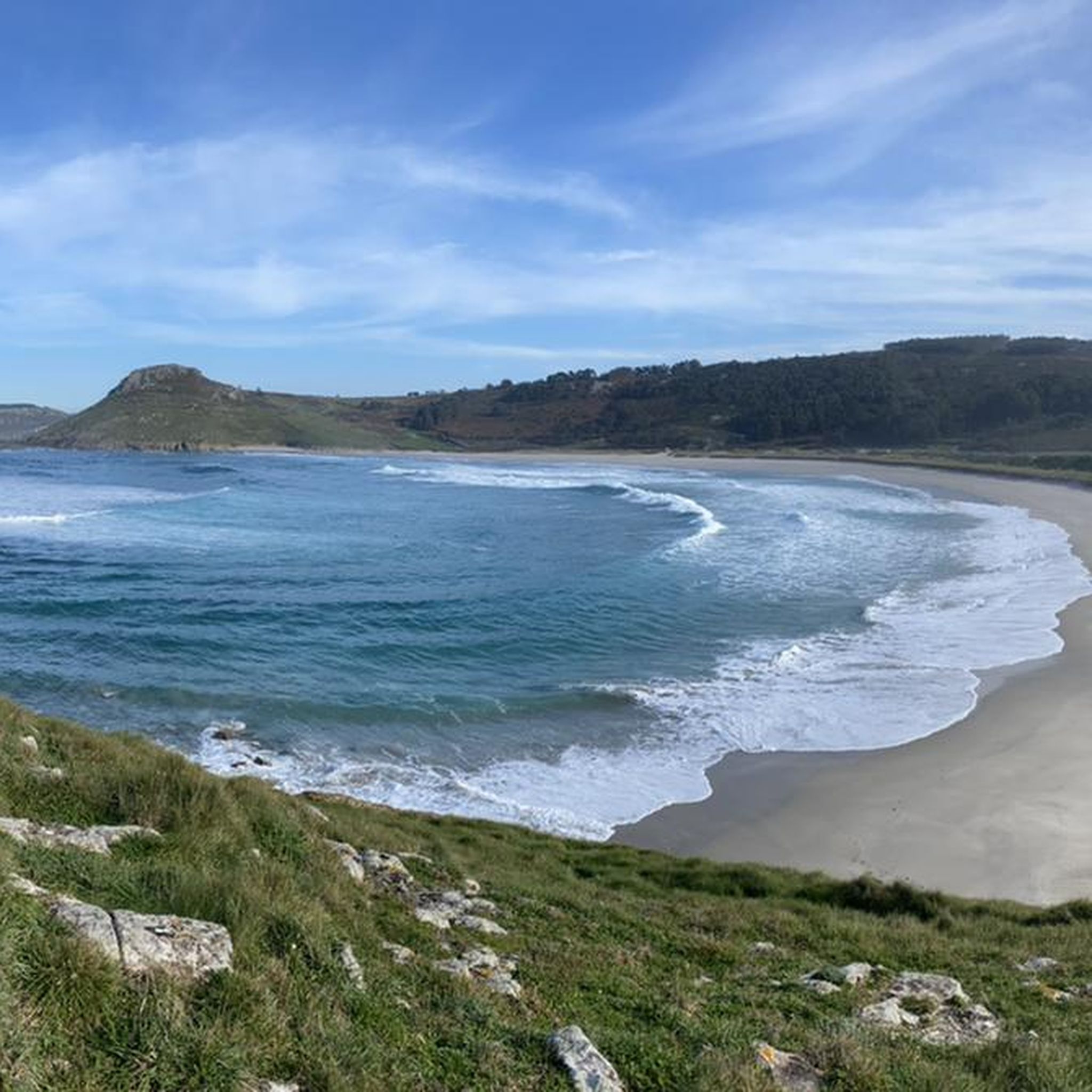
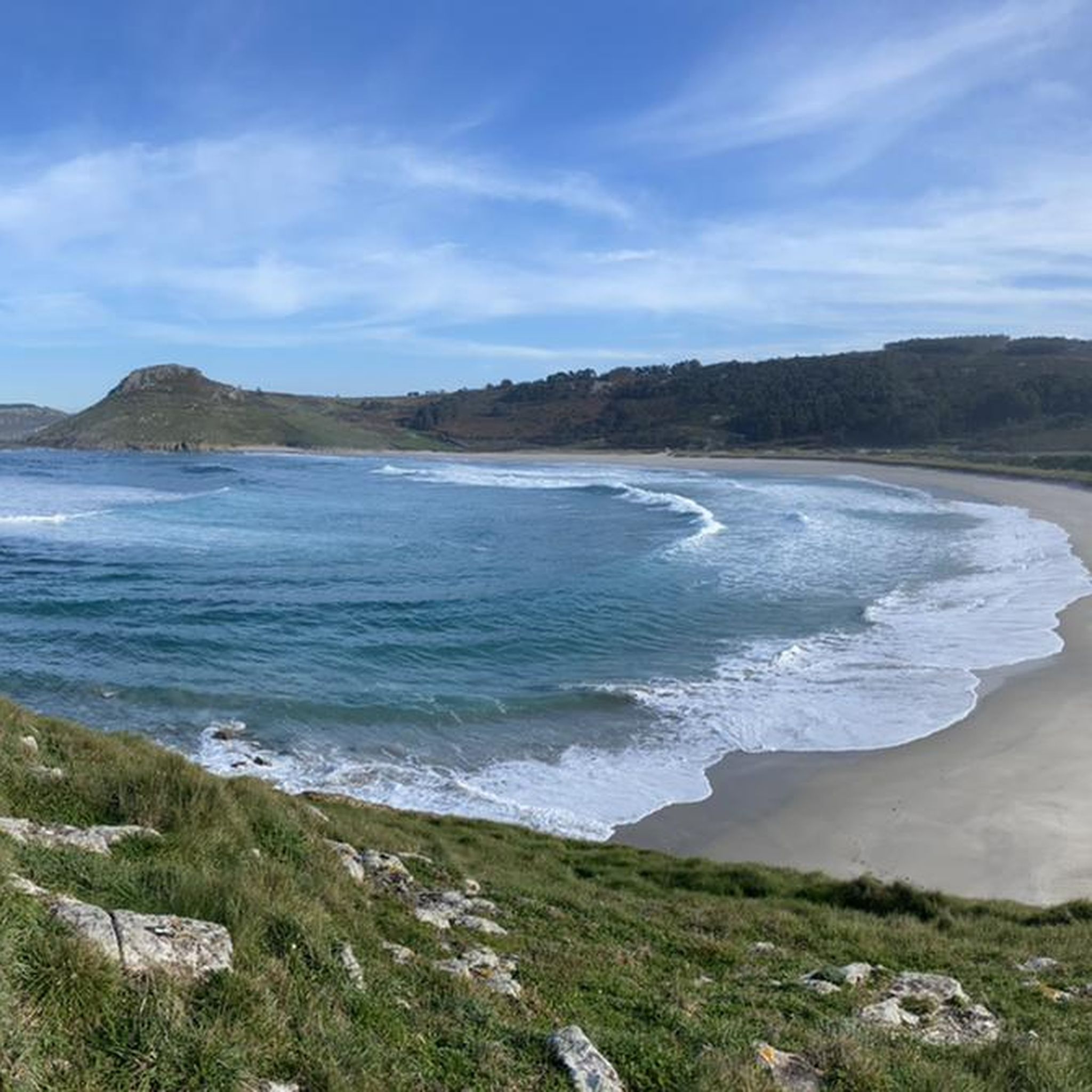
The sea has created a beach full of small glass crystals from glass bottles that were wildly discarded there in the 70s.
2
1
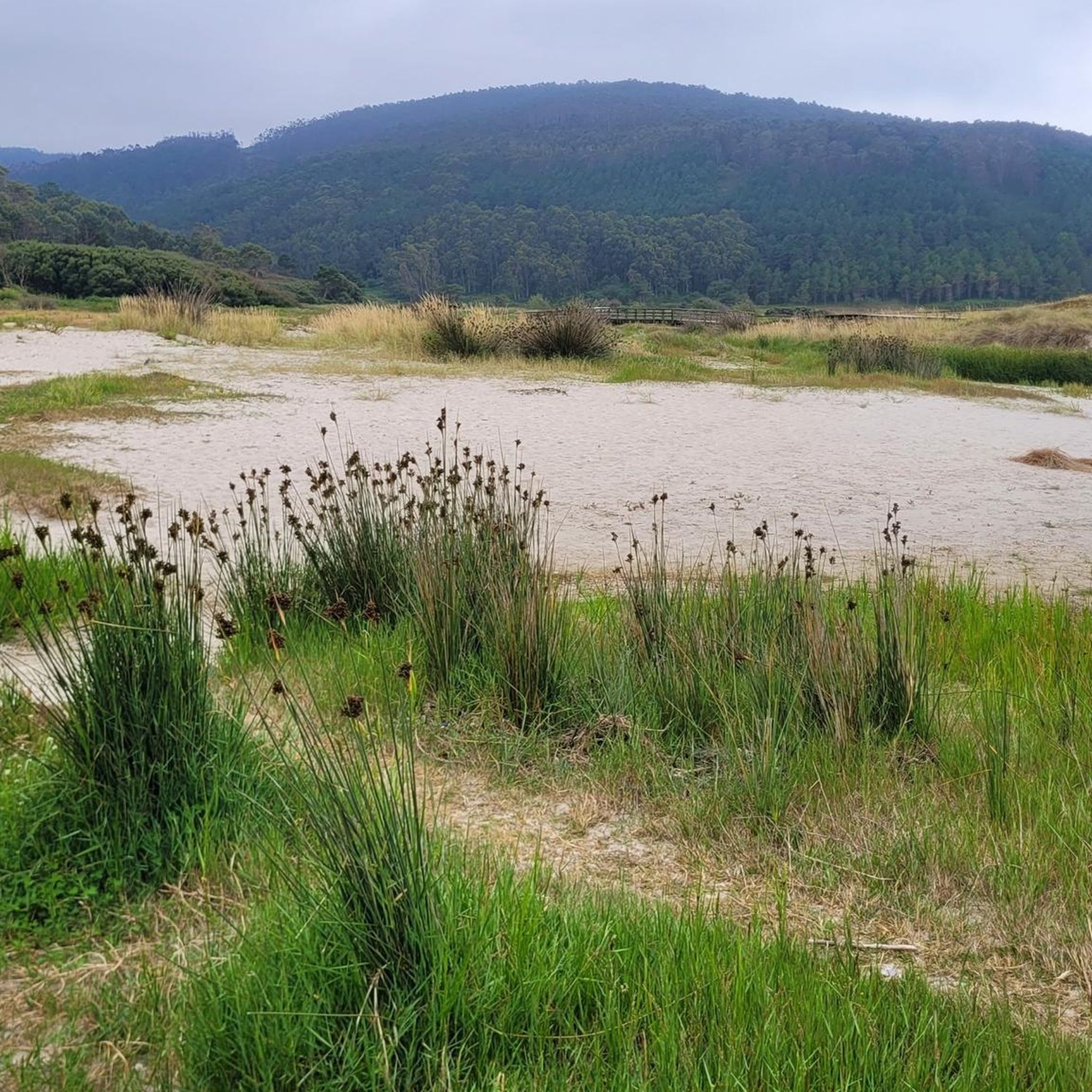
Between the Dunes and next to Monte Branco there is a path along which a hiking route runs from Ponteceso to A Barra beach.
12
0

Cruceiro, made of granite, which rests on a platform formed by a rough stone, not carved, with a snake engraved on its surface. The cross is formed by a shaft with a smooth quadrangular section, which supports a muxe cross with a quadrangular section, with beveled arms. There are theories about its link with a petroglyph converted into a cross in times of Christianization. Around the snake, on its pedestal, cups can be seen. Legend has it that it was Saint Adrián, patron saint of this parish, who freed this land from a plague of snakes, stamping his foot hard on the ground and making them all disappear, remaining enchanted under this stone.
0
0
Frequently Asked Questions
What unique geological formations can I explore around Laxe?
The region around Laxe is rich in unique geological formations. You can explore the dramatic granite rock formations along the Ría de Corme and Laxe, which are sculpted by the Atlantic. Another impressive site is the Penedos de Pasarela e Traba, located between Laxe and Vimianzo, known for its magnificent rock formations that showcase nature's sculpting power on the granite landscape.
Are there any unique beaches to visit near Laxe?
Yes, Laxe is home to Glass Beach (Praia dos Cristais), a truly unique spot where discarded glass has been transformed by the sea into polished, multicolored fragments. While collecting the crystals is prohibited, it offers a visually striking and memorable experience. The Monte Branco Dune (Duna de Monte Branco) also offers a unique walking experience with its white, fine sand.
What are some notable viewpoints to experience the coastal scenery around Laxe?
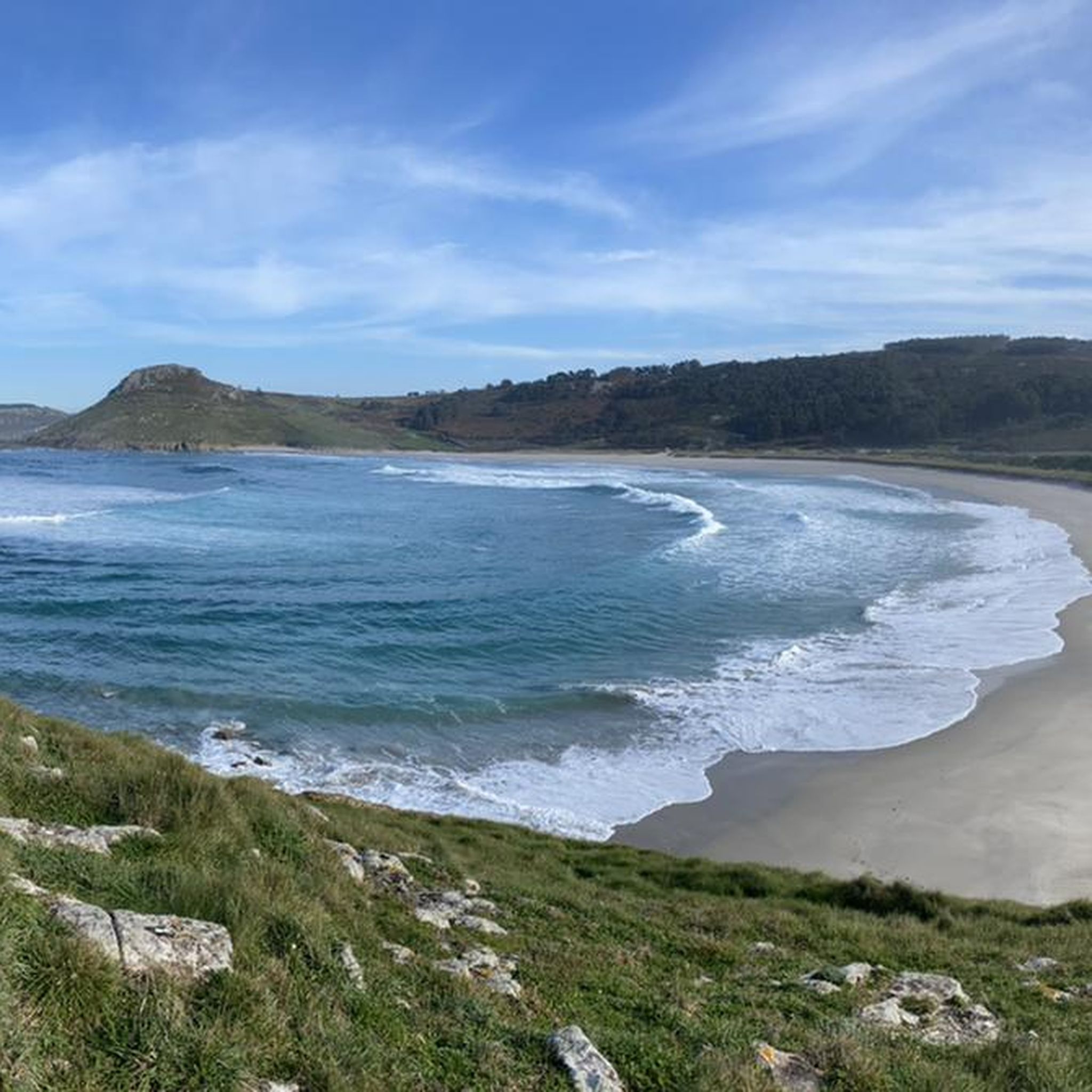
For breathtaking coastal views, you can visit the View of Punta da Area, a natural monument known for a rock formation resembling an Indian chief's head. The Laxe Lighthouse, though a man-made structure, offers spectacular panoramic views of the Atlantic Ocean and the rugged coastline from its dramatic location.
Are there hiking trails near the natural monuments around Laxe?
Absolutely. There are various hiking opportunities that allow you to explore the natural monuments. For instance, a trail leads from the village of Laxe to the Laxe Lighthouse. You can find more detailed routes, including options like the 'Laxe – Cristais Beach trail' or the 'Laxe Lighthouse – A Espera (The Waiting) Statue (Laxe) loop', on the Hiking around Laxe guide.
What other outdoor activities can I do near Laxe's natural monuments?
Beyond hiking, the area around Laxe offers excellent opportunities for cycling and gravel biking. You can explore routes like the 'Laxe Galicia Return' for cycling or the 'View of Soesto Beach – Petón das Borrallas loop' for gravel biking. For more information and specific routes, check out the Cycling around Laxe guide and the Gravel biking around Laxe guide.
Are the natural monuments around Laxe suitable for families?
Many natural attractions around Laxe are family-friendly. Glass Beach (Praia dos Cristais) and the View of Punta da Area are great for families. The Pedra da Serpe Monument is also considered family-friendly, offering a blend of history and nature.
Are there any historical or cultural sites integrated with the natural landscape?
Yes, the region blends natural beauty with cultural heritage. The Pedra da Serpe Monument, or Serpent Stone, is an ancient relief sculpted from granite with millennia-old origins. Additionally, near Praia dos Cristais, you can find the Pedra dos Namorados (Lovers' Stone), where lovers have carved their names into the rock over centuries, offering a unique blend of natural setting and human history.
What is the best time of year to visit the natural monuments around Laxe?
The best time to visit the natural monuments around Laxe is generally during the spring (April to June) and early autumn (September to October). During these periods, the weather is typically mild and pleasant for outdoor activities like hiking and exploring the coastline, avoiding the peak summer heat and crowds, and the potentially harsher winter conditions.
Can I bring my dog to the natural monuments and trails in Laxe?
While many natural areas in Galicia are dog-friendly, it's always best to check specific regulations for each site, especially for protected areas or beaches. Generally, dogs are welcome on hiking trails if kept on a leash. For specific dog-friendly beaches within the Laxe municipality, local signage or official tourism information should be consulted.
What makes the Ría de Corme and Laxe significant?
The Ría de Corme and Laxe is significant for its dramatic coastline of cliffs and granite rock outcrops, sculpted by the relentless Atlantic. It's formed by the mouth of the Anllóns River and is an integral part of the Costa da Morte Special Conservation Zone. The ría showcases unique rock formations and offers breathtaking scenic views, embodying the untamed natural beauty of the Costa da Morte.
Are there any natural monuments that are considered 'hidden gems' or less known?
While not explicitly 'hidden,' the Penedos de Pasarela e Traba, located between Laxe and Vimianzo, are considered one of the most impressive natural spaces on the Costa da Morte for their unique geological features. They offer a chance to witness magnificent rock formations away from the more commonly visited spots.
Is there parking available at the natural monument trailheads?
Parking availability varies by location. For popular spots like the Laxe Lighthouse or beaches, you can often find designated parking areas nearby. For more remote trailheads leading to natural monuments, parking might be less formal, often roadside or in small clearings. It's advisable to check specific trail information or local maps for parking details before your visit.
Most popular attractions around Laxe

Get inspired with the komoot mobile app


Explore more
Extend your search for the best caves by checking out these guides of the top ones around Laxe:
