Top 6 Mountain Passes around Cenarruza-Puebla De Bolívar
Mountain passes around Cenarruza-Puebla de Bolívar are situated in the rural, mountainous Basque Country of Spain, offering diverse terrain for outdoor activities. The region's topography, influenced by Mount Oiz at over 1,000 meters, provides numerous elevated routes and scenic areas. Hiking and cycling routes often feature significant ascents and descents, connecting natural exploration with cultural sites like the Monastery of Santa María de Zenarruza. This area is characterized by its natural landscape and historical significance, making it suitable for exploring…
Last updated: July 1, 2026
Alto de Muniketa (Montecalvo)
Highlight • Mountain Pass
Translated by Google •
Tip by

Alto de Ixua
Highlight (Segment) • Mountain Pass
Translated by Google •
Tip by

Sign up now to discover places like this
Get recommendations on the best single tracks, peaks, & plenty of other exciting outdoor places.
Sign up for free
Areitio Climb
Highlight • Climb
Translated by Google •
Tip by

Ascent to Gontzegaraigane
Highlight • Mountain Pass
Translated by Google •
Tip by
San Migel / Urkaregi
Highlight • Mountain Pass
Translated by Google •
Tip by
Sign up for free to discover even more mountain passes around Cenarruza-Puebla De Bolívar.
Sign up for free
Already have an account?
Start today with a free account
Your next adventure awaits.
Login or Signup
Popular around Cenarruza-Puebla De Bolívar

Tips from the Community

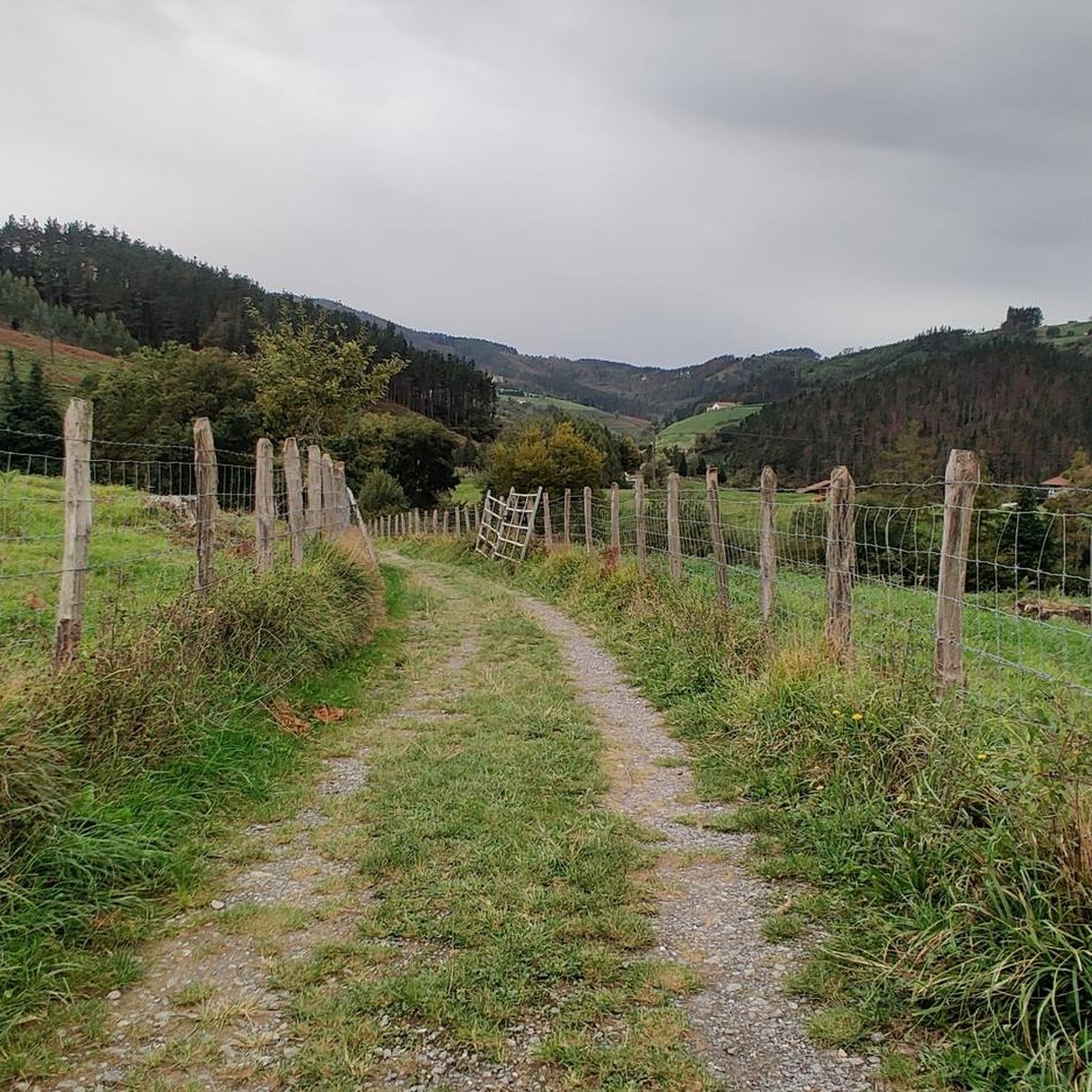
The Alto de Ixua is an iconic mountain pass in Eibar, with steep slopes that make it a classic Basque cycling route. From its summit, you can enjoy sweeping views of the mountains of Gipuzkoa and the industrial valley of Eibar.
1
0

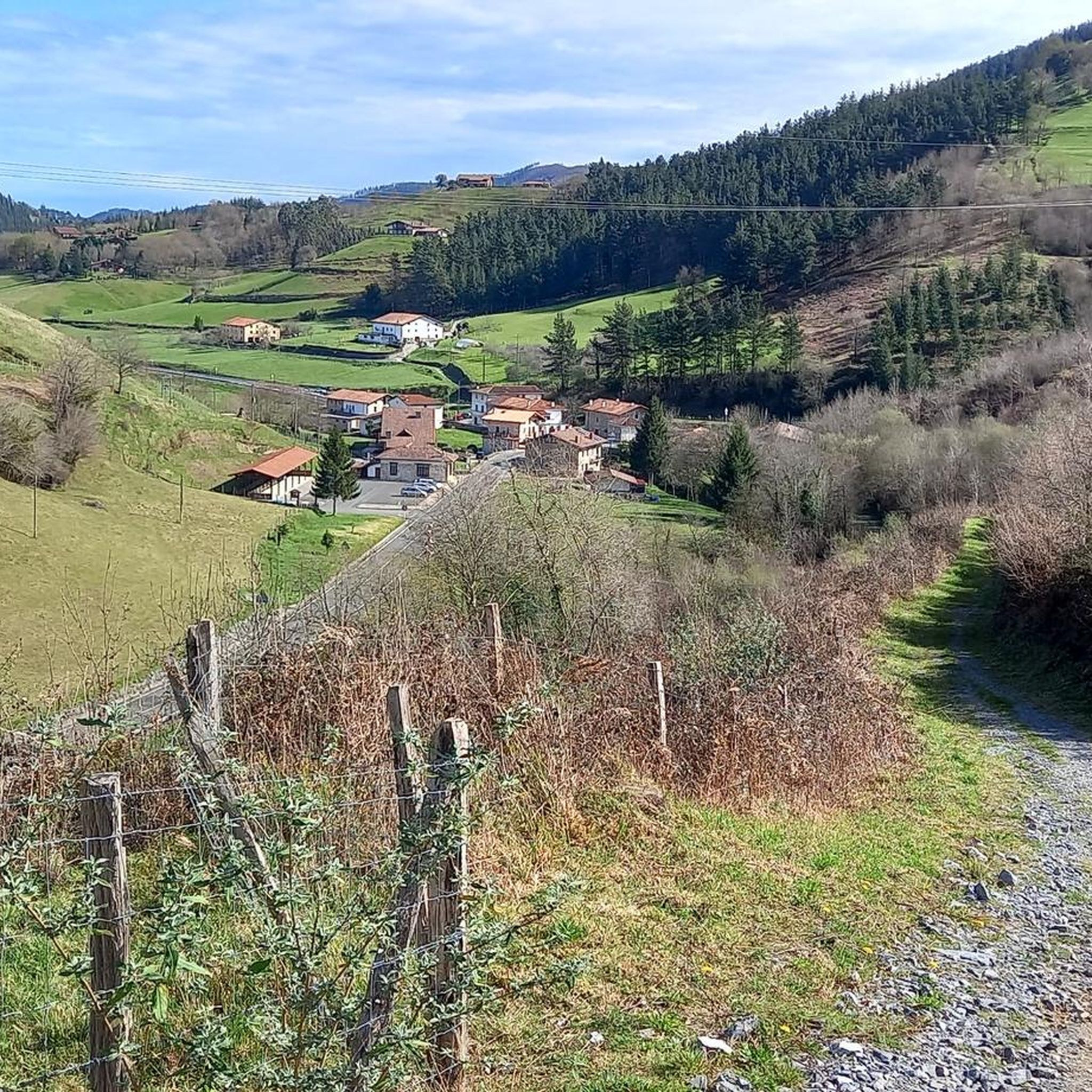
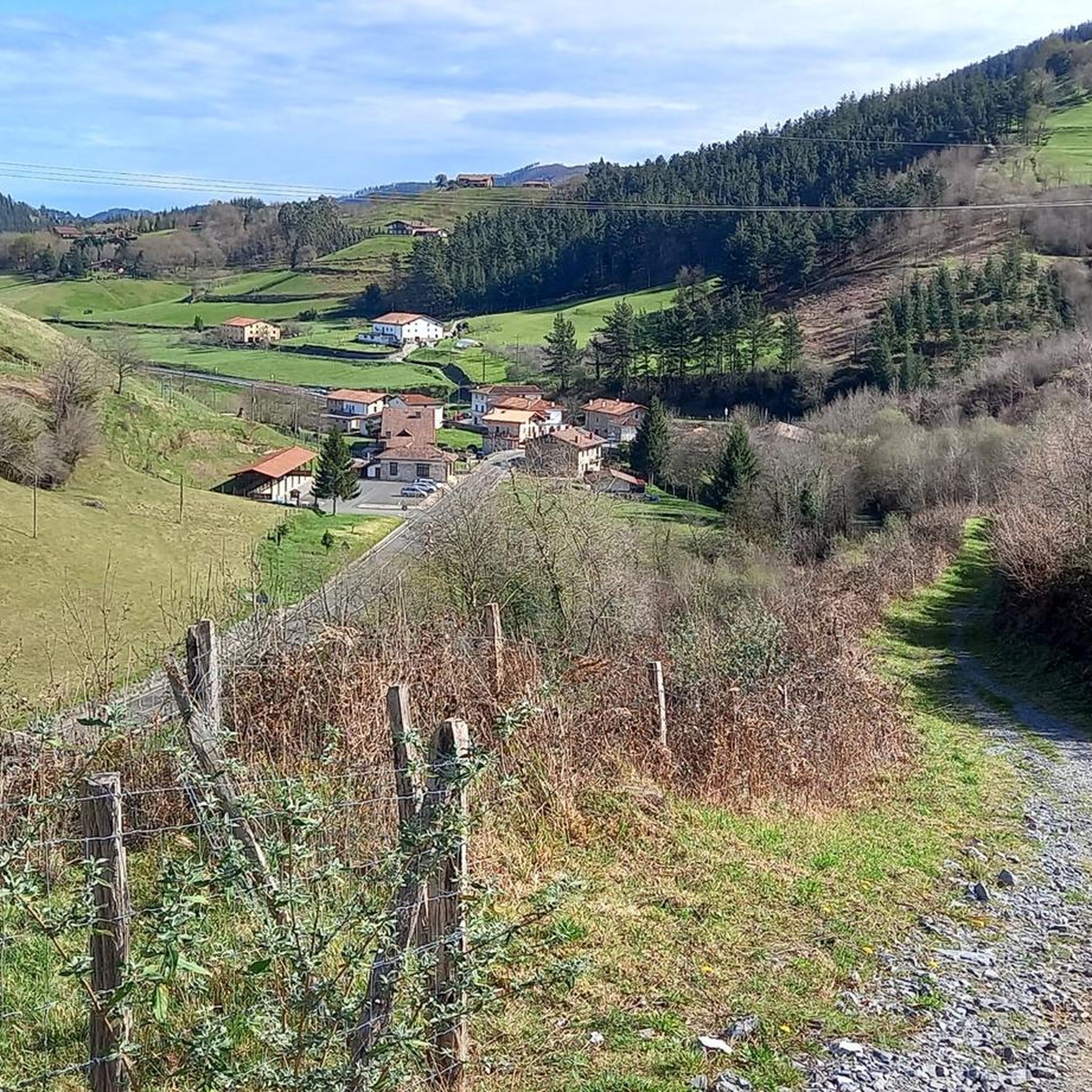
Montecalvo is located at an altitude of 381 meters, offering impressive views of the sea and Urdaibai on one side and Duranguesado on the other. The Muniketa road was the main communication route south through Durango until 1848, when the Autzagane road was improved.
1
0

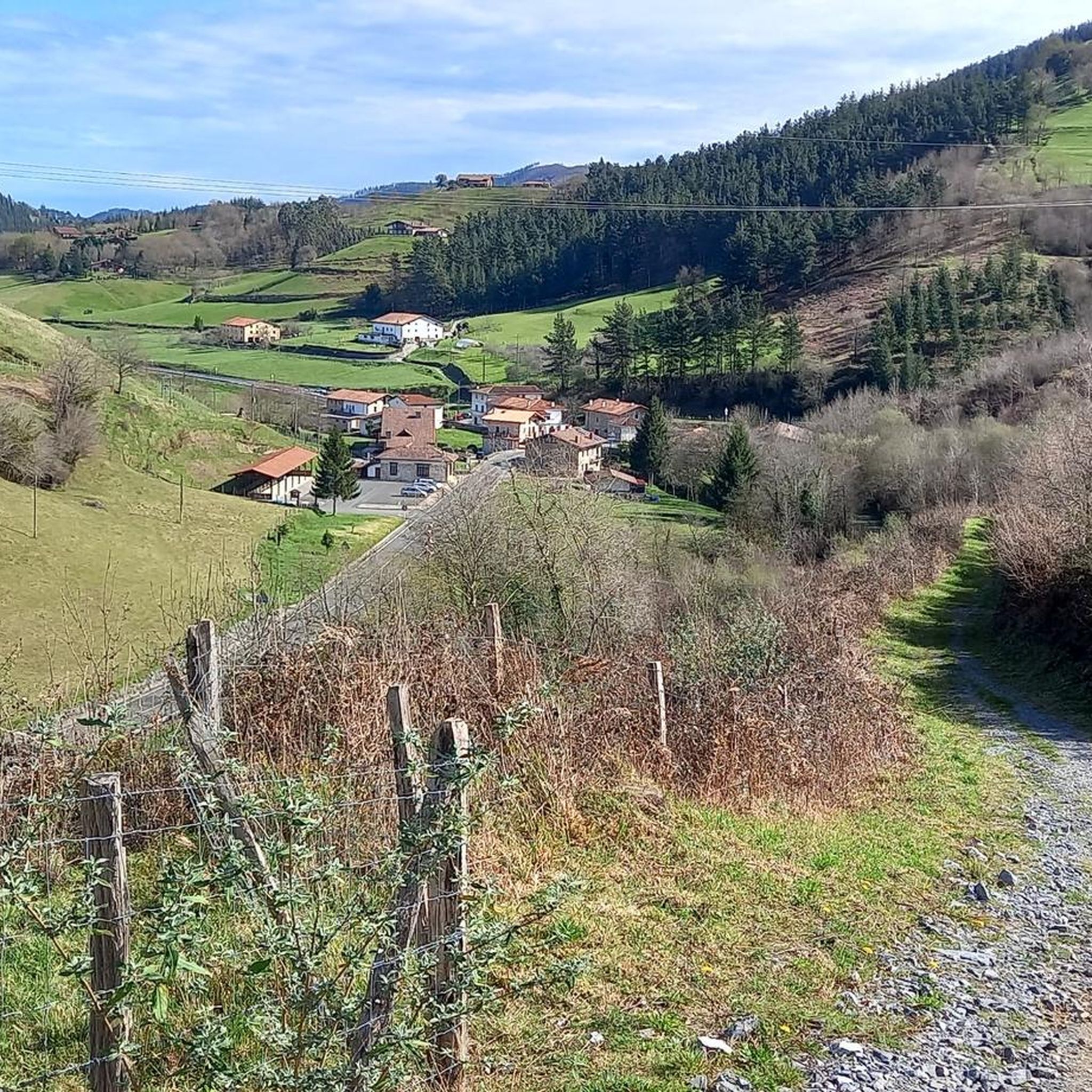
The Gontzegaraigane is 2.6 km long, has its highest point at 370 m and rises over a distance of about 2.6 km. The average slope of Gontzegaraigane is 6.5%.
0
0
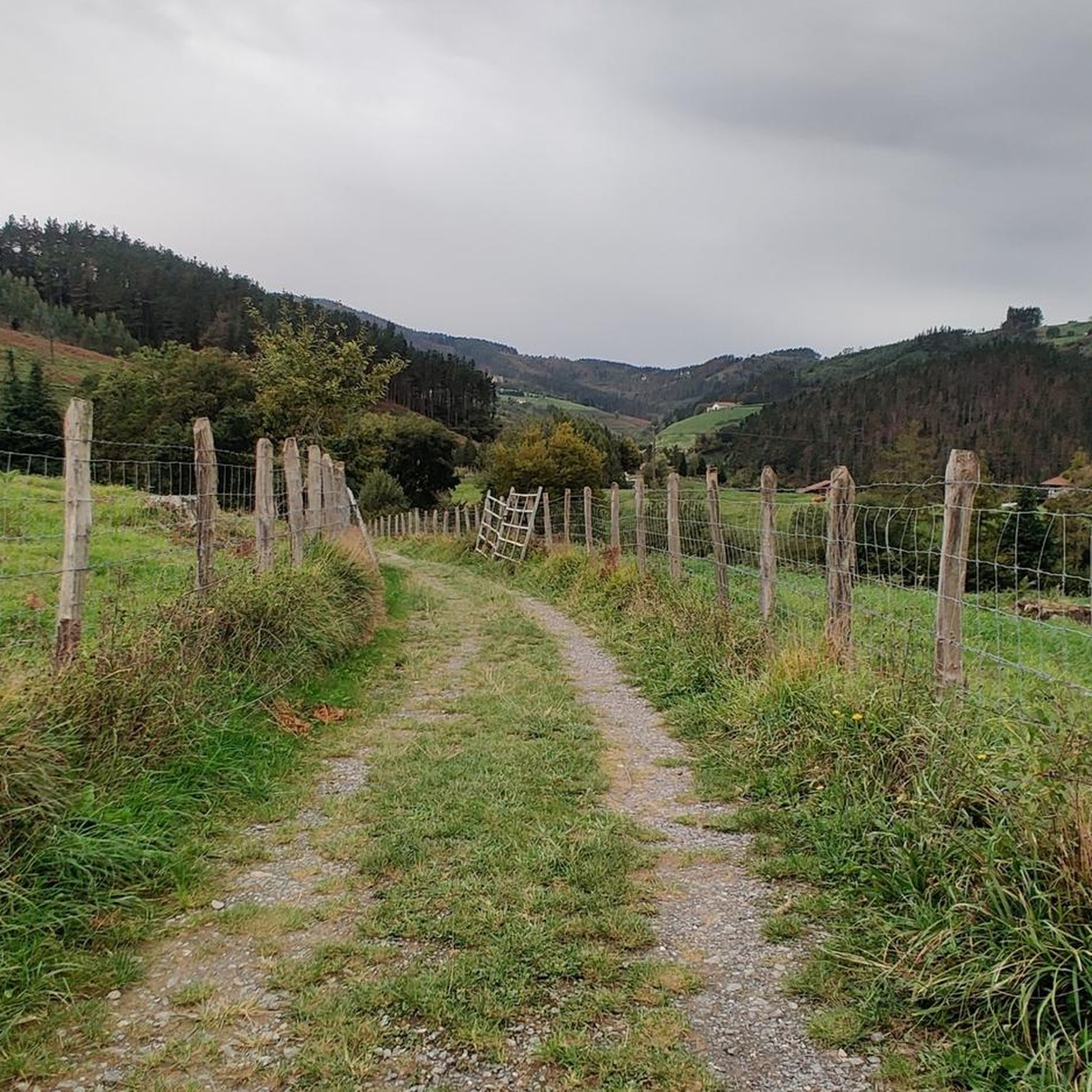
Climb that is not very long but that is famous for the World Tour peloton, in the return that is done every year in the Basque Country
2
0
Road that goes from the town of Elgóibar to Marquina-Jeméin and where at the top is the hermitage of San Miguel to the east and Urkaregi to the west (at the entrance to the province of Bizkaia).
0
0

From the top of Muniketa or Montecalvo, there are exceptional views and you can see the sea and Urdaibai on one side, as well as the Duranguesado on the other. Muniketa is a dispersed neighborhood with several typical hamlets and until 1848 it was the main route of communication to the south through Durango. That year the Autzagane road was improved. In Muniketa is the Astei agrotourism, a rehabilitated farmhouse with restaurant service from where we can perfectly see a slope of Mount Oiz and Goraño. From Artatza, the ascent is a 3.7-kilometre climb with 261 meters of positive elevation gain, 12 beautiful horseshoe curves and a very regular slope of around 7%. From Muxika, the ascent is 9 kilometers and a total of 382 meters of positive slope. More info at: https://www.muxikakoudala.eus/es-ES/informacion-cultural/Barrios/Paginas/Muniketa.aspx
0
0

Frequently Asked Questions
What are some notable mountain passes to explore in Cenarruza-Puebla de Bolívar?
The region offers several distinctive mountain passes. For a classic Basque cycling route with sweeping views, consider Alto de Ixua. Another intense climb known for its inclusion in the World Tour peloton is Areitio Climb. For a pass with a consistent average slope, the Ascent to Gontzegaraigane is a good choice.
What kind of views can I expect from the mountain passes in this area?
Many elevated points and mountain passes in Cenarruza-Puebla de Bolívar offer panoramic vistas. For example, from Alto de Muniketa (Montecalvo), you can enjoy impressive views of the sea, the Urdaibai Biosphere Reserve, and the Duranguesado region. Similarly, Alto de Ixua provides sweeping views of the mountains of Gipuzkoa and the Eibar industrial valley.
Are there historical or cultural sites near the mountain passes?
Yes, the region blends natural exploration with cultural immersion. While not a mountain pass itself, the Monastery of Santa María de Zenarruza (also known as Ziortza Collegiate Church) is a national monument and a historical enclave on the Coastal Way of St. James. Routes in the area often connect to such significant landmarks, allowing you to experience the rich history of the Basque countryside.
What outdoor activities can I do near these mountain passes?
The mountainous terrain around Cenarruza-Puebla de Bolívar is ideal for various outdoor activities. You can find numerous routes for hiking, gravel biking, and road cycling. For detailed routes, explore guides like Hiking around Cenarruza-Puebla De Bolívar, Gravel biking around Cenarruza-Puebla De Bolívar, and Road Cycling Routes around Cenarruza-Puebla De Bolívar.
What is the typical terrain and difficulty level of mountain passes in Cenarruza-Puebla de Bolívar?
The terrain is generally rural and mountainous, featuring significant ascents and descents. Passes like Alto de Ixua are known for their steep slopes, making them challenging for cyclists. Others, like the Ascent to Gontzegaraigane, have a consistent average slope of around 6.5% over a few kilometers. Many routes are suitable for intermediate levels, offering a good balance of challenge and reward.
When is the best time to visit Cenarruza-Puebla de Bolívar for exploring mountain passes?
The region is generally suitable for outdoor activities throughout much of the year. Spring and autumn typically offer pleasant temperatures for hiking and cycling, avoiding the peak heat of summer and potential winter conditions. These seasons also showcase the natural beauty of the Basque countryside with vibrant foliage or blooming landscapes.
Are there family-friendly options for exploring the mountain passes?
While many mountain passes involve significant elevation changes, the broader area around Cenarruza-Puebla de Bolívar offers diverse trails. When planning a family outing, look for routes described as 'easy' or 'moderate' within the hiking or cycling guides. It's advisable to check specific route details for elevation gain and distance to ensure they match your family's capabilities.
What are the parking options near mountain passes or trailheads?
Parking availability can vary. For popular cultural sites like the Monastery of Santa María de Zenarruza, there are usually designated parking areas. For specific trailheads leading to mountain passes, parking might be more limited, often found in nearby villages or designated spots. It's recommended to research specific starting points for parking information before your visit.
Can I use public transport to reach the mountain passes or nearby areas?
Public transport options to reach the more remote mountain passes directly might be limited. However, you can often reach larger towns and villages in the region, such as Ziortza-Bolibar, by public transport. From there, you might need to walk, cycle, or arrange local transport to access specific trailheads or passes. Planning your route in advance using local transport schedules is advisable.
What kind of accommodation and dining options are available in Cenarruza-Puebla de Bolívar?
The region offers a rural charm with small villages and dispersed neighborhoods. You can find various accommodation options, including agrotourism establishments like Astei agrotourism in Muniketa, which often include restaurant services. There are also local cafes and pubs in the villages, providing opportunities to experience local Basque culture and cuisine after your outdoor adventures.
What makes the mountain passes in Cenarruza-Puebla de Bolívar unique?
The mountain passes here are unique for their integration into the rural, mountainous environment of the Basque Country. They offer not just challenging ascents and scenic views but also connect to the region's rich history and cultural landmarks. The blend of natural beauty, demanding terrain, and historical significance, such as the old communication route of Muniketa, provides a distinctive experience for outdoor enthusiasts.
Most popular routes around Cenarruza-Puebla De Bolívar
Most popular attractions around Cenarruza-Puebla De Bolívar

Get inspired with the komoot mobile app


Explore more
See even more epic mountain passes by checking out these guides around Cenarruza-Puebla De Bolívar:
