Top 20 Natural Monuments around Betancuria
Best natural monuments around Betancuria are situated within the Betancuria Rural Park, a protected area in Fuerteventura recognized for its geomorphological and ethnographic value. This region features an arid, semi-desert terrain with a striking landscape of reddish and copper tones, characterized by ravines and mountainous escarpments. The park is a Special Protection Area for Birds, hosting various avian species. The Betancuria Massif within the park contains ancient materials, oceanic sediments, and fossils of extinct marine animals, offering significant scientific and…
Last updated: July 1, 2026
Presa de las Peñitas
Highlight • Monument
Translated by Google •
Tip by

Ajuy Caves (Cuevas de Ajuy)
Highlight • Cave
Translated by Google •
Tip by

Sign up now to discover places like this
Get recommendations on the best single tracks, peaks, & plenty of other exciting outdoor places.
Sign up for free
Peña Horadada Rock Arch
Highlight • Natural Monument
Translated by Google •
Tip by
Arco de las Peñitas
Highlight • Natural Monument
Translated by Google •
Tip by

Ajuy Lime Kilns
Highlight • Monument
Translated by Google •
Tip by
Sign up for free to discover even more natural monuments around Betancuria.
Sign up for free
Already have an account?
Start today with a free account
Your next adventure awaits.
Login or Signup
Popular around Betancuria
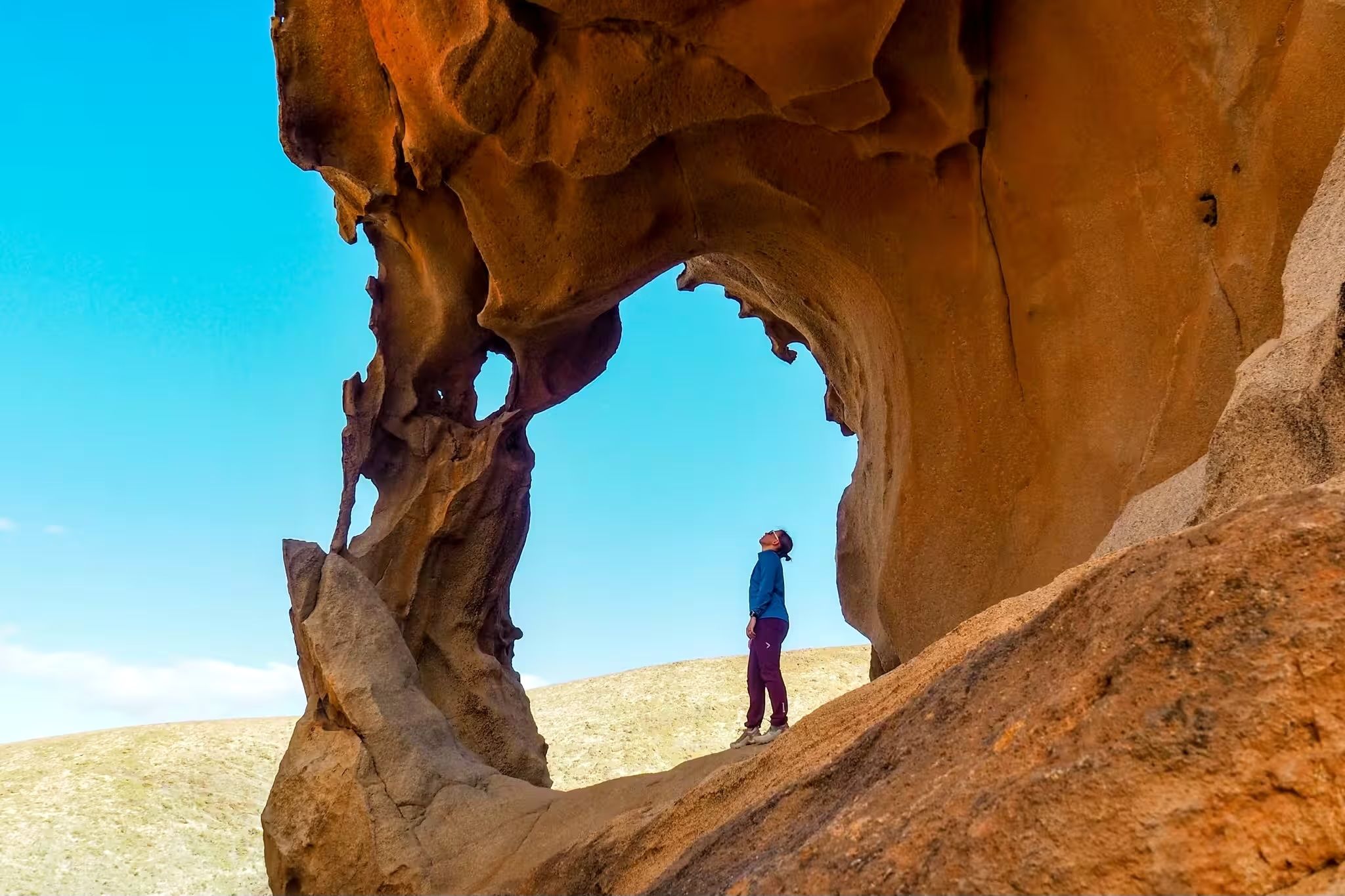
Canary Islands at a slow pace – six hikes immersed in nature
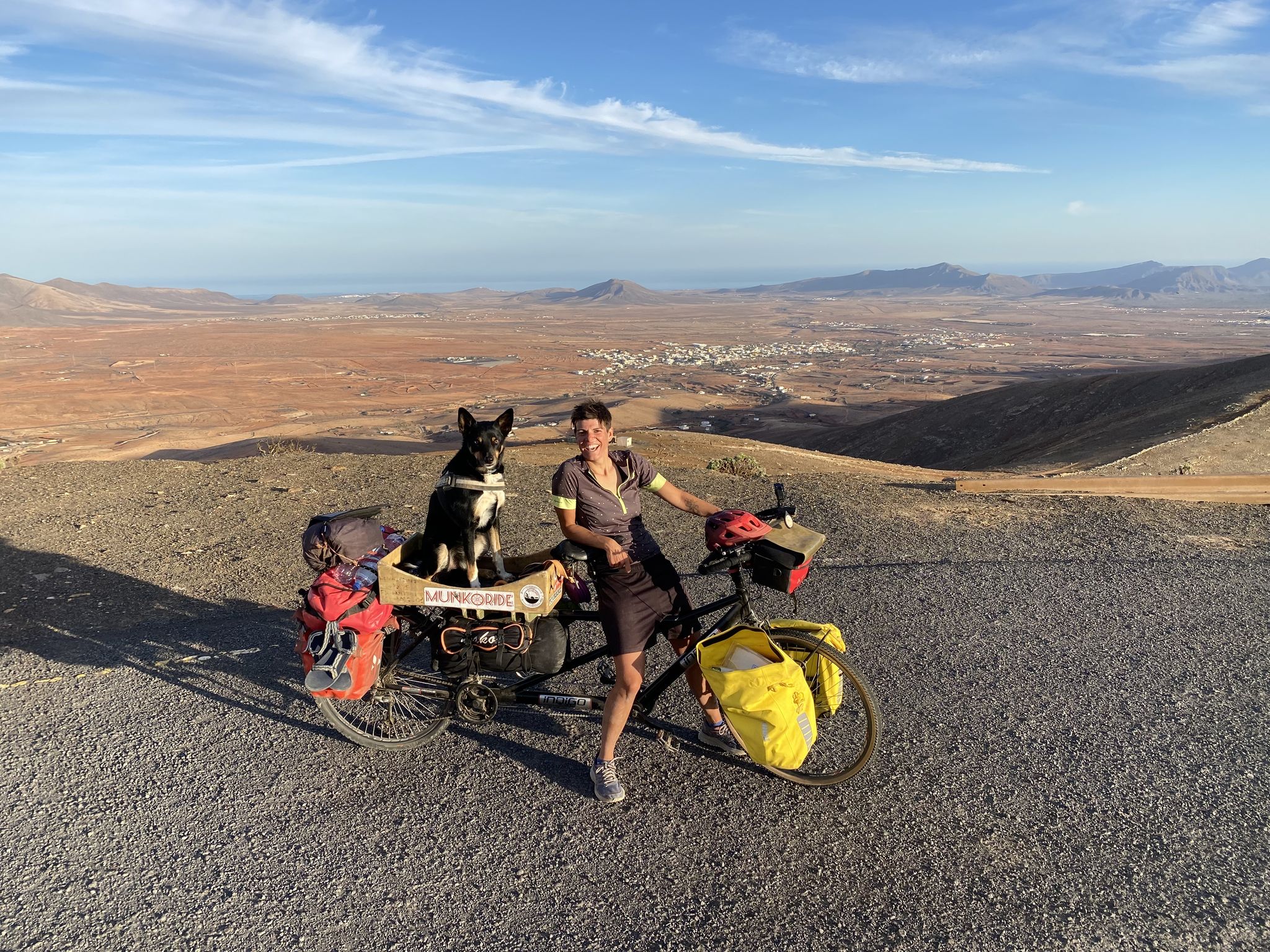
A lunar expedition – Fuerteventura on wheels
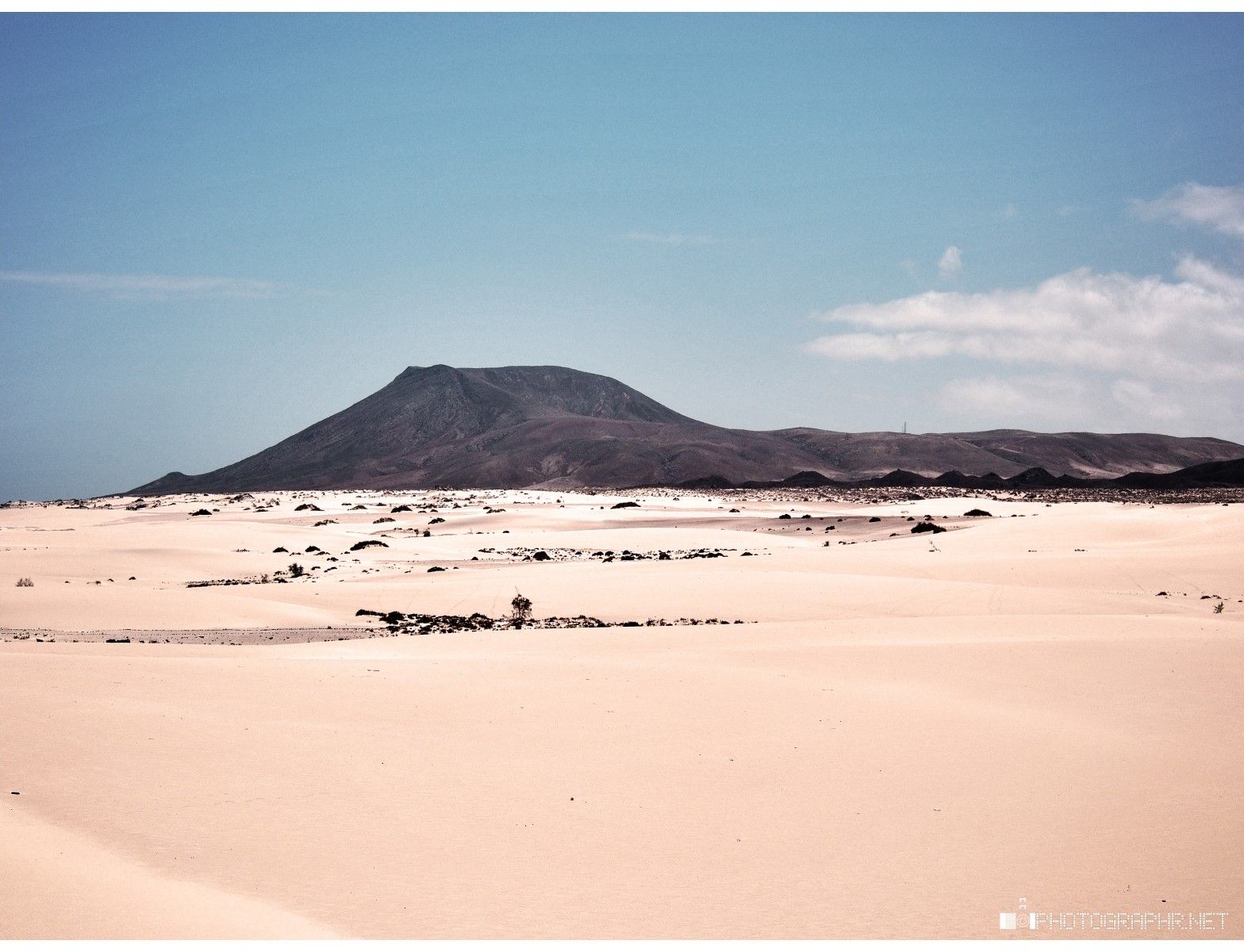
Land of sand and sea – Fuerteventura Nature Trail (GR 131)
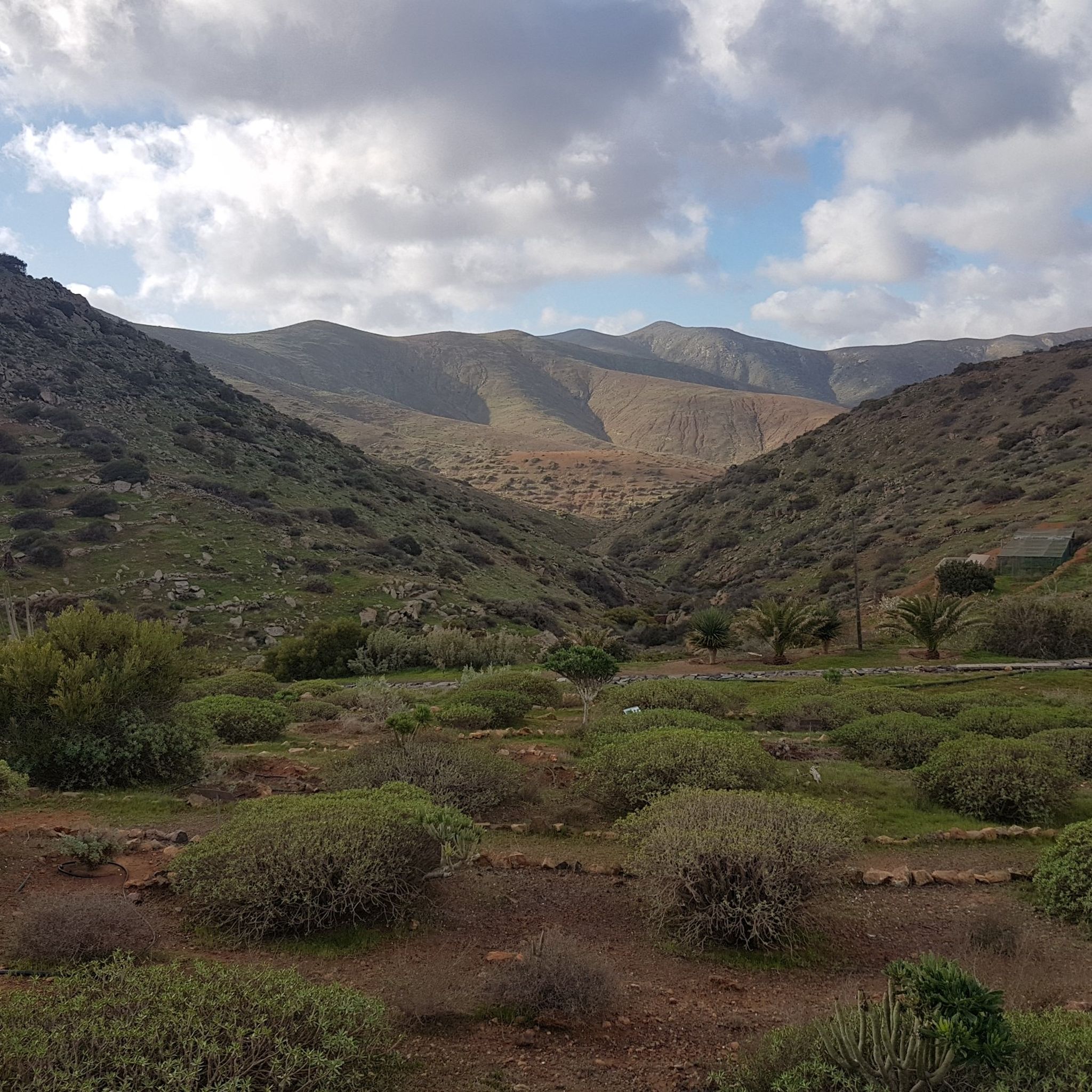
Hiking around Betancuria
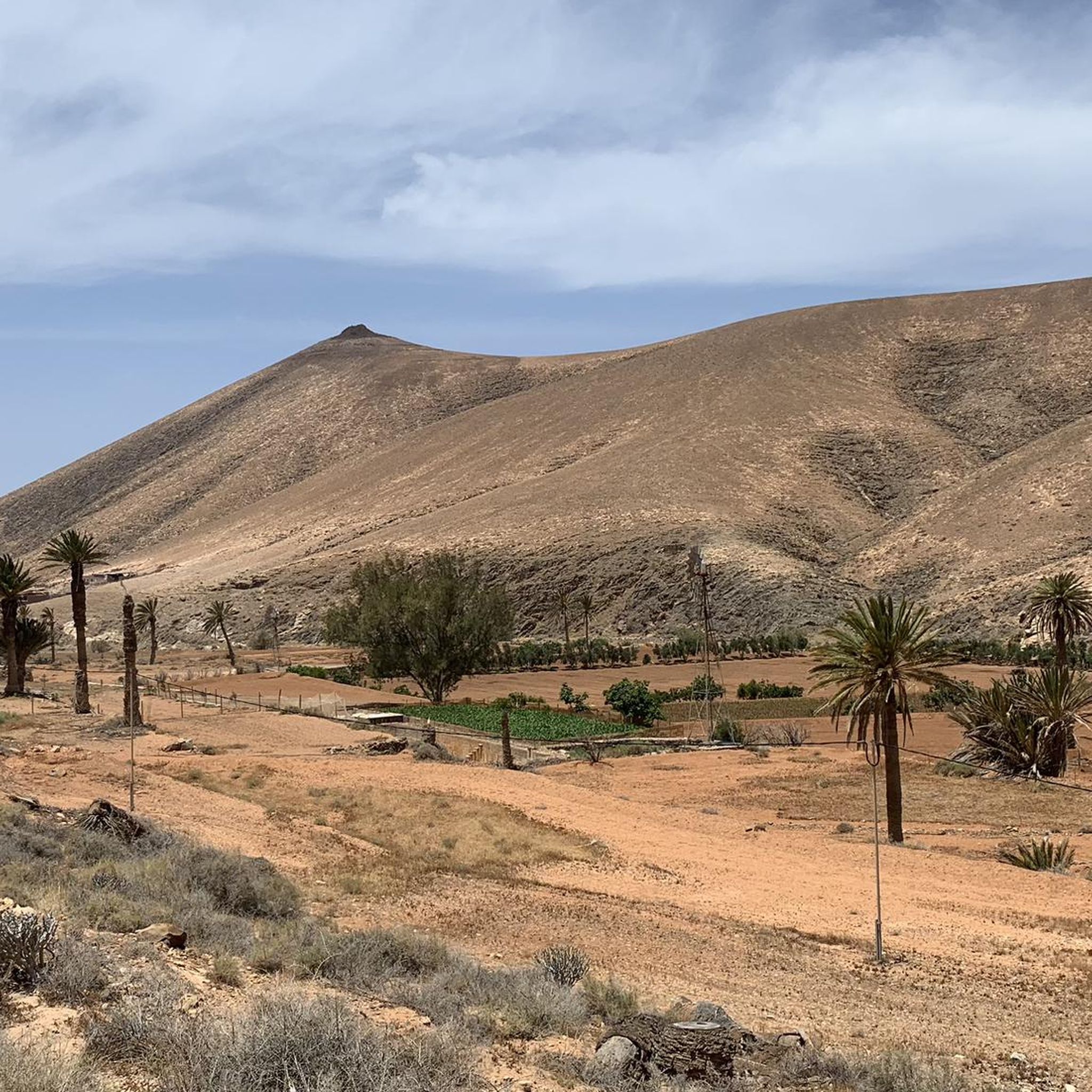
Cycling around Betancuria
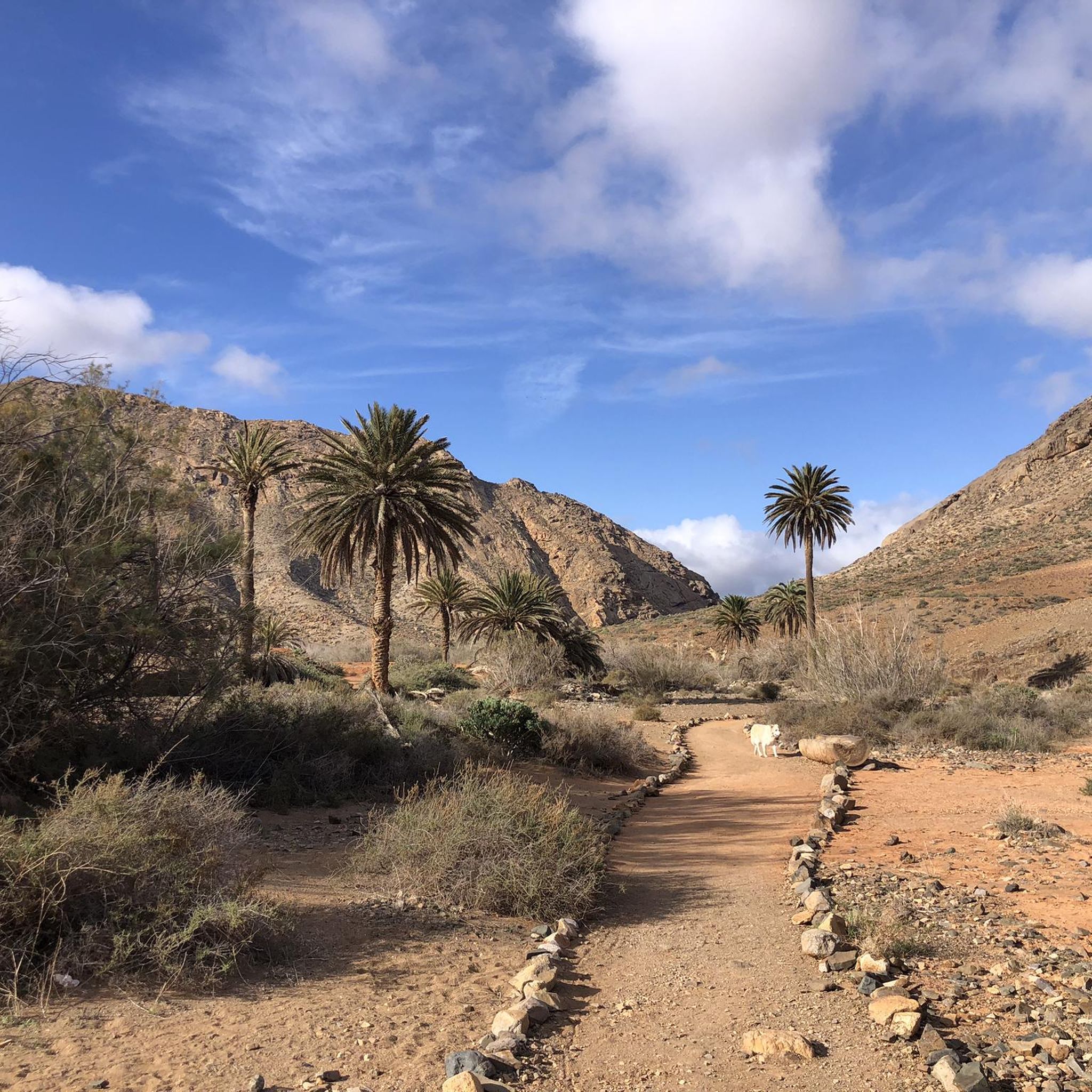
Road Cycling Routes around Betancuria
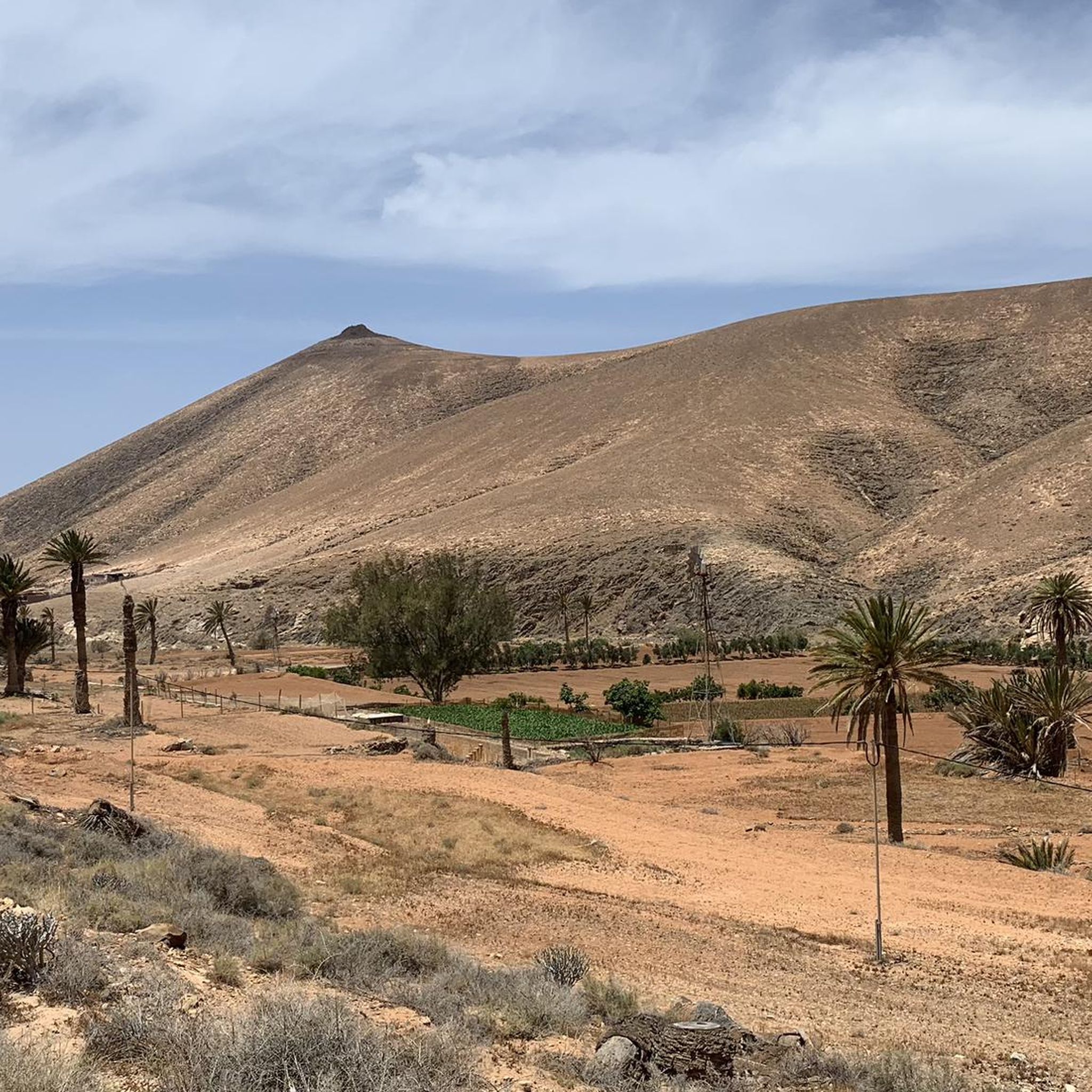
MTB Trails around Betancuria
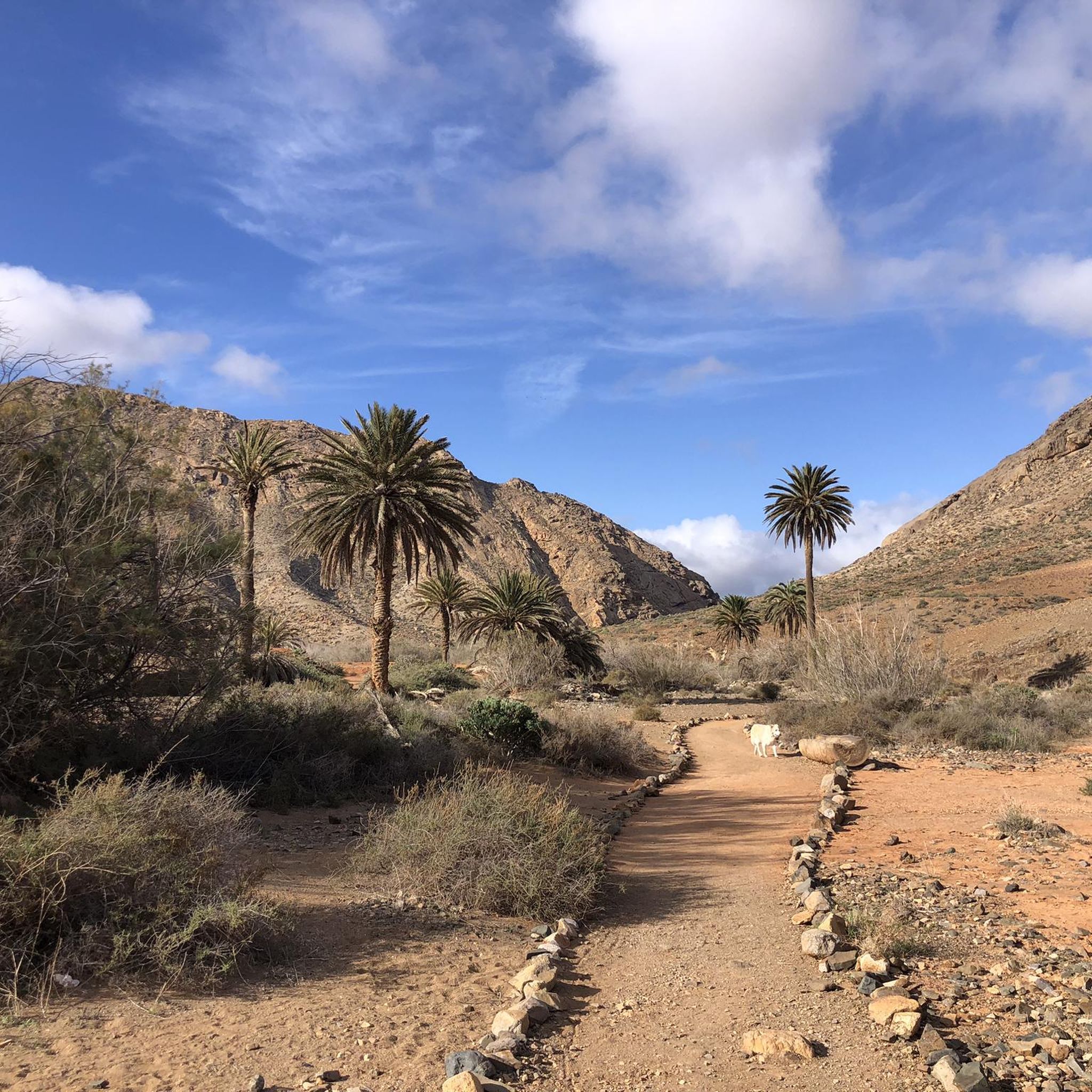
Running Trails around Betancuria
Other adventures around Betancuria


Tips from the Community

The two-story lime kilns were used for burning lime until the second half of the 19th century. The burnt lime was loaded onto ships below the kilns, shipped primarily to Gran Canaria, and for a long time was the island's main source of income. A fire was stoked in the lower part of the kilns, and the resulting heat burned the lime in the upper part.
8
0

The path to Arcos is not so easy to find from the chapel. It is best to keep checking Komoot to see if you are still on the right. I also recommend walking in the right direction... up (over rocks) and through the Arcos and down to the left. Some of the sections are a bit exposed, but doable. You should be sure-footed and of course wear sturdy shoes/hiking boots.
3
0

A beautiful nature reserve that unfortunately has no registered hiking trail... you'll have to improvise a little...
7
0

The rock gate "Peña Horadada" is located at the mouth of the Barranco de la Peña near the pirate caves of Ajuy. It is a high cliff in which the strong surf has made a hole. The French conqueror Jean de Bethencourt is said to have arrived on Fuerteventura at this point in 1402. Source: https://www.holidaycheck.de/pi/felsentor-pena-horadada/9fb2d6cb-8906-3203-937e-a4ef8e0ae449
57
1
At the northern end of the Bay of Ajuy, there is a cliff whose upper layer is made of shell limestone. This cliff was once gradually eroded by human hands. Due to the presence of shell limestone, two lime kilns were dug into the rock. The shell limestone was shoveled into these kilns, one layer of shell limestone and one layer of coal. The required coal was landed by British ships. The finished product, the quicklime obtained, was shipped profitably to Great Britain.
63
0
A path leads from the beach to Caleta Negra (Black Bay), from where a steep staircase leads down to the caves. Tip: Wear sturdy shoes!
42
2
Stingrays and angel sharks, for example, live inside the caves. An overview of the cave formations can be obtained along a path up to the cliff.
57
0

An impressive natural spectacle on the coast of Ayui
6
0
Frequently Asked Questions
What are some of the most unique natural monuments to visit in Betancuria?
Betancuria is home to several distinctive natural monuments. Don't miss the Ajuy Caves (Cuevas de Ajuy), which contain some of the oldest rocks in the Canary Islands and offer a glimpse into ancient geological formations. Another highlight is the Peña Horadada Rock Arch, a striking natural rock formation shaped by the powerful surf. The Presa de las Peñitas, a reservoir nestled within a ravine, provides a contrasting green oasis in the arid landscape.
What geological features make the natural monuments around Betancuria unique?
The natural monuments in Betancuria are renowned for their significant geological value. The region, particularly within the Betancuria Rural Park, showcases ancient materials, oceanic sediments, and fossils of extinct marine animals. The Ajuy Caves are a prime example, featuring the oldest rocks in the Canary Islands. You'll also encounter dramatic volcanic formations, reddish and copper-toned landscapes, and impressive ravines like the Barranco de las Peñitas.
Are there family-friendly natural monuments around Betancuria?
Yes, several natural monuments in Betancuria are suitable for families. The Peña Horadada Rock Arch is considered family-friendly, offering an accessible natural wonder. The Ajuy Caves and the black sand beach at Ajuy are also popular with families, though sturdy shoes are recommended for exploring the caves. Additionally, the Aguas Verdes Natural Pools offer a safe and enjoyable swimming experience for all ages, especially at low tide.
What kind of wildlife can I expect to see in Betancuria's natural monuments?
The Betancuria Rural Park is a Special Protection Area for Birds (ZEPA), making it an excellent spot for birdwatching. You might spot native species like the majorero vulture, as well as various migratory birds. The arid landscape also supports unique endemic vegetation, such as sweet tabaiba and jorjao. Around the Presa de las Peñitas, the presence of water attracts local fauna, offering a chance to observe different species.
What outdoor activities can I do near these natural monuments?
The area around Betancuria's natural monuments is perfect for outdoor enthusiasts. You can explore numerous hiking trails, including those through the Barranco de las Peñitas, which offers a journey through volcanic landscapes. For more extensive options, check out the hiking routes around Betancuria. There are also cycling routes and MTB trails for those looking for more adventurous rides.
Are there historical sites integrated with the natural monuments?
Yes, history is often intertwined with nature in Betancuria. The Ajuy Lime Kilns are a notable example, showcasing ancient industrial activity within a natural cliffside. These kilns utilized the shell limestone found in the area, which is the oldest sediment in the Canary Islands. The Ajuy Caves themselves were once rumored pirate hideouts, adding a layer of intrigue to their geological significance.
What is the best time of year to visit Betancuria's natural monuments for hiking?
The best time to visit Betancuria for hiking and exploring its natural monuments is generally during the cooler months, from autumn to spring (October to May). During this period, temperatures are milder and more comfortable for outdoor activities. Summers can be very hot and dry, making longer hikes less enjoyable. Always check the local weather forecast before heading out.
Where can I find panoramic views of the Betancuria region?
For spectacular panoramic views, head to the Mirador de Guise y Ayose. This viewpoint offers expansive vistas of the Betancuria Valley and, on clear days, extends to the ocean. It's also notable for the large sculptures of ancient aboriginal kings, Guise and Ayose, and informative panels explaining the local geology. The Arco de las Peñitas also provides impressive views for those willing to take on a more challenging hike.
What do visitors enjoy the most about Betancuria's natural monuments?
Visitors frequently praise the dramatic and unique landscapes, often described as 'Martian' due to the reddish cliffs and volcanic terrain. The geological significance, such as the ancient rocks in the Ajuy Caves, is a major draw. Many also appreciate the contrast offered by unexpected green spots like the Presa de las Peñitas, and the serene experience of the Aguas Verdes Natural Pools. The sense of discovery on less-traveled paths, like those in Barranco de las Peñitas, is also highly valued.
Are there any natural swimming spots near Betancuria's natural monuments?
Yes, the Aguas Verdes Natural Pools are a popular natural swimming spot located near Betancuria. These pools are formed by the sea between cliffs and volcanic formations, offering calm and pleasant waters, especially at low tide. They provide a safe and refreshing place to relax on Fuerteventura's west coast, which is otherwise known for strong currents.
How accessible are the natural monuments by public transport?
While some areas like Ajuy are reachable by public transport, many of the more remote natural monuments and hiking trailheads within the Betancuria Rural Park are best accessed by car. Public transport options might be limited, so planning your route in advance and considering car rental or guided tours is advisable for exploring the full extent of the region's natural beauty.
What should I bring when visiting the natural monuments in Betancuria?
When exploring Betancuria's natural monuments, it's essential to be prepared. We recommend bringing sturdy walking shoes, especially if you plan to hike or explore areas like the Ajuy Caves. Sun protection (hat, sunscreen), plenty of water, and snacks are also crucial due to the arid climate. A camera is a must to capture the stunning landscapes and unique geological formations.
Most popular attractions around Betancuria

Get inspired with the komoot mobile app


Explore more
Extend your search for the best caves by checking out these guides of the top ones around Betancuria:
