Top 11 Natural Monuments around Galende
Best natural monuments around Galende are concentrated within the Lago de Sanabria Natural Park, a protected area in the Sanabria region of Zamora province. This region features a diverse glacial landscape, including the largest natural lake of glacial origin on the Iberian Peninsula. The park's unique climate zones support a rich biodiversity of flora and fauna. Galende is known for its waterfalls, lakes, summits, and caves, offering a variety of natural monuments to explore.
Best natural monuments around Galende
- The…
Last updated: October 5, 2026
Sotillo Waterfall
Highlight • Waterfall
Translated by Google •
Tip by

Peña Trevinca Summit
Highlight • Summit
Translated by Google •
Tip by

Sign up now to discover places like this
Get recommendations on the best single tracks, peaks, & plenty of other exciting outdoor places.
San Martín Cave
Highlight • Cave
Translated by Google •
Tip by
Laguna de los Peces
Highlight • Lake
Translated by Google •
Tip by
Lake Sanabria
Highlight • Lake
Translated by Google •
Tip by
Sign up for free to discover even more natural monuments around Galende.
Already have an account?
Start today with a free account
Your next adventure awaits.


Tips from the Community

Spectacular view over the glacial valley of the Tera
0
0

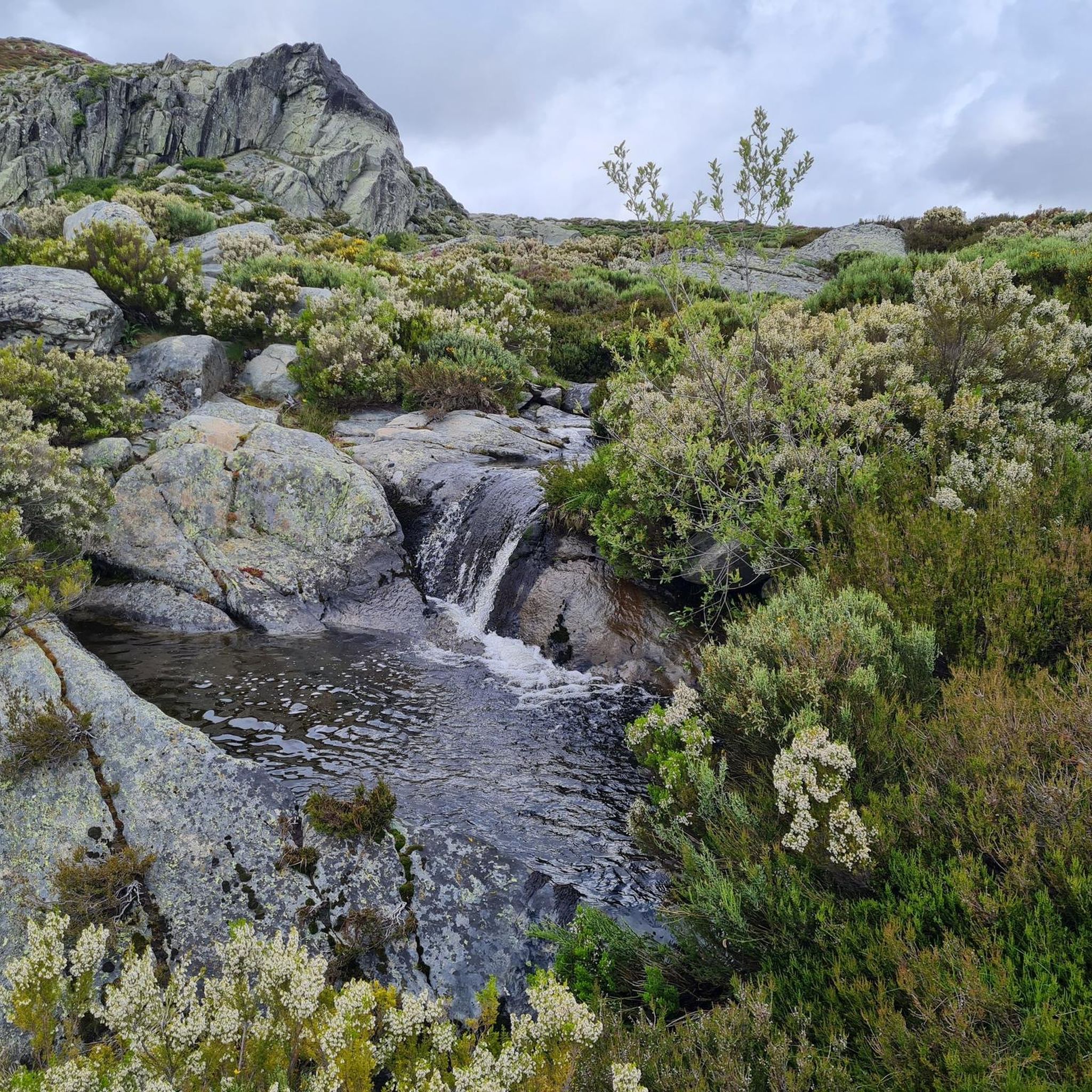
Sotillo Waterfall, located in Sotillo de Sanabria (Cobreros municipality, Zamora), is one of the natural gems of the Sanabria Lake Natural Park and one of the most spectacular hiking trails in Castile and León. Its waterfall is approximately 20 meters high, making it particularly impressive in spring and after rain.
2
0

The summit of Galicia, with very good 360º views
0
0


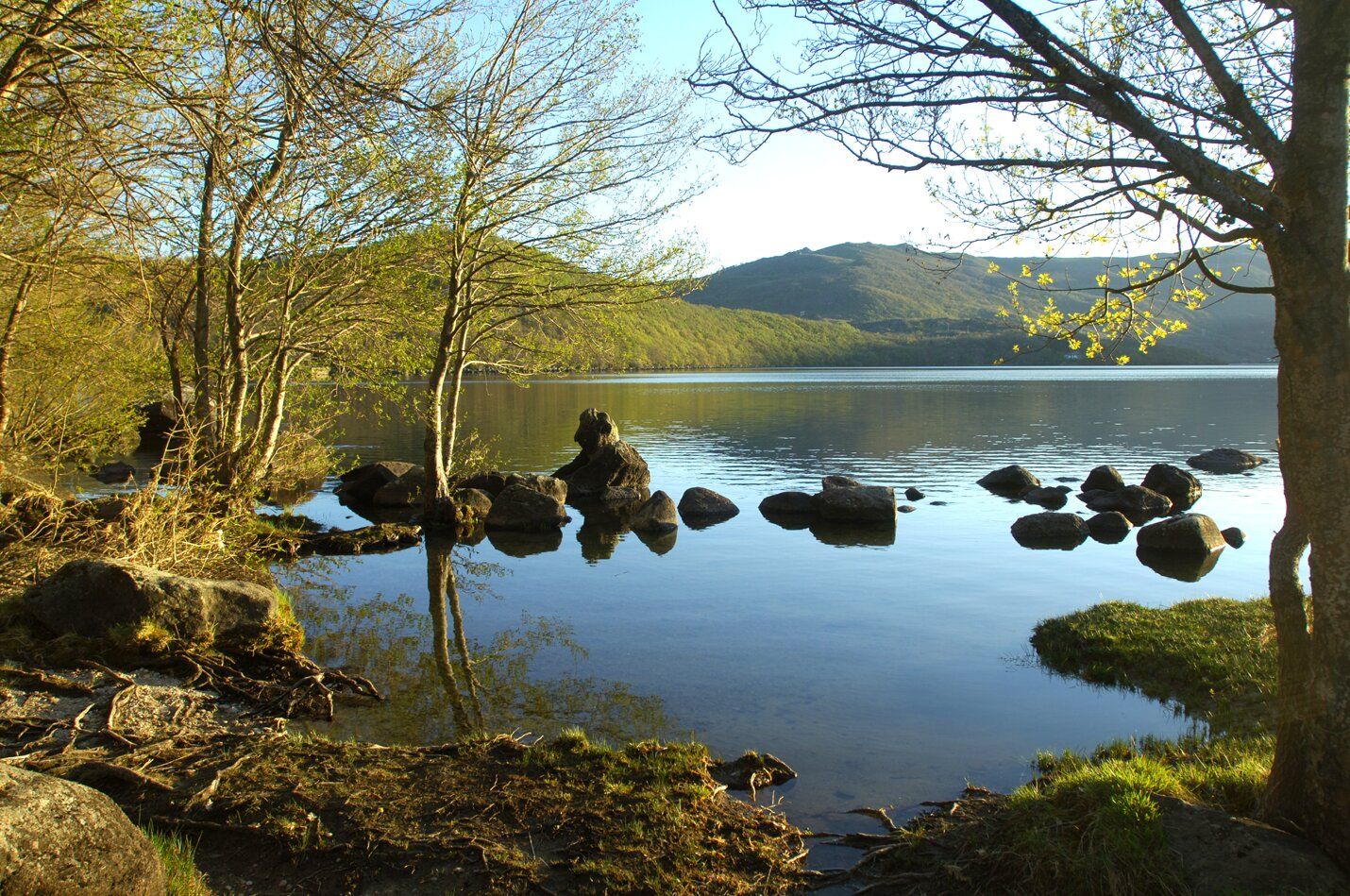
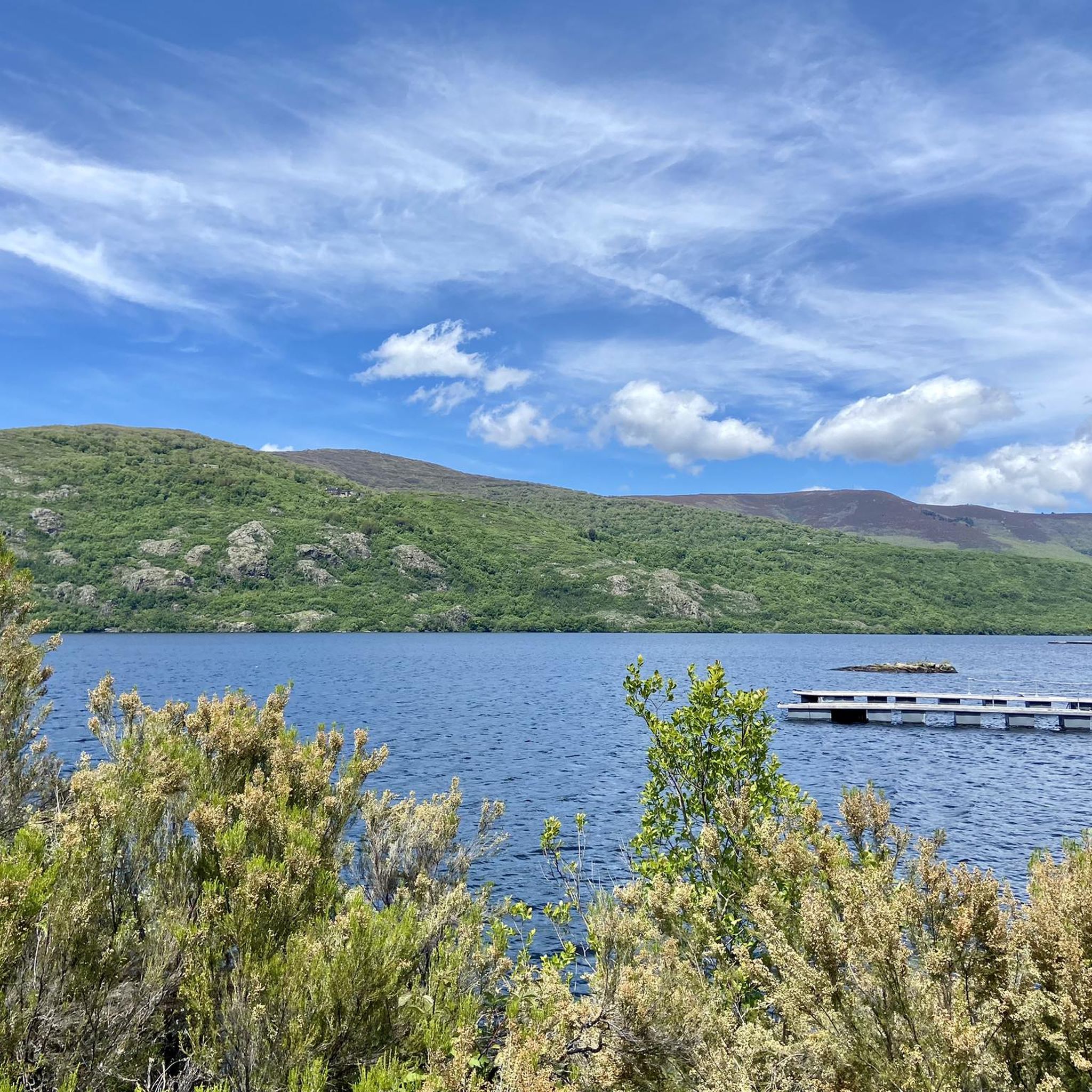
Lake Sanabria is a very wine place to enjoy the area
0
0

The prize of the Sotillo waterfall route is this beautiful waterfall that is well worth a stop.
1
0
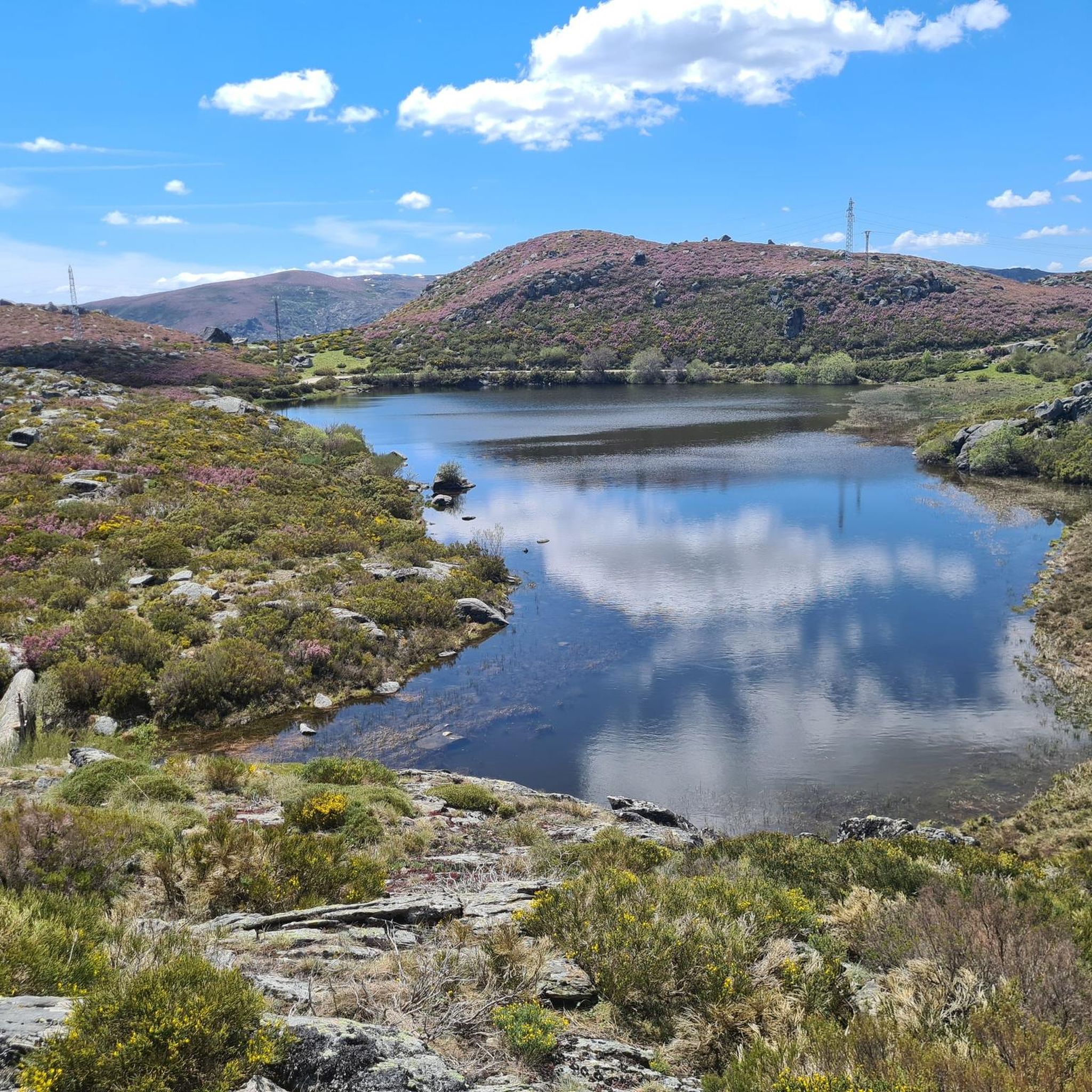
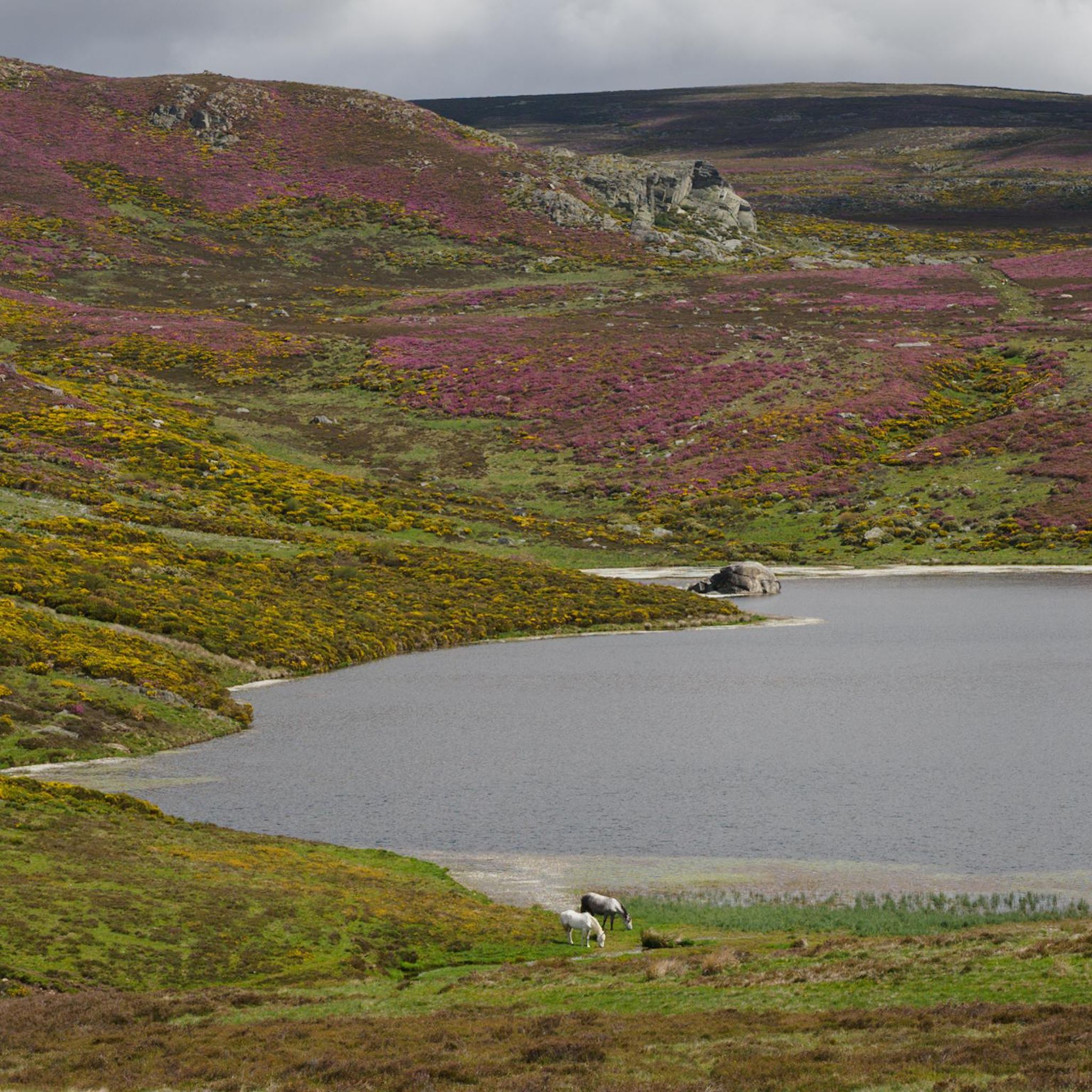
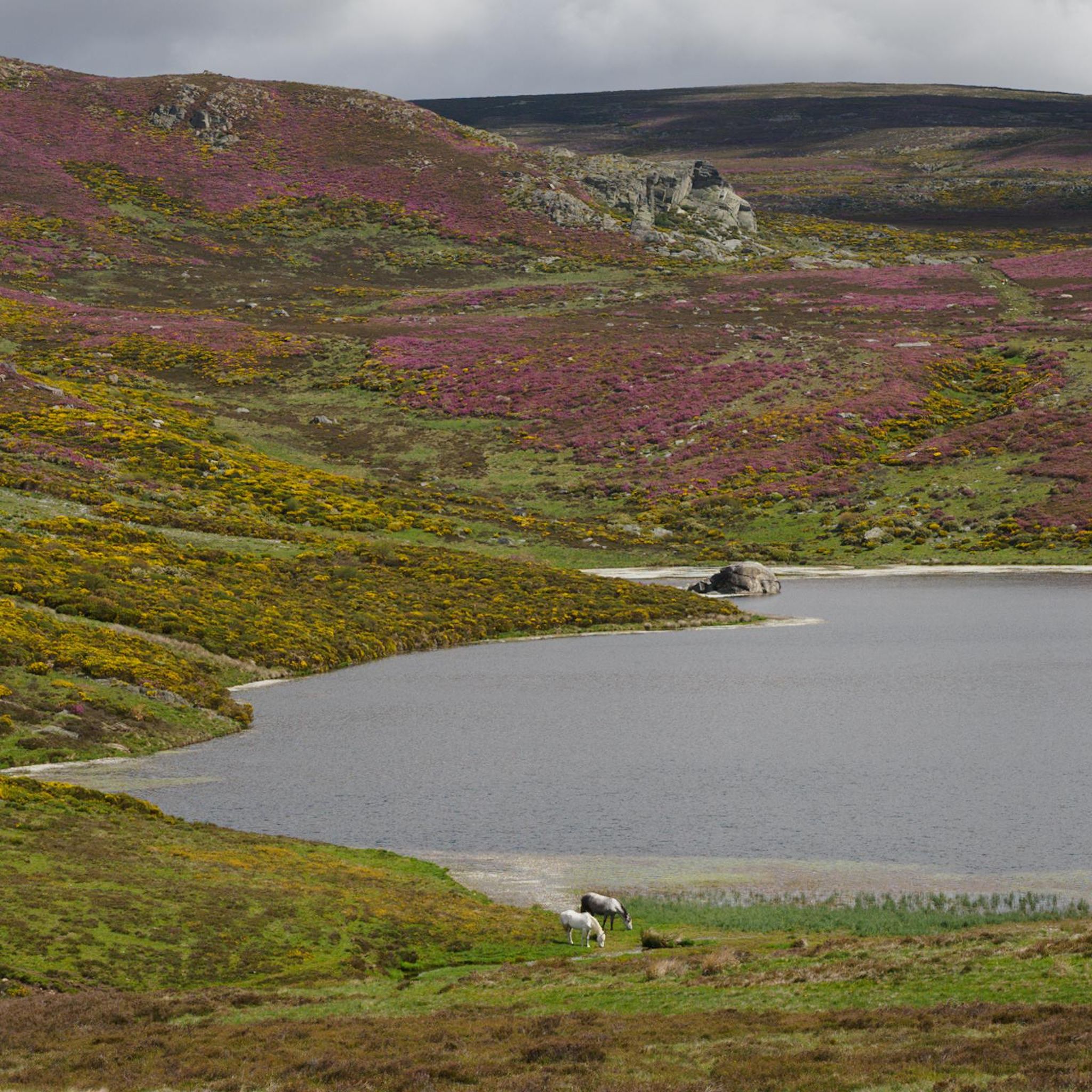
In spring the area is a spectacle of color with aquatic flowers in the lagoon, with a concert of frogs included.
1
0
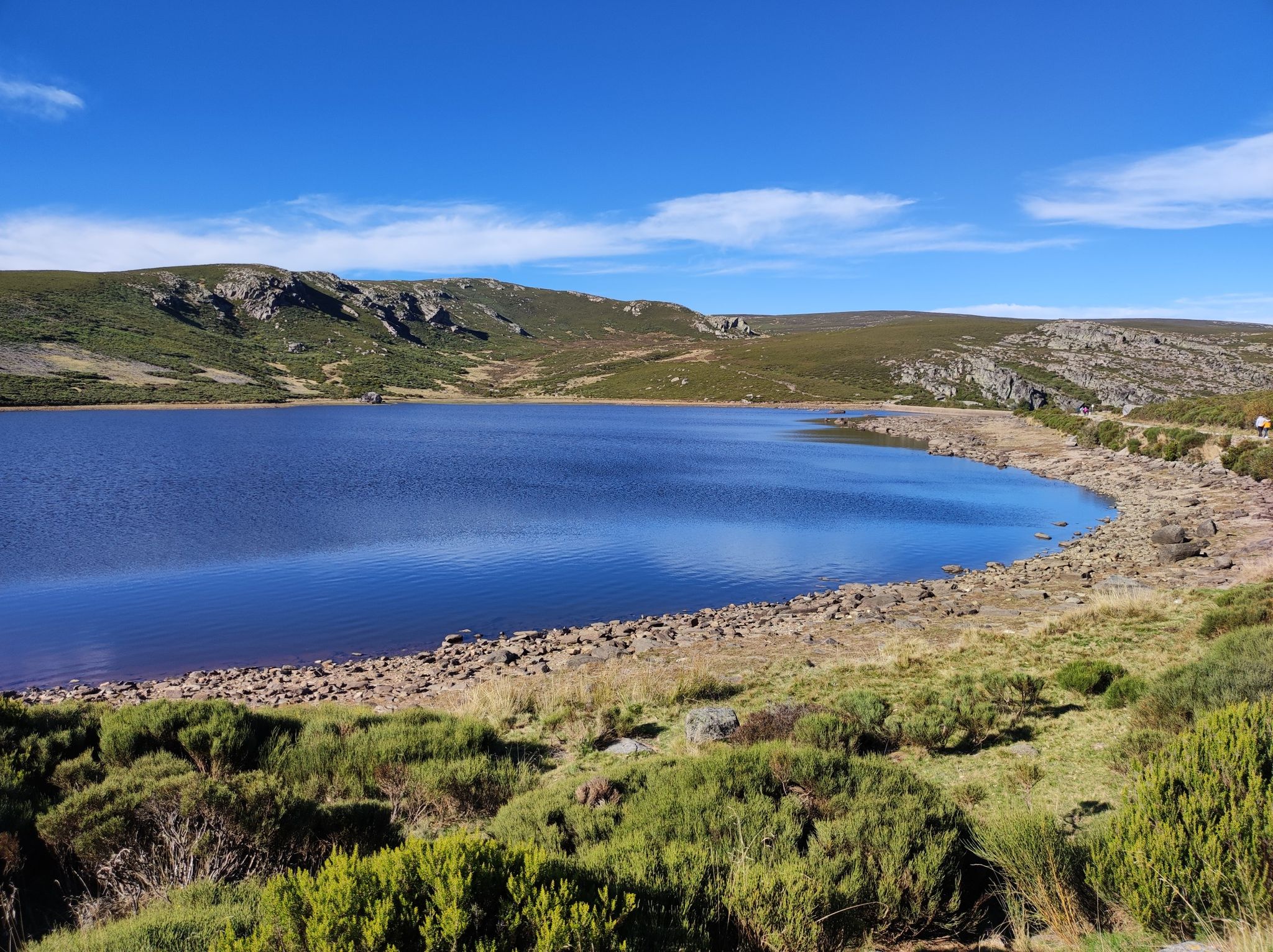
Beautiful glacier lagoon located within the Sanabria Lake Natural Park.
1
0
Frequently Asked Questions
What are the primary natural features to explore around Galende?
The natural monuments around Galende are predominantly found within the Lago de Sanabria Natural Park. This area is characterized by its glacial landscape, featuring the largest natural lake of glacial origin in the Iberian Peninsula, numerous smaller glacial lakes, deep valleys, and impressive waterfalls. You can explore sites like the powerful Sotillo Waterfall, glacial lakes such as Laguna de los Peces, and various viewpoints offering panoramic vistas.
Are there any significant viewpoints for scenic photography in the area?
Yes, the region offers several stunning viewpoints. The Viewpoint of Lake Sanabria provides breathtaking views of the glacial Lake Sanabria. For a more challenging ascent, Peña Trevinca Summit, the highest peak of both Galicia and Zamora, offers expansive 360º views of the surrounding landscape.
What kind of wildlife and plant life can I expect to see in the Lago de Sanabria Natural Park?
The Lago de Sanabria Natural Park is rich in biodiversity due to its unique climate. It hosts over 1,500 species of flora, including extensive oak forests, alder, birch, hazel, and yew trees, as well as peat bogs with carnivorous plants like Sundew. The fauna is equally diverse, with around 40 mammal species such as the Iberian wolf, wildcat, otter, red deer, and wild boar. Raptors are also common, and brown bears have been repopulating the area.
Are there historical or cultural sites among the natural monuments?
Yes, the San Martín Cave offers a blend of natural exploration and historical interest. While primarily a natural cave, it is historically referenced as the site of a rupestrian church dating back to the 9th century. Routes leading to the cave provide views of this unique site and the spectacular Lago de Sanabria.
What outdoor activities are available near the natural monuments around Galende?
The area around Galende and the Lago de Sanabria Natural Park is ideal for various outdoor activities. You can enjoy extensive networks of hiking trails, mountain biking, and cycling. The lake itself offers opportunities for bathing, canoeing, and pedal boating. For specific routes, you can explore MTB Trails around Galende, Cycling around Galende, and Running Trails around Galende.
What is the best time of year to visit the natural monuments in Galende?
The Lago de Sanabria Natural Park offers beauty throughout the year. Spring and autumn are ideal for hiking, with pleasant temperatures and vibrant foliage. Spring also sees the waterfalls, like Sotillo Waterfall, at their most impressive due to thaw and rainfall. Summer is perfect for lake activities like swimming and boating. While beautiful, winter can bring snow and ice, potentially closing roads to higher-altitude spots like Laguna de los Peces.
Are there family-friendly natural monuments or trails suitable for children?
Many areas within the Lago de Sanabria Natural Park are suitable for families. While some trails can be challenging, there are easier sections and activities like bathing and pedal boating on Lago de Sanabria itself. The hike to Sotillo Waterfall, for example, offers a rewarding experience through forests that can be enjoyed by families with older children, though it's rated intermediate.
Can I bring my dog to the natural monuments and trails?
The Lago de Sanabria Natural Park generally welcomes dogs, but it's always advisable to keep them on a leash, especially given the rich wildlife in the area, including species like the Iberian wolf and wild boar. Specific regulations might apply to certain protected zones or facilities, so check local signage.
What are the typical difficulty levels for hiking trails to these natural monuments?
Hiking trails in the region vary in difficulty. Many routes to popular natural monuments like Sotillo Waterfall, San Martín Cave, and Laguna de los Peces are rated as intermediate. Ascents to summits like Peña Trevinca Summit are considered challenging due to elevation and terrain. Always check route details before embarking on a hike.
Is the area recognized for its night sky observation?
Yes, the Lago de Sanabria Natural Park has gained recognition as a 'starlight destination' by the Starlight Foundation. This designation highlights the area's efforts in protecting its pristine night sky, making it an excellent location for astrotourism and stargazing.
What geological features are prominent in the natural monuments around Galende?
The most prominent geological features are glacial in origin. The entire Lago de Sanabria Natural Park is a testament to ancient glaciers that sculpted the landscape, forming the large glacial lake, numerous smaller cirque lakes, U-shaped valleys, and canyons like the Cañón del Tera. The high peaks, such as Peña Trevinca Summit, also show evidence of glacial erosion.
Most popular attractions around Galende

Get inspired with the komoot mobile app


Explore more
Extend your search for the best caves by checking out these guides of the top ones around Galende:
