Top 8 Natural Monuments around Lújar
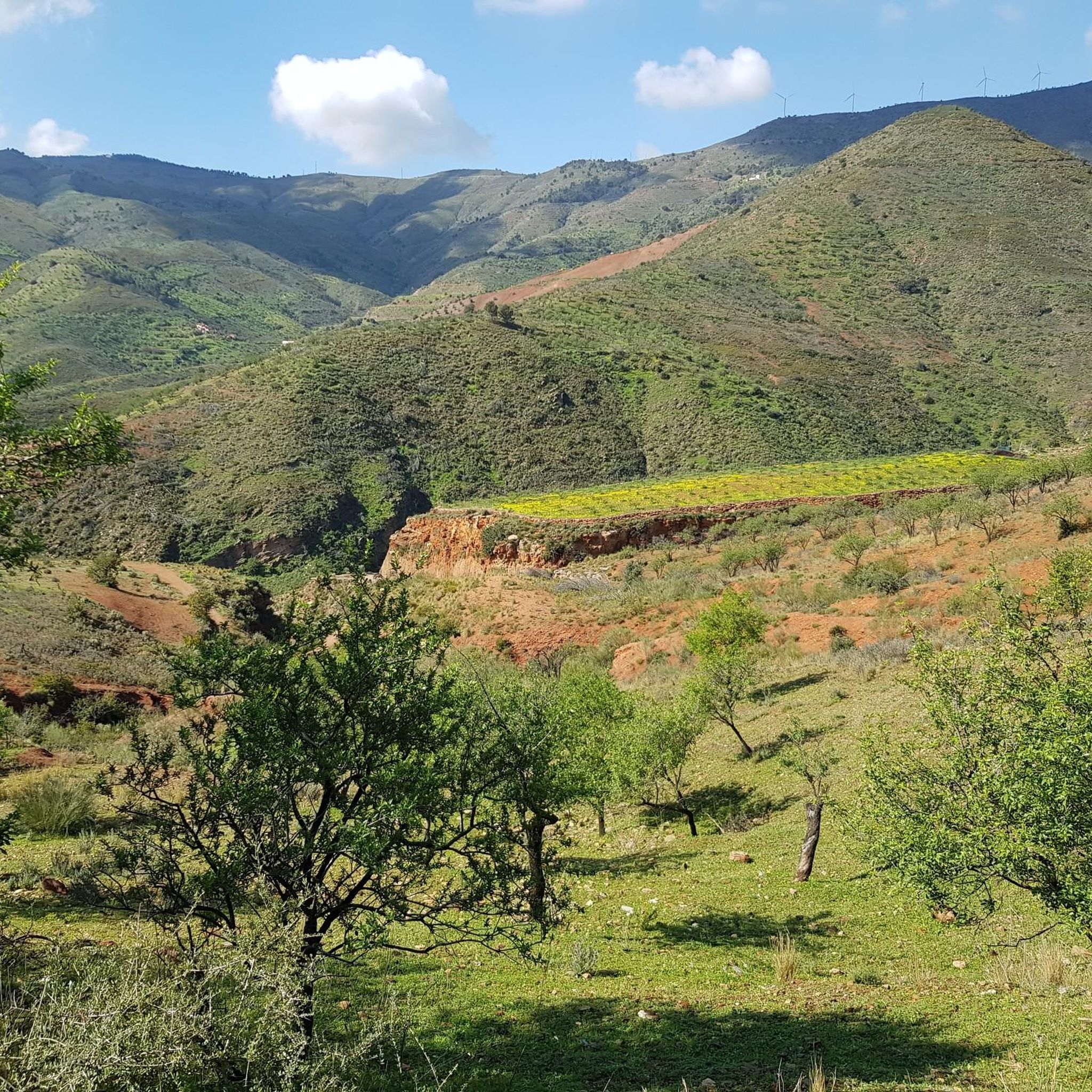
Natural monuments around Lújar are concentrated in a region recognized for its ecological value, particularly within the Sierra de Lújar mountain range. This area features diverse ecosystems, including prominent peaks, gorges, and varied flora such as oaks, pines, and Mediterranean shrubs. The landscape supports a range of wildlife, including birds of prey. Numerous marked trails provide opportunities to explore the natural beauty and panoramic views.
Best natural monuments around Lújar
- The most popular natural monuments is Cerro del Toro Mines…
Last updated: July 1, 2026
Cerro del Toro Mines
Highlight • Historical Site
Translated by Google •
Tip by

Teresa Cactus and Succulent Garden Collection
Highlight • Natural Monument
Translated by Google •
Tip by

Sign up now to discover places like this
Get recommendations on the best single tracks, peaks, & plenty of other exciting outdoor places.
Sign up for free
Pico del Águila
Highlight • Summit
Translated by Google •
Tip by
Fuente de Vélez de Benaudalla
Highlight • Natural Monument
Translated by Google •
Tip by
Nacimiento de Lújar Spring
Highlight • Natural Monument
Translated by Google •
Tip by
Sign up for free to discover even more natural monuments around Lújar.
Sign up for free
Already have an account?
Start today with a free account
Your next adventure awaits.
Login or Signup

Tips from the Community

One of the park's attractions is its succulent and cactus museum, which houses more than 200 different species. Succulents are plants that have the ability to store water in their leaves, stems or roots, which allows them to survive in dry or arid climates.In the museum you will see specimens of different sizes, shapes and colors, each with its explanatory panel, and admire the beauty and diversity of these very special and curious plants.
0
0


The "Teresa" Cactus and Succulent Collection Garden in Motril is a unique botanical space in Andalusia, located in the southeast area of the Parque de los Pueblos de América. This garden houses an impressive collection of more than 1,000 species of cacti and succulents, donated by the collector Manuel Soler Cruz, who dedicated more than 40 years to collecting these plants.
17
0

Here we have a splendid source of lujar for the thirsty to cool off after the intense climb from Castell de Ferro to lujar or from Motril here you can quench your thirst hot friend in winter and cold in summer.
1
0
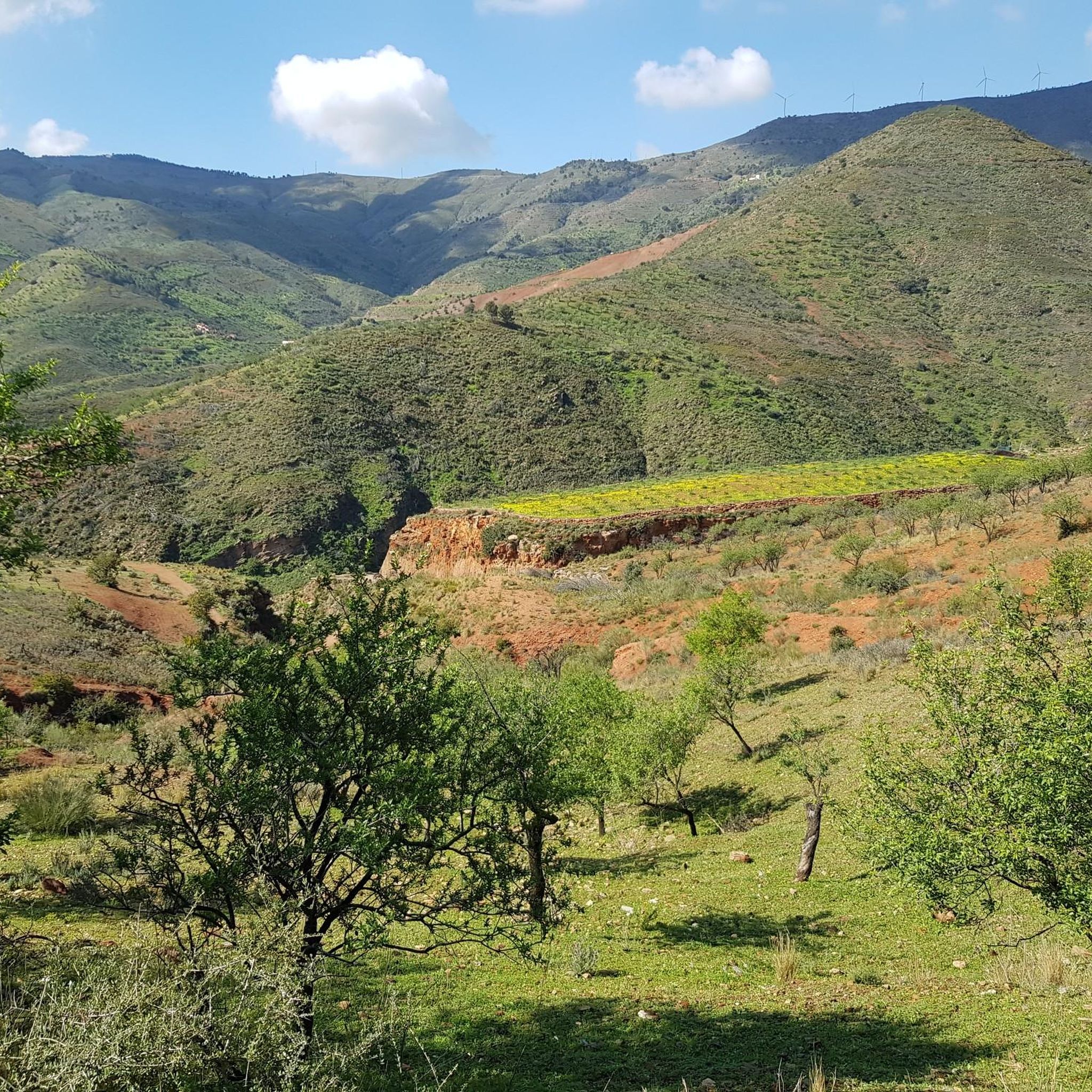
Rockroses, male rosemary, torvizco shrubs, junipers, small olive trees, wild olive trees, thyme, broom, espartal grass and many other species typical of a coastal ecosystem, which receives a high level of humidity, with real surprises among its most characteristic species. This is the case of Teucrium rixanense, whose name refers to the Rijana and is considered an endemic species of this small territory, where it is also possible to find Mediterranean orchids, some of them very rare.
1
0
Going up to the Águila peak is one of the most attractive and easy routes that can be done on the eastern coast of Granada, since it combines landscape, with impressive views of both the marine strip and the interior, with the Lújar and Contraviesa mountains, and They show a sequence of ecosystems that are part of the purest thermo-Mediterranean and Mesomediterranean bioclimatic floor in the highest areas. From the road between Gualchos and El Conjuro, a little more than two kilometers away, there is a lane that connects directly with the trails to the highest peak on the Granada coast. Only 1.5 kilometers that show slopes cultivated with almond trees and areas of esparto trees where the original ecosystem degraded by the passage of time and climate emerges. After the lane, the path continues towards an old disused shooting range, a point where the calar begins, an ecosystem of limestone rocks and marble that becomes karstic towards the highest point of the Águila summit.
1
0
The osprey was habitual on the cliffs located between Calahonda and Castell de Ferro and its flights over the sea and the summits of the surrounding hills gave its name to the highest of the watchtowers that dominate the coast, the Pico del Águila, located on the town of Gualchos, a hill that rises between two ravines that flow into Rijana and Rijanilla, two anchorages used since the dawn of navigation and especially by the Romans and the first Umayyads to arrive on the Peninsula. The peak is the great vantage point from which you can see the entire eastern coastline of Granada and the rocky cliffs and cliffs that plunge down to the Calahonda and Carchuna delta, a karstic area, a cove of rocks sharpened by the wind, which They generate a peak on the ridged orography of the hill. settlers It is a territory in which the last Roman settlers of the coast of Granada sought refuge, forgotten by Rome at the time of the fall of the Empire.
1
0
Frequently Asked Questions
What unique natural monuments can I explore around Lújar?
Beyond the well-known spots, you can discover the intriguing Cerro del Toro Mines, a historical site featuring closed mines with an underground lagoon. While no longer active for mining, they offer a glimpse into the region's past. Another unique natural monument is the Nazarí Garden of Vélez de Benaudalla, a beautiful garden with caves where water flows even during dry periods.
Where can I find the best panoramic views in the Lújar area?
For breathtaking panoramic views, head to Pico del Águila. From this summit, you can enjoy a 360° vista of the horizon, including Gualchos and Sierra Nevada, and on clear days, even the Moroccan coast. The Sierra de Lújar mountain range itself offers numerous points with stunning views of the surrounding landscape and the Mediterranean Sea.
Are there family-friendly natural monuments around Lújar?
Yes, several natural monuments are suitable for families. The Nazarí Garden of Vélez de Benaudalla is a beautiful and engaging spot for all ages, with its flowing water and caves. The Fuente de Vélez de Benaudalla is also family-friendly and easily accessible, often visited by cyclists and hikers. Additionally, the Nacimiento de Lújar Spring provides a pleasant stop for cooling off.
What kind of hiking opportunities are available near Lújar's natural monuments?
The Sierra de Lújar is crisscrossed with numerous hiking trails, allowing you to immerse yourself in the natural environment. You can find routes of varying difficulties, from easy walks to more challenging ascents. Popular options include the Lújar to Lagos trail, which traverses diverse landscapes. For more detailed hiking routes, explore the Hiking around Lújar guide.
Can I find natural springs or water features in the area?
Absolutely. The Nacimiento de Lújar Spring is a notable natural monument where visitors can find a refreshing source of water, perfect for cooling down after a climb. Another significant water feature is the Fuente de Vélez de Benaudalla, a popular fountain whose water originates from a mine 100 meters above.
Are there any natural monuments with historical significance?
Yes, the region combines natural beauty with history. The Cerro del Toro Mines are a historical site with an underground lagoon, once open for public tours. Pico del Águila also holds historical context, as it was a refuge for Roman settlers and is named after the ospreys that frequented its cliffs.
What wildlife can I expect to see around the natural monuments of Lújar?
The Sierra de Lújar, recognized as a Complex of Environmental Interest, supports diverse wildlife. You can often spot various bird species, particularly birds of prey, partridges, and blackbirds. Some of these species are endangered, highlighting the ecological importance of the area. The varied flora, including oaks, almond, olive, carob, and pine trees, provides a rich habitat.
Are there any dog-friendly natural monuments or trails in Lújar?
While specific natural monuments may have their own rules, many of the hiking trails throughout the Sierra de Lújar are generally dog-friendly, allowing you and your canine companion to explore the natural beauty. It's always recommended to keep dogs on a leash and clean up after them. Check local signage for any specific restrictions at individual sites.
What are the geological features of the natural monuments in Lújar?
The natural monuments around Lújar are characterized by diverse geological features. The Sierra de Lújar itself is a prominent mountain range with dramatic gorges and rocky terrains. You'll find caves, such as those within the Nazarí Garden of Vélez de Benaudalla and near Pico del Águila. The Cerro del Toro Mines also feature an underground lagoon within their old mining tunnels, showcasing the region's geological past.
What other outdoor activities can I do near Lújar's natural monuments?
Besides hiking, the Lújar area offers excellent opportunities for road cycling and gravel biking. You can find challenging routes that take you through stunning landscapes and offer coastal views. For detailed routes and guides, explore the Road Cycling Routes around Lújar and Gravel biking around Lújar guides.
Is there a quiet, unspoiled beach near Lújar?
Yes, Playa de Cambriles, located as an annex to Lújar, is known as an 'almost virgin beach.' It is typically not busy, making it an attractive spot for those seeking tranquility and unspoiled natural coastal beauty away from the crowds.
What is the best time of year to visit the natural monuments in Lújar?
The Lújar region, with its Mediterranean climate, is enjoyable for outdoor activities for much of the year. Spring and autumn generally offer the most pleasant temperatures for hiking and exploring. Summers can be hot, especially for strenuous activities, but the Nacimiento de Lújar Spring and Fuente de Vélez de Benaudalla provide refreshing stops. Winter offers cooler temperatures, suitable for hiking without the summer heat.
Are there any easy walks or accessible natural monuments for those with limited mobility?
The Fuente de Vélez de Benaudalla is noted as being wheelchair accessible, making it a good option for those with limited mobility. While many trails in the Sierra de Lújar involve varied terrain, there are also easier, shorter walks available, particularly around the villages, allowing everyone to enjoy the natural surroundings.
Most popular attractions around Lújar

Get inspired with the komoot mobile app


Explore more
Extend your search for the best caves by checking out these guides of the top ones around Lújar:
