Top 9 Natural Monuments around Villafranca Del Bierzo
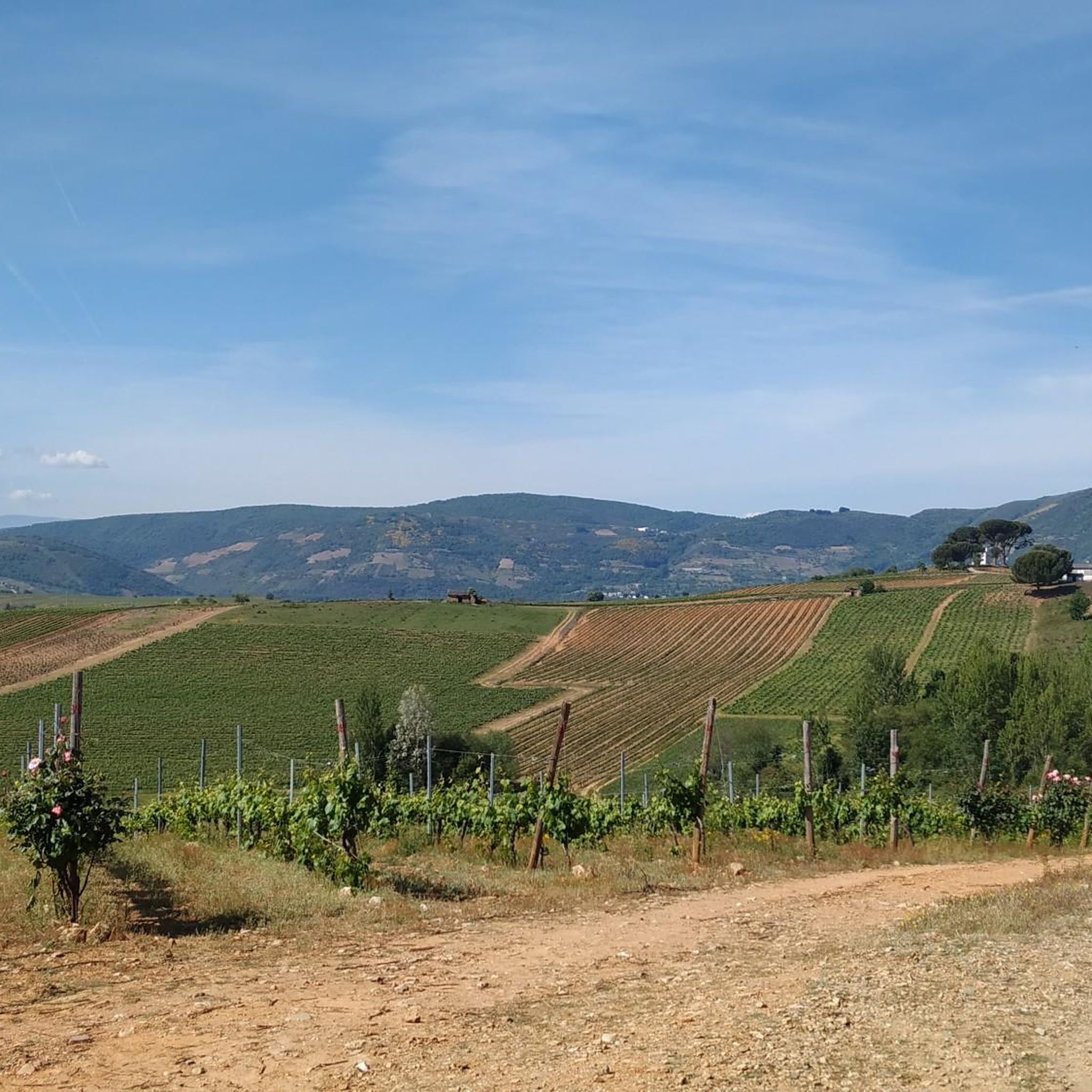
Best natural monuments around Villafranca Del Bierzo showcase a diverse landscape, from ancient human-modified sites to pristine mountain environments. The region, nestled in León province, offers a blend of unique geological formations, lush valleys, and significant arboreal specimens. It is characterized by stunning mountains, vineyard-covered hills, and fertile river plains, providing varied natural settings for exploration. This area features a confluence of Eurosiberian and Mediterranean flora, contributing to its rich biodiversity.
Best natural monuments around Villafranca Del Bierzo
- The most…
Last updated: July 1, 2026
Jardines de la Alameda and La Chata Fountain
Highlight • Natural Monument
Translated by Google •
Tip by

Pico dos Tres Bispos
Highlight • Summit
Translated by Google •
Tip by

Sign up now to discover places like this
Get recommendations on the best single tracks, peaks, & plenty of other exciting outdoor places.
Sign up for free
Cantejeira Waterfall
Highlight • Waterfall
Translated by Google •
Tip by

Pico Mostallar
Highlight • Summit
Translated by Google •
Tip by
Didactic Forest of El Bierzo
Highlight • Forest
Translated by Google •
Tip by

Sign up for free to discover even more natural monuments around Villafranca Del Bierzo.
Sign up for free
Already have an account?
Start today with a free account
Your next adventure awaits.
Login or Signup
Tips from the Community

The waterfall is about ten meters high. It is located in Cantejeira (or Cantexeira), a town that belongs to the municipality of Balboa, in the Ancares region. There are several routes to reach the waterfall. One option is from Trabadelo, following a path that passes through the Paradela neighborhood and the Pontón de Paradela. Although the path is uneven, it is relatively easy and offers panoramic views of the valley and dense forests of oaks and hazelnuts. If you have the opportunity to visit it, you will surely enjoy its natural beauty! 😊🌿🌊
7
0

At an altitude of 1,794 meters, at the point where Galicia delimits Castilla and León, the top of Pico dos Tres Bispos offers beautiful views over the Serra dos Ancares.
4
1
Located at an altitude of 1,935 meters, Pico del Mostallar or Mustallar is the highest and most emblematic peak in Los Ancares and in the entire province of Lugo.
4
0

The Plaza Diego Saavedra is a large triangular square located in the heart of Villafranca del Bierzo, opposite the Collegiate Church. Already in the nineteenth century were built in this square beautiful gardens of Versailles style with numerous flower beds, bushes, hedges perfectly pruned creating shapes and delimiting spaces (in the beginning there were even labyrinths), etc. In the center of the square is the well-known fountain of "La Chata", which dates back to the sixteenth century and belonged to the cloister of the nearby Monastery of Carracedo. https://leonocio.es/place/jardines-de-la-alameda/
4
0

Impressive waterfall that is worth visiting. Route for all audiences. Later in town there is a very cool palloza - bar.
4
1

These gardens constitute the main green area of Villafranca. They are located in front of the Collegiate Church of Santa María and the tourist office. They are gardens in the Versailles style, made in the 19th century. They are very cared for. Composed of flower beds, hedges delimiting spaces, grove ... In the center there is a kind of small square where there is the 16th century "La Chata" fountain, coming from the cloister of the Carracedo Monastery. Recommended to rest for a while in the shade if you are doing the Camino de Santiago. https://bigjoe.es/etapa-1-de-nuestro-camino-de-santiago-ponferrada-herrerias/
3
0

It is the heritage of the Bierzo and in it we find more than 6000 specimens of 48 species of trees native to the Bierzo all described in information panels. It can be accessed in several ways but I prefer by bike, although from the road that goes from Arganza to Cacabelos it can be accessed on foot.
0
0
Frequently Asked Questions
What unique natural landscapes can I explore near Villafranca Del Bierzo?
Beyond the prominent summits, you can explore the ancient Roman gold mining landscape of Las Médulas, a UNESCO World Heritage Site known for its reddish, eroded mountains. Another significant area is the Los Ancares Leoneses Biosphere Reserve, offering stunning mountain scenery, diverse ecosystems, and a refuge for wildlife like the brown bear and golden eagle.
Are there any ancient or notable trees to see in the area?
Yes, Villafranca del Bierzo is home to remarkable arboreal specimens. You can find the cypress tree of the Convent of the Anunciada, noted as one of the largest and oldest in Spain. Additionally, the region boasts centenary chestnut trees and well-preserved Mediterranean forests with holm oaks and strawberry trees, particularly in areas like Puente de Rey.
What kind of outdoor activities can I do near these natural monuments?
The diverse landscape around Villafranca Del Bierzo supports various outdoor activities. You can find numerous hiking trails, ranging from moderate to challenging, that lead through mountains, valleys, and forests. The area is also popular for road cycling and mountain biking, with routes like the 'Villafranca del Bierzo – Cúa River in Cacabelos loop'.
Are there family-friendly natural monuments or activities available?
Absolutely. The Cantejeira Waterfall is considered family-friendly, accessible via routes that offer scenic views. Another great option is the Didactic Forest of El Bierzo, which features over 6,000 specimens of 48 native tree species, all described on information panels, making it an educational and enjoyable experience for all ages.
What are the best places for panoramic views of the region's natural beauty?
For breathtaking panoramic views, consider hiking to summits like Pico dos Tres Bispos, which offers expansive vistas over the Serra dos Ancares. Another challenging but rewarding climb is Pico Mostallar, the highest peak in Los Ancares, providing stunning perspectives of the surrounding mountains and valleys. The viewpoints at Las Médulas, such as Orellán, also offer spectacular sights of the ancient gold mines.
Can I find natural monuments that combine natural beauty with historical significance?
Yes, Las Médulas is a prime example, showcasing a unique blend of human history and natural beauty. This landscape was created by ancient Roman gold mining operations, resulting in dramatic, eroded mountains that are now a UNESCO World Heritage Site. Exploring it offers insight into ingenious Roman engineering amidst a stunning natural backdrop.
What is the River Burbia and what does it offer?
The River Burbia is often called the 'crystalline treasure of El Bierzo'. It flows through the landscape, creating fertile valleys and supporting diverse riparian ecosystems. Its banks provide picturesque settings for leisurely strolls and offer a refreshing element to the local environment, perfect for relaxation and enjoying riverside scenery.
What kind of wildlife can I expect to see in the natural reserves?
The Los Ancares Leoneses Biosphere Reserve is a significant natural refuge for emblematic species. Visitors might spot wildlife such as the brown bear, wolf, and golden eagle, among other diverse flora and fauna that thrive in its varied bioclimatic zones, from cold mountain peaks to lush valleys.
Are there any easy trails to natural monuments for beginners or those seeking a relaxed walk?
For an easier and more relaxed experience, you can explore the Jardines de la Alameda in Villafranca del Bierzo, which, while man-made, are considered a natural monument due to their historical significance and green space. These gardens offer a serene setting for a stroll. The path to Cantejeira Waterfall, while uneven, is generally considered relatively easy and suitable for most visitors.
What makes the natural landscape around Villafranca Del Bierzo so diverse?
The region's natural diversity stems from its unique geographical position at the confluence of two biogeographical regions: Eurosiberian and Mediterranean. This results in a wide array of natural settings, from steep mountain slopes and high peaks with humid forests to vineyard-covered hills and fertile river plains, creating a surprising natural transformation across different bioclimatic zones.
Where can I find information about parking or public transport to these natural monuments?
Access to natural monuments like Las Médulas typically involves designated parking areas near the main viewpoints and visitor centers. For more remote areas like Los Ancares Leoneses, access is generally by car, though local bus services might connect larger towns. Specific details for each site, including parking and public transport options, are best checked with local tourist information centers upon arrival in Villafranca del Bierzo.
Most popular routes around Villafranca Del Bierzo
Most popular attractions around Villafranca Del Bierzo

Get inspired with the komoot mobile app


Explore more
Extend your search for the best caves by checking out these guides of the top ones around Villafranca Del Bierzo:
