Top 7 Natural Monuments around Catoira
Best natural monuments around Catoira are found where the Ulla River meets the Arousa Estuary, creating a diverse natural landscape. This region features a combination of riverine environments, coastal elements, and areas with historical significance. The natural surroundings offer a range of attractions for outdoor exploration. Its geography provides varied natural features, from wetlands to river beaches, alongside historical sites.
Best natural monuments around Catoira
- The most popular natural monuments is Chapel of Santiaguiño do Monte, a religious building and natural monument that serves as a historic pilgrimage site on the Way of St. James. The site is characterized by its chapel and surrounding rock formations.
- Another must-see spot is As Burgas Hot Spring Fountain, a natural monument. This fountain, built in 1881, features water at approximately 50º C, considered mineral-medicinal due to its temperature and composition.
- Visitors also love Artistic Botanical Garden of Padrón, a botanical garden dating from 1896. It is considered the first botanical garden in Spain, covering approximately 1 hectare and housing around 300 species.
- Catoira is known for its diverse natural monuments, including hot springs, botanical gardens, and historical sites set within natural landscapes. These areas offer a variety of natural features to explore, from riverine ecosystems to ancient rock carvings.
- The natural monuments around Catoira are appreciated by the komoot community, with more than 70 upvotes and 30 photos contributed by visitors.
Last updated: July 1, 2026
As Burgas Hot Spring Fountain
Highlight • Natural Monument
Translated by Google •
Tip by

Artistic Botanical Garden of Padrón
Highlight • Natural
Translated by Google •
Tip by

Sign up now to discover places like this
Get recommendations on the best single tracks, peaks, & plenty of other exciting outdoor places.
Sign up for free
Chapel of Santiaguiño do Monte
Highlight • Religious Site
The site is characterized by the chapel and some rocks. The chapel dates back to the Middle Ages, but nothing is known about its origin.
On July 25th it is the destination of an important pilgrimage.
Translated by Google •
Tip by

San Miguel Fountain
Highlight • Natural Monument
Translated by Google •
Tip by

View of Segade Waterfall
Highlight • Waterfall
Translated by Google •
Tip by
Sign up for free to discover even more natural monuments around Catoira.
Sign up for free
Already have an account?
Start today with a free account
Your next adventure awaits.
Login or Signup

Tips from the Community

This fountain was built in 1881.
1
0

Historic pilgrimage site on the Way of St. James, which however goes unnoticed by many pilgrims. The site is characterized by the chapel and some rocks. The chapel dates back to the Middle Ages, but nothing is known about its origin. On July 25th it is the destination of an important pilgrimage.
4
0

You should definitely explore the waterfalls of Tío Umia. Walking up the river you first find the waterfalls and have a great view of the cascades from below. If you continue along the path (follow the red arrows), you will reach the old Fabrica da Luz, an old power station that was fed by the power of water. From there you can continue to watch the falls
1
0

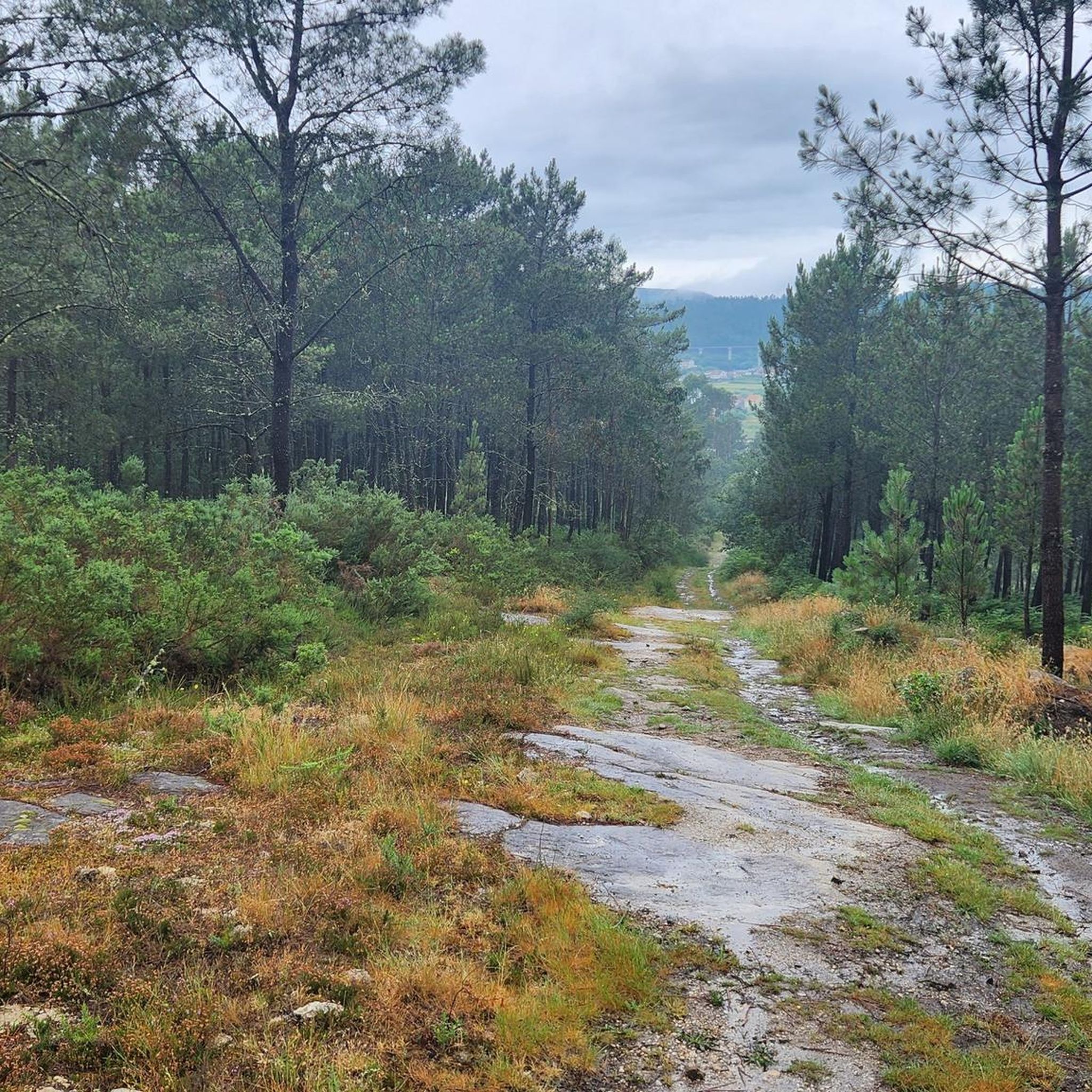
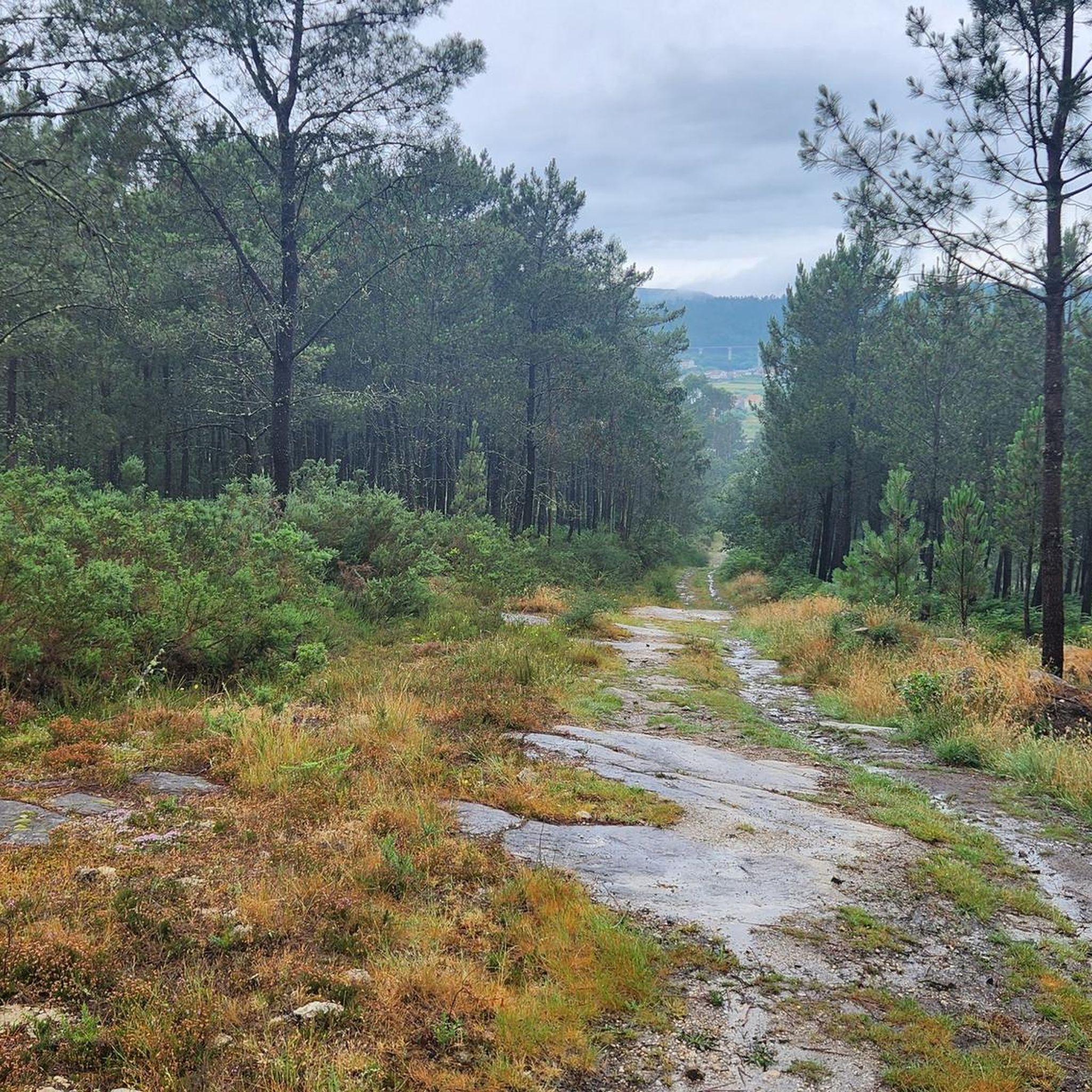
Wooded trails along the Umia River. The route leads to a viewpoint of the Segade Waterfall. The waterfall cascades over 30m creating different pools in the granite rock
2
0
The Padrón Artistic Botanical Garden, dating from 1896, is considered the first botanical garden in Spain. Covering approximately 1 hectare, the garden is home to approximately 300 species
1
0
Padrón Artistic Botanical Garden, dating from 1896, is considered the first botanical garden in Spain. Covering approximately 1 hectare, the garden is home to approximately 300 species
0
0

This fountain was built in 1881 and the water that comes out of it is at about 50º C. Due to its temperature and composition, it is considered that these waters are mineral-medicinal and therefore very beneficial for respiratory and rheumatic diseases.
3
0

Located shortly after the church of San Miguel, on the Camino de Santiago. You have to go very slightly off the route, as it is right at the beginning of an upward slope in the middle of a curve. There is also a supermarket, which comes in handy in case of need. https://bigjoe.es
2
0
Frequently Asked Questions
What unique natural features can I explore around Catoira?
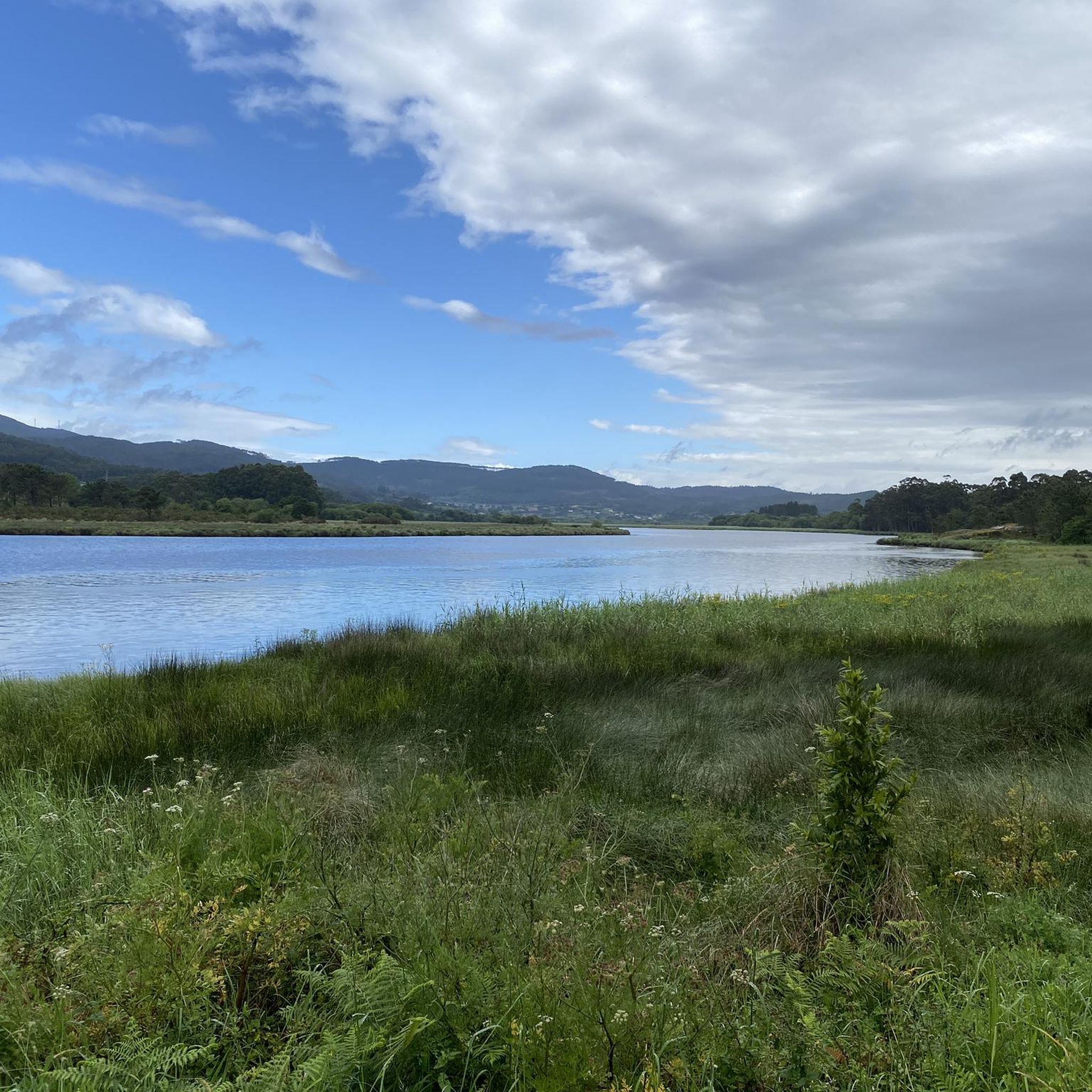
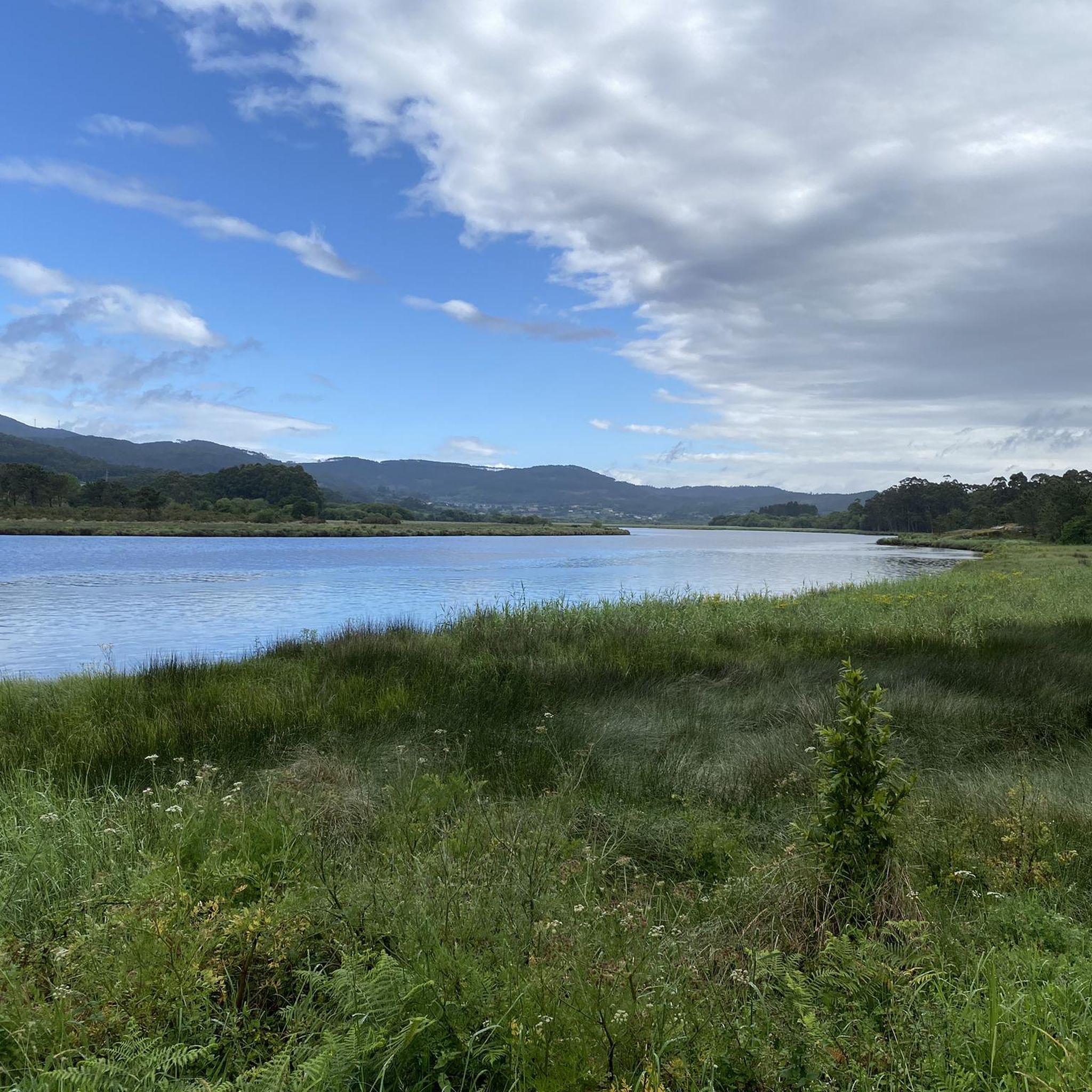
Catoira offers a diverse range of natural features. You can visit the serene Pedras Miúdas Lagoon, which formed from a former quarry, or observe the small, rocky Illa de Castrivello in the Ulla River. The extensive Catoira River Walk and Ulla River Estuary provides wetlands, forests, and river beaches. The natural surroundings of the Torres do Oeste also offer panoramic views of the estuary and surrounding regions.
Are there any hot springs or special botanical gardens among the natural monuments?
Yes, the region features unique natural monuments like the As Burgas Hot Spring Fountain, known for its mineral-medicinal waters at approximately 50º C. Additionally, you can explore the Artistic Botanical Garden of Padrón, which dates back to 1896 and houses around 300 species across one hectare.
What kind of walking and hiking opportunities are available near Catoira's natural monuments?
The Catoira River Walk along the Ulla River is perfect for enjoying the natural environment, connecting the town center with the Torres do Oeste. Many traditional windmills are nestled within natural surroundings along walking trails like those of the Catoira River and Rego de San Cibrán, offering well-preserved riparian forests. For more structured routes, komoot offers various hiking guides around Catoira, including moderate trails like the 'Viking Ship of Catoira – Wooden Viewpoint loop'.
Are there family-friendly natural monuments in Catoira?
Several natural monuments in Catoira are suitable for families. The As Burgas Hot Spring Fountain and the Artistic Botanical Garden of Padrón are both considered family-friendly. The Catoira River Walk and Ulla River Estuary also provides an accessible and enjoyable natural space for all ages, with wooden walks and picnic areas.
When is the best time of year to visit the natural monuments in Catoira?
Catoira benefits from mild temperatures almost all year round, making it an appealing destination for exploring its natural attractions in most seasons. Spring and autumn generally offer pleasant weather for outdoor activities like walking and hiking, while summer can also be enjoyable, especially along the river and estuary.
Can I find historical sites integrated with the natural landscape?
Absolutely. The Chapel of Santiaguiño do Monte is a religious building and natural monument set amidst rock formations, serving as a historic pilgrimage site. The Torres do Oeste, while a historical fortress, is situated in a significant natural setting at the confluence of the Ulla River and the Ría de Arousa estuary, offering natural viewpoints and a boardwalk. You can also find the Petroglyphs of Pedra da Serpe, ancient rock carvings integrated into the natural environment.
What other outdoor activities can I do near these natural monuments?
Beyond hiking, the area around Catoira offers opportunities for road cycling and gravel biking. You can find various routes, such as the 'Torres de Oeste – Castelo da Lua loop' for road cycling or the 'Torres de Oeste – Laguna Pedras Miudas loop' for gravel biking. Explore more options in the Road Cycling Routes around Catoira and Gravel biking around Catoira guides.
Are there any natural monuments that are considered 'hidden gems' or less known?
While not widely publicized, the Pedras Miúdas Lagoon, with its unique origin as a flooded quarry, offers a tranquil and less-trafficked natural setting. The various traditional windmills nestled along walking trails like those of the Rego de San Cibrán also provide a charming blend of historical and natural heritage that might be considered a hidden gem.
What do visitors enjoy most about the natural monuments in Catoira?
Visitors appreciate the diverse natural landscapes, from riverine environments to coastal features. The blend of scenic beauty with historical significance, such as the Torres do Oeste, is a major draw. The opportunity for peaceful walks along the Ulla River and the unique experience of the hot springs and botanical garden are also highly valued.
Are there any natural monuments with water sources or facilities?
Yes, the San Miguel Fountain provides a fresh water source and is conveniently located near the Camino de Santiago. The As Burgas Hot Spring Fountain is another significant water-related natural monument, offering mineral-medicinal waters.
Can I observe wildlife in the natural areas around Catoira?
The Catoira River Walk and Ulla River Estuary is part of the Route of the Sea of Arousa and Ulla River, known for its rich biodiversity. This area, with its wetlands and thick forests, provides opportunities to observe diverse ecosystems and local wildlife, particularly birdlife associated with riverine and estuarine environments.
Most popular routes around Catoira
Most popular attractions around Catoira

Get inspired with the komoot mobile app


Explore more
Extend your search for the best caves by checking out these guides of the top ones around Catoira:
