Top 10 Mountain Passes around Susqueda
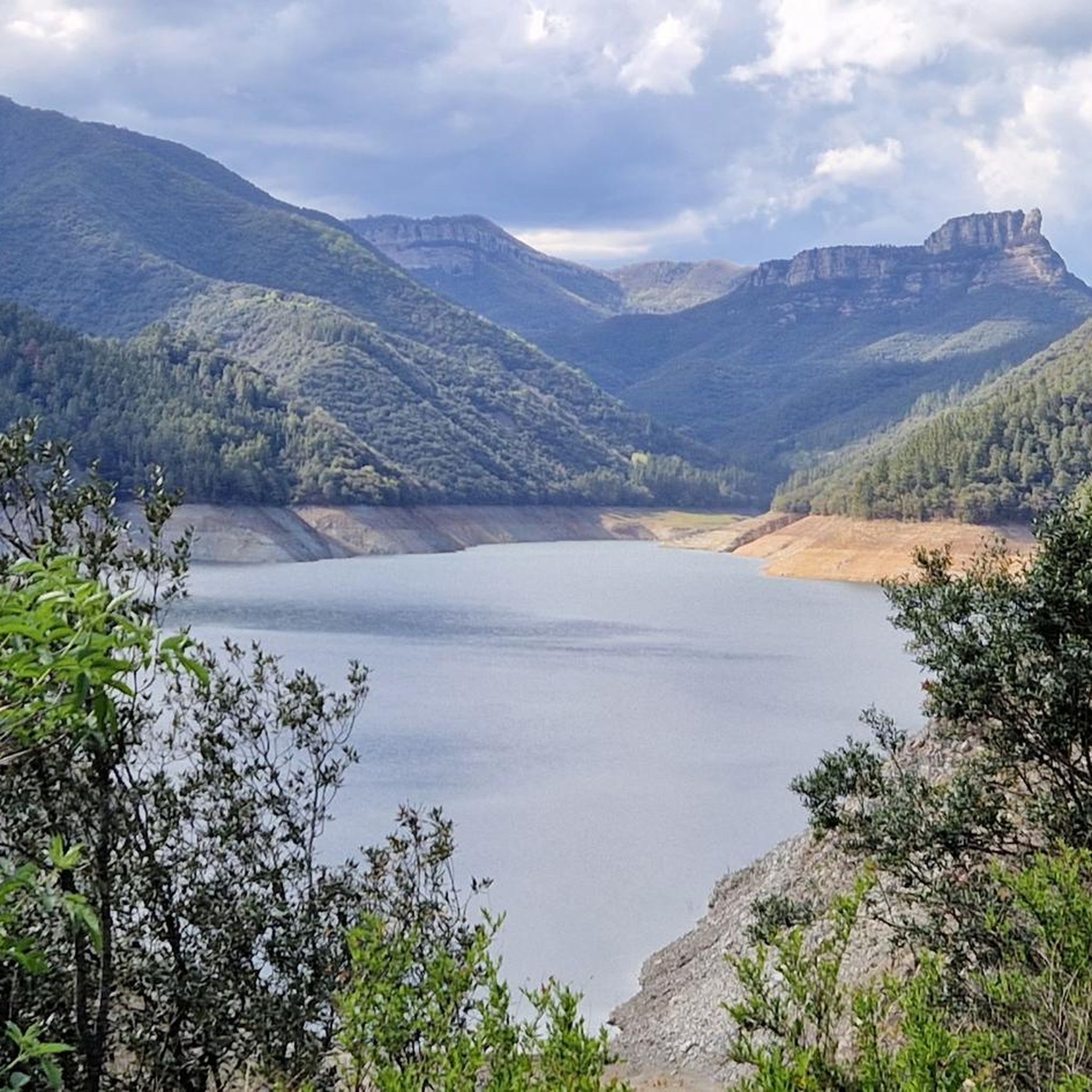
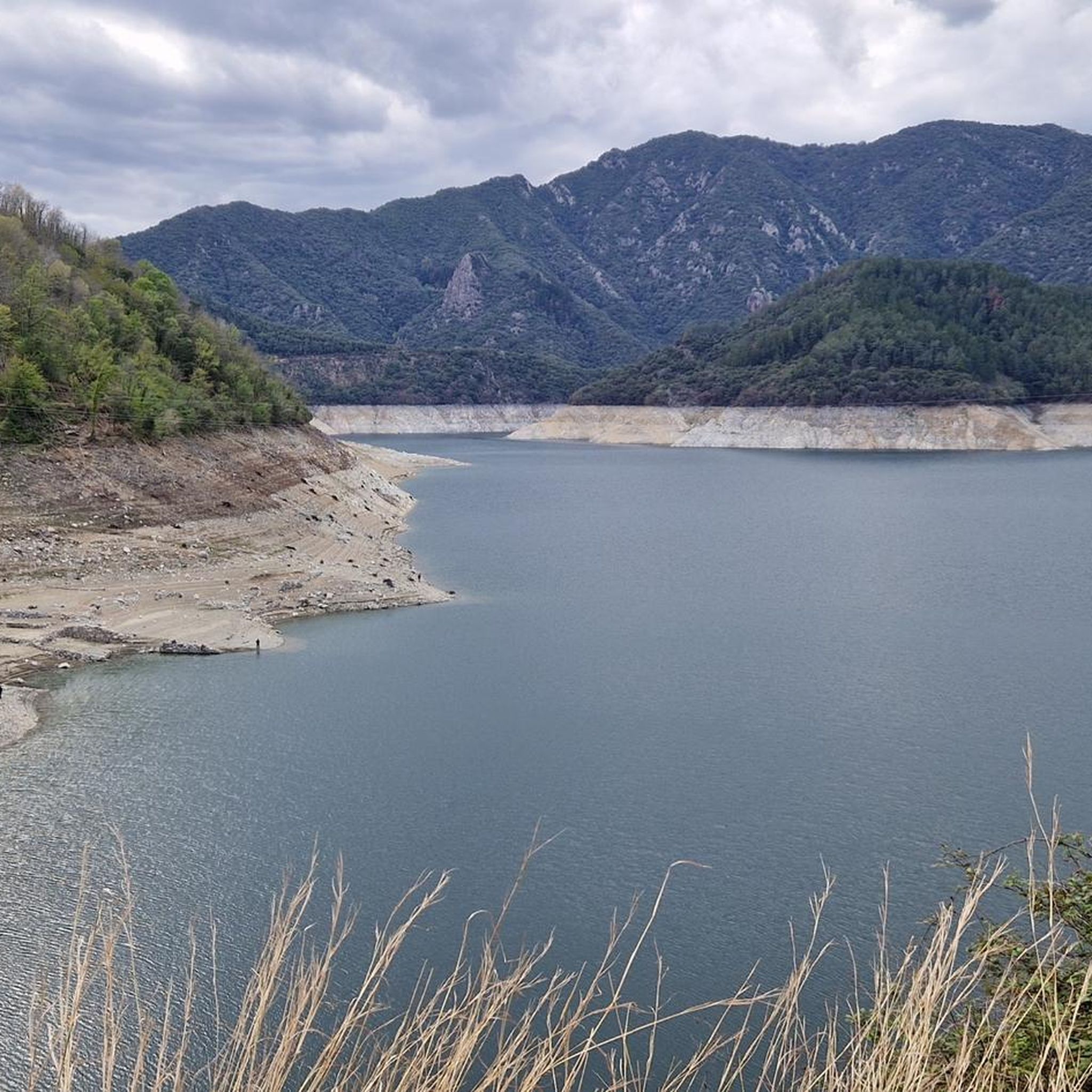
Best mountain passes around Susqueda are located within the Guilleries Massif in Catalonia, Spain. This region features challenging cycling and hiking routes that traverse significant elevations around the Susqueda reservoir. The landscape offers a mix of paved and unpaved surfaces, with dramatic cliffs, abundant vegetation, and views of the reservoir. These routes provide substantial climbs and descents for adventurers.
Best mountain passes around Susqueda
- The most popular mountain passes is Coll de Condreu, a mountain pass that reaches 1015m…
Last updated: May 20, 2026
Coll de Condreu
Highlight • Mountain Pass
Tip by

Col de Bas
Highlight • Mountain Pass
Translated by Google •
Tip by

Sign up now to discover places like this
Get recommendations on the best single tracks, peaks, & plenty of other exciting outdoor places.
Sign up for free
Sant Martí Sacalm
Highlight • Mountain Pass
Translated by Google •
Tip by

Collet de Cabrera
Highlight • Mountain Pass
Translated by Google •
Tip by

Collsesplanes Pass
Highlight • Mountain Pass
Translated by Google •
Tip by

Sign up for free to discover even more mountain passes around Susqueda.
Sign up for free
Already have an account?
Start today with a free account
Your next adventure awaits.
Login or Signup

Other adventures around Susqueda

Tips from the Community


Side road to avoid the tunnel. Recommended route for cyclists.
0
0
Use this road to avoid the tunnel on the main road. It is steep, though.
0
0

It is a very pleasant port on both sides since it is very bearable, always with ramps of around 5%. I like it better on the southern slope, the one that starts from The 2 slopes are very different, not only in length, but also in the type of landscape. The southern slope is 31.9km from Roda de Ter. It is used in the Terra de Remences march. It has 2 rest areas. It is an open climb, with mostly panoramic views. At first, a lot of views on the Plan de Vic. The northern slope, which starts from the Vall d'en Bas, is 11 km long and has hardly any views, almost always in the shadow of the vegetation and the gorge through which the road climbs. It has several horseshoe curves that give it the appearance of more of a mountain pass. I leave you the link of the altimetry published by @cyclingcols, the best on these topics --> http://www.cyclingcols.com/col/Condreu
0
0

The Col de Bas is a very small pass, the descent to Olot is magnificent. It peaks at 597m above sea level and marks the entrance to the Garrotxa volcanic zone natural park.
2
0

Very nice port to shoot. With plenty of shade, quiet in terms of traffic and very sustained and constant. Nice views of the Guillerias and Rupit from the top.
0
0

the Collet de Cabrera (1171m) or Coll de Bram, is an important crossroads, including the GR 151.1 (variant of the path of the bishop and Abbot Oliva that leaves Tavertet passing through Rupit, Pruit, Sant Julià de Cabrera, Coll de Bracons, Vidrà, Vallfogona de Ripollès and connecting with the main road to Sant Joan de les Abadesses). From this point you go up to the Sanctuary of Cabrera by the stairs. We find an information panel on the Collsacabra Protected Natural Area.
0
0

It is not really a very difficult port. It starts in Sant Esteve d'en Bas with a first climb that crosses the town, then goes down and up again, now, to the Bas tunnel. Always gently. You can continue along the old road that leads to the real Coll de Bas.
0
1
Frequently Asked Questions
What are some of the most notable mountain passes around Susqueda?
The region around Susqueda, nestled in the Guilleries Massif, features several challenging and scenic routes. Among the most appreciated are Coll de Condreu, known for its constant slope and views towards the Santuario del Far, and Sant Martí Sacalm, a very scenic 8 km climb with an average gradient of around seven percent. Another significant point is Col de Bas, which offers spectacular views of the Puigsacalm and marks the entrance to the Garrotxa volcanic zone natural park.
What kind of views can I expect from the mountain passes around Susqueda?
Visitors can expect breathtaking views of the Susqueda reservoir, dramatic cliffs, and abundant vegetation typical of the Guilleries mountains. From higher points like Coll de Condreu, you can see towards the Santuario del Far. The descent from Col de Bas towards Olot provides magnificent vistas of the Puigsacalm and surrounding mountains. The area is often described as 'Alpine and slightly wild,' offering stunning panoramas of steep wooded valleys.
How challenging are the mountain passes and routes in the Susqueda area?
The routes around Susqueda are generally considered challenging, featuring significant elevation changes and a mix of paved and unpaved surfaces. They are ideal for cyclists and hikers seeking a physical challenge. For instance, the climb to Sant Martí Sacalm is an 8 km ascent with an average gradient of around seven percent. Routes like the Susqueda Reservoir Loop from Anglès can cover 74 km with 1,400m of elevation gain, often on rocky and steep gravel sections.
What outdoor activities can I do near the mountain passes around Susqueda?
The Susqueda area is perfect for various outdoor activities. You can enjoy challenging cycling routes, including road cycling and gravel biking, which often traverse mixed terrain around the reservoir. There are also numerous hiking trails that offer stunning views and a chance to immerse yourself in nature. For more detailed routes, explore the Cycling around Susqueda, Gravel biking around Susqueda, and Hiking around Susqueda guides.
Are there specific hiking trails near these mountain passes?
Yes, there are several hiking trails in the vicinity. For example, near Coll de Condreu, you can find routes like the 'Enchanted Rocks – Coll de Condreu loop'. Other popular hiking options include the 'Santuario del Far de Susqueda - Circular in Sant Martí Sacalm' and the 'Hermitage of Santa Anna – Sant Martí Sacalm loop'. You can find more hiking routes in the Hiking around Susqueda guide.
Can I cycle on these mountain passes and routes?
Absolutely! The Susqueda area is highly regarded by cyclists. Many routes, including those around Sant Martí Sacalm and Col de Bas, are popular for road cycling, with some sections being quiet and fully paved. There are also extensive gravel biking opportunities, often on mixed paved and unpaved surfaces, providing a varied and engaging experience. For detailed cycling routes, refer to the Cycling around Susqueda and Gravel biking around Susqueda guides.
What natural features are prominent when visiting the mountain passes around Susqueda?
The Susqueda area is characterized by its stunning natural beauty. The most prominent feature is the impressive Susqueda reservoir, surrounded by abundant vegetation, dramatic cliffs, and escarpments. The region is part of the Guilleries Massif, known for its dense forests and unique geological heritage. From Col de Bas, you enter the Garrotxa volcanic zone natural park, adding another layer of natural interest.
Is there any historical context associated with the Susqueda area or its passes?
Yes, the Susqueda reservoir itself holds historical significance. It was constructed in the late 1960s, submerging the old village of Susqueda. During times of drought, parts of the old village, including a Roman bridge, can become visible, offering a glimpse into the past. While the passes themselves are primarily natural features, the surrounding landscape is rich with history.
What do visitors enjoy most about the mountain passes around Susqueda?
Visitors consistently praise the stunning scenery, tranquility, and the physical challenge offered by the routes. Many describe the roads as 'amazing' with beautiful views and a peaceful atmosphere due to the absence of heavy traffic. The sustained and constant climbs, along with the rewarding panoramic vistas from viewpoints like Sant Martí Sacalm and Collsesplanes Pass, are frequently highlighted as major draws.
Are there any less-known but rewarding mountain passes or routes to explore?
Beyond the most popular spots, Collet de Cabrera (1171m) is an important crossroads, including the GR 151.1, and leads up to the Sanctuary of Cabrera. Collsesplanes Pass is also highly recommended for its sustained and constant climb, offering great views of the Guillerias and Rupit, often with plenty of shade and quiet traffic.
What is the best time of year to visit the mountain passes around Susqueda?
While specific seasonal recommendations are not provided, the challenging nature of the routes and the mix of paved and unpaved surfaces suggest that spring and autumn would offer the most pleasant conditions for cycling and hiking. During these seasons, temperatures are generally milder, and the natural scenery is vibrant, avoiding the intense heat of summer or potential winter conditions at higher elevations.
Most popular routes around Susqueda
Most popular attractions around Susqueda

Get inspired with the komoot mobile app


Explore more
See even more epic mountain passes by checking out these guides around Susqueda:
