Top 15 Natural Monuments around Rivas-Vaciamadrid
Best natural monuments around Rivas-Vaciamadrid are primarily located within the Parque Regional del Sureste, a protected area southeast of Madrid. This municipality features diverse ecosystems, including wetlands, riverine forests, and gypsum cliffs. The landscape offers opportunities to explore geological formations and observe local wildlife. Rivas-Vaciamadrid is known for its lakes, gorges, and unique geological formations.
Best natural monuments around Rivas-Vaciamadrid
- The most popular natural monuments is Jarama Cliffs, a gorge featuring steep earthy slopes with botanical adaptations to gypsum-rich…
Last updated: November 1, 2026
Campillo Lagoon
Highlight • Lake
Translated by Google •
Tip by

Parque Europa Monuments, Torrejón de Ardoz
Highlight • Monument
Translated by Google •
Tip by
Sign up now to discover places like this
Get recommendations on the best single tracks, peaks, & plenty of other exciting outdoor places.
Jarama Cliffs
Highlight • Gorge
Translated by Google •
Tip by

Europa Park
Highlight • Structure
Translated by Google •
Tip by
Hill and Caves of the Southeast Regional Park
Highlight • Cave
Translated by Google •
Tip by
Sign up for free to discover even more natural monuments around Rivas-Vaciamadrid.
Already have an account?
Start today with a free account
Your next adventure awaits.
Popular around Rivas-Vaciamadrid

Other adventures around Rivas-Vaciamadrid

Tips from the Community

The Campillo Lagoon is located in Rivas Vaciamadrid, within the Southeast Regional Park, about 20 km from Madrid. It is a protected natural area, ideal for peaceful walks and outdoor activities. Origin: Artificial, formed in the 1960s and 70s after the extraction of aggregates in the Jarama River basin. Water from the aquifer filled the excavations and over time became a wetland with great biodiversity.
4
0

For the beautiful surroundings and landscape just a stone's throw from Madrid.
1
0

A beautiful lagoon to visit and spot seagulls, ducks and various birds. Highly recommended 👌
0
0

The Campillo lagoon is located in the Southeast Regional Park, in the Spanish municipality of Rivas-Vaciamadrid, in the Community of Madrid. The origin of this lagoon is due to the old exploitation of aggregates (gravel) that during the 1960s and 1970s was carried out in the Jarama River basin: it was excavated below the water table and when the activity ceased and the This space has emerged around 4 kilometers in diameter and has a surface area of 35 hectares. After El Porcal, it is the largest lagoon in the Southeast Regional Park.
0
0
The Europa Park in Torrejon de Ardoz, with its more than 230,000 m2 surface area, is the largest green area in the city and one of the parks with the greatest tourist attraction in the Community of Madrid. In addition to its ecological value, Parque Europa stands out for housing representations of some of the most important and well-known European monuments. Without leaving the park, it is possible to enjoy a European-inspired walk and come into contact with architectural and cultural works of art from the different European capitals represented. Without a doubt, Parque Europa is a place that offers top-level tourist interest for all tourists who visit the Madrid region.
10
1

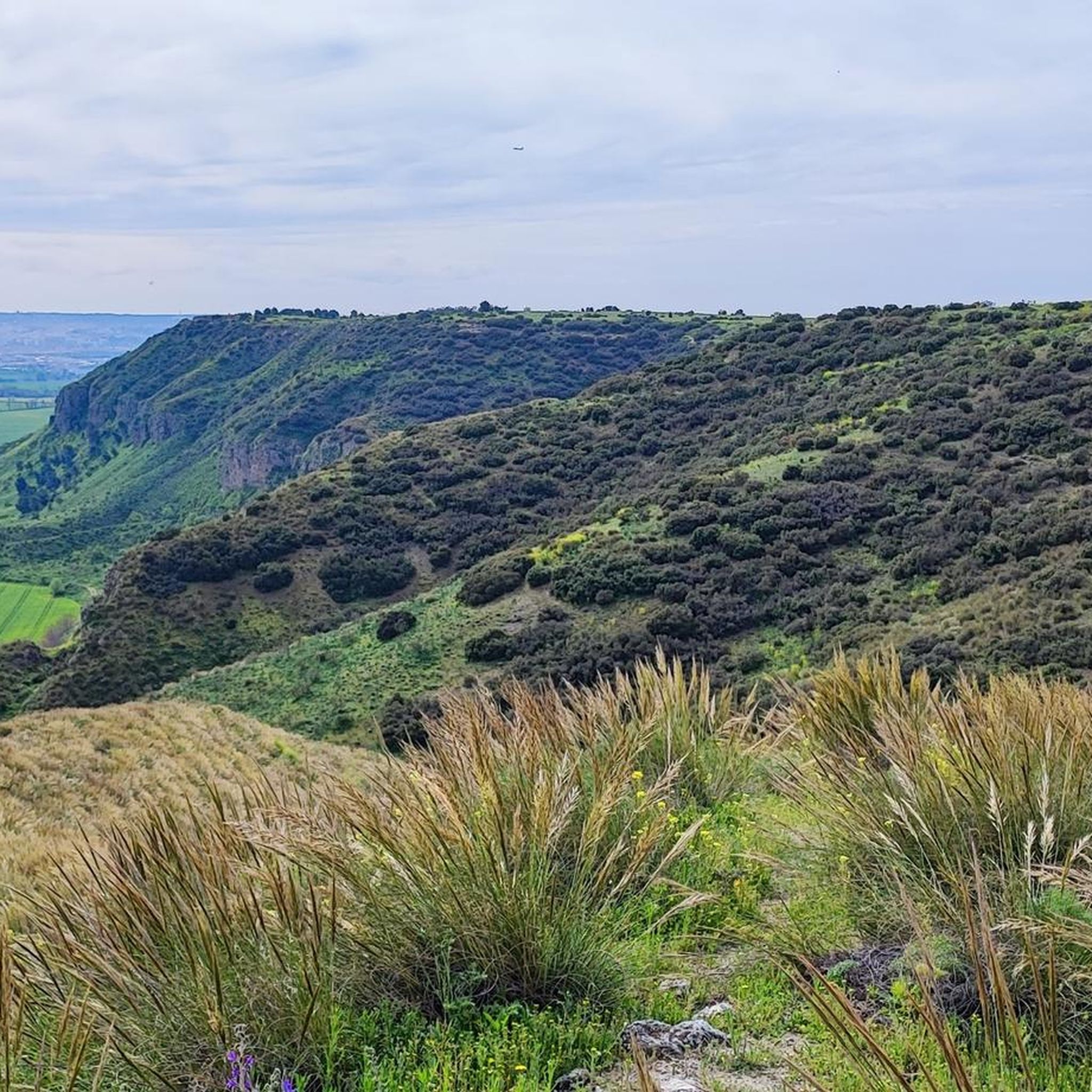
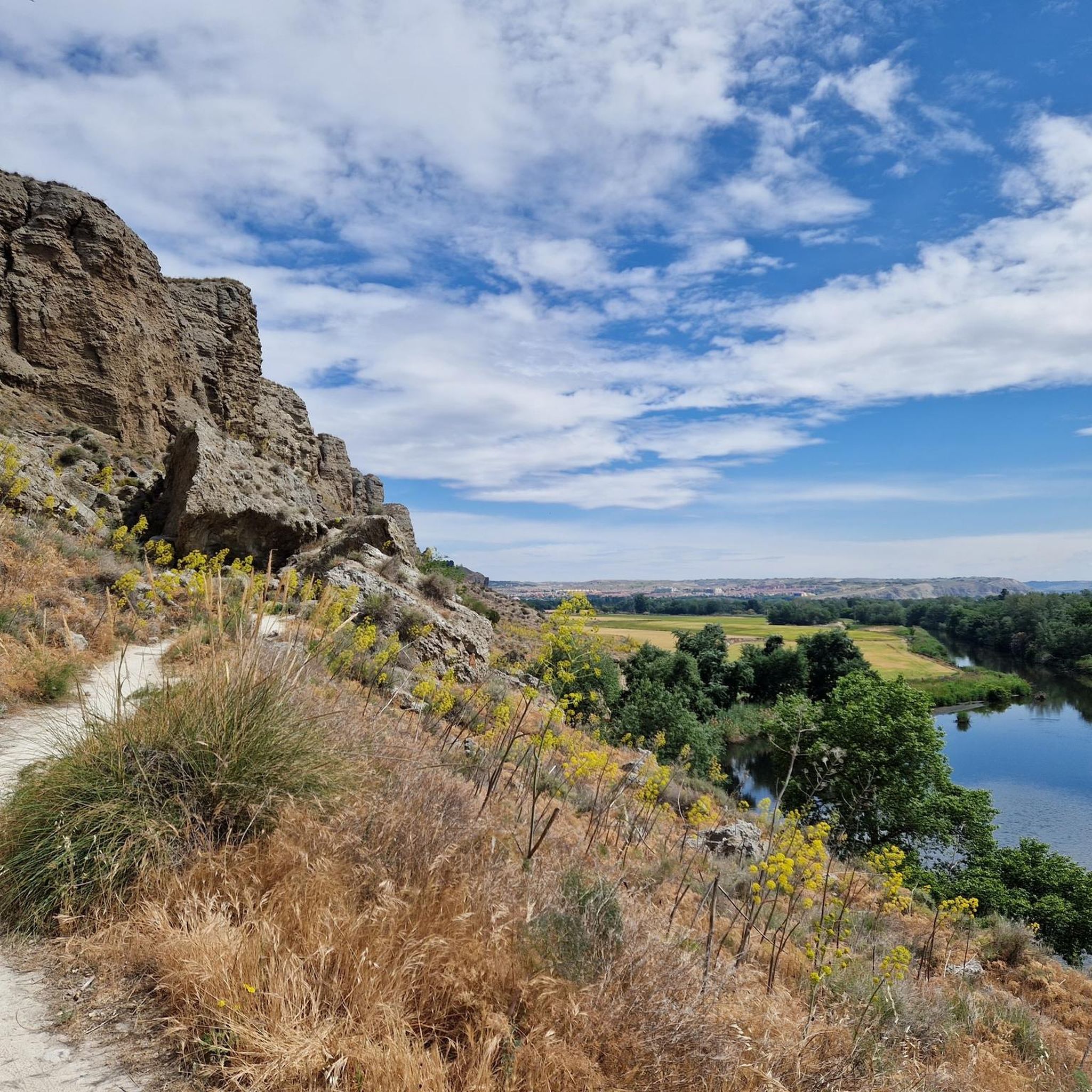
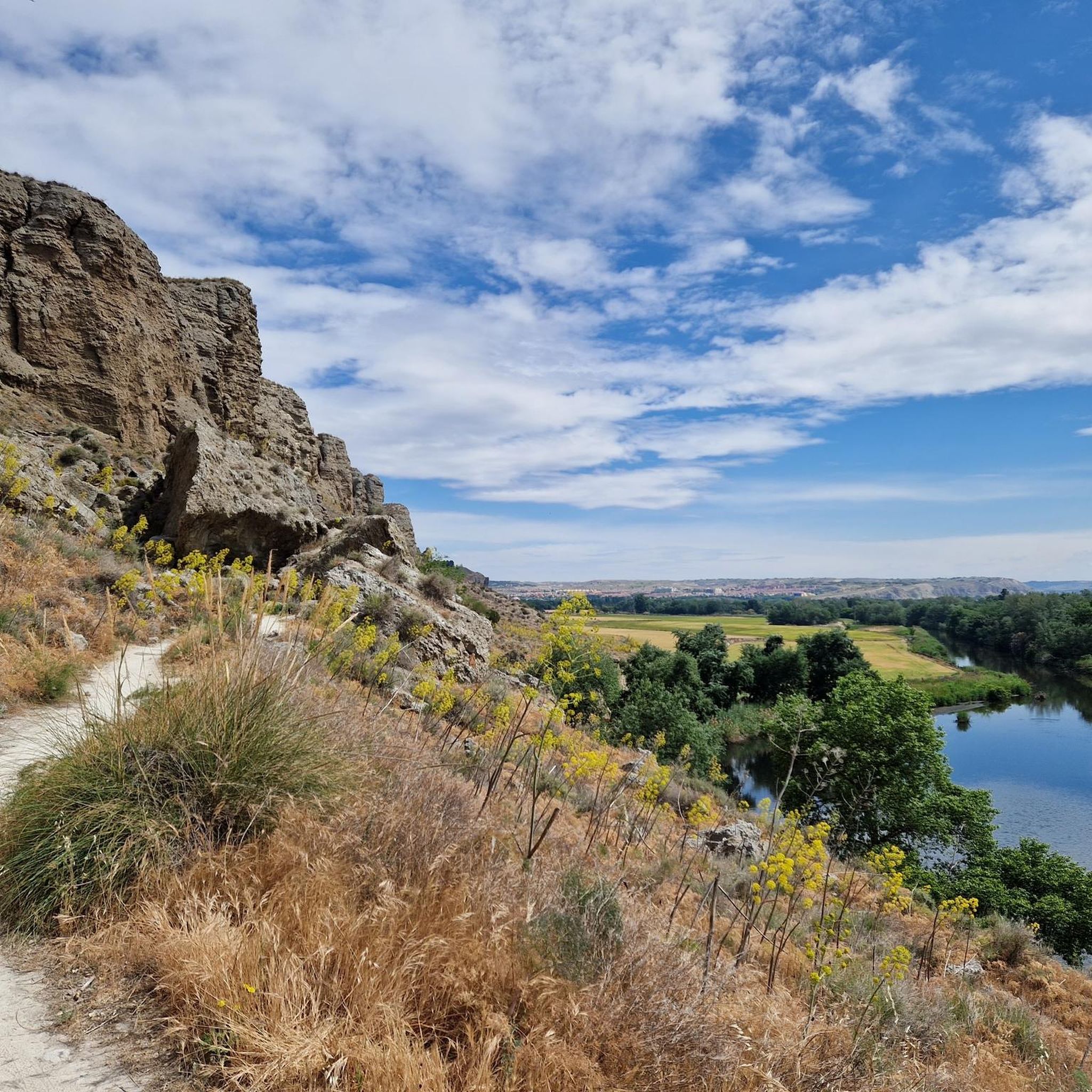
The plant cover that adorns the steep earthy slopes of the Jarama Valley is an exhibition of ingenious botanical adaptations to survive in the gypsum aljezares characteristic of the fertile plains of southeastern Madrid. The esparto grass forms large clumps of long, smooth leaves with a very dense and closed stump that retains moisture inside. The austere jabuna has a woody bearing, the stems are very fine and it does not exhibit bright colors that require high energy consumption, except in the flowering period. Another common plant of the cuts is the ontina or mugwort, used in popular medicine as an antidiabetic, vermifuge and invigorating, it develops thorns and discreet colors to avoid excessive perspiration. One of the most striking plants is the reseda, which has long, twisted stems. There are also thyme, scaly rosemary and harmaga, which defend themselves from the xerophytic environment with a reduced foliar surface and scaly leaves.
2
0
The Southeast Regional Park covers an area of 31,550 hectares in 16 municipalities of Madrid populations in constant expansion in the southeast of the capital, accentuating the peri-urban nature of the protected space, located in one of the most populated and industrialized areas of the Community of Madrid . A rich natural heritage of lagoons, wetlands, riverside forests, river groves and steppe hills make up a valuable set of ecosystems that are home to a unique flora and fauna in an environment of housing estates, roads, industrial farms and railways. A succession of strong contrasts that contribute to further elevate the environmental quality of the territory and the need to conserve these valuable wildlife refuges on the outskirts of the big city.
2
0
The El Campillo lagoon fits between the Rivas cliffs and the Jarama riverbed and is one of the 123 most important wetlands in the park. It is considered a Natural Reserve Zone and a Sensitive Ecological Zone, which is why its naturalization has been promoted, smoothing slopes, forming banks, creating islets and birdlife observatories, etc.
8
0
Frequently Asked Questions
What are the most popular natural monuments to visit in Rivas-Vaciamadrid?
Among the most appreciated natural monuments in Rivas-Vaciamadrid are the Campillo Lagoon, a vital wetland for waterfowl, and the impressive Jarama Cliffs, known for their unique gypsum geology and adapted plant life. Visitors also enjoy the Rivas Cliffs, which offer a family-friendly green route with scenic views of the Jarama valley.
Are there family-friendly natural monuments in Rivas-Vaciamadrid?
Yes, several natural monuments are suitable for families. The Campillo Lagoon is ideal for peaceful walks and birdwatching. The Rivas Cliffs feature a 13-kilometer green route with an easy, continuous descent, perfect for families to explore the geological formations and enjoy the views.
What unique natural features can I observe in Rivas-Vaciamadrid's natural monuments?
Rivas-Vaciamadrid is characterized by diverse ecosystems. You can observe valuable wetlands and lake ecosystems at the Campillo Lagoon, teeming with waterfowl. The Jarama Cliffs and Rivas Cliffs showcase striking gypsum formations, home to unique plant species adapted to the gypsum-rich soil, such as esparto grass and jabuna. The region also features riverine forests and panoramic viewpoints.
What outdoor activities can I do near the natural monuments in Rivas-Vaciamadrid?
The area around Rivas-Vaciamadrid offers various outdoor activities. You can enjoy running trails, including loops around the Laguna del Campillo. There are also numerous cycling routes, from moderate to difficult, exploring the Parque Regional del Sureste and river areas. For more details, you can check the Running Trails around Rivas-Vaciamadrid and Cycling around Rivas-Vaciamadrid guides.
Are there hiking trails near these natural monuments?
Yes, the natural monuments are integrated into the Parque Regional del Sureste, offering many opportunities for hiking. The Rivas Cliffs, for instance, provide an easy 13-kilometer green route suitable for hiking. The Cortados y Cantiles de los ríos Jarama y Manzanares also offer trails with breathtaking panoramic views of the river valleys. You can find more hiking options in the Natural Monuments around Rivas-Vaciamadrid guide.
What kind of wildlife can be seen at the natural monuments?
The natural monuments, particularly within the Parque Regional del Sureste, are rich in wildlife. The Campillo Lagoon is a significant site for waterfowl and migratory birds. The Cortados y Cantiles de los ríos Jarama y Manzanares are crucial refuges for various bird species, including falcons, black kites, and owls, which often nest in the cliffs. The Parque Forestal Mazalmadrit also hosts diverse wildlife within its forests.
What is the best time of year to visit the natural monuments in Rivas-Vaciamadrid?
The natural monuments in Rivas-Vaciamadrid can be enjoyed year-round, but spring and autumn generally offer the most pleasant weather for outdoor activities like hiking and birdwatching, with milder temperatures and vibrant natural colors. Winter can also be suitable for walks, especially on sunny days, while summer might be hot, making early mornings or late afternoons preferable.
Are there any viewpoints offering panoramic views of the natural landscape?
Yes, the region is known for its scenic viewpoints. The Cortados y Cantiles de los ríos Jarama y Manzanares offer breathtaking panoramic views of the river valleys and the confluence of the Manzanares and Jarama rivers. The Rivas Cliffs also provide excellent vantage points over the Jarama valley, including views of the Cerro del Telégrafo.
Can I visit the natural monuments using public transport?
Rivas-Vaciamadrid is accessible by public transport from Madrid, primarily via metro and bus services. While specific routes to each natural monument may vary, public transport can get you to the vicinity of the Parque Regional del Sureste, from where you might need to walk or use local connections to reach the exact sites like the Campillo Lagoon or the cliffs.
What are the geological highlights of the natural monuments in Rivas-Vaciamadrid?
The most prominent geological highlights are the gypsum cliffs, known as the Cortados y Cantiles de los ríos Jarama y Manzanares. These striking formations, including the Jarama Cliffs and Rivas Cliffs, were formed over millions of years from ancient inland seas. They create a unique landscape and provide a specialized habitat for flora adapted to gypsum-rich soil.
Is the Parque Forestal Mazalmadrit considered a natural monument?
Yes, the Parque Forestal Mazalmadrit is a significant natural area within Rivas-Vaciamadrid, offering an immersive natural experience. It features sprawling forests, diverse wildlife, natural viewpoints, and a botanical path, making it a key natural monument for relaxation and connecting with nature.
Most popular routes around Rivas-Vaciamadrid
Most popular attractions around Rivas-Vaciamadrid

Get inspired with the komoot mobile app


Explore more
Extend your search for the best caves by checking out these guides of the top ones around Rivas-Vaciamadrid:
