Top 12 Natural Monuments around Riaza
Natural monuments around Riaza, a municipality in Segovia, Spain, feature diverse landscapes. The region is characterized by river gorges, beech forests, and mountain peaks. These areas offer opportunities to observe varied ecosystems and geological formations. Riaza's natural settings provide a backdrop for outdoor exploration.
Best natural monuments around Riaza
- The most popular natural monuments is Pico del Lobo, a summit that is the highest peak in the Sierra de Ayllón. It offers views of both Segovia and Guadalajara.
- Another…
Last updated: July 1, 2026
Pico Tres Provincias (Cebollera Vieja)
Highlight • Summit
Translated by Google •
Tip by

Hazel Beech
Highlight • Forest
Translated by Google •
Tip by

Sign up now to discover places like this
Get recommendations on the best single tracks, peaks, & plenty of other exciting outdoor places.
Sign up for free
Pico del Lobo
Highlight • Summit
Translated by Google •
Tip by

Entrance to Hayedo de Tejera Negra Natural Park
Highlight • Forest
Translated by Google •
Tip by
Riofrío Reservoir
Highlight • Lake
Translated by Google •
Tip by

Sign up for free to discover even more natural monuments around Riaza.
Sign up for free
Already have an account?
Start today with a free account
Your next adventure awaits.
Login or Signup
Tips from the Community

Within the beautiful Hayedo de la Pedrosa there are several centuries-old beech trees of great beauty.
0
0
Centenary beech trees in the La Pedrosa Beech Forest.
0
0
The dam's spillway has a system that allows trout to ascend through the water to the reservoir.
0
0
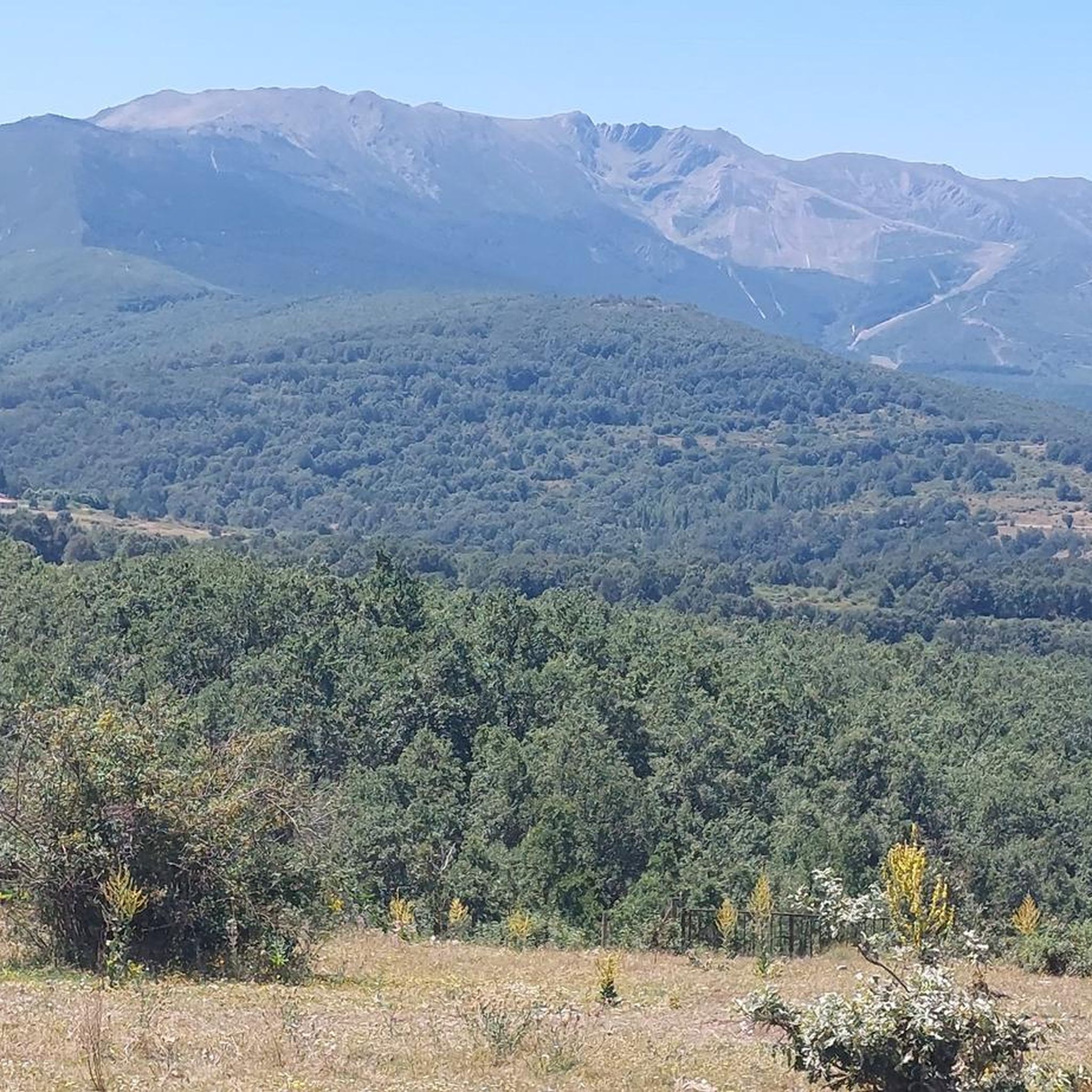
The highest peak in the province of Guadalajara is a special place to admire the landscape in all directions. In winter, with the snow, it is even more beautiful, but at the same time more demanding due to the cold.
1
1

Technically simple ascent and you have a spectacular view from the summit.
0
0

Pico del Lobo is the highest mountain in the Sierra de Ayllón and in the province of Guadalajara, with an altitude of 2,274 metres. It is a popular destination for hiking and offers spectacular views of both Segovia and Guadalajara.
7
0
The Tejera Negra Beech Forest is beautiful all year round, but especially in Autumn, when the leaves change color. The nearby mountains that surround it constitute a spectacular landscape. The climb to some of them is hard but it is worth it.
1
0
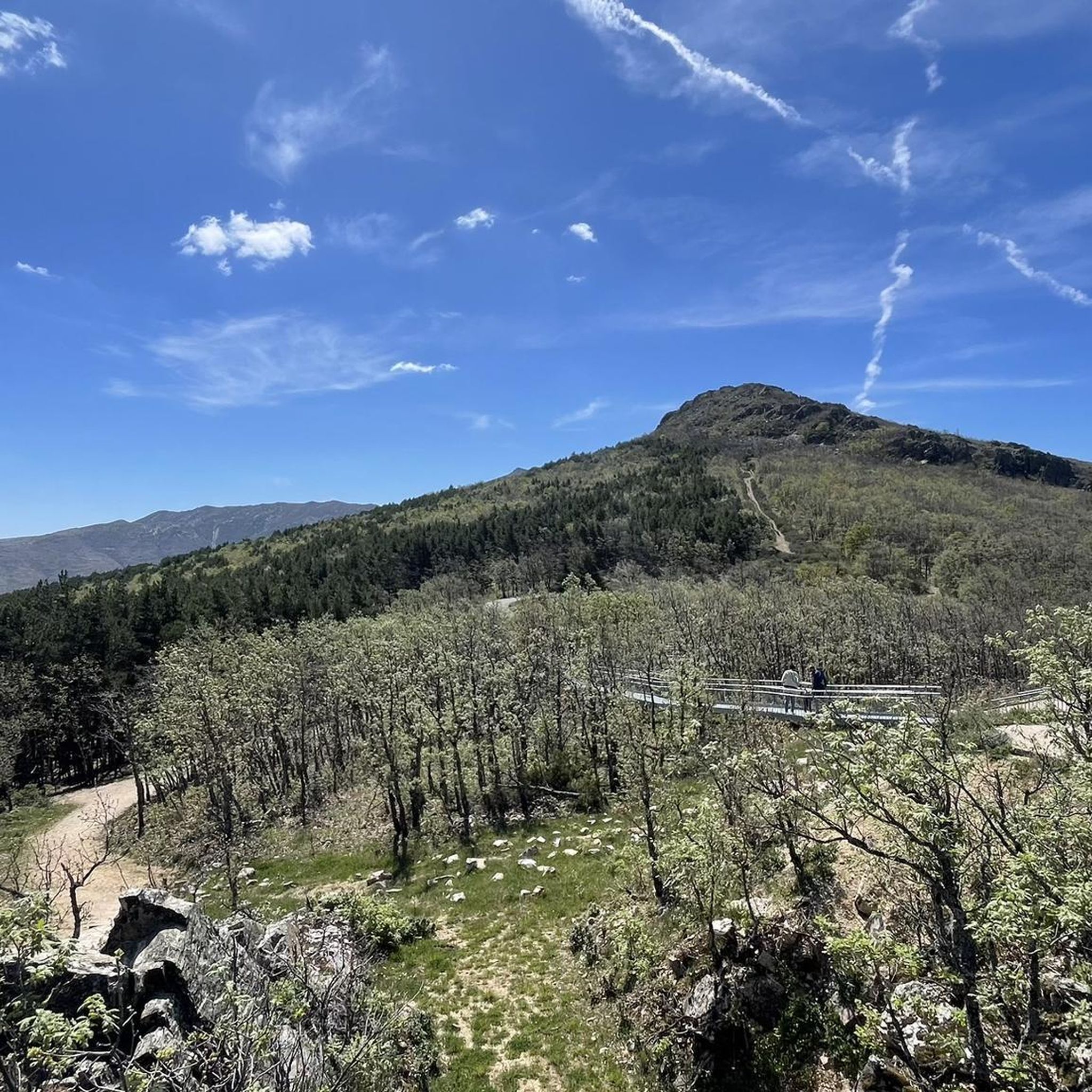
The Tres Provincias Peak is at the northern vertex of the province of Madrid, exactly at the top point of its triangular map. At this point Madrid joins Guadalajara and Segovia. The landscape seen in all directions is spectacular.
0
0
Frequently Asked Questions
What are some prominent natural features to explore around Riaza?
Riaza is characterized by diverse natural landscapes. You can explore the dramatic river gorges of the Hoces del Río Riaza Natural Park, the unique ecosystem of the La Pedrosa Beech Forest, and impressive mountain peaks such as Pico del Lobo, the highest point in the Sierra de Ayllón.
Are there opportunities for birdwatching near Riaza?
Yes, the Hoces del Río Riaza Natural Park is a renowned birdlife sanctuary. It hosts one of Europe's largest colonies of griffon vultures, with over 600 pairs, and is also home to golden eagles, Bonelli's eagles, and Egyptian vultures. The Linares del Arroyo reservoir within the park is a significant wintering ground for aquatic birds.
What kind of hiking experiences can I find near Riaza's natural monuments?
The region offers a variety of hiking trails. The Hoces del Río Riaza Natural Park has scenic, well-marked paths like the Senda del Río and Senda de los Buitres. For more options, you can explore various routes listed in the Hiking around Riaza guide, ranging from moderate to difficult, including loops around the Riaza River canyon.
When is the best time to visit the La Pedrosa Beech Forest?
The La Pedrosa Beech Forest is particularly stunning in autumn when the leaves turn vibrant reddish hues, creating a fairytale-like landscape. It also offers opportunities for snowshoe trips in winter, and its unique ecosystem is beautiful throughout the year.
Are there any family-friendly natural monuments around Riaza?
Yes, the Riofrío Reservoir is considered family-friendly. It's a serene water body created by the Riaza River, offering a peaceful setting for visitors of all ages.
What geological features are prominent in the natural monuments near Riaza?
The most prominent geological features are the deep river gorges of the Hoces del Río Riaza Natural Park, carved over millennia by the Riaza River through limestone cliffs. These gorges can reach up to 150 meters deep and 300 meters wide, showcasing dramatic limestone formations.
Can I find historical or cultural sites within the natural monuments area?
Yes, the Hoces del Río Riaza Natural Park has historical significance. You can find remnants of ancient hermitages, such as the Romanesque Hermitage of Casuar, tucked into the cliffs. The nearby village of Montejo de la Vega de la Serrezuela also features a 12th-century Romanesque church.
What do visitors enjoy most about the natural monuments around Riaza?
Visitors frequently appreciate the breathtaking views from summits like Pico del Lobo and Pico Tres Provincias (Cebollera Vieja). The unique beauty of the ancient beech forests, especially the centenary beech trees in the La Pedrosa Beech Forest, and the tranquil atmosphere of the reservoirs are also highly valued.
Are there cycling routes available near these natural monuments?
Absolutely. You can find various cycling routes, including road cycling and touring bicycle options. For example, there are routes like 'Puerto de la Quesera Climb from Riaza' or 'Riaza and Hontanares Hermitage Loop'. You can explore more options in the Road Cycling Routes around Riaza and Cycling around Riaza guides.
What is the significance of Pico Tres Provincias (Cebollera Vieja)?
Pico Tres Provincias (Cebollera Vieja) is a significant summit located at 2128 meters above sea level. It marks the confluence point of the limits of the Spanish provinces of Madrid, Guadalajara, and Segovia, with a monolith at its peak commemorating this unique geographical position.
What is the difficulty level of trails in the Hoces del Río Riaza Natural Park?
The Hoces del Río Riaza Natural Park offers trails of varying difficulty. While some paths like the Senda del Río are generally accessible, others, such as the Senda de los Buitres, might involve more challenging sections due to the rugged terrain of the gorges. It's advisable to check specific trail details at the visitor center in Montejo de la Vega de la Serrezuela.
Are there any other notable forests besides La Pedrosa Beech Forest?
While La Pedrosa Beech Forest is a key highlight, the region also features the Tejera Negra Beech Forest, which is considered the last beech forest in southern Europe. It's known for its stunning autumn colors and the Lillas and Zarzas rivers that feed it, creating a rich ecosystem.
Most popular attractions around Riaza

Get inspired with the komoot mobile app


Explore more
Extend your search for the best caves by checking out these guides of the top ones around Riaza:
