Top 20 Natural Monuments around Lucena
Best natural monuments around Lucena showcase a variety of geological formations and historical sites. The landscape features unique karst topography, significant river systems, and ancient human-made structures. These areas offer opportunities to explore natural phenomena and historical remnants within the region. Visitors can discover diverse environments, from natural springs to ancient quarries.
Best natural monuments around Lucena
- The most popular natural monument is Fuente del Río, a natural monument that is a picturesque natural park considered the origin of…
Last updated: May 20, 2026
Fuente del Río
Highlight • Natural Monument
Translated by Google •
Tip by

Poljé of the Nava de Cabra
Highlight (Segment) • Natural Monument
Translated by Google •
Tip by

Sign up now to discover places like this
Get recommendations on the best single tracks, peaks, & plenty of other exciting outdoor places.
Sign up for free
Genil River Meander
Highlight • River
Translated by Google •
Tip by

Hermitage of Our Lady of Fuensanta
Highlight • Religious Site
Translated by Google •
Tip by
Roman Quarry
Highlight • Historical Site
Translated by Google •
Tip by

Sign up for free to discover even more natural monuments around Lucena.
Sign up for free
Already have an account?
Start today with a free account
Your next adventure awaits.
Login or Signup

Tips from the Community

The Fuente del Río in Cabra, is a picturesque natural park considered the origin of the Río Cabra. The park combines the natural beauty of a karst spring with landscaped gardens and a diverse tree landscape. It was declared a “Sitio de Interés Natural” in 1929 and today offers recreational areas and picnic areas for visitors. The spring rises at the foot of the Sierra de Cabra, an area with high rainfall and calcareous rock that leads to the formation of such karst springs. The water flows through a series of waterfalls and artificial springs and supplies the entire municipality. The Fuente del Río is part of the “Ruta del Agua” in the Subbética Cordobesa and offers a harmonious interplay of nature and human design. The park is a popular place for locals and visitors who want to enjoy the tranquility and beauty of this unique place. A visit to the Fuente del Río offers the opportunity to experience the natural beauty of the region and explore the origins of the Río Cabra.
3
0

A natural area where the Cabra River is born. A natural spring surrounded by vegetation that transmits peace and tranquility. Highly recommended for a break on the route.
1
0

Hermitage that still contains the style of a Mozarabic-style cave church in which the amplitude of its façade stands out, making it one of the few monuments of these characteristics in Andalusia.
0
0

Outdoor adventure route, passing through the Hermitage of Nuestra Señora de la Fuensanta and the ruins of old mines.
1
0
It is located on the outskirts of the municipality and was built between 1544 and 1620. It is a Mozarabic-style cave church in which the breadth of its façade stands out, making it one of the few monuments of these characteristics in Andalusia. .
1
0
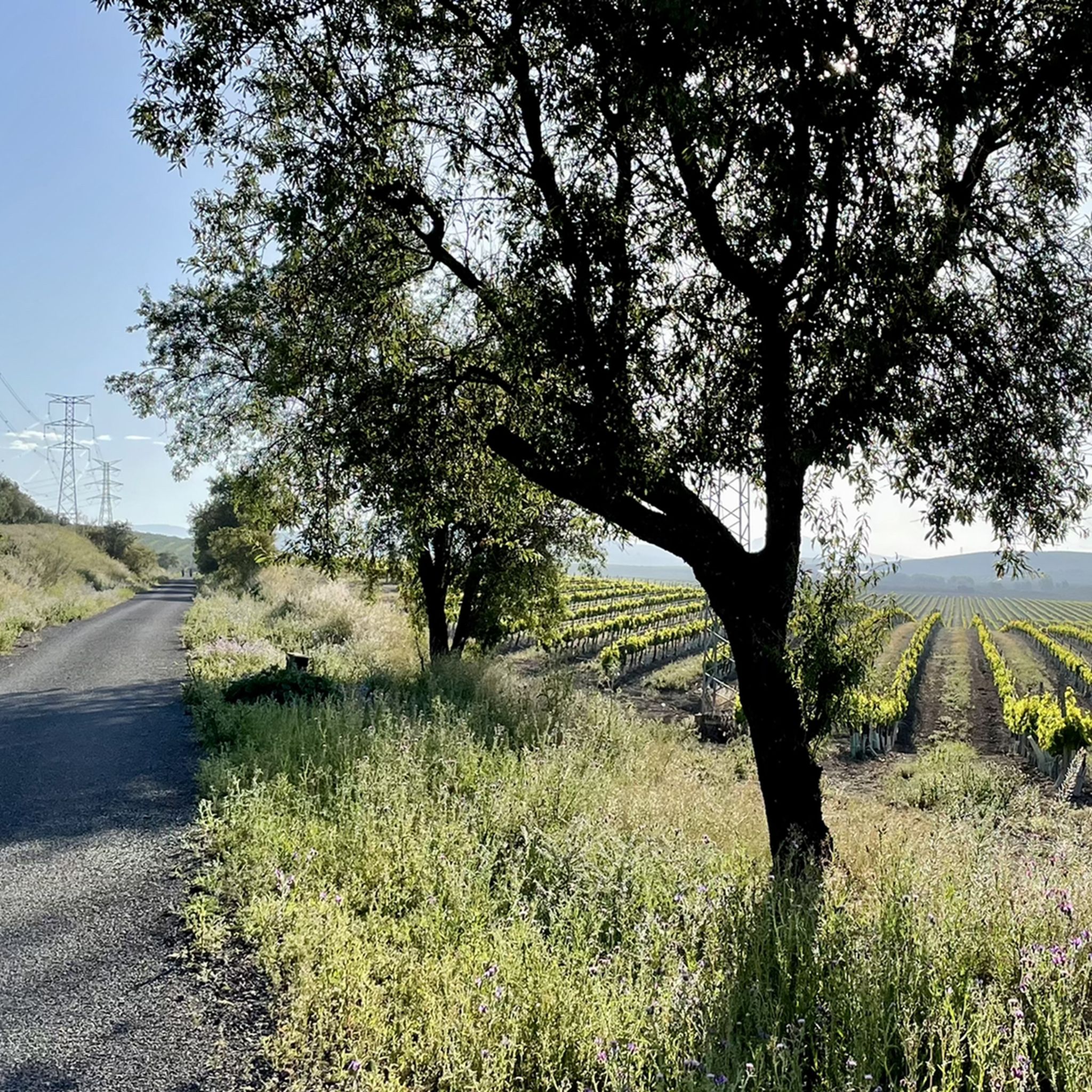
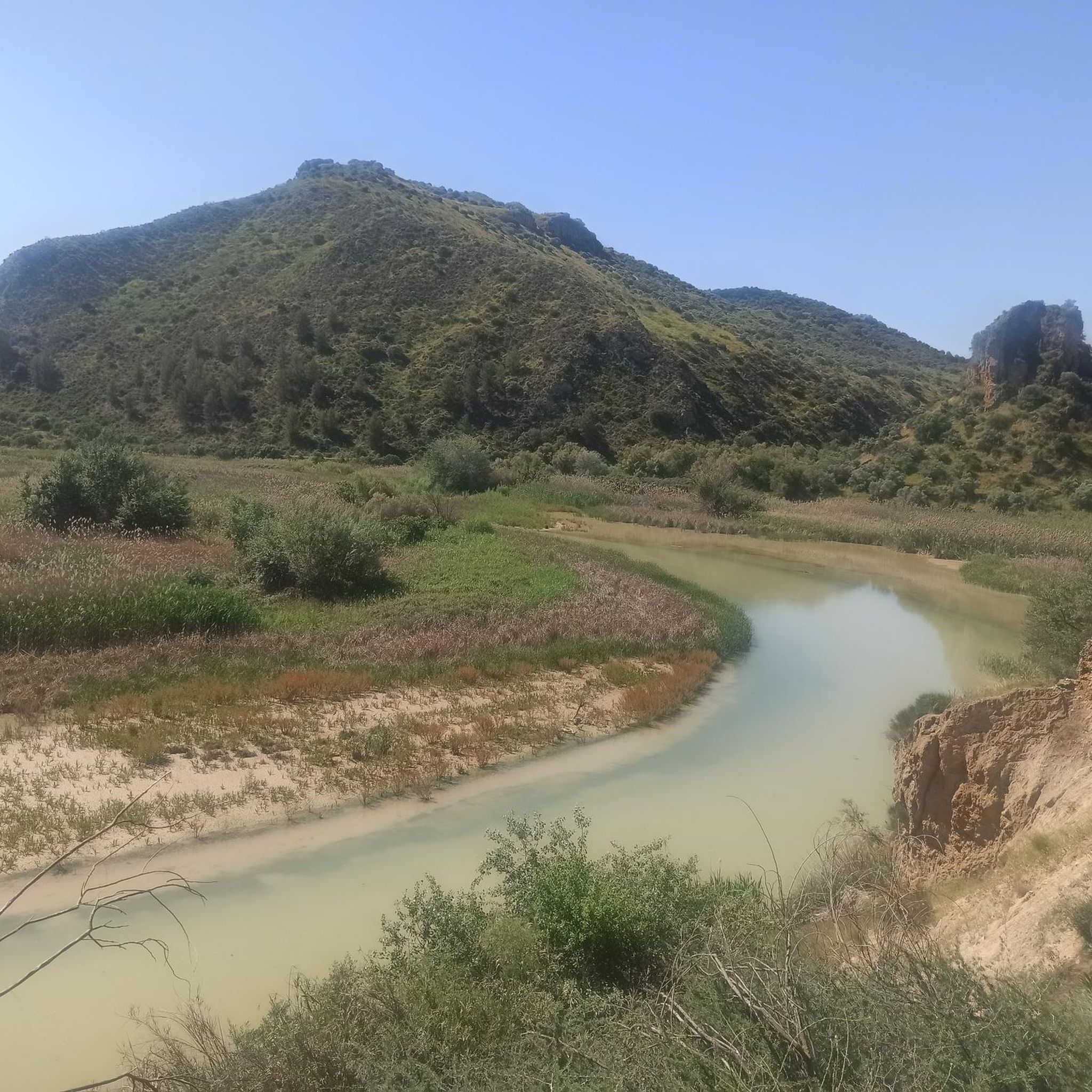
One of the last meanders of the Genil river before reaching the Malpasillo Reservoir, close to the town of Badolatosa. Space to be there for a while, quietly and enjoying this beautiful landscape!
1
0

In this interesting quarry, from Roman times, stones were extracted for use in mills.
1
0
A poljé is a large, elongated, flat valley-shaped depression in an area of karst rock. It is formed after a subsidence of the land in which water often stagnates seasonally. In this case, the Bailón river has produced a drainage of it, and in 2012 a pónor also arose through which the poljé drainage also occurs.
2
1
Frequently Asked Questions
What unique geological features can I explore among Lucena's natural monuments?
Lucena's natural monuments showcase fascinating geological formations. You can visit the Poljé of the Nava de Cabra, a large, flat, valley-shaped depression formed in karst rock, which often experiences seasonal water stagnation. Another highlight is Fuente del Río, a picturesque natural park centered around a karst spring, considered the origin of the Río Cabra.
Are there any natural monuments around Lucena that are particularly family-friendly?
Yes, several natural monuments are suitable for families. The Fuente del Río is a great option, offering landscaped gardens, recreational areas, and picnic spots around a beautiful natural spring. The Genil River Meander also provides a tranquil landscape for observation, perfect for a relaxing family outing.
What kind of historical sites are integrated into the natural landscape around Lucena?
The region around Lucena offers natural monuments with significant historical elements. You can explore the Hermitage of Our Lady of Fuensanta, a Mozarabic-style cave church built between 1544 and 1620, notable for its unique architecture. Additionally, the Roman Quarry provides a glimpse into ancient times, where stones were extracted for mills.
What outdoor activities can I do near the natural monuments in Lucena?
The natural monuments around Lucena are excellent starting points for various outdoor activities. You can find numerous hiking trails, with options ranging from easy to moderate difficulty. For example, you can explore routes like 'Arroyo del Pontón – Genil River Meander loop' or 'Church of San Mateo, Lucena – Castillo del Moral loop'. Mountain biking and gravel biking are also popular, with routes like 'Alamedal Viaduct – Vía Verde del Aceite loop'. Find more details on these activities in the Hiking around Lucena, Gravel biking around Lucena, and MTB Trails around Lucena guides.
Are there any natural monuments with scenic viewpoints in the Lucena area?
Yes, several natural monuments offer beautiful views. The Poljé of the Nava de Cabra provides a unique perspective of a vast karst depression. The Genil River Meander offers a tranquil landscape for observation, especially before it reaches the Malpasillo Reservoir. The Hermitage of Our Lady of Fuensanta also serves as a viewpoint, offering scenic surroundings.
What do visitors enjoy most about the natural monuments around Lucena?
Visitors particularly appreciate the blend of natural beauty and tranquility. The Fuente del Río is often praised as a 'lush and peaceful oasis' and a 'natural area where the Cabra River is born,' perfect for a break. The unique geological formations like the Poljé of the Nava de Cabra also draw interest for their distinctiveness.
What is the best time to visit the natural monuments around Lucena?
While specific seasonal recommendations vary, generally, spring and autumn offer pleasant temperatures for exploring the natural monuments around Lucena. These seasons avoid the intense heat of summer and the cooler, potentially wetter days of winter, making hiking and outdoor activities more enjoyable. Always check local weather forecasts before your visit.
Are there dog-friendly trails or areas within Lucena's natural monuments?
Many natural areas in Spain are generally dog-friendly, especially on trails, provided dogs are kept on a leash and owners clean up after them. While specific dog-friendly designations for each natural monument are not detailed, the open spaces and trails around sites like the Fuente del Río and the Poljé of the Nava de Cabra are often suitable for walks with well-behaved dogs. Always respect local signage and regulations.
How accessible are the natural monuments around Lucena by public transport or car?
Accessibility varies by location. Many natural monuments, especially those integrated into the landscape or near towns, are generally accessible by car, often with parking available. For instance, the Fuente del Río is noted to have parking. Public transport options might be limited directly to some remote natural sites, so checking local bus routes to nearby towns and planning for a walk or taxi from there is advisable for those without private vehicles.
Do I need any permits to hike or visit the natural monuments in Lucena?
For general hiking and visiting the natural monuments mentioned, such as Fuente del Río or the Poljé of the Nava de Cabra, permits are typically not required for casual exploration. However, for specific activities, large groups, or accessing very sensitive ecological areas, it's always best to check with local tourism offices or park authorities for any specific regulations or permit requirements that might apply.
What should I wear when visiting the natural monuments around Lucena?
When visiting the natural monuments around Lucena, it's recommended to wear comfortable walking shoes or hiking boots, especially if you plan to explore trails. Layered clothing is advisable to adapt to changing temperatures, and sun protection like a hat and sunscreen is important, particularly during sunnier months. Bringing water is also essential for any outdoor excursion.
Most popular attractions around Lucena

Get inspired with the komoot mobile app


Explore more
Extend your search for the best caves by checking out these guides of the top ones around Lucena:
