Top 19 Natural Monuments around Luque
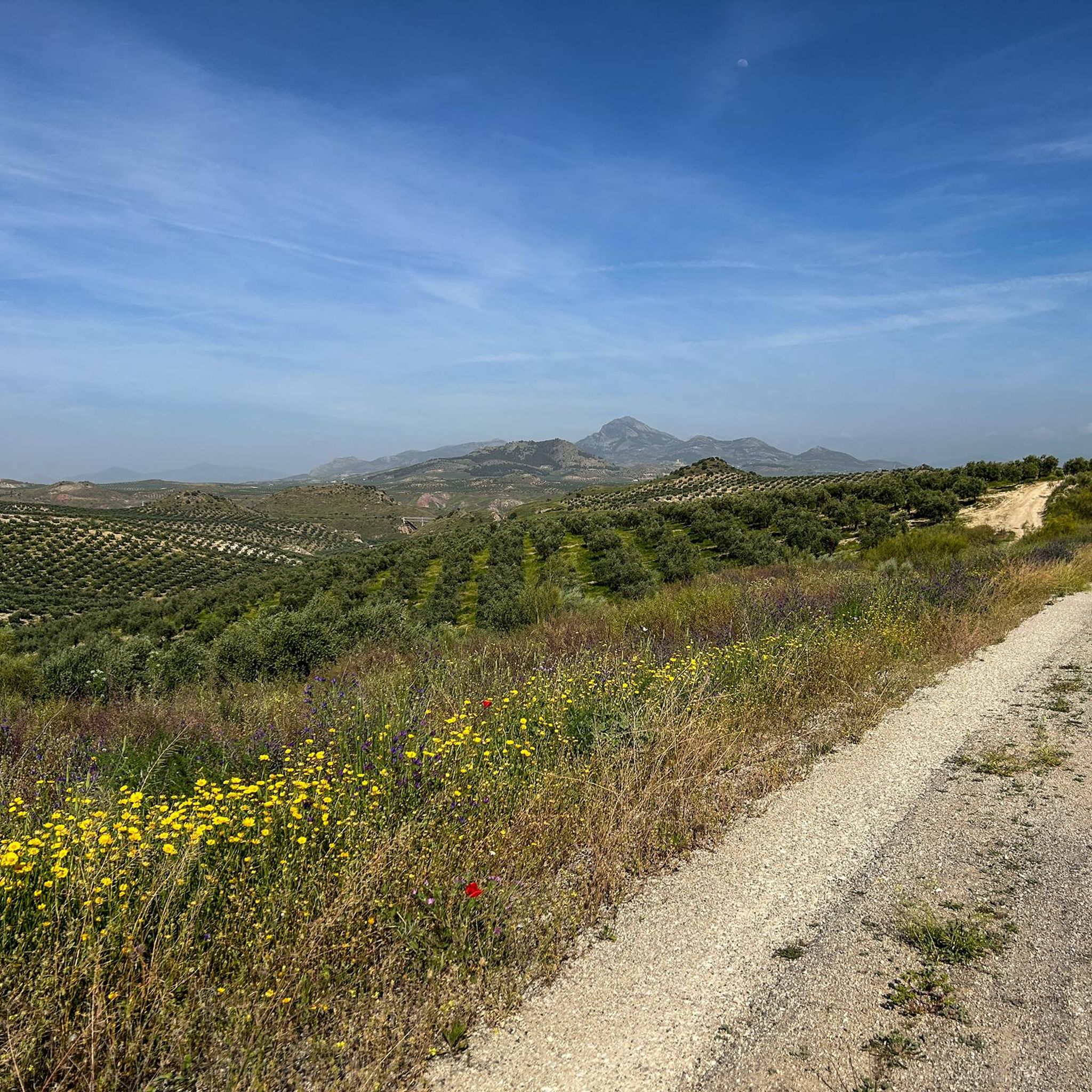
Best natural monuments around Luque are found within a landscape characterized by the Subbetic mountains in the province of Córdoba, Spain. This region offers diverse geological formations, including caves, canyons, and unique viewpoints. The area is known for its rich natural heritage, providing opportunities for outdoor exploration. Visitors can experience a variety of natural attractions, from ancient geological sites to protected wetlands.
Best natural monuments around Luque
- The most popular natural monuments is Limestone formations and caves in the Bailón…
Last updated: August 11, 2026
Zuheros Castle
Highlight • Castle
Translated by Google •
Tip by

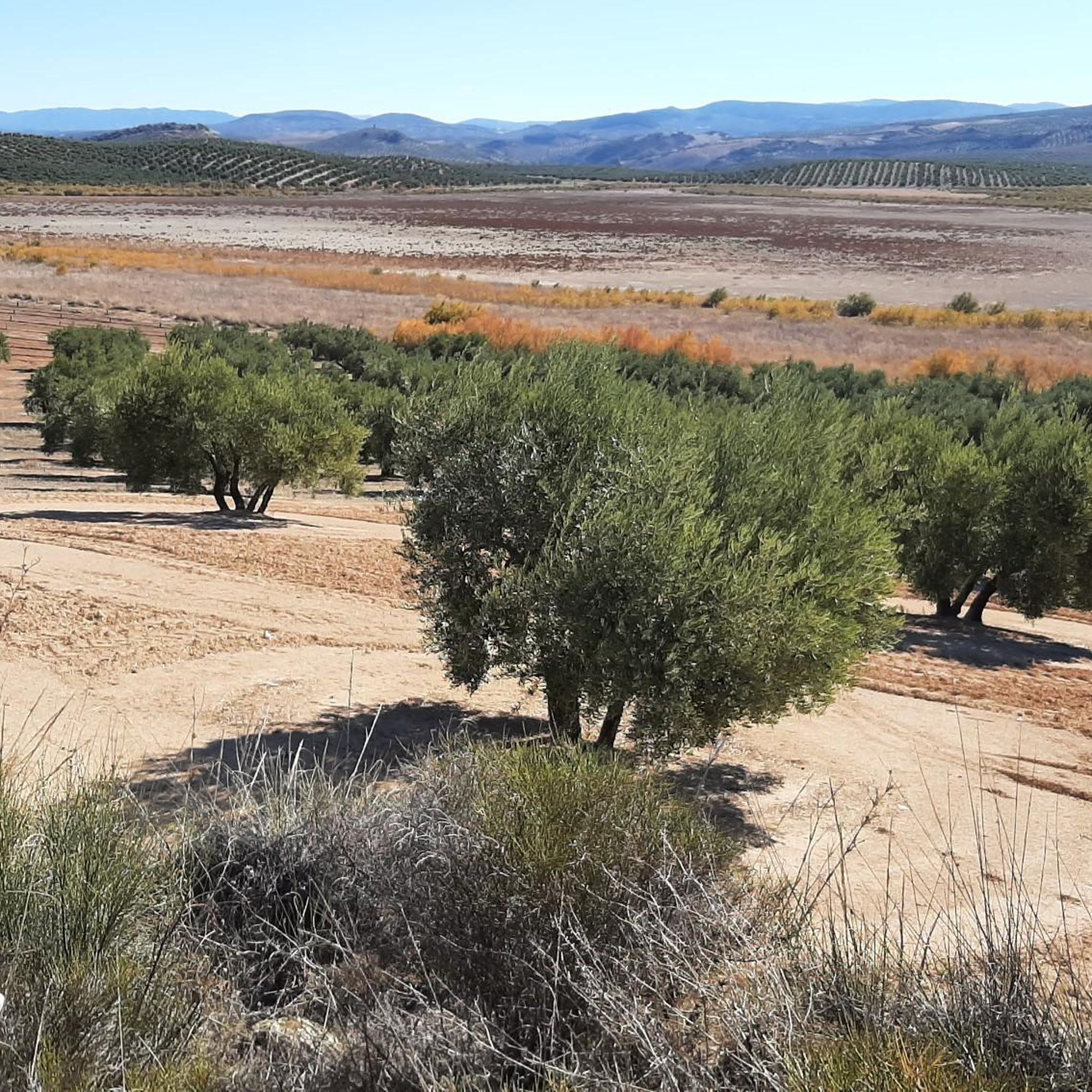
Views over the Laguna del Conde
Highlight • Viewpoint
Translated by Google •
Tip by

Sign up now to discover places like this
Get recommendations on the best single tracks, peaks, & plenty of other exciting outdoor places.
Sign up for free
Chorreras de la Fuenseca
Highlight • Waterfall
Translated by Google •
Tip by

Limestone formations and caves in the Bailón Canyon
Highlight • Canyon
Translated by Google •
Tip by
Las Chorreras Waterfall
Highlight • Waterfall
Translated by Google •
Tip by
Sign up for free to discover even more natural monuments around Luque.
Sign up for free
Already have an account?
Start today with a free account
Your next adventure awaits.
Login or Signup

Tips from the Community

The Laguna del Conde (also known as Laguna del Salobral) is an important wetland that serves as a habitat for numerous bird species such as flamingos, cormorants, and ducks. Along the Vía Verde, there are viewpoints from which visitors can observe the wildlife.
1
0

El Castillo de Zuheros is a historic fortress in the small municipality of Zuheros. The castle sits spectacularly on a rock and has become a landmark of the region. The castle's origins date back to the Moors in the 9th century. It was strategically built on a limestone cliff to control and defend the region. Its location made it almost impregnable.
0
0
The Lagoon del Conde or Salobral Lagoon is a temporary lagoon that reaches a maximum flood level in spring and subsides in summer. The lagoon is filled by rainfall that falls directly on the surface of the lagoon and by surface runoff from its catchment area, particularly from the Carrascón stream. The lagoon is on the migratory route that many birds follow towards the African continent in northeastern Europe. Like the rest of the wetland areas south of Córdoba, the Salobral Lagoon is integrated into the European Natura 2000 network.
10
0
El Castillo de Zuheros stands spectacularly on a rock and offers impressive views of the Sierra Subbética. The castle is a major landmark in the region. The castle's origins date back to the Moors in the 9th century. It was strategically built on a limestone cliff to control and defend the region. Its location made it almost impregnable. It was part of a network of castles designed to secure Moorish influence in Andalusia. In 1240, Zuheros was conquered by the troops of Ferdinand III of Castile. The castle passed into Christian ownership and was integrated into the kingdom's defensive structure. With the end of its military importance in the region, after the conquest of Granada in 1492, the castle began to decline in importance. Parts of the complex were destroyed by earthquakes and neglect over the centuries. In 1964, the towers were reconstructed as they can be seen in their current form. The ruins of the castle are now one of the main attractions of Zuheros and can be visited.
9
0

The remains date from two different periods. The massive, crenellated square tower is of Moorish origin, while the remains of the Renaissance palace date from the 16th century. At the same time, the Plaza de la Paz offers a natural viewpoint (622m), with shooting views** over the hills with their carpet of olive groves and Baena in the background.
11
0
This lagoon, which belongs to the municipality of Luque, is the largest of all the seasonal waters in the province of Córdoba, with a surface area of 46.6 hectares. It was declared a nature reserve in 1989 due to its special value as a wintering and breeding ground for migratory birds. Due to the gentle slope of the terrain and its shallow depth, the wetland is home to numerous wading birds that use the lagoon as a passage and breeding area. The main bird species are the black-winged stilt, the European lapwing, the curlew, the teal, the white-headed duck, the Kentish plover, the tern and the Montagu's harrier, among many other species.
10
1

Construction located in the highest rocky part of the town whose purpose was to protect against any external invasion, whose views are worth enjoying.
10
0

It's a pity: the last time I went there it was completely dry.
6
0
Frequently Asked Questions
What are some of the most popular natural monuments to visit around Luque?
Visitors frequently enjoy the Limestone formations and caves in the Bailón Canyon, known for its impressive limestone rock walls and the vegetation growing within them. Another highly rated spot is Zuheros Castle, which offers a natural viewpoint with stunning views over the olive groves. The seasonal Chorreras de la Fuenseca waterfalls are also a favorite after heavy rains.
What kind of natural features can I expect to see in the natural monuments around Luque?
The region around Luque, nestled in the Subbetic mountains, is rich in diverse geological formations. You can explore impressive canyons like the Bailón Canyon, ancient caves such as the Bat Cave, and unique limestone formations. There are also protected wetlands like the Laguna del Conde, and seasonal waterfalls.
Are there family-friendly natural monuments around Luque?
Yes, the Views over the Laguna del Conde are considered family-friendly. It's a great spot to observe a temporary lagoon, which can be full of water and flowers depending on rainfall, and is part of the European Natura 2000 network, making it interesting for nature observation.
What outdoor activities can I do near these natural monuments?
The area offers a variety of outdoor activities. You can find numerous running trails, including routes like 'Bat Cave and Bailon River Canyon - circular from Zuheros'. For cycling enthusiasts, there are gravel biking and MTB trails, such as the 'Olive Oil Greenway and Cueva de los Murciélagos Loop'. You can explore more options on the Running Trails around Luque, Gravel biking around Luque, and MTB Trails around Luque guide pages.
Are there hiking trails near the natural monuments?
Absolutely. Many natural monuments are integrated into hiking routes. For instance, the Bailón Canyon is a popular trail with impressive limestone walls. The Bat Cave is also part of several hiking loops. You can find detailed routes and difficulty levels on the Running Trails around Luque guide, which includes many walking and hiking options.
What is special about the Bat Cave?
The Bat Cave is the largest prehistoric cave in the province of Córdoba and was declared a Natural Monument in 2001. Its name comes from the various species of bats that inhabit it. During a tourist visit, you can descend up to 65 meters deep into its system of galleries. It's advisable to book an appointment to visit.
Can I see historical sites alongside natural monuments?
Yes, the region beautifully blends natural and historical attractions. Zuheros Castle is a prime example, being both a historical construction and a natural viewpoint. The Bat Cave is also a significant prehistoric site, offering insights into ancient human history within a natural setting.
What do visitors enjoy most about the natural monuments around Luque?
Visitors particularly appreciate the impressive geological formations, such as the limestone walls of the Bailón Canyon and the unique structure of the Bat Cave. The panoramic views from spots like Zuheros Castle and the tranquility of protected wetlands like the Laguna del Conde are also highly valued. The opportunity to explore diverse landscapes and observe nature is a key highlight.
When is the best time to see the Chorreras de la Fuenseca waterfalls?
The Chorreras de la Fuenseca are seasonal waterfalls. They appear after copious rains, as the porous terrain allows water to flow over the surface only when it exceeds what the ground can absorb. Therefore, the best time to see them is typically during or shortly after periods of significant rainfall, usually in the wetter seasons.
Are there viewpoints to enjoy the scenery around Luque's natural monuments?
Yes, the region offers several excellent viewpoints. Zuheros Castle provides a natural viewpoint with expansive views over the hills and olive groves. The Views over the Laguna del Conde also offer a great spot to observe the protected wetland. Additionally, many trails through canyons and mountains provide scenic vistas.
What is the Laguna del Conde and why is it important?
The Laguna del Conde, also known as Salobral Lagoon, is an important and protected temporary wetland. It fills with rainwater, reaching maximum levels in spring, and is a crucial habitat for many animal species, especially birds. It's integrated into the European Natura 2000 network and lies on the migratory route for birds heading towards the African continent.
Most popular attractions around Luque

Get inspired with the komoot mobile app


Explore more
Extend your search for the best caves by checking out these guides of the top ones around Luque:
