Top 6 Natural Monuments around Pioz
Best natural monuments around Pioz include a variety of historical fountains, springs, and geological formations. The region, situated in the province of Guadalajara, Spain, offers natural attractions that highlight its heritage and tranquil settings. These sites provide insights into the interplay between human activity and natural resources. Visitors can explore 6 natural monuments, offering diverse points of interest.
Best natural monuments around Pioz
- The most popular natural monument is La Oliva fountain, a facility that was restored in 2015…
Last updated: July 1, 2026
Fuente Grande de Corpa
Highlight • Natural Monument
Translated by Google •
Tip by

La Oliva fountain
Highlight • Rest Area
Translated by Google •
Tip by
Sign up now to discover places like this
Get recommendations on the best single tracks, peaks, & plenty of other exciting outdoor places.
Sign up for free
Los Cerros Natural Park
Highlight • Natural Monument
Translated by Google •
Tip by
Fuente del Rey Rest Area
Highlight • Rest Area
Translated by Google •
Tip by

Cuevas Blancas Rock Formations
Highlight • Natural Monument
Translated by Google •
Tip by
Sign up for free to discover even more natural monuments around Pioz.
Sign up for free
Already have an account?
Start today with a free account
Your next adventure awaits.
Login or Signup
Tips from the Community

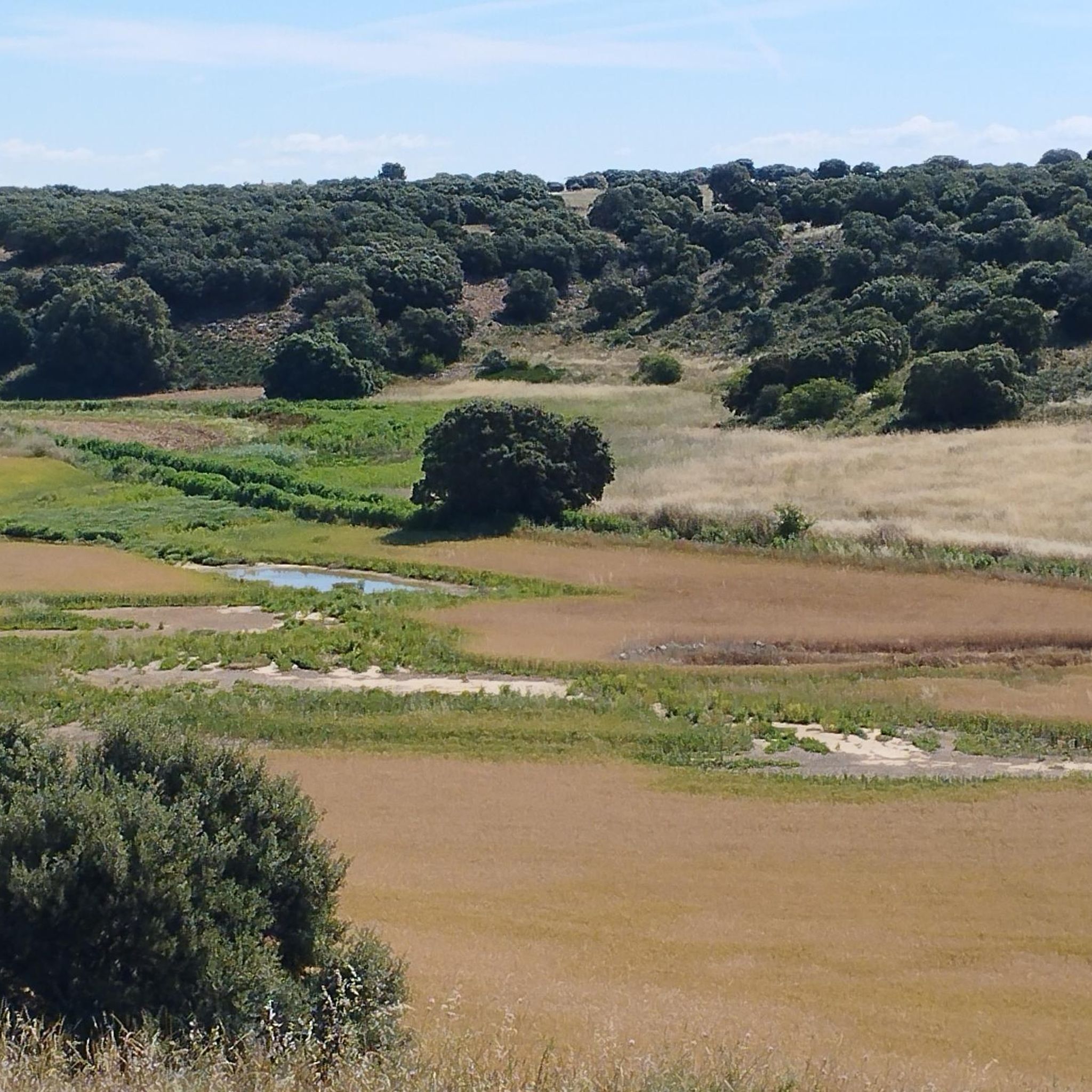
A spring surrounded by olive trees, which in past centuries supplied the Convent of the Angels and later the town. A natural setting steeped in history. Fresh, drinkable water.
0
0

Super cool water to replenish your strength
0
0

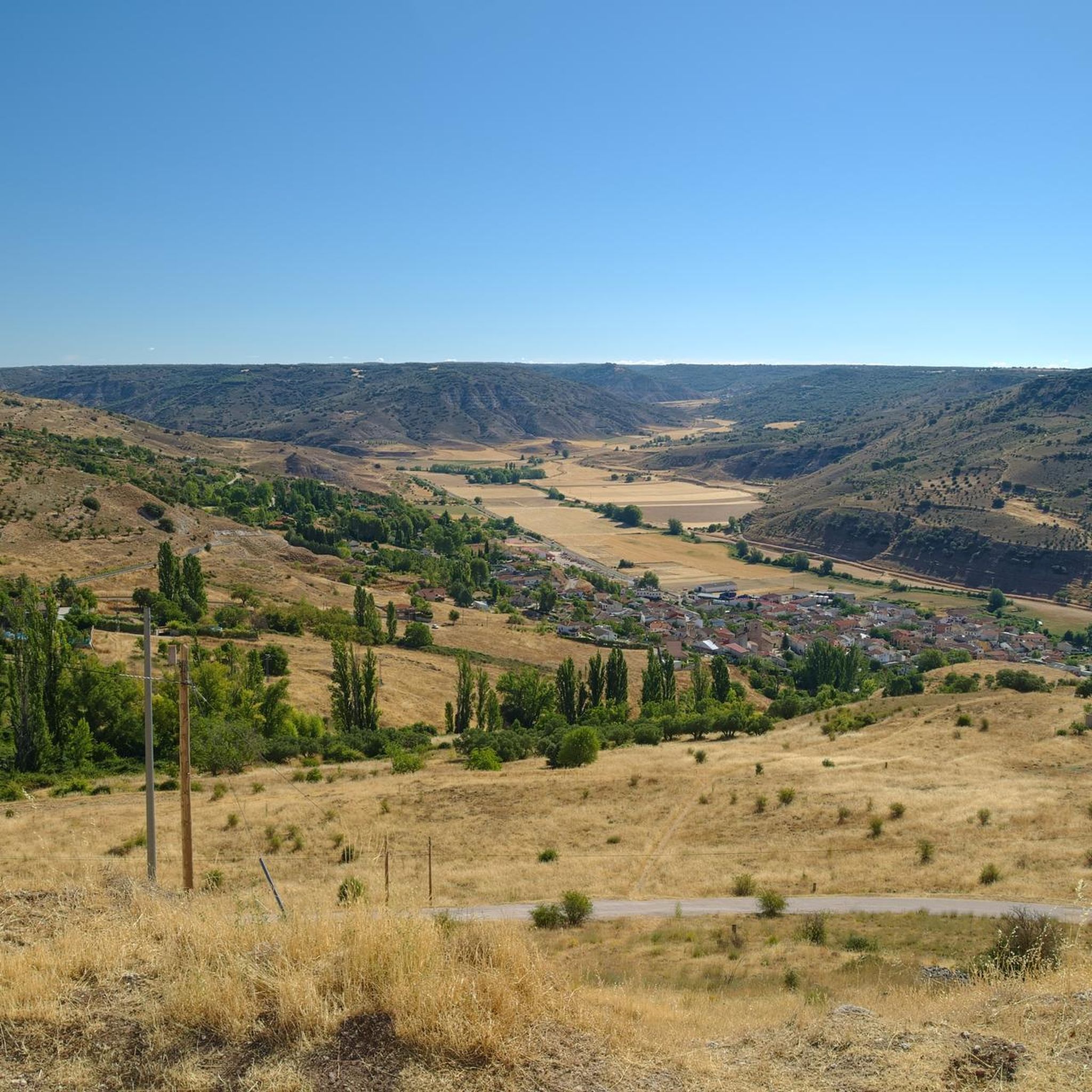
The narrow ravines of Pezuela that fall towards the valley of the Tajuña river are rich in clays and dolomitic limestones from the Miocene, a top quality raw material for cooking in lime kilns and making mortars and construction materials. Pezuela had several Moorish kilns for plaster and lime until the sixties of the last century. There are remains of the installations and cavities of the mines in Cuevas Blancas and other slopes of the plains, although they have little identity and complicated location, they are cultural landscapes because they condense the popular wisdom of an essential trade in the life of the rural world.
0
0
The Fuente del Rey resting place is a widening of the Senda de la Galiana between the municipalities of Corpa and Nuevo Baztán, equipped with a fountain, a water trough and space for shepherds to stop for refreshment with their flocks. In the Middle Ages, the spring was highly valued for its medicinal properties, “whose salutary waters were drunk at the tables of kings and were even sent to Flanders”. In the town of Corpa, it was known as the “fountain of the seven loaves” because a shepherd asked for bread in a nearby house and was surprised to receive seven loaves, which he was able to share with the rest of the shepherds and lads who accompanied him.
0
0
The ethnographic complex of the Fuente Grande de Corpa is an important element of the local heritage. It was built in 1897 by local stonemasons Francisco and Vicente, according to an inscription attached to the wall of the watering hole. The water reaches the stone basins from two different springs in an old cattle rest area at the Cordel de la Senda de la Galiana, although there had been a powerful spring for a long time before. The largest pond was a public washhouse and one of the jets has its own name, it is the Collantes spout and was an old war cannon.
0
0
The current fountain was restored in 2015 and has a fresh water spout and a large trough. The area is equipped with benches and a recreational area. Until recently, the spring was the main source of drinking water for the town of Valverde de Alcalá.
0
0

If you want to test yourself climbing and your skill with trialeras, you have to go.
2
0
It is recommended to be strong too.
0
0
Frequently Asked Questions
What are the most popular natural monuments around Pioz?
Visitors frequently enjoy the historical fountains and unique rock formations. Among the most appreciated are La Oliva fountain, known for its fresh water spout and recreational area, and Fuente Grande de Corpa, an ethnographic complex providing fresh drinking water year-round. The Cuevas Blancas Rock Formations also attract interest with their narrow ravines and historical significance related to local trades.
Are there family-friendly natural monuments to visit near Pioz?
Yes, several natural monuments are suitable for families. La Oliva fountain offers a recreational area with benches, perfect for a break. The Fuente Grande de Corpa, with its large pond and shaded refreshment stop, is also a great spot for all ages. Additionally, the Fuente del Rey Rest Area provides a pleasant stop along the Senda de la Galiana.
What kind of natural features can I expect to see around Pioz?
The natural monuments around Pioz primarily feature historical fountains and springs, which are integral to the region's heritage. You'll also find unique geological formations like the Cuevas Blancas Rock Formations, characterized by narrow ravines rich in clays and dolomitic limestones. These sites often highlight the interplay between human activity and natural resources, particularly water.
What historical context do these natural monuments offer?
Many natural monuments in the Pioz area are deeply rooted in history. For example, the Fuente Grande de Corpa is an ethnographic complex built in 1897, located on an old cattle rest area along a historical path. The La Oliva fountain, restored in 2015, was historically a primary source of drinking water for Valverde de Alcalá and supplied a convent. Even the Cuevas Blancas Rock Formations are considered cultural landscapes, reflecting the popular wisdom of essential rural trades like lime production.
Are there any hidden gems among the natural monuments near Pioz?
While not widely recognized for grand natural monuments, the region offers charming, historically significant spots. The Cueva del Pastor is a curious geological formation and natural shelter, historically used by shepherds and now by hikers. Its unique character and location along cattle drives make it a lesser-known but interesting find.
What outdoor activities can I do near the natural monuments around Pioz?
The area around Pioz offers various cycling opportunities. You can explore road cycling routes, such as 'The two Castles - Castillo de Pioz and Castillo de Torremocha', or 'Viewpoint of Los Santos de la Humosa and Ascent Albolleque'. For touring cyclists, options like the 'Anchuelo Route – Alcalá de Henares loop' are available. Gravel biking is also popular, with routes like 'Pozo de Guadalajara Town Hall – Pioz Castle loop'. You can find more details and routes in the Road Cycling Routes around Pioz, Cycling around Pioz, and Gravel biking around Pioz guides.
What do visitors enjoy most about the natural monuments in this region?
Visitors particularly appreciate the fresh, drinkable water provided by many of the historical fountains, often described as 'super cool water to replenish your strength.' The tranquil settings and the historical significance of these sites, such as the ethnographic complex of Fuente Grande de Corpa, are also highly valued. Many enjoy the opportunity for a shaded refreshment stop and the peaceful atmosphere.
Are there any natural shelters or caves to explore?
Yes, the Cueva del Pastor is a notable natural shelter. It's a curious geological formation, not common in the area, and has been historically used by shepherds. Over centuries, it has been adapted to provide comfort, making it a good shelter for hikers today.
What is the best time to visit the natural monuments around Pioz?
The natural monuments, especially the fountains and springs, provide fresh water year-round, making them accessible in various seasons. For outdoor activities like cycling, spring and autumn generally offer the most pleasant weather. However, the shaded areas around fountains like Fuente Grande de Corpa can offer a refreshing stop even during warmer months.
What are the typical terrain and difficulty levels for exploring these natural monuments?
The terrain around these natural monuments varies. While the fountains are generally easily accessible, areas like the Cuevas Blancas Rock Formations involve narrow ravines. Some routes, particularly for cycling, can range from moderate to difficult, as seen in the nearby cycling guides. It's advisable to check specific route details for difficulty before planning your visit.
Can I find places to rest or picnic near the natural monuments?
Yes, several sites are equipped for rest. La Oliva fountain has benches and a recreational area. The Fuente Grande de Corpa is described as an ideal place for a shaded refreshment stop. Additionally, the Fuente del Rey Rest Area is specifically designed for breaks, equipped with a fountain, water trough, and space for visitors.
Most popular attractions around Pioz

Get inspired with the komoot mobile app


Explore more
Extend your search for the best caves by checking out these guides of the top ones around Pioz:
