Top 8 Natural Monuments around La Roda De Andalucía
Best natural monuments around La Roda De Andalucía encompass significant natural areas and waterways. The region provides access to diverse landscapes, including the largest natural lagoon in Andalusia. Local rivers like Arroyo Salinoso and Río Yeguas offer natural settings for outdoor activities. These sites provide opportunities to observe unique geological formations and diverse wildlife.
Best natural monuments around La Roda De Andalucía
- The most popular natural monument is Fuente de Piedra Lagoon, a lake that is the largest natural…
Last updated: July 1, 2026
Fuente de Piedra Lagoon
Highlight • Lake
Translated by Google •
Tip by

Bird Observation Tower, Laguna de Fuente de Piedra Nature Reserve
Highlight • Viewpoint
Translated by Google •
Tip by

Sign up now to discover places like this
Get recommendations on the best single tracks, peaks, & plenty of other exciting outdoor places.
Sign up for free
Genil River Meander
Highlight • River
Translated by Google •
Tip by

Hermitage of Our Lady of Fuensanta
Highlight • Religious Site
Translated by Google •
Tip by
Fuente de Piedra Lagoon
Highlight • Lake
Translated by Google •
Tip by

Sign up for free to discover even more natural monuments around La Roda De Andalucía.
Sign up for free
Already have an account?
Start today with a free account
Your next adventure awaits.
Login or Signup
Tips from the Community

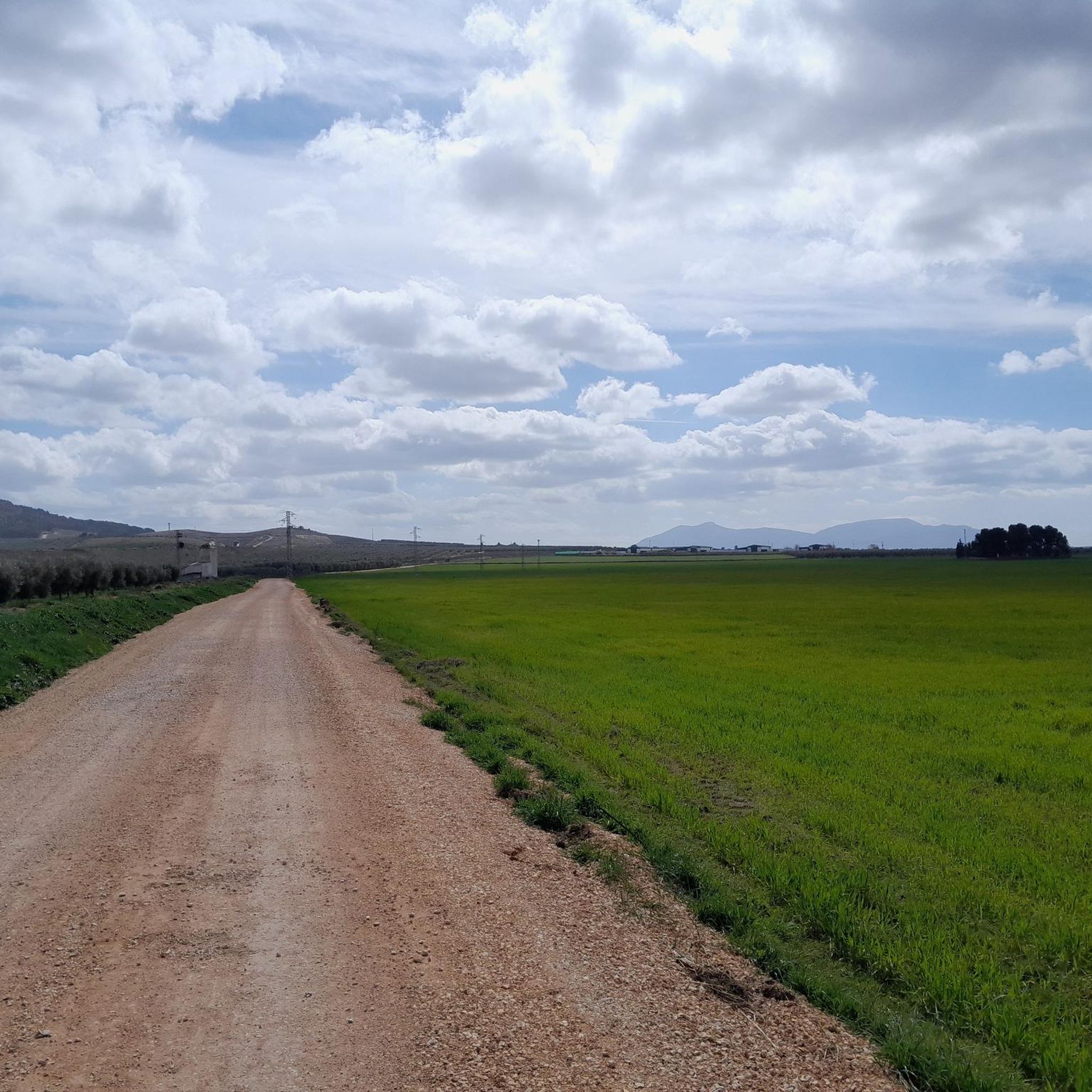
Designated trails run around the lagoon, leading directly to observation points and birdwatching towers. From there, flamingos and numerous other bird species can be observed undisturbed.
1
0
The Laguna de Fuente de Piedra is also ideal for exploring by bike. The nature reserve is accessible via well-maintained roads and paths that lead through the surrounding Andalusian countryside. The lake itself features designated trails and birdwatching towers, from which flamingos and other bird species can be observed undisturbed. A tour allows for flexible exploration of the reserve, enjoying the tranquil nature while also experiencing the diverse birdlife up close. The lagoon is particularly vibrant in spring and autumn, when numerous birds use the protected area as a breeding or resting place.
2
0
The Laguna de Fuente de Piedra is the largest natural lagoon in Andalusia and an important wetland in the northwest of the province of Málaga. It is best known for its large colony of greater flamingos, which nest here in spring and provide one of the region's most impressive natural spectacles. The shallow salt lagoon also attracts nearly 200 species of birds and is an important resting place for migratory birds. Surrounded by salt marshes, reed beds, and Mediterranean vegetation, the area offers ideal conditions for wildlife. A visitor center provides information about the flora and fauna, while birdwatching platforms and guided tours offer nature lovers exciting insights. The lagoon is an ideal spot for nature photography amidst a fascinating landscape. The Laguna de Fuente de Piedra is also an ideal destination for cyclists who want to combine nature experiences with physical activity. The area offers a variety of cycling routes of varying difficulty levels, leading through the picturesque landscape and along the largest natural lagoon in Andalusia. The “José Antonio Valverde” visitor center serves as a good starting point for cycling tours and offers information about the flora and fauna of the region.
4
0

The Fuente de Piedra Lagoon is a wetland located in the Antequera region, in the municipality of Fuente de Piedra, in Spain. It is the largest salt lagoon in Andalusia, 6.5 km long (northeast-southwest) and 2.5 km wide (northwest-southeast). Together with the Gallocanta lagoon, it represents one of the two large lagoons remaining on the Iberian Peninsula. It constitutes the most important enclave where the common flamingo breeds regularly, with the Fuente de Piedra nesting colony, along with the one in the Camargue, being the most relevant in the Western Mediterranean and Northwest Africa.
2
0

It is the largest salt lagoon on the Iberian Peninsula. It has a large population of flamingos, being one of the most important in Spain. It is an ideal place to observe these curious birds, as well as other migratory species.
0
0

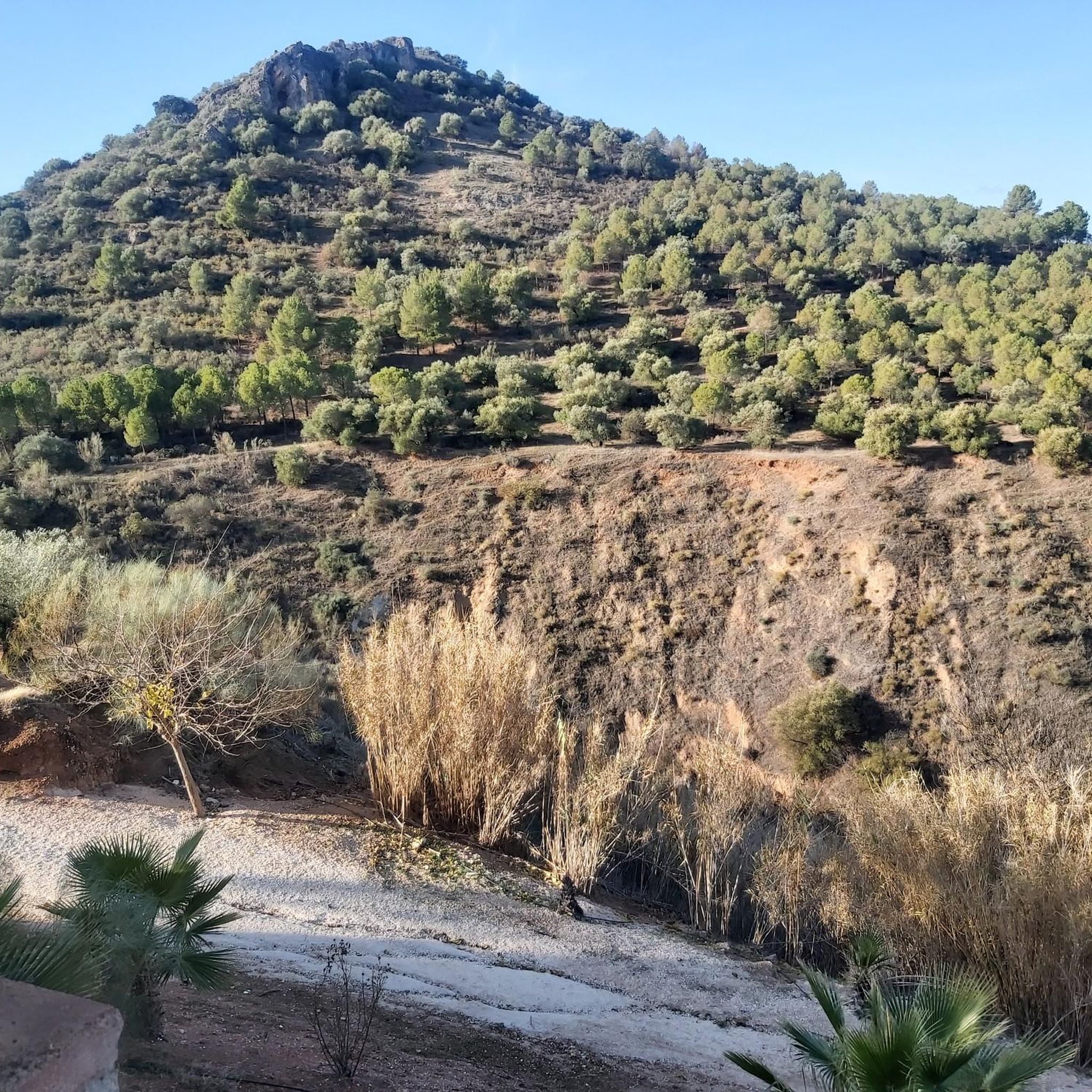
Hermitage that still contains the style of a Mozarabic-style cave church in which the amplitude of its façade stands out, making it one of the few monuments of these characteristics in Andalusia.
0
0

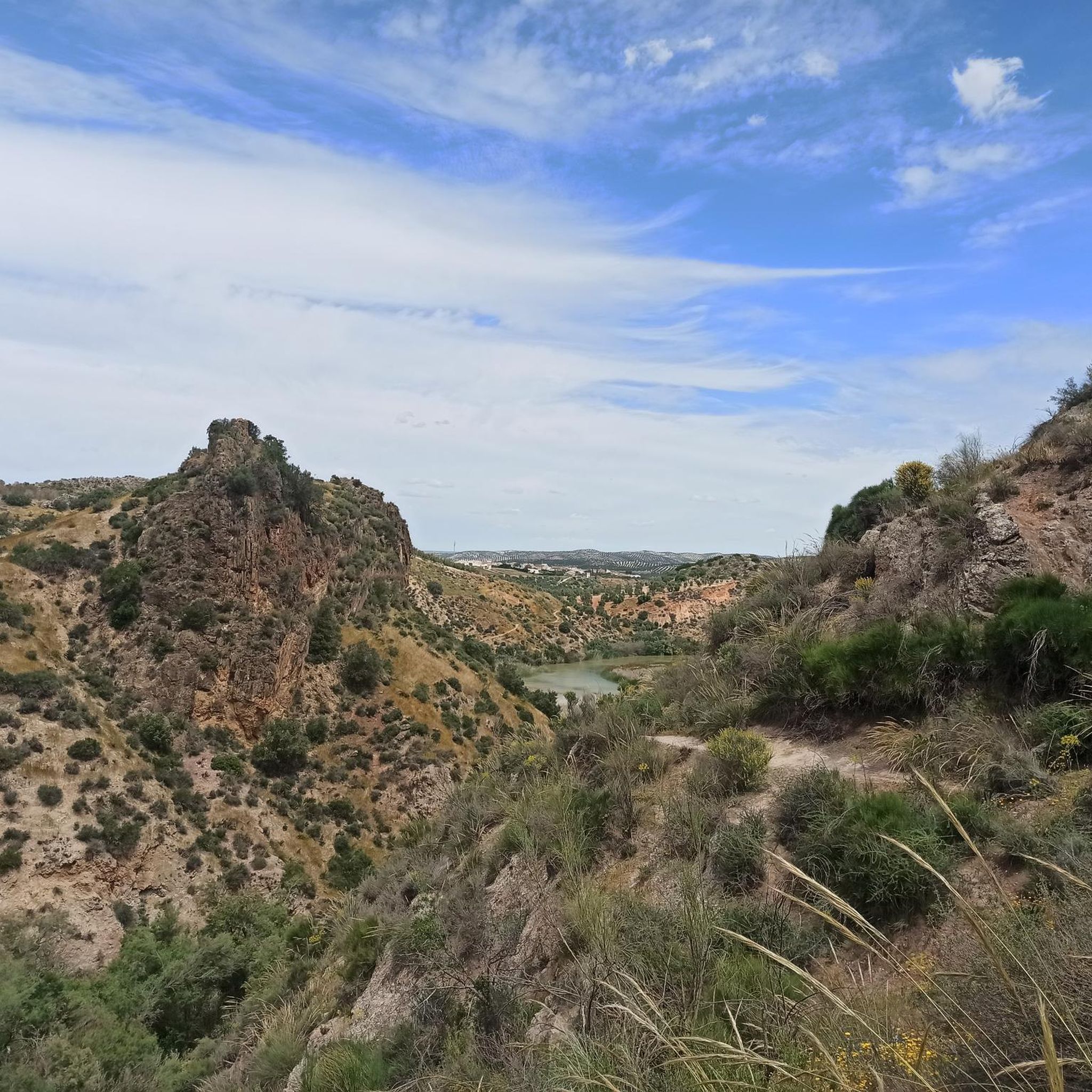
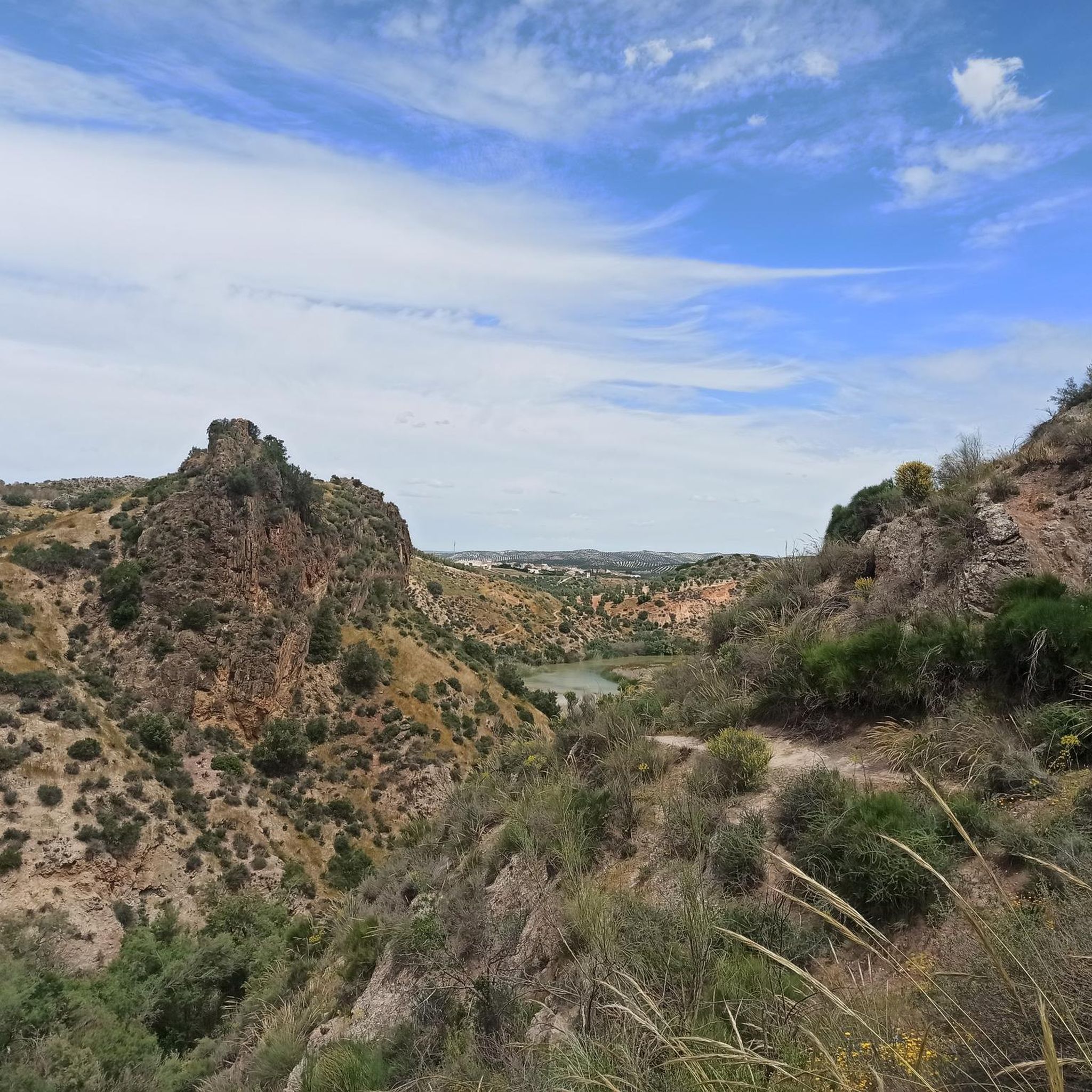
Outdoor adventure route, passing through the Hermitage of Nuestra Señora de la Fuensanta and the ruins of old mines.
1
0
It is located on the outskirts of the municipality and was built between 1544 and 1620. It is a Mozarabic-style cave church in which the breadth of its façade stands out, making it one of the few monuments of these characteristics in Andalusia. .
1
0
Frequently Asked Questions
What are the most significant natural monuments to visit near La Roda de Andalucía?
The most significant natural monument is the Fuente de Piedra Lagoon, which is the largest natural lagoon in Andalusia and a crucial wetland. It's renowned for hosting the largest colony of greater flamingos on the Iberian Peninsula. Other notable natural features include the Genil River Meander, one of the river's last sections before the Malpasillo Reservoir, and Arroyo del Pontón, a gorge with caves formed by water erosion.
When is the best time to see flamingos at Fuente de Piedra Lagoon?
The best time to observe the greater flamingos at the Fuente de Piedra Lagoon is during their nesting season, which typically occurs between March and June. The lagoon is also vibrant in spring and autumn when numerous migratory birds use the protected area as a resting spot.
Are there family-friendly natural monuments around La Roda de Andalucía?
Yes, several natural monuments are suitable for families. The Fuente de Piedra Lagoon and its Bird Observation Tower are excellent choices, offering well-maintained paths and opportunities for birdwatching. The Genil River Meander also provides a pleasant landscape for families to enjoy.
What kind of wildlife can I expect to see at Fuente de Piedra Lagoon?
The Fuente de Piedra Lagoon is a haven for birdlife. Besides the famous greater flamingos, you can expect to see nearly 200 other species of birds, as it serves as an important resting place for migratory birds. Birdwatching towers are available for undisturbed observation.
Are there hiking trails near the natural monuments?
Yes, there are several hiking opportunities. Designated trails run around the Fuente de Piedra Lagoon, leading to observation points. For more structured routes, you can explore running trails like the "Genil River Meander Trail" or the "Genil River Meander and Fuensanta Hermitage Trail." Find more details on these and other running routes in the Running Trails around La Roda De Andalucía guide.
Can I cycle around the natural monuments?
Absolutely. The Laguna de Fuente de Piedra is ideal for cycling, with well-maintained roads and paths leading through the picturesque landscape. You can find various cycling routes of differing difficulty levels, including MTB trails like the "Lagunas de Fuente de Piedra and La Ratosa Loop." Explore more options in the MTB Trails around La Roda De Andalucía guide or the Road Cycling Routes around La Roda De Andalucía guide.
What unique geological features can be found in the area?
The region offers diverse geological features. The Fuente de Piedra Lagoon is a shallow salt lagoon, a unique wetland ecosystem. Arroyo del Pontón is a gorge featuring caves formed by water drilling through rock, showcasing natural erosion processes.
Are there visitor facilities at Fuente de Piedra Lagoon?
Yes, the Laguna de Fuente de Piedra has a visitor center that provides information about the local flora and fauna. There are also birdwatching platforms and designated trails for visitors to explore the reserve.
What is special about the Genil River Meander?
The Genil River Meander is notable as one of the last natural bends of the Genil river before it flows into the Malpasillo Reservoir. It offers a beautiful, tranquil landscape, perfect for enjoying the natural surroundings.
Are there any historical or cultural sites near the natural monuments?
While primarily focused on natural beauty, the area does have some historical interest. The Hermitage of Our Lady of Fuensanta, located on the outskirts of the municipality, is a Mozarabic-style cave church built between 1544 and 1620, making it a unique historical monument in Andalusia.
What do visitors enjoy most about the natural monuments around La Roda de Andalucía?
Visitors particularly appreciate the diverse landscapes, from the vastness of the Fuente de Piedra Lagoon and its spectacular flamingo colonies to the serene beauty of the Genil River Meander. The opportunities for birdwatching, cycling, and walking in tranquil natural settings are highly valued by the komoot community.
Most popular routes around La Roda De Andalucía
Most popular attractions around La Roda De Andalucía

Get inspired with the komoot mobile app


Explore more
Extend your search for the best caves by checking out these guides of the top ones around La Roda De Andalucía:
