Top 7 Natural Monuments around Brión
Natural monuments around Brión, located in the province of A Coruña, Galicia, Spain, offer a blend of historical significance and natural landscapes. The area is characterized by lush greenery and river systems, providing diverse outdoor experiences. Brión is situated near Santiago de Compostela, making its natural attractions readily accessible. These sites often combine natural features with cultural landmarks.
Best natural monuments around Brión
- The most popular natural monuments is Carballeira de San Lourenzo, a forest that features a shadowy…
Last updated: August 11, 2026
Alameda Park (Santiago de Compostela)
Highlight • Parking
Translated by Google •
Tip by

Carballeira de San Lourenzo
Highlight • Forest
Translated by Google •
Tip by

Sign up now to discover places like this
Get recommendations on the best single tracks, peaks, & plenty of other exciting outdoor places.
Sign up for free
Artistic Botanical Garden of Padrón
Highlight • Natural
Translated by Google •
Tip by

Galicia Forest 🌳 Monte Gaiás, Santiago de Compostela
Highlight • Forest
Tip by
Chapel of Santiaguiño do Monte
Highlight • Religious Site
The site is characterized by the chapel and some rocks. The chapel dates back …
Translated by Google •
Tip by

Sign up for free to discover even more natural monuments around Brión.
Sign up for free
Already have an account?
Start today with a free account
Your next adventure awaits.
Login or Signup
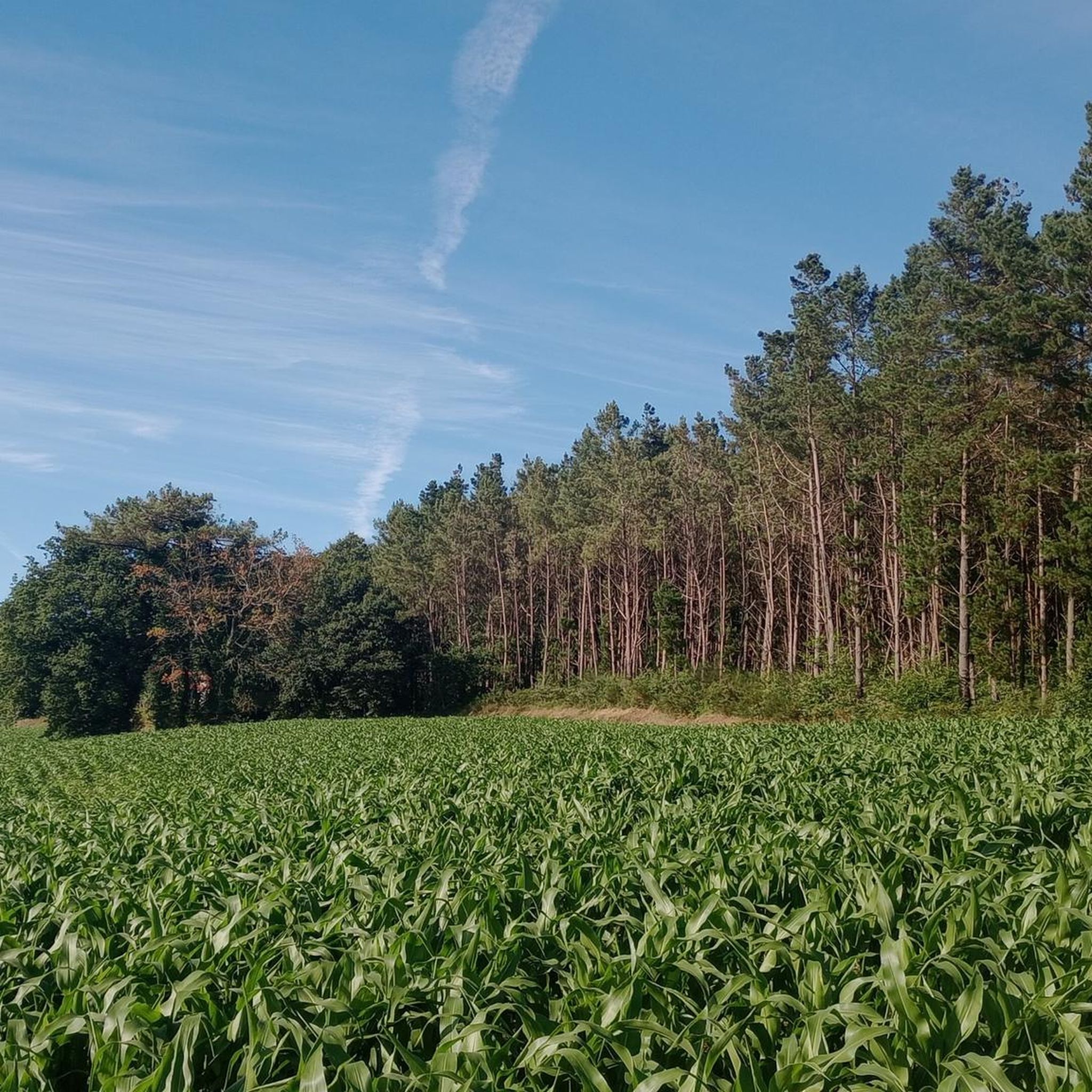
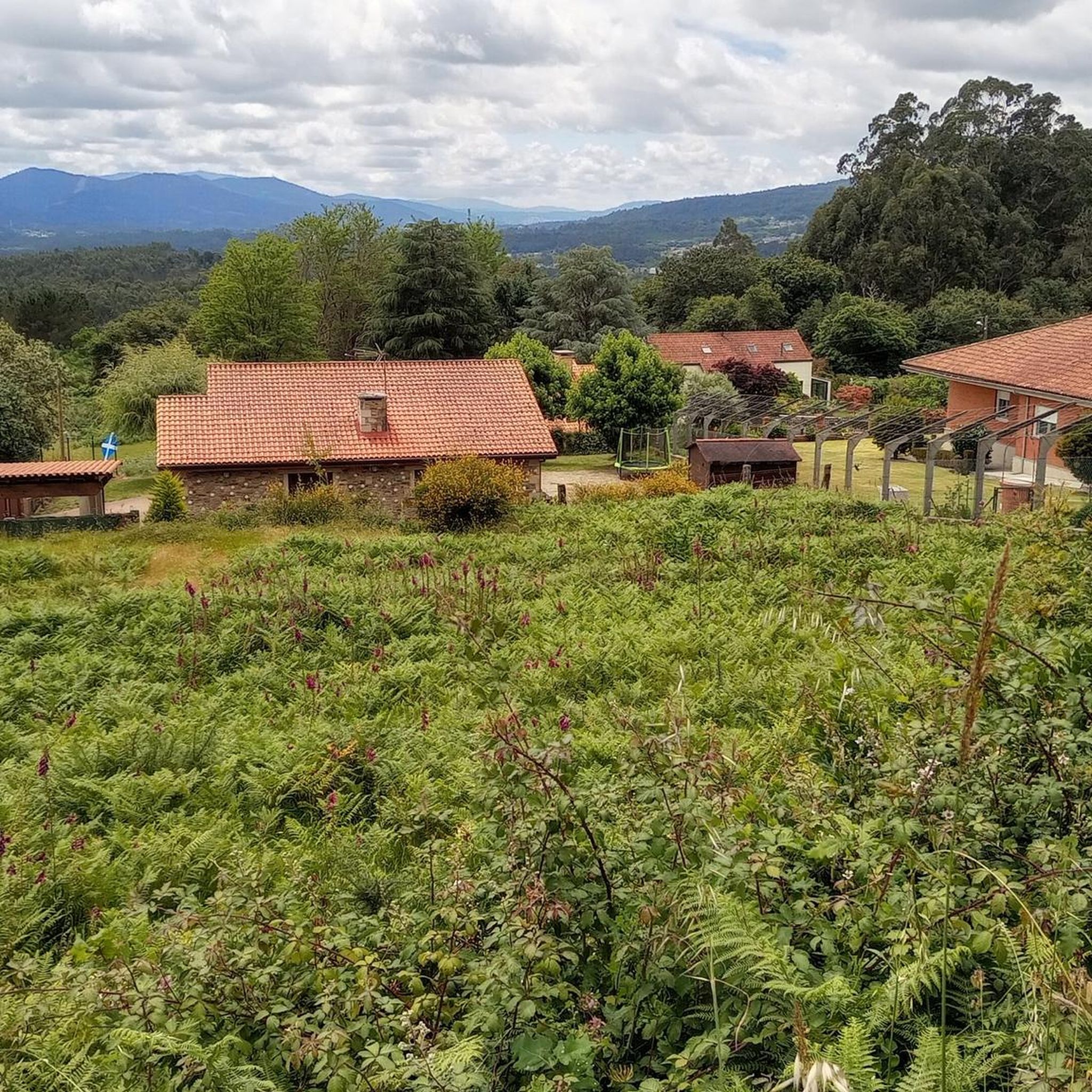
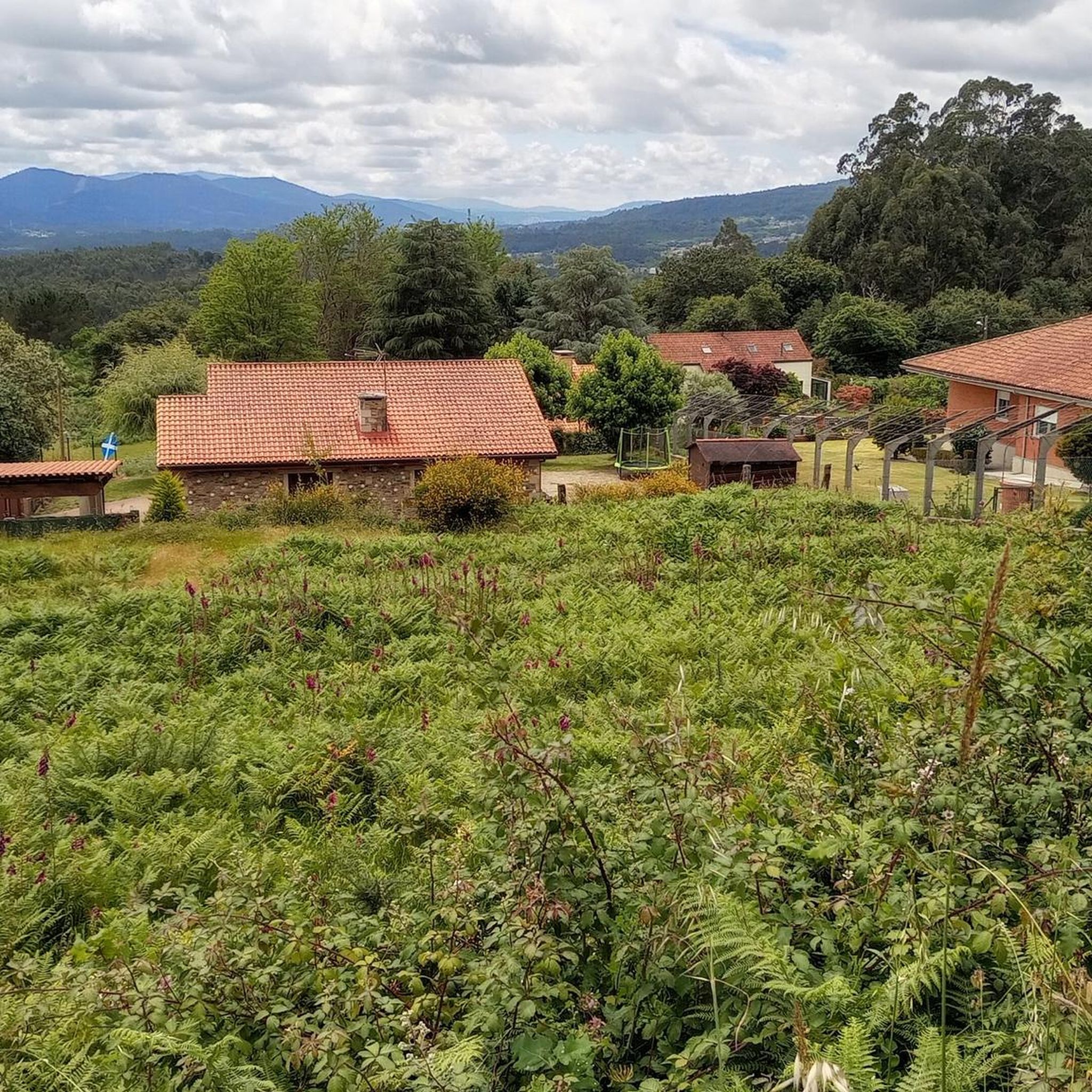
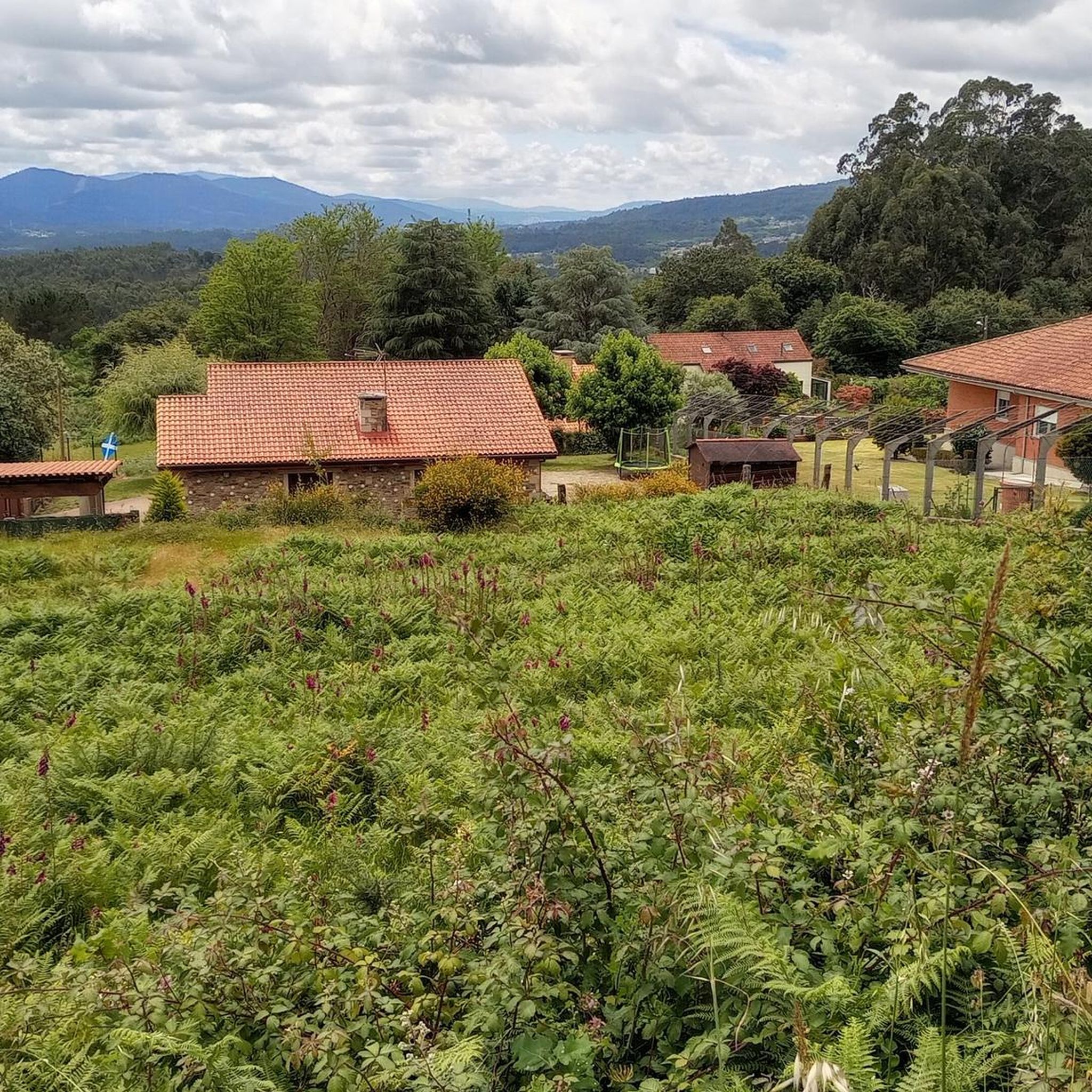

Tips from the Community

The trees in this park are impressive.
0
0

Historic pilgrimage site on the Way of St. James, which however goes unnoticed by many pilgrims. The site is characterized by the chapel and some rocks. The chapel dates back to the Middle Ages, but nothing is known about its origin. On July 25th it is the destination of an important pilgrimage.
4
0

The park is natural with a few old and new art projects
1
0

Alameda Park is located in the heart of Santiago de Compostela. The park was designed in the style of a country estate. More than 90 different plant species thrive here. The park also hosts exciting concerts and performances throughout the year. The park was originally created on land donated to the city by the Counts of Altamira in the 16th century. Over time, the area of the park has been expanded and now includes a total of three areas: the Alameda Park, the Ferradura Path and the Santa Susana Oak Forest.
6
0

At the beginning of the 12th century, the convent of San Lorenzo de Trasouto was founded in a shadowy oak grove on the banks of the Sarela River. Outside this building, which over time became a palace - 'pazo' in Galician - and is currently a distinguished restaurant for celebrations, there is still a leafy grove of centuries-old oaks. The oak being the most typical tree in Galicia - linked in many cases to mythical and legendary tradition -, the 'carballeiras', the name by which the oak forest areas are known in Galicia, have always been spaces for meeting, pilgrimage, party and celebration; quasi-sacred, shady, magical spaces... Hidden among the trees there is a fountain and two 'cruceiros', large stone crosses that marked the paths and are a hallmark of Galicia.
3
0

The Padrón Artistic Botanical Garden, dating from 1896, is considered the first botanical garden in Spain. Covering approximately 1 hectare, the garden is home to approximately 300 species
1
0

Padrón Artistic Botanical Garden, dating from 1896, is considered the first botanical garden in Spain. Covering approximately 1 hectare, the garden is home to approximately 300 species
0
0
Frequently Asked Questions
What types of natural monuments can I explore near Brión?
Near Brión, you can discover a variety of natural monuments, including ancient oak groves, serene river landscapes, historical botanical gardens, and sites where natural formations blend with religious or medieval structures. These areas often offer a mix of natural beauty and cultural heritage.
Are there any natural monuments with historical significance near Brión?
Yes, several natural monuments near Brión are rich in history. A prominent example is A Ponte Maceira and the Tambre River, featuring a medieval bridge with Roman foundations and traditional watermills. Another is Carballeira de San Lourenzo, an ancient oak grove associated with a 12th-century convent. The Chapel of Santiaguiño do Monte is also a historic pilgrimage site set among natural rock formations.
Which natural monuments near Brión are suitable for families?
Many natural monuments around Brión are family-friendly. The Carballeira de San Lourenzo offers a shady oak grove perfect for walks. The Alameda provides a cozy natural environment with great views. The Artistic Botanical Garden of Padrón is also a lovely spot for all ages to explore. A Ponte Maceira, with its medieval bridge and river, is also ideal for family walks.
What natural features can I expect to see at these monuments?
You can expect to see diverse natural features such as centuries-old oak trees, lush forests, rivers with waterfalls (like the Tambre River at A Ponte Maceira), and various plant species within botanical gardens. Some sites also feature natural rock formations.
What is the best time of year to visit the natural monuments around Brión?
The natural monuments around Brión are beautiful year-round. Spring and autumn offer pleasant temperatures and vibrant foliage, while summer is ideal for enjoying outdoor activities. Even in winter, the ancient oak groves and historical sites retain their charm, especially on clear days.
Are there any natural monuments near Brión that offer scenic viewpoints?
Yes, the Alameda in Santiago de Compostela is known for its privileged location, offering beautiful views of the historic city, especially the western facade of the cathedral, and Mount Pedroso.
What outdoor activities can I do near the natural monuments around Brión?
The region around Brión offers various outdoor activities. You can find numerous hiking trails, such as the 'Route of the Three Manors' or the 'Pozo Negro Waterfall loop'. For cycling enthusiasts, there are MTB trails like the 'Currunchos Forest Trail' and touring bicycle routes like the 'Padrón – Fuente del Carmen loop'. You can explore more options on the Hiking around Brión, MTB Trails around Brión, and Cycling around Brión guide pages.
Are there any botanical gardens to visit near Brión?
Yes, the Artistic Botanical Garden of Padrón is a notable site. Established in 1896, it is considered the first botanical garden in Spain and houses approximately 300 species across one hectare.
What do visitors enjoy most about the natural monuments in this region?
Visitors particularly appreciate the blend of history and nature. The ancient oak groves, like Carballeira de San Lourenzo, are loved for their shady, magical atmosphere and centuries-old trees. The historical significance of sites like A Ponte Maceira and the tranquil river settings also receive high praise.
Is A Ponte Maceira considered a natural monument near Brión?
Yes, A Ponte Maceira, with its medieval bridge, traditional watermills, and the 'noisy waterfall' on the Tambre River, is a prominent natural monument in the vicinity of Brión. It offers a captivating blend of history and natural beauty, making it a popular stop on the Camino de Finisterre.
Are the natural monuments around Brión generally accessible by public transport?
While Brión is close to Santiago de Compostela, and A Ponte Maceira is readily accessible from Santiago, direct public transport options to all individual natural monuments might be limited. It's often recommended to check local bus routes or consider driving for more flexibility to reach specific sites.
Can I find places to eat or drink near these natural monuments?
Yes, especially near more prominent sites. For instance, A Ponte Maceira is a village with amenities. The former convent at Carballeira de San Lourenzo is now a distinguished restaurant. In Santiago de Compostela, near the Alameda, you'll find numerous cafes and restaurants.
Most popular attractions around Brión

Get inspired with the komoot mobile app


Explore more
Extend your search for the best caves by checking out these guides of the top ones around Brión:
