Top 6 Natural Monuments around Fresneña
Best natural monuments around Fresneña are situated in the province of Burgos, within the Castile and Leon region of Spain. This area is characterized by its diverse natural landscape, including mountain ranges and river valleys. The region offers a variety of natural features, from dramatic rock formations to elevated viewpoints. These natural monuments provide opportunities for exploring the local geology and scenery.
Best natural monuments around Fresneña
- The most popular natural monuments is Rock formations on the banks of the…
Last updated: May 20, 2026
Rock formations on the banks of the Tirón River
Highlight • Natural Monument
Translated by Google •
Tip by

Cruz De Guirnaldo
Highlight • Summit
Translated by Google •
Tip by

Sign up now to discover places like this
Get recommendations on the best single tracks, peaks, & plenty of other exciting outdoor places.
Sign up for free
Church of Our Lady of the Three Springs
Highlight • Religious Site
Translated by Google •
Tip by

Shaded Tree Near Masoga (1345 m)
Highlight • Natural Monument
Translated by Google •
Tip by

Majada De Los Ciervos
Highlight • Summit
Translated by Google •
Tip by
Sign up for free to discover even more natural monuments around Fresneña.
Sign up for free
Already have an account?
Start today with a free account
Your next adventure awaits.
Login or Signup
Tips from the Community

Nice area for hiking and mountain biking trails in La Demanda
0
0

Here you can admire a fantastic rock formation.
3
0

Romanesque church dating back to the 12th century on the outskirts of Valgañón, a town in the Sierra de la Demanda near Ezcaray. A great stop to get water on the way up to the top of Pradilla.
0
0

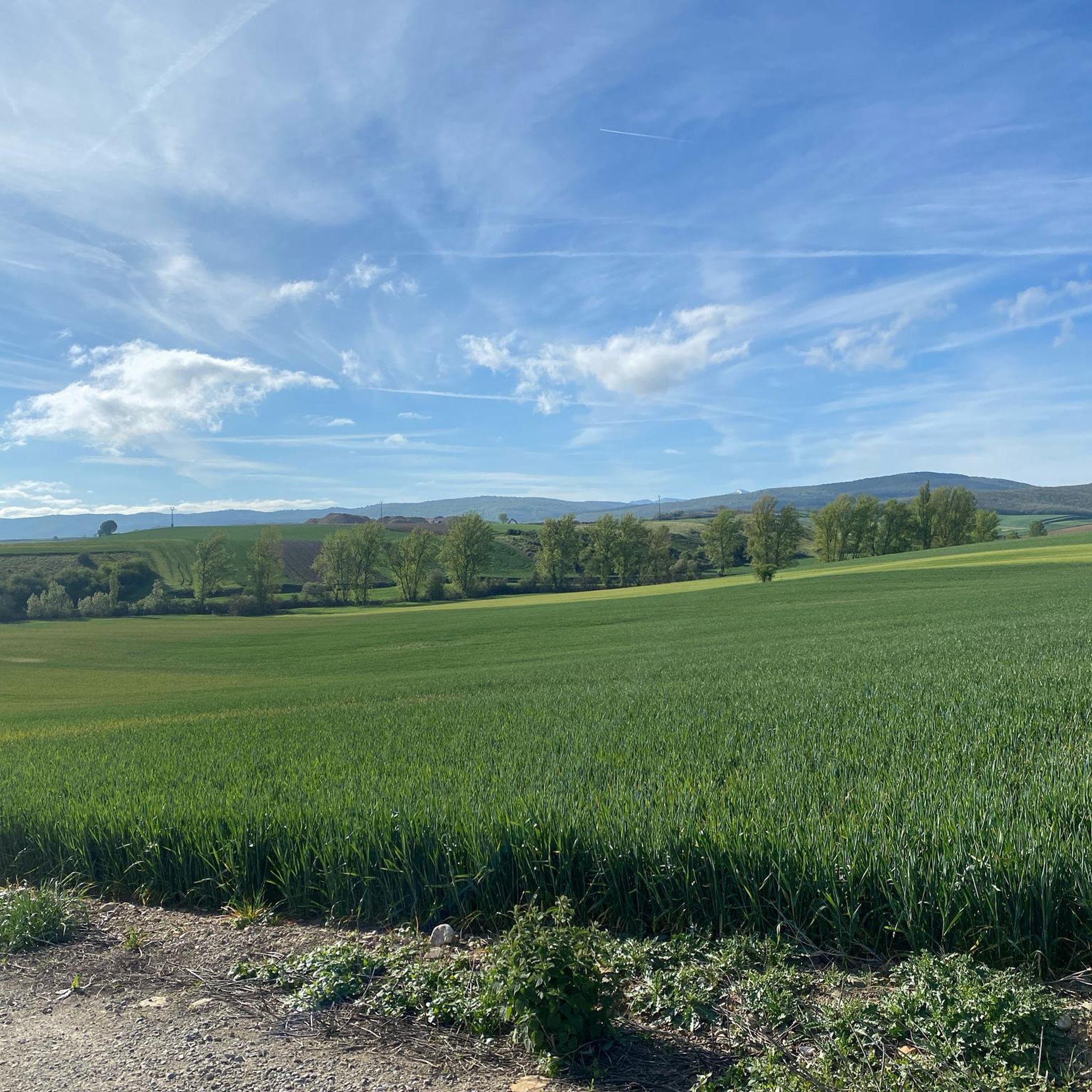
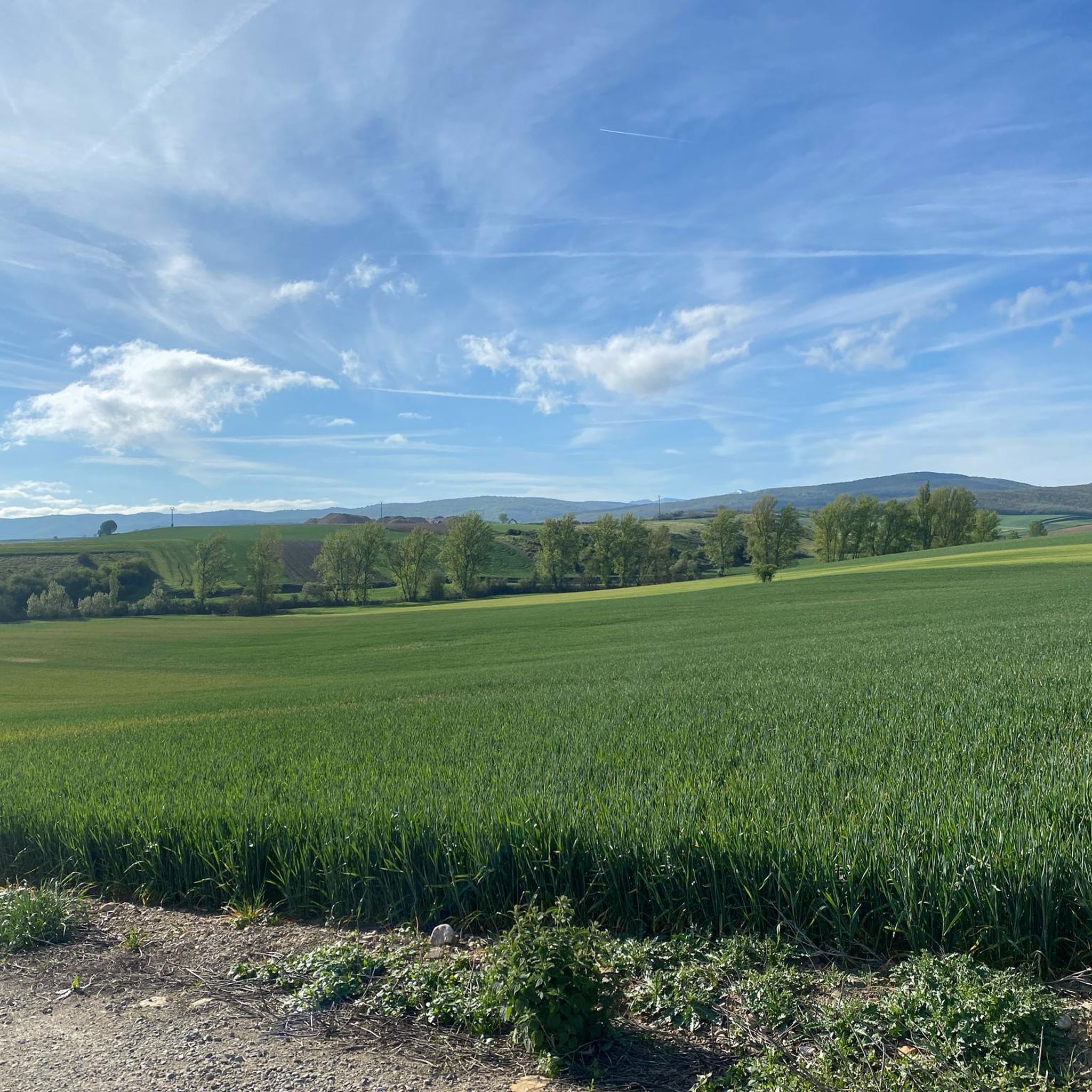
An impressive panorama is offered here, where the mountain range ends the wide view over the fields in the plain and closes off the horizon.
7
0

Several crossroads, several mailboxes, crossroads of tracks... and more than 1400 meters high.
5
0
Interesting summit with good views. The height of the monolith that symbolizes the top is curious.
6
0
Interesting place, confluence of several tracks. It also has several crosses and mailboxes, and is just over 1,400 meters long.
4
0
Good views and nice fall colors
5
0
Frequently Asked Questions
What are some of the most significant natural monuments to explore near Fresneña?
Beyond the immediate vicinity of Fresneña, the wider Burgos province offers truly remarkable natural monuments. These include the Monte Santiago Natural Monument, famous for the spectacular Salto del Nervión, Spain's highest waterfall, and its expansive beech forests. Another significant site is the Ojo Guareña Natural Monument, one of the world's largest karst complexes, featuring vast cave systems with archaeological importance.
Are there natural monuments near Fresneña that are suitable for families?
Yes, the area offers options for families. For instance, the Rock formations on the banks of the Tirón River are categorized as family-friendly, offering interesting geological features along the river. When planning, always check specific accessibility details for each location.
What kind of natural features can I expect to see at these monuments?
You can expect a diverse range of natural features. Near Fresneña, you'll find dramatic rock formations along riverbanks, elevated summits like Cruz De Guirnaldo offering panoramic views, and serene viewpoints such as the Shaded Tree Near Masoga (1345 m). Further afield, Monte Santiago boasts Spain's highest waterfall and lush beech forests, while Ojo Guareña features extensive underground cave systems.
Are there opportunities for hiking or other outdoor activities near these natural monuments?
Absolutely. The region around Fresneña is excellent for outdoor activities. You can find various hiking trails, including moderate options like the Fuente de los Lobos Trail or the Belorado Castle and Camino Francés Trail. For those interested in running, there are running routes, and road cycling enthusiasts can explore road cycling routes such as the Alto de la Pradilla Loop.
What is the best time of year to visit the natural monuments around Fresneña?
The best time to visit largely depends on the specific monument and your preferred activity. For Monte Santiago, spring offers the most impressive views of the Salto del Nervión waterfall, while autumn showcases vibrant beech forest colors. For cave systems like Ojo Guareña, conditions are more consistent year-round. Generally, spring and autumn provide pleasant temperatures for hiking and exploring the outdoor natural monuments near Fresneña.
Can I find historical or cultural sites alongside natural monuments in the area?
Yes, the region blends natural beauty with historical significance. The Ojo Guareña Natural Monument is not only a geological wonder but also a crucial archaeological site, featuring cave paintings, ancient tools, and the unique San Bernabé Hermitage and Cave with its rock carvings. Additionally, the Church of Our Lady of the Three Springs, a 13th-century Romanesque church, is also designated as a natural monument due to its unique setting and the springs flowing from an important aquifer.
What kind of wildlife can be observed at the natural monuments?
The natural monuments in the wider Burgos area are rich in biodiversity. At Monte Santiago Natural Monument, you might spot griffon vultures, golden eagles, peregrine falcons, and Egyptian vultures soaring above. Terrestrial animals like wolves, roe deer, wild boars, and otters also inhabit the area. The Ojo Guareña Natural Monument is a unique refuge for 190 cave-dwelling species, many of which are endemic, making it a significant biodiversity hotspot for rare invertebrates.
Are there any challenging trails or summits for experienced hikers?
Yes, for experienced hikers, summits like Cruz De Guirnaldo and Majada De Los Ciervos offer more challenging ascents with rewarding views. The nearby hiking guides also list difficult routes, such as the La Picota and Sampol Loop, which covers over 21 km. Always check the difficulty ratings and prepare accordingly for longer or more strenuous routes.
What do visitors particularly enjoy about the natural monuments around Fresneña?
Visitors frequently appreciate the impressive panoramas and interesting geological formations. For example, the Rock formations on the banks of the Tirón River are noted for their unique appearance. Summits like Cruz De Guirnaldo are valued as interesting crossroads of tracks with good views. The Shaded Tree Near Masoga (1345 m) is praised for providing a welcome shaded rest spot with nice views after an effort.
Is parking available at the natural monuments?
While specific parking details for every natural monument near Fresneña are not always listed, popular sites like Monte Santiago and Ojo Guareña typically have designated parking areas for visitors. For smaller, more remote natural monuments, parking might be limited to roadside pull-offs or nearby village parking. It's advisable to research specific parking options for your chosen destination before your visit.
How long should I plan for a visit to these natural monuments?
The duration of your visit will vary greatly depending on the monument. A quick stop at a viewpoint like Shaded Tree Near Masoga (1345 m) might only take 30 minutes. Exploring a summit like Cruz De Guirnaldo could take a few hours, especially if combined with a hike. For extensive sites like Monte Santiago or Ojo Guareña, you could easily spend half a day or even a full day to fully appreciate their features, especially if you plan to hike or take a guided cave tour.
Most popular attractions around Fresneña

Get inspired with the komoot mobile app


Explore more
Extend your search for the best caves by checking out these guides of the top ones around Fresneña:
