Top 20 Natural Monuments around Navarcles
Best natural monuments around Navarcles are characterized by significant aquatic features, including the Llac de Navarcles and a network of rivers and natural springs. The area's landscape features a mix of riverine environments, gorges, and elevated viewpoints. These natural elements contribute to a diverse outdoor experience. The region offers opportunities to explore both geological formations and unique flora.
Best natural monuments around Navarcles
- The most popular natural monuments is Collbaix Summit, a summit that is the highest peak in…
Last updated: July 1, 2026
Puig de la Balma
Highlight • Historical Site
Translated by Google •
Tip by

The Holm Oak of the Wind
Highlight • Natural Monument
Translated by Google •
Tip by

Sign up now to discover places like this
Get recommendations on the best single tracks, peaks, & plenty of other exciting outdoor places.
Sign up for free
The Blood Hospital
Highlight • Cave
Translated by Google •
Tip by

Collbaix Summit
Highlight • Summit
Translated by Google •
Tip by

Talamanca Fountain and Boxelder (Acer negundo)
Highlight • Natural Monument
Translated by Google •
Tip by

Sign up for free to discover even more natural monuments around Navarcles.
Sign up for free
Already have an account?
Start today with a free account
Your next adventure awaits.
Login or Signup

Other adventures around Navarcles

Tips from the Community

Fountain built in 1683, which was one of the main meeting points of the village, where its inhabitants went to wash their clothes and fetch water until the 70s. The boys of the village came to this fountain, morning and afternoon , to look for water to see from the houses, and it was at this moment that battles were often fought between the boys from the upper part of town and those from the Raval. Where the fountain is now, there was the cattle trough, and next to it were the washrooms. We highlight the presence of a specimen of maple, a tree planted during a tree festival at the beginning of the 20th century. Next to the source, coming out of a crack we will observe the red falzia, a small fern and also some liverwort plants.
0
0

Collbaix is a 543 meter peak, located in Sant Joan de Vilatorrada. It is the highest in the district of Manresa, to the west of Pla de Bages, which has an excellent observation point. It is listed as a large park by the Planning Plan of Manresa. The mountain is located between the streams of Rajadell and Fonollosa. The south side belongs to Manresa, the east to Sant Joan de Vilatorrada, where the town's expansion area is located. Rajadell has the area of Punta Sabata and Fonollosa with most of the summit, the west and the obac slope. Collbaix originated from the erosion of the surrounding land. A resistant layer of conglomerates protects the flat top from erosion, forming a plateau. The summit is made up of large blocks of stone separated from each other. At the top we can find a geodesic vertex (reference 280109001) A metal table with an engraved map of the region. This peak is included in the list of the 100 peaks of the FEEC.
1
0

Balma where a hostel and restaurant have been built with brutal charm
2
0

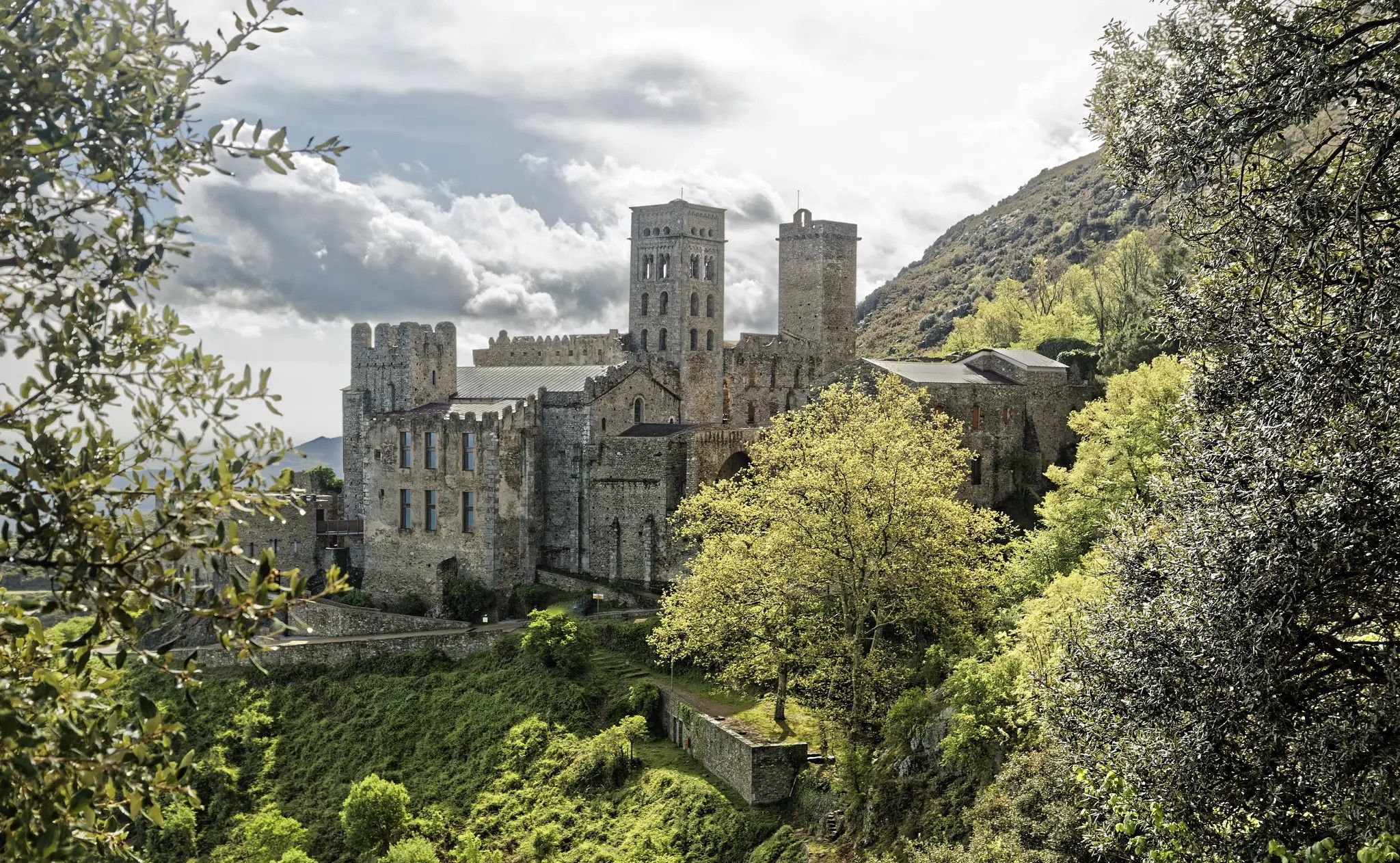
Building located in the municipality of Mura (Bages) included in the Inventory of the Architectural Heritage of Catalonia. The walls of this farmhouse are headed and hung on the steep landings of a cliff, taking advantage of the natural cornices. The oldest part could be considered from the pre-Romanesque period, but additions have been made over the centuries. The house is quite irregular in every way: in height, width and depth
0
0

The Font de Talamanca was built in 1683 and remodeled in 1707. Until 1968 it was the place where the residents of the municipality went to get water for daily consumption and it had a communal laundry room that was used to wash clothes, which turned the fountain into one of the main meeting points in the municipality. It is a space surrounded by nature, next to the town and, right next to a centenary tree that has been declared a Cultural Asset of Local Interest. It is a negundo steel, an American species, which in the years it was planted, at the beginning of the 20th century, was very rare to find outside its original habitat.
2
0
The Puig de la Balma is a “Historical-Cultural Complex of Agrotourism”. This conglomerate of buildings (which has been growing since the original 12th century building completely built on the rock), has become an important testimony to Catalan rural life and to the different episodes in the country's history. Various chroniclers and documentary filmmakers have been interested in its heritage interest, as well as several filmmakers who have shot scenes from historical films such as "Bruc" or "Pa negre". There is a small museum with endless agricultural tools and household items and it seems that time has not passed. Visitors also have various lodging possibilities.
1
0
This monumental hundred-year-old holm oak is known as the pretty holm oak or the holm oak of the wind. It has a height of 12 meters and a trunk diameter of almost 3 meters. The place transmits a lot of peace and being under the shade of the tree for a few minutes recharges your batteries.
1
0
The Negudo Steel is a tree of American origin very difficult to find here.
4
0
Frequently Asked Questions
What unique natural features can I explore around Navarcles?
Navarcles is rich in aquatic natural features, including the artificial but ecologically vital Llac de Navarcles, a network of rivers like the Calders and Llobregat, and numerous natural springs. The landscape also features riverine environments, gorges, and elevated viewpoints. You can observe diverse flora and fauna, especially around the lake.
Are there any historical natural monuments to visit near Navarcles?
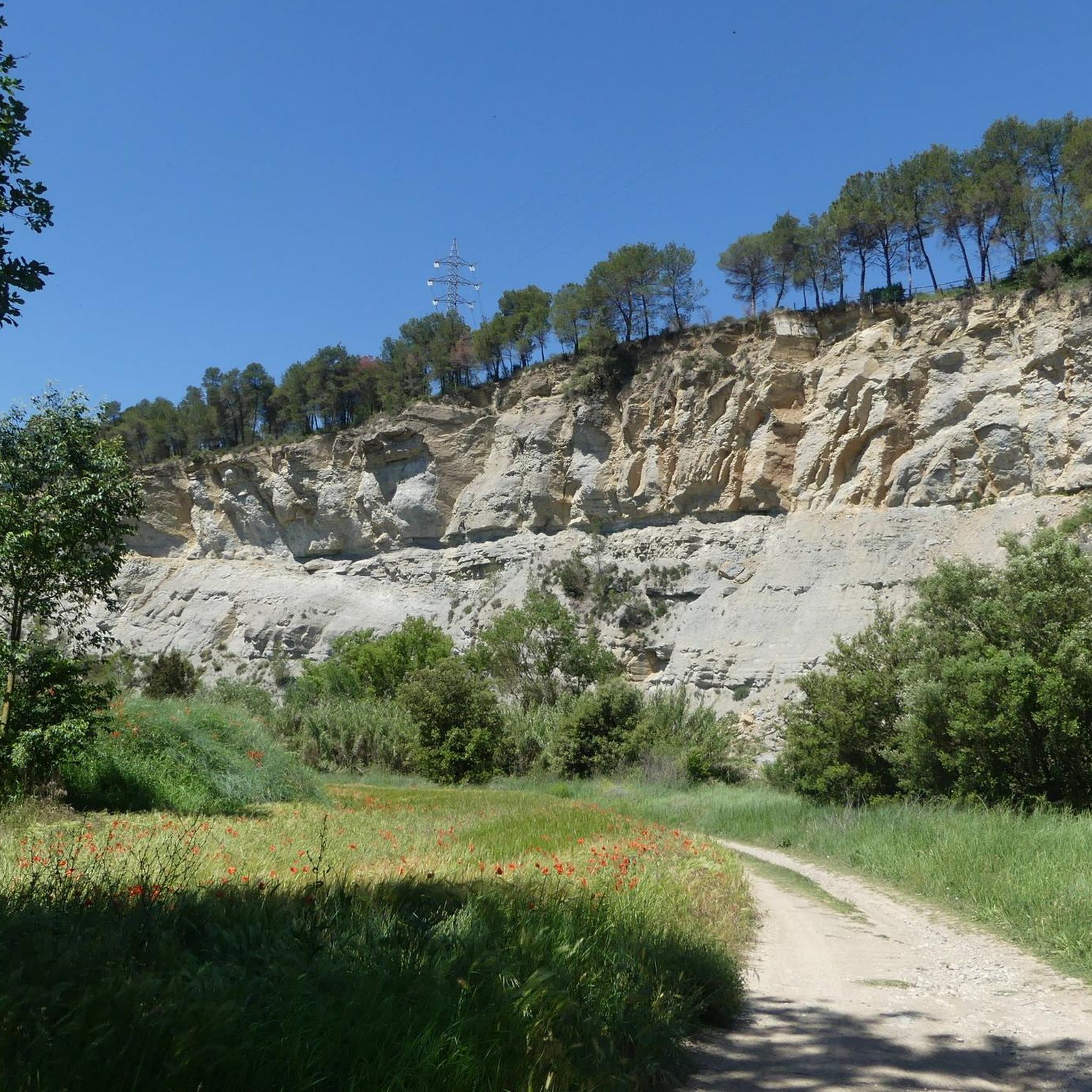
Yes, Puig de la Balma is a significant historical site and natural monument. It features a conglomerate of buildings built into a cliff, offering a unique insight into Catalan rural life and history. Another interesting site is The Blood Hospital, a large triangular ravine used as a hospital during the Carlist wars, strategically hidden with preserved masonry walls.
What are some family-friendly natural monuments or areas in Navarcles?
The Llac de Navarcles and its surrounding Parc del Llac are ideal for families. The park offers a children's play area, picnic spots, and gentle paths for walking or cycling. The lake itself is great for observing ducks and herons. Additionally, The Holm Oak of the Wind is a monumental tree that provides a peaceful, shaded spot for families to relax and enjoy nature.
Where can I find the best viewpoints to appreciate the natural landscape?
For an excellent observation point, visit Collbaix Summit. It is the highest peak in the district of Manresa and offers panoramic views of the surrounding area. The summit is formed by a resistant layer of conglomerates, creating a flat top perfect for taking in the scenery.
What kind of outdoor activities can I do near the natural monuments?
The area around Navarcles offers a variety of outdoor activities. Near the Llac de Navarcles, you can enjoy walking, cycling, fishing, rafting, canoeing, kayaking, and even introductory climbing on equipped rock faces. For more extensive routes, you can explore gravel biking, road cycling, and running trails. For gravel biking, consider routes like the 'View of Montserrat loop from Navarcles' or 'Corbatera Riverside Area – Parque de l'Agulla loop from la Botjosa'. You can find more details on these activities in the Gravel biking around Navarcles, Road Cycling Routes around Navarcles, and Running Trails around Navarcles guides.
Are there specific hiking or running trails near these natural monuments?
Yes, there are several trails suitable for hiking and running. The Parc del Llac offers marked trails for walking and mountain biking. For dedicated running, you can find routes like the 'Cap de la Serra loop from Navarcles' or the 'Cabrianes Bridge loop from Navarcles'. These and other options are detailed in the Running Trails around Navarcles guide.
What is the significance of the Llac de Navarcles?
The Llac de Navarcles, though artificial, is a vital aquatic ecosystem and a central hub for outdoor activities and relaxation in the Bages region. It's the second-largest aquatic area in the region and provides an ideal habitat for fish, ducks, and herons. Its diverse shores offer both leisure areas with playgrounds and picnic spots, and natural rocky cliffs.
Can I find any unique trees or botanical natural monuments?
Absolutely. The Holm Oak of the Wind is a monumental hundred-year-old holm oak, known for its impressive height of about 12 meters and a trunk with a large 2.8-meter perimeter, featuring numerous thick branches. Another notable tree is the Boxelder (Acer negundo) next to the Talamanca Fountain, a rare American species declared a Cultural Asset of Local Interest.
What is the best time of year to visit the natural monuments around Navarcles?
Given the focus on outdoor activities like walking, cycling, and exploring riverine landscapes, spring and autumn generally offer the most pleasant weather for visiting the natural monuments around Navarcles. Temperatures are milder, and the natural scenery is vibrant. Summer can be enjoyable for water-based activities at the lake, but it can also be quite warm.
Are there any hidden natural gems or less-known spots worth discovering?
Beyond the main lake, the municipality is rich in natural springs, particularly around the Riera de Merdaenllà. Notable examples include Font de Santa Margarida, Font Vella, Font de la Mina, Font Nova, and the Pous de Solervicenç. These springs offer tranquil points of interest for hikers and contribute to the area's natural beauty, often found along pleasant walks.
What kind of wildlife can I expect to see around Navarcles' natural monuments?
The Llac de Navarcles is an ideal aquatic biotope, especially for fish, and a good spot for observing local nature, including ducks and herons. The riverbanks of the Calders and Llobregat also offer opportunities to observe various wildlife, particularly birds and aquatic species, in their natural habitats.
What is the historical significance of the Talamanca Fountain?
The Talamanca Fountain, built in 1683 and remodeled in 1707, was a crucial meeting point for the residents of Talamanca until 1968. It was where people fetched water for daily consumption and used a communal laundry room to wash clothes, making it a central hub for community life and social interaction.
Most popular routes around Navarcles
Most popular attractions around Navarcles

Get inspired with the komoot mobile app


Explore more
Extend your search for the best caves by checking out these guides of the top ones around Navarcles:
