Top 5 Natural Monuments around Riba De Saelices
Best natural monuments around Riba De Saelices are found in the province of Guadalajara, Spain, within the Alto Tajo Natural Park. The region features a diverse landscape shaped by limestone and sandstone formations, traversed by rivers like the Linares and Tajuña. This area is known for its geological features, including canyons and gorges, and holds cultural significance with sites like the Cueva de los Casares. The high altitude contributes to a unique environment for various natural attractions.
Best natural monuments…
Last updated: July 1, 2026
Tajuña River Gorges
Highlight (Segment) • Canyon
Translated by Google •
Tip by

Cueva de los Casares
Highlight • Cave
Translated by Google •
Tip by

Sign up now to discover places like this
Get recommendations on the best single tracks, peaks, & plenty of other exciting outdoor places.
Sign up for free
Tagüenza Bridge
Highlight • Bridge
Translated by Google •
Tip by
Valley of Miracles
Highlight (Segment) • Gorge
Translated by Google •
Tip by
Recuevano Spring
Highlight • Natural Monument
Translated by Google •
Tip by

Start today with a free account
Your next adventure awaits.
Login or Signup
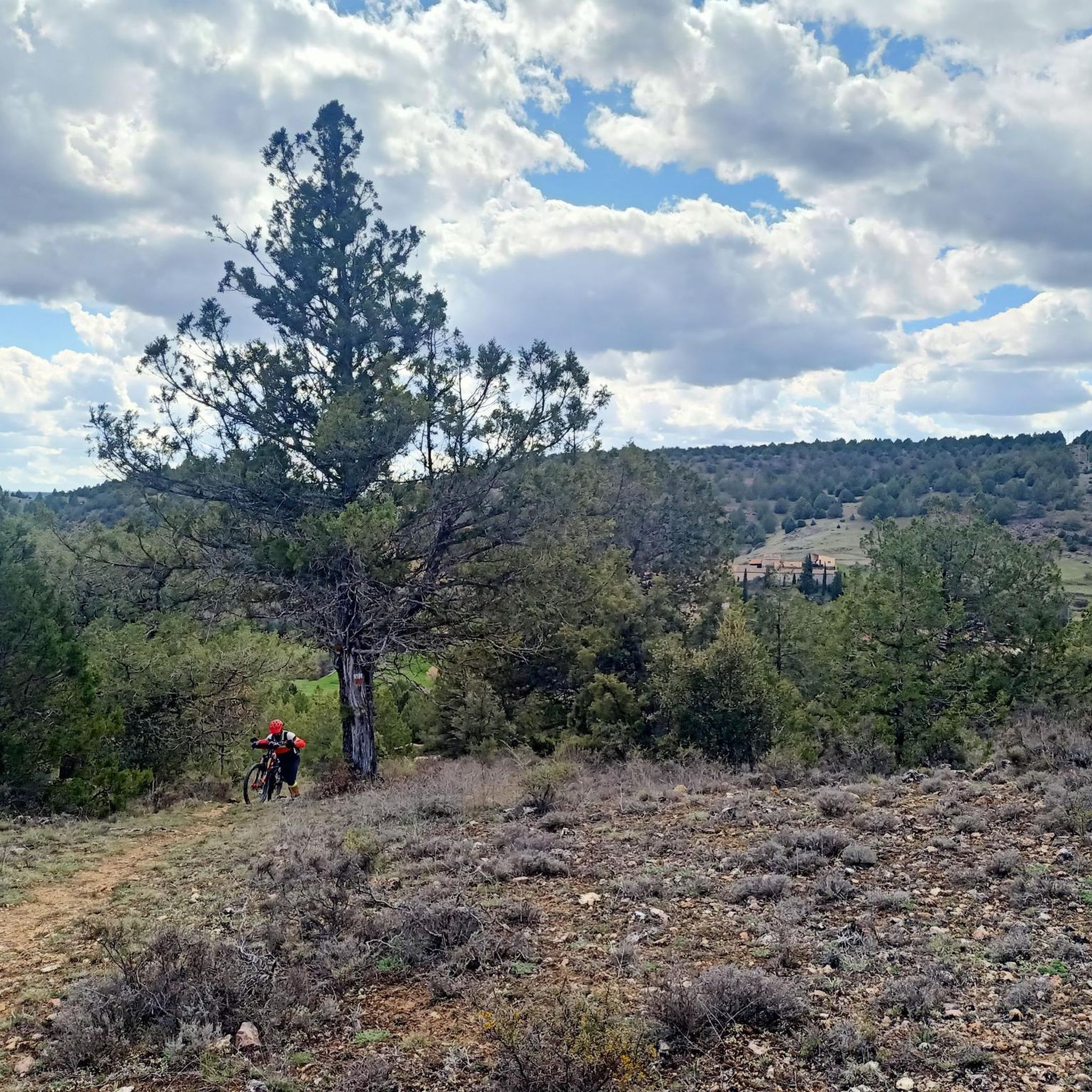

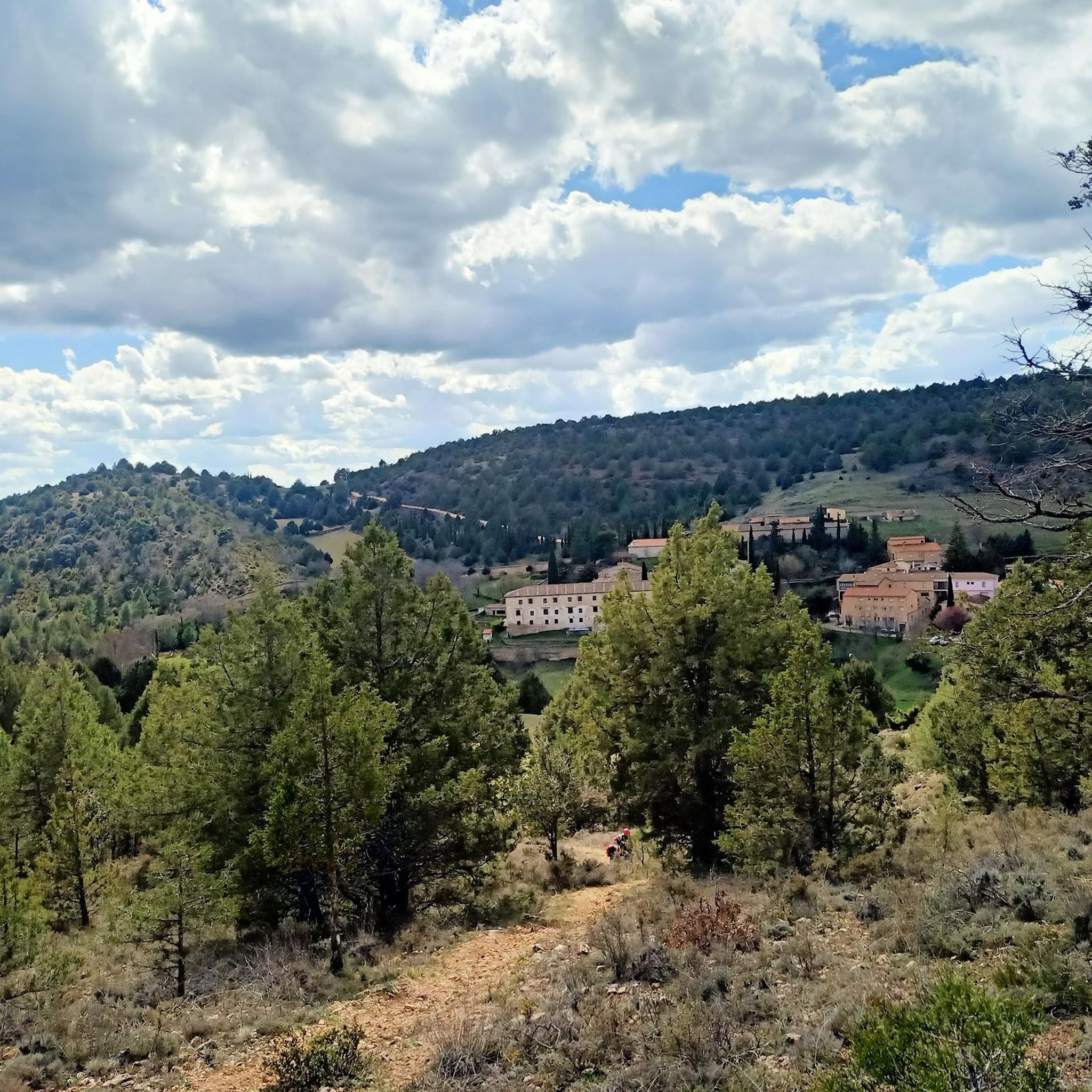
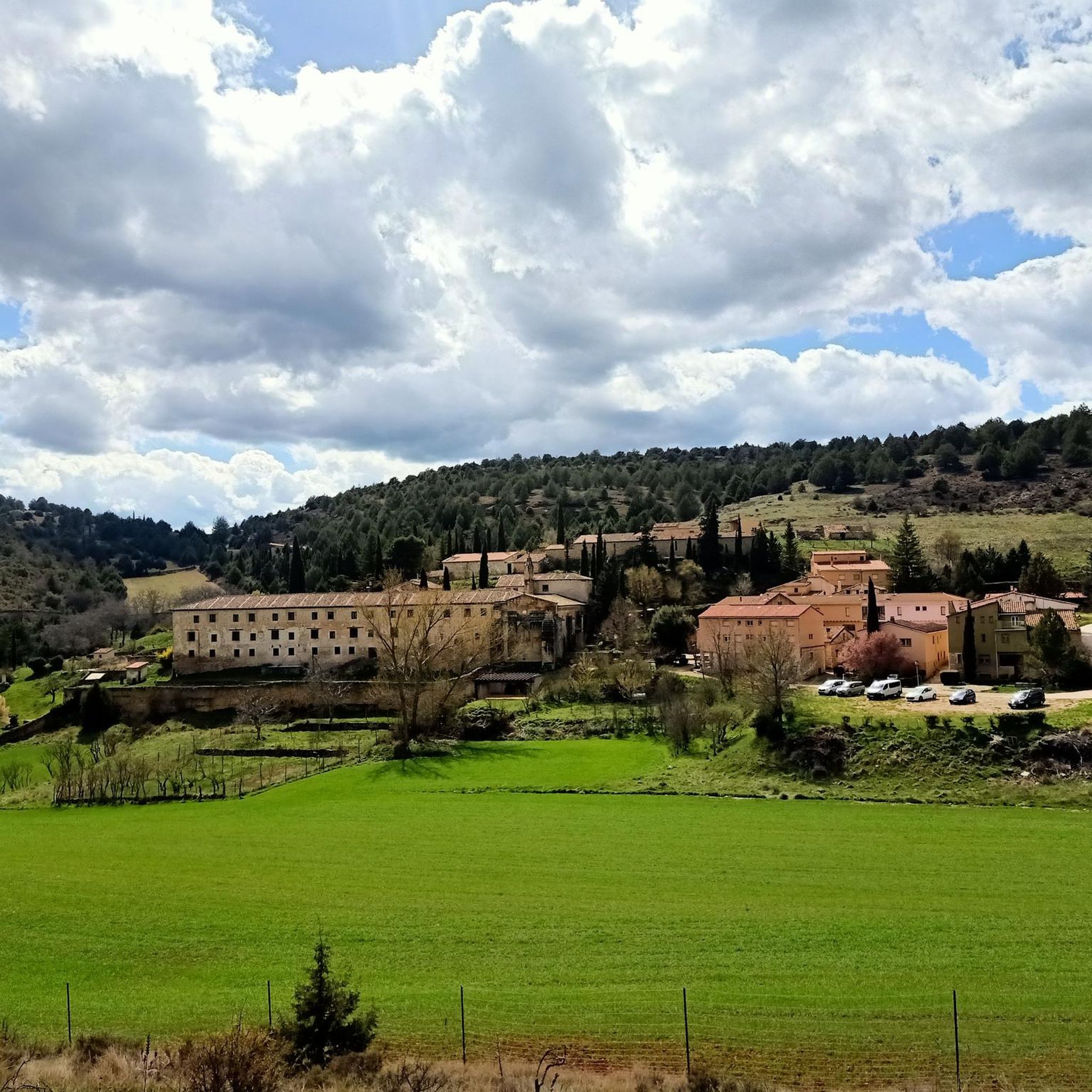
Tips from the Community

Giant awnings that have been formed "miraculously." A landscape of great beauty.
0
0
Perhaps the best prehistoric cave in Spain. With three rooms or spaces connected by corridors. Many types of animals, some of them in relief.
0
0
Nice place, like the rest of the landscape upstream and downstream of La Hoz del Rio Tajuña.
1
0
In the Recuevano there is a cliff of rocks in two levels or steps. During a large part of the year, water flows from between the cracks in these rocks. These waters constitute a very important contribution to the Tajuña River, making the flow of water continuous from this place. (Except in years of great drought).
1
0

The Tagüenza bridge is located between the municipalities of Huertapelayo and Huertahernado. The small stone bridge stands out for being built on two high rocks that flank the Tagus River.
2
0

One of the most important caves in the center of the peninsula for its large number of prehistoric engravings.
2
0
Valley eroded and sculpted by the passage of the Linares River for many years. This valley runs for several kilometers through areas of sandstone and slate, several of them of great beauty.
2
0
Section of the Camino del Cid that runs through the gorge of the Tajuña river.
2
0
Frequently Asked Questions
What kind of natural features can I expect to see around Riba de Saelices?
The region around Riba de Saelices, situated within the Alto Tajo Natural Park, is characterized by diverse landscapes shaped by limestone and sandstone formations. You'll find impressive canyons like the Tajuña River Gorges, deep gorges such as the Valley of Miracles, and various river valleys. The area is also known for unique monolithic rock formations and natural springs like the Recuevano Spring.
Are there any historical or archaeological sites among the natural monuments?
Yes, the Cueva de los Casares is an internationally recognized archaeological site. It contains over 200 Paleolithic engravings, dating back between 15,000 and 30,000 years, depicting animals like horses, deer, and woolly rhinoceroses. The cave also holds evidence of human habitation from the Middle Paleolithic, including Neanderthal remains. It was declared a National Monument in 1935.
What outdoor activities can I do near these natural monuments?
The natural monuments around Riba de Saelices are excellent for outdoor activities. The Valley of Miracles, for instance, is ideal for hiking and cycling. The broader region offers a variety of routes for different sports. You can find numerous MTB trails, cycling routes, and road cycling routes that explore the diverse landscapes of the Alto Tajo Natural Park.
Are there easy hiking trails suitable for beginners or families?
While many trails in the Alto Tajo Natural Park are of intermediate difficulty, there are options for easier walks. The Valley of Miracles offers routes with mild difficulty, suitable for those looking for a less strenuous experience. For specific easy hiking routes, you can explore the MTB trails around Riba De Saelices, which include some easier sections like the Barranco de la Hoz loop from Sacecorbo.
What is the best time of year to visit the natural monuments?
The region's high altitude and diverse landscape make it enjoyable across seasons. Spring and autumn generally offer pleasant temperatures for hiking and exploring. However, the interior of the Cueva de los Casares maintains a constant temperature of 11 to 13 degrees Celsius, making it a viable visit year-round, though prior appointment is required.
What kind of wildlife can I observe in the area?
The Alto Tajo Natural Park, where these monuments are located, is known for its diverse biodiversity. Along the Tajuña River Gorges, it's common to observe vultures. The varied environment of pine and oak trees, along with the river systems, supports a rich array of flora and fauna throughout the region.
Do I need a guided tour to visit the Cueva de los Casares?
Yes, access to the Cueva de los Casares requires a guided tour with prior appointment. Visitors are provided with authorized lanterns and helmets to explore the cave and its ancient Paleolithic engravings.
Are there any unique bridges or river features to see?
Yes, the Tagüenza Bridge is a notable feature. This slender stone bridge is uniquely built on two high rocks that flank the Tagus River, offering a picturesque sight in a privileged natural setting.
What do visitors enjoy most about the natural monuments around Riba de Saelices?
Visitors frequently appreciate the unparalleled natural beauty and the profound historical and archaeological insights offered by sites like the Cueva de los Casares. The Tajuña River Gorges are praised for their beauty and the opportunity to see vultures, while the Valley of Miracles is admired for its unique monolithic rock formations and stunning landscapes.
Are there any viewpoints to get a panoramic view of the natural landscapes?
Yes, the Valley of Miracles is not only a gorge but also offers excellent viewpoints to appreciate the eroded landscapes and unique rock formations. Additionally, the Recuevano Spring area features a cliff with two levels, providing a scenic vista.
Can I combine a visit to the natural monuments with other historical sites?
Absolutely. The Cueva de los Casares is part of a larger archaeological complex that includes a Hispano-Muslim settlement and an Islamic watchtower on the hillside, allowing visitors to explore both prehistoric and medieval history in one visit.
Most popular attractions around Riba De Saelices

Get inspired with the komoot mobile app


Explore more
Extend your search for the best caves by checking out these guides of the top ones around Riba De Saelices:
