Top 5 Natural Monuments around Ribota
Best natural monuments around Ribota include a variety of natural features within its landscape. The region, situated in Castilla y León, Spain, offers diverse natural elements such as reservoirs, river canyons, and mountain viewpoints. These areas provide opportunities to explore geological formations and natural reserves. Visitors can experience the natural environment through various trails and viewpoints.
Best natural monuments around Ribota
- The most popular natural monuments is Riofrío Reservoir, a lake that collects the waters of the Riaza River.…
Last updated: July 1, 2026
Riofrío Reservoir
Highlight • Lake
Translated by Google •
Tip by

Riaza River Canyon
Highlight • Canyon
Translated by Google •
Tip by

Sign up now to discover places like this
Get recommendations on the best single tracks, peaks, & plenty of other exciting outdoor places.
Sign up for free
Matarredonda Meadow Viewpoint
Highlight • Viewpoint
Translated by Google •
Tip by

Peñón de los Arcos
Highlight • Summit
Translated by Google •
Tip by

Piedras Llanas Viewpoint
Highlight • Viewpoint
Translated by Google •
Tip by
Sign up for free to discover even more natural monuments around Ribota.
Sign up for free
Already have an account?
Start today with a free account
Your next adventure awaits.
Login or Signup
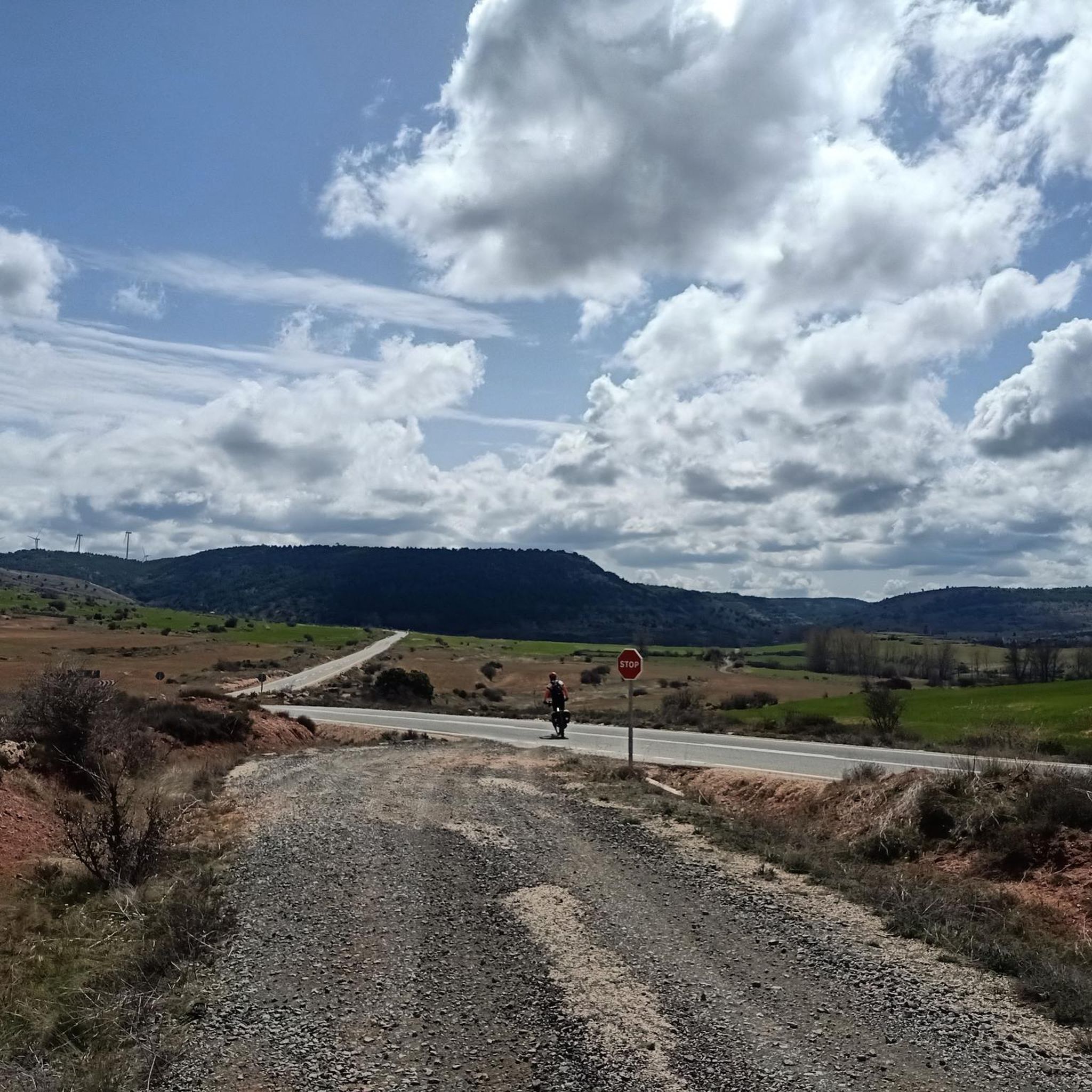
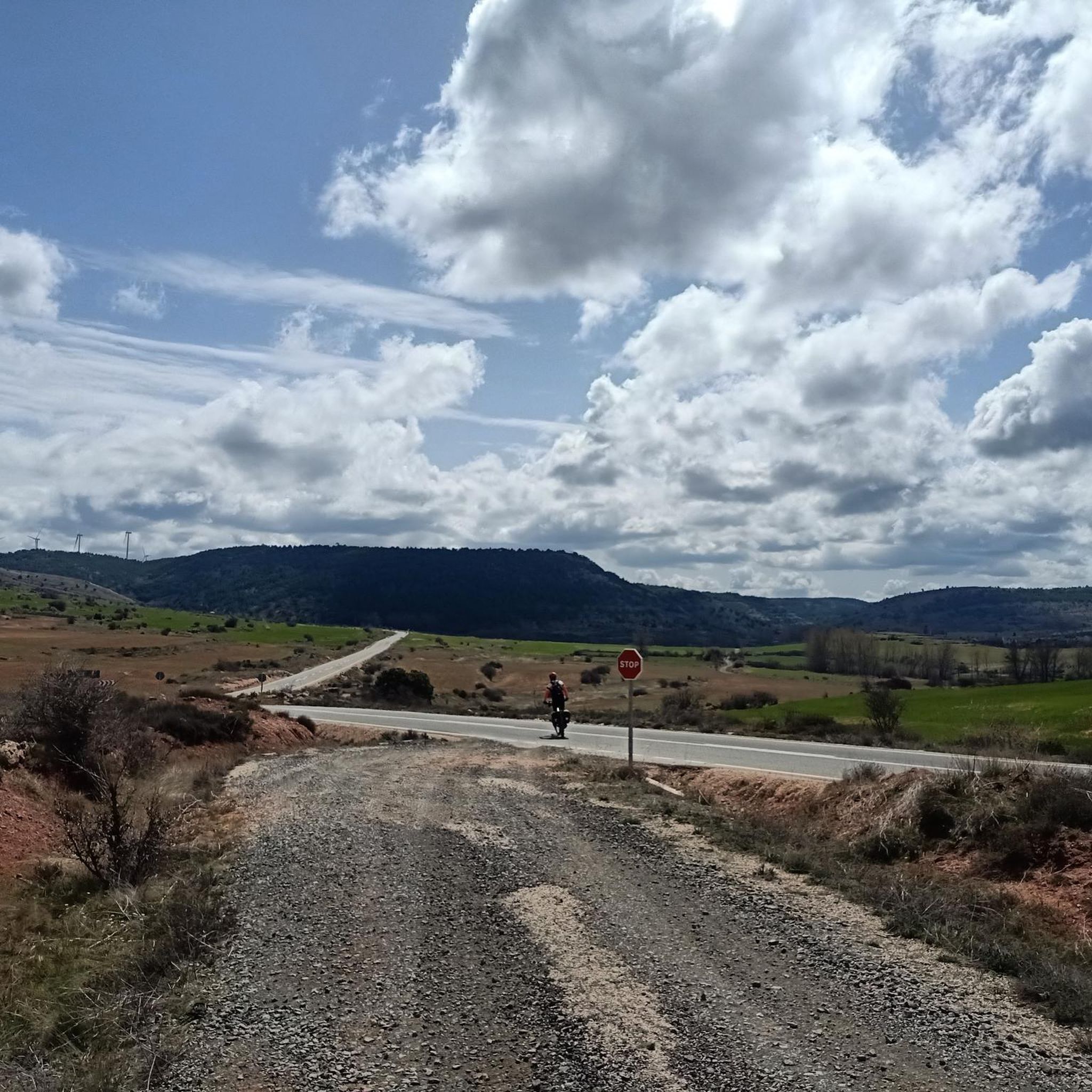
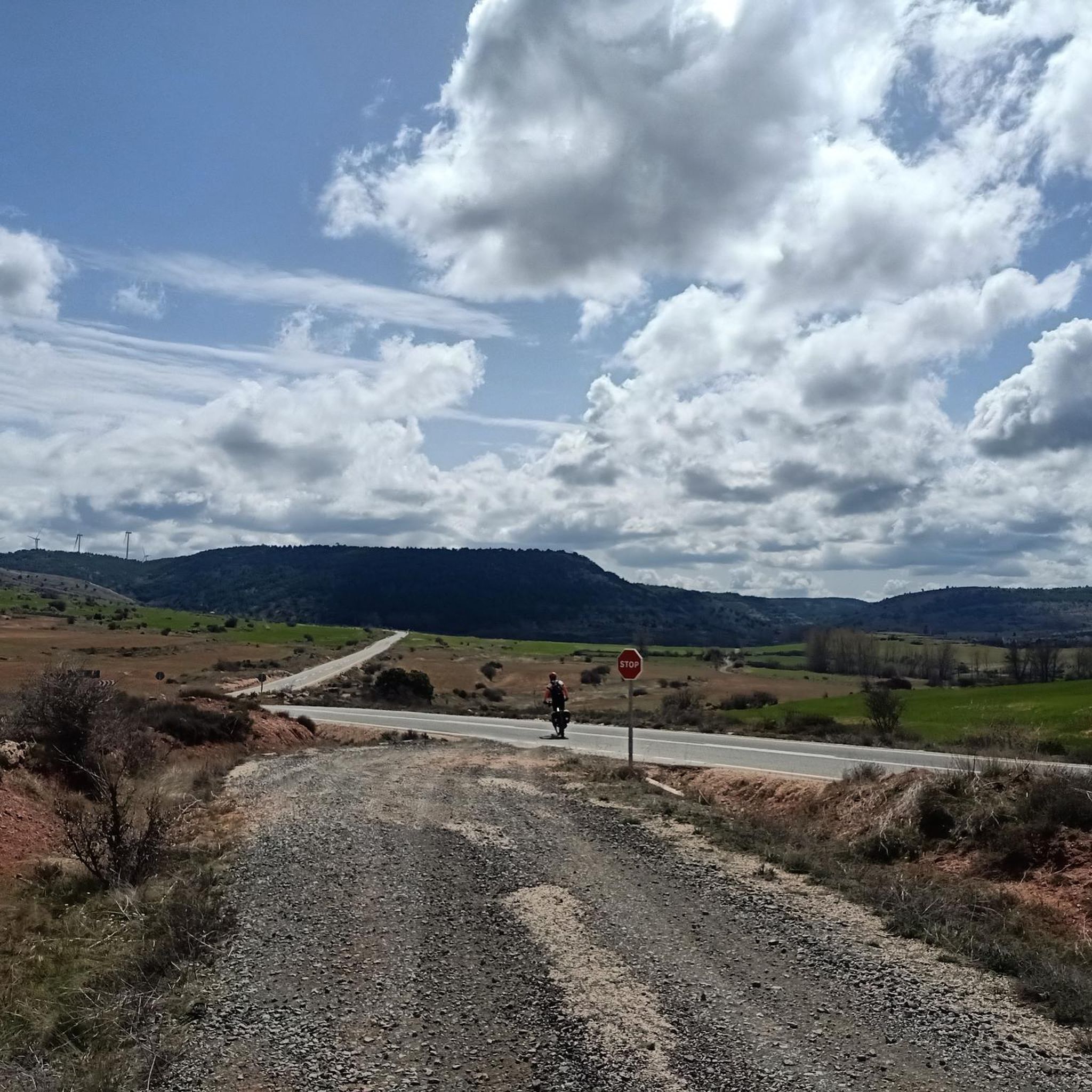
Tips from the Community

The dam's spillway has a system that allows trout to ascend through the water to the reservoir.
0
0
Meadow in the middle of mountains, rest after admiring the colorful leaves of the beech trees in autumn.
0
0
One of the many peaks of La Sierra de Ayllón.
2
0

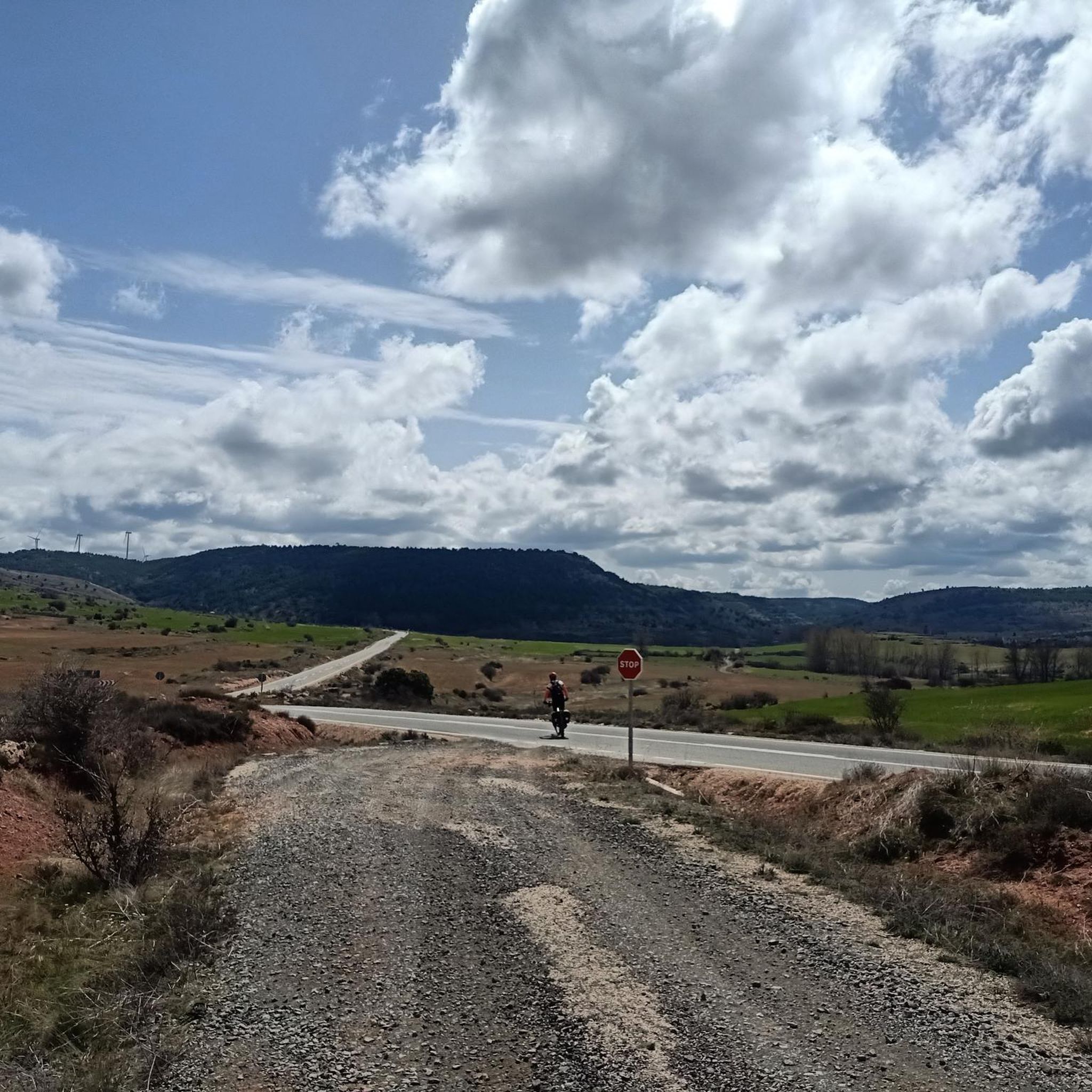
The route to the mountains passes through the Riofrío Reservoir. An incredible natural reserve created by collecting the waters of the Riaza River.
1
0

Peñón de los Arcos is 1835 meters high and is one of the hills of the Sierra de Ayllón mountain massif. At the top there is a small pile of stones stacked. Enjoy the panoramic views of the Hayedo de Tejera Negra Natural Park on one side and the entire Castellana Plateau on the other.
2
0
Large viewpoint in the form of a metal platform, it has benches and an information panel. A very pleasant experience, fantastic views. The viewpoint is accessible for people with reduced mobility.
2
0

Beautiful views from a height of 1600 m above sea level
1
0

This pair of paths appear on both sides of the Río Riaza and that comes from the mountains that are at the top of the core of Riofrío de Riaza. Be alert!
1
0
Frequently Asked Questions
What are some of the most notable natural monuments near Ribota?
Beyond the immediate vicinity of Ribota, the broader region of Castilla y León offers several remarkable natural monuments. These include the spectacular Hoces del Río Duratón Natural Park, known for its deep canyons and griffon vultures, the dramatic Cañón del Río Lobos Natural Park with its limestone gorges and ancient hermitage, and the unique, Roman-era gold mining landscape of Las Médulas, a UNESCO World Heritage Site.
What kind of natural features can I expect to see in the Ribota area?
The natural monuments around Ribota showcase diverse natural features. You can explore the tranquil waters of Riofrío Reservoir, a lake fed by the Riaza River, or witness the geological formations of the Riaza River Canyon. The area also boasts elevated vistas like Piedras Llanas Viewpoint and Matarredonda Meadow Viewpoint, offering panoramic views of the surrounding landscapes.
Are there any accessible natural monuments around Ribota?
Yes, the Piedras Llanas Viewpoint is designed to be accessible for people with reduced mobility. It features a large metal platform with benches and an information panel, providing fantastic views for all visitors.
What outdoor activities can I do near the natural monuments around Ribota?
The region around Ribota is excellent for various outdoor activities. You can find numerous routes for road cycling, mountain biking, and running. For example, there are challenging road cycling routes like the 'Source of the Aguisejo River – Alto de la Carrascosa loop' and MTB trails such as 'La Quesera and Hayedo de la Pedrosa Loop'. You can explore more options on the dedicated guides for Road Cycling Routes around Ribota, MTB Trails around Ribota, and Running Trails around Ribota.
Are there specific hiking trails to explore these natural monuments?
While specific hiking trails for each natural monument are not detailed, the Riaza River Canyon features paths on both sides of the river, allowing for exploration along its course. The broader region, including the Hoces del Río Duratón and Cañón del Río Lobos Natural Parks, offers various marked hiking trails suitable for different levels, providing opportunities to immerse yourself in their rugged beauty.
Is parking available at the natural monuments near Ribota?
While specific parking details for each site are not provided, natural monuments and viewpoints in such regions typically have designated parking areas nearby, especially for popular spots like viewpoints and reservoirs. It is advisable to check local signage upon arrival.
Are there family-friendly natural monuments to visit near Ribota?
Yes, the Riofrío Reservoir is considered family-friendly. Its calm waters and natural reserve setting provide a pleasant environment for families to enjoy nature. Additionally, accessible viewpoints like Piedras Llanas Viewpoint are suitable for visitors of all ages and mobility levels.
What is the best time of year to visit the natural monuments around Ribota?
The best time to visit depends on your preferred activities. Spring and autumn generally offer pleasant temperatures for hiking and exploring, with vibrant foliage in autumn. Summer can be warm but is ideal for water-related activities at the reservoir. Winter offers a different, often quieter, experience, especially for those interested in birdwatching in areas like the Hoces del Río Duratón.
What geological features are prominent in the natural monuments near Ribota?
The region is characterized by significant geological formations. The Riaza River Canyon showcases river-carved landscapes, while the nearby Hoces del Río Duratón and Cañón del Río Lobos Natural Parks are renowned for their spectacular limestone gorges and cliffs. Las Médulas, further afield, presents a unique 'lunar' landscape of red clay mountains, a result of ancient Roman gold mining.
What do visitors enjoy most about the natural monuments around Ribota?
Visitors particularly appreciate the stunning panoramic views from elevated points like Piedras Llanas Viewpoint and Matarredonda Meadow Viewpoint. The tranquility and natural beauty of places like Riofrío Reservoir, with its unique dam system allowing trout to ascend, are also highly valued. The komoot community has shared many photos and upvotes, highlighting the area's appeal for nature lovers.
Are there any historical or cultural sites associated with the natural monuments?
Yes, some natural monuments in the broader region have significant historical connections. Within the Hoces del Río Duratón Natural Park, you can find the Hermitage of San Frutos and the Monastery of Nuestra Señora de los Ángeles. The Cañón del Río Lobos Natural Park is home to the 12th-century Romanesque-Protogothic Hermitage of Saint Bartholomew, believed to have Templar origins. Further away, Las Médulas is a UNESCO World Heritage Site, showcasing the impressive scale of Roman gold mining operations.
Can I observe wildlife at these natural monuments?
Absolutely. The natural parks in the region are rich in wildlife. The Hoces del Río Duratón Natural Park is famous for hosting one of Europe's largest colonies of griffon vultures, which can be seen soaring above the cliffs. The Cañón del Río Lobos Natural Park also boasts a significant colony of griffon vultures, along with other birds of prey like eagles and falcons, making it an excellent destination for birdwatchers.
Most popular attractions around Ribota

Get inspired with the komoot mobile app


Explore more
Extend your search for the best caves by checking out these guides of the top ones around Ribota:
