Top 20 Natural Monuments around La Llagosta
Natural monuments around La Llagosta offer diverse natural experiences within its local forests and nearby protected areas. While La Llagosta itself is a municipality with some industrial character, it provides access to significant natural sites. The region's landscape features rural heritage, with opportunities for outdoor activities reflecting its agricultural past. The nearby Gallecs Protected Natural Area stands out as a vital natural escape, blending ecological value with cultural heritage.
Best natural monuments around La Llagosta
- The most popular natural monuments…
Last updated: July 1, 2026
Pi d'en Xandri
Highlight • Natural Monument
Translated by Google •
Tip by

Can Gurguí Spring
Highlight • Natural Monument
Translated by Google •
Tip by
Sign up now to discover places like this
Get recommendations on the best single tracks, peaks, & plenty of other exciting outdoor places.
Sign up for free
Lion Fountain
Highlight • Natural Monument
Translated by Google •
Tip by

Gallecs Rural Area
Highlight (Segment) • Natural
Translated by Google •
Tip by
Camp del Miracle Fountain
Highlight • Natural Monument
Translated by Google •
Tip by
Sign up for free to discover even more natural monuments around La Llagosta.
Sign up for free
Already have an account?
Start today with a free account
Your next adventure awaits.
Login or Signup
Tips from the Community

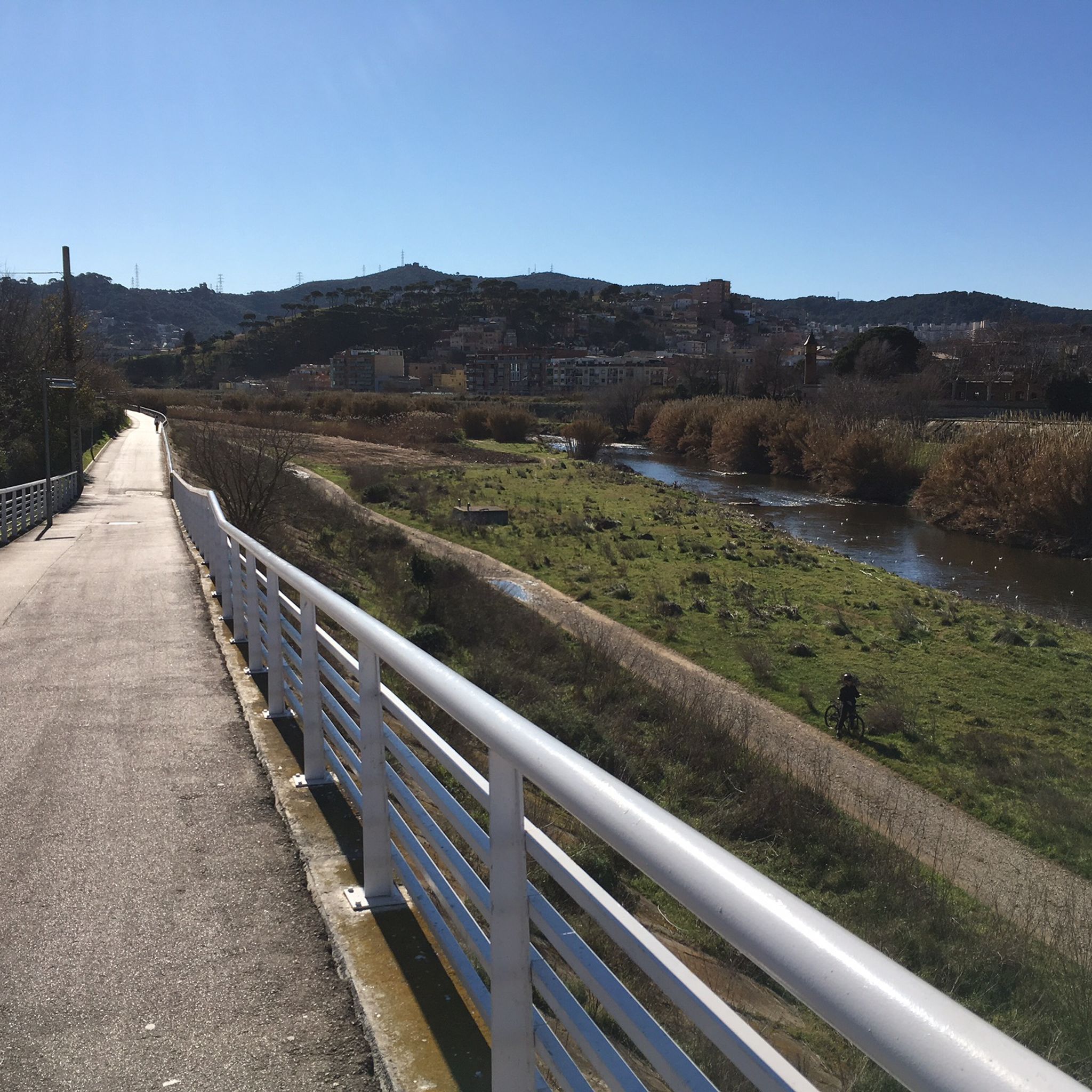
Real nice, shame it's only about 2 km but also a shame there aren't more such roads in the area. Go when there's no racing or practice sessions at the nearby Montmeló circuit!
0
0

A fountain that invites you to linger.
3
0

For cultural reasons, the monastery of St. Geroni della Murtra was very important.
0
0

This water point is located in front of the entrance to the monastery.
2
0

Cool water and then continue.
4
0

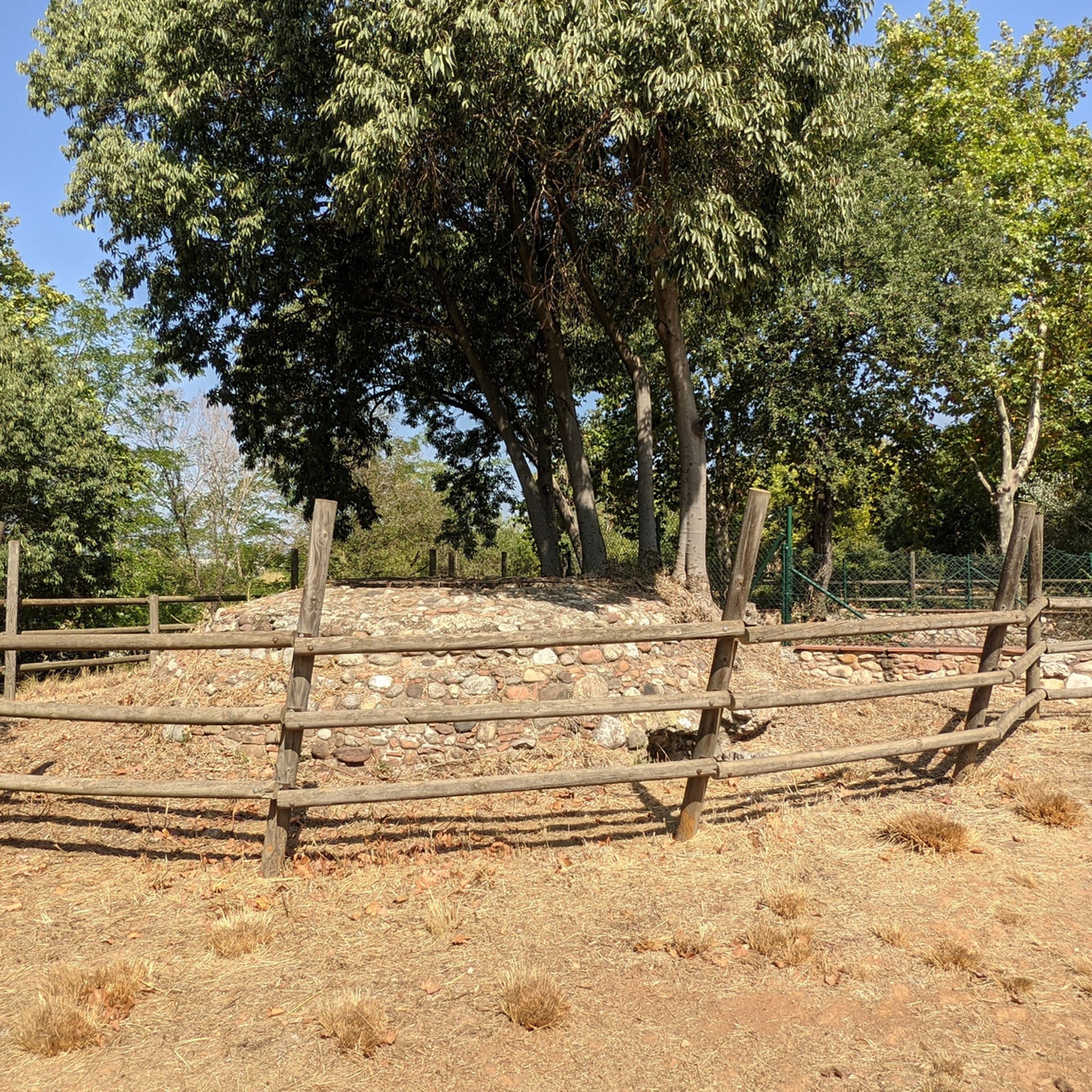
The Font del Lleó that was fixed a few years ago, as well as its pond located opposite. It is located on the site of the old Mas Murtra, in the Poià valley, where, according to Josep Maria Cuyàs, there had been the chapel dedicated to Sant Martí since the 12th century, the monastery of Sant Jeroni was founded in 1416 by the Jerome monks with the help of the merchant Bertran Nicolau, who bought the farm and, in addition, obtained from Benedict XIII the license to move the community from its place of origin, Mont Olivet, to Sant Pere de Ribes (Carafe); the reasons for the move were, possibly, the poor conditions of the place: infertile soil and lack of water. In 1821 the monastery was used as a hospital during the yellow fever epidemic, the contagion of which ended in July of the following year;
3
0

The water can be drunk and refilled into the bottle. It comes out cool.
0
0

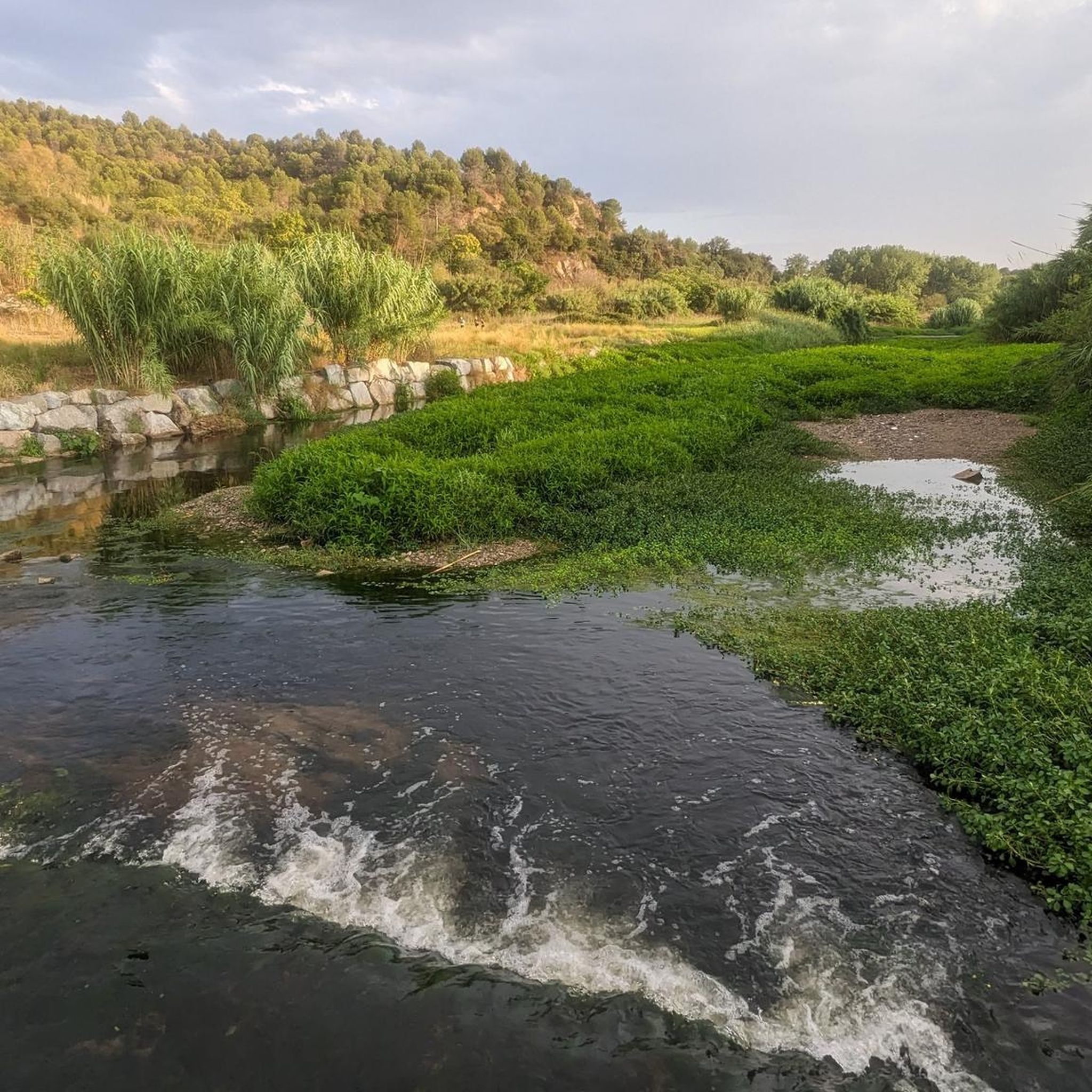
The water in Font de Can Gurguí comes from the nearby Torrent de Can Gurguí Gros river. Around the fountain there are stone benches and a round table. It is not indicated whether the water is drinkable or not.
0
0
Frequently Asked Questions
What are the main natural protected areas near La Llagosta?
The most significant natural protected area near La Llagosta is the Gallecs Protected Natural Area. This 734-hectare agroforestry territory is a vital "green lung" known for ecological agriculture, diverse fauna, and recreational opportunities. Additionally, natural monuments like Pi d'en Xandri are located within the Torre Negra rural park, and Can Gurguí Spring is found in the Parc de la Serralada Litoral.
What kind of natural features can I expect to see in the natural monuments around La Llagosta?
You can expect to see a variety of natural features, including ancient trees like the monumental Pi d'en Xandri, which is one of Catalonia's oldest pines. The Gallecs Protected Natural Area offers extensive agroforestry landscapes, wetlands, and fields that change with the seasons. You'll also find natural springs such as Can Gurguí Spring and Camp del Miracle Fountain, providing refreshing water sources amidst oak forests and lush stream areas.
Are there family-friendly natural monuments suitable for children near La Llagosta?
Yes, several natural monuments are family-friendly. The Gallecs Protected Natural Area offers numerous well-marked, flat paths perfect for hiking and cycling with children. Pi d'en Xandri is an impressive ancient tree that can spark children's imagination. Natural springs like Can Gurguí Spring and Camp del Miracle Fountain provide pleasant spots for rest and refreshment during family outings.
Can I bring my dog to the natural monuments or trails in the area?
While specific regulations for each site should always be checked, many natural areas and trails around La Llagosta, including those within the Gallecs Protected Natural Area, are generally dog-friendly. It's always recommended to keep dogs on a leash and clean up after them to preserve the natural environment and respect other visitors.
What outdoor activities are available near these natural monuments?
The natural monuments around La Llagosta offer various outdoor activities. The Gallecs Protected Natural Area is ideal for hiking, running, and cycling on its flat, well-marked paths. You can find numerous hiking routes, such as the "Plaça de la Sardana – Can Baqué Farmhouse loop," and cycling routes like the "Pont de Montcada – Parc de la Serralada de Marina loop." For more options, explore the hiking guide, cycling guide, and MTB trails guide for the region.
Are there historical or cultural elements within these natural areas?
Yes, the natural areas around La Llagosta are rich in historical and cultural elements. The Gallecs Protected Natural Area features the Romanesque church of Santa María de Gallecs, a 12th-century architectural gem, and historic farmhouses like Mas Majo and Can Vila. The monumental Pi d'en Xandri is not only a natural wonder but also an ecological, cultural, and historical symbol of Sant Cugat. You can also find historical fountains like the Lion Fountain near a monastery.
What is the best time of year to visit the natural monuments around La Llagosta?
The Gallecs Protected Natural Area offers diverse scenic views throughout the year, from intense green in spring to golden in summer. Spring and autumn generally provide the most pleasant weather for outdoor activities like hiking and cycling. The changing agricultural landscape of Gallecs makes it visually appealing in different seasons, and it's a popular spot for photography, especially during sunset.
Are there any natural springs or water sources in the natural monuments?
Yes, there are notable natural springs. The Can Gurguí Spring in the Parc de la Serralada Litoral always flows with water and is a popular spot for rest. Similarly, the Camp del Miracle Fountain, located near the Ermita de Sant Medir, offers drinking water and a pleasant resting area with a mosaic in homage to Sant Medir.
What makes the Gallecs Protected Natural Area special?
The Gallecs Protected Natural Area is special because it's a 734-hectare agroforestry territory acting as a "green lung" in an urbanized environment. It's recognized for its commitment to ecological agriculture, recovering ancient cereal varieties, and supporting diverse biodiversity, including rare birds. It also offers extensive recreational opportunities, cultural heritage with its Romanesque church, and environmental education programs, making it a unique blend of nature, culture, and sustainability.
What kind of wildlife can be spotted in the natural monuments?
The Gallecs Protected Natural Area is an important open space for wildlife. You can spot various birds, including partridges and corn buntings in the cereal fields, and mallards and moorhens in the Can Salvi wetlands. It's also a crucial area for migratory species, with rare birds like the little bustard, calandra lark, and lesser grey shrike, and it's one of the few places where the greater short-toed lark breeds in Vallès.
Are there easy hiking trails suitable for beginners near La Llagosta's natural monuments?
Yes, there are easy hiking options. The Gallecs Protected Natural Area features flat, well-marked paths suitable for all levels. For a specific easy route, consider the "Plaça de la Sardana – Can Baqué Farmhouse loop from la Llagosta," which is approximately 5.5 km long. You can find more details and other routes in the hiking guide for La Llagosta.
What do visitors enjoy most about the natural monuments around La Llagosta?
Visitors appreciate the tranquility and natural beauty of the area. The Pi d'en Xandri is admired as a symbol of nature's resilience and history. The refreshing water and peaceful surroundings of Can Gurguí Spring and Camp del Miracle Fountain are popular for rest. The Gallecs Protected Natural Area is valued for its open spaces, diverse landscapes, and opportunities for active leisure and photography, especially during sunset over the cereal fields.
Most popular routes around La Llagosta
Most popular attractions around La Llagosta

Get inspired with the komoot mobile app


Explore more
Extend your search for the best caves by checking out these guides of the top ones around La Llagosta:
