Top 7 Natural Monuments around María De Huerva
Best natural monuments around María De Huerva feature a distinctive steppe environment and significant riparian ecosystems along the Huerva River. The area is characterized by unique geological formations, including tabular reliefs and intricate ravines, shaped by erosion processes. These natural enclaves are recognized for their ecological value, supporting diverse flora and fauna, particularly a rich variety of birds of prey. Exploring these landscapes offers insights into a rare European steppe ecosystem and the natural beauty of the Ebro Depression.
Best…
Last updated: November 15, 2026
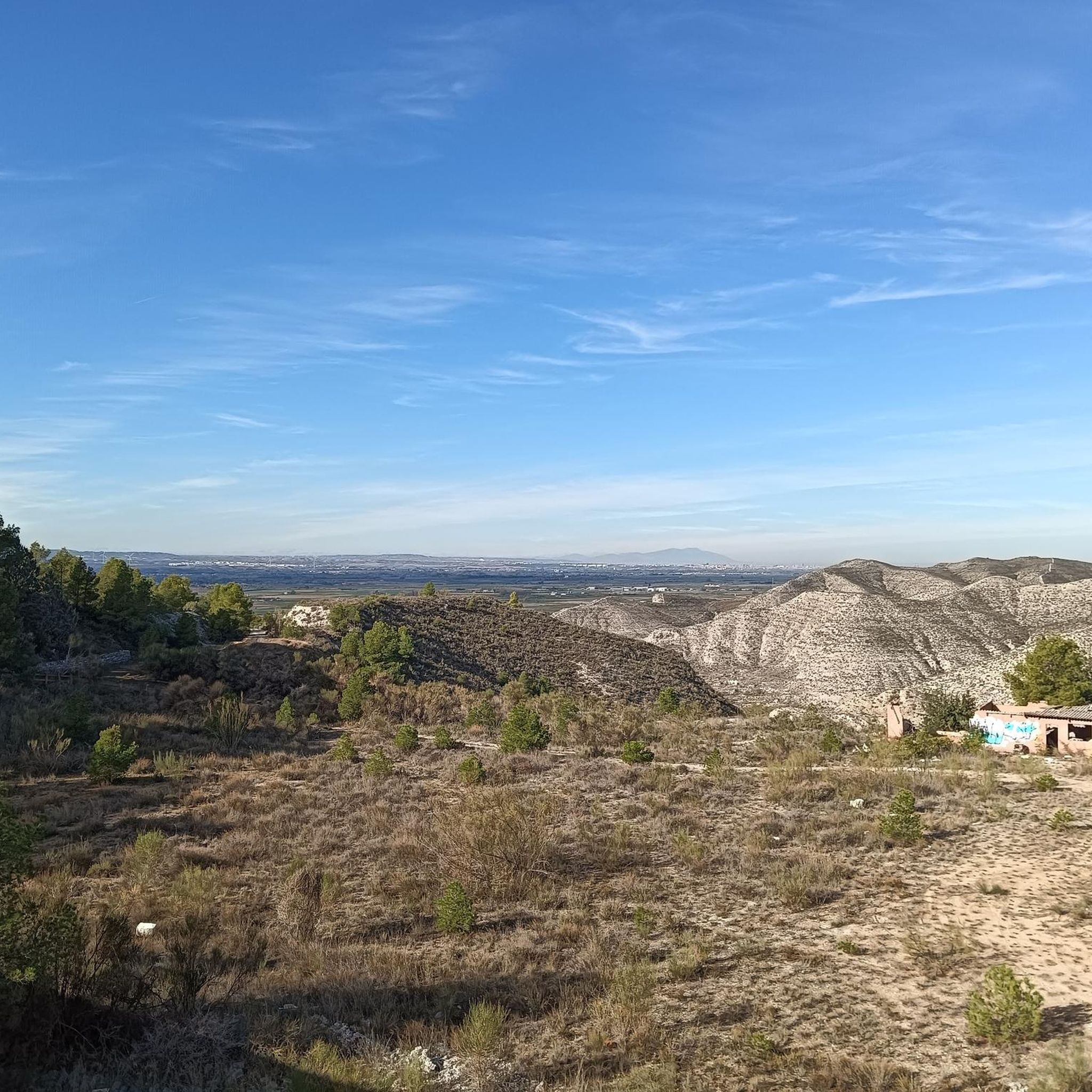
Cabezo de San Borombón
Highlight • Summit
Translated by Google •
Tip by

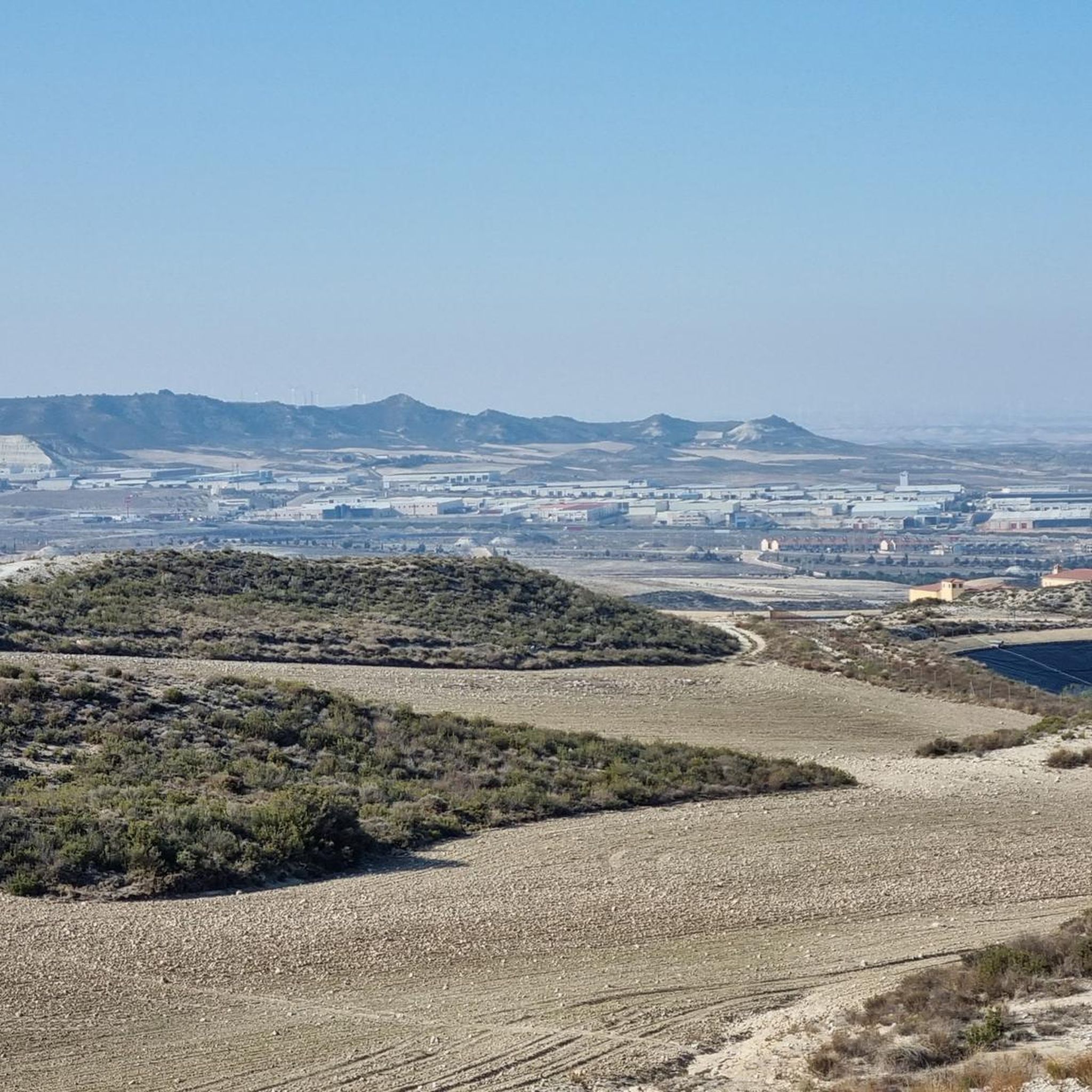
Muel Waterfalls
Highlight • Waterfall
Translated by Google •
Tip by
Sign up now to discover places like this
Get recommendations on the best single tracks, peaks, & plenty of other exciting outdoor places.
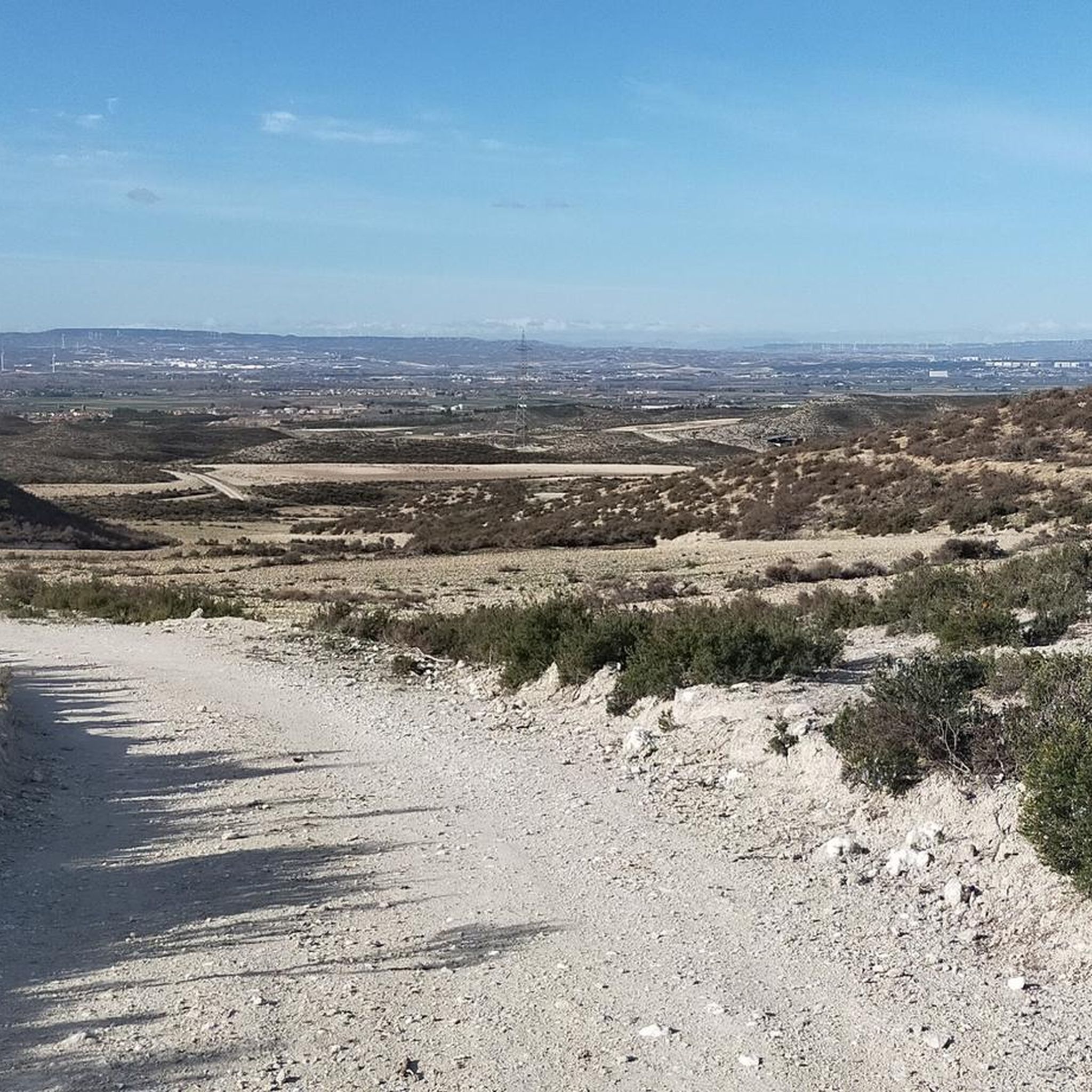
Cabezo de las Zorras
Highlight • Viewpoint
Translated by Google •
Tip by

Ojo de las Almunias
Highlight • Natural Monument
Translated by Google •
Tip by

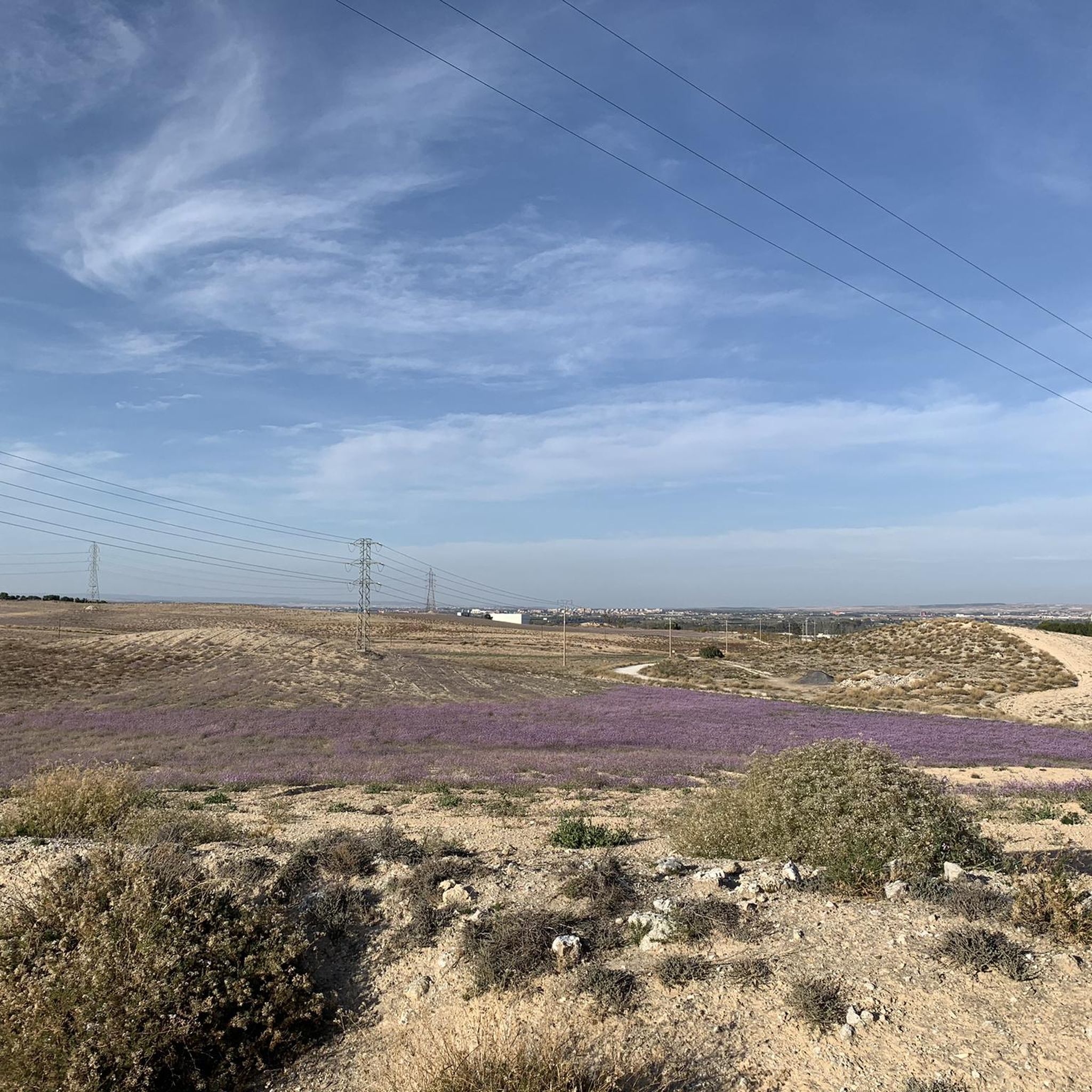
Collado Sillón Cairn
Highlight • Mountain Pass
Translated by Google •
Tip by
Sign up for free to discover even more natural monuments around María De Huerva.
Already have an account?
Start today with a free account
Your next adventure awaits.
Tips from the Community

An entertaining morning to whet the appetite, beautiful views, always bring water and poles
0
0

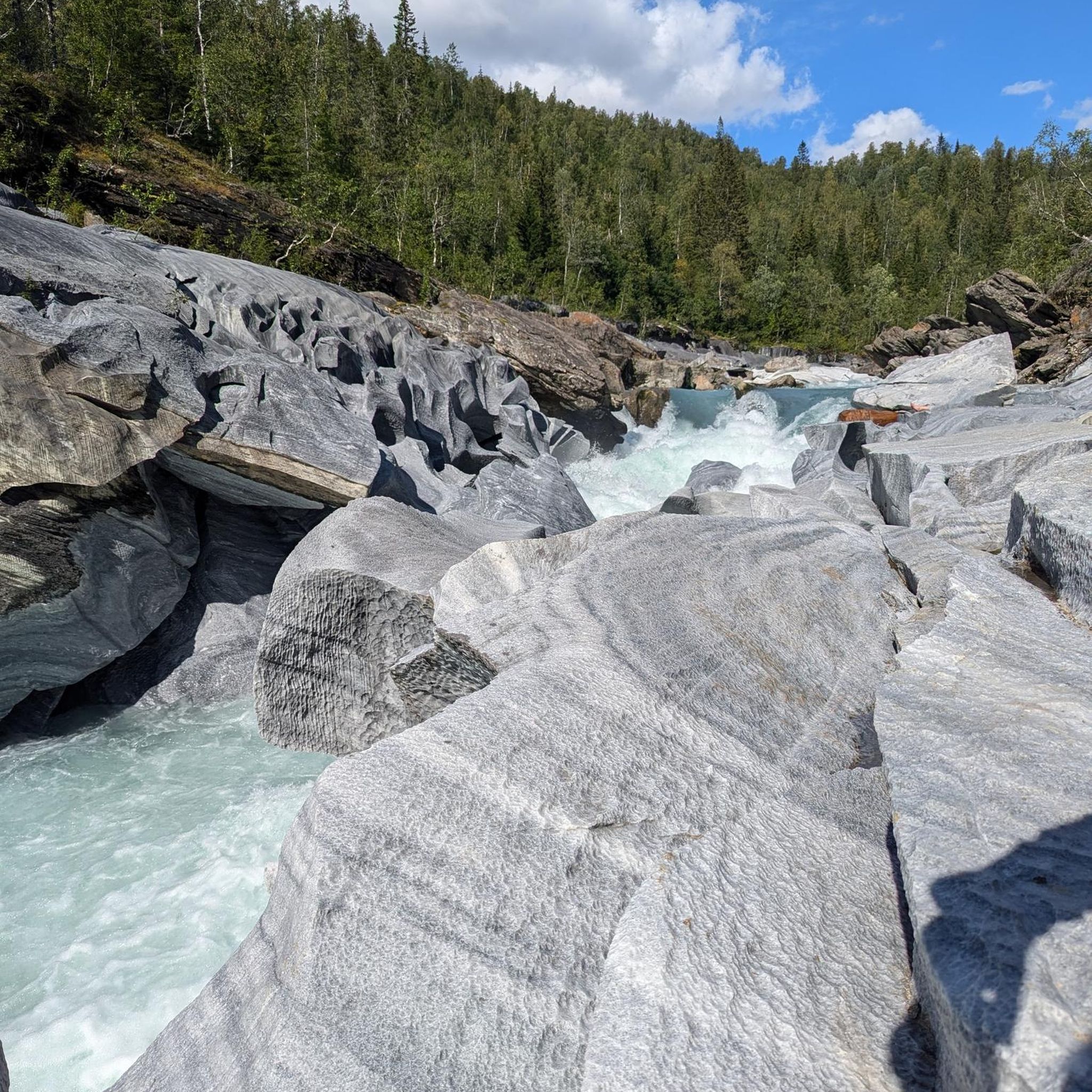
Incredible, depending on the season the flow can vary greatly. We were lucky enough to pass through when there was a lot of water, it's impressive!
1
0

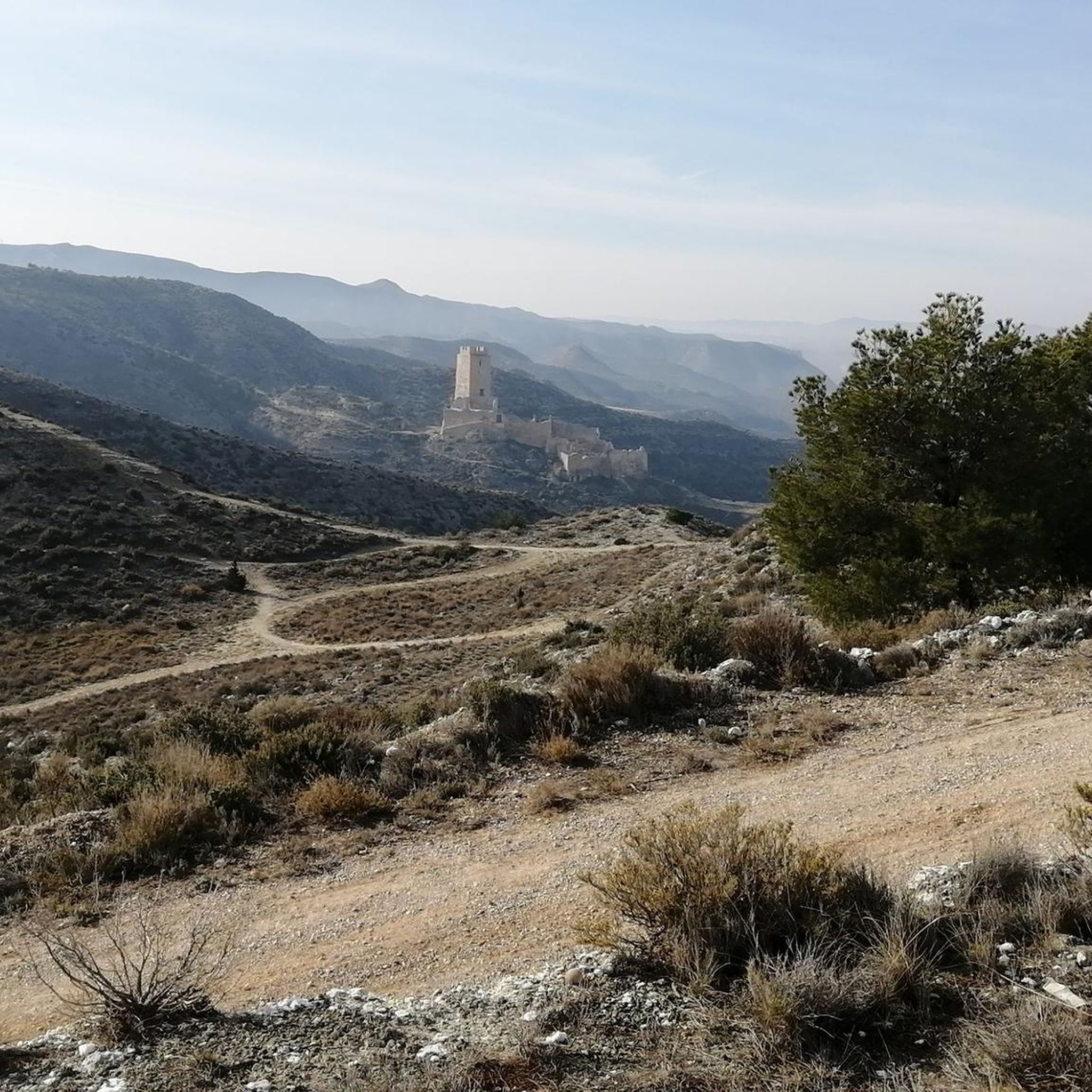
The Sillón Pass is a mountain pass located near María de Huerva, Aragon, Spain. It is part of several hiking and mountaineering routes that pass through natural sites such as the María de Huerva Castle, the Cabezo del Sillón, and the Sillón Ridge. These routes are ideal for experienced hikers, as some are considered advanced.
4
0
The Collado del Sillón in María de Huerva is a very interesting hiking trail that offers spectacular views and an enriching experience. From the summit, you can enjoy panoramic views of Moncayo and the Pyrenees.
5
0

Good point to rise above the horizon and make a return to the horizon. You can see Zaragoza and the CC Puerto Venecia to the north, the Plana de Zaragoza and its mills to the Southeast and the PTR López Soriano to the southeast.
0
0
The Cabezo San Borombón is a place of great interest in the town of Muel. Next Sunday, July 14, 2024, the 12th edition of the Trail Muel: Cabezo de San Borombón will be held in Muel. In summary, Cabezo San Borombón and its surroundings offer a unique combination of nature, history and sport. An experience worth living! 🏃♂️🏞️🌟
5
0
In the surroundings of Zaragoza there are many great little excursions, and one of the most complete, since it brings together nature, history and culture in one place, is a visit to the Muel Natural Park.
13
1

Beautiful natural arch produced by water erosion in the Barranco de Las Almunias.
1
0
Frequently Asked Questions
What are the key natural areas to explore in María de Huerva?
While María de Huerva doesn't have officially designated 'Natural Monuments' in the same way as some other regions, it boasts two highly significant natural enclaves: Las Planas and the Huerva River and its riparian ecosystems. Las Planas offers a unique steppe landscape with dramatic geological formations and rich birdlife, while the Huerva River provides valuable riverside forests and a fertile agricultural plain.
Which natural monuments offer the best panoramic views?
For expansive views, you should visit Cabezo de las Zorras, a popular viewpoint and summit where you can see Zaragoza and the Plana de Zaragoza. Another excellent spot is Cabezo de San Borombón, which provides 360º views despite its rocky surroundings. From viewpoints in Las Planas, like Mirador de Las Planas, you can also enjoy panoramic vistas, including distant mountain ranges like Moncayo and the Pyrenees on clear days.
What kind of landscapes and geological features can I expect to see?
The region is characterized by a distinctive steppe environment in Las Planas, featuring an alternation of rainfed cereal crops with sub-desert vegetation. You'll encounter unique geological formations shaped by erosion, such as tabular reliefs (muelas) and intricate networks of ravines (barrancos). Along the Huerva River, you'll find contrasting riparian forests (sotos) that provide lush, shaded environments.
What kind of wildlife can I observe at these natural monuments?
The natural areas around María de Huerva are particularly rich in birdlife, especially in Las Planas, which is a Special Protection Area for Birds (ZEPA). You might spot a remarkable variety and density of diurnal and nocturnal birds of prey, including the Bonelli's eagle, Egyptian vulture, Eurasian eagle-owl, and golden eagle. The riparian areas along the Huerva River also serve as crucial habitats for various species.
Are there family-friendly natural monuments around María de Huerva?
Yes, Muel Waterfalls is considered family-friendly. It combines natural beauty with historical elements, including a Roman dam, and offers picnic areas and a playground, making it suitable for a family outing.
What are the best hiking opportunities near the natural monuments?
The region offers various trails. In Las Planas, you can explore trails that wind through ravines carved into gypsum, pine forests, and steep slopes, providing panoramic views. The riverbanks of the Huerva River also offer pleasant routes for walking. For specific routes, you can explore the MTB Trails around María De Huerva guide, which includes routes like 'Planas de María de Huerva – Mirador de las Planas loop'.
What is the difficulty level of trails around these natural monuments?
Trails vary in difficulty. For instance, Cabezo de San Borombón is noted as being 'very easy to climb' despite its rocky appearance. Many routes in the area, such as those found in the MTB Trails around María De Huerva guide, are rated as moderate, with some more challenging options available.
When is the best time of year to visit the natural monuments?
The unique steppe ecosystem of Las Planas and the riparian areas of the Huerva River can be enjoyed throughout much of the year. Spring and autumn generally offer pleasant temperatures for hiking and birdwatching. During these seasons, the weather is milder, and the natural environment is vibrant. Summer can be hot, but the riverside 'sotos' provide shaded areas for walks.
Is parking available at the natural monuments?
While specific parking details for every highlight are not provided, popular sites like Muel Waterfalls are known to have facilities, including picnic areas, suggesting accessibility for visitors arriving by car. For other areas, it's advisable to check local information or trailheads for designated parking spots.
Are there any lesser-known natural gems worth exploring?
Beyond the more prominent viewpoints and waterfalls, the region holds hidden gems like Ojo de las Almunias, a beautiful natural arch formed by water erosion in the Barranco de Las Almunias. Exploring the intricate network of ravines in Las Planas can also reveal unique geological formations and secluded spots.
What other outdoor activities can I do near these natural monuments?
Besides hiking and birdwatching, the area is well-suited for cycling. You can find various routes for different cycling styles. For mountain biking, explore the MTB Trails around María De Huerva guide. For road cycling, check out the Road Cycling Routes around María De Huerva. Gravel biking options are also available in the Gravel biking around María De Huerva guide.
How much time should I allocate to visit the natural monuments?
The time needed depends on which areas you wish to explore. For a quick visit to a specific viewpoint like Cabezo de las Zorras or Cabezo de San Borombón, a couple of hours might suffice. To fully experience the unique steppe landscape of Las Planas or enjoy a leisurely walk along the Huerva River, you could easily spend half a day or more, especially if you combine it with a picnic or birdwatching.
Most popular routes around María De Huerva
Most popular attractions around María De Huerva

Get inspired with the komoot mobile app


Explore more
Extend your search for the best caves by checking out these guides of the top ones around María De Huerva:
