Top 6 Natural Monuments around Las Rozas De Valdearroyo
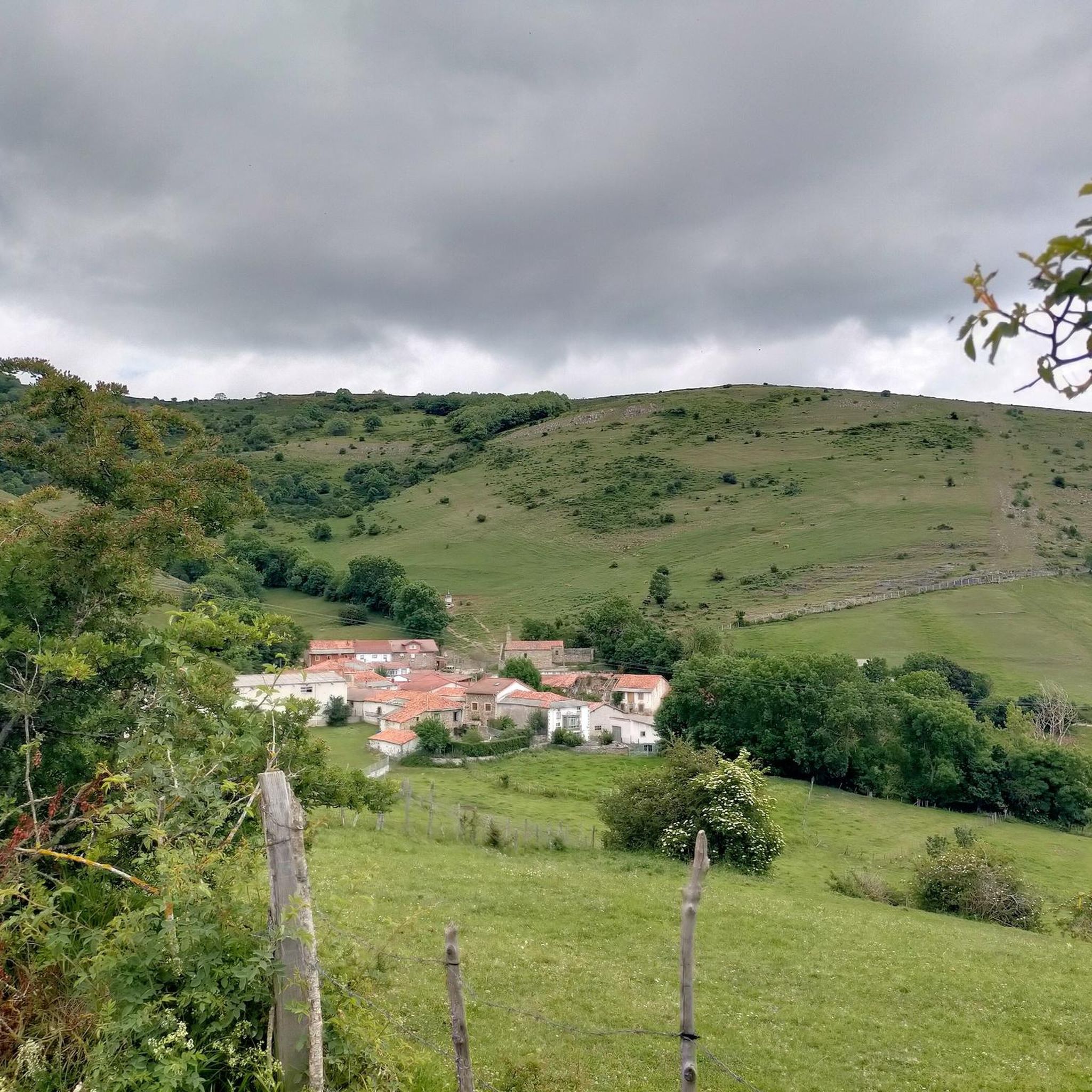
Best natural monuments around Las Rozas De Valdearroyo are found in a region of Cantabria, Spain, known for its diverse natural beauty. The area is characterized by the Ebro Reservoir, significant forests like Monte de Hijedo, and the source of the Ebro River. This landscape offers a mix of historical natural landmarks and expansive natural areas, providing opportunities for outdoor exploration. The municipality is situated in a rich natural environment, making it a destination for those interested in natural features.
…Last updated: August 11, 2026
Source of the Ebro River
Highlight • River
Translated by Google •
Tip by

Ruins of Julióbriga
Highlight • Historical Site
Translated by Google •
Tip by

Sign up now to discover places like this
Get recommendations on the best single tracks, peaks, & plenty of other exciting outdoor places.
Sign up for free
Fontibre
Highlight • River
Translated by Google •
Tip by
Arija Beach
Highlight • Beach
Translated by Google •
Tip by

Monte de Hijedo
Highlight (Segment) • Forest
Translated by Google •
Tip by

Start today with a free account
Your next adventure awaits.
Login or Signup
Popular around Las Rozas De Valdearroyo

Tips from the Community

Officially, it's the source of the Ebro River, in Fontibre. However, according to what we were told at the tourist office, the waters of the spring pools come underground from the Hijar River, which rises in Alto Campoo. Specifically, in Tresmares, where the Hijar-Ebro begins, flowing into the Mediterranean; the Pisuerga (a tributary of the Duero) flows into the Atlantic; and the Nansa flows into the Cantabrian Sea.
0
0

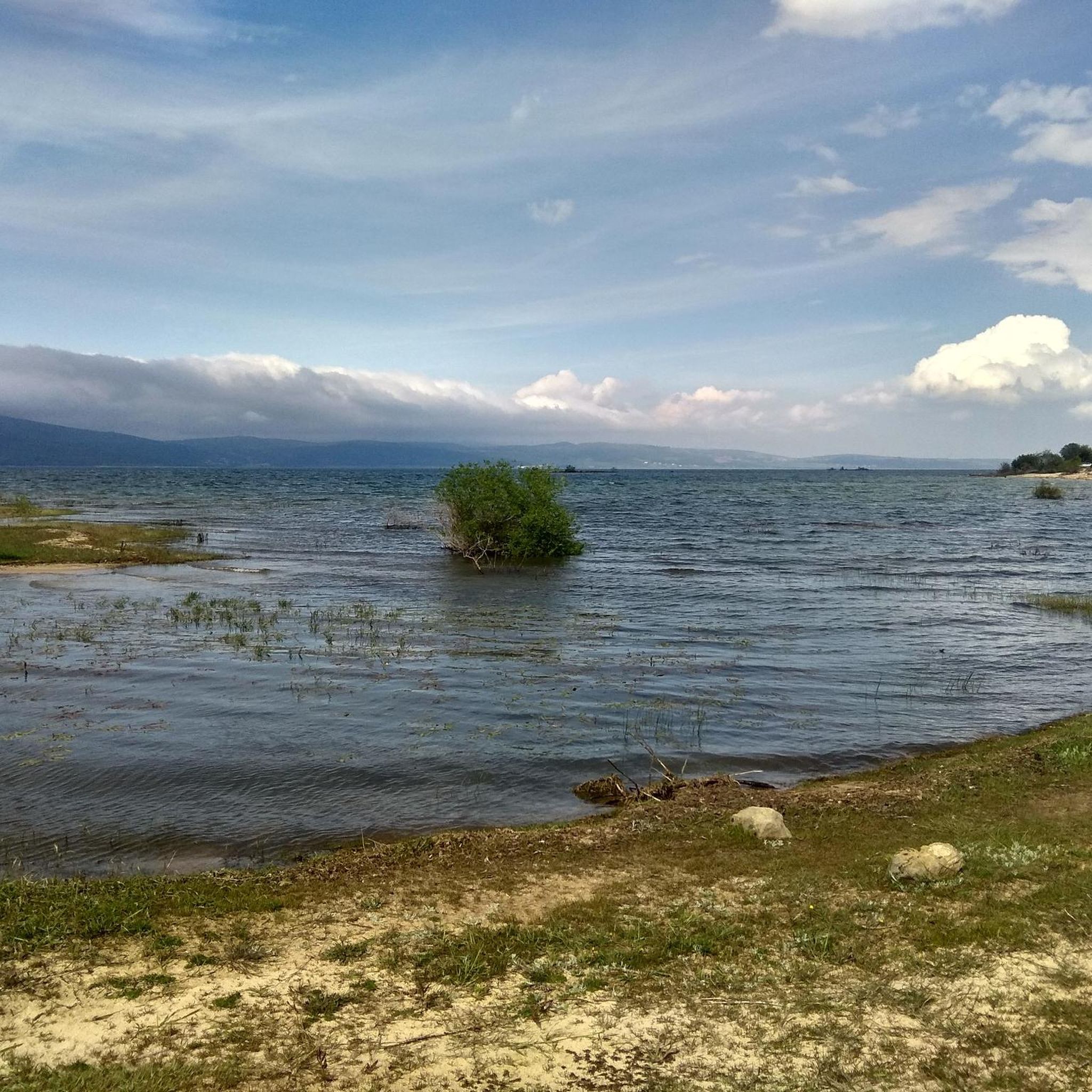
Arija Beach is located in Burgos and next to the Ebro reservoir, therefore it is a river and freshwater beach, where you can enjoy it without any waves.
0
0

Great area for swimming. It has two sides: a lagoon and the Ebro reservoir itself.
0
0

Interesting to visit, if you are in the area.
3
0
A few hundred from the Domus is the other part of the Roman city of Julióbriga.
3
0

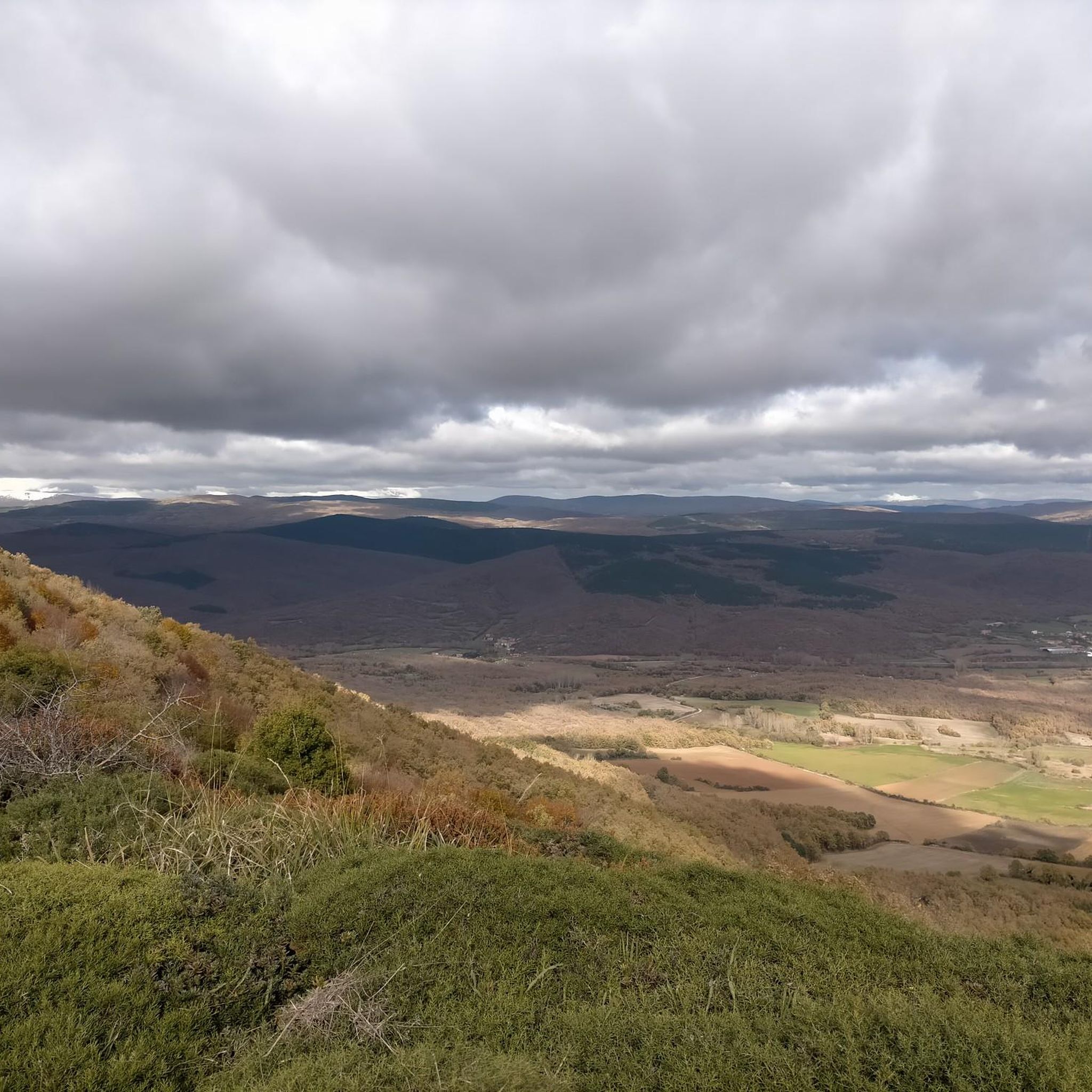
Path to the top of Monte de Hijedo surrounded by dense beech and oak forests that invite you to explore and enjoy the beauty of nature.
1
0
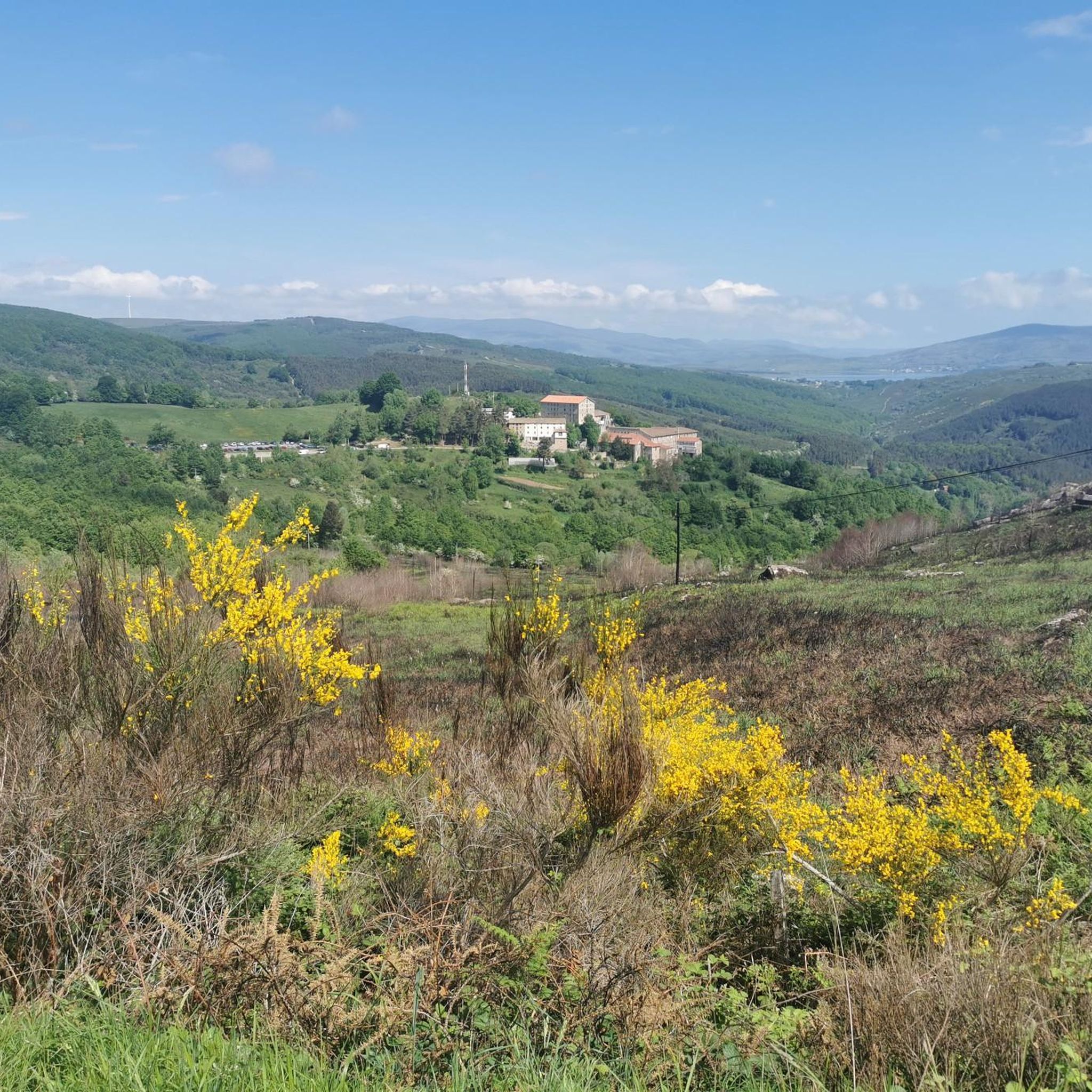
Fontibre is a small town in the Brotherhood of Suso, just 5 km from Reinosa. Beautiful town and place, where the source of the Ebro River is traditionally located. In fact, the name Fontibre refers to the source of the Ebro, as it derives from the Latin Fontes Iberis ("sources of the Ebro") and is already cited by Pliny the Elder when he mentioned it. It is located near the Roman city of Julióbriga. It doesn't matter when you visit, or at the time of year, because you will always appreciate and enjoy this little walk through the place.
2
0

The name Fontibre refers to the source of the Ebro – it derives from the Latin Fontes Iberis ("sources of the Ebro"). Fontibre is famous for having traditionally located the source of the Ebro river here, despite the fact that, in scientific terms, this is not exact. It is now known that the main source of the waters of the Ebro River is the Híjar River. By visiting the Visitor Center in the town, you can learn about the cultural, social and landscape diversity that the Ebro River has generated throughout history.
1
0
Frequently Asked Questions
What unique natural features can I explore around Las Rozas De Valdearroyo?
The region offers several unique natural features. You can visit the traditional beginning of one of Spain's most important rivers at the Source of the Ebro River in Fontibre. The Ebro Reservoir is another prominent feature, where you can see the striking Tower of the Church of San Roque rising from the waters, a picturesque scene from a submerged village. Additionally, explore the dense beech and oak forests of Monte de Hijedo.
Are there any historical natural monuments in the area?
Yes, the area combines natural beauty with historical significance. The Source of the Ebro River is not only a natural landmark but also historically important as the origin of a major river, cited by Pliny the Elder. Nearby, you can also visit the Ruins of Julióbriga, an ancient Roman city known as the 'fortified city of Julius,' which is an important interpretation center.
What kind of outdoor activities can I do near these natural monuments?
The natural monuments around Las Rozas De Valdearroyo are excellent starting points for various outdoor activities. You can find numerous hiking trails, including moderate routes like the 'Embalse del Ebro and Camino Olvidado Loop' or easier walks such as the 'Julióbriga Roman City – circular from Bolmir via La Llanuca'. For cyclists, there are many cycling routes, from moderate to difficult, around the Ebro Reservoir and through scenic landscapes.
Are there family-friendly natural monuments suitable for children?
Absolutely. The Source of the Ebro River offers a short, enjoyable walk suitable for families. Arija Beach, located on the Ebro reservoir, is a freshwater beach perfect for swimming and family fun without waves. The Ruins of Julióbriga also provide an engaging historical experience for all ages.
Where can I find scenic viewpoints in the area?
For stunning views, the Ebro Reservoir itself offers picturesque scenes, especially with the Tower of the Church of San Roque. The Monte de Hijedo area also provides opportunities for scenic vistas amidst its dense forests. Further afield, the Alto del Bardal, with an altitude of 1092 meters, offers wonderful views and a sense of tranquility near the Palencia mountain region.
What is the best time of year to visit the natural monuments around Las Rozas De Valdearroyo?
The region's natural beauty can be enjoyed throughout the year. Spring and autumn are particularly pleasant for hiking and exploring the forests like Monte de Hijedo, when the foliage is vibrant. Summer is ideal for enjoying freshwater activities at Arija Beach and the Ebro Reservoir. The Source of the Ebro River is enjoyable in any season.
Are there any natural parks or larger forested areas nearby?
Yes, beyond the immediate vicinity, the broader Cantabria region boasts significant natural parks. The Saja-Besaya Natural Park is one of the largest, featuring thick oak and beech forests rich in biodiversity, perfect for hiking and mountain biking. Monte Hozarco, within the spectacular La Hermida Gorge, also offers breathtaking viewpoints and lush forests.
Can I bring my dog to the natural monuments and trails?
Many natural areas and trails in the region are dog-friendly, allowing you to enjoy the outdoors with your canine companion. It's always recommended to keep dogs on a leash and follow local regulations, especially in protected areas or near wildlife. The trails around Monte de Hijedo and the Ebro Reservoir are generally suitable for walks with dogs.
What kind of wildlife might I encounter?
The natural areas around Las Rozas De Valdearroyo, particularly in forested regions like Monte de Hijedo and the Saja-Besaya Natural Park, are home to diverse wildlife. You might spot various bird species, deer, and other forest animals. The Ebro Reservoir also attracts waterfowl. Always observe wildlife from a distance and avoid disturbing their natural habitats.
Are there any unique geological features in the area?
The most prominent geological feature is the Source of the Ebro River, which marks the traditional beginning of a major river system. The Ebro Reservoir itself, while man-made, has significantly shaped the local landscape, creating a vast body of water that interacts with the natural topography. The surrounding mountains and valleys, including areas like Alto del Bardal, showcase the rugged Cantabrian geology.
What do visitors appreciate most about the natural monuments here?
Visitors frequently appreciate the tranquility and natural beauty of the region. The short, pleasant walk to the Source of the Ebro River is often highlighted as an interesting experience. The dense forests of Monte de Hijedo are praised for inviting exploration and enjoying nature. The serene and picturesque views around the Ebro Reservoir, especially the submerged church tower, are also highly recommended.
Are there any easy walks or beginner-friendly trails among the natural monuments?
Yes, there are options for easier walks. The path to the Source of the Ebro River is a short and pleasant stroll suitable for all. For a slightly longer but still easy option, the 'Julióbriga Roman City – circular from Bolmir via La Llanuca' is a good choice for beginners, offering both natural scenery and historical interest. Many trails around the Ebro Reservoir are also relatively flat and accessible.
Most popular routes around Las Rozas De Valdearroyo
Most popular attractions around Las Rozas De Valdearroyo

Get inspired with the komoot mobile app


Explore more
Extend your search for the best caves by checking out these guides of the top ones around Las Rozas De Valdearroyo:
