Top 5 Natural Monuments around Sarria
Best natural monuments around Sarria are found in a region characterized by lush green hills and a significant role on the Camino de Santiago. The area's natural landscape features a mix of ancient forests, river valleys, and rolling terrain. Sarria itself is situated along the Sarria River, which contributes to the local ecology and offers scenic riverside paths. This part of Galicia provides diverse natural settings for outdoor activities.
Best natural monuments around Sarria
- The most popular natural monuments is Ancient Chestnut Tree in Ramil, a natural monument that is over 800 years old. Its impressive size and unique hollows make it a distinctive landmark for pilgrims.
- Another must-see spot is Ancient tree on the Camino Francés, just after Sarria, a natural monument and forest trail. Visitors can expect an easy route through a wooded area, popular with those on the Camino de Santiago.
- Visitors also love Miño River, a prominent river in the region. It creates a picturesque landscape with rolling hills and lush vegetation, offering scenic views.
- Sarria is known for ancient trees, rivers, and natural springs. The region offers a variety of natural monuments to see and explore, from centuries-old trees to significant waterways.
- The natural monuments around Sarria are appreciated by the komoot community. These locations have gathered more than 240 upvotes and over 100 photos, indicating their popularity among visitors.
Last updated: July 1, 2026
Ancient Chestnut Tree in Ramil
Highlight • Natural Monument
Translated by Google •
Tip by

Ancient tree on the Camino Francés, just after Sarria
Highlight • Natural Monument
Translated by Google •
Tip by
Sign up now to discover places like this
Get recommendations on the best single tracks, peaks, & plenty of other exciting outdoor places.
Sign up for free
Shell-Shaped Fountain on the Camino de Santiago
Highlight • Monument
It is worth discovering this original fountain in the shape of the pilgrim's shell.
Translated by Google •
Tip by

Miño River
Highlight • River
The Miño River is one of the most important rivers in the Iberian Peninsula and marks part of the natural border between Spain and Portugal. As it flows through Portomarín, the Miño River creates a beautiful and picturesque landscape, surrounded by rolling hills and lush vegetation.
Translated by Google •
Tip by

Fresh springs
Highlight • Natural Monument
There is no indication of potability, but we have drunk and it is very good 😋😋
Translated by Google •
Tip by

Start today with a free account
Your next adventure awaits.
Login or Signup
Popular around Sarria



Tips from the Community

In the small village of Ramil at the foot of the Camino, just before Triacastela, stands one of Galicia's most beautiful century-old chestnut trees. Its trunk spans 8.5 meters and, with its hollow spaces and thick branches that seem to embrace the tree, resembles an X-ray of time.
0
1

The Scallop Fountain in Paradela is an iconic site for pilgrims on the Camino de Santiago. Paradela, located in the province of Lugo, Galicia, is known for its rich history and connection to the Camino Francés. The fountain is a symbol of rest and renewal for pilgrims, and its design includes the famous scallop, the symbol of the Camino de Santiago. In addition to the fountain, Paradela offers other points of interest such as the Church of Santa María de Ferreiros and the Mirador de Santa Marta.
5
0
The French Way from Sarria is one of the most popular routes on the Camino de Santiago! Sarria is about 100 km from Santiago de Compostela, making this stage ideal for those looking to complete the minimum required to obtain the Compostela, the pilgrimage certificate.
6
0

Large deciduous tree that is common in the mountains of Galicia. The fruits are covered with a green rind with thorns, the "erize". The season for harvesting chestnuts is November, and in Triacastela and throughout Galicia in general it is celebrated with a festival called "magesto". The main use of the chestnut tree is to obtain its wood and use its fruit as food for the population in general and as food for livestock.
1
0

Nice photo opportunity 🤙
0
1

This impressive tree is over 800 years old. A true natural monument.
2
0

Water Sources 💧 Surface, fresh and clean There is no indication of potability, but we have drunk and it is very good 😋😋
1
0
Frequently Asked Questions
What are some of the most unique natural monuments near Sarria?
One of the most unique natural monuments is the Ancient Chestnut Tree in Ramil, an 800-year-old tree with impressive size and distinctive hollows, revered by pilgrims on the Camino de Santiago. Another notable feature is the Ancient tree on the Camino Francés, just after Sarria, which marks an easy forest trail popular with those walking the Camino.
Are there any significant rivers or waterways to explore around Sarria?
Yes, the Sarria River, also known as the Oribio River, flows directly through the town, offering tranquil riverside paths like the Paseo do Malecón and Ruta das Aceas. Further afield, the Miño River is a prominent waterway in the region, creating picturesque landscapes with rolling hills and lush vegetation.
What kind of wildlife can be observed near Sarria's natural features?
Along the Sarria River, you can find diverse aquatic life including trout, eels, salamanders, Iberian newts, and various species of frogs and toads. Herons are also frequently spotted. The surrounding forests, particularly in the Serra do Oribio, contribute to a rich avian diversity.
Are there family-friendly natural spots or activities in Sarria?
Absolutely. O Chanto Recreational Area, located on the banks of the Sarria River, is a beautiful green space designed for families. It features a river beach, public swimming pools, sports courts, a children's playground, and a picnic area, making it ideal for outdoor leisure. Many of the natural trails, such as the one leading to the Ancient tree on the Camino Francés, are also considered family-friendly.
What outdoor activities can I do near these natural monuments?
The region around Sarria offers numerous opportunities for outdoor activities. You can enjoy hiking through rolling hills and ancient forests, or explore various cycling routes. For specific cycling adventures, check out the guides for Road Cycling Routes around Sarria, MTB Trails around Sarria, and Cycling around Sarria.
What is the best time of year to visit Sarria for enjoying its natural monuments?
Sarria, being part of Galicia, experiences lush greenery throughout much of the year. Spring and early autumn generally offer pleasant temperatures for exploring the natural monuments and trails, avoiding the peak heat of summer and potential winter rains. These seasons also provide beautiful natural scenery.
Are there any natural springs or water sources to discover?
Yes, there are Fresh springs in the area. While there's no official indication of potability, many visitors find the water to be very good. These natural water sources are often appreciated by hikers and pilgrims for a refreshing stop.
What makes the Ancient Chestnut Tree in Ramil so special for visitors?
The Ancient Chestnut Tree in Ramil is over 800 years old, making it a living historical landmark. Its impressive size, with a perimeter of nearly 9 meters, and unique hollows and thick branches, make it a revered symbol and a popular photo opportunity for pilgrims on the Camino de Santiago, evoking a sense of timelessness.
What kind of terrain can I expect when exploring natural areas around Sarria?
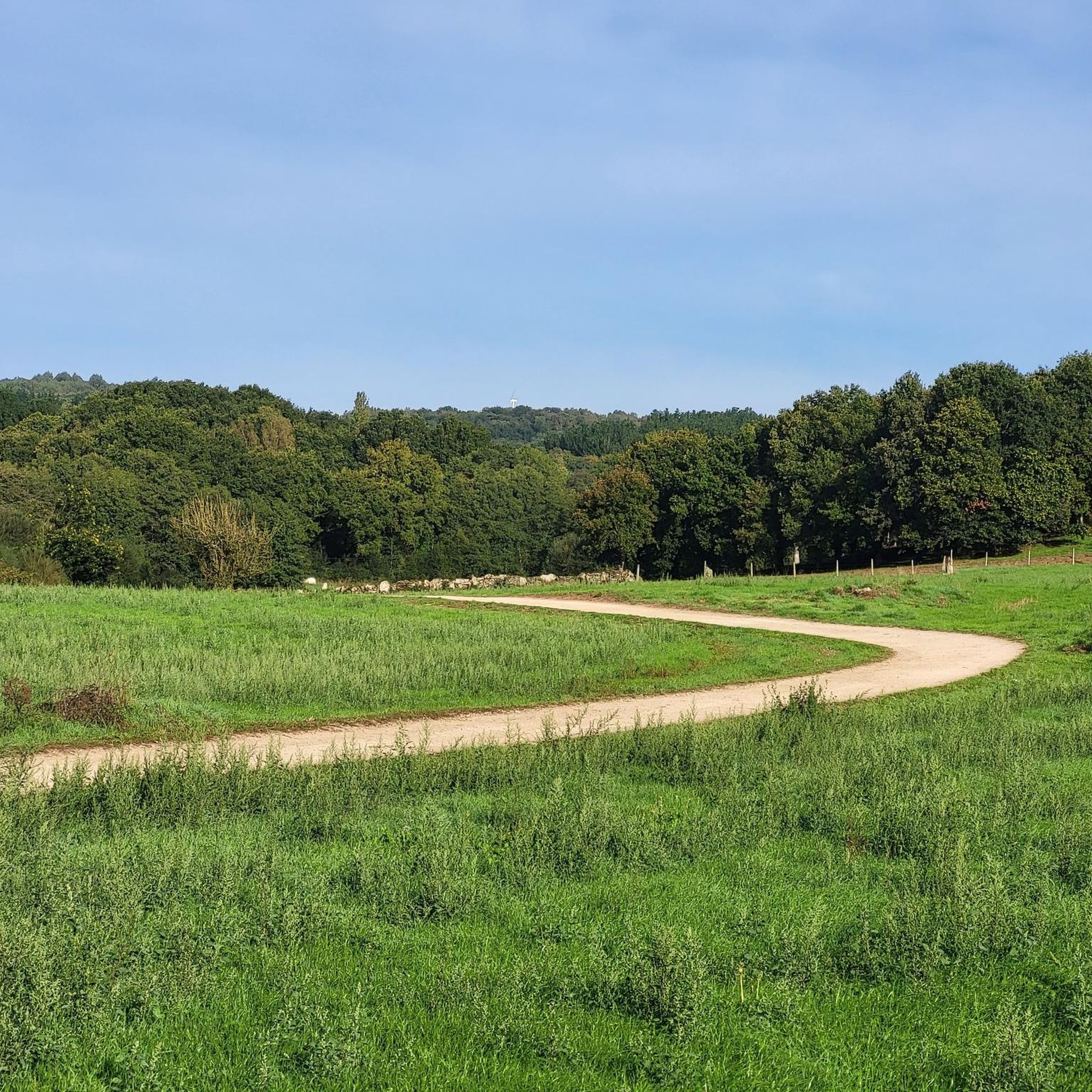
The region around Sarria is characterized by rolling hills, sweeping valleys, and ancient forests. The terrain often involves gentle ascents and descents, making for picturesque and immersive hiking experiences. Riverside paths, like those along the Sarria River, offer flatter, more leisurely walks.
How popular are the natural monuments around Sarria with other visitors?
The natural monuments around Sarria are highly appreciated by the komoot community. Locations like the Ancient Chestnut Tree in Ramil have gathered significant upvotes and photos, indicating their popularity and the positive experiences visitors have had exploring them.
Are there any natural features that are also significant to the Camino de Santiago?
Yes, several natural features are integral to the Camino de Santiago experience. The Ancient Chestnut Tree in Ramil is a revered landmark directly on the Camino Francés. Additionally, the general landscape of rolling hills, river valleys, and forests that pilgrims traverse highlights the abundant natural beauty of the area, making the journey itself a natural monument experience.
What should I pack when visiting natural monuments in Sarria?
When exploring the natural monuments and trails around Sarria, it's advisable to pack comfortable walking shoes, weather-appropriate clothing (layers are often best), water, and snacks. Depending on the season, sun protection or rain gear might also be necessary. A camera is recommended to capture the scenic beauty.
Most popular attractions around Sarria

Get inspired with the komoot mobile app


Explore more
Extend your search for the best caves by checking out these guides of the top ones around Sarria:
