Top 9 Natural Monuments around Castroserracín
Best natural monuments around Castroserracín are found within a region characterized by significant natural beauty and geological formations. The area is situated near natural parks known for their gorges, canyons, and diverse ecosystems. These landscapes, shaped by rivers like the Riaza and Duratón, offer a variety of natural attractions. The region provides opportunities to observe wildlife and explore unique geological features.
Best natural monuments around Castroserracín
- The most popular natural monuments is Vulture Cliff, a natural monument that provides…
Last updated: May 20, 2026
Vulture Cliff
Highlight • Natural Monument
Translated by Google •
Tip by

Hoces del Duratón Natural Park
Highlight • Gorge
Translated by Google •
Tip by

Sign up now to discover places like this
Get recommendations on the best single tracks, peaks, & plenty of other exciting outdoor places.
Sign up for free
Cave of the Seven Altars
Highlight • Cave
There are seven altars carved into the rocks that seem to come from the Visigothic era.
Translated by Google •
Tip by

Valle de Tabladillo
Highlight • Gorge
Translated by Google •
Tip by

Senda del Barranco de la Hoz and Cañón de Valdehornos
Highlight • Trail
Translated by Google •
Tip by

Sign up for free to discover even more natural monuments around Castroserracín.
Sign up for free
Already have an account?
Start today with a free account
Your next adventure awaits.
Login or Signup


Tips from the Community

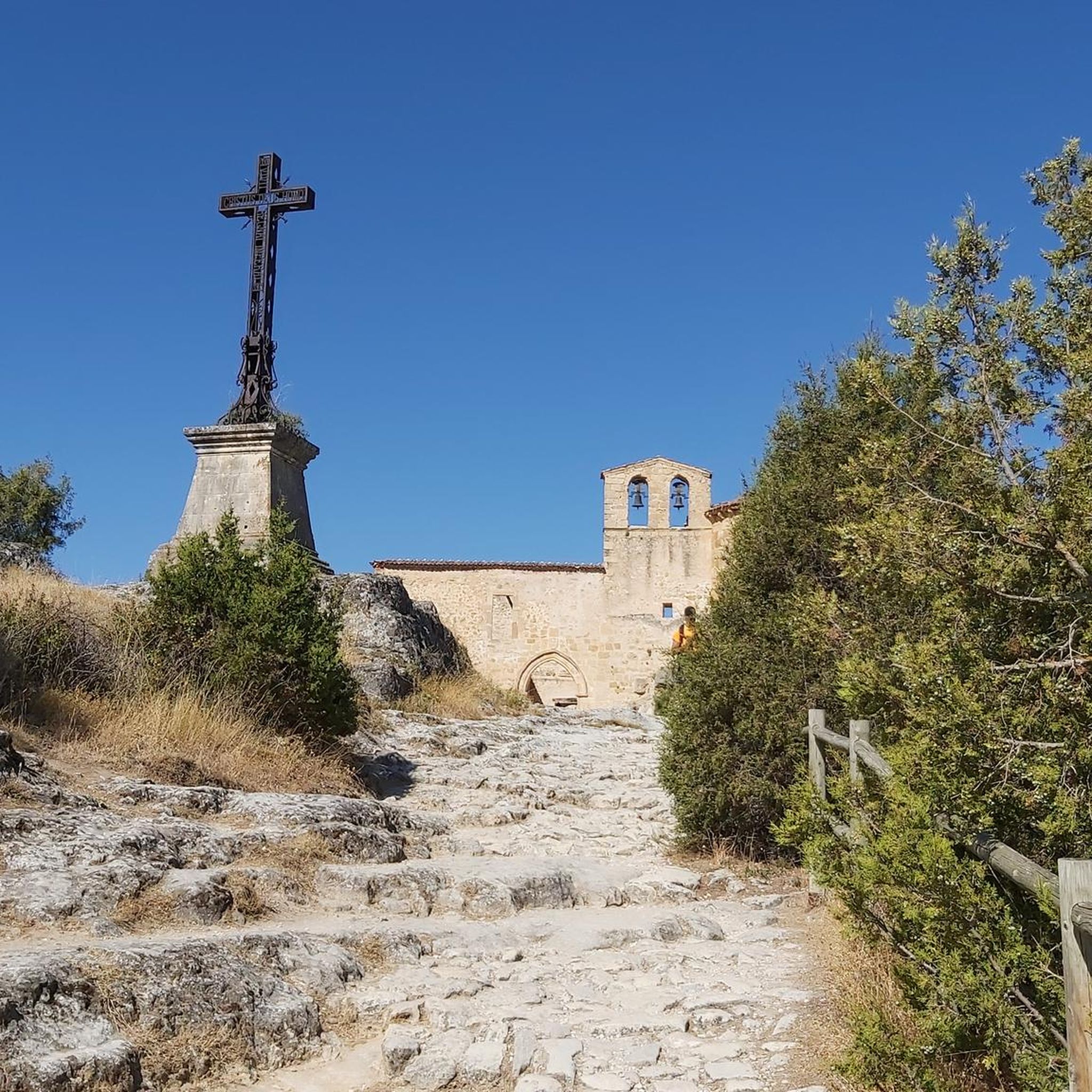
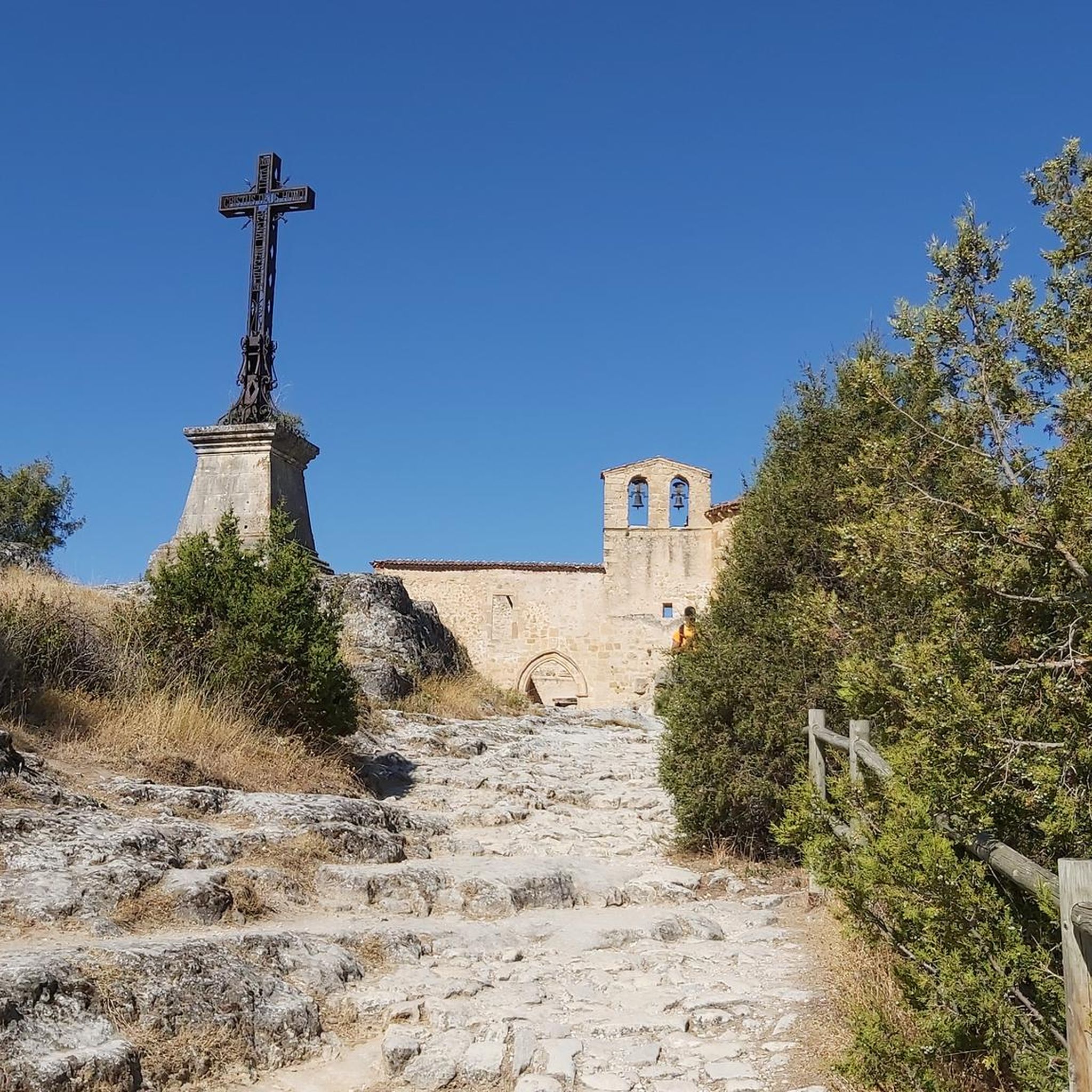
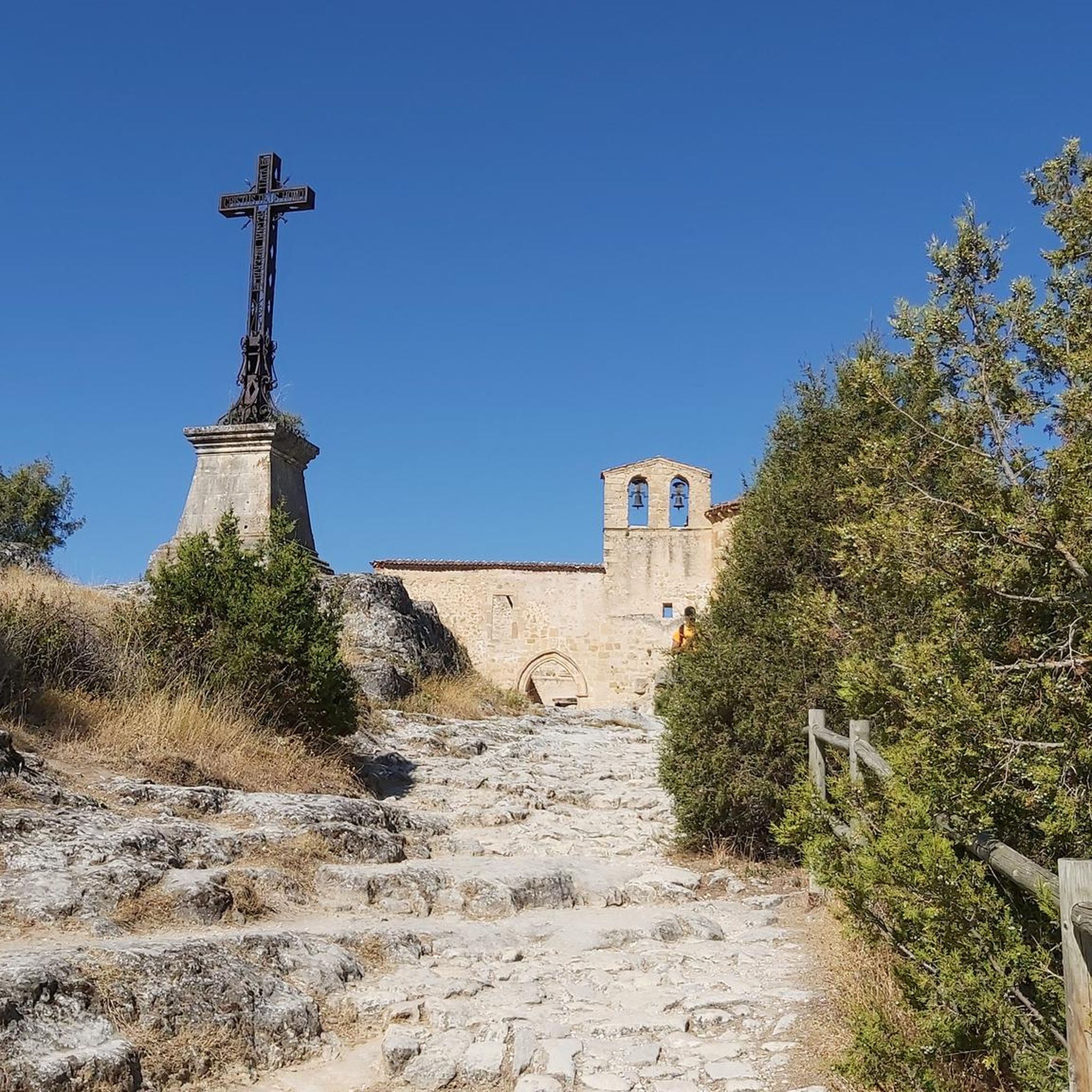
It was the place where San Frutos lived as a hermit. There are seven altars carved into the rocks that seem to come from the Visigothic era.
0
0

Above the Río Duratón there are these immense rocks, a gorge formed by the river, where we can see these huge animals.
0
1

The beautiful path of Barranco de la Hoz and Cañón de Valdehornos awaits me with open arms to offer me exceptional views and some technical steps, but without excessive difficulties. We can do it up or down.
2
0
Beautiful road that passes through the old middle of Valle de Tabladillo, a depression created by the passage of the river in these sedimentary lands.
0
0

The cave sanctuary of the Cueva de los Siete Altares is considered the first Christian sanctuary in the province of Segovia, inhabited by Visigoth hermits in the 7th century. Inside there are remains of the cave temple that has been used for centuries by the inhabitants of the region as a center of prayer.
0
1
The Duratón canyon is a valley nestled between the plateau of the Segovian páramo with walls that reach one hundred meters in several areas and an average width of fifty meters. The road draws the river line of the canyon, it is winding and undulating between imposing limestone and dolomite walls that have suffered a forceful wear of karstic dissolution for millions of years. At first the water filtered into the earth, forming an underground water course below the current course and due to erosion the roof and the side walls collapsed and the current bed emerged, although much narrower. Later periglacial modeling continued to affect the cuts in the gorges and increased the width of the gorge until the gorges became what they are today. The bottom of the river valley is an alluvial plain of gravel, sand, silt and clay where forest species grow that fill the interior of the gorge with life and color up to the meanders of the Burgomillodo reservoir, in the final stretch of the river within of the space of the natural park. In the central part of the gorges is the mouth of the Valdemuelas stream, a narrow gorge that descends from Villar de Sobrepeña, the area where the largest community of griffon vultures and birds of prey in the natural park is concentrated. The path is a constant gallery of poplars, poplars, alders, ash trees, willows, elms and other forest species associated with water courses. In some meanders the plain is more extensive and there are old plantations of walnut, chestnut, plum and wild hazelnut trees, the autumn festival of color is guaranteed. More than five hundred pairs of griffon vultures nest on the walls of the gorges, there are also Egyptian vultures, golden eagles and peregrine falcons.
0
1

Fantastic place to see the vultures, as it is not a protected area, it allows you to see them much closer than other known areas of the Hoces del Duratón.
1
0

We have never seen more vultures together than here
1
1
Frequently Asked Questions
What are the most notable natural features to explore near Castroserracín?
The region around Castroserracín is rich in dramatic geological formations. You can explore impressive gorges and canyons carved by rivers like the Duratón and Riaza. Key natural features include the limestone and dolomite walls of Hoces del Duratón Natural Park and the scenic depression of Valle de Tabladillo.
Where can I observe wildlife, especially birds of prey, near Castroserracín?
The area is a significant sanctuary for birds of prey. Vulture Cliff offers exceptional views of a gorge formed by the Río Duratón, where you can see a large population of vultures up close. The nearby Hoces del Río Riaza Natural Park is also renowned for its vital bird of prey sanctuary, hosting over 600 pairs of griffon vultures, along with golden eagles, Bonelli's eagles, and Egyptian vultures.
Are there historical or cultural sites among the natural monuments near Castroserracín?
Yes, the region combines natural beauty with historical significance. The Cave of the Seven Altars is a notable example, featuring seven altars carved into the rocks and considered an early Christian sanctuary from the Visigothic era in the province of Segovia. The Hoces del Río Riaza Natural Park also contains remains of Romanesque structures and the Casuar hermitage, which are Assets of Cultural Interest.
What kind of hiking trails are available near the natural monuments?
There are various hiking opportunities to explore the natural monuments. You can find trails that lead through gorges, juniper forests, and along riverbanks. For specific routes, you can check out the Hiking around Castroserracín guide, which includes routes like the 'Ermita de San Frutos' loop and trails offering views of the Monasterio de la Hoz.
Can I go cycling or mountain biking near these natural monuments?
Absolutely. The diverse terrain around Castroserracín is suitable for both cycling and mountain biking. You can find routes that take you through scenic landscapes and past natural monuments. For detailed options, refer to the Cycling around Castroserracín guide and the MTB Trails around Castroserracín guide, which feature routes like the 'Valdehornos Canyon and Las Duernas Trail'.
What is the difficulty level of trails around the natural monuments?
The trails vary in difficulty, catering to different fitness levels. Many routes are classified as 'moderate,' offering a good balance of challenge and accessibility. For example, the 'Senda del Barranco de la Hoz and Cañón de Valdehornos' offers exceptional views with some technical steps, but without excessive difficulties. There are also 'easy' options available, such as some sections of the 'Ermita de San Frutos' loop.
Are there any family-friendly natural monuments or activities in the area?
While specific 'family-friendly' designations aren't always explicit, many of the natural areas offer accessible paths and opportunities for nature observation that can be enjoyed by families. The Hoces del Río Riaza Natural Park, with its birdwatching opportunities and varied trails, can be a great option for families looking to explore nature together. Shorter, easier hiking routes are also available.
What is the best time of year to visit the natural monuments near Castroserracín?
The region's natural monuments can be enjoyed throughout much of the year. Spring and autumn generally offer pleasant temperatures for hiking and outdoor activities, with vibrant flora in spring and beautiful colors in autumn. These seasons are also excellent for birdwatching, as raptors are active. Summer can be warm, making early morning or late afternoon visits ideal, while winter offers a different, often quieter, perspective on the landscapes.
What do visitors particularly enjoy about the natural monuments around Castroserracín?
Visitors frequently highlight the spectacular views and the abundance of wildlife. Many are captivated by the opportunity to see large populations of vultures and other birds of prey up close, especially at spots like Vulture Cliff. The dramatic geological formations, such as the gorges and canyons, also receive high praise for their breathtaking vistas and the sense of natural power they convey.
Are there any specific viewpoints that offer impressive panoramas of the natural monuments?
Yes, the region is dotted with viewpoints offering stunning panoramas. Vulture Cliff is specifically known for its views of the Río Duratón gorge and its raptor inhabitants. Additionally, trails like the 'Senda del Barranco de la Hoz and Cañón de Valdehornos' are designed to provide exceptional views of the surrounding natural landscapes.
Is it possible to visit the Hoces del Río Riaza Natural Park from Castroserracín?
Yes, the Hoces del Río Riaza Natural Park is located near Castroserracín and is a highly recommended destination for nature lovers. It offers spectacular natural experiences with its impressive gorges, rich birdlife, and diverse landscape, making it a significant natural attraction worth visiting for those in the Castroserracín area.
Most popular attractions around Castroserracín

Get inspired with the komoot mobile app


Explore more
Extend your search for the best caves by checking out these guides of the top ones around Castroserracín:
