Top 11 Natural Monuments around Valle De Tabladillo
Best natural monuments around Valle De Tabladillo are found within a deep, fertile valley in Segovia, Spain, characterized by its distinctive natural features. The area is known for its impressive rocky walls and a unique microclimate. Visitors can explore a variety of geological formations and significant natural attractions. These natural features near Valle de Tabladillo Segovia offer diverse landscapes for outdoor activities.
Best natural monuments around Valle De Tabladillo
- The most popular natural monuments is Vulture Cliff, a natural…
Last updated: May 20, 2026
Vulture Cliff
Highlight • Natural Monument
Translated by Google •
Tip by

Hoces del Duratón Natural Park
Highlight • Gorge
Translated by Google •
Tip by

Sign up now to discover places like this
Get recommendations on the best single tracks, peaks, & plenty of other exciting outdoor places.
Sign up for free
Views of vulture nests
Highlight • Viewpoint
Translated by Google •
Tip by

Fuente de la Salud
Highlight • Natural Monument
Translated by Google •
Tip by

Cave of the Seven Altars
Highlight • Cave
There are seven altars carved into the rocks that seem to come from the Visigothic era.
Translated by Google •
Tip by

Sign up for free to discover even more natural monuments around Valle De Tabladillo.
Sign up for free
Already have an account?
Start today with a free account
Your next adventure awaits.
Login or Signup


Tips from the Community

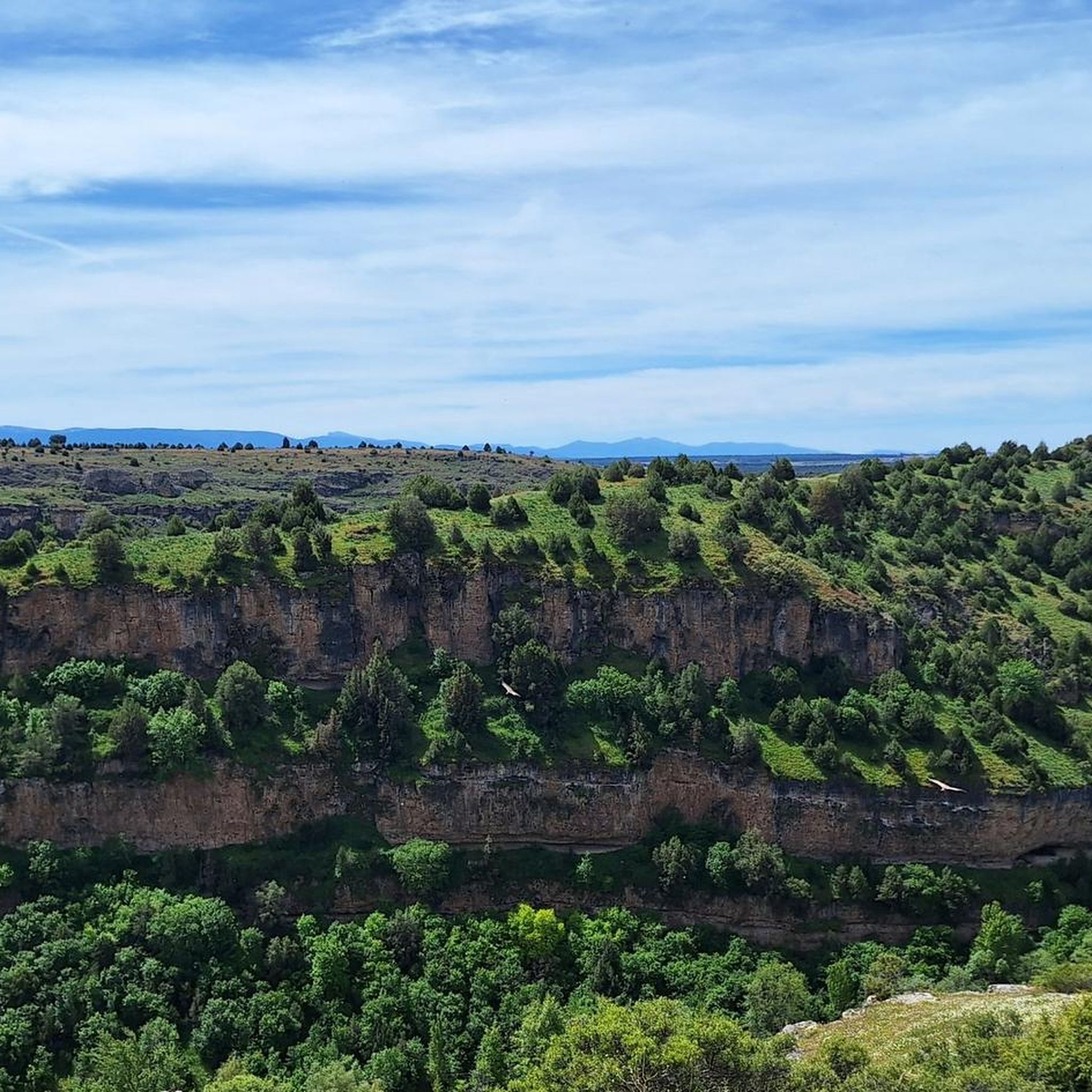
Between the town of San Miguel de Bernuy and the Villa de Fuentidueña, the Duratón River has excavated a deep canyon that is filled with the waters of the Las Vencias reservoir. The spectacular views of the cuts that the river has traced in its path are mixed with remains of an old fortress, a hermitage and a convent. There are vultures and we can see griffon vultures in their majestic flight. Among the activities that this attractive place offers us is sailing in a canoe or canoe from San Miguel de Bernuy to the end of the reservoir, enjoying the silence and delighting in the observation of nature.🌞😎
3
0

It was the place where San Frutos lived as a hermit. There are seven altars carved into the rocks that seem to come from the Visigothic era.
0
0

Above the Río Duratón there are these immense rocks, a gorge formed by the river, where we can see these huge animals.
0
1
In one of the meanders of the Embalse de las Vencías, large walls are erected on both sides of the bank that are used by vultures and their young. They nest in these walls and you have to be alert not to scare them. They are seen flying through the sky, huge wings!
1
0

The cave sanctuary of the Cueva de los Siete Altares is considered the first Christian sanctuary in the province of Segovia, inhabited by Visigoth hermits in the 7th century. Inside there are remains of the cave temple that has been used for centuries by the inhabitants of the region as a center of prayer.
0
1
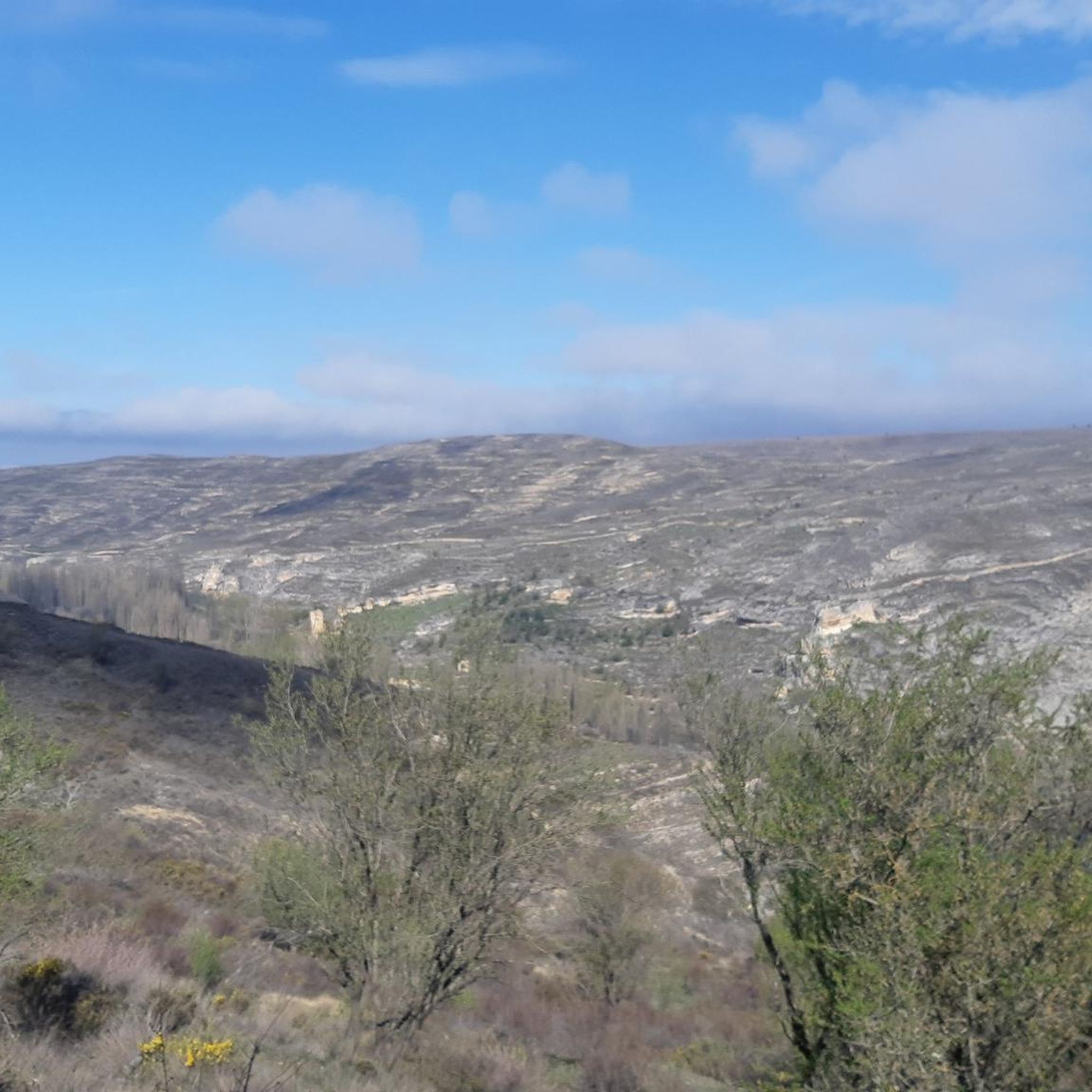
The Duratón canyon is a valley nestled between the plateau of the Segovian páramo with walls that reach one hundred meters in several areas and an average width of fifty meters. The road draws the river line of the canyon, it is winding and undulating between imposing limestone and dolomite walls that have suffered a forceful wear of karstic dissolution for millions of years. At first the water filtered into the earth, forming an underground water course below the current course and due to erosion the roof and the side walls collapsed and the current bed emerged, although much narrower. Later periglacial modeling continued to affect the cuts in the gorges and increased the width of the gorge until the gorges became what they are today. The bottom of the river valley is an alluvial plain of gravel, sand, silt and clay where forest species grow that fill the interior of the gorge with life and color up to the meanders of the Burgomillodo reservoir, in the final stretch of the river within of the space of the natural park. In the central part of the gorges is the mouth of the Valdemuelas stream, a narrow gorge that descends from Villar de Sobrepeña, the area where the largest community of griffon vultures and birds of prey in the natural park is concentrated. The path is a constant gallery of poplars, poplars, alders, ash trees, willows, elms and other forest species associated with water courses. In some meanders the plain is more extensive and there are old plantations of walnut, chestnut, plum and wild hazelnut trees, the autumn festival of color is guaranteed. More than five hundred pairs of griffon vultures nest on the walls of the gorges, there are also Egyptian vultures, golden eagles and peregrine falcons.
0
1

Fantastic place to see the vultures, as it is not a protected area, it allows you to see them much closer than other known areas of the Hoces del Duratón.
1
0

We have never seen more vultures together than here
1
1
Frequently Asked Questions
What are some of the most impressive natural monuments to see around Valle de Tabladillo?
The most significant natural monument is the Hoces del Río Duratón Natural Park, renowned for its majestic canyons carved by the Duratón River. Within the park, you can visit Vulture Cliff for close views of soaring vultures, and the Hoces del Duratón Natural Park itself, which features dramatic gorges and rich wildlife. Another notable spot is Fuente de la Salud, a natural spring near Sepúlveda.
What kind of wildlife can I expect to see in the natural monuments area?
The Hoces del Río Duratón Natural Park is a haven for birdwatchers, hosting one of Europe's largest colonies of griffon vultures. You can often see them soaring over the cliffs, especially from viewpoints like Vulture Cliff or Views of vulture nests. Other birds of prey, such as Egyptian vultures, golden eagles, and peregrine falcons, also nest here.
Are there any historical or archaeological sites within the natural monuments?
Yes, the area is rich in history. Within the Hoces del Río Duratón Natural Park, you can find the Benedictine Priory of San Frutos, set in a breathtaking landscape, and the ruins of the convent of Nuestra Señora de la Hoz. Additionally, the Cave of the Seven Altars is a significant historical site, considered the first Christian sanctuary in the province of Segovia, with altars carved into the rocks.
What unique geological formations can be found near Valle de Tabladillo?
Beyond the grand canyons of the Duratón, the immediate surroundings of Valle de Tabladillo feature several interesting rock formations sculpted by erosion. These include almost cylindrical limestone monoliths known as El Pingocho, El Fraile, and Las Monjas. There's also San Juan, a notable rock with a small juniper tree, and the small canyon of Barranco de La Pecilga.
What outdoor activities are available near the natural monuments?
The region offers numerous outdoor activities. You can enjoy hiking on trails with spectacular views, or experience the natural setting up close by canoeing or kayaking on the Duratón River. For specific routes, explore the hiking trails around Valle De Tabladillo, running trails, or MTB trails.
Are there family-friendly natural monuments or activities in the area?
Yes, the area offers options for families. The Fuente de la Salud is a natural spring that is considered family-friendly. Many of the hiking trails in the Hoces del Río Duratón Natural Park are suitable for families, though some sections may be more challenging. Canoeing on the Duratón River can also be a memorable family experience.
What is the best time of year to visit the natural monuments around Valle de Tabladillo?
The best time to visit is generally during spring or autumn. These seasons offer pleasant temperatures for outdoor activities like hiking and canoeing, and the landscapes are particularly vibrant. Spring brings lush greenery, while autumn provides a beautiful display of colors along the riverbanks. Summer can be hot, but water activities are popular, while winter can be cold but offers a different, serene beauty.
Can I go hiking near the natural monuments?
Absolutely. The region is excellent for hiking, with trails offering stunning views of the canyons and opportunities to spot wildlife. You can find a variety of routes, from easy walks to more challenging treks. Explore the hiking guide for Valle De Tabladillo to discover trails like the 'Sepúlveda y Río Duratón — circular por el Parque natural Hoces del río Duratón' or the 'Ermita de San Frutos – Hermitage of San Frutos loop'.
Are there any viewpoints to get a good perspective of the canyons?
Yes, there are several excellent viewpoints. Vulture Cliff offers fantastic close-up views of the vultures and the Duratón gorge. Another great spot is Views of vulture nests, where you can observe the majestic flight of griffon vultures over the Las Vencías reservoir. The entire Hoces del Río Duratón Natural Park is characterized by numerous spots offering panoramic views of the deep canyons.
What do visitors enjoy most about the natural monuments around Valle de Tabladillo?
Visitors frequently highlight the spectacular scenery of the canyons and the abundance of wildlife, especially the griffon vultures. The opportunity to see these immense birds soaring so close is often mentioned as a unique experience. The tranquility of the natural settings, the historical sites like the Priory of San Frutos, and the chance to engage in activities like hiking or canoeing are also highly appreciated.
Are there any lesser-known natural features or 'hidden gems' in the area?
While the Hoces del Río Duratón is well-known, the immediate vicinity of Valle de Tabladillo holds some interesting, less-trafficked natural features. These include the unique rock formations of El Pingocho, El Fraile, and Las Monjas, which are almost cylindrical limestone monoliths. The Barranco de La Pecilga, a small rocky canyon, also offers a distinctive natural landscape for those exploring local trails.
Most popular routes around Valle De Tabladillo
Most popular attractions around Valle De Tabladillo

Get inspired with the komoot mobile app


Explore more
Extend your search for the best caves by checking out these guides of the top ones around Valle De Tabladillo:
